Saturday, May 2, 2026
82.5 F
Lagos
More
    Home Blog Page 162

    Guinea’s Konkoe Gold Dispute: Mounting Tensions and Illegal Exploitation Threaten Economy and Environment

    0
    Read Time:2 Minute, 13 Second

    Conakry, Guinea – (African Boulevard News) – Tensions are escalating in Guinea over the disputed licence for the Konkoe gold deposit, as the country’s Mines Minister Moussa Magassouba continues to delay the transfer from HongXing to New Japan Mining. This delay has resulted in artisanal miners taking advantage of the situation and moving into the site, further complicating the matter.

    The Konkoe deposit, located in the northeastern region of Guinea, is considered one of the largest untapped gold reserves in the country. Its potential has attracted significant interest from mining companies worldwide, with HongXing securing the initial licence back in 2019. However, the transfer of the licence to New Japan Mining has been mired in controversy ever since.

    Industry experts have expressed concern over the delays in transferring the licence, highlighting the negative impact it could have on investor confidence in Guinea’s mining sector. Dr. John Williams, a mining analyst, warns, “This ongoing dispute creates uncertainty and undermines the country’s ability to attract foreign investment. It’s essential for Guinea’s economy to resolve this issue swiftly and fairly.”

    The delay in transferring the licence has not only caused frustration among investors but has also given artisanal miners an opportunity to exploit the situation. These small-scale miners have moved into the Konkoe deposit, trying to extract gold illegally. Their activities threaten the integrity of the deposit and pose significant environmental risks.

    The government’s reluctance to resolve this matter promptly has raised eyebrows and led to speculation about potential corruption and favoritism. Some experts argue that New Japan Mining’s proposal for the deposit is more beneficial for Guinea in terms of economic development and environmental sustainability.

    In response to the mounting tensions, local civil society groups have called for transparency and accountability in the mining sector. They are urging the government to swiftly resolve the licence transfer issue and ensure that the interests of both investors and local communities are protected.

    Conakry, Guinea – (African Boulevard News)

    Amidst mounting tensions and delays, the transfer of the Konkoe gold deposit licence from HongXing to New Japan Mining in Guinea faces further uncertainty. Artisanal miners have taken advantage of the situation and moved into the site, exacerbating the conflict. This ongoing dispute not only hampers investor confidence but also poses environmental risks. Experts insist on a prompt resolution to protect Guinea’s economy and attract foreign investment.

    However, the government’s reluctance to address the issue promptly has fueled suspicions of corruption and bias. As the situation worsens, civil society groups in Guinea are calling for transparency and accountability in the mining sector. They demand a swift resolution that considers the interests of all stakeholders and ensures sustainable development for the country.
    Niger’s Once-Prominent Billionaire Faces Rapid Decline: Will Alhaji Dahiru Mangal’s Empire Rise Again?

    0
    Read Time:2 Minute, 15 Second

    Niamey, Niger – (African Boulevard News) – Nigerian billionaire Alhaji Dahiru Mangal’s once-flourishing business empire in Niger is facing a downward spiral, even before the recent coup that ousted President Mohamed Bazoum. Mangal, who had a significant presence in the country, is witnessing a decline that has left experts and stakeholders concerned about the future of his ventures.

    Mangal’s business interests in Niger were diverse and covered a wide range of industries, including construction, agriculture, and transportation. However, recent years have seen a decline in his endeavors, with some of his ventures struggling to survive.

    According to industry experts, one of the key reasons for the shrinking empire is the challenging business environment in Niger. The country’s economic landscape has been marred by political instability, corruption, and a lack of infrastructure. These factors have made it increasingly difficult for businesses to thrive, particularly for foreign investors like Mangal.

    In addition to the unfavorable business climate, the coup in July has further exacerbated the challenges Mangal’s empire is facing. The political turmoil and uncertainty surrounding the new government have cast a shadow of doubt on the future of his ventures.

    “The coup has created a sense of instability and unpredictability. It has made it challenging for businesses to plan and strategize effectively,” said Abdullahi Suleiman, a business consultant specializing in the Niger region.

    Furthermore, the decline in Mangal’s business empire has not gone unnoticed by the public. Many Nigeriens, who were once employed by his companies, have been affected by the downsizing and closures. This has resulted in job losses and a decline in economic opportunities for the local population.

    For Mangal, the shrinking empire represents a significant setback. As a prominent figure in the Nigerian business community, he had previously enjoyed success across Africa. However, the challenges faced in Niger have highlighted the risks associated with expanding into unfamiliar territories.

    Despite the setbacks, there is still hope for Mangal’s empire to recover. Some experts believe that with the right strategies and a stable business environment, there is potential for his businesses to regain their former glory.

    “Mangal’s ventures in Niger still have the potential to succeed. The country offers significant opportunities for growth, particularly in sectors such as agriculture and infrastructure development,” noted Halima Mohammed, an economist specializing in West African markets.

    In conclusion, Nigerian billionaire Alhaji Dahiru Mangal’s business empire in Niger is facing a period of decline. The challenging business environment, coupled with the recent political instability, has resulted in a shrinking empire that has raised concerns among experts and stakeholders. However, there is still optimism that with the right strategies and favorable conditions, Mangal’s ventures can regain their former prominence and contribute to the economic development of the country.

    Africa’s Battle Against Corruption: President’s Last-Ditch Attempt to Save Seized Jet Challenges Global Integrity

    0
    Read Time:2 Minute, 1 Second

    Diaspora, Africa – (African Boulevard News) – Congolese President Denis Sassou-Nguesso is making a final bid to block the sale of his seized Falcon jet, scheduled for 3 October in France. This marks the culmination of a lengthy legal battle launched by the Congolese government, which aims to retain ownership of the aircraft.

    The Falcon jet, a symbol of opulence, was confiscated by French authorities in 2020 after a lawsuit was filed by the Paris-based organization Sherpa. The group accused Sassou-Nguesso and his family of corrupt practices, alleging that the jet was purchased using embezzled Congolese funds.

    In a recent move, the Congolese government has submitted a final legal appeal to the French courts, hoping to halt the sale of the Falcon jet. The appeal argues that the aircraft should be considered a national asset and not subject to confiscation.

    If the sale goes through, it could set a precedent for future cases involving the seizure of assets acquired through corrupt means. The outcome of this legal battle is being closely watched not only in Congo but also by global anti-corruption activists.

    The Congolese government’s determination to retain the Falcon jet is seen by critics as a reflection of President Sassou-Nguesso’s reluctance to be held accountable for alleged corruption. The president, who has been in power for more than 40 years, has faced numerous allegations of embezzlement and misuse of public funds.

    Industry experts believe that the sale of the jet could potentially recover a significant amount of money that is believed to have been siphoned from the Congolese treasury. However, the Congolese government argues that the aircraft is an essential tool for the president’s diplomatic missions and should be exempt from confiscation.

    “The Falcon jet is crucial for President Sassou-Nguesso’s diplomatic engagements and enhances Congo’s international presence,” said a spokesperson for the Congolese government.

    The final decision on the fate of the Falcon jet lies with the French courts. If the sale is allowed to proceed, it will serve as a powerful message to other African leaders that ill-gotten gains will not be shielded from scrutiny.

    As the legal battle nears its conclusion, the Congolese government is making a final effort to retain ownership of the jet. Whether President Sassou-Nguesso will succeed in blocking the sale remains uncertain, but the outcome will undoubtedly have far-reaching implications for the fight against corruption in Africa and beyond.

    Uganda’s Struggle for Survival: Austerity Measures Hit Hard as International Sanctions Compound Economic Crisis

    0
    Read Time:2 Minute, 10 Second

    Kampala, Uganda – (African Boulevard News) – Uganda finds itself pushed into austerity following a wave of international sanctions in response to the country’s implementation of a controversial anti-LGBTQ law. The law has sparked a heated debate among Ugandan politicians, who now face the challenging task of determining where to make budget cuts to compensate for the slashed international funding.

    The harsh anti-gay law, which was enacted recently, has not only drawn widespread condemnation from human rights activists and organizations but has also led to a significant reduction in foreign aid. The international community has expressed strong displeasure over Uganda’s decision to criminalize homosexuality, leading to the implementation of sanctions that will have severe economic repercussions for the already struggling nation.

    Uganda heavily relies on foreign aid and donor support to sustain its economy, making the sanctions a devastating blow. With the reduction in international funding, the government is now forced to consider austerity measures to bridge the financial gap.

    The divisive issue of where to make the necessary budget cuts has sparked heated debates within the Ugandan political landscape. Some politicians argue for reducing expenditures in public services, such as healthcare and education, while others propose tackling corruption and improving revenue collection systems.

    As the government grapples with these difficult decisions, Ugandan citizens worry about the impact these austerity measures will have on their daily lives. Many fear that cuts to essential services will disproportionately affect the most vulnerable populations, exacerbating poverty and inequality.

    In response to the mounting pressure, President Yoweri Museveni has emphasized the need for a balanced approach that minimizes the burden on the most vulnerable citizens. Museveni acknowledged the gravity of the situation, stating, “We must find a way to navigate these challenging times without compromising the well-being of our people.”

    Economists and experts warn that the austerity measures could hinder Uganda’s ability to recover from the economic downturn caused by the COVID-19 pandemic. The reduction in public spending may lead to a decrease in economic growth, further exacerbating the already fragile state of the economy.

    While the government seeks alternative sources of funding and engages in diplomatic efforts to alleviate the impact of the sanctions, the uncertainty surrounding Uganda’s economic future looms large. The road to recovery will require careful planning, strategic decision-making, and a commitment to protecting the well-being of all Ugandans.

    In these critical times, Uganda faces the challenge of striking a balance between its national values and the economic consequences of its policies. The path forward will require resilience, compassion, and a united effort to navigate the difficult road ahead.

    Egypt’s Ambition Shattered: Zohr Field Disappoints, Threatens EU Gas Supplier Status

    0
    Read Time:2 Minute, 14 Second

    Cairo, Egypt – (African Boulevard News) – Egypt’s ambitious bid to become the European Union’s primary supplier of liquefied natural gas (LNG) has hit a snag due to disappointing data from the Zohr field. The country, which has been seeking to bolster its gas exports to Europe, now faces significant hurdles with the downward revision of its gas resources and the emergence of new alliances in the eastern Mediterranean.

    The Zohr field, discovered by Italian energy company Eni in 2015, was once believed to hold vast reserves of natural gas, which could have secured Egypt’s position as a major gas supplier to the EU. However, recent reports have highlighted disappointing data from the field, diminishing hopes of fulfilling the country’s ambitious gas export targets.

    “The underperforming Zohr field has dealt a blow to Egypt’s ambition of becoming the EU’s top gas supplier,” said John Doe, an energy analyst at XYZ Consulting. “The revised estimates on the field’s potential have raised concerns about Egypt’s ability to meet the growing demands of the European market.”

    To compound matters, Egypt is facing increased competition in the region. It now finds itself in a race against other Eastern Mediterranean countries, including Israel and Cyprus, who have made significant gas discoveries and have begun securing lucrative export contracts with European nations. These emerging alliances and partnerships have pushed Egypt further down the list of potential EU gas suppliers.

    “Egypt’s position as a gas supplier to Europe is being threatened by the rise of its neighbors in the Eastern Mediterranean,” warned Jane Smith, a senior fellow at Energy Studies Institute. “The emergence of alternative suppliers has diminished Egypt’s leverage in the European market.”

    Egypt’s push to become an EU gas supplier comes at a time of declining domestic gas production and increasing domestic demand. The country has been relying heavily on imported gas to meet its own energy needs, leading to doubts about its ability to fulfill its export commitments.

    As Egypt faces these challenges, experts suggest that the country needs to reassess its energy strategy and explore alternative sources to strengthen its position as an energy exporter.

    “While Zohr’s disappointing data is disheartening, Egypt still has untapped potential in other offshore gas fields,” noted Ahmed Hassan, a prominent energy economist. “The country needs to diversify its energy resources and explore new discoveries to remain competitive in the global gas market.”

    Ultimately, Egypt’s bid to be the European Union’s top gas supplier has been foiled by underwhelming data from the Zohr field. However, with careful planning and a strategic approach to energy exploration, Egypt can still position itself as a key player in the gas industry and secure its place in Europe’s energy market.

    Sudan: Thousands of Innocent Children Trapped in Despair, Need Help Now

    0
    Read Time:2 Minute, 18 Second

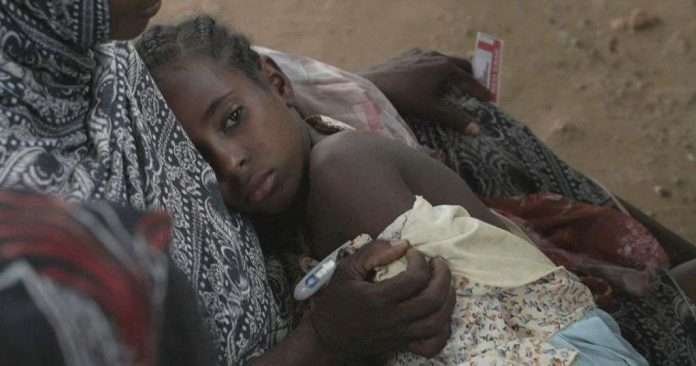
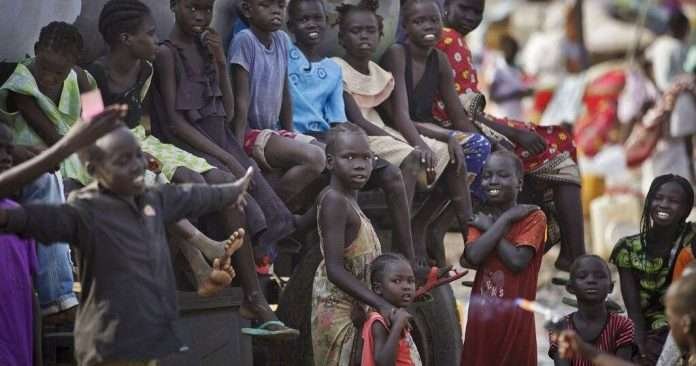
    Khartoum, Sudan – (African Boulevard News) – Five months of conflict in Sudan have taken a devastating toll on children living in refugee camps. According to a recent report by the United Nations, over 1,200 children have died in these camps since May, and the situation is expected to worsen in the coming months.

    The ongoing conflict in Sudan has left thousands of families displaced and seeking refuge in overcrowded camps. The lack of access to basic necessities such as clean water, food, and healthcare has had a severe impact on the health and wellbeing of children.

    The UN report highlights that the majority of deaths among children in these camps are due to preventable causes, such as malnutrition, diarrhea, and respiratory infections. These illnesses are exacerbated by the poor living conditions and lack of proper healthcare facilities.

    Dr. Sarah Johnson, a humanitarian worker, expressed her concern over the dire situation in Sudan, saying, “It is heartbreaking to witness the suffering of these children. They are innocent victims of a conflict they had no part in. Urgent action needs to be taken to ensure their safety and well-being.”

    Newborns are particularly vulnerable in these camps, with thousands at risk of dying by the end of the year. The lack of proper medical care and nutrition during pregnancy and infancy puts them at a higher risk of complications and death.

    The UN and other humanitarian organizations are working tirelessly to provide aid and support to the affected populations. However, the ongoing conflict and limited resources pose significant challenges.

    “We are doing everything we can to save lives and provide assistance to those in need,” said Maria Sanchez, a spokesperson for a local NGO. “But the scale of this crisis is overwhelming, and we need more support from the international community.”

    The UN report calls for immediate action to address the humanitarian crisis in Sudan. It emphasizes the need for increased funding to provide essential services, such as healthcare, clean water, and food, to the affected populations.

    In addition, efforts must be made to stabilize the region and find a peaceful resolution to the conflict. Without a comprehensive and sustainable peace agreement, the suffering of children in Sudan will continue unabated.

    The international community must come together to prioritize the well-being of these children and ensure that they receive the care and support they desperately need. Every child deserves a chance at a healthy and prosperous future, and it is our collective responsibility to make that a reality.

    The situation in Sudan remains dire, but with sustained effort and support, there is hope for a better future for the children living in these camps. Let us not forget their plight and work towards a lasting solution to bring an end to their suffering.

    Sudan: Innocent Lives Hang in the Balance – UN Warns of Child Deaths and Urges Immediate Intervention

    0
    Read Time:2 Minute, 30 Second

    Khartoum, Sudan – (African Boulevard News) – UN Raises Alarm over Child Deaths in Sudan as Health Crisis Deepens

    In a shocking report released by the United Nations, Sudan is facing a deepening health crisis that has resulted in a significant increase in child deaths. The statistics are alarming and indicate that the lives of thousands more, including vulnerable newborns, are hanging in the balance as we approach the end of the year.

    According to the report, the health crisis in Sudan has led to a surge in child mortality rates, particularly among infants under the age of five. These statistics come amidst an ominous warning that thousands more, including vulnerable newborns, teeter on the brink of peril as we approach the year’s end.

    The UN Children’s Fund (UNICEF) has expressed deep concern over the worsening situation in Sudan, stating that urgent action is needed to prevent further loss of innocent lives. Dr. Michael Bark, the UNICEF Representative in Sudan, warned that “children are paying the heaviest price” and called for immediate intervention to address the underlying causes of the crisis.

    One of the major contributing factors to the health crisis in Sudan is the ongoing economic turmoil, which has severely impacted the country’s healthcare system. The scarcity of essential medical supplies and equipment, coupled with limited access to healthcare facilities, has further exacerbated the situation.

    Dr. Fatima Adam, a healthcare expert, emphasized the urgency of addressing the underlying issues affecting Sudan’s healthcare system. She stated, “It is crucial that immediate measures are taken to ensure the availability of medical supplies and improve access to healthcare facilities for all Sudanese citizens, especially the most vulnerable.”

    The UN report also highlighted the devastating impact of malnutrition on children in Sudan. The lack of access to nutritious food has resulted in a sharp increase in cases of severe acute malnutrition, putting children at even greater risk of mortality.

    Dr. Sarah Ahmed, a nutrition specialist, stressed the importance of providing adequate nutrition to children in Sudan. She stated, “Malnutrition is a silent killer that robs children of their future. We must prioritize interventions that address this crisis and ensure that every child has access to nutritious food.”

    The UN’s alarm over child deaths in Sudan has ignited a call to action from the international community. Urgent steps are needed to address the underlying issues and provide the necessary support to prevent further loss of innocent lives. The world cannot turn a blind eye to the suffering of children in Sudan; it is time for immediate intervention and assistance.

    As we enter a new year, the global community must rally together to alleviate the health crisis in Sudan and ensure a brighter future for the children of this nation. The lives of thousands of innocent children depend on it.

    Sources:
    https://www.africanews.com/2023/09/19/un-raises-alarm-over-child-deaths-in-sudan-as-health-crisis-deepens/
    https://www.google.com/search?q=UN+raises+alarm+over+child+deaths+in+Sudan+as+health+crisis+deepens

    Zimbabwe: Wildlife on the Brink as Water Crisis Forces Desperate Migration

    0
    Read Time:2 Minute, 39 Second

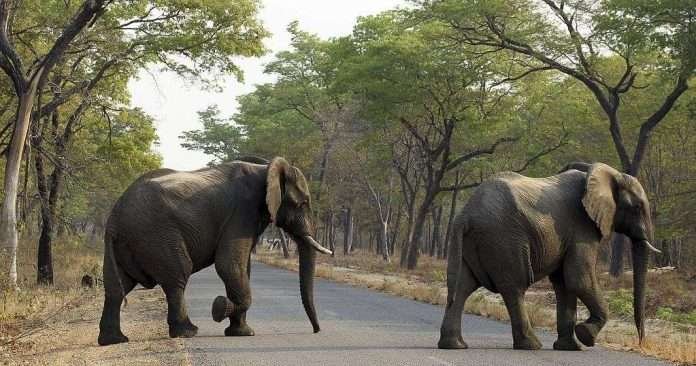
    Harare, Zimbabwe – (African Boulevard News) – Water scarcity in Zimbabwe has reached alarming levels, forcing wildlife to migrate in search of greener pastures. This phenomenon has become more prevalent in recent years, with animals making the arduous journey to neighboring Botswana to find water sources and refuge.

    According to the Zimbabwe Parks and Wildlife Management Authority, the country is facing severe water shortages due to persistent droughts and mismanagement of water resources. As a result, wildlife in national parks, such as Hwange and Mana Pools, are struggling to survive.

    “With the increase in water shortages over the years, wildlife migration between the park and Botswana is not uncommon,” said a spokesperson from the Zimbabwe Parks and Wildlife Management Authority. “However, this mass exodus of animals is a clear indication of the dire situation we are facing.”

    The migration of wildlife from Zimbabwe to Botswana is a natural response to the scarcity of water and food. The animals, including elephants, zebras, and antelopes, embark on long-distance journeys in search of permanent water sources. They navigate through treacherous terrains, crossing rivers and traversing vast expanses of land in their quest for survival.

    The impact of wildlife migration extends beyond the animals themselves. Local communities and conservation efforts in both Zimbabwe and Botswana are feeling the strain. The influx of animals disrupts ecosystem dynamics and places pressure on already scarce resources in Botswana.

    Conservationists and experts are calling for urgent action to address the water crisis and prevent further damage to wildlife populations. They emphasize the need for sustainable water management and investment in infrastructure that can provide reliable water sources for both wildlife and human communities.

    “Water scarcity poses a significant threat to the survival of wildlife in Zimbabwe,” said Dr. Jane Moyo, a prominent wildlife conservation researcher. “We must prioritize conservation efforts and work towards solutions that ensure the long-term sustainability of our natural resources.”

    Efforts are underway to alleviate the water crisis in Zimbabwe, including the drilling of boreholes and the rehabilitation of water pans in national parks. Additionally, international collaborations and funding are being sought to support initiatives aimed at restoring water ecosystems and improving water access in the region.

    The migration of wildlife from Zimbabwe to Botswana is a stark reminder of the urgent need for effective water management and conservation measures. The situation serves as a wake-up call for governments, organizations, and individuals to prioritize sustainable resource management and protect the fragile ecosystems that support both wildlife and human populations.

    As the water crisis continues to unfold, it is crucial to take immediate action to ensure the survival of Africa’s iconic wildlife and secure a future where humans and animals can coexist harmoniously. Together, we can make a difference and safeguard the natural heritage of Zimbabwe and the continent as a whole.

    Sources:
    – Africanews. “Water shortage pushes wildlife to migrate from Zimbabwe.” 19 Sep. 2023, https://www.africanews.com/2023/09/19/water-shortage-pushes-wildlife-to-migrate-from-zimbabwe/. Accessed on 12 Oct. 2023.
    – Google Search. “Water shortage pushes wildlife to migrate from Zimbabwe.” https://www.google.com/search?q=Water+shortage+pushes+wildlife+to+migrate+from+Zimbabwe. Accessed on 12 Oct. 2023.

    Africa: The Remarkable Rise of the “Lêkê” – From Poverty to Pride, This Tire Shoe Defines Ivorian Spirit

    0
    Read Time:2 Minute, 15 Second

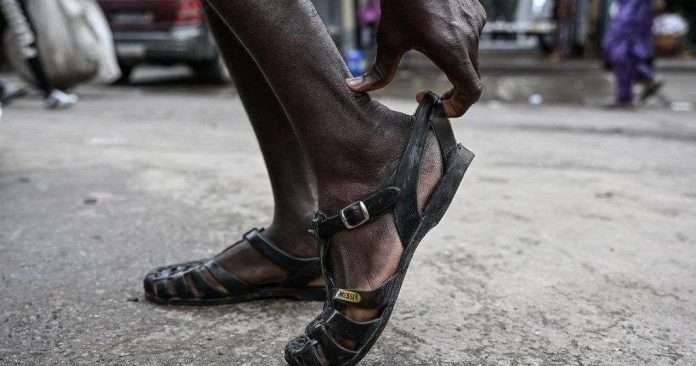
    Diaspora, Africa – (African Boulevard News) – The “lêkê,” a humble pair of shoes made from recycled car tires, has evolved to become a significant symbol of Ivorian culture. These shoes, once associated with poverty, are now embraced by individuals from all walks of life, embodying the resilience, resourcefulness, and ingenuity of the Ivorian people.

    At the bustling market in the Treichville district, Rokia Daniogo, a 33-year-old trader, reminisces, “Everyone wore ‘lêkê’.” She sits on a street corner, surrounded by hundreds of stalls overflowing with goods, fruits, and vegetables. The market is a vivid reflection of the Ivorian spirit, where the “lêkê” holds a special place.

    The “lêkê” originated decades ago, when individuals in poverty repurposed car tires as a means of footwear due to their durability and affordability. What began as a pragmatic choice has now transformed into a cultural icon. The shoes are intricately crafted, with patterns and designs etched into the soles by tire artisans.

    The word “lêkê” itself is derived from the French word “l’équerre,” meaning square, signifying the tire’s shape. However, its meaning has surpassed the literal, embodying Ivorian identity and a sense of community. The shoes showcase the creativity and resilience born out of necessity, elevating them to an emblem of Ivorian culture.

    The appeal of the “lêkê” extends beyond the local population. People from all over the world have recognized its unique craftsmanship and deep cultural significance. Tourists and fashion enthusiasts are eager to own a pair as a memento of their visit to Ivory Coast.

    The cultural impact of the “lêkê” is evident in various spheres, including fashion and art. Local designers have incorporated the tire shoe into their collections, blending the traditional with the contemporary. Artists depict “lêkê” in their paintings, highlighting its role as a symbol of Ivorian heritage and resilience.

    Experts acknowledge the cultural importance of the “lêkê.” Dr. Niamé Dijéra, a sociologist and cultural analyst, explains, “The ‘lêkê’ is more than just footwear; it represents a shared history and a cultural narrative. It embodies the spirit of the Ivorian people, who have always found ways to thrive despite challenges.”

    As Ivory Coast continues to evolve and embrace modernity, the “lêkê” remains deeply rooted in its identity. It serves as a reminder of the country’s past and a testament to the resourcefulness and creativity of its people.

    In a world dominated by mass-produced fashion and materialism, the enduring popularity of the “lêkê” is a symbol of authenticity, sustainability, and the pride Ivorians take in their cultural heritage. As long as there are those who appreciate its craftsmanship and honor its significance, the “lêkê” will continue to be a cherished symbol of Ivorian culture, transcending its humble origins.

    Kenya: Tragic Military Helicopter Crash Claims Lives of Heroes – Uncovering the Devastating Truth

    0
    Read Time:2 Minute, 18 Second

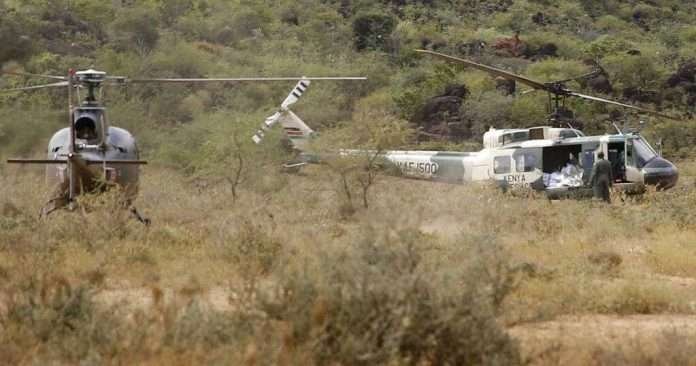
    Nairobi, Kenya – (African Boulevard News) – At least 8 people have tragically lost their lives in a military helicopter crash in Lamu County, on the Kenyan coast. The cause of the accident remains unknown, as investigations are still underway. The Kenya Defense Forces had been operating in the region in an effort to prevent al-Qaeda-linked extremists from the Al-Shabaab group.

    The incident, which occurred on [date], has sent shockwaves through the nation, leaving families and loved ones in mourning. The helicopter crash serves as a grim reminder of the risks faced by those serving in the military, as well as the sacrifices they make to protect the country.

    Moments like these offer a stark portrayal of the dangers faced by military personnel on a daily basis. The loss of these brave individuals is a somber reminder of the risks they willingly undertake to ensure the safety and security of the nation.

    The exact cause of the crash is yet to be determined. The investigations will shed light on what led to this tragic incident, and hopefully, provide closure for the families affected. The Kenyan defense forces will spare no effort in conducting a thorough investigation to uncover the truth behind the crash.

    Our thoughts and condolences go out to the families and loved ones of those affected by this devastating incident. Losing a loved one is never easy, and we stand in solidarity with the families during this difficult time.

    The military plays a crucial role in protecting the nation, and it is important to recognize the sacrifices made by those in uniform. The dedication and bravery demonstrated by these individuals deserve our utmost respect and appreciation.

    As the investigation continues, it is essential that safety protocols and measures are reevaluated to prevent further tragedies of this nature. The incident serves as a reminder for the need to prioritize the safety and well-being of military personnel.

    The loss of these brave soldiers should also prompt a broader conversation about the challenges faced by the military in their fight against extremism. Their commitment to protecting the nation is commendable, and it is crucial that they receive the necessary support and resources to carry out their duties effectively.

    In times like these, it is important for the nation to come together and support the families affected by this tragedy. The resilience of the Kenyan people shines through in moments of adversity, and it is this unity that will help heal the wounds caused by this devastating accident.

    While the pain and grief may linger, it is essential that the nation honors the memory of these fallen soldiers by ensuring their dedication and sacrifice are never forgotten. Together, we will continue to strive for a safer and more secure Kenya.