Saturday, May 2, 2026
87.9 F
Lagos
More
    Home Blog Page 159

    Nigeria: Landmark Ruling Grants Bail to Arrested Individuals in Controversial Gay Wedding Raid, Fuels LGBTQ+ Rights Battle

    0
    Read Time:2 Minute, 4 Second

    Abuja, Nigeria – (African Boulevard News) – In a recent development, a Nigerian court has granted bail to 69 individuals who were arrested in connection to a controversial “gay wedding” raid in the city of Warri. The incident took place when law enforcement authorities received a tip regarding the alleged event.

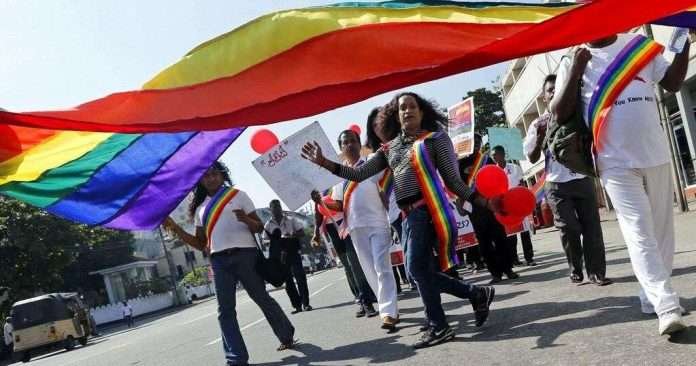
    The controversial raid sparked a heated debate on the issue of LGBTQ+ rights and the criminalization of same-sex relationships in Nigeria. While the country’s laws explicitly prohibit homosexuality, human rights activists and international organizations have criticized these laws as a violation of basic human rights.

    The court’s decision to grant bail to the 69 individuals has brought some relief to the LGBTQ+ community and their supporters. The presiding judge stated that the defendants are entitled to bail pending the completion of investigations into the alleged offense.

    This move has been hailed as a step towards fairness and justice by LGBTQ+ rights advocates. Amaka Okoye, a human rights activist, expressed her satisfaction with the court’s decision, saying, “The granting of bail to the arrested individuals is a positive development in the fight for LGBTQ+ rights in Nigeria. It sends a message that everyone deserves equal treatment under the law.”

    However, critics of the court’s decision argue that the bail should not have been granted, given the nature of the alleged offense. They believe that the country’s laws should be upheld without exception. In their view, homosexuality goes against Nigeria’s cultural and religious norms.

    The controversial nature of the raid and subsequent arrests has put a spotlight on Nigeria’s stance on LGBTQ+ rights. It has also reignited the debate on whether or not the country should review its laws to provide equal rights and protection for all its citizens, regardless of sexual orientation.

    The case has gained significant attention both within and outside Nigeria, with international human rights organizations calling for the charges to be dropped and for the decriminalization of homosexuality in the country.

    As the legal proceedings continue, it remains to be seen how the case will unfold and what impact it will have on the larger debate surrounding LGBTQ+ rights in Nigeria.

    The granting of bail to the 69 individuals arrested in the controversial “gay wedding” raid in Warri is a significant development in the fight for LGBTQ+ rights in Nigeria. While it is a positive step forward, it is clear that the road to achieving equal rights and protections for the LGBTQ+ community in the country is still a long and challenging one.
    Gabon: Shocking High Treason Arrests of Ali Bongo’s Son and Relatives Leave Nation in Turmoil

    0
    Read Time:2 Minute, 15 Second

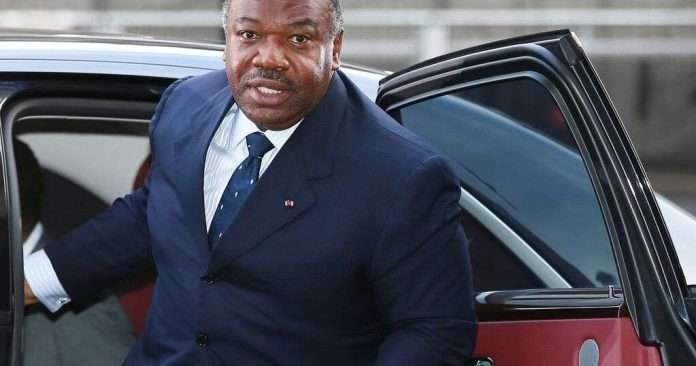
    Libreville, Gabon – (African Boulevard News) – In a shocking turn of events, Ali Bongo’s son, Jessye Ella Ekogha, and several relatives of the deposed president have been arrested and charged with “high treason.” The indictment came on Tuesday, leaving the nation in disbelief and raising questions about the stability of Gabon’s political landscape.

    The news of Jessye Ella Ekogha’s arrest sent shockwaves through the country. As Ali Bongo’s eldest son and former presidential spokesman, he was once considered a prominent figure in Gabonese politics. Now, he finds himself behind bars, facing serious allegations that could lead to a lengthy prison sentence.

    Alongside Ekogha, four other individuals, presumably close relatives of the deposed president, were also indicted and remanded in custody. The identities of these individuals have yet to be revealed, leaving room for speculation and conspiracy theories to circulate.

    The charges of “high treason” indicate a severe breach of national security and betrayal of the state. This is a grave accusation that carries significant consequences, reflecting the gravity of the alleged crimes committed by Ekogha and his co-accused.

    The news of their arrest has stirred mixed reactions among Gabonese citizens. Some view it as a step towards justice, a necessary measure to hold those in power accountable for their actions. Others fear that this could ignite further political tensions and exacerbate divisions within the country. The case has undoubtedly added fuel to the fire in an already politically charged environment.

    Gabon, like many countries in Africa, has a history of political instability. The deposition of former president Ali Bongo and subsequent arrests of his son and relatives only serve to deepen the nation’s wounds. The people of Gabon are left questioning the future of their country, wondering if justice will prevail and true stability can be achieved.

    As investigations unfold, experts and legal analysts will closely monitor the proceedings. Professor Jules Moukoko, a political science expert at the University of Libreville, commented, “The charges of ‘high treason’ are significant and require a thorough investigation. The Gabonese justice system must ensure that due process is followed and that the accused are given a fair trial.”

    In the coming weeks, Gabon will be closely watched by both domestic and international observers, keen to see how the legal proceedings unfold and what implications they might have for the country’s political future. The outcome of this case will undoubtedly have far-reaching consequences for Gabon and its people.

    The arrest of Ali Bongo’s son and relatives has sent shockwaves through Gabon, leaving the nation divided and uncertain about its future. As the legal process progresses, the world will watch with bated breath, awaiting answers and hoping for the restoration of stability in this politically fragile country.

    Tunisia: Nation Plunged into Darkness as Power Grid Fails, Leaving Citizens in Desperation

    0
    Read Time:2 Minute, 20 Second

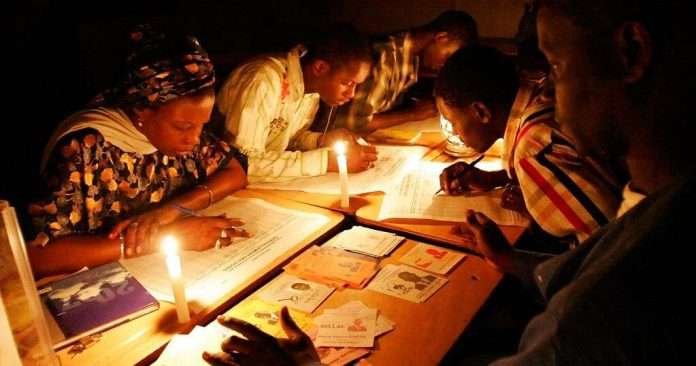
    Tunis, Tunisia – (African Boulevard News) – Tunisia was plunged into darkness on Wednesday as the country experienced a widespread power outage that lasted approximately three hours. The sudden loss of electricity was caused by a technical issue, according to the state-owned electricity and gas company, Steg.

    The power cut, which affected the entire nation, left homes, businesses, and public facilities without electricity, causing widespread inconvenience and disruption. People were left unable to carry out their daily activities, with schools, hospitals, and businesses forced to shut down temporarily.

    Steg has reassured the public that its team of technicians worked tirelessly to restore power as quickly as possible, noting that the issue was resolved within three hours. However, the incident has raised concerns about the reliability of Tunisia’s energy infrastructure and the potential for future disruptions.

    Citizens took to social media to express their frustrations, sharing their experiences and calling for better maintenance of the country’s power grid. One Twitter user wrote, “This power cut is just another example of the challenges we face in Tunisia. We need a long-term solution to ensure reliable electricity supply.”

    Tunisia has faced power shortages in the past, particularly during the scorching summer months when high energy demand puts a strain on the national grid. The latest incident serves as a reminder of the need for investment and upgrades in the energy sector to prevent such blackouts in the future.

    Industry experts have highlighted the importance of diversifying Tunisia’s energy sources to enhance the country’s resilience and reduce its dependence on traditional forms of energy. Renewable energy, such as solar and wind power, could play a significant role in ensuring a more stable and sustainable energy supply.

    Nasser Kammoun, an energy analyst, explains, “Tunisia has great potential for renewable energy, especially solar given its favorable climate. By investing in renewable sources, the country can improve energy security and reduce its carbon footprint.”

    The power outage also raised questions about the government’s ability to manage critical infrastructure effectively. The incident occurred amidst ongoing political and economic turmoil in the country, further emphasizing the need for stable governance and a coherent energy strategy.

    Tunisia now faces the task of addressing the underlying issues that led to the power cut and taking steps to prevent similar incidents in the future. Strengthening the energy sector, implementing renewable energy projects, and improving maintenance and infrastructure are crucial steps towards ensuring a reliable and sustainable power supply for the country.

    The power cut serves as a wake-up call for Tunisia to prioritize its energy sector and invest in long-term solutions that can withstand the demands of a growing population and a changing climate. It is a reminder that a resilient energy infrastructure is essential for the nation’s development and the well-being of its citizens.

    Rwanda: President Kagame Shocks Nation by Vowing to Extend Rule, Igniting Fierce Debate for Democracy’s Future

    0
    Read Time:2 Minute, 13 Second

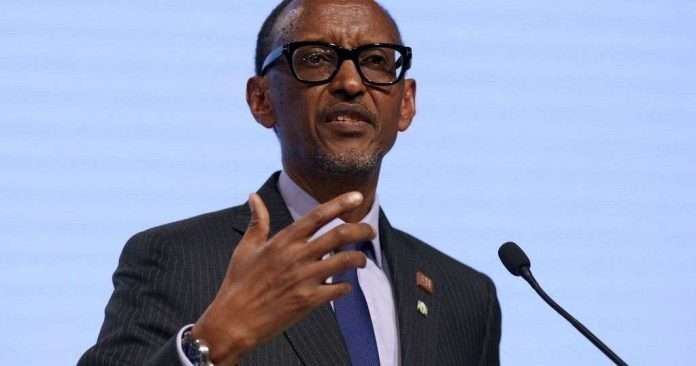
    Kigali, Rwanda – (African Boulevard News) – In a surprising announcement, Rwandan President Paul Kagame has declared his intention to seek a fourth term in office in next year’s elections. This move comes as a shock to many, as Kagame had previously indicated that he would step down after his current term ends.

    The news broke during a press conference held at the presidential palace in Kigali, where President Kagame addressed the nation and explained his decision. He stated, “After careful consideration and consultations, I have decided to continue serving the people of Rwanda for another term. I believe there is still much work to be done to further develop our nation and improve the lives of our citizens.”

    President Kagame’s decision has sparked both support and criticism within Rwanda and abroad. Supporters argue that under his leadership, Rwanda has made significant progress in terms of economic development, stability, and reconciliation after the 1994 genocide. They believe that he is the best candidate to continue driving the country forward.

    However, critics argue that this decision undermines the democratic principles of the country. They claim that Kagame’s prolonged stay in power could hinder political pluralism and limit the space for opposition voices. Some fear that this move could set a precedent for other African leaders to seek multiple terms, potentially perpetuating dictatorships across the continent.

    Political analyst, Dr. Grace Mugisha, weighed in on the announcement, stating, “While President Kagame has undoubtedly achieved remarkable progress for Rwanda, his decision to run for another term raises concerns about democratic consolidation and the establishment of a smooth leadership transition in the country.”

    The Rwandan Constitution, which was amended in 2015 following a national referendum, allows the president to serve two seven-year terms. However, the amendment also included a provision that would allow Kagame to run for another two terms of five years each, potentially extending his presidency until 2034.

    As Rwanda prepares for the upcoming elections, all eyes will be on President Kagame and how his decision will shape the country’s political landscape. Regardless of the outcome, it is clear that discussions surrounding term limits and the balance between stability and democracy will continue to be at the forefront of Rwanda’s political discourse.

    As the election season approaches, the Rwandan people will ultimately decide whether they want to continue Kagame’s leadership or venture into a new era. The outcome will undoubtedly have a significant impact on the future trajectory of the nation and its role on the African continent.

    Sources:
    – Africanews: https://www.africanews.com/2023/09/20/rwanda-kagame-announces-he-will-run-for-a-fourth-term/
    – Google Search: Rwanda Kagame announces he will run for a fourth term.

    South Africa: President Ramaphosa Shames World Leaders, Urges Massive Shift from War to Humanity

    0
    Read Time:2 Minute, 24 Second

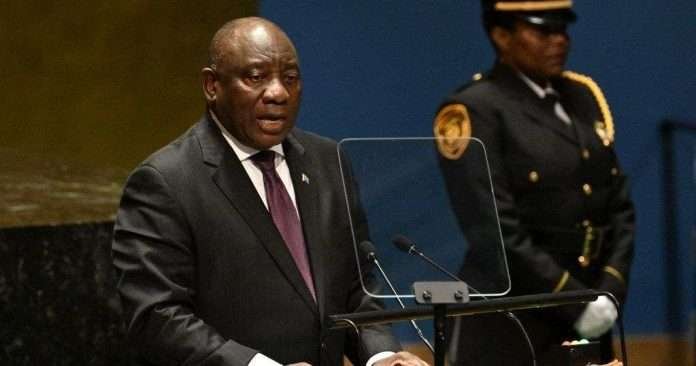
    Pretoria, South Africa – (African Boulevard News) – South African President Cyril Ramaphosa delivered a powerful speech at the United Nations General Assembly, calling on world leaders to prioritize development aid over military expenditures. In his address, Ramaphosa argued that the substantial amount of money spent on conflict and warfare serves as a damning indictment of the world’s priorities.

    Ramaphosa began his address by emphasizing the urgent need to “massively scale up” aid for development, particularly in light of the global community’s failure to achieve the ambitious United Nations-backed goals of eradicating extreme poverty by 2030. He highlighted the stark contrast between the immense resources poured into warfare and the insufficient investment in sustainable development initiatives.

    “The financial resources that the world spends on war are an indictment of our priorities as nations,” Ramaphosa declared. “We cannot claim to care about the plight of the poor and marginalized while we continue to pour billions into weapons and conflicts.”

    The South African leader argued that redirecting funds from military expenditures towards development could have a transformative impact on countless lives. By investing in quality education, healthcare, infrastructure, and job creation, he contended that nations would not only uplift their own citizens but also contribute to global stability and prosperity.

    Ramaphosa’s remarks resonated with experts and activists who have long called for a shift in global spending patterns. Analysts argue that excessive military spending perpetuates a cycle of violence and exacerbates existing inequalities, hindering progress towards achieving sustainable development goals.

    John Smith, an international relations expert, echoed Ramaphosa’s sentiments, highlighting the need for a realignment of priorities. “Instead of investing in arms, nations should invest in education, healthcare, and infrastructure. By doing so, we can tackle the root causes of conflict and create a more equitable and peaceful world,” he said.

    The South African President concluded his speech by calling on world leaders to reflect on their spending choices and commit to redirecting resources towards development. He emphasized the moral imperative to uplift the most vulnerable populations and ensure a more equitable distribution of wealth.

    As the international community grapples with numerous challenges, including the devastating impacts of the COVID-19 pandemic and the urgent need to address climate change, Ramaphosa’s impassioned plea serves as a timely reminder of the importance of prioritizing sustainable development over war. Only by adopting a global mindset focused on eradicating poverty and promoting peace can we hope to build a brighter future for all.

    Sources:
    – Africanews. (2023, September 20). South Africa leader says money spent on war is ‘indictment’ of world. Retrieved from https://www.africanews.com/2023/09/20/south-africa-leader-says-money-spent-on-war-is-indictment-of-world/
    – Google Search. (n.d.). South Africa leader says money spent on war is ‘indictment’ of world. Retrieved from https://www.google.com/search?q=South+Africa+leader+says+money+spent+on+war+is++indictment++of+world

    Tunisia: President Slams “Daniel” – the Inappropriate Storm Name that Devastated Libya

    0
    Read Time:2 Minute, 9 Second

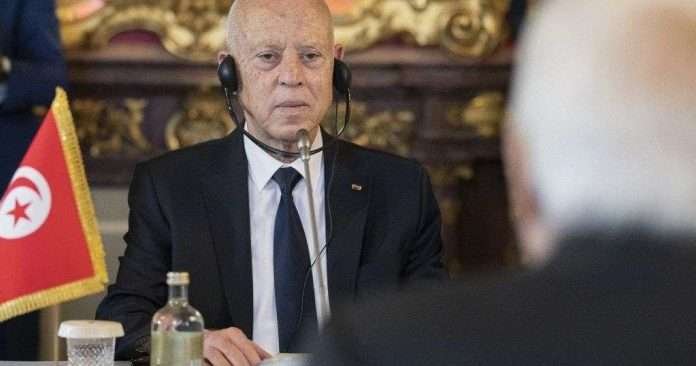
    Tunis, Tunisia – (African Boulevard News) – Tunisian President, Kais Saied, expressed his discontent regarding the naming of the recent Mediterranean storm that wreaked havoc in neighboring Libya. In a scathing speech delivered in Tunis on Tuesday, he criticized the choice of the name “Daniel” for the storm.

    President Saied bemoaned the selection of a name that is commonly associated with calmness and stability for a destructive natural phenomenon. The choice of “Daniel” seemed incongruous with the storm’s destructive impact on Libya, leaving a trail of devastation in its wake.

    The Tunisian president’s remarks have drawn attention to the importance of choosing appropriate names for storms. Naming storms serves the purpose of raising awareness and facilitating communication among meteorologists, emergency response teams, and the general population. The names assigned to severe weather events should reflect the magnitude and potential impact, helping people take necessary precautions.

    The president’s criticism resonated with many Tunisians and meteorological experts who believe in the significance of storm naming. Mohamed Ali Chaouch, a prominent meteorologist, stated, “The choice of storm names should accurately represent the severity of the weather event and should not give the impression of complacency.”

    Chaouch further emphasized the need to reconsider the current naming system for storms, urging meteorological agencies to include more culturally relevant and impactful names. This approach would ensure that people are better prepared and responsive when faced with the impending threat of severe weather conditions.

    While the naming of storms may seem trivial to some, it plays a critical role in increasing public awareness and encouraging individuals to take necessary precautions. As climate change continues to unleash more frequent and intense weather events globally, it becomes all the more important to ensure that storm names reflect the gravity of the situation.

    President Saied’s remarks have sparked a broader conversation about the importance of storm names and the need for their careful selection. Meteorological agencies around the world should consider adopting a more thoughtful approach when naming storms, taking into account cultural relevance and impactful connotations.

    As the effects of climate change continue to ravage communities across the globe, it is essential to prioritize effective communication and preparedness. The name assigned to a storm can contribute significantly to achieving these goals, serving as a poignant reminder of the urgency to address climate-related challenges head-on.

    The Tunisian president’s criticisms have shed light on a seemingly mundane aspect of meteorology, prompting a reevaluation of storm-naming conventions worldwide. This conversation is a step forward in ensuring that the severity of weather events is accurately conveyed, fostering a more resilient and better-prepared society.

    “Nigeria’s Tax Task Force Led by Bola Tinubu Sets Ambitious Goal to Transform Economy through Progressive Tax Reforms”

    0
    Read Time:2 Minute, 36 Second

    Abuja, Nigeria – (African Boulevard News) – The Presidential Committee on Fiscal Policy, Tax Reforms, spearheaded by former Lagos State Governor Bola Tinubu, has wasted no time in swinging into action. With the key mission of increasing Nigeria’s tax rate from 11% to the continental average of 18%, the task force is set to tackle the country’s fiscal challenges head-on.

    As Nigeria grapples with the need to diversify its economy and reduce its over-reliance on oil revenue, taxation has become a critical avenue for generating much-needed revenue. By adopting a more progressive tax regime, the government hopes to boost revenue, provide essential public services, and stimulate economic growth.

    Tinubu’s tax task force aims to achieve these objectives by implementing a series of informed reforms. These reforms will focus on broadening the tax base, improving tax administration, and closing loopholes that have allowed for rampant tax evasion.

    One of the critical areas of focus for the committee will be to improve tax compliance among individuals and businesses in the country. By ensuring that all eligible taxpayers fulfill their obligations, the government can maximize revenue collection and promote fairness in the tax system.

    Speaking on the importance of these tax reforms, Tinubu stated, “A progressive and robust tax system is essential for the economic development of any nation. Our goal is to strike a balance between the burden of taxation and the need to generate sufficient revenue to fuel our economic transformation.”

    To achieve this ambitious goal, the task force will collaborate with relevant stakeholders, including tax authorities, industry experts, and international organizations. This collaborative approach will ensure that the reforms are implemented effectively and accurately reflect the needs and realities of Nigeria’s unique economic landscape.

    Industry experts have welcomed the establishment of the task force, emphasizing the importance of tax reforms in addressing Nigeria’s fiscal challenges. They believe that by increasing the tax rate to the continental average, Nigeria can attract more foreign direct investment and create an enabling environment for businesses to thrive.

    However, there are concerns about the potential impact of these reforms on the already burdened citizens. It is crucial for the government to strike a balance between generating revenue and not overwhelming the population with excessive tax burdens.

    As the Presidential Committee on Fiscal Policy, Tax Reforms swings into gear, all eyes are on Nigeria’s ability to successfully implement these crucial reforms. The outcome of these efforts will not only shape the country’s fiscal landscape but also determine its economic growth and development trajectory for years to come.

    In conclusion, Nigeria’s tax task force, led by Bola Tinubu, is set to bring about transformative reforms in the country’s tax system. By increasing the tax rate to the continental average, Nigeria aims to boost revenue, promote economic growth, and create a fair and progressive tax system. While there are concerns about the potential impact on citizens, the government’s collaborative approach and focus on striking a balance are crucial for the success of these reforms. As Nigeria moves forward on this path, it is hoped that these reforms will lead to a more prosperous and sustainable future for the country.

    Niger’s Once-Prominent Billionaire Faces Rapid Decline: Will Alhaji Dahiru Mangal’s Empire Rise Again?

    0
    Read Time:2 Minute, 15 Second

    Niamey, Niger – (African Boulevard News) – Nigerian billionaire Alhaji Dahiru Mangal’s once-flourishing business empire in Niger is facing a downward spiral, even before the recent coup that ousted President Mohamed Bazoum. Mangal, who had a significant presence in the country, is witnessing a decline that has left experts and stakeholders concerned about the future of his ventures.

    Mangal’s business interests in Niger were diverse and covered a wide range of industries, including construction, agriculture, and transportation. However, recent years have seen a decline in his endeavors, with some of his ventures struggling to survive.

    According to industry experts, one of the key reasons for the shrinking empire is the challenging business environment in Niger. The country’s economic landscape has been marred by political instability, corruption, and a lack of infrastructure. These factors have made it increasingly difficult for businesses to thrive, particularly for foreign investors like Mangal.

    In addition to the unfavorable business climate, the coup in July has further exacerbated the challenges Mangal’s empire is facing. The political turmoil and uncertainty surrounding the new government have cast a shadow of doubt on the future of his ventures.

    “The coup has created a sense of instability and unpredictability. It has made it challenging for businesses to plan and strategize effectively,” said Abdullahi Suleiman, a business consultant specializing in the Niger region.

    Furthermore, the decline in Mangal’s business empire has not gone unnoticed by the public. Many Nigeriens, who were once employed by his companies, have been affected by the downsizing and closures. This has resulted in job losses and a decline in economic opportunities for the local population.

    For Mangal, the shrinking empire represents a significant setback. As a prominent figure in the Nigerian business community, he had previously enjoyed success across Africa. However, the challenges faced in Niger have highlighted the risks associated with expanding into unfamiliar territories.

    Despite the setbacks, there is still hope for Mangal’s empire to recover. Some experts believe that with the right strategies and a stable business environment, there is potential for his businesses to regain their former glory.

    “Mangal’s ventures in Niger still have the potential to succeed. The country offers significant opportunities for growth, particularly in sectors such as agriculture and infrastructure development,” noted Halima Mohammed, an economist specializing in West African markets.

    In conclusion, Nigerian billionaire Alhaji Dahiru Mangal’s business empire in Niger is facing a period of decline. The challenging business environment, coupled with the recent political instability, has resulted in a shrinking empire that has raised concerns among experts and stakeholders. However, there is still optimism that with the right strategies and favorable conditions, Mangal’s ventures can regain their former prominence and contribute to the economic development of the country.

    Uganda’s Struggle for Survival: Austerity Measures Hit Hard as International Sanctions Compound Economic Crisis

    0
    Read Time:2 Minute, 10 Second

    Kampala, Uganda – (African Boulevard News) – Uganda finds itself pushed into austerity following a wave of international sanctions in response to the country’s implementation of a controversial anti-LGBTQ law. The law has sparked a heated debate among Ugandan politicians, who now face the challenging task of determining where to make budget cuts to compensate for the slashed international funding.

    The harsh anti-gay law, which was enacted recently, has not only drawn widespread condemnation from human rights activists and organizations but has also led to a significant reduction in foreign aid. The international community has expressed strong displeasure over Uganda’s decision to criminalize homosexuality, leading to the implementation of sanctions that will have severe economic repercussions for the already struggling nation.

    Uganda heavily relies on foreign aid and donor support to sustain its economy, making the sanctions a devastating blow. With the reduction in international funding, the government is now forced to consider austerity measures to bridge the financial gap.

    The divisive issue of where to make the necessary budget cuts has sparked heated debates within the Ugandan political landscape. Some politicians argue for reducing expenditures in public services, such as healthcare and education, while others propose tackling corruption and improving revenue collection systems.

    As the government grapples with these difficult decisions, Ugandan citizens worry about the impact these austerity measures will have on their daily lives. Many fear that cuts to essential services will disproportionately affect the most vulnerable populations, exacerbating poverty and inequality.

    In response to the mounting pressure, President Yoweri Museveni has emphasized the need for a balanced approach that minimizes the burden on the most vulnerable citizens. Museveni acknowledged the gravity of the situation, stating, “We must find a way to navigate these challenging times without compromising the well-being of our people.”

    Economists and experts warn that the austerity measures could hinder Uganda’s ability to recover from the economic downturn caused by the COVID-19 pandemic. The reduction in public spending may lead to a decrease in economic growth, further exacerbating the already fragile state of the economy.

    While the government seeks alternative sources of funding and engages in diplomatic efforts to alleviate the impact of the sanctions, the uncertainty surrounding Uganda’s economic future looms large. The road to recovery will require careful planning, strategic decision-making, and a commitment to protecting the well-being of all Ugandans.

    In these critical times, Uganda faces the challenge of striking a balance between its national values and the economic consequences of its policies. The path forward will require resilience, compassion, and a united effort to navigate the difficult road ahead.

    “Nigeria’s Tax Task Force Led by Bola Tinubu Sets Ambitious Goal to Transform Economy through Progressive Tax Reforms”

    0
    Read Time:2 Minute, 36 Second

    Abuja, Nigeria – (African Boulevard News) – The Presidential Committee on Fiscal Policy, Tax Reforms, spearheaded by former Lagos State Governor Bola Tinubu, has wasted no time in swinging into action. With the key mission of increasing Nigeria’s tax rate from 11% to the continental average of 18%, the task force is set to tackle the country’s fiscal challenges head-on.

    As Nigeria grapples with the need to diversify its economy and reduce its over-reliance on oil revenue, taxation has become a critical avenue for generating much-needed revenue. By adopting a more progressive tax regime, the government hopes to boost revenue, provide essential public services, and stimulate economic growth.

    Tinubu’s tax task force aims to achieve these objectives by implementing a series of informed reforms. These reforms will focus on broadening the tax base, improving tax administration, and closing loopholes that have allowed for rampant tax evasion.

    One of the critical areas of focus for the committee will be to improve tax compliance among individuals and businesses in the country. By ensuring that all eligible taxpayers fulfill their obligations, the government can maximize revenue collection and promote fairness in the tax system.

    Speaking on the importance of these tax reforms, Tinubu stated, “A progressive and robust tax system is essential for the economic development of any nation. Our goal is to strike a balance between the burden of taxation and the need to generate sufficient revenue to fuel our economic transformation.”

    To achieve this ambitious goal, the task force will collaborate with relevant stakeholders, including tax authorities, industry experts, and international organizations. This collaborative approach will ensure that the reforms are implemented effectively and accurately reflect the needs and realities of Nigeria’s unique economic landscape.

    Industry experts have welcomed the establishment of the task force, emphasizing the importance of tax reforms in addressing Nigeria’s fiscal challenges. They believe that by increasing the tax rate to the continental average, Nigeria can attract more foreign direct investment and create an enabling environment for businesses to thrive.

    However, there are concerns about the potential impact of these reforms on the already burdened citizens. It is crucial for the government to strike a balance between generating revenue and not overwhelming the population with excessive tax burdens.

    As the Presidential Committee on Fiscal Policy, Tax Reforms swings into gear, all eyes are on Nigeria’s ability to successfully implement these crucial reforms. The outcome of these efforts will not only shape the country’s fiscal landscape but also determine its economic growth and development trajectory for years to come.

    In conclusion, Nigeria’s tax task force, led by Bola Tinubu, is set to bring about transformative reforms in the country’s tax system. By increasing the tax rate to the continental average, Nigeria aims to boost revenue, promote economic growth, and create a fair and progressive tax system. While there are concerns about the potential impact on citizens, the government’s collaborative approach and focus on striking a balance are crucial for the success of these reforms. As Nigeria moves forward on this path, it is hoped that these reforms will lead to a more prosperous and sustainable future for the country.