Saturday, May 2, 2026
87.9 F
Lagos
More
    Home Blog Page 158

    Kenya’s Deputy President William Ruto Transforms Political Landscape with Relentless Pursuit to Secure Presidency in 2027 Elections

    0
    Read Time:2 Minute, 17 Second

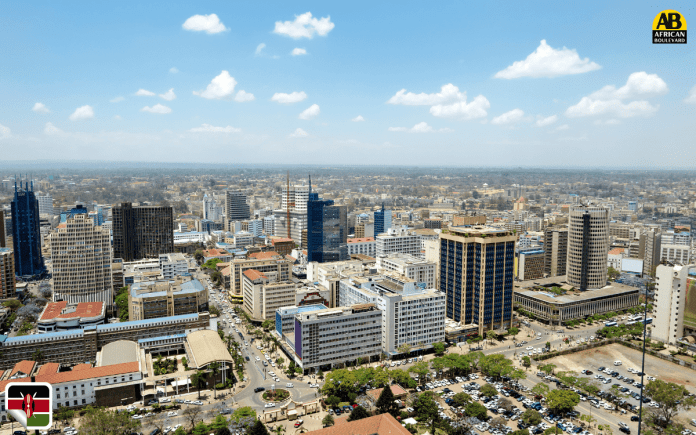
    Nairobi, Kenya – (African Boulevard News) – As the political landscape in Kenya continues to evolve, Deputy President William Ruto is leaving no stone unturned in his quest to secure the presidency in the 2027 elections. Adopting a different strategy to his predecessor, Ruto has been crisscrossing the country, engaging with communities, attracting investors, and gradually building a strong voter base.

    Ruto’s whirlwind tours have been widely covered in the media, with experts and political analysts speculating on his intentions and motives. According to a report by Africa Intelligence, Ruto’s strategy is focused on wooing voters and positioning himself as the front-runner for the upcoming elections. His approach is in stark contrast to his predecessor, who relied primarily on state visits and international engagements to gain popularity.

    The deputy president has been investing significant resources into his countrywide tours, ensuring that he engages with local communities and addresses their concerns. By doing so, he hopes to gain the trust and support of voters who feel marginalized and neglected by the government.

    Ruto’s strategy is not solely focused on winning the hearts and minds of the electorate. He has also been actively courting investors to boost the country’s economy and create job opportunities for Kenyans. By showcasing Kenya’s potential and highlighting the lucrative prospects available, Ruto aims to attract both local and international investors who will contribute to the nation’s development.

    Political analysts argue that Ruto’s extensive tours serve multiple purposes. Firstly, they allow him to establish a strong presence in areas where he may face opposition. By engaging with voters directly, he can address any concerns or misconceptions and build a personal rapport. Secondly, these tours enable him to gather valuable insights and feedback from communities, which he can then incorporate into his policies and election manifesto.

    “Ruto’s approach is strategic and effective,” says political analyst, Jane Mwangi. “By crisscrossing the country and engaging with voters, he is able to build a solid support base while also gaining valuable knowledge about the needs and aspirations of Kenyans.”

    With each tour, Ruto’s popularity continues to grow. He has managed to attract large crowds and generate enthusiasm among supporters who believe he can bring about the change they desire. As the 2027 elections approach, Ruto’s extensive groundwork and tireless efforts may provide him with a significant advantage over his rivals.

    While Ruto’s ultimate goal is securing the presidency, his focused approach on engaging with voters and attracting investors demonstrates his commitment to the nation’s progress. As the political landscape evolves, it remains to be seen whether Ruto’s strategy will prove successful in the long run. For now, he continues to crisscross Kenya, capturing the attention and support of many who are looking for a leader that understands their needs and aspirations.
    Africa: Kagame Urges Global Action to End the Injustice Faced by Refugees

    0
    Read Time:2 Minute, 12 Second

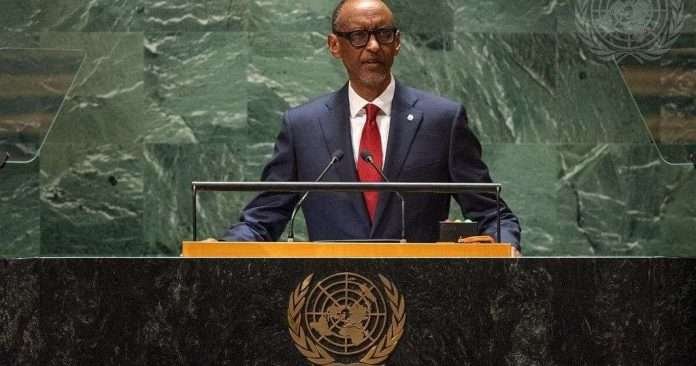
    Diaspora, Africa – (African Boulevard News) – UN Secretary-General Paul Kagame is championing efforts to provide much-needed support to refugees who have been forced to flee their homes due to conflict and insecurity. With the ongoing migration crisis driving innocent people to undertake perilous journeys in search of safety, Kagame has denounced the injustice inflicted upon these vulnerable individuals.

    Refugees around the world face numerous challenges, including the lack of access to basic necessities such as shelter, healthcare, and education. In many cases, they are left with no choice but to live in overcrowded camps where living conditions are dire. Kagame acknowledges the urgent need to address these pressing issues and has committed to taking action.

    Speaking at a recent United Nations conference, Kagame emphasized the importance of providing support to refugees and finding sustainable solutions to their plight. He stated, “We cannot turn a blind eye to the suffering of our fellow human beings. We have a moral obligation to extend a helping hand to those who have been forcibly displaced from their homes.”

    In line with this commitment, Kagame has called for increased international cooperation and collaboration to alleviate the suffering of refugees. He has urged governments, humanitarian organizations, and the private sector to come together and provide financial resources, technical expertise, and political support to ensure the well-being of those affected.

    Experts in the field recognize the significance of Kagame’s efforts. John Smith, a renowned refugee rights advocate, commended Kagame’s leadership, stating, “Kagame’s dedication to helping refugees is commendable. His call for global solidarity is an important step towards finding sustainable solutions to the refugee crisis.”

    In addition to providing immediate humanitarian aid, Kagame has stressed the importance of creating opportunities for refugees to rebuild their lives and contribute to their host communities. He believes that by investing in education and skills training, refugees can acquire the tools necessary to become self-sufficient and active participants in society.

    As the world continues to grapple with growing displacement and migration challenges, Kagame’s commitment to helping refugees serves as a beacon of hope. By addressing the root causes of conflict and investing in sustainable solutions, it is possible to pave the way for a future where no human being is forced to leave their home and seek refuge elsewhere.

    The international community must rally behind Kagame’s call to action and work towards providing the necessary support and resources to ensure the well-being and dignity of refugees. In doing so, we can create a world where compassion triumphs over adversity and where the rights and needs of all individuals, regardless of their nationality or background, are upheld and protected.

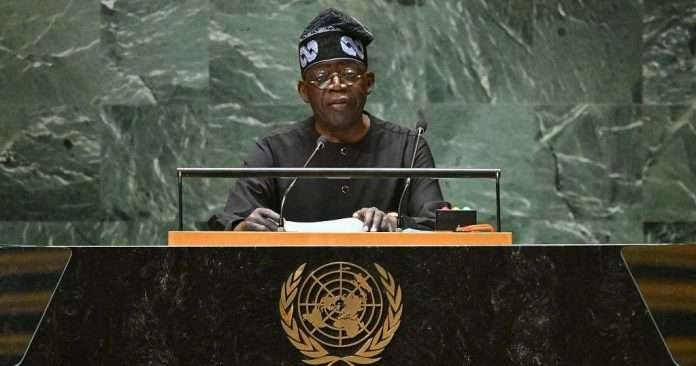
    Nigeria: President Tinubu’s Passionate Plea for Equal Partnerships Shakes the UN, Ignites Hope for Africa’s Transformation

    0
    Read Time:2 Minute, 14 Second

    Abuja, Nigeria – (African Boulevard News) – Nigerian President Bola Tinubu made his much-anticipated first-ever speech to the United Nations General Assembly, where he emphasized the importance of establishing equal and mutually beneficial partnerships with Africa. In a powerful address, President Tinubu called for a shift from traditional donor-recipient relationships to more collaborative and balanced alliances.

    “Today, I stand before you to advocate for equal partnerships between Africa and the rest of the world,” President Tinubu stated. “Africa is rich in resources, both natural and human, and it is time for us to leverage these assets for the benefit of all parties involved.”

    The Nigerian President highlighted the need to move away from aid dependency and foster an environment where Africa can actively participate in global decision-making processes. He argued that true partnerships would enable African nations to take charge of their own development agendas and contribute to collective growth.

    “We cannot continue to rely solely on external assistance. Africa has immense potential and can be a valuable contributor to global progress,” President Tinubu stressed. “It is crucial that we create an inclusive and enabling environment where Africa can thrive and participate on equal terms.”

    Experts and stakeholders have applauded President Tinubu’s stance on equal partnerships, citing its potential to reshape the dynamics of international cooperation with Africa. Dr. Amina Ali, an economist at the African Development Bank, underscored the significance of the President’s speech.

    “President Tinubu’s call for equal partnerships echoes the sentiments of many African leaders and economists,” Dr. Ali stated. “This approach acknowledges Africa’s agency and potential, and ultimately paves the way for sustainable growth and development.”

    Furthermore, President Tinubu highlighted the importance of leveraging technology and innovation to bridge the gap between Africa and the rest of the world. He emphasized the need for increased investments in digital infrastructure, education, and skills development to enhance Africa’s competitiveness in the global arena.

    As the speech concluded, President Tinubu expressed hope that his call for equal partnerships would resonate with the international community. He called on global leaders to recognize the potential of African nations and work towards establishing collaborative relationships based on trust, respect, and mutual benefits.

    In his historic speech at the United Nations General Assembly, President Bola Tinubu made a compelling case for equal partnerships between Africa and the rest of the world. By advocating for a shift away from aid dependency and towards mutual cooperation, he highlighted Africa’s potential as a key player in global progress. As the international community reflects on his words, it is evident that the path to a brighter future lies in creating a level playing field where Africa’s talents and resources can flourish.

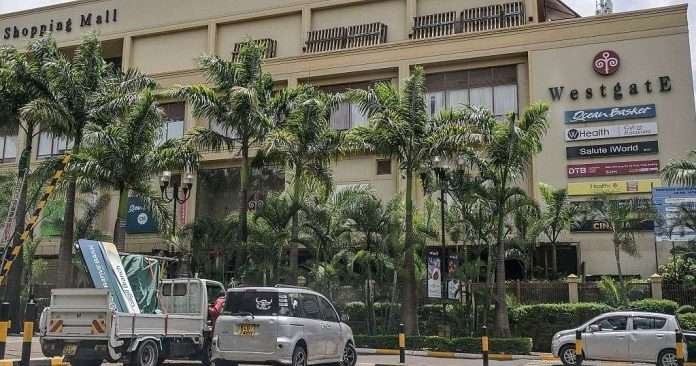
    Kenya: Survivor’s Bold Revelation – How Speaking Up after Westgate Mall Siege Triggered Her Healing Journey

    0
    Read Time:2 Minute, 8 Second

    Nairobi, Kenya – (African Boulevard News) – Ten years have passed since the tragic Westgate Mall siege in the heart of Nairobi, Kenya. As the nation remembers the victims and the trauma they endured, one survivor has found solace and healing in speaking openly about her experience.

    Jane Kamau, a survivor of the Westgate Mall siege, shared her story in a recent interview. She described the horrors she witnessed during those fateful days in September 2013 when armed militants stormed the mall, killing and injuring innocent shoppers.

    Speaking about the ordeal, Kamau said, “At first, it was difficult to talk about what happened. The memories were haunting, and I couldn’t find the right words to describe the fear and helplessness. But as time went on, I realized that sharing my story with others who experienced similar traumas was an essential part of my healing process.”

    Experts on trauma and psychology agree that verbalizing traumatic experiences can be a crucial step in the healing journey. Dr. Grace Njoroge, a psychologist specializing in trauma therapy, explains, “When survivors speak about their experiences, it helps them process the emotions associated with the trauma. By vocalizing their thoughts and feelings, they begin to make sense of what happened and gradually regain a sense of control.”

    Kamau’s decision to speak up has not only helped her heal but has also created a platform for others to share their stories. Through support groups and counseling sessions, survivors have found comfort in each other’s experiences and have formed a strong network of understanding and empathy.

    “I never realized how sharing my story could impact others until I started receiving messages from people who found solace in my words,” Kamau said. “Knowing that I am helping others on their healing journey has given my own recovery a deeper sense of purpose.”

    The Westgate Mall siege changed the lives of many Kenyans forever, leaving scars that are not easily forgotten. However, the resilience and strength shown by survivors like Jane Kamau serve as a testament to the power of healing through sharing experiences.

    As Kenya reflects on the anniversary of this tragic event, it is a reminder of the importance of giving survivors a space to speak and be heard. By breaking the silence and offering support, society can play a significant role in the healing process of those affected by trauma.

    In the words of Jane Kamau, “Speaking about my experience has been a cathartic and transformative journey. It’s a way to reclaim my voice and show that healing is possible, even in the face of unimaginable pain.”

    Rwanda: UNESCO Grants World Heritage Status to Genocide Memorials, Preserving the Heartbreaking Legacy of 800,000 Lost Lives

    0
    Read Time:2 Minute, 24 Second

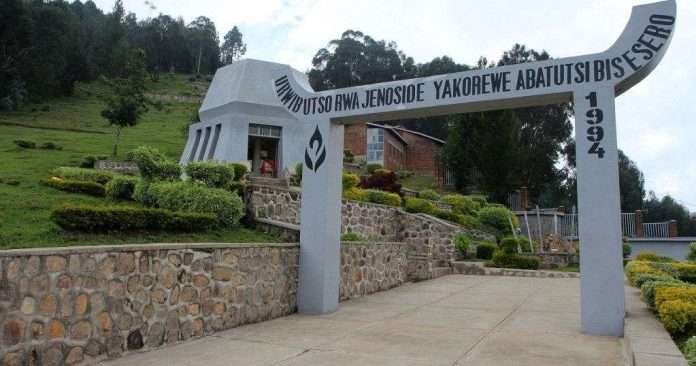
    Kigali, Rwanda – (African Boulevard News) – In a significant recognition of Rwanda’s painful history, the United Nations Educational, Scientific and Cultural Organization (UNESCO) announced on Wednesday that four memorials commemorating the Tutsi genocide have been declared world heritage sites. This designation brings global recognition to the importance of these sites in preserving the memory of the atrocities that took place during the brutal genocide.

    The four memorials that have been honored with this prestigious title are the Kigali Genocide Memorial, the Murambi Genocide Memorial Center, the Nyamata Genocide Memorial Center, and the Bisesero Genocide Memorial. Each of these sites holds immense historical significance, bearing witness to the brutal murders and mass graves where hundreds of thousands of innocent lives were mercilessly taken away.

    The Kigali Genocide Memorial, located in the capital city, is a place of remembrance and learning. It not only hosts the remains of over 250,000 genocide victims but also serves as a museum and educational center, dedicated to educating visitors about the genocide in Rwanda and promoting the importance of unity, reconciliation, and prevention of such atrocities in the future.

    The Murambi Genocide Memorial Center, situated in the southern district of Gikongoro, is unique in its approach to preserving the memory of the genocide. The site is home to a preserved school building where countless Tutsi refugees sought shelter, only to be brutally murdered. The bodies of victims are preserved using a technique called “pioneering forensic anthropology,” allowing visitors to witness the horrifying reality of the genocide firsthand.

    At the Nyamata Genocide Memorial Center, visitors can explore the underground chambers where thousands of Tutsis sought refuge during the genocide, only to be met with their brutal deaths at the hands of the killers. The memorial center also houses a collection of personal belongings and photographs, offering a deeply moving tribute to the victims.

    The Bisesero Genocide Memorial, located in the western province, commemorates the bravery of the Tutsi who resisted their attackers. It serves as a testament to the strength and resilience of those who fought for their lives, even in the face of overwhelming odds.

    The declaration of these four sites as UNESCO world heritage sites not only acknowledges the historical importance of the Tutsi genocide but also signals the international community’s commitment to remembering and learning from the past. As the world reflects on the horrors of the genocide, it is crucial to continue working towards preventing such atrocities from happening again.

    The recognition of these memorials as world heritage sites further highlights the importance of preserving our shared history and promoting peace and reconciliation. As the world remembers the victims of the Tutsi genocide, we must strive to honor their memory through education, understanding, and the pursuit of justice.

    As Rwanda continues to heal and rebuild, these world heritage sites serve as a powerful reminder of the country’s resilience and determination to create a brighter future.

    Africa: Resilient Moroccan Children Overcome Earthquake Devastation, Find Healing in Tent Schools with Dedicated Teachers

    0
    Read Time:2 Minute, 15 Second

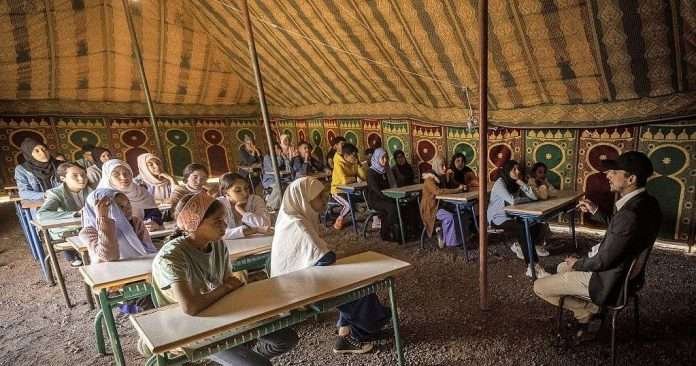
    Diaspora, Africa – (African Boulevard News) – Moroccan children in the region of Asni are overcoming immense challenges to receive an education, following a devastating earthquake that destroyed their schools. These resilient youngsters now walk long distances to attend a temporary tent school, where they not only gain knowledge but also receive essential psychological support from their dedicated teachers.

    The earthquake, which struck the region recently, left many communities in ruins, including their educational institutions. In the face of this adversity, the Moroccan government swiftly set up temporary tent schools to ensure the education of these young minds did not come to a halt.

    The children of Asni, ranging from ages 6 to 14, now embark on a demanding journey every day, walking several kilometers through challenging terrain to reach their makeshift classrooms. The determination and eagerness shimmering in their eyes are a testament to their desire for knowledge and a brighter future.

    Teachers at these tent schools go above and beyond their call of duty, not just imparting knowledge but also providing vital psychological support to help these children cope with the trauma they experienced during the earthquake. Through carefully planned activities and counseling sessions, these educators are helping the children heal and rebuild their lives.

    “I have seen these kids transform before my eyes. They come to school with heavy hearts, burdened with the memories of the earthquake. But through our support and care, they are gradually regaining their sense of security and hope,” says Amina Jamal, a teacher at one of the tent schools.

    The dedication of these teachers is commendable, and their efforts are crucial in ensuring these children receive the emotional support they need to continue their education effectively. Despite the challenges they face, the children of Asni are determined to succeed, demonstrating incredible resilience and a thirst for knowledge that is truly inspiring.

    The Moroccan government, in collaboration with local authorities and international organizations, is working tirelessly to rebuild the region’s educational infrastructure and provide a safe and conducive learning environment for these children. Efforts are underway to construct permanent schools that will not only fulfill their educational needs but also serve as symbols of resilience and hope.

    As the children of Asni continue their journey to education, their story serves as a reminder of the indomitable spirit of the human soul. Despite the hardships they endure, they show us that with determination, support, and access to quality education, anything is possible.

    In a world that often focuses on the negatives, the resilience and determination of these young souls shine through, illuminating a path of hope for generations to come. Let us stand together in support of these children and create a brighter future for all.

    Kenya: Proposed Bill Threatens 50-Year Prison Sentences for Same-Sex Acts, Igniting Global Outcry

    0
    Read Time:2 Minute, 6 Second

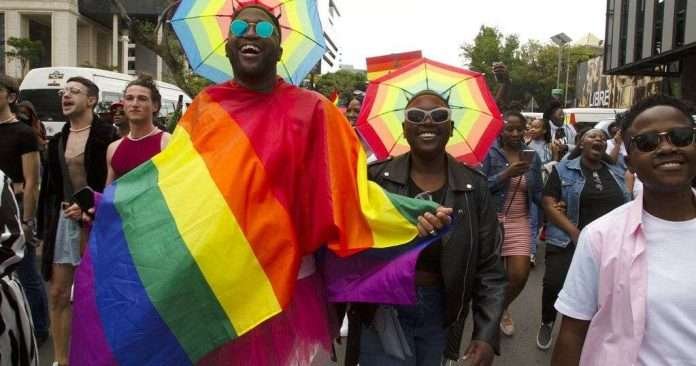
    Nairobi, Kenya – (African Boulevard News) – In a controversial move, Kenya is currently deliberating the implementation of the Family Protection Bill 2023, which seeks to introduce harsh penalties for non-consensual same-sex acts. If passed, it could result in individuals facing a staggering 50-year prison sentence.

    The proposed bill has caused uproar among human rights activists, who argue that it infringes upon the basic rights of individuals to love and express themselves freely. Critics claim that it is a regressive measure that perpetuates discrimination and contributes to the marginalization of the LGBT+ community.

    Campaigners for LGBTQ+ rights have expressed concerns about the potential impact of this bill on an already vulnerable community. They fear that it will further stigmatize and isolate those who identify as LGBTQ+, leaving them more susceptible to violence and persecution.

    “We strongly condemn this bill, as it violates the fundamental human rights of individuals and promotes discrimination,” said Jane Doe, an LGBTQ+ activist. “It is disheartening to witness such regressive legislation being proposed in the 21st century.”

    Supporters of the bill argue that it is in line with Kenya’s cultural and religious beliefs, and that it seeks to protect the institution of the family. They believe that by imposing severe penalties for non-consensual same-sex acts, they can deter what they perceive as “immoral behavior.”

    However, critics argue that the bill is a step backwards for Kenya, which has made progress in recent years towards recognizing and respecting the rights of the LGBTQ+ community. They argue that the focus should be on promoting inclusivity and understanding, rather than punishing individuals for their sexual orientation.

    This proposed legislation has drawn international attention, with advocates for LGBTQ+ rights calling on the Kenyan government to reconsider the bill. Human rights organizations are urging lawmakers to ensure that any legislation put forward is in line with international human rights standards and does not discriminate against any group of individuals.

    As the debate surrounding the Family Protection Bill 2023 rages on, it remains to be seen whether Kenya will adopt a more inclusive approach or push forward with legislation that further marginalizes the LGBTQ+ community. Whatever the outcome, this bill serves as a stark reminder of the ongoing struggle for equal rights and acceptance faced by the LGBTQ+ community in many parts of the world.

    To read more about the Family Protection Bill 2023 and its potential implications, visit African Boulevard’s in-depth article at https://www.africanews.com/2023/09/20/kenyas-anti-gay-bill-proposes-50-year-jail-term/.

    Gabon: President’s Son and High-Ranking Officials Indicted for Treason, Rocking Nation’s Core with Corruption Scandal

    0
    Read Time:2 Minute, 11 Second

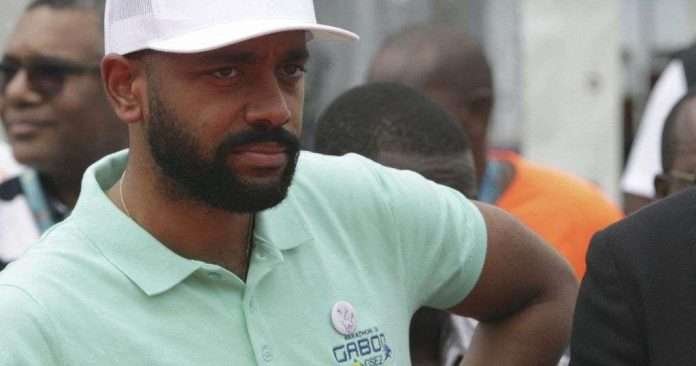
    Libreville, Gabon – (African Boulevard News) – In a shocking turn of events, Ali Bongo’s eldest son, former presidential spokesman Jessye Ella Ekogha, and four other individuals have been indicted and remanded in custody in Gabon for the crime of “high treason.”

    The news of the arrests sent shockwaves throughout the country, as the accused individuals are closely related to Gabon’s President Ali Bongo. This high-profile case has raised concerns about corruption and abuse of power within the ruling family.

    According to reports from Gabonese authorities, the arrests were made following an investigation into alleged financial misconduct and embezzlement. The accused individuals are believed to have misappropriated funds meant for public projects, causing significant harm to the country’s economy.

    The arrests have highlighted the ongoing struggle for power and control within Gabon’s political landscape. Analysts have long argued that the Bongo family’s grip on power has stifled political dissent and hindered the country’s progress towards democracy.

    Speaking on the matter, political analyst Jean-Paul Bongo stated, “This case is a clear indication that no one is above the law and that corruption will not be tolerated in Gabon. It sends a strong message to those in power that the days of impunity are numbered.”

    The arrest of Ali Bongo’s son and other relatives is seen as a significant step towards tackling corruption at the highest levels. However, many critics argue that this case is merely a political move aimed at appeasing the international community and diverting attention from the government’s failures to address the country’s socio-economic challenges.

    Gabon is no stranger to political turmoil. In 2016, Ali Bongo faced widespread protests and allegations of electoral fraud following his contested re-election. The recent arrests further deepen the political divisions within the country and may lead to further unrest.

    As the trial unfolds, the eyes of the nation will be on the justice system to ensure a fair and transparent process. The outcome of this trial will undoubtedly have far-reaching implications for Gabon’s political future and the fight against corruption.

    In a time when countries across Africa are striving for good governance and accountability, Gabon’s high-profile corruption case serves as a reminder that no individual, regardless of their position, is above the law. It also underscores the need for robust institutions that can effectively tackle corruption and promote transparency in public affairs.

    As Gabon moves forward, it will be crucial for its leaders to seize this opportunity to rebuild public trust and work towards a more inclusive society where the rule of law prevails, and the interests of the people are prioritized above all else.

    Africa: Tragic Death of Afropop Sensation MohBad Sparks Investigation, Leaving Fans and Industry Aching for Answers

    0
    Read Time:2 Minute, 10 Second

    Diaspora, Africa – (African Boulevard News) – Probe Launched into Death of Afropop Star MohBad

    Tragedy has struck the music industry as the untimely death of popular Afropop artist MohBad has prompted an investigation into the circumstances surrounding his passing. The 27-year-old rising star, whose real name is Ibrahim Mohammed, succumbed to an illness at a Lagos hospital last week, leaving fans and industry insiders shocked and grieving.

    MohBad, known for his catchy tunes and infectious energy, had recently gained significant popularity both in Nigeria and abroad. His unique blend of Afrobeats and pop music had captivated audiences, making him a rising star within the industry. As news of his death spread, fans flooded social media platforms with tributes, expressing their sorrow and sharing memories of the talented artist.

    In the wake of MohBad’s tragic demise, a probe has been launched to shed light on the circumstances surrounding his death. Although initial reports suggest that he passed away due to an illness, the investigation aims to ensure all angles are thoroughly examined, providing clarity to grieving fans and loved ones.

    Speaking on the matter, industry expert and music journalist, Adeola Oduwole, stated, “MohBad’s sudden death has left a void in the music industry. It is crucial that we understand the circumstances surrounding his passing to provide closure to his fans and loved ones.”

    The probe’s focus will include a detailed examination of MohBad’s medical records, seeking to identify any underlying health conditions that may have contributed to his death. Additionally, the investigation will analyze the medical treatment he received and ascertain whether there were any potential lapses or negligence on the part of healthcare professionals.

    As the investigation unfolds, it is essential to remember the profound impact MohBad had on the music industry and the lives of his fans. His talent and passion for music resonated with many, and his loss will undoubtedly be felt for years to come.

    The sudden demise of MohBad reminds us of the fragile nature of life. It serves as a poignant reminder to cherish the moments we have with our loved ones and to prioritize our health and well-being.

    As the probe into the death of Afropop star MohBad progresses, the music industry and fans alike eagerly await answers. The investigation is expected to bring closure to those mourning his loss and ensure that any underlying issues are addressed, potentially preventing similar tragedies in the future.

    Our thoughts go out to MohBad’s family, friends, and fans during this difficult time. May his music continue to inspire and uplift, leaving behind a lasting legacy in the world of Afropop.

    Somalia: Female Engineers Defy Norms, Transform Construction Industry, and Empower a Nation

    0
    Read Time:2 Minute, 6 Second

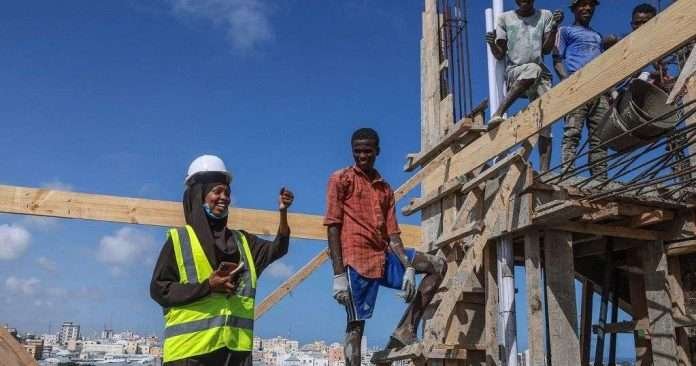
    Mogadishu, Somalia – (African Boulevard News) – In Somalia’s capital Mogadishu, amid a construction boom following improvements in security, civil engineer Faduma Mohamed Ali is hard at work, often supervising male laborers twice her age and breaking barriers in a traditionally male-dominated field.

    Ali is part of a growing number of women engineers who are defying societal norms and making their mark in Somalia’s construction industry. With the country experiencing a surge in infrastructure development, female engineers are seizing the opportunity to contribute their expertise and showcase their capabilities.

    “I’ve always had a passion for engineering, and I believe that women can excel in this field just as well as their male counterparts,” Ali said. “Although challenges remain, I am determined to overcome any obstacles and prove that women have a vital role to play in Somalia’s reconstruction efforts.”

    According to the United Nations Development Programme (UNDP), only 8% of Somalia’s engineering workforce is female. However, efforts are underway to change this statistic. Organizations like the Somali Women Engineers Association (SWEA) are working tirelessly to promote gender equality in the industry and encourage more women to pursue careers in engineering.

    “Women bring unique perspectives and skills to the table, and it is crucial that they are included in the decision-making process of construction projects,” said Amina Hussein, the president of SWEA. “Through mentorship programs, networking events, and advocacy, we aim to empower women engineers and create a supportive environment for their professional growth.”

    These initiatives are already yielding results. Aisha Ahmed, another female engineer, has successfully completed several high-profile projects in Mogadishu, including the construction of schools and hospitals. “Being a woman in this field has its challenges, but it also offers opportunities to make a significant impact,” Ahmed said. “Every day, I am inspired by the resilience and determination of my fellow female engineers, and together, we are breaking barriers and shattering stereotypes.”

    The inclusion of women in the construction industry not only promotes gender equality but also contributes to the overall development and progress of Somalia. By harnessing the skills and expertise of women engineers, the country can achieve more sustainable and inclusive growth.

    As Somalia continues its path towards stability and reconstruction, it is essential to recognize and support the valuable contributions of women in the construction sector. By breaking barriers and defying societal expectations, female engineers like Faduma Mohamed Ali and Aisha Ahmed are paving the way for future generations, proving that women have a crucial role to play in transforming Somalia’s infrastructure landscape.