Saturday, May 2, 2026
91.3 F
Lagos
More
    Home Blog Page 155

    Morocco’s Economic Revival Begins: Mohamed Benchaaboun Unleashes Multi-Billion Euro Investment Fund to Transform Nation’s Future

    0
    Read Time:2 Minute, 40 Second

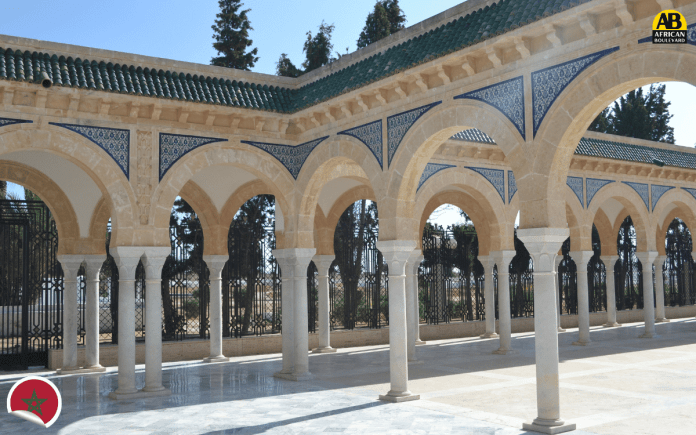
    Rabat, Morocco – (African Boulevard News) – In an effort to stimulate economic recovery and foster development in Morocco, Mohamed Benchaaboun, the former finance minister, is utilizing the multi-billion-euro Mohammed VI Investment Fund. Since his appointment in November 2022 to head the fund, Benchaaboun has employed former colleagues to assist in its implementation and execution.

    The Mohammed VI Investment Fund aims to support various sectors of the Moroccan economy, including infrastructure, agriculture, tourism, and renewable energy. The fund’s objective is to attract local and foreign direct investments, create job opportunities, and accelerate economic growth.

    One of the key focus areas for Benchaaboun is infrastructure development. He seeks to improve the country’s transportation networks, including roads, railways, and ports, to enhance connectivity between different regions and facilitate trade. This initiative will not only boost the economy but also improve the quality of life for Moroccan citizens.

    In the agricultural sector, the fund aims to modernize farming techniques, increase productivity, and promote sustainable practices. By investing in research and development, as well as providing financial support to farmers, Benchaaboun intends to make the sector more efficient and globally competitive.

    Tourism is another sector that the Mohammed VI Investment Fund seeks to revitalize. The COVID-19 pandemic severely impacted international travel and tourism. To recover from the setback, the fund will invest in promoting Morocco as a safe and attractive destination, supporting the development of tourism infrastructure, and implementing marketing campaigns to attract visitors from all over the world.

    Renewable energy is a critical component of Morocco’s economic recovery plan. Benchaaboun recognizes the potential of renewable energy sources, such as solar and wind power, to decrease dependence on fossil fuels and reduce carbon emissions. The fund will support the development of large-scale renewable energy projects, contributing to the country’s overall sustainability goals.

    Industry experts and stakeholders have expressed their optimism regarding the Mohammed VI Investment Fund. Dr. Amal Zaki, an economist, stated, “This fund presents a significant opportunity for Morocco to jumpstart its economy and create a more resilient and diversified economic model. The focus on infrastructure, agriculture, tourism, and renewable energy is aligned with global trends and will attract both local and international investors.”

    With Benchaaboun’s leadership and the expertise of his team, the fund is poised to make a substantial impact on Morocco’s economic recovery. The implementation of various initiatives in key sectors will not only create employment opportunities but also position Morocco as an attractive investment destination.

    As the country continues to navigate the challenges brought about by the COVID-19 pandemic, the Mohammed VI Investment Fund showcases Morocco’s determination to emerge stronger and more resilient. By focusing on sustainable development and strategic investments, the fund paves the way for a prosperous future for the country and its citizens.

    In conclusion, Mohamed Benchaaboun’s efforts to stimulate economic recovery in Morocco through the Mohammed VI Investment Fund have sparked hope and excitement among industry experts and stakeholders. The fund’s focus on infrastructure, agriculture, tourism, and renewable energy will undoubtedly contribute to the country’s overall development and attract both local and international investors. With Benchaaboun’s experience and the support of his team, Morocco is on track to achieve significant progress in its economic recovery journey.

    Niger’s Coup Leader Tightens Grip, Establishes Surveillance State within Junta – Threatening Political Stability

    0
    Read Time:2 Minute, 14 Second

    Niamey, Niger – (African Boulevard News) – In a move that further solidifies his control over the junta, coup leader Tchiani has reportedly seized control of the technical hub of the external intelligence service, equipped with advanced eavesdropping technology. This development highlights the deep-rooted distrust within the junta and Tchiani’s intention to keep a close eye on his fellow junta members.

    The technical hub of the external intelligence service is a critical asset that provides vital information and surveillance capabilities. By gaining control over this facility, Tchiani can monitor communications and activities of his fellow junta members, effectively ensuring their loyalty and compliance with his leadership. This move underscores Tchiani’s determination to maintain a tight grip on power and eliminate any potential threats to his authority.

    The coup leader’s actions come as no surprise given the recent power struggle within the junta. Since seizing control of the government, tensions have been simmering among the junta members, with competing factions vying for influence and control. The seizure of the technical hub serves as a stark reminder of the distrust and suspicion that plague the junta’s ranks.

    Experts and analysts have raised concerns about the implications of Tchiani’s power grab. The ability to monitor fellow junta members’ communications raises questions about the future stability and cohesion of the ruling government. Some fear that the increased surveillance could lead to further divisions and dissent within the junta, potentially undermining the country’s fragile political landscape.

    “By taking control of the technical hub, Tchiani consolidates his position as the undisputed leader of the junta. However, this move may exacerbate existing tensions within the ruling government,” warns political analyst Dr. Amina Djaoro. “The junta must find a way to address the power struggle and build trust among its members to ensure effective governance.”

    As Niger strives to navigate a delicate transition period following the coup, maintaining unity and stability within the junta is crucial for the country’s political future. The seizure of the technical hub raises concerns about the junta’s ability to effectively govern and fulfill its promises to the people.

    While Tchiani’s power move may provide him with a sense of control, it also underscores the fragility of the junta’s internal dynamics. The success of the ruling government hinges on its ability to foster trust and cooperation among its members, ultimately working towards a shared vision for Niger’s future.

    As the country treads uncertain waters, the eyes of the international community remain fixed on Niger, closely observing the developments within the ruling junta. The coming months will reveal whether Tchiani’s power play solidifies his position or further fractures the already fragile unity within the junta, potentially impacting the trajectory of Niger’s political landscape.

    Ivory Coast’s Future Hangs in the Balance: Will President Ouattara’s Government Reshuffle Bring Progress or Uncertainty?

    0
    Read Time:2 Minute, 3 Second

    Yamoussoukro, Ivory Coast – (African Boulevard News) – Ivory Coast’s President Alassane Ouattara is contemplating a reshuffle of his government following favorable results in recent regional and local elections. The move comes as Ouattara gears up for the presidential poll in 2025.

    The Ivorian leader received a major boost from the outcome of the elections, which saw his party perform well across various regions. This success has prompted him to consider replacing his current prime minister and making changes to his cabinet.

    While the president has not officially announced any specific names for the top position, the potential reshuffle is seen as a strategic move to strengthen his political base ahead of the upcoming presidential elections.

    According to insiders, Ouattara is looking for a prime minister who can effectively implement his development agenda and continue the country’s progress. This includes promoting economic growth, attracting foreign investments, and maintaining stability in a region marred by political unrest.

    The prospect of a government reshuffle has generated speculation and interest among political analysts and citizens alike. Many view it as an opportunity for fresh faces and ideas to join the administration, bringing new perspectives and energy to the table.

    However, some critics argue that frequent changes in leadership can disrupt the continuity of policies and hinder long-term planning. They stress the importance of selecting a prime minister with experience and a proven track record of effective governance.

    “The right choice for the prime minister position is crucial. The individual needs to have a deep understanding of the challenges facing the country and possess the ability to steer the nation in the right direction,” commented an industry expert, highlighting the significance of the decision.

    As Ouattara ponders his options, the Ivorian population eagerly awaits the announcement of the new prime minister. The choice made will not only impact the government’s ability to address the needs of its citizens but also shape the country’s future trajectory.

    In conclusion, President Alassane Ouattara is considering a reshuffle of his government following successful regional and local elections. The move is seen as a strategic maneuver to strengthen his political position ahead of the 2025 presidential poll. While the specific name for the prime minister position remains unknown, the decision is expected to have a significant impact on the country’s development and stability. As the Ivorian leader weighs his options, stakeholders and citizens eagerly anticipate the announcement, hoping for a capable leader who can guide Ivory Coast through the challenges ahead.

    Kenya: Remembering the Unbreakable Spirit – 10 Years After the Horrific Westgate Mall Attack

    0
    Read Time:2 Minute, 10 Second

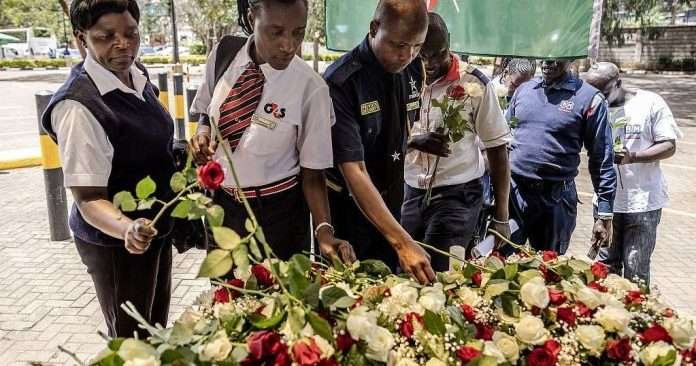
    Nairobi, Kenya – (African Boulevard News) – Kenyans are coming together today to mark the solemn 10th anniversary of the horrific attack on the Westgate mall in Nairobi. On 21 September 2013, the upmarket shopping center was targeted by Somali Islamist group Al-Shabaab, resulting in the tragic loss of 67 lives.

    The Westgate mall attack remains etched in the memories of Kenyans as one of the darkest days in the country’s recent history. Today, as they gather to commemorate the victims, the nation stands united in remembrance and resilience.

    The attack began when heavily armed gunmen stormed the mall, opening fire on innocent shoppers and taking hostages. Kenyan security forces swiftly responded, engaging in a fierce gun battle that lasted for days. The siege finally came to an end on 24 September 2013, but not before leaving behind a trail of devastation and heartbreak.

    As Kenya observes this somber anniversary, citizens and leaders alike reflect on the lessons learned from the Westgate mall attack. It served as a wake-up call for improved security measures and intelligence gathering to combat terrorism. While significant strides have been made in this regard, the fight against extremism remains an ongoing battle.

    President Uhuru Kenyatta, in a statement released ahead of the memorial, highlighted the importance of solidarity and unity in the face of terrorism. He said, “We must continue to stand together as one, showing the world that acts of terror will never break our spirit or divide us.”

    The Westgate mall attack not only brought pain and sorrow but also revealed the resilience and strength of the Kenyan people. The rallying cry of “We are one” echoed across the nation, as citizens from all walks of life joined hands to support the victims and their families.

    Speaking on the significance of commemorating this tragic event, security analyst Dr. Jane Muthoni expressed, “Remembering the Westgate mall attack allows us to honor the victims and reflect on the progress we’ve made in securing our country. It is a reminder that we must remain vigilant in the face of terrorism.”

    As Kenya looks back on the past decade, it is evident that unity, resilience, and a commitment to national security are the pillars on which the nation stands. The Westgate mall attack will forever serve as a reminder of the strength of the Kenyan people and their unwavering determination to overcome adversity.

    In the words of President Kenyatta, “We will continue to remember our fallen heroes and work tirelessly to ensure that their sacrifice was not in vain. Together, we will build a safer, more prosperous Kenya for future generations.”

    Libya: Agonizing Wait for Missing Relatives as Flood-Ravaged Derna Yearns for Hope

    0
    Read Time:2 Minute, 15 Second

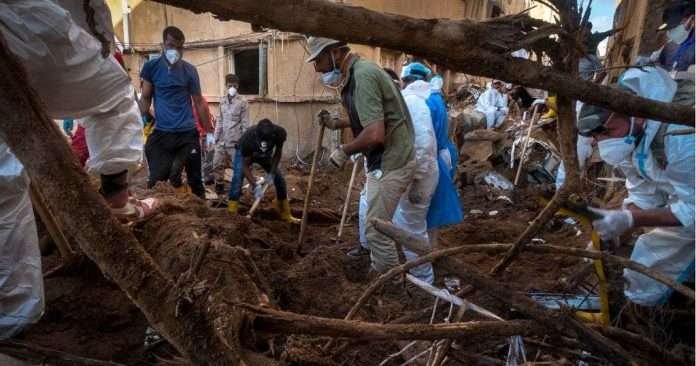
    Tripoli, Libya – (African Boulevard News) – More than a week after a tsunami-scale flash flood tore through the coastal city of Derna, leaving entire neighborhoods in ruins, Mahmud Erqiq clings to hope as he endures an unbearable wait to learn the fate of his missing relatives.

    The devastating flood, triggered by torrential rainfall, has caused widespread destruction and left many families desperate for news of their loved ones. Erqiq, like countless others, finds himself caught in a harrowing limbo, unsure of whether his family members are alive or lost forever.

    “I haven’t slept since that dreadful night,” Erqiq says, his voice filled with anguish. “Every moment feels like an eternity as I wait for any news, any sign that my family is safe.”

    The absence of an effective communication system has compounded the agony for survivors. With power lines and cellular networks severely damaged by the flood, families are unable to reach out to their missing loved ones or receive updates on their search and rescue efforts.

    “Imagine the pain of not knowing whether your loved ones are alive or dead, and then add to it the frustration of not being able to communicate or get any information,” says Sara Ahmed, a spokesperson for the Libyan Red Crescent Society. “The waiting is unbearable, and it’s taking a toll on the mental and emotional wellbeing of the survivors.”

    Rescue teams and humanitarian organizations are working tirelessly to locate survivors and provide assistance. However, the scale of the disaster and the logistical challenges it presents have slowed down the search and rescue efforts.

    “The flood has left us with a monumental task,” says Ahmed. “Our teams are working around the clock to reach affected areas, but the magnitude of the destruction, coupled with the lack of resources, makes it an incredibly difficult process.”

    While the focus remains on rescue operations, efforts are also being made to restore basic communication infrastructure. International aid organizations are collaborating with local authorities to repair damaged power lines and establish temporary communication centers to facilitate the reunification of families and relay vital information.

    As the days stretch on, Erqiq and countless other flood survivors cling to hope, eagerly anticipating news from the frontlines. They find solace in the courage and determination of the search and rescue teams, knowing that every effort is being made to bring closure to their agonizing wait.

    The wait for missing relatives is an unbearable burden that no one should have to endure. As the recovery and rebuilding process begins in Derna, the priority must be placed on reestablishing communication networks to alleviate the immense suffering of the survivors and provide them with the much-needed reassurance that their loved ones are safe.

    Kenya: Banned Olympic Runner Arrested for Sexual Assault, Sending Shockwaves Through International Athletics

    0
    Read Time:2 Minute, 8 Second

    Nairobi, Kenya – (African Boulevard News) – Banned New Zealand Olympic runner, John Robertson, has been arrested in Kenya following allegations of sexual assault. Robertson, who was banned from competing in the Olympics earlier this year for doping violations, was taken into custody by Kenyan police on Tuesday.

    Robertson’s arrest came after a local woman filed a complaint accusing him of sexually assaulting her during a training camp in Eldoret, a prominent running hub in western Kenya. Police have obtained a court order to hold Robertson in custody for five days while they investigate the allegations.

    The news of Robertson’s arrest has sent shockwaves through the international athletics community. Many were already aware of his ban from the Olympics, but the sexual assault allegations have added another layer of disgrace to his name.

    Robertson’s ban from the Olympics was a result of testing positive for banned substances during a routine drug test. His arrest in Kenya has further tarnished his reputation, making it unlikely that he will ever be able to compete at the highest level again.

    “The allegations against John Robertson are extremely serious and must be thoroughly investigated,” said Thomas Ayala, a sports analyst. “If found guilty, he should face the full force of the law. This incident is a reminder that athletes should be held to the highest standards of behavior both on and off the field.”

    Sexual assault allegations involving athletes are not uncommon, and they often bring to light the power dynamics and toxic culture that can exist within the sports world. These incidents highlight the need for better education and awareness about consent and appropriate behavior, as well as the importance of holding individuals accountable for their actions.

    The arrest of Robertson also raises questions about the effectiveness of the anti-doping measures in place within the sporting community. Despite being banned from the Olympics, he was still able to travel to Kenya and continue his training. This incident further underscores the need for stronger and more comprehensive anti-doping regulations to ensure fair competition and protect the integrity of the sport.

    As the investigation into the allegations against Robertson continues, it is important for the authorities to remain diligent and transparent. The alleged victim deserves justice, and any wrongdoing must be addressed.

    This case serves as a stark reminder that athletes, regardless of their achievements or status, are not above the law. It is essential for the sports community to take a strong stance against any form of misconduct and work towards creating a safe and inclusive environment for all athletes.

    Zambia: Unearthed Ancient Wooden Structure Shatters Paradigms of Early Human Abilities, Rewrites History

    0
    Read Time:2 Minute, 9 Second

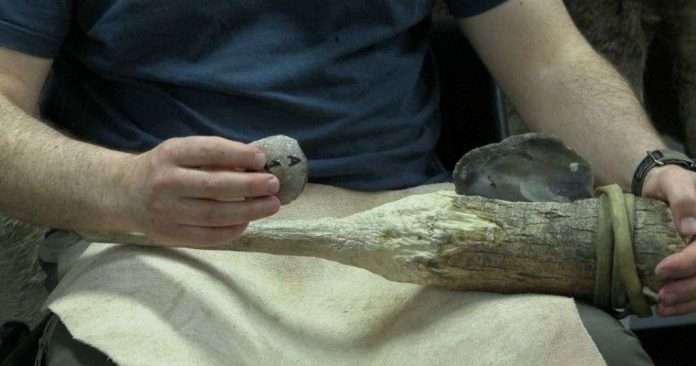
    Lusaka, Zambia – (African Boulevard News) – A groundbreaking discovery has sent shockwaves through the archaeological community as a structure dating back almost half a million years has been unearthed in Zambia. Experts believe that this simple log construction may be the oldest example of early humans building with wood, shedding new light on the capabilities and ingenuity of our ancient ancestors.

    Excavations at the site, located in the heart of Zambia, have revealed a structure consisting of logs arranged in a circular pattern. The logs, thought to be sourced from local trees, are remarkably well-preserved considering their age. Researchers suggest that this discovery provides significant insights into the evolution of human behavior.

    Dr. Jane Mwape, the lead archaeologist on the project, expressed her excitement, stating, “This discovery challenges our previous understanding of early human behavior and shows that our ancestors were capable of more advanced construction techniques than previously thought. It opens up a whole new avenue of exploration into the social and technological development of ancient civilizations.”

    The structure is estimated to be around 400,000 years old, predating similar wooden structures discovered in Europe and Asia. Its age puts it in the Middle Pleistocene era, a time when early humans were transitioning from simple tool-making to more complex behaviors. This finding provides evidence of the cognitive abilities and resourcefulness of early humans.

    Further analysis of the site is underway, including dating the logs and investigating any remaining artifacts. Archaeologists hope that these findings will offer more insight into the purpose of the structure and the daily lives of the people who inhabited it.

    The discovery is not only significant from an archaeological perspective but also holds great cultural importance for the people of Zambia. The site has the potential to become a major tourist attraction, attracting visitors from around the world who are eager to learn about our human history.

    As the excavation continues, experts are excited about the possibilities that lie ahead. This groundbreaking finding promises to rewrite the textbooks and provide a deeper understanding of our ancient ancestors. It is a testament to the resilience, ingenuity, and intelligence that has characterized the human race for millennia.

    In summary, the discovery of a structure dating back almost half a million years in Zambia has stunned archaeologists worldwide. This simple log construction challenges previous notions of early human capabilities and offers a new perspective on our ancestors’ social and technological development. As further analysis takes place, the site holds the potential to become a significant cultural landmark and a valuable source of knowledge about our shared past.

    Africa: Rapid Urbanization Threatens Cities’ Survival, Requires Urgent Action

    0
    Read Time:2 Minute, 40 Second

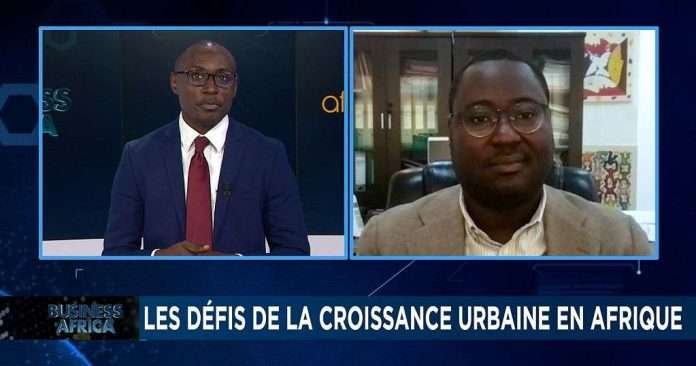
    Diaspora, Africa – (African Boulevard News) – By 2040, Africa will be home to nine mega cities hosting more than ten million people. But rapid urbanization has created capacity problems for cities, and local governments are struggling to plan for this unprecedented growth. As a result, countries across the continent are grappling with the challenges posed by urbanization and are working towards finding sustainable solutions.

    One of the major issues faced by countries is the lack of adequate infrastructure to meet the needs of growing urban populations. The strain on existing transportation systems, housing, and public services has become a pressing concern. Many cities are struggling to keep pace with the demands placed on their infrastructure, resulting in overcrowding and inefficient services.

    In Nigeria, for example, Lagos – the country’s largest city – is facing significant challenges due to rapid urbanization. With a population of over 14 million and counting, the city is experiencing increased traffic congestion, inadequate public transportation, and a shortage of affordable housing. The local government is working to address these issues by investing in mass transit systems and the construction of affordable housing units.

    Similar challenges are being faced by countries like Kenya, South Africa, and Egypt, where urbanization is occurring at an accelerated rate. These countries are witnessing an influx of people from rural areas seeking better opportunities in cities. However, the infrastructure and resources required to support this growing population have not matched the rapid urbanization. This has resulted in increased pressure on already limited resources and strained public services.

    According to urban planning expert, Dr. Jane Mwangi, “The rapid urbanization in Africa is both a challenge and an opportunity. It presents a chance for governments to invest in sustainable infrastructure and create cities that are livable and inclusive for all its residents. However, if not properly managed, rapid urbanization can lead to social and economic disparities.”

    To tackle these issues, governments and stakeholders are beginning to recognize the importance of urban planning and sustainable development. They are working towards creating policies that prioritize infrastructure development, affordable housing, and efficient public transportation. Additionally, there is a growing focus on the use of technology and innovation to develop smart cities that can meet the needs of their residents.

    The United Nations Economic Commission for Africa (UNECA) is also playing a crucial role in supporting countries in their efforts to manage rapid urbanization. The organization provides technical assistance and resources to help governments implement sustainable urban planning strategies.

    To address the challenges posed by rapid urbanization, collaboration between governments, urban planners, and stakeholders is vital. It is through these partnerships that African countries can develop effective solutions and create cities that are able to accommodate the needs of their growing populations. With proper planning and investment, rapid urbanization can be transformed into an opportunity for economic growth and improved quality of life for urban dwellers across the continent.

    As Africa continues to urbanize at an unprecedented rate, it is crucial that countries prioritize sustainable urban planning to ensure the well-being and prosperity of their cities and their residents. By doing so, Africa can navigate the challenges of rapid urbanization and create a future where its cities are vibrant, inclusive, and poised for success.

    Niger: Desperate and Drowning – Tragic Consequences of Border Closure as People Risk It All to Cross Treacherous River Niger

    0
    Read Time:2 Minute, 23 Second

    Niamey, Niger – (African Boulevard News) – After the recent coup in Niger, the closure of land routes between Niger and Benin has left many people with limited options for travel. As a result, desperate individuals have resorted to using canoes and motorized boats to cross the treacherous River Niger, risking their lives in the process.

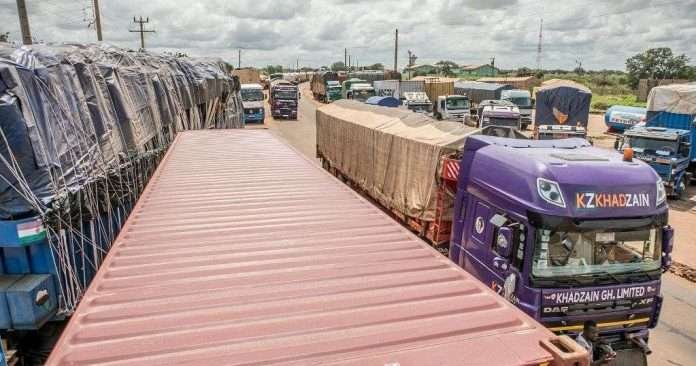
    The closure of the border came into effect on July 26, following the successful military takeover in Niger. The bridge that once connected the two neighboring countries has been shut down, leaving thousands of people stranded on either side. This drastic measure was implemented as part of the sanctions imposed on the new military-led government by the international community.

    The consequences of these border restrictions have been severe for the people living in the region. Many rely on cross-border trade for their livelihoods, with goods and services flowing freely between Niger and Benin. However, with the closure of land routes, this economic lifeline has been severed, leading to financial hardship for many.

    One trader, who preferred to remain anonymous, lamented the impact of the border closure on his business. He said, “I used to go to Benin to buy food supplies and other goods for my shop. Now, with the closure of the border, I’m unable to do so, and my business is suffering. I have no other means of income, and I’m worried about how I will provide for my family.”

    The reliance on canoes and motorized boats to cross the River Niger has also come at a great cost. The river is known for its strong currents and unpredictable weather conditions, making the journey perilous. Reports of accidents and drownings have already surfaced, highlighting the desperate lengths people are willing to go to in order to maintain their livelihoods.

    The impact of the border closure extends beyond trade and transportation. Families who have been separated, with loved ones on opposite sides of the border, face emotional distress and uncertainty. The lack of communication and inability to reunite has taken a toll on the mental well-being of many individuals.

    As the border closure persists, the people of Niger and Benin are left with no choice but to endure the pain of sanctions and find alternative ways to survive. The international community’s objective in imposing these measures is to exert pressure on the coup leaders to restore democratic governance. However, the unintended consequences of these actions on innocent civilians cannot be ignored.

    The closure of the land border between Niger and Benin has had devastating effects on the lives and livelihoods of the people living in the region. As they struggle to navigate the treacherous River Niger, risking their lives for a chance at survival, it becomes increasingly clear that the cost of the coup and subsequent sanctions is being borne by those who can afford it the least.

    Africa: DR Congo Takes Control of Security as it Calls for Swift Withdrawal of UN Peacekeepers

    0
    Read Time:2 Minute, 24 Second

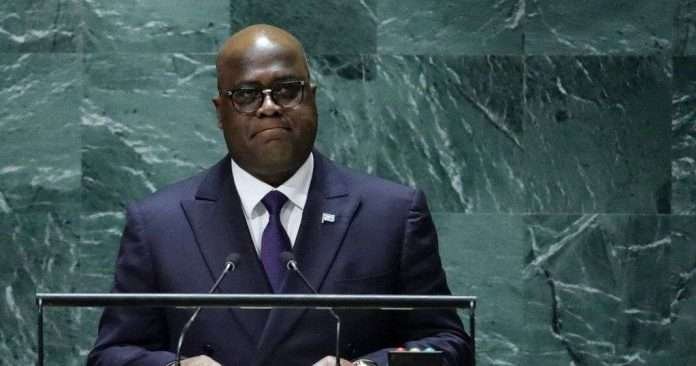
    Diaspora, Africa – (African Boulevard News) – DR Congo has recently called for the swift withdrawal of UN peacekeepers from the country, as it seeks to take full control of its security and stability. This call comes as part of a plan approved by the Security Council in 2020, which outlined a phased withdrawal of the peacekeeping forces and the transfer of responsibilities to Congolese forces.

    The Democratic Republic of Congo has long been plagued by conflict and insecurity, with various armed groups operating in the eastern part of the country. The presence of UN peacekeepers has been essential in maintaining a semblance of peace and protecting civilians. However, the Congolese government now believes that it is time to take charge and ensure that its own forces are fully capable of ensuring security and stability.

    “We appreciate the assistance of the United Nations peacekeeping forces in the past, but it is now crucial for us to stand on our own two feet and take responsibility for our own security,” said a spokesperson for the Congolese government.

    The plan for the withdrawal of UN peacekeepers was approved by the Security Council in 2020, acknowledging the progress made in stabilizing the country and strengthening the Congolese armed forces. The plan outlined a phased approach to the withdrawal, ensuring that the transfer of responsibilities to Congolese forces is done in an orderly and efficient manner. This process would allow the country to take control of its own security while also providing an opportunity for the UN peacekeepers to move on to other areas in need of assistance.

    While the call for the withdrawal of the peacekeepers has been met with some skepticism, with concerns raised about the readiness of Congolese forces to assume full responsibility, the government is confident in its ability to handle the situation.

    “We have made significant progress in training and equipping our armed forces. We have also been working closely with our regional partners to strengthen our security capabilities. We are ready to take on this responsibility,” the spokesperson emphasized.

    The withdrawal of UN peacekeepers from DR Congo marks a significant step in the country’s journey towards stability and self-reliance. It sends a powerful message that the Congolese government is committed to asserting its authority and protecting its citizens.

    As the phased withdrawal begins, it will be crucial for the international community to continue supporting DR Congo in its efforts to build a capable and accountable security apparatus. This will ensure that the progress made in stabilizing the country is sustainable and that the Congolese people can continue to live in peace.

    The call for the swift withdrawal of UN peacekeepers is a bold move by DR Congo towards asserting its sovereignty and taking charge of its security. With the support of the international community, the country now has an opportunity to build a brighter and more secure future for its citizens.