Friday, May 1, 2026
81.7 F
Lagos
More
    Home Blog Page 138

    Niger’s Military Junta Sends Spokesman on Secret Diplomatic Mission to Doha – What Are They Hiding?

    0
    Read Time:2 Minute, 23 Second

    Niamey, Niger – (African Boulevard News) – In a hushed yet significant development, the spokesman for Niger’s military junta recently made a secretive visit to Doha. The visit was kept under tight wraps, raising speculations about its purpose and the potential implications for the country’s political landscape. The junta’s spokesman participated in the Conference of Ministers of Culture of the Islamic World, which took place in the Qatari capital on 25th and 26th September. The event was organized by the Islamic World Educational, Scientific, and Cultural Organization (ICESCO).

    The surprise visit by the junta’s spokesperson, whose identity has not been disclosed, has sparked curiosity and concern among both national and international observers. The purpose of the visit remains uncertain, and it has left many speculating about potential implications for the ongoing political situation in Niger.

    The conference in Doha aimed to foster cultural dialogue and cooperation among participating nations, with a focus on promoting Islamic heritage and cultural diversity. The presence of the junta’s spokesperson at such an event raises questions about the military’s intentions and its stance on cultural diplomacy and international relations.

    Experts on the region are carefully monitoring the situation, attempting to decipher any hidden messages or intentions behind the visit. According to one political analyst, who requested anonymity, “This surprise visit could suggest that the junta is seeking to establish diplomatic ties or garner support from international organizations as it consolidates its grip on power. It is crucial to closely follow any developments in Niger’s political landscape in the coming weeks.”

    While the junta’s spokesperson did not make any public statements during the conference, the secrecy surrounding the visit has led to speculation about the nature of discussions held behind closed doors. Some are concerned that the junta may be trying to gain international recognition and legitimacy through diplomatic engagements.

    The visit to Doha underscores the delicate balance of power in Niger following the military’s seizure of control earlier this year. It also highlights the importance of international engagement and the country’s desire to establish relationships with regional and global stakeholders.

    As the situation continues to unfold, both national and international actors are closely monitoring Niger’s political landscape. The secretive visit of the junta’s spokesperson to Doha serves as a reminder of the ongoing uncertainty and potential challenges ahead for the West African nation.

    The international community eagerly awaits further information regarding the junta’s visit and its potential implications for Niger’s political future. In the meantime, analysts and observers remain vigilant, analyzing every development for clues about the junta’s intentions and the direction the country is heading.

    References:
    – “Junta spokesman pays hush-hush visit to Doha.” Africa Intelligence. Retrieved from https://www.africaintelligence.com/west-africa/2023/09/28/junta-spokesman-pays-hush-hush-visit-to-doha,110059321-bre
    – Google search results: https://www.google.com/search?q=niger+junta+spokesman+pays+hush+hush+visit+to+doha
    “Djibouti’s Historic Anti-Graft Review: A Make or Break Moment for its Financial Future”

    0
    Read Time:2 Minute, 14 Second

    Djibouti, Djibouti – (African Boulevard News) – The Central Bank of Djibouti is preparing for its inaugural Financial Action Task Force (FATF) review, as the international financial crime watchdog assesses the country’s efforts to combat money laundering and terrorism financing. This review marks a significant step for Djibouti in its commitment to strengthening its anti-graft measures and enhancing its reputation in the global financial community.

    As Djibouti continues to position itself as a key player in the regional financial landscape, the FATF review serves as a critical evaluation of the country’s legal and regulatory framework, as well as its operational effectiveness in combating financial crimes. The review will assess Djibouti’s compliance with the FATF’s 40 Recommendations, a set of international standards for anti-money laundering and counter-terrorism financing.

    According to industry experts, the FATF review will play a vital role in enhancing Djibouti’s reputation and credibility as a reliable and trustworthy financial hub. It will also provide an opportunity for the Central Bank of Djibouti and other relevant stakeholders to identify any areas of improvement and take necessary measures to address them.

    The Central Bank of Djibouti has been proactively working towards strengthening its anti-graft measures in recent years. It has introduced a series of regulatory reforms, including the establishment of a Financial Intelligence Unit (FIU) to monitor and report suspicious transactions. These initiatives demonstrate Djibouti’s commitment to combatting financial crimes and ensuring the integrity of its financial system.

    In preparation for the FATF review, Djibouti has undertaken a comprehensive self-assessment exercise to evaluate its anti-money laundering and counter-terrorism financing regime. This exercise involved a thorough analysis of the country’s legal and institutional framework, as well as its capacity to combat financial crimes effectively.

    The results of the FATF review will have far-reaching implications for Djibouti’s financial sector. A favorable outcome will boost investor confidence, attract foreign direct investment, and open doors to enhanced international financial cooperation. Conversely, a negative assessment could impact Djibouti’s reputation and hinder its aspirations to become a regional financial hub.

    Industry experts emphasize the importance of sustained efforts in combating financial crimes beyond the FATF review. They stress the need for ongoing vigilance, capacity building, and international cooperation to effectively combat money laundering and terrorism financing.

    In conclusion, Djibouti’s Central Bank’s first FATF anti-graft review holds significant importance for the country’s financial sector. The review will evaluate Djibouti’s anti-money laundering and counter-terrorism financing efforts, providing an opportunity to identify areas of improvement and enhance its reputation as a trusted financial hub. The outcome of the review will play a crucial role in shaping Djibouti’s future as a player in the global financial landscape.

    Kenya: Elderly Landowner Allegedly Abducted in Goldmine Dispute, Sparking Outrage and Demands for Justice

    0
    Read Time:2 Minute, 35 Second

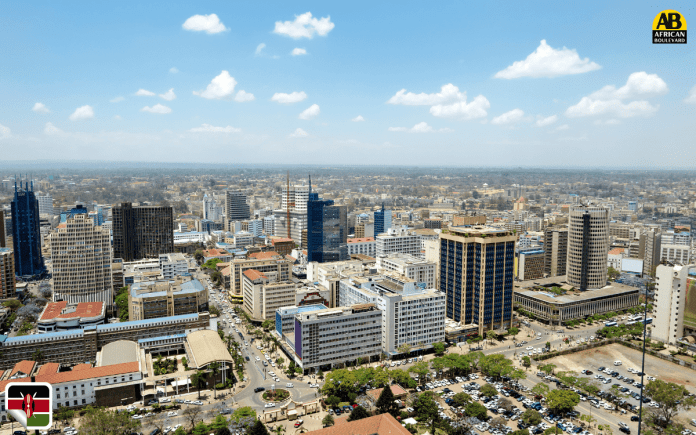
    Nairobi, Kenya – (African Boulevard News) – The Chemase goldmine saga in Kenya has taken a new turn with the alleged abduction of an elderly landowner, intensifying the already heated dispute surrounding the leasing of a small, potentially gold-rich plot in Ruto’s fiefdom in western Kenya to British mining company Karebe.

    The embroilment of President Ruto’s entourage in this family dispute has added an intriguing layer to the controversy. The elderly landowner, Mr. Nyongesa, claims that he was forcefully taken by unidentified men and held captive, presumably to intimidate him into relinquishing his rights to the land. The incident has sent shockwaves through the community, raising concerns about the safety of those opposing the mining activities.

    Karebe, the mining company at the center of the controversy, has been accused of land grabbing and disregarding the rights of local communities. The company denies these allegations and insists that it has followed all legal procedures in acquiring the mining rights. However, the Chemase goldmine saga has become a contentious issue, highlighting deeper problems concerning land ownership and resource exploitation in Kenya.

    Local activists are outraged by Mr. Nyongesa’s alleged abduction and are demanding a thorough investigation into the incident. They argue that this is not an isolated case but rather a reflection of the wider struggle faced by communities in the face of mining interests. Samuel Kimanzi, a prominent activist, states, “This incident demonstrates the lengths some mining companies are willing to go to secure their profits, even if it means violating human rights.”

    The Chemase goldmine has long been a source of hope and contention for the local community. While it has the potential to bring economic benefits to the area through job creation and infrastructural development, there are concerns about the impact on the environment and the displacement of communities who have deep-rooted connections to the land.

    The government of Kenya, in response to the escalating tensions, has promised a comprehensive investigation into the allegations. They have emphasized the importance of striking a balance between economic development and protecting the rights of local communities. However, critics argue that more needs to be done to ensure transparency and accountability in the mining sector to prevent further abuses.

    As the Chemase goldmine saga continues to unfold, the plight of Mr. Nyongesa serves as a reminder of the complex issues surrounding resource extraction and the challenges faced by communities in Kenya. It is a story that highlights the need for a more inclusive and sustainable approach to mining, where the rights and well-being of all stakeholders are prioritized.

    In conclusion, the alleged abduction of an elderly landowner in the Chemase goldmine saga has brought renewed attention to the contentious issue of land ownership and resource exploitation in Kenya. The incident has raised concerns about the safety of those opposing mining activities and has sparked demands for a thorough investigation. As the government promises to address these concerns, the story serves as a reminder of the challenges faced by communities in the face of resource extraction and the need for a more inclusive and sustainable approach to mining in Kenya.

    Algeria’s Bold Move: Unleashing Untapped Potential and Attracting Foreign Investment

    0
    Read Time:2 Minute, 19 Second

    Algiers, Algeria – (African Boulevard News) – In a bid to bolster foreign investments and showcase the economic potential of Algeria, the country’s recently established investment promotion agency is planning a foreign tour. The agency, which was set up in September 2022, aims to attract and reassure potential investors with new incentives and opportunities.

    The move comes as Algeria seeks to diversify its economy and reduce its reliance on oil and gas revenues. The investment promotion agency is tasked with promoting the country’s non-energy sectors, including agriculture, manufacturing, and tourism, to both domestic and international investors.

    According to sources, the agency’s tour will include visits to several European and African countries, where meetings with potential investors will be held. This proactive approach is aimed at highlighting the investment opportunities available in Algeria and dispelling any misconceptions or concerns that potential investors may have.

    “The foreign tour is an important step in our efforts to promote Algeria as an attractive investment destination. We want to showcase the country’s untapped potential and the various incentives we offer to investors,” said the agency’s spokesperson.

    Algeria boasts a strategic location, a rich pool of natural resources, and a young and competitive workforce. The government has introduced several measures to facilitate foreign investment, including tax incentives, simplified administrative procedures, and the creation of free trade zones.

    Industry experts have praised the agency’s proactive approach and believe that it will bring substantial benefits to Algeria’s economy. “A foreign tour is an effective way to engage with potential investors and build trust. It shows that Algeria is committed to attracting foreign capital and creating a favorable business environment,” said a financial analyst.

    In recent years, Algeria has been working towards diversifying its economy and reducing its dependence on oil and gas. The investment promotion agency is seen as a key component of this strategy, playing a pivotal role in attracting foreign direct investment and stimulating economic growth.

    The upcoming tour is expected to generate significant interest among potential investors, who will have the opportunity to learn more about the advantages of investing in Algeria. It is anticipated that this initiative will lead to an increase in foreign investments across various sectors, contributing to job creation and the development of new industries.

    As Algeria’s investment promotion agency prepares for its foreign tour, the country remains committed to creating an attractive and investor-friendly environment. With its abundant resources and untapped potential, Algeria is looking to make its mark as an emerging investment destination in Africa.

    In conclusion, the investment promotion agency’s foreign tour holds great promise for Algeria’s economic diversification and growth. By showcasing the country’s potential and offering enticing incentives, Algeria aims to attract foreign investors who can contribute to the development of various sectors and create new opportunities for its people.

    Ivory Coast Takes Bold Stand Against EU, Fighting for Cocoa Farmers’ Livelihoods

    0
    Read Time:2 Minute, 24 Second

    Yamoussoukro, Ivory Coast – (African Boulevard News) – As the 2023-2024 cocoa season approaches, the Conseil Café-Cacao, the Ivory Coast’s cocoa regulatory body, is intensifying its efforts to put pressure on the European Union (EU). By maintaining its blockade on forward sales of cocoa beans, the organization aims to gain the upper hand in negotiations with Brussels.

    The Conseil Café-Cacao’s decision to halt forward sales is a strategic move designed to ensure they achieve better terms and prices for cocoa exports to the EU. The Ivory Coast is the world’s largest producer of cocoa, with the EU being its primary market. By leveraging their position as a key supplier, the Conseil Café-Cacao hopes to secure more favorable trade conditions.

    This move comes as a response to the EU’s proposed new sustainability standards for cocoa imports. The EU aims to ensure that cocoa entering its market is produced in a sustainable and socially responsible manner. However, the Conseil Café-Cacao argues that these standards are unfair and burdensome for Ivory Coast farmers.

    “The EU’s proposed sustainability standards represent an extra burden for our farmers who are already facing various challenges,” said Alassane Ouattara, a cocoa farmer and member of the Conseil Café-Cacao. “We need the EU to understand the realities on the ground and work with us to find a mutually beneficial solution.”

    Industry experts are closely monitoring these developments. Dr. Angela Gomes, a commodities analyst, believes that the Ivory Coast’s actions are justified given the importance of cocoa to its economy. “The Ivory Coast relies heavily on cocoa exports for its economic stability. It is understandable that they would fight to uphold their interests,” she said.

    However, concerns have been raised about the potential impact of the blockade on cocoa farmers. Some fear that the prolonged suspension of forward sales could harm the livelihoods of those who depend on the cocoa sector for their income.

    The EU has yet to issue an official response to the Conseil Café-Cacao’s stance. European officials have previously stated their commitment to sustainable and responsible trade practices and have emphasized the need for dialogue to resolve any issues.

    As the standoff continues, the Ivory Coast’s cocoa sector remains on tenterhooks. The outcome of negotiations between the Conseil Café-Cacao and the EU will have significant implications not only for cocoa farmers but also for the country’s economy as a whole.

    In conclusion, the Conseil Café-Cacao’s decision to maintain its blockade on forward sales of cocoa beans is a testament to its determination to secure better trade conditions with the EU. While there are valid concerns about the potential impact on cocoa farmers, the Ivory Coast’s stance reflects the importance of the cocoa sector to its economy. As negotiations continue, both parties must find a balanced solution that promotes sustainability and ensures the livelihoods of those involved in the cocoa industry.

    Cameroon Takes a Bold Diplomatic Step, Ignites Hope for International Unity as National Football Team Prepares for Historic Match in Moscow

    0
    Read Time:2 Minute, 26 Second

    Yaounde, Cameroon – (African Boulevard News) – In a surprising move, President Paul Biya of Cameroon has made overtures to President Vladimir Putin of Russia through the Indomitable Lions, the national football team of Cameroon. This gesture comes as Cameroon arranges to play a friendly match in Moscow in mid-October, marking the first football encounter between an African team and Russia since the invasion of Ukraine earlier this year.

    The decision to play a friendly match in Moscow showcases Biya’s diplomatic efforts to strengthen ties with Russia, despite international criticism surrounding the invasion of Ukraine. This move is seen as a strategic step towards building a closer relationship between the two nations, utilizing the power and influence of sports diplomacy.

    Cameroon, the reigning African Cup of Nations champions, holds a special place in the hearts of its citizens. Football is a unifying force in the country, and the success of the national team has often been a source of national pride. By leveraging the popularity of the Indomitable Lions, President Biya aims to foster a deeper connection with Russia.

    This development has attracted attention both domestically and internationally, spurring discussions about the potential implications of this diplomatic move. Experts believe that the friendly match could open doors for trade and investment opportunities between Cameroon and Russia. As Africa’s leading oil producer, Cameroon has significant natural resources that could be of interest to Russia, which has a strong presence in the energy sector.

    Furthermore, the friendly match presents an opportunity for cultural exchange and people-to-people diplomacy. It allows the Indomitable Lions to promote Cameroon’s rich cultural heritage and values on the global stage, potentially increasing tourism and attracting foreign investment in various sectors, including sports infrastructure and tourism.

    Speaking about the significance of this friendly match, John Nkembe, a political analyst, shared his insights, “Football has always been a powerful tool to unite nations and bridge gaps. This game between Cameroon and Russia symbolizes the willingness of both countries to embrace dialogue and find common ground, despite political differences. It opens up avenues for cooperation in various fields and has the potential to elevate the bilateral relationship to new heights.”

    As October approaches, anticipation for the game is growing among football enthusiasts and supporters of diplomatic efforts. The Indomitable Lions, known for their tenacity and fighting spirit, aim to showcase the best of Cameroon’s football talent and foster a spirit of camaraderie between the two nations.

    In conclusion, President Biya’s decision to make overtures to President Putin through the Indomitable Lions is a bold and strategic move to strengthen diplomatic ties between Cameroon and Russia. This friendly match not only has societal and cultural implications but also holds the potential to drive economic growth and cooperation between the two nations. As the football world eagerly awaits the historic encounter, all eyes will be on the Indomitable Lions as they aim to score on and off the pitch.

    Zimbabwe Faces $440 Million Damages Ruling, Threatening Economic Recovery and Investor Confidence

    0
    Read Time:2 Minute, 28 Second

    Harare, Zimbabwe – (African Boulevard News) – In a recent ruling by the US Court of Appeals for the District of Columbia, Zimbabwe has been ordered to pay a staggering $440.3 million in damages for the wrongful seizure of farmland dating back to 2000 and 2001. This ruling has left Harare saddled with even more debt, adding to the country’s already dire financial situation.

    The von Pezold case, which has been ongoing for years, centers around the seizure of farmland owned by Zimbabwean company Border Timbers Limited. The court found that the government’s actions violated international law and awarded damages to the von Pezold family, who are descendants of the company’s founders.

    The ruling has come as a blow to Zimbabwe’s struggling economy, which has been grappling with a myriad of challenges including hyperinflation, high unemployment rates, and a lack of foreign investment. The country’s debt burden has been a significant hindrance to its economic recovery, and this latest ruling only serves to exacerbate the situation.

    Zimbabwe’s Minister of Finance, Mthuli Ncube, expressed concerns about the impact of the ruling on the country’s finances. He stated, “We are already facing significant debt distress, and this ruling adds further pressure on our already strained resources. It will be a challenge for us to meet our obligations without further compromising the well-being of our citizens.”

    Economists warn that this ruling could have far-reaching consequences for Zimbabwe’s ability to attract foreign investment. The country has been working towards attracting investors and revitalizing its agriculture sector, which was once the backbone of the economy. However, the ruling sends a negative signal to potential investors, highlighting the risks associated with investing in Zimbabwe.

    John Robertson, an independent economist based in Harare, commented on the ruling, stating, “This ruling adds another layer of uncertainty to an already volatile investment environment. It will certainly make potential investors think twice before committing their capital to Zimbabwe.”

    The von Pezold case is not an isolated incident. Zimbabwe has faced numerous legal challenges over land seizures in the past, leading to significant financial implications for the country. These ongoing legal battles further undermine investor confidence and hinder the country’s efforts to rebound economically.

    As Zimbabwe grapples with the fallout from this ruling, it is clear that the country’s debt burden continues to hinder its economic recovery. The government must find sustainable solutions to address its financial challenges and create an enabling environment for investment. Without a clear path forward, Zimbabwe may find itself trapped in a cycle of debt, hampering its prospects for long-term economic growth.

    In conclusion, the recent ruling by the US Court of Appeals has placed additional financial strain on Harare, plunging Zimbabwe deeper into debt. The implications of this ruling extend beyond the monetary value, with potential setbacks to the country’s investment climate. It is imperative for Zimbabwe’s government to prioritize debt management and undertake reforms that will restore investor confidence and pave the way for sustainable economic growth.

    Senegal’s Economic Nightmare: Liquidity Shortage Threatens Country’s Future

    0
    Read Time:2 Minute, 32 Second

    Dakar, Senegal – (African Boulevard News) – As the clock ticks towards the end of his presidency, Senegalese President Macky Sall finds himself grappling with the challenges posed by turbulent financial markets. A major liquidity shortage has forced the state to borrow from the international markets at an alarming rate, leaving the country’s economy in a precarious position.

    The liquidity shortage has put President Sall in a difficult position, as he navigates the complex world of international finance and tries to secure much-needed funds to keep the economy afloat. With only a few months left in office, Sall is under immense pressure to find solutions to the financial crisis that has gripped the nation.

    The Senegalese government has been forced to borrow heavily from the international markets to cover its budget deficit and keep essential services running. This heavy borrowing comes at a time when global financial markets are experiencing heightened volatility, making it even more challenging for Senegal to secure loans on favorable terms.

    Experts have expressed concern about the country’s ability to repay these loans, given its fragile economic situation. “The liquidity shortage in Senegal is a serious concern, and the government must take swift action to address it,” said economic analyst Aminata Diop. “Without a comprehensive plan to stabilize the economy, Senegal risks falling into a cycle of debt and financial instability.”

    The government is facing criticism for its handling of the financial crisis, with some accusing it of mismanagement and lack of foresight. “The liquidity shortage is a direct result of the government’s failure to implement effective financial policies,” said political commentator Babacar Mbengue. “President Sall must take responsibility for this crisis and work towards finding lasting solutions.”

    President Sall has acknowledged the challenges posed by the turbulent financial markets and has vowed to take necessary measures to stabilize the economy. “We are aware of the liquidity shortage and its impact on our country’s economy,” Sall said in a recent press conference. “We are working tirelessly to address this crisis and ensure a stable financial future for Senegal.”

    The government has already taken steps towards addressing the financial crisis by implementing austerity measures and exploring alternative sources of financing. It has also engaged in discussions with international financial institutions to seek assistance in managing the liquidity shortage.

    As President Macky Sall nears the end of his term, the resolution of the liquidity shortage will be a crucial test of his leadership and economic policies. The future of Senegal’s economy hangs in the balance, and the outcomes of the government’s efforts to stabilize the financial markets will have far-reaching implications for the country and its people.

    In conclusion, President Macky Sall’s administration is faced with the daunting task of navigating Senegal’s turbulent financial markets. The liquidity shortage has forced the country to borrow heavily from international markets, raising concerns about its ability to repay these loans. With time running out, President Sall and his government must take swift and decisive action to stabilize the economy and secure a brighter financial future for Senegal.

    Niger: Diplomatic Showdown Ends with Ambassador’s Return to Paris, But Challenges Remain

    0
    Read Time:2 Minute, 15 Second

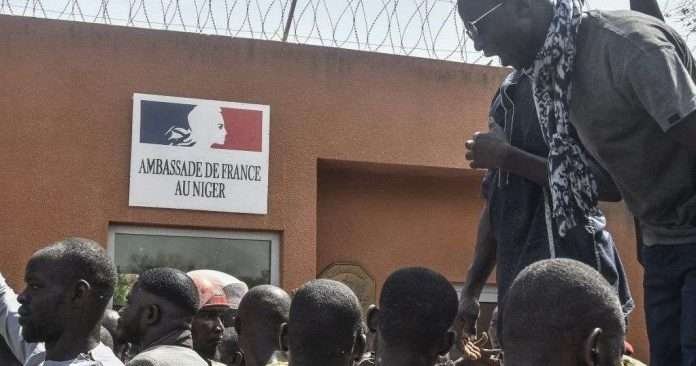
    Niamey, Niger – (African Boulevard News) – France’s former envoy to Niger has finally returned to Paris, ending weeks of diplomatic tension between France and the post-coup regime in Niger. The French Foreign Ministry confirmed the ambassador’s return on Wednesday, providing some relief to the strained relationship between the two countries.

    The return of the ambassador comes after weeks of strained ties between France and Niger, following the military coup that took place in the West African nation. The coup, which occurred on September 9th, saw the ousting of President Mohamed Bazoum and a subsequent power transition. Since then, the political landscape in Niger has been in turmoil, with the new regime facing criticism and opposition from various quarters.

    The tension between France and Niger intensified when the French ambassador was recalled to Paris for consultations in the wake of the coup. The move was seen as a diplomatic signal of disapproval by France towards the new regime. This strained relationship further deteriorated when Niger accused France of meddling in its internal affairs and attempting to undermine its sovereignty.

    The return of the ambassador to Paris is expected to be a positive step towards normalizing the relationship between Niger and France. However, it remains to be seen whether this move will lead to a resolution of the underlying issues and a restoration of diplomatic ties.

    Experts believe that the return of the ambassador is a significant development in the strained relationship between the two countries. It indicates a willingness on both sides to engage in dialogue and find a way forward. However, they also caution that there are still many challenges ahead and that it will require sustained efforts from both parties to rebuild trust and strengthen ties.

    France has had a long history of influence in Niger, particularly in the areas of security and development. It is one of Niger’s largest aid donors and has been actively involved in counterterrorism efforts in the Sahel region. The strained relationship between the two countries has raised concerns about the potential impact on these areas of cooperation.

    As the ambassador returns to Paris, it is hoped that both countries will seize this opportunity to engage in constructive dialogue and find common ground. The challenges facing Niger are significant, and it will require international support, including from France, to address them effectively.

    In conclusion, the return of France’s former envoy to Niger to Paris after weeks of tension marks a positive step towards normalizing the strained relationship between the two countries. It is a sign of willingness to engage in dialogue and find a way forward. However, there are still challenges ahead, and it will require sustained efforts to rebuild trust and strengthen ties.

    Mali: Democracy at Stake as Presidential Election Faces Controversial Delay

    0
    Read Time:2 Minute, 14 Second

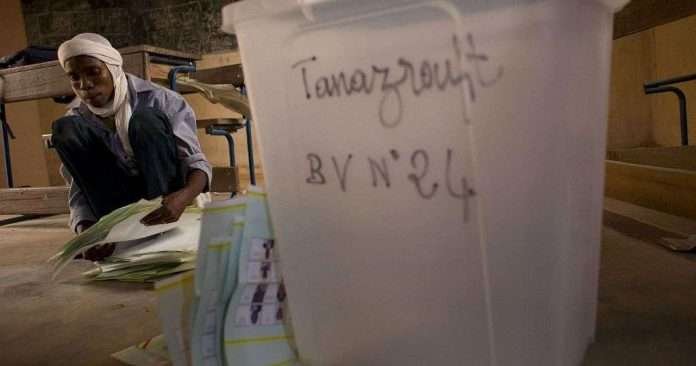
    Bamako, Mali – (African Boulevard News) – In a move that has sparked outrage among several political parties, Mali’s ruling junta recently announced the postponement of the presidential election, originally scheduled for February 2024. This decision, deemed unilateral by many, has raised concerns about the country’s democratic process and stability.

    The decision to delay the election was made public on Monday (Sep. 25), leaving many political parties and stakeholders shocked and dismayed. According to the junta, new dates for the voting will be communicated at a later time. However, this lack of transparency has only fueled suspicions and distrust among the citizens.

    Several parties have swiftly condemned the junta’s decision, highlighting the need for a democratic transition and adherence to the established electoral timetable. According to Mamadou Konate, a member of Mali’s political opposition, “Postponing the election without consulting the political parties is a slap in the face for the democratic process and undermines the trust of the people.”

    The junta’s decision has also attracted attention from international observers, who have expressed concerns about the future of democracy in Mali. The United Nations, through its spokesperson, stressed the importance of a transparent electoral process and urged all stakeholders to work together to ensure a peaceful transition of power.

    Civil society organizations have echoed these concerns, emphasizing the need for inclusive dialogue and consensus-building in determining the new election dates. Many fear that a delay in the presidential election may lead to increased political tensions and further instability in a country already grappling with jihadist attacks.

    To address these fears and demonstrate a commitment to an open and participatory process, the junta needs to engage in genuine discussions with political parties and civil society representatives. Only through inclusivity can they hope to regain the trust and confidence of the Malian people.

    The postponement of the presidential election has disrupted the political landscape in Mali, jeopardizing the country’s progress towards stability and democratic governance. It is imperative that all stakeholders, including the ruling junta, political parties, and civil society, work together to find a consensus and agree on a new election timeline.

    As the nation eagerly awaits further communication from the junta regarding the new voting dates, one thing is clear – the future of Mali’s democracy hangs in the balance. It is crucial that the junta acts swiftly and transparently to uphold the principles of democracy and ensure a peaceful transition of power.

    In the coming days and weeks, Mali will continue to face significant challenges, both domestically and internationally, as it strives to restore stability and rebuild trust in its democratic institutions. The fate of the postponed presidential election will undoubtedly shape the nation’s political landscape for years to come.