Friday, May 1, 2026
90.9 F
Lagos
More
    Home Blog Page 131

    Madagascar in Crisis: Internal Conflicts and Self-Interest Threaten Progress and People’s Welfare

    0
    Read Time:2 Minute, 29 Second

    Antananarivo, Madagascar – (African Boulevard News) – Madagascar’s President Andry Rajoelina has long relied on a tight-knit group of loyal supporters, some of whom have been by his side since the 2009 coup that initially propelled him to power. However, recent reports suggest that within this inner circle, conflicts of interest have arisen as several advisers pursue their own business interests, potentially undermining the country’s progress.

    According to sources close to the matter, Rajoelina’s advisers have been using their positions to further personal agendas rather than focusing on the nation’s development. These individuals, who remain unnamed, are said to be enriching themselves at the expense of Madagascar’s citizens. This infighting within Rajoelina’s camp has raised concerns about the government’s ability to effectively govern and prioritize the needs of the people.

    A recent article on Africaintelligence.com delves into the details of this unsettling situation, shedding light on the alleged conflicts of interest. The report highlights the advisers’ involvement in various business ventures, which range from natural resource extraction to infrastructure development. It suggests that these individuals are leveraging their positions to benefit their own enterprises, rather than working towards the common good.

    The consequences of such internal power struggles and self-interest can be dire. They divert resources that should be allocated to crucial sectors such as education, healthcare, and infrastructure. This not only hampers the country’s growth but also impedes the improvement of living standards for the Malagasy people.

    Experts in the field are expressing their concerns, emphasizing the need for transparency and accountability within Rajoelina’s administration. Dr. Marie Claire Razafimahaleo, a political analyst, warns, “Madagascar cannot afford to have its leaders entangled in personal business interests. It is essential to put the country and its citizens first.”

    The situation calls for an urgent reassessment of the leadership’s priorities and a renewed commitment to serving the nation. The Malagasy people deserve leaders who are devoted to their welfare and work tirelessly to improve their lives.

    In response to these allegations, Rajoelina’s office has remained tight-lipped, neither confirming nor denying the reported conflicts of interest. The silence only fuels public skepticism and raises further questions about the government’s transparency and commitment to combating corruption.

    As Madagascar navigates these challenging times, it is crucial for Rajoelina’s administration to address these concerns and take decisive actions to restore the people’s trust. The nation needs leaders who will put the collective interest above their own and focus on addressing the pressing issues facing the country.

    In conclusion, the allegations of infighting among President Rajoelina’s advisers pursuing their own business interests have raised serious concerns about the government’s ability to prioritize the needs of the Malagasy people. The situation demands immediate attention and calls for transparency, accountability, and a commitment to serving the nation’s best interests. Only through such measures can Madagascar overcome these internal conflicts and strive towards a brighter future for all its citizens.

    Keywords: Madagascar, Rajoelina, infighting advisers, business interests, conflicts of interest, government, development, transparency, accountability, citizens.

    Niger’s Shocking Betrayal: President’s Inner Circle Sabotages Crucial Surveillance System, Raising Questions of Corrupt Power and National Security

    0
    Read Time:2 Minute, 18 Second

    Niamey, Niger – (African Boulevard News) – The recent political turmoil in Niger has revealed a shocking revelation – President Bazoum’s inner circle had deprived the ruling junta of a vital telecommunications surveillance system. The deactivation of this interception and geolocation platform in the aftermath of the July putsch has become one of the many grievances the junta holds against the deposed government.

    According to a recent report published by Africa Intelligence, President Bazoum’s loyalists tampered with the telecoms surveillance system, leaving the junta without an essential tool for monitoring and intercepting communications. This revelation has sparked outrage among the ruling junta and highlighted the extent of corruption within the previous administration.

    The telecoms surveillance system, which was designed to track and intercept calls, messages, and other forms of communication, played a crucial role in maintaining national security. It provided valuable insights into potential threats and enabled the government to take proactive measures to safeguard the country. Its deactivation, orchestrated by President Bazoum’s inner circle, has severely compromised the junta’s ability to monitor suspicious activities and maintain law and order.

    This shocking revelation has not only exposed the lengths to which President Bazoum’s loyalists went to retain power but has also cast a shadow of doubt over the previous government’s commitment to transparency and accountability. The junta is now faced with the daunting task of reconstructing the surveillance system, which will require significant time and resources.

    Speaking on the matter, an industry expert stated, “The deactivation of the surveillance system is a severe blow to the junta’s efforts to restore stability and ensure the safety of the nation. It is imperative for the incoming government to prioritize the reconstruction of this system to regain control over national security.”

    The deactivation of the telecoms surveillance system serves as a stark reminder of the challenges faced by Niger in its journey towards democracy and stability. It underscores the need for stronger safeguards against corruption and the importance of systems that ensure transparency and accountability.

    As the junta works towards restoring order and organizing free and fair elections, it is critical for them to address the grievances stemming from the previous government’s actions. The reconstruction and enhancement of the surveillance system should be a priority, enabling the junta to regain control over national security and prevent similar incidents from occurring in the future.

    In conclusion, the deactivation of Niger’s telecoms surveillance system by President Bazoum’s inner circle has dealt a severe blow to the ruling junta’s ability to maintain law and order. This revelation highlights the extent of corruption within the previous administration and underscores the importance of transparency and accountability. As Niger moves forward, it must prioritize the reconstruction of the surveillance system to regain control over national security and prevent further disruptions to its democratic journey.

    Eswatini: A Mirage of Democracy? Citizens Grapple with Disillusionment Ahead of Controversial Elections

    0
    Read Time:2 Minute, 10 Second

    Mbabane, Eswatini – (African Boulevard News) – Ahead of the upcoming vote in Eswatini, Africa’s last absolute monarchy, many citizens find themselves grappling with a lack of hope for meaningful change. Despite the promise of a democratic process, there is a growing disillusionment among the population, who believe that true free and fair elections are nothing more than a mirage in the kingdom.

    “They are saying that there are elections that are free and fair, but there is nothing like that,” a student union leader remarks, underscoring the skepticism prevalent among Eswatini’s youth, who make up a significant portion of the country’s population. With 585,000 registered voters set to choose 59 members of the government, expectations for a transformational shift in power remain low.

    The controversy surrounding this election is rooted in the fact that Eswatini remains the last absolute monarchy on the African continent. The king, Mswati III, wields immense power and control, leaving little room for genuine political participation or representation. The tightening grip of authoritarian rule has stifled dissent and hampered the growth of a vibrant civil society.

    Critics argue that Mswati III’s monarchy has impeded progress and hindered the democratic aspirations of the Swazi people. Transparency and accountability have been lacking under this system, contributing to widespread disenchantment and a feeling of helplessness among Eswatini’s citizens. The lack of trust in the electoral process is indicative of a deeper malaise that plagues the nation.

    The government’s response to dissension has also raised concerns. Protests in recent years have often been met with a heavy-handed crackdown, with reports of human rights abuses, including arbitrary arrests and torture. Such actions have further eroded public trust and deepened the sense of hopelessness.

    Civil society organizations, human rights activists, and opposition figures have long called for democratic reforms in Eswatini, advocating for a more inclusive and participatory system of governance. They argue that the current electoral framework only serves to maintain the status quo and perpetuate an undemocratic regime.

    As the vote approaches, it is evident that a cloud of disillusionment hangs over Eswatini. The lack of hope in the democratic process reflects a broader sentiment of frustration with the monarchy’s grip on power. For many, the election represents not a chance for change but rather a perpetuation of an oppressive system.

    Though the road to achieving meaningful democratic reforms in Eswatini may be long and arduous, it is crucial to continue the conversation and push for greater transparency, accountability, and inclusivity. Only through persistent efforts can the aspirations of the Swazi people be realized, and hope reignited in a nation yearning for change.

    Libya: Thousands of Children Displaced and at Risk After Devastating Floods

    0
    Read Time:2 Minute, 25 Second

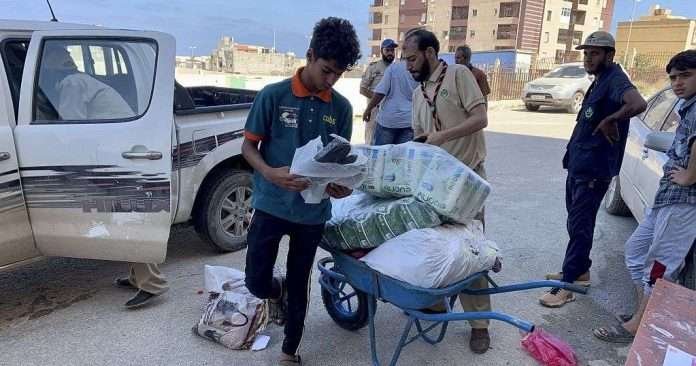
    Tripoli, Libya – (African Boulevard News) – Devastating floods have swept through eastern Libya, leaving more than 16,000 children displaced, according to the United Nations International Children’s Emergency Fund (UNICEF). The floods, caused by heavy rainfall, have wreaked havoc on communities in Al Bayda and Derna, leaving families homeless and communities in distress.

    “When disasters hit, children are always among the most vulnerable,” said Adele Khodr, UNICEF Regional Director, who recently visited the affected areas. The floods have not only disrupted the lives of these children but have also damaged vital infrastructure, including health and educational facilities.

    The impact of the floods goes beyond immediate displacement and damage. The destruction of schools means that children are being robbed of their right to education. Furthermore, the contaminated water sources pose a significant risk to their health. It is crucial to provide these children with immediate assistance to ensure their well-being and future prospects.

    The UNICEF response team has been working tirelessly to address the urgent needs of the affected children and their families. They have been providing essential supplies such as clean water, food, and hygiene kits to prevent the spread of waterborne diseases. Additionally, UNICEF is working on setting up temporary learning spaces to ensure that education does not come to a halt for these children.

    The floods have also raised concerns over the potential long-term psychological impact on the affected children. Going through such a traumatic event at a young age can leave lasting scars. Adele Khodr highlighted the importance of providing psychosocial support for these children, stating, “Psychological first aid will be crucial in helping them cope with the trauma they have experienced.”

    This natural disaster has not only put a strain on the affected families but has also stretched the resources of local authorities. The Libyan government, with the support of international organizations, is working to assess the scale of the damage and coordinate relief efforts. However, the needs are immense, and a coordinated international response is essential to address the humanitarian crisis unfolding in eastern Libya.

    As the situation continues to unfold, it is crucial to remember that the impact of these floods will be felt long after the waters recede. The focus must be on providing immediate relief and long-term support to ensure that these children can recover and rebuild their lives.

    In the face of such adversity, the resilience of these children and their families shines through. With the support of organizations like UNICEF and the international community, they can start to piece their lives back together, ensuring a brighter future for themselves and their communities. It is a reminder that even in the darkest times, hope remains alive.

    For more information on the floods in eastern Libya and the efforts to support the affected children and their families, visit [URL: https://www.africanews.com/2023/09/28/floods-in-eastern-libya-displaced-over-16000-children-unicef/].

    Rwanda: Empowering Farmers with AI – Meet the Swahili Chatbot Revolutionizing Agriculture

    0
    Read Time:2 Minute, 19 Second

    Kigali, Rwanda – (African Boulevard News) – In a bid to revolutionize agriculture in Rwanda and empower smallholder farmers, a young female student from the University of Rwanda, Theofrida Muginga, is creating ‘Mkulima GPT,’ a ChatGPT-driven Swahili chatbot. This innovative AI platform aims to provide vital support and information to farmers in their native language.

    Mkulima GPT, the brainchild of Muginga, is designed to bridge the communication gap between farmers and crucial agricultural information. By leveraging the power of artificial intelligence (AI) and natural language processing (NLP), the chatbot will be able to understand and respond to farmers’ queries in real-time.

    “With Mkulima GPT, we are harnessing the power of technology to transform the lives of smallholder farmers in Rwanda,” Muginga explained. “Through a simple chat interface, farmers can access information on crop diseases, weather patterns, market prices, and best farming practices. This will equip them with the knowledge they need to make informed decisions and improve their yields.”

    Rwanda, known for its vibrant agricultural sector, heavily relies on smallholder farmers who constitute a significant portion of the population. However, these farmers often face numerous challenges, including limited access to information, lack of financial resources, and climate change impacts. Mkulima GPT aims to address these issues by providing farmers with a reliable and accessible source of information.

    The AI platform, developed in partnership with local agronomy experts and AI specialists, promises to be a game-changer. By delivering personalized and contextually relevant advice, the chatbot can guide farmers through challenges, helping them make informed decisions about planting, fertilization, pest control, and more.

    “Technology has the potential to revolutionize agriculture in Africa, and Mkulima GPT is a prime example of the possibilities,” commented Dr. Samuel Nkubito, an agricultural expert. “By providing farmers with instant access to information and advice, we are empowering them to improve their productivity, increase their income, and ultimately transform their livelihoods.”

    The development of Mkulima GPT aligns with Rwanda’s commitment to harnessing AI technology for socioeconomic development. The Rwandan government has been actively promoting digital innovation and investing in AI infrastructure to unlock new possibilities across various sectors, including agriculture.

    Mkinga expressed her hope that the chatbot will be a valuable resource for smallholder farmers not only in Rwanda but across Africa. She emphasized the importance of addressing language barriers and ensuring that the platform is accessible to farmers in their local languages.

    As Rwanda continues to pave the way for technological advancements in Africa, the launch of Mkulima GPT represents a significant milestone in leveraging AI for the benefit of smallholder farmers. With this innovative platform, farmers now have a powerful tool at their fingertips that can revolutionize their farming practices, increase their yields, and contribute to the overall growth of the agricultural sector in Rwanda and beyond.

    South Sudan: A Beacon of Hope Rises as Putin Pledges Support for Peace and Prosperity

    0
    Read Time:2 Minute, 28 Second

    Juba, South Sudan – (African Boulevard News) – In an effort to strengthen diplomatic ties, Vladimir Putin, the President of Russia, held talks with Salva Kiir Mayardit, the head of South Sudan, in Moscow this week. The meeting marks a significant milestone in the relationship between the two countries and has the potential to reshape political and economic dynamics in the region.

    The talks began with a warm welcome from President Putin, who expressed his pleasure in hosting Kiir. In response, Kiir thanked Putin for the invitation and emphasized that he viewed this visit as a starting point for future collaboration between Russia and South Sudan.

    The South Sudanese leader’s visit to Moscow comes at a crucial time for his country. South Sudan, the youngest nation in Africa, has been plagued by political instability and a protracted civil war since gaining independence in 2011. The ongoing conflicts have had devastating humanitarian consequences, with millions of people displaced and in need of assistance.

    During the meeting, the leaders discussed various issues, including security, economic cooperation, and regional stability. Putin reaffirmed Russia’s commitment to supporting South Sudan’s peace process and emphasized the importance of finding a political solution to the conflict.

    In terms of economic cooperation, both leaders recognized the potential for increased trade and investment between the two countries. Russia has shown interest in South Sudan’s vast natural resources, particularly in the oil sector. Kiir expressed his gratitude for Russia’s support and expressed his hope for increased investment in infrastructure development, agriculture, and education.

    International analysts view Putin’s engagement with South Sudan as part of Russia’s broader strategy to expand its influence in Africa. This move is seen as an attempt to counterbalance Western powers and gain access to valuable resources on the continent. However, it is essential to note that South Sudan has also been seeking alternative partners to diversify its diplomatic relations and reduce dependency on traditional Western allies.

    Experts believe that the talks between Putin and Kiir will have significant implications for the region. The support and involvement of Russia could potentially provide South Sudan with the much-needed political and economic stability, leading to a brighter future for its people.

    As the meeting concluded, both leaders expressed optimism about the outcome of their discussions. President Putin assured the South Sudanese leader of Russia’s commitment to supporting their country’s development and peace efforts. The visit of Kiir to Moscow is seen as a stepping stone towards stronger ties between the two nations, opening doors for further cooperation and partnership in various fields.

    In summary, the talks between Putin and the head of South Sudan mark a crucial moment for both countries. The meeting signifies Russia’s growing presence in Africa, while offering South Sudan an opportunity to strengthen its diplomatic relations and explore new avenues for development. The outcome of these discussions has the potential to reshape the political and economic landscape of the region, bringing much-needed stability and progress to South Sudan.

    Egypt: Shockwaves as Rejected Colleague Takes Tragic Revenge, Fueling Outrage Over Gender Violence

    0
    Read Time:2 Minute, 8 Second

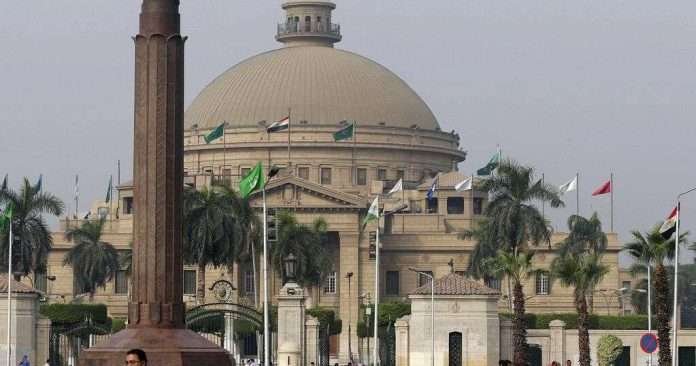
    Cairo, Egypt – (African Boulevard News) – In a tragic incident, a woman was shot and killed by a rejected colleague at Cairo University, as confirmed by the Egyptian Interior Ministry late on Wednesday. This femicide, yet another unfortunate case in the most populous Arab country, has sent shockwaves through the nation.

    The incident occurred on the university campus, where the victim, a member of the university staff, was attacked by a former colleague who had recently been rejected by her. The assailant, whose identity has not been disclosed, shot the woman before fleeing the scene. Authorities are currently conducting a manhunt to apprehend the suspect.

    This disturbing incident highlights the growing issue of gender-based violence in Egypt. The country has been grappling with an alarming increase in such cases, which have sparked outrage and protests from various women’s rights groups and activists. The government has been called upon to take swift action to address this societal problem.

    According to reports, the victim was a highly respected and accomplished member of Cairo University’s staff. Her tragic end has left colleagues and students devastated. Many have taken to social media to express their grief and demand justice for the slain woman.

    Reacting to the incident, Sarah Ahmed, a women’s rights activist, stated, “This is not just an isolated incident; it is a reflection of the deep-rooted misogyny and gender inequality prevalent in our society. We need strong and immediate measures to protect women and hold perpetrators accountable.”

    The Egyptian government has been working to implement laws and initiatives to combat gender-based violence, including the introduction of stricter penalties for perpetrators. However, critics argue that more needs to be done to address the root causes of such violence, such as societal attitudes towards women and the prevailing culture of impunity.

    As the investigation into this heinous crime continues, the nation mourns the loss of another innocent life. It is high time that Egyptian society collectively works towards building a safer environment for all, where women can live without fear of violence or discrimination. The fight for justice and the protection of women’s rights must remain at the forefront of national priorities.

    In the wake of this tragedy, it is imperative that individuals, communities, and the government come together to create lasting change. Egypt must strive to become a society that respects and promotes gender equality, safeguarding the lives and dignity of its women. Only then can we hope to prevent such tragic incidents in the future and bring about a safer and more equitable Egypt for all.

    Tanzania: Environmental Outrage as Five Million Birds Slaughtered to Save Rice Fields

    0
    Read Time:2 Minute, 11 Second

    Dodoma, Tanzania – (African Boulevard News) – In a bid to protect rice fields, Tanzania has reportedly killed five million birds, sparking outrage among environmentalists and bird conservationists.

    The practice, known as bird culling, involves the systematic killing of birds that are deemed to be threats to agriculture. In Tanzania, rice farmers have been complaining about the increasing number of birds destroying their crops, leading to significant financial losses.

    According to local authorities, the decision to cull the birds was made after much consideration and consultation with experts in the agricultural sector. They argue that the birds, which include herons, weavers, and egrets, pose a serious threat to rice production and livelihoods of farmers.

    “Rice farming is a vital source of income for many communities in Tanzania. The destruction caused by these birds is devastating, leading to decreased yields and financial hardship for farmers,” says John Mwenda, an agricultural expert.

    However, environmentalists and bird conservationists strongly oppose the culling, arguing that it is a shortsighted solution that disregards the importance of biodiversity and the ecosystem.

    “Killing millions of birds is not the answer. It disrupts the natural balance and can have serious consequences for the environment,” says Jane Harper, a wildlife biologist. “There are alternatives to bird culling, such as using scarecrows, netting, or even introducing natural predators to deter the birds.”

    The culling has raised concerns about the potential impact on bird populations and the overall ecology of the region. Birds play a crucial role in maintaining a healthy ecosystem by controlling insect populations and dispersing seeds. Their loss could have a ripple effect on other animal species and vegetation.

    Conservationists are urging the Tanzanian government to explore more sustainable and humane methods of bird control. They emphasize the need for a comprehensive approach that considers the ecological balance while addressing the concerns of farmers.

    “We need to find a middle ground that protects both the interests of farmers and the environment. This includes promoting sustainable farming practices, such as organic farming and crop rotation, which can reduce bird damage,” says David Kamau, a conservationist.

    The controversy surrounding bird culling in Tanzania highlights the complex challenges faced by agricultural communities and the delicate balance between human needs and environmental preservation. It serves as a reminder of the importance of finding sustainable solutions that prioritize the long-term well-being of both people and nature.

    As the debate continues, it remains to be seen whether the Tanzanian government will reconsider its approach and explore alternatives that can ensure the coexistence of agriculture and biodiversity.

    Dodoma, Tanzania – (African Boulevard News) – Five Million Birds Culled in Tanzania to Protect Rice Fields

    Kenya: Historic Return of Africa Cup of Nations Ignites Football Fever in East Africa

    0
    Read Time:2 Minute, 12 Second

    Nairobi, Kenya – (African Boulevard News) – In a historic announcement, the Confederation of African Football (CAF) has named Kenya, Uganda, and Tanzania as joint hosts of the 2027 Africa Cup of Nations (AFCON). This decision marks a significant milestone for East Africa, as the prestigious tournament returns to the region for the first time in over five decades.

    The Kenya-Uganda-Tanzania bid received overwhelming support from the CAF executive committee, beating out stiff competition from other African nations. The decision to award the hosting rights to these three countries is a testament to their ability to deliver world-class sporting events and their commitment to the development of football in the region.

    This joint hosting arrangement is expected to bring numerous benefits to all three countries. Beyond the economic boost from tourism and investments in infrastructure, it presents a unique opportunity for Kenya, Uganda, and Tanzania to showcase their rich footballing heritage on the global stage.

    The last time East Africa hosted the AFCON was in 1976 when Ethiopia served as the tournament’s venue. The return of the tournament to the region after more than 50 years is a cause for celebration and excitement among football enthusiasts and fans across East Africa.

    The decision to award the hosting rights to Kenya, Uganda, and Tanzania is a recognition of the significant progress made by these countries in developing their football infrastructure and improving their national teams’ performance. It also demonstrates CAF’s commitment to promoting inclusivity and spreading the AFCON’s benefits across the continent.

    As preparations for the tournament commence, all three nations will mobilize their resources to ensure the successful execution of the event. Stadium upgrades, transportation networks, and accommodation facilities will be improved to accommodate the influx of players, officials, and fans from across Africa and beyond.

    The joint hosting arrangement is also expected to foster closer collaboration between Kenya, Uganda, and Tanzania, as they work together to deliver a memorable tournament. It presents an opportunity for these countries to strengthen their regional ties and promote a spirit of unity and cooperation.

    Football fans can now look forward to an unforgettable AFCON tournament in 2027, filled with intense matches, passionate support, and moments of sporting brilliance. The three host countries will undoubtedly leave an indelible mark on the tournament’s history and create lasting memories for players and fans alike.

    As the countdown to the 2027 AFCON begins, East Africa is poised to showcase its vibrant culture, warm hospitality, and love for the beautiful game. The region’s rich footballing traditions will be on full display as Kenya, Uganda, and Tanzania come together to host one of Africa’s most prestigious sporting events.

    Africa: ‘Missa Luba’ Unveils Hidden Story of the Kongo Kingdom, Igniting Passion for African History and Unity

    0
    Read Time:2 Minute, 16 Second

    Diaspora, Africa – (African Boulevard News) – History came alive at the Tunis’ Dream City festival as the Kongo Kingdom took center stage. The 45-minute performance ‘Missa Luba’ enthralled audiences with its captivating storyline and deep roots in Congolese religious music. The show tells a semi-fictional tale of the interactions between the Kongo Kingdom, the Kingdom of Portugal, and the African diaspora.

    The Kongo Kingdom, which spanned parts of present-day Angola, Congo, and Gabon, was a powerful and influential trade empire from the 14th to the 19th century. It played a significant role in shaping the history and culture of the African continent. The Missa Luba performance beautifully encapsulates the essence of the kingdom and its impact on the world.

    The festival showcased the rich heritage and traditions of the Kongo Kingdom through music, dance, and visual arts. Audiences were treated to a vibrant display of traditional costumes, melodic African rhythms, and powerful storytelling. The performance touched on important historical events and themes, shedding light on the complexities of colonialism and cultural assimilation.

    Organizers of the Dream City festival were thrilled to have the opportunity to share the history of the Kongo Kingdom with a wider audience. They believe that understanding and appreciating African history is crucial for promoting unity and fostering cultural exchange. The festival aims to challenge stereotypes and provide a platform for artists and scholars to engage in meaningful conversations about Africa’s past, present, and future.

    “We wanted to bring to light the often overlooked history of the Kongo Kingdom and highlight its significance in shaping the African experience,” said Ahmed Ben Abid, the festival’s director. “By showcasing the Missa Luba performance, we hope to encourage dialogue and reflection on the shared heritage of humanity.”

    The audience praised the performance for its emotional impact and educational value. “I was moved by the music and the story it told. It made me realize how little I knew about the Kongo Kingdom and its contributions to our shared history,” said festival attendee Fatima Mbengue. “I’m grateful for the opportunity to learn and grow through art.”

    The success of the Kongo Kingdom performance at the Dream City festival has sparked conversations about the importance of preserving and celebrating African history. It serves as a reminder that Africa’s past is complex and diverse, and there is much to learn from its rich cultural tapestry.

    As the curtains closed on the Tunis’ Dream City festival, the legacy of the Kongo Kingdom’s history lives on. The Missa Luba performance will continue to captivate audiences and shed light on the untold stories of Africa’s vibrant past. It is a testament to the power of art and culture in bridging divides and fostering understanding among diverse communities.