Friday, May 1, 2026
90.9 F
Lagos
More
    Home Blog Page 130

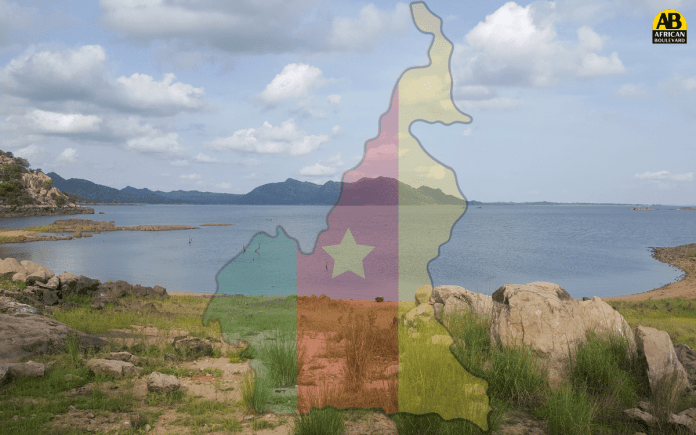
    Cameroon’s Quifeurou Hardware Chain Teeters on Brink of Collapse Amidst Fiery Showdown with US Banking Giant

    0
    Read Time:2 Minute, 2 Second

    Yaounde, Cameroon – (African Boulevard News) – In a surprising turn of events, the Quifeurou hardware chain has found itself entangled in a heated dispute with one of its esteemed financial backers, the renowned US bank Citibank. The fierce battle between these industry giants threatens to disrupt the stability of the Cameroonian business landscape.

    The disagreement between Quifeurou and Citibank emerged over financial discrepancies that have recently come to light. Quifeurou alleges that Citibank has been engaging in unfair banking practices, ultimately jeopardizing their business operations. On the other hand, Citibank vehemently denies these accusations, claiming that Quifeurou is simply attempting to shift blame for their own financial mismanagement.

    According to industry experts, this clash has far-reaching consequences for both Quifeurou and Citibank. Quifeurou has long relied on the financial support of Citibank to sustain its operations and expansion plans. However, the recent revelations have brought their partnership into question, casting a shadow of doubt on the future of both entities.

    One source close to the matter expressed concerns about the impact this dispute could have on the Cameroonian economy. They stated, “Quifeurou and Citibank are key players in their respective industries. Any disruption in their relationship could have ripple effects on the entire business ecosystem, leading to potential job losses and decreased investor confidence.”

    While both Quifeurou and Citibank engage in legal battles to resolve their issues, the customers of Quifeurou are anxiously observing the situation. As one loyal customer of the hardware chain remarked, “I’ve been relying on Quifeurou for all my hardware needs for years. If they are no longer financially stable, it could be disastrous for the community. I hope they can find a resolution soon.”

    As the dispute rages on, industry insiders speculate on the potential outcomes. Some suggest that Quifeurou may seek alternative financial backing, severing its ties with Citibank altogether. Others predict a potential acquisition of Quifeurou by another competitor, which could lead to significant restructuring within the company.

    Regardless of the outcome, this clash between Quifeurou and Citibank serves as a cautionary tale for businesses relying heavily on financial institutions. It highlights the importance of thorough due diligence and transparent partnerships for long-term stability.

    In the midst of this turmoil, the fate of Quifeurou hangs in the balance. As the legal battles continue, the Cameroonian business community waits with bated breath, hoping for a resolution that will ensure the survival and prosperity of this once-prominent hardware chain.


    Ivory Coast Opposition Party Divided: Future Leader Excluded from Presidential Race, Threatening Democracy’s Balance

    0
    Read Time:2 Minute, 19 Second

    Yamoussoukro, Ivory Coast – (African Boulevard News) – The future of Ivory Coast’s main opposition party, the PDCI, is the subject of heated debate as certain senior figures within the party push for amendments to the party’s statutes. These amendments would effectively exclude the future chair from standing as a presidential candidate in the 2025 election.

    Amidst the political maneuvering happening within the PDCI, some voices advocate for a change in leadership to rejuvenate the party’s appeal. According to a report by Africa Intelligence, certain senior PDCI figures are pushing for amendments to the party statutes that would prevent the future chair from running for the presidency in 2025.

    The proposed amendments have sparked a fierce debate among party members and political analysts. Supporters argue that by excluding the future chair from standing in the presidential election, the PDCI can present a fresh face to voters and appeal to a wider range of constituents. They believe this change in leadership could lead to a resurgence of the party’s popularity and influence.

    However, critics of these proposed amendments argue that they undermine the democratic principles of the party. They believe that every member of the PDCI should have the opportunity to run for the presidency, regardless of their position within the party. Such exclusion, they say, goes against the party’s founding principles of inclusivity and fair competition.

    Political analysts and stakeholders in Ivory Coast are closely watching the unfolding situation within the PDCI. Many believe that the future of the opposition party hinges on the decisions made in the coming months. If the amendments are passed, it could lead to further divisions within the party and dissatisfaction among its rank and file members.

    In a country where political stability is crucial, the role of the PDCI cannot be underestimated. The party has long been a key player in Ivorian politics, and its ability to provide a viable alternative to the ruling party is seen as crucial for a healthy democracy.

    As the PDCI grapples with its future, the eyes of the country are on its leaders. Will they make the necessary changes to adapt to the political landscape? Or will the party be left behind, struggling to find its footing in a changing political landscape?

    Only time will tell what the future holds for the PDCI and the role of its leader. One thing is certain, though – the decisions made in the coming months will shape the path of the party and, consequently, the future of Ivory Coast’s political landscape.

    In a country where political stability is crucial, the role of the PDCI cannot be underestimated. The party has long been a major player in Ivorian politics, and its ability to provide a viable alternative to the ruling party is seen as crucial for a healthy democracy.

    Tunisia’s Fractured Future: $48 Million Arbitration Case Threatens Country’s Economic Growth

    0
    Read Time:2 Minute, 3 Second

    Tunis, Tunisia – (African Boulevard News) – The arbitration between Zenith Energy and Tunisia is moving at a snail’s pace, as the North African country recently appointed its arbitrator in the case filed by the energy company. Zenith Energy lodged its complaint with the International Centre for Settlement of Investment Disputes (ICSID) on 5 June, seeking a staggering $48 million.

    The case revolves around the alleged breach of contract by Tunisia, pertaining to an oil and gas concession agreement. Zenith Energy claims that the government failed to uphold its end of the deal, causing significant financial losses to the company. As a result, the energy company is demanding compensation for the damages incurred.

    Despite the gravity of the situation, progress in the arbitration process has been sluggish. Both parties seem to be locked in a deadlock, resulting in a delay in reaching a resolution. This sluggishness has raised concerns within the energy sector, as companies require certainty and stability for investment decisions.

    According to industry experts, the slow pace of the arbitration could have detrimental effects on Tunisia’s investment climate. Investors may hesitate to enter the market, fearing similar disputes and potential financial losses. This could ultimately hinder the country’s economic growth and development.

    In light of the situation, Tunisia has recently appointed its arbitrator to represent its interests in the case. This move signifies the country’s commitment to resolving the dispute in a fair and transparent manner. The appointed arbitrator will play a crucial role in the arbitration proceedings, ensuring that Tunisia’s side of the story is adequately presented.

    However, it remains to be seen whether the appointment of the arbitrator will expedite the process and bring the parties closer to a resolution. The arbitration process can be complex and time-consuming, often stretching out for months or even years. As a result, both Zenith Energy and Tunisia may have to endure an extended period of uncertainty before a final decision is reached.

    In conclusion, the arbitration between Zenith Energy and Tunisia is progressing slowly, with recent developments indicating a minor step towards resolution. The appointment of Tunisia’s arbitrator highlights the country’s commitment to resolving the dispute in a fair and transparent manner. However, the slow pace of the process raises concerns within the energy sector and may have broader implications on Tunisia’s investment climate. As the arbitration moves forward, industry stakeholders eagerly await a resolution that will provide clarity and stability for future investments in the country’s energy sector.

    Kenya’s Vice President Ruto Paves the Path to Prosperity with International Diplomatic Marathon

    0
    Read Time:2 Minute, 10 Second

    Nairobi, Kenya – (African Boulevard News) – Kenya’s Vice President William Ruto is embarking on a marathon diplomatic tour, following his country’s President, in an effort to strengthen international relationships and boost economic ties. After separate visits to North and South America in September, both leaders are set to make their way to Europe next month.

    Ruto’s international travels have garnered attention and speculation, as his role in Kenya’s diplomacy has been on the rise. This latest tour comes on the heels of a successful trip to the Americas, where Ruto engaged in high-level discussions with key stakeholders in the regions. The focus of these discussions centered around trade, investment opportunities, and strengthening political ties.

    With the upcoming trip to Europe, Ruto is expected to explore further avenues for economic cooperation and forge new partnerships. Kenya has long been recognized as a regional economic powerhouse, and Ruto’s diplomatic efforts aim to capitalize on the country’s potential for growth and development.

    Leading experts in international relations view Ruto’s diplomatic tour as an opportunity to diversify Kenya’s economic partnerships. “Expanding Kenya’s diplomatic reach is crucial in today’s interconnected world. Ruto’s efforts to strengthen ties with different regions will not only open doors for trade and investment but also enhance Kenya’s influence on the global stage,” said Dr. Jane Nzomo, a political analyst.

    Ruto’s diplomatic tour also plays into Kenya’s broader foreign policy objectives. By engaging with different countries and institutions, the government aims to foster mutual understanding, promote peace, and address regional challenges collectively. Kenya has been a key player in various regional initiatives, including the fight against terrorism, stabilizing conflict zones, and promoting sustainable development.

    While Ruto’s diplomatic endeavors are commendable, critics argue that more attention should be given to domestic issues. Kenya is currently grappling with a range of challenges, including high unemployment rates, political unrest, and a struggling healthcare system. However, government officials maintain that diplomacy and domestic issues are not mutually exclusive, and efforts are being made to address both concurrently.

    As Ruto continues his marathon diplomatic tour, Kenyans eagerly await the outcomes of these international engagements and the potential benefits they may bring to the country. The Vice President’s efforts to strengthen economic partnerships and foster diplomatic ties are crucial steps in positioning Kenya as a strategic player in the global arena.

    In conclusion, Ruto’s diplomatic tour highlights Kenya’s commitment to expanding its reach and influence internationally. With each visit, the country deepens its relationships and explores new opportunities for economic growth. As Kenya looks toward a future of global cooperation, Ruto’s efforts are laying the foundation for a stronger, more prosperous nation.

    Niger’s Shocking Betrayal: President’s Inner Circle Sabotages Crucial Surveillance System, Raising Questions of Corrupt Power and National Security

    0
    Read Time:2 Minute, 18 Second

    Niamey, Niger – (African Boulevard News) – The recent political turmoil in Niger has revealed a shocking revelation – President Bazoum’s inner circle had deprived the ruling junta of a vital telecommunications surveillance system. The deactivation of this interception and geolocation platform in the aftermath of the July putsch has become one of the many grievances the junta holds against the deposed government.

    According to a recent report published by Africa Intelligence, President Bazoum’s loyalists tampered with the telecoms surveillance system, leaving the junta without an essential tool for monitoring and intercepting communications. This revelation has sparked outrage among the ruling junta and highlighted the extent of corruption within the previous administration.

    The telecoms surveillance system, which was designed to track and intercept calls, messages, and other forms of communication, played a crucial role in maintaining national security. It provided valuable insights into potential threats and enabled the government to take proactive measures to safeguard the country. Its deactivation, orchestrated by President Bazoum’s inner circle, has severely compromised the junta’s ability to monitor suspicious activities and maintain law and order.

    This shocking revelation has not only exposed the lengths to which President Bazoum’s loyalists went to retain power but has also cast a shadow of doubt over the previous government’s commitment to transparency and accountability. The junta is now faced with the daunting task of reconstructing the surveillance system, which will require significant time and resources.

    Speaking on the matter, an industry expert stated, “The deactivation of the surveillance system is a severe blow to the junta’s efforts to restore stability and ensure the safety of the nation. It is imperative for the incoming government to prioritize the reconstruction of this system to regain control over national security.”

    The deactivation of the telecoms surveillance system serves as a stark reminder of the challenges faced by Niger in its journey towards democracy and stability. It underscores the need for stronger safeguards against corruption and the importance of systems that ensure transparency and accountability.

    As the junta works towards restoring order and organizing free and fair elections, it is critical for them to address the grievances stemming from the previous government’s actions. The reconstruction and enhancement of the surveillance system should be a priority, enabling the junta to regain control over national security and prevent similar incidents from occurring in the future.

    In conclusion, the deactivation of Niger’s telecoms surveillance system by President Bazoum’s inner circle has dealt a severe blow to the ruling junta’s ability to maintain law and order. This revelation highlights the extent of corruption within the previous administration and underscores the importance of transparency and accountability. As Niger moves forward, it must prioritize the reconstruction of the surveillance system to regain control over national security and prevent further disruptions to its democratic journey.

    Niger’s Shocking Betrayal: President’s Inner Circle Sabotages Crucial Surveillance System, Raising Questions of Corrupt Power and National Security

    0
    Read Time:2 Minute, 18 Second

    Niamey, Niger – (African Boulevard News) – The recent political turmoil in Niger has revealed a shocking revelation – President Bazoum’s inner circle had deprived the ruling junta of a vital telecommunications surveillance system. The deactivation of this interception and geolocation platform in the aftermath of the July putsch has become one of the many grievances the junta holds against the deposed government.

    According to a recent report published by Africa Intelligence, President Bazoum’s loyalists tampered with the telecoms surveillance system, leaving the junta without an essential tool for monitoring and intercepting communications. This revelation has sparked outrage among the ruling junta and highlighted the extent of corruption within the previous administration.

    The telecoms surveillance system, which was designed to track and intercept calls, messages, and other forms of communication, played a crucial role in maintaining national security. It provided valuable insights into potential threats and enabled the government to take proactive measures to safeguard the country. Its deactivation, orchestrated by President Bazoum’s inner circle, has severely compromised the junta’s ability to monitor suspicious activities and maintain law and order.

    This shocking revelation has not only exposed the lengths to which President Bazoum’s loyalists went to retain power but has also cast a shadow of doubt over the previous government’s commitment to transparency and accountability. The junta is now faced with the daunting task of reconstructing the surveillance system, which will require significant time and resources.

    Speaking on the matter, an industry expert stated, “The deactivation of the surveillance system is a severe blow to the junta’s efforts to restore stability and ensure the safety of the nation. It is imperative for the incoming government to prioritize the reconstruction of this system to regain control over national security.”

    The deactivation of the telecoms surveillance system serves as a stark reminder of the challenges faced by Niger in its journey towards democracy and stability. It underscores the need for stronger safeguards against corruption and the importance of systems that ensure transparency and accountability.

    As the junta works towards restoring order and organizing free and fair elections, it is critical for them to address the grievances stemming from the previous government’s actions. The reconstruction and enhancement of the surveillance system should be a priority, enabling the junta to regain control over national security and prevent similar incidents from occurring in the future.

    In conclusion, the deactivation of Niger’s telecoms surveillance system by President Bazoum’s inner circle has dealt a severe blow to the ruling junta’s ability to maintain law and order. This revelation highlights the extent of corruption within the previous administration and underscores the importance of transparency and accountability. As Niger moves forward, it must prioritize the reconstruction of the surveillance system to regain control over national security and prevent further disruptions to its democratic journey.

    Niger’s Shocking Betrayal: President’s Inner Circle Sabotages Crucial Surveillance System, Raising Questions of Corrupt Power and National Security

    0
    Read Time:2 Minute, 18 Second

    Niamey, Niger – (African Boulevard News) – The recent political turmoil in Niger has revealed a shocking revelation – President Bazoum’s inner circle had deprived the ruling junta of a vital telecommunications surveillance system. The deactivation of this interception and geolocation platform in the aftermath of the July putsch has become one of the many grievances the junta holds against the deposed government.

    According to a recent report published by Africa Intelligence, President Bazoum’s loyalists tampered with the telecoms surveillance system, leaving the junta without an essential tool for monitoring and intercepting communications. This revelation has sparked outrage among the ruling junta and highlighted the extent of corruption within the previous administration.

    The telecoms surveillance system, which was designed to track and intercept calls, messages, and other forms of communication, played a crucial role in maintaining national security. It provided valuable insights into potential threats and enabled the government to take proactive measures to safeguard the country. Its deactivation, orchestrated by President Bazoum’s inner circle, has severely compromised the junta’s ability to monitor suspicious activities and maintain law and order.

    This shocking revelation has not only exposed the lengths to which President Bazoum’s loyalists went to retain power but has also cast a shadow of doubt over the previous government’s commitment to transparency and accountability. The junta is now faced with the daunting task of reconstructing the surveillance system, which will require significant time and resources.

    Speaking on the matter, an industry expert stated, “The deactivation of the surveillance system is a severe blow to the junta’s efforts to restore stability and ensure the safety of the nation. It is imperative for the incoming government to prioritize the reconstruction of this system to regain control over national security.”

    The deactivation of the telecoms surveillance system serves as a stark reminder of the challenges faced by Niger in its journey towards democracy and stability. It underscores the need for stronger safeguards against corruption and the importance of systems that ensure transparency and accountability.

    As the junta works towards restoring order and organizing free and fair elections, it is critical for them to address the grievances stemming from the previous government’s actions. The reconstruction and enhancement of the surveillance system should be a priority, enabling the junta to regain control over national security and prevent similar incidents from occurring in the future.

    In conclusion, the deactivation of Niger’s telecoms surveillance system by President Bazoum’s inner circle has dealt a severe blow to the ruling junta’s ability to maintain law and order. This revelation highlights the extent of corruption within the previous administration and underscores the importance of transparency and accountability. As Niger moves forward, it must prioritize the reconstruction of the surveillance system to regain control over national security and prevent further disruptions to its democratic journey.

    Niger’s Shocking Betrayal: President’s Inner Circle Sabotages Crucial Surveillance System, Raising Questions of Corrupt Power and National Security

    0
    Read Time:2 Minute, 18 Second

    Niamey, Niger – (African Boulevard News) – The recent political turmoil in Niger has revealed a shocking revelation – President Bazoum’s inner circle had deprived the ruling junta of a vital telecommunications surveillance system. The deactivation of this interception and geolocation platform in the aftermath of the July putsch has become one of the many grievances the junta holds against the deposed government.

    According to a recent report published by Africa Intelligence, President Bazoum’s loyalists tampered with the telecoms surveillance system, leaving the junta without an essential tool for monitoring and intercepting communications. This revelation has sparked outrage among the ruling junta and highlighted the extent of corruption within the previous administration.

    The telecoms surveillance system, which was designed to track and intercept calls, messages, and other forms of communication, played a crucial role in maintaining national security. It provided valuable insights into potential threats and enabled the government to take proactive measures to safeguard the country. Its deactivation, orchestrated by President Bazoum’s inner circle, has severely compromised the junta’s ability to monitor suspicious activities and maintain law and order.

    This shocking revelation has not only exposed the lengths to which President Bazoum’s loyalists went to retain power but has also cast a shadow of doubt over the previous government’s commitment to transparency and accountability. The junta is now faced with the daunting task of reconstructing the surveillance system, which will require significant time and resources.

    Speaking on the matter, an industry expert stated, “The deactivation of the surveillance system is a severe blow to the junta’s efforts to restore stability and ensure the safety of the nation. It is imperative for the incoming government to prioritize the reconstruction of this system to regain control over national security.”

    The deactivation of the telecoms surveillance system serves as a stark reminder of the challenges faced by Niger in its journey towards democracy and stability. It underscores the need for stronger safeguards against corruption and the importance of systems that ensure transparency and accountability.

    As the junta works towards restoring order and organizing free and fair elections, it is critical for them to address the grievances stemming from the previous government’s actions. The reconstruction and enhancement of the surveillance system should be a priority, enabling the junta to regain control over national security and prevent similar incidents from occurring in the future.

    In conclusion, the deactivation of Niger’s telecoms surveillance system by President Bazoum’s inner circle has dealt a severe blow to the ruling junta’s ability to maintain law and order. This revelation highlights the extent of corruption within the previous administration and underscores the importance of transparency and accountability. As Niger moves forward, it must prioritize the reconstruction of the surveillance system to regain control over national security and prevent further disruptions to its democratic journey.

    Niger’s Shocking Betrayal: President’s Inner Circle Sabotages Crucial Surveillance System, Raising Questions of Corrupt Power and National Security

    0
    Read Time:2 Minute, 18 Second

    Niamey, Niger – (African Boulevard News) – The recent political turmoil in Niger has revealed a shocking revelation – President Bazoum’s inner circle had deprived the ruling junta of a vital telecommunications surveillance system. The deactivation of this interception and geolocation platform in the aftermath of the July putsch has become one of the many grievances the junta holds against the deposed government.

    According to a recent report published by Africa Intelligence, President Bazoum’s loyalists tampered with the telecoms surveillance system, leaving the junta without an essential tool for monitoring and intercepting communications. This revelation has sparked outrage among the ruling junta and highlighted the extent of corruption within the previous administration.

    The telecoms surveillance system, which was designed to track and intercept calls, messages, and other forms of communication, played a crucial role in maintaining national security. It provided valuable insights into potential threats and enabled the government to take proactive measures to safeguard the country. Its deactivation, orchestrated by President Bazoum’s inner circle, has severely compromised the junta’s ability to monitor suspicious activities and maintain law and order.

    This shocking revelation has not only exposed the lengths to which President Bazoum’s loyalists went to retain power but has also cast a shadow of doubt over the previous government’s commitment to transparency and accountability. The junta is now faced with the daunting task of reconstructing the surveillance system, which will require significant time and resources.

    Speaking on the matter, an industry expert stated, “The deactivation of the surveillance system is a severe blow to the junta’s efforts to restore stability and ensure the safety of the nation. It is imperative for the incoming government to prioritize the reconstruction of this system to regain control over national security.”

    The deactivation of the telecoms surveillance system serves as a stark reminder of the challenges faced by Niger in its journey towards democracy and stability. It underscores the need for stronger safeguards against corruption and the importance of systems that ensure transparency and accountability.

    As the junta works towards restoring order and organizing free and fair elections, it is critical for them to address the grievances stemming from the previous government’s actions. The reconstruction and enhancement of the surveillance system should be a priority, enabling the junta to regain control over national security and prevent similar incidents from occurring in the future.

    In conclusion, the deactivation of Niger’s telecoms surveillance system by President Bazoum’s inner circle has dealt a severe blow to the ruling junta’s ability to maintain law and order. This revelation highlights the extent of corruption within the previous administration and underscores the importance of transparency and accountability. As Niger moves forward, it must prioritize the reconstruction of the surveillance system to regain control over national security and prevent further disruptions to its democratic journey.

    Guinea: President Weah’s Shocking Mining License Move Sparks Outrage and Betrays Investor Trust

    0
    Read Time:2 Minute, 29 Second

    Conakry, Guinea – (African Boulevard News) – In a surprising turn of events, Liberia has withdrawn licenses from mining firms without informing them, causing a stir in the industry. One of the affected companies, Solway Mining, had been on the verge of launching its iron ore project, only to lose its assets to global mining giant ArcelorMittal. This unexpected move has not only irked Washington but has also raised eyebrows for Canadian billionaire Robert Friedland.

    The decision by Liberian President George Weah to abruptly transfer mining rights to ArcelorMittal has sparked controversy and created tensions between Liberia and the international community. The move has left many wondering about the motivations behind such a drastic action.

    Industry experts and analysts have raised concerns about the lack of transparency and proper procedures followed in the license revocation process. This action not only undermines investor confidence in Liberia but also raises questions about the government’s commitment to fostering a stable and conducive business environment.

    ArcelorMittal, a multinational mining company, has been expanding its reach in the West African region. By acquiring the assets of Solway Mining, the company has consolidated its position as a major player in the iron ore industry. However, this acquisition has come at the expense of Solway Mining, which had invested substantial time and resources into its iron ore project.

    Washington’s displeasure with President Weah’s decision stems from concerns about the impact on foreign investments in Liberia. The United States has been a major ally and supporter of the country’s development efforts. This abrupt transfer of mining rights without proper consultation or explanation raises doubts about the government’s commitment to upholding fair and transparent business practices.

    Similarly, Robert Friedland, a prominent Canadian mining magnate, has expressed his disappointment with the situation. His company, Solway Mining, had hoped to contribute to Liberia’s economic growth and provide employment opportunities for the local population. The sudden loss of their mining asset to ArcelorMittal has left Solway Mining in a precarious position, with no recourse to challenge the decision.

    The move by President Weah to transfer mining rights to ArcelorMittal has highlighted the need for stronger regulatory frameworks and increased transparency in the mining sector. Without proper checks and balances, such actions risk squandering the country’s natural resources and undermining investor confidence.

    As Liberia grapples with the fallout from these controversial decisions, it remains to be seen how the government will address the concerns raised by Washington and industry stakeholders. The impact on Liberia’s reputation as an investment destination will depend on the government’s ability to rectify any perceived injustices and restore confidence in the mining sector.

    In conclusion, the withdrawal of mining licenses without adequate consultation has raised concerns about Liberia’s commitment to fair and transparent business practices. Solway Mining’s loss of its iron ore project to ArcelorMittal has not only irked Washington but has also disappointed industry stakeholders like Robert Friedland. The repercussions of these decisions underscore the need for stronger regulatory frameworks and increased transparency in the country’s mining sector.