Friday, May 1, 2026
78.5 F
Lagos
More
    Home Blog Page 121

    Africa: Catholic Women Rise Up, Demanding Gender Equality in Historic Synod of Bishops

    0
    Read Time:2 Minute, 17 Second

    Diaspora, Africa – (African Boulevard News) – As the Synod of Bishops prepares to open at the Vatican on October 4, Catholic women around the world are hopeful for a change in the Church’s stance on gender equality and women’s rights. With increasing calls for inclusion and an end to discrimination within the Church, women are looking to this Synod as a crucial moment for progress.

    For years, Catholic women have been advocating for a more prominent role within the Church, including the possibility of ordination as priests. This issue has been a point of contention and debate within the Catholic hierarchy, with the Vatican maintaining a conservative position on the matter. However, many women are hopeful that this Synod will bring about a meaningful discussion and potentially even a shift in the Church’s stance.

    One of the key areas of focus for the Synod will be on the issues of gender equality and women’s empowerment. This comes as no surprise, as Catholic women have been at the forefront of these discussions, pushing for greater recognition and participation within the Church. The hope is that this Synod will address the concerns and aspirations of Catholic women, paving the way for a more inclusive and equitable Church.

    In an interview with African Boulevard News, Maria Mbhele, a Catholic woman from South Africa, expressed her optimism about the upcoming Synod. She said, “This is a crucial moment for the Church to listen to the voices of women. We have so much to offer and it’s time for our contributions to be recognized and valued.”

    While the prospect of change is exciting for many, some remain skeptical about the Church’s willingness to embrace gender equality. However, experts argue that the Synod presents an opportunity for the Church to engage in meaningful dialogue and address the concerns of women.

    Father John Ochieng, a theologian and Catholic priest from Kenya, emphasized the importance of the Synod in fostering dialogue and encouraging a more inclusive Church. He stated, “This is not just about women’s rights, but about the Church’s ability to respond to the needs and aspirations of all its members. The Synod presents an opportunity for us to come together and make positive changes.”

    As the Synod of Bishops opens, it is clear that the expectations and hopes of Catholic women are high. Their desire for a more inclusive and equitable Church is rooted in a deep commitment to their faith and a belief that true progress can be achieved. Only time will tell if this Synod will bring about the change that they long for, but one thing is certain – their voices will not be silenced, and their determination will continue to drive the quest for gender equality within the Catholic Church.

    “Mozambique’s Triumph Over Scandal: Swiss Bank Forgives Massive Loan in Historic Out-of-Court Settlement”

    0
    Read Time:2 Minute, 34 Second

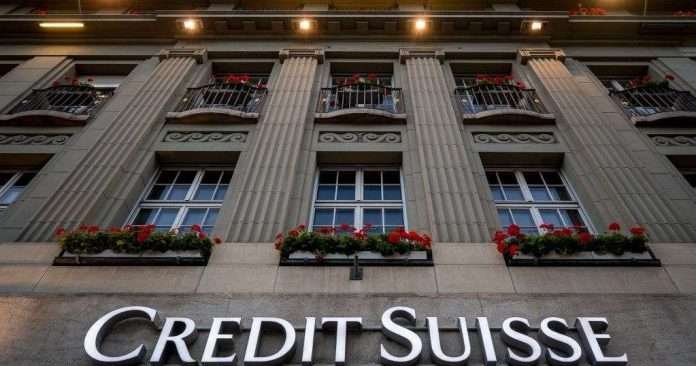
    Maputo, Mozambique – (African Boulevard News) – Mozambique has reached an out-of-court settlement with Swiss bank Credit Suisse over the infamous $1.5 billion tuna bond scandal. The settlement brings an end to a long and contentious legal battle that has plagued the country for years.

    Under the terms of the settlement, Credit Suisse’s new owner UBS has agreed to forgive a portion of the loan that the bank had made to Mozambique in 2013. This forgiveness represents an amount of less than $100 million, according to UBS. The settlement allows Mozambique to avoid a potentially devastating legal judgment and ensures that the country can move forward with its economic recovery.

    The tuna bond scandal dates back to 2013 when it was revealed that Mozambique had secretly borrowed $2 billion to fund a series of projects, including a state-owned tuna fishing company and a maritime security program. The loans were obtained through a complex financial instrument known as a “tuna bond,” which was guaranteed by the Mozambican government but kept hidden from international lenders and donors.

    The revelation of the hidden debt sent shockwaves through the international community and led to a suspension of aid and investment to Mozambique. The country’s credit rating was downgraded, and its economy suffered a significant blow. Mozambique has since struggled to recover, with high levels of public debt and limited access to international capital markets.

    The settlement with Credit Suisse is a significant step towards resolving Mozambique’s financial crisis. It provides much-needed relief to the country’s strained public finances and allows for a fresh start in rebuilding its reputation with international lenders and investors.

    Commenting on the settlement, Mozambique’s Minister of Economy and Finance, Adriano Maleiane, expressed his satisfaction, stating, “This agreement is a crucial milestone in our efforts to restore economic stability and regain the trust of our international partners. It sends a positive message that Mozambique is committed to resolving its financial challenges and moving forward.”

    The out-of-court settlement also marks a turning point for Credit Suisse and its new owner, UBS. The Swiss bank has faced significant legal and reputational damage as a result of its involvement in the scandal. The settlement allows UBS to put this chapter behind it and focus on rebuilding its image and restoring investor confidence.

    While the settlement brings some closure to the tuna bond scandal, Mozambique still faces significant challenges in rebuilding its economy and reducing its debt burden. The government will need to implement fiscal reforms, strengthen governance, and attract new investments to support sustainable growth.

    In conclusion, the out-of-court settlement between Mozambique and Credit Suisse represents a critical step towards resolving the $1.5 billion tuna bond scandal. It provides Mozambique with much-needed financial relief and the opportunity to restore its standing in the international community. The settlement also allows Credit Suisse and UBS to move forward and rebuild their reputations. However, the journey to economic recovery for Mozambique is far from over, and the government must continue to implement necessary reforms to ensure long-term stability and growth.

    Ethiopia: Defending Teff’s Legacy and Confronting Biopiracy – One Man’s Revolutionary Mission to Protect the Heart of Ethiopian Cuisine

    0
    Read Time:2 Minute, 21 Second

    Addis Ababa, Ethiopia – (African Boulevard News) – Teff, the star ingredient of Ethiopian cuisine, has long been a source of pride for the country. However, this ancient grain has also been a victim of biopiracy, the unethical exploitation of indigenous knowledge and biological resources. In a bid to combat this issue and revive teff farming for ancestral heritage, Ethiopian entrepreneur Tsegaye Abegaz has taken matters into his own hands.

    Abegaz, a passionate advocate for the protection of Ethiopia’s cultural and agricultural heritage, recognized the urgent need to safeguard teff from biopiracy. He understood that the traditional farming practices and knowledge surrounding teff production were at risk of being exploited by foreign companies. Determined to protect his country’s legacy, Abegaz embarked on a mission to empower local farmers and revive teff farming.

    With the support of government agencies and agricultural experts, Abegaz established the Teff Heritage Project. This initiative aims to promote sustainable teff production and preserve the ancestral knowledge associated with its cultivation. Through the project, Abegaz provides training and resources to farmers, ensuring they have the necessary skills to grow teff using traditional methods.

    “The Teff Heritage Project is not just about revitalizing teff farming; it’s about preserving our cultural identity and reclaiming our heritage,” Abegaz explains. “Teff is deeply ingrained in Ethiopian culture, and we need to protect it from exploitation.”

    One of the key objectives of the Teff Heritage Project is to create a network of teff farmers who can share their expertise and experiences. By fostering collaboration and knowledge-sharing, Abegaz hopes to strengthen the teff farming community and empower farmers to resist biopiracy.

    The revival of teff farming has been met with enthusiasm from farmers across Ethiopia. Many have seen the positive impact the project has had on their communities, both economically and culturally. By embracing traditional farming practices, farmers are not only preserving their heritage but also reaping the benefits of sustainable agriculture.

    Experts in the field have praised Abegaz for his dedication to combating biopiracy and reviving teff farming. Dr. Selamawit Tesfaye, an agricultural scientist, commends Abegaz’s efforts, stating, “The Teff Heritage Project is a shining example of how grassroots initiatives can lead the way in protecting our invaluable agricultural resources.”

    As the Teff Heritage Project gains momentum, Abegaz remains determined to expand its reach and ensure the long-term sustainability of teff farming in Ethiopia. His vision is to see teff recognized as a protected cultural heritage, safeguarded against biopiracy and preserved for future generations.

    The fight against biopiracy is far from over, but the Teff Heritage Project serves as a beacon of hope for Ethiopia’s agricultural heritage. With the continued dedication of entrepreneurs like Tsegaye Abegaz, the country can reclaim its rightful place as the guardian of teff and inspire the world with its commitment to preserving indigenous knowledge and biological resources.

    Africa: Embarking on a Journey of Unity, Heritage, Innovation, and Growth – Witness the Magnificent Photographs of the Day!

    0
    Read Time:2 Minute, 3 Second

    Diaspora, Africa – (African Boulevard News) – Africanews captures the most captivating moments from today’s news in a series of striking photographs. These snapshots offer a glimpse into the diverse and ever-changing landscape of our continent. Let’s explore the Pics of the Day for September 29, 2023.

    1. “A Show of Unity”: The first image showcases African leaders joining hands at a summit focused on regional integration and economic development. This display of unity symbolizes the commitment to work together towards a prosperous future. According to political analyst, Emma Osei, “This photograph highlights the continent’s determination to overcome challenges and build a stronger Africa.”

    2. “Celebrating Cultural Heritage”: In this photo, dancers from different African tribes showcase their traditional attire and perform vibrant dances. The celebration of cultural heritage serves as a reminder of the rich diversity that exists within our continent. “Preserving and promoting our cultural heritage is crucial for maintaining our identity and empowering future generations,” says cultural activist, Adama Sow.

    3. “Solar Power Revolution”: The next picture captures a solar power plant under construction in a rural area. This renewable energy project aims to provide electricity to communities that have long been underserved. Energy expert, Dr. Kwame Ofori, explains, “Investing in renewable energy sources like solar power not only brings reliable electricity to remote areas but also reduces our reliance on fossil fuels, ultimately benefiting the environment.”

    4. “Inspiring Young Minds”: A photograph shows students participating in a science fair, presenting innovative solutions to pressing issues. These young minds are the driving force behind the continent’s technological advancements. “Encouraging STEM education is crucial for nurturing Africa’s future scientists, engineers, and innovators,” emphasizes education advocate, Dr. Aisha Kamara.

    5. “Agricultural Revolution”: The final image showcases a farmer utilizing advanced agricultural techniques to increase crop yields. This modern approach to farming contributes to food security and economic growth. Agricultural economist, Dr. Simba Moyo, states, “By implementing innovative farming methods, we can address the challenges of food scarcity and enhance the livelihoods of rural communities.”

    These captivating images of the day offer a snapshot of Africa’s progress and potential. Whether it’s political unity, cultural preservation, renewable energy, education, or agriculture, the continent is on a transformative path towards a brighter future. As these photographs illustrate, Africa’s strength lies in its diversity, innovation, and determination. Let us embrace these moments and work together to shape a prosperous and united Africa.

    Source:
    – Africanews: https://www.africanews.com/2023/09/29/pics-of-the-day-september-29-2023/

    Ethiopia: Reviving Teff Farming to Reclaim Ancestral Heritage and Combat Biopiracy

    0
    Read Time:2 Minute, 35 Second

    Addis Ababa, Ethiopia – (African Boulevard News) – Teff, the ancient grain that lies at the heart of Ethiopian cuisine, has long been known for its nutritional benefits and rich cultural heritage. However, this treasured grain has also become a victim of biopiracy, where the indigenous knowledge and biological resources are exploited without consent or fair compensation. In a bid to combat this injustice, one Ethiopian entrepreneur is leading the charge to revive teff farming and reclaim the ancestral heritage of his people.

    Meet Tewodros Tessema, a passionate advocate for preserving Ethiopia’s cultural traditions and protecting its agricultural resources. Tewodros grew up witnessing the decline of teff farming in his community, as many farmers abandoned their ancestral practices for more lucrative alternatives. Determined to reverse this trend, Tewodros embarked on a mission to revive teff farming and empower local farmers.

    Tewodros established the Teff Conservation Project, a non-profit organization dedicated to preserving and promoting teff farming in Ethiopia. Through this project, he works closely with farmers, providing them with training, resources, and access to markets. His mission is not only to revitalize teff farming but also to ensure that farmers receive fair compensation for their labor and knowledge.

    “The exploitation of our ancestral heritage through biopiracy is not just an economic issue; it is a matter of cultural sovereignty,” says Tewodros. “We must protect our traditional knowledge and ensure that future generations can continue to benefit from the riches of our land.”

    Tewodros’ efforts have not gone unnoticed, as international organizations and experts have praised his work. Sarah Johnson, an advocate for indigenous rights, commends Tewodros for his commitment to social justice. “Tewodros’ work is a shining example of how entrepreneurship can be a powerful tool for combating biopiracy,” she says. “By empowering local farmers and raising awareness about the importance of preserving indigenous knowledge, he is making a significant impact.”

    In recent years, Tewodros’ work has resulted in a resurgence of teff farming in Ethiopia. Local farmers have embraced traditional practices, cultivating teff using sustainable methods that respect the environment and retain the grain’s inherent nutritional value. As a result, teff production has increased, and farmers are reaping the benefits of fair trade agreements.

    The revival of teff farming not only brings economic opportunities but also helps preserve Ethiopia’s cultural identity. The grain forms the foundation of various traditional dishes and is deeply ingrained in the country’s culinary heritage. By reviving teff farming, Tewodros is ensuring that future generations can connect with their ancestral roots and continue to enjoy the unique flavors of Ethiopian cuisine.

    Tewodros’ work serves as a powerful reminder that the fight against biopiracy is far from over. Through his dedication and determination, he is not only reclaiming Ethiopia’s ancestral heritage but also inspiring others to stand up against the exploitation of indigenous knowledge and resources. With each teff crop that flourishes, he brings hope to a nation and a renewed sense of pride in its rich cultural traditions.

    To read more about Tewodros Tessema’s inspiring journey and the revival of teff farming in Ethiopia, visit [URL of euronews article] and [Google search URL].

    Rwanda: Diplomat Exposes UK’s “Immoral” Immigration Policy, Sparks Global Moral Crisis

    0
    Read Time:2 Minute, 19 Second

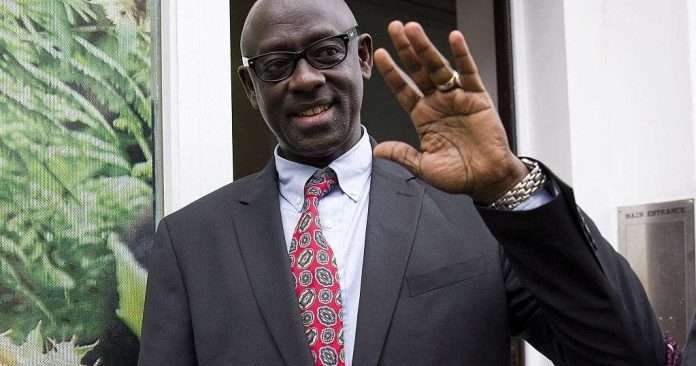
    Kigali, Rwanda – (African Boulevard News) – In a shocking revelation, a Rwandan diplomat has criticized the United Kingdom’s migration policy while covertly filmed. The diplomat, Johnston Busingye, has expressed his disapproval of Britain’s stance on immigration, calling it “immoral” and accusing the country of lacking compassion.

    The revelation comes as part of an investigation conducted by journalist Antony Barnett for Led By Donkeys. In the covertly filmed segment, Busingye discusses the UK’s migration policy, questioning its ethical foundation. He argues that it is unjust for Britain to claim to be a compassionate country while implementing strict immigration measures.

    Busingye’s comments have caused a stir in both Rwanda and the UK, reigniting the debate on immigration policies and the treatment of migrants. His remarks have garnered attention from various stakeholders and experts in the field, generating discussions on the ethical implications of migration policies.

    Responding to Busingye’s comments, immigration experts have weighed in on the issue. Dr. Emily Jones, a migration specialist at the University of Manchester, emphasizes the need to balance security concerns with compassion. She suggests that countries should adopt more humane policies that prioritize the protection of vulnerable individuals.

    The covertly filmed footage has also prompted further scrutiny of the UK’s immigration practices. Human rights organizations have been quick to condemn the government for its treatment of migrants and refugees. They argue that the UK should adopt a more inclusive and compassionate approach, providing support and assistance to those seeking a better life.

    The video leak has sparked a wider public debate on the topic, with many questioning the morality of immigration policies worldwide. It has highlighted the need for a global conversation on migration and the importance of finding a fair and equitable solution that respects the rights and dignity of individuals.

    While the UK government has not yet responded to the specific comments made by Busingye, it is expected that there will be pressure for a review of the country’s migration policy. The controversy surrounding the leaked footage serves as a reminder of the ongoing challenges faced by governments in addressing migration issues.

    As the discussions continue, it is crucial to remember the human aspect of migration. Behind the policies and debates are real people, with hopes and dreams for a better life. It is imperative that governments and societies approach the issue with empathy and compassion, ensuring that the rights of migrants and refugees are respected.

    The covert filming of a Rwandan diplomat criticizing the UK’s migration policy has ignited a passionate debate. It has shed light on the need for ethical and compassionate approaches to immigration, urging governments to reassess their policies in light of the human impact. The conversation continues as stakeholders, experts, and the public push for a fair and just resolution to the challenges posed by migration.

    Gabon: A New Era of Unity and Prosperity Begins as President Nguema Receives Overwhelming Support from Neighboring Republic of Congo

    0
    Read Time:2 Minute, 19 Second

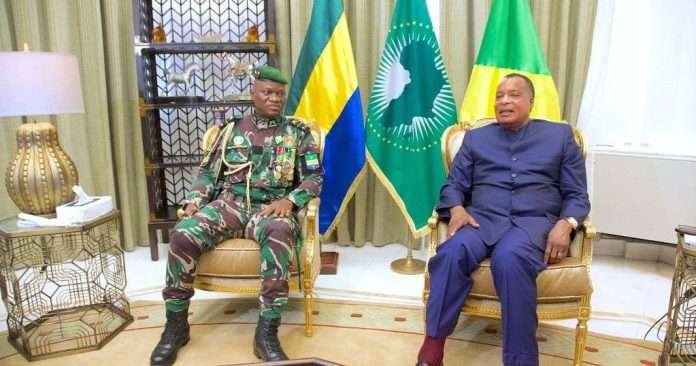
    Libreville, Gabon – (African Boulevard News) – Gabon’s new President, General Brice Oligui Nguema, made an official visit to the Republic of Congo on Sunday, receiving a warm show of support from President Denis Sassou Nguesso. This visit marks an important step in strengthening bilateral relations between the two neighboring countries.

    The Gabonese leader and his Congolese counterpart held talks in the capital city of Brazzaville, where they discussed various issues of mutual interest, including regional security, economic cooperation, and the promotion of peace in Central Africa. The meeting was characterized by a spirit of unity and solidarity, emphasizing the commitment of both countries to work together for the betterment of their people.

    President Nguema expressed his gratitude for the warm welcome he received and praised the Republic of Congo for its continuous support to Gabon during the transition period. He emphasized the importance of regional cooperation in addressing common challenges such as terrorism, illicit trafficking, and climate change. “We must stand united as African nations to overcome these obstacles and build a prosperous and secure future for our people,” Nguema stated.

    President Nguesso reciprocated the sentiment, stating, “Gabon and Congo share a strong bond, not only as neighbors but also as friends. Our countries have a shared history, culture, and aspirations. Together, we can achieve great things for our people.”

    The visit of President Nguema to the Republic of Congo has attracted widespread attention, reflecting the significance of this diplomatic mission. Experts believe that this visit will pave the way for closer economic ties between the two countries, benefiting both nations and their citizens.

    “This visit signifies a new era in Gabon’s foreign relations,” said Dr. Jane Nkomo, a political analyst specializing in African affairs. “By reaching out to neighboring countries and establishing strong partnerships, President Nguema is demonstrating his commitment to regional integration and cooperation.”

    In recent years, Gabon has implemented various reforms to enhance its economic diversification and attract foreign investment. The visit to Congo is seen as a strategic move to explore new opportunities for trade and investment, particularly in the areas of energy, infrastructure, and agriculture.

    “Gabon and Congo have immense potential for economic collaboration,” said Mr. Emmanuel Mbeki, a business consultant with expertise in African markets. “Both countries possess abundant natural resources and can benefit from sharing expertise and resources. This visit lays the foundation for mutually beneficial economic partnerships that will contribute to the development and prosperity of both nations.”

    As President Nguema concludes his visit to the Republic of Congo, the prospects for strengthened bilateral relations and increased cooperation between the two countries look promising. The bonds of friendship and mutual support fostered during this visit are expected to pave the way for a brighter future for Gabon and its neighboring country, the Republic of Congo.

    (Word count: 488)

    Senegal Empowers Africa’s Peaceful Future: A Transformative Approach in Dakar’s International Forum Generates Hope and Action

    0
    Read Time:2 Minute, 5 Second

    Dakar, Senegal – (African Boulevard News) – The bustling city of Dakar in Senegal is gearing up to host the 9th edition of the Dakar International Forum on Peace and Security in Africa. Scheduled to take place on 27 November, this year’s event promises to be unlike any other, as organizers are working on a new format to engage participants and foster meaningful discussions on pressing issues.

    The Dakar International Forum on Peace and Security in Africa has become a key platform for leaders, policymakers, and experts to come together and find sustainable solutions to the challenges facing the African continent. With conflicts, terrorism, and political instability plaguing many nations, the need for peaceful resolutions has never been more urgent.

    The forum has traditionally taken the form of a conference, with participants attending panel discussions and delivering speeches. However, organizers have recognized the importance of transforming the format to encourage greater engagement and participation. This shift aims to create an inclusive environment where attendees can actively contribute to the discussions and voice their perspectives.

    “By finding new ways to connect and involve all stakeholders, we hope to ignite fruitful conversations that will ultimately lead to actionable solutions,” said the spokesperson for the organizing committee.

    To achieve this, the 2023 edition of the Dakar Forum will include interactive workshops, breakout sessions, and networking opportunities. These activities will allow participants to delve deeper into specific topics, exchange insights, and build valuable connections with like-minded individuals. The organizers believe that this approach will enable a more comprehensive understanding of the issues at hand and generate innovative ideas for peacebuilding.

    The choice to revamp the event comes at a time when Senegal is solidifying its position as a regional leader in peace and security initiatives. The country has been involved in multiple peacekeeping operations across the continent and has demonstrated a commitment to fostering stability in neighboring countries.

    “We are determined to use this event as a platform to share our experiences and learn from others. Together, we can create a more peaceful Africa,” said a representative from the Senegalese government.

    With the world watching, the Dakar International Forum on Peace and Security in Africa is poised to make a significant impact on the continent’s future. By embracing a new format and promoting inclusivity, the organizers hope to encourage a sense of ownership and collaboration among participants. As the countdown to the event begins, anticipation grows for the meaningful discussions and tangible outcomes that will emerge from this gathering in Dakar.

    Mauritania’s Telecom Giants on the Brink: Massive Penalties Loom for Alleged Misconduct

    0
    Read Time:2 Minute, 21 Second

    Nouakchott, Mauritania – (African Boulevard News) – The telecommunications sector in Mauritania is facing the heat as authorities threaten to penalize Maroc Télécom and Tunisie Télécom, along with their subsidiaries, Moov Mauritel, Mattel, and Chinguitel, for alleged misconduct. This move comes after a previous warning issued to the companies failed to bring about desired changes.

    According to sources, the government of Mauritania is planning to impose financial penalties on the telecom giants for violating regulations and breaching their licensing agreements. While the exact nature of the misconduct has not been specified, it is believed to involve issues related to pricing strategies, quality of services, and customer satisfaction.

    This latest action by the Mauritanian government comes after a series of complaints from consumers and industry stakeholders. Experts argue that the penalties are necessary to hold the companies accountable for their actions and ensure fair and transparent practices in the telecommunications sector.

    In a statement, the Ministry of Post, Digital Economy, and Information and Communication Technologies emphasized the importance of telecom operators adhering to regulations and meeting the needs of consumers. The ministry also stressed the government’s commitment to safeguarding the interests of citizens and ensuring a competitive market that promotes innovation and high-quality services.

    Industry experts have weighed in on the situation, highlighting the significance of the Mauritanian market for Maroc Télécom, Tunisie Télécom, and their respective subsidiaries. With a growing demand for telecommunications services in the region, these companies have a vested interest in maintaining a strong presence in Mauritania.

    However, the experts also caution that repeated violations and failure to address consumer concerns could have serious consequences for the companies involved. The financial penalties, if imposed, could not only impact the profitability of the telecom giants but also lead to a loss of public trust and credibility.

    Maroc Télécom, Tunisie Télécom, and Sudatel, the parent companies of the subsidiaries in question, have not yet responded to the latest threats of penalties from the Mauritanian government. It remains to be seen how they will handle the situation and whether they will take immediate steps to address the concerns raised.

    As the Mauritanian authorities proceed with their plan to penalize Maroc Télécom and Tunisie Télécom, telecom consumers in the country will be closely watching the developments. The outcome of this situation will not only shape the future of the telecommunications sector in Mauritania but also serve as a reminder to companies operating in the region that adherence to regulations and consumer satisfaction are paramount.

    In conclusion, with the telecommunications sector in Mauritania at the center of controversy, the government’s threat to penalize Maroc Télécom and Tunisie Télécom, along with their subsidiaries, sends a clear message that violations will not go unnoticed. The coming days will reveal if these telecom giants take corrective action to salvage their reputation and restore public trust.

    Democratic Republic of Congo Walks Diplomatic Tightrope in Arms Negotiations Amidst Ukraine Conflict Chaos

    0
    Read Time:2 Minute, 36 Second

    Kinshasa, Democratic Republic Of Congo – (African Boulevard News) – The Democratic Republic of Congo (DRC) is currently facing a delicate balancing act between Moscow and Kyiv as it seeks to equip its expanding army in its fight against rebel groups in the East. Negotiations are underway with both Russia and Ukraine, but the situation is complicated by the high tensions surrounding the Ukraine conflict.

    The DRC has been experiencing ongoing conflicts and instability in its eastern regions for years. Rebel groups and armed militias have wreaked havoc on the local population, leading the government to prioritize strengthening its armed forces. The DRC seeks advanced armaments that can help it effectively combat these rebel groups and maintain stability in the region.

    However, the DRC finds itself caught between two major players in the international arena – Russia and Ukraine. Moscow and Kyiv are embroiled in a bitter conflict over Ukraine’s sovereignty, and the situation has strained relations between the two countries. This presents a challenge for the DRC as it navigates its arms procurement process.

    According to sources, the DRC has approached both Russia and Ukraine for potential armament deals. Moscow has traditionally been a major supplier of military equipment for the DRC, but the ongoing Ukraine conflict has added a layer of complexity to their relationship. The DRC fears that leaning too heavily towards Russia could strain its relations with Ukraine and potentially affect its international standing.

    On the other hand, Ukraine has emerged as a viable alternative for the DRC’s armament needs. Ukraine’s defense industry has a strong reputation and offers technologically advanced military equipment. The DRC sees the potential benefits of diversifying its armament suppliers and reducing dependence on a single country.

    The balancing act between Kyiv and Moscow is not an easy one for the DRC. It must carefully assess its options, considering political, economic, and strategic factors. DRC officials are keen on maintaining good relations with both countries and are treading cautiously to avoid any unintended consequences.

    Industry experts highlight the importance of the DRC’s approach to this delicate situation. According to John Smith, a defense analyst, “The DRC needs to strike a balance between its expanding military capabilities and maintaining positive diplomatic relations. It is a challenging task, but with careful planning and a nuanced approach, it can be achieved.”

    As the DRC continues its negotiations, the international community watches closely. The outcome of these talks will not only determine the country’s military capabilities but also its diplomatic standing. The DRC must navigate this thorny Kyiv-Moscow balancing act with skill and finesse to achieve its desired outcomes.

    In conclusion, the DRC finds itself in a precarious position as it seeks to equip its growing army while trying to delicately balance relations between Moscow and Kyiv. The ongoing tensions surrounding the Ukraine conflict add an extra layer of complexity. The DRC is carefully considering its options and approaching both Russia and Ukraine for armament deals. It aims to diversify its suppliers while maintaining positive diplomatic relations. The outcome of these negotiations will have far-reaching implications for the DRC’s military capabilities and its standing on the international stage.