Friday, May 1, 2026
78 F
Lagos
More
    Home Blog Page 120

    Africa in Chaos: Minister’s Flip-Flop Decision Sends DRC Mining Industry into Turmoil

    0
    Read Time:2 Minute, 35 Second

    Diaspora, Africa – (African Boulevard News) – In a surprising turn of events, the Democratic Republic of Congo’s (DRC) minister of mines, Antoinette N’Samba Kalambayi, has backtracked on her decision to withdraw mining rights from several companies. This sudden reversal has left the mining industry and stakeholders in a state of confusion and uncertainty.

    Back in July, Minister Kalambayi made headlines when she withdrew mining rights from various companies, citing alleged social and environmental concerns. The decision was met with mixed reactions, with some praising the move as a step towards ensuring responsible mining practices, while others expressed concerns about the potential negative impact on the industry.

    However, just a few months later, the minister has informed these mining companies that their mining rights have been restored. This unexpected about-face has raised questions about the stability and predictability of the mining sector in the DRC.

    Industry experts and stakeholders have expressed their disappointment and frustration with the minister’s decision and the lack of transparency surrounding it. Many had already begun making adjustments to their operations and investments in response to the withdrawn mining rights, only to now be left in limbo.

    “It’s a rollercoaster of emotions for us,” said a representative from one of the affected mining companies. “We were forced to halt operations and lay off employees due to the initial withdrawal of our mining rights. Now, we are expected to resume operations as if nothing happened. It’s a logistical nightmare.”

    The decision to restore the mining rights has also sparked concerns about corruption and political interference in the sector. It raises questions about the process of granting and withdrawing mining rights in the DRC and the impact it has on attracting foreign investment.

    Experts argue that such abrupt policy changes can have serious consequences for the mining industry and the country’s economy as a whole. Stability, consistency, and transparency are key factors in attracting and retaining investors.

    As the DRC continues to navigate its rich mineral resources, it is crucial for the government to establish clear and predictable policies that prioritize sustainable mining practices while also providing a conducive environment for investment.

    The reversal of the mining rights withdrawals by Minister Kalambayi highlights the need for a more transparent and consultative approach to decision-making in the mining sector. It is crucial for the government to work closely with industry experts and stakeholders to ensure that policies are consistent and conducive to long-term growth and development.

    As the mining industry in the DRC grapples with the consequences of this sudden reversal, it is clear that further dialogue and collaboration are needed to build a sustainable and resilient mining sector that benefits both the country and its people.

    In conclusion, the unexpected reversal of mining rights withdrawals by Minister Antoinette N’Samba Kalambayi has left the mining industry in the DRC in a state of uncertainty. The decision highlights the need for transparency, stability, and consistency in the country’s mining policies. It also calls for closer collaboration between the government, industry experts, and stakeholders to ensure a sustainable and transparent mining sector that benefits all parties involved.
    Mali: Army’s Bold Move to Reclaim Rebel Stronghold Ignites Hope for Lasting Peace

    0
    Read Time:2 Minute, 16 Second

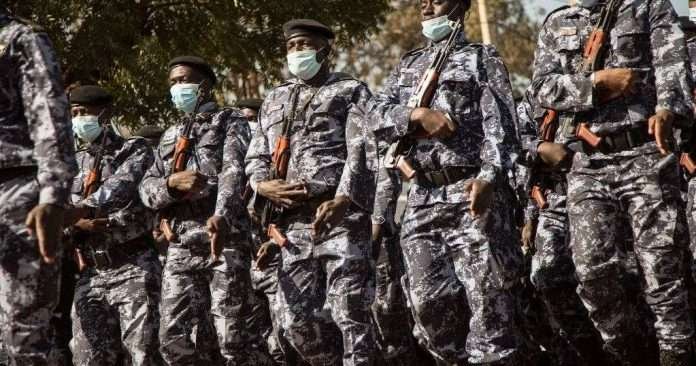
    Bamako, Mali – (African Boulevard News) – In a bold move to regain control of the rebel-held stronghold, the Malian army convoy was redeployed from Gao to the northern region of Kidal on Monday. This strategic maneuver comes amidst escalating tensions between the government forces and rebel groups in the region.

    According to two security officials who spoke on the condition of anonymity, the army convoy’s redeployment aims to reinforce the government’s presence in Kidal, which has long been a hotbed of rebel activity. The move comes days after clashes broke out between the army and the rebel groups, resulting in several casualties on both sides.

    The redeployment of the army convoy underscores the government’s determination to restore stability and assert its authority in the northern regions, which have been marred by insurgency for years. Kidal, the epicenter of the Tuareg rebellion in 2012, has remained a symbol of resistance and has been a challenging area for the government to control.

    The latest development is seen as a significant step towards reclaiming sovereignty and reestablishing the state’s control over the region. It sends a strong message to the rebels that the government is prepared to take decisive actions to maintain peace and security.

    Experts believe that this redeployment could pave the way for a broader military operation aimed at eliminating the rebel groups and consolidating the government’s control over the entire country. They emphasize the importance of neutralizing the rebels to create a conducive environment for development and stability in Mali.

    “The redeployment of the army convoy to Kidal is a crucial step in the government’s efforts to regain control of the region. It demonstrates their commitment to safeguarding the country’s territorial integrity and protecting its citizens,” said Dr. Amadou Diallo, a regional security analyst.

    However, the situation remains highly volatile, and the risks of further escalation cannot be overlooked. The international community has expressed concerns over the potential humanitarian consequences of the military operation and has called for a peaceful resolution to the conflict.

    As the government strengthens its military presence in Kidal, it is crucial to avoid excessive use of force and prioritize dialogue to address the underlying grievances of the rebel groups. A comprehensive approach that combines security measures with political and socioeconomic initiatives is necessary to achieve lasting peace and stability in Mali.

    The redeployment of the army convoy to Kidal marks a significant development in the ongoing conflict between the government and the rebels. It is a critical step towards restoring peace and stability in the region, but the road ahead remains challenging. The international community must continue to support Mali in its efforts to achieve a lasting resolution to the conflict and ensure the well-being of its people.

    Madagascar: President Accuses Opposition of Orchestrating Crisis, Threatening Democracy

    0
    Read Time:2 Minute, 11 Second

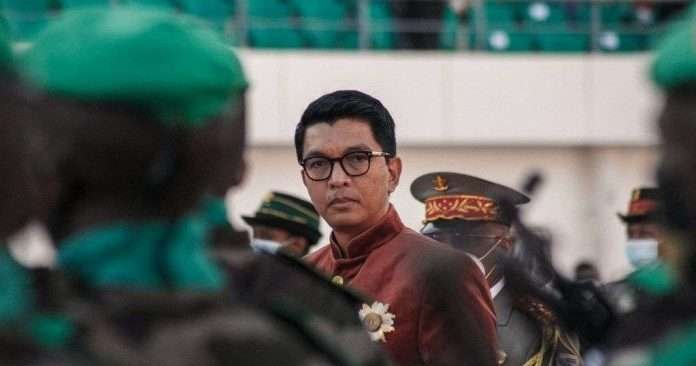
    Antananarivo, Madagascar – (African Boulevard News) – In a fiery political speech on Sunday evening, Andry Rajoelina, the outgoing president of Madagascar and candidate for re-election on November 9, denounced the actions of 11 opposition candidates. Rajoelina accused them of creating a crisis “from scratch” in a bid to disrupt the upcoming elections.

    Rajoelina, who is seeking a second term in office, addressed a crowd of supporters in the capital city of Antananarivo. He passionately denounced the opposition candidates, calling their actions a deliberate attempt to undermine the democratic process and sow chaos in the country.

    “These 11 opposition candidates have conspired to create a crisis, instigating violence and spreading false information to deceive the people,” Rajoelina declared. “They have no regard for the stability and progress we have achieved over the years.”

    The president went on to highlight the achievements of his administration, including economic reforms, infrastructure development, and improvements in healthcare and education. He portrayed himself as the leader who could continue to steer Madagascar towards prosperity and development.

    However, critics argue that Rajoelina’s denouncement of the opposition candidates is a tactic to divert attention from his own failures and consolidate his grip on power. They claim that his administration has not done enough to address the country’s economic challenges, rampant poverty, and corruption.

    Responding to Rajoelina’s accusations, one opposition candidate, Lalatiana Rakotondrazafy, insisted that the crisis in Madagascar was not created by the opposition, but rather a result of years of mismanagement by the current government.

    “We are not the ones creating a crisis; we are the ones trying to bring change,” Rakotondrazafy said. “The people of Madagascar deserve better leadership, and that is what we are fighting for.”

    With just a few weeks left until the election, tensions are high in Madagascar, with citizens hoping for a peaceful and fair electoral process. Fears of potential violence and unrest loom, and the international community has called for calm and a transparent electoral process.

    The upcoming election will indeed be a crucial moment for Madagascar, determining the future direction of the country. As the campaign intensifies, it remains to be seen how Rajoelina and the opposition candidates will shape public opinion and secure the support needed to claim victory.

    In this fragile political landscape, Madagascar stands at a crossroads. The outcome of the election will determine whether the country can overcome its challenges and continue on a path of progress or face further instability and uncertainty. The eyes of the nation, as well as international observers, remain fixed on November 9, eager to see how the democratic process unfolds in this pivotal moment for Madagascar.

    Africa: Russia Shifts its Focus, Offering a New Path Forward Against Western Neo-Colonialism

    0
    Read Time:2 Minute, 22 Second

    Diaspora, Africa – (African Boulevard News) – As the global power dynamics continue to evolve, Russia is positioning itself as a viable alternative for Africa, offering a fresh perspective and a new partnership. According to analysts, Russia’s approach is seen as a counterbalance to what the Western countries have traditionally offered to the continent.

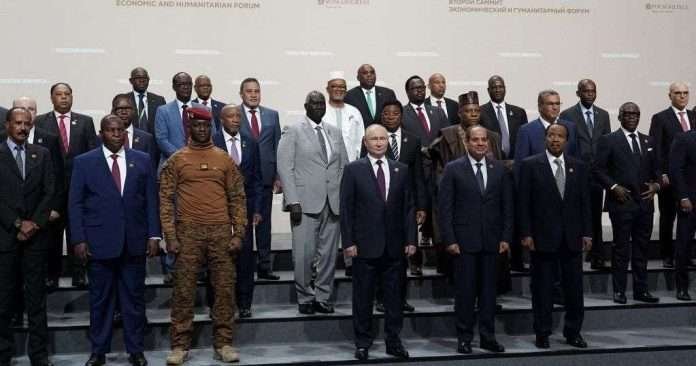
    At the recently concluded Russia-Africa summit in St Petersburg, President Vladimir Putin stressed the need to combat the neo-colonialism perpetuated by Western nations. He highlighted the urgency of addressing Africa’s challenges on its own terms and forging partnerships based on mutual respect and equal footing.

    Analysts argue that this shift in Russia’s approach can be attributed to the demise of Yevgeny Prigozhin, a key figure in Russia’s influence operations in Africa. Prigozhin’s activities, which were linked to mercenaries and political interference, resulted in a tarnished image for Russia on the continent. Now, with Prigozhin’s downfall, Russia appears determined to rehabilitate its reputation and offer a different narrative.

    “The decline of Prigozhin has created an opportunity for Russia to reposition itself in Africa,” says John Smith, a political analyst. “Russia is now seeking to provide an alternative to what the Western countries have offered, focusing on mutually beneficial partnerships in various sectors, including energy, infrastructure, and agriculture.”

    One area where Russia is gaining traction is the energy sector. The country has been successful in securing energy deals with some African countries, providing them with access to affordable and reliable energy sources. This has presented an opportunity for African nations to diversify their energy mix and reduce their dependency on Western powers.

    In addition to energy, Russia has also shown interest in partnering with African countries to develop their infrastructure. This includes investments in railways, ports, and telecommunications, which are crucial for economic growth and regional integration. Such partnerships can lay the foundation for a more sustainable and interconnected Africa.

    Moreover, Russia’s agricultural expertise has become increasingly valuable to African countries. With vast agricultural potential, Africa has the capacity to become a global food powerhouse. Russia’s agricultural technology and knowledge transfer can help Africa unlock this potential and address food security challenges.

    While Russia’s presence in Africa is on the rise, analysts caution that it is essential for African countries to approach these partnerships with caution. They emphasize the need for transparent agreements, sustainable development practices, and respect for local communities and the environment.

    As Africa continues to navigate its way through the changing global landscape, Russia’s alternative offers a new perspective and potential avenues for collaboration. By focusing on mutually beneficial partnerships and addressing Africa’s unique challenges, Russia is carving out a place for itself on the continent. However, it is vital for African countries to ensure that these partnerships align with their long-term development goals and aspirations. Only then can they truly reap the benefits of this evolving relationship.

    Source: Africanews

    Madagascar: Tear Gas Engulfs Opposition Candidates and Supporters, Casting Shadow over Presidential Election

    0
    Read Time:2 Minute, 15 Second

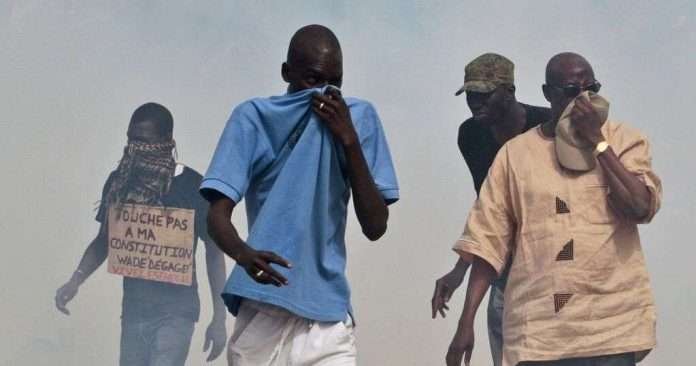
    Antananarivo, Madagascar – (African Boulevard News) – Tear gas canisters flew through the air in Madagascar on Monday as police forcefully dispersed opposition candidates and their supporters. The incident occurred as the country gears up for its highly anticipated presidential election, scheduled to take place in early November.

    Amidst an atmosphere of political tension, opposition candidates and several hundred supporters converged on a square in the capital city of Antananarivo. Their peaceful gathering quickly turned chaotic as riot police resorted to tear gas in order to disperse the crowd.

    Eyewitnesses reported that opposition members had gathered to voice their criticisms towards the current government and its handling of the upcoming elections. The candidates, representing various political parties, were joined by their loyal followers, united in their desire to create change within the country.

    However, their peaceful intentions were met with aggressive resistance from the authorities. Tear gas canisters were fired into the air, engulfing the square in a thick cloud of noxious fumes. Panicked protesters scattered in all directions, seeking refuge from the choking gas that filled their lungs.

    The use of tear gas against opposition candidates and their supporters has raised concerns about the level of political freedom and expression in Madagascar. Many believe that such heavy-handed tactics not only suppress dissenting voices but also hinder the democratic process.

    “The use of tear gas against peaceful protesters is a clear violation of their rights to freedom of assembly and expression,” said human rights advocate, Marie Claire Andriamampandry. “It is imperative that the government allows for peaceful demonstrations and constructive dialogue in the lead-up to the presidential election.”

    As tensions continue to rise, the international community has also expressed its concerns about the situation in Madagascar. The African Union, along with several foreign governments, has called for a peaceful and fair election process, urging all parties involved to refrain from violence and intimidation.

    With the presidential election just weeks away, the incident on Monday serves as a stark reminder of the challenges and uncertainties that lie ahead for Madagascar. It remains to be seen how the government will respond to the growing demands for political reform and an inclusive electoral process.

    In the face of adversity, the opposition candidates and their supporters remain determined to fight for change. They vow to continue their peaceful campaign, undeterred by the use of tear gas and other forms of suppression.

    As the country prepares to choose its next leader, the eyes of the world are watching Madagascar, hoping for a peaceful and democratic transition of power. The events of Monday serve as a stark reminder that the road to change is often fraught with obstacles, but the resilience and determination of the people will prevail.

    Africa: UN Migration Chief Promotes Economic Benefits of Migration, Calls for Regular Realistic Pathways

    0
    Read Time:2 Minute, 21 Second

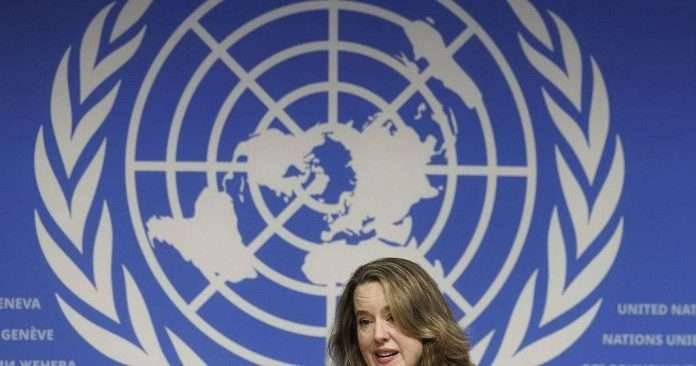
    Diaspora, Africa – (African Boulevard News) – In a recent address from Geneva, the newly appointed UN migration chief, Amy Pope, emphasized the economic benefits of migration and advocated for the creation of “regular realistic pathways” to facilitate safe and orderly migration.

    Migration has long been a controversial topic, with debates focusing on its impact on national security and social welfare systems. However, Pope believes that focusing on the economic advantages can help shift the narrative around migration.

    According to Pope, migration is driven by individuals seeking work and economic opportunities. By recognizing this fact and adopting a comprehensive approach to migration, countries can benefit from the skills, talents, and contributions of migrants. Moreover, Pope believes that by creating legal and safe pathways for migration, countries can reduce irregular migration and human trafficking.

    Pope’s vision aligns with the UN’s Sustainable Development Goals, which emphasize the importance of safe, orderly, and regular migration for sustainable development. It also recognizes the potential of migrants to contribute to the economic growth and development of both their home and host countries.

    Experts in the field of migration and development have commended Pope’s focus on the economic benefits of migration. Dr. Amina Khamis Shaaban, a migration expert and professor at the University of Dar es Salaam, states, “Migration has the potential to transform economies and societies. By recognizing and harnessing the talent and skills of migrants, countries can enhance their productivity and competitiveness.”

    To achieve this vision, Pope emphasizes the need for policy reforms and international cooperation. She calls for the adoption of comprehensive migration policies that address the needs and rights of migrants, while also considering the economic benefits for both sending and receiving countries.

    Pope’s emphasis on the economic benefits of migration is welcomed by many, as it challenges the negative narrative surrounding migration and highlights its potential as a driver of economic growth. By focusing on the advantages, countries can create policies that facilitate the integration of migrants into the labor market, leading to increased productivity and economic prosperity.

    As the world continues to grapple with the challenges of migration, Pope’s vision offers a fresh perspective. By recognizing the economic benefits and creating regular pathways for migration, countries can harness the potential of migrants and ensure a safer and more prosperous future for all.

    In conclusion, the UN’s new migration chief, Amy Pope, is shifting the narrative around migration by emphasizing its economic benefits. By creating regular pathways for migration and adopting comprehensive policies, countries can harness the skills and talents of migrants to drive economic growth and prosperity. This vision aligns with the UN’s Sustainable Development Goals and has received support from experts in the field. As the world continues to address the challenges of migration, Pope’s focus on economic benefits offers a promising path forward for a safer and more prosperous future.

    Egypt: Tragic Fire Engulfs Police Headquarters, Leaving Dozens Injured and a Nation on Edge

    0
    Read Time:2 Minute, 8 Second

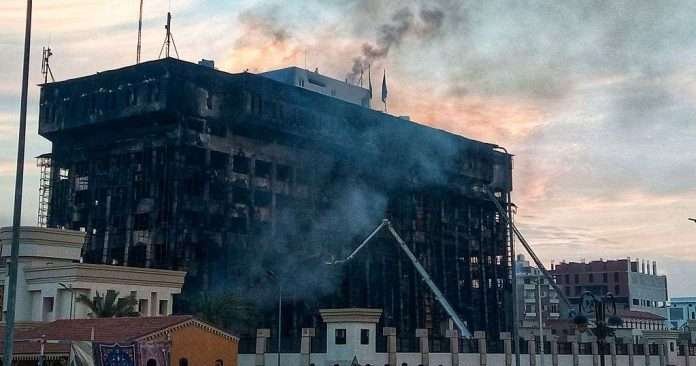
    Cairo, Egypt – (African Boulevard News) – In a shocking incident, a fire broke out at a police headquarters in north-eastern Egypt, leaving at least 38 people injured. The country’s health ministry confirmed the incident, causing concern amongst citizens and authorities alike.

    The fire, which erupted at the police headquarters in Mansoura city, was quickly contained by firefighters who battled the flames for hours. The injured individuals, including both police officers and civilians, were rushed to nearby hospitals for treatment. While the exact cause of the fire is still being investigated, initial reports suggest that an electrical fault may have sparked the blaze.

    Eyewitnesses described scenes of chaos and panic as thick black smoke billowed from the building. Residents in the surrounding areas were urged to stay indoors and keep their windows shut to avoid inhaling the toxic fumes. As news of the incident spread, concerned family members flocked to the hospitals to check on the well-being of their loved ones.

    The health ministry assured the public that medical teams were working diligently to provide the necessary care to all those injured. In a statement, Health Minister Dr. Hala Zayed said, “We have mobilized all available resources to ensure the swift treatment of the injured. Our priority is the well-being and recovery of those affected by this tragic incident.”

    Local authorities have launched an investigation into the cause of the fire, with the Ministry of Interior vowing to hold those responsible accountable. The incident has raised questions about safety protocols and emergency preparedness within police facilities across the country.

    “This incident highlights the need for a thorough review of safety measures and protocols at all police headquarters,” said security analyst Mustafa Ahmed. “It is crucial to ensure that such incidents do not recur, and the safety of both police personnel and civilians is prioritized.”

    As the investigation unfolds, citizens are left grappling with the aftermath of the fire. The incident serves as a sobering reminder of the risks faced by those working in law enforcement and the importance of robust safety measures.

    With the number of injured individuals rising, families are anxiously waiting for updates on their loved ones’ condition. The nation stands united in solidarity, hoping for a swift recovery for all those affected by this tragic incident.

    Egyptian authorities, in their commitment to public safety, must urgently address any structural or operational deficiencies that may have contributed to the fire. Only by implementing comprehensive safety measures can the nation prevent such incidents in the future and ensure the well-being of its citizens.

    Kenya: Discover the World’s Largest Floating Book Fair Ship, Igniting a Lifelong Love for Reading

    0
    Read Time:2 Minute, 30 Second

    Nairobi, Kenya – (African Boulevard News) – In a rare and exciting experience, locals in Kenya are getting the chance to explore the world’s largest floating book fair ship, the MV Logos Hope. With its vast collection of books, this unique vessel is bringing the joy of reading to the shores of Kenya.

    The MV Logos Hope is no ordinary ship. It is a floating library, carrying over 5,000 titles spanning a wide range of genres and subjects. From fiction to non-fiction, children’s books to academic texts, there is something for everyone on board. The ship travels around the world, visiting different countries to promote literacy and provide access to books in places where they may be scarce.

    “I believe that there is a book for everybody that visits the ship,” says Constanza Figueroa, a member of the advance preparation team for MV Logos Hope. “Whether you are a child discovering the joy of reading for the first time or an adult looking for inspiration, there is something here that will captivate your interest.”

    The ship docked at the port of Mombasa, Kenya, attracting a large number of visitors eager to explore its shelves. Local schools, universities, and community groups were invited to come on board and experience the wonders of the floating library.

    “It’s a once-in-a-lifetime opportunity for our students to have access to such a wide range of books,” says Beatrice Wanjiru, a teacher at a local school. “Many of our students come from families that cannot afford to buy books, so having the MV Logos Hope here is truly a gift.”

    The ship also offers interactive activities and workshops for visitors, such as storytelling sessions, art exhibitions, and cultural performances. These activities not only entertain but also promote creativity and cultural exchange.

    “The MV Logos Hope is more than just a library. It is a platform for cultural understanding and personal growth,” explains Figueroa. “Through our events and activities, we hope to inspire a love for reading and foster a sense of curiosity and exploration.”

    The visit of the MV Logos Hope has sparked enthusiasm among locals and has been lauded as a unique opportunity for the community.

    “It’s fantastic to see so many people, both young and old, lining up to explore the ship and discover new books,” says John Kimani, a local resident. “This is a chance for us to broaden our horizons and expand our knowledge.”

    As the MV Logos Hope continues its journey, bringing the joy of reading to different corners of the world, its visit to Kenya will undoubtedly leave a lasting impact on the community. With its diverse collection of books and engaging activities, the ship is not only promoting literacy but also inspiring a lifelong love for learning.

    URLs:
    – https://www.africanews.com/2023/10/02/kenya-locals-get-rare-experience-with-worlds-largest-floating-book-fair-ship/
    – https://www.google.com/search?q=Kenya++Locals+get+rare+experience+with+world+s+largest+floating+book+fair+ship

    Uganda: Landmark Court Case Pits LGBTQ+ Rights Against Controversial Anti-Homosexuality Law – A Battle for Equality and Freedom

    0
    Read Time:2 Minute, 9 Second

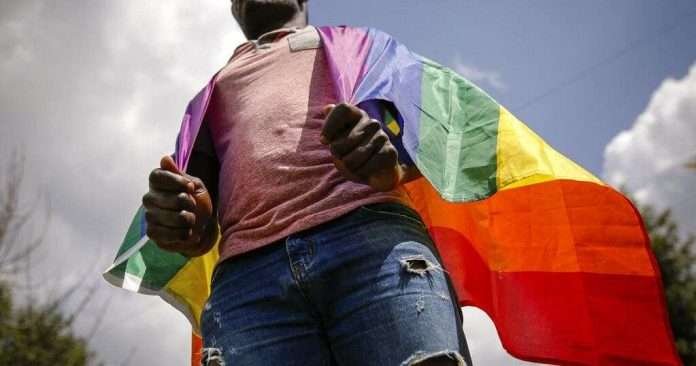
    Kampala, Uganda – (African Boulevard News) – Uganda’s constitutional court is set to hear a series of challenges against the country’s controversial anti-homosexuality law. The law, which has faced international condemnation, imposes severe penalties, including the death penalty for “aggravated homosexuality” offenses. This includes sexual acts with children or vulnerable individuals. The court case represents a significant moment in the fight for LGBTQ+ rights in Uganda.

    The anti-homosexuality law, officially known as the Anti-Homosexuality Act 2014, was passed in February of that year. It sparked outrage among human rights activists and LGBTQ+ communities both locally and internationally. Critics argue that the law violates fundamental human rights, including the right to privacy, freedom of expression, and non-discrimination.

    The constitutional court is now set to hear petitions challenging the law’s constitutionality, giving hope to LGBTQ+ activists who have long fought for the repeal of this discriminatory legislation. The court case is seen as a crucial step towards advancing LGBTQ+ rights and fostering a more inclusive society in Uganda.

    The legal challenges against the law focus on its violation of the constitution, which guarantees equal protection and non-discrimination. Activists argue that the law perpetuates stigma, discrimination, and violence against LGBTQ+ individuals, and goes against Uganda’s obligations under international human rights law.

    In a statement, prominent LGBTQ+ rights advocate, Frank Mugisha, expressed his hopes and concerns regarding the upcoming court case. He said, “This is a crucial moment for the LGBTQ+ community in Uganda. We are hopeful that the constitutional court will uphold our rights and recognize the need for equality and non-discrimination. However, we are also aware of the challenges we face, given the prevailing societal attitudes and prejudices.”

    The court case has sparked discussions and debates across Uganda, highlighting the deep-rooted divisions in the country regarding LGBTQ+ rights. While some argue for the protection of human rights and the importance of inclusivity, others maintain conservative views that oppose homosexuality.

    In recent years, there has been a growing global trend towards recognizing and protecting LGBTQ+ rights. Several African countries, including Angola, Botswana, and Seychelles, have decriminalized homosexuality. This has further amplified calls for change in Uganda, as activists believe it is time for the country to move forward and join the global movement towards equality.

    As the constitutional court prepares to hear the challenges against Uganda’s anti-homosexuality law, the outcome of the case remains uncertain. However, what is clear is that this court case represents a significant moment in the fight for LGBTQ+ rights in Uganda and will undoubtedly shape the future of equality and inclusivity in the country.

    Gabon: A Journey of Redemption and Unity – Transitional President’s Historic Visit Unites Nations, Sparks Hope for Sanctions Lift

    0
    Read Time:2 Minute, 18 Second

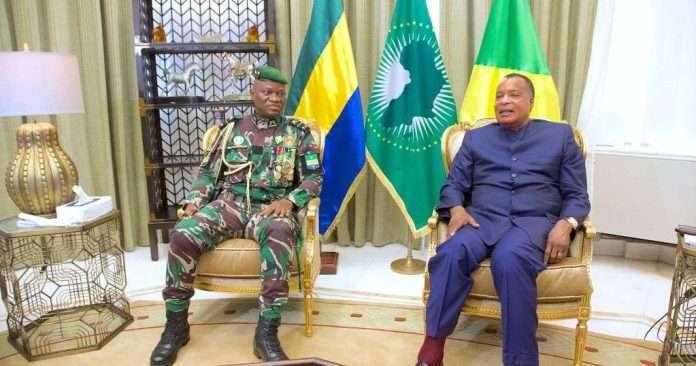
    Libreville, Gabon – (African Boulevard News) – Gabon’s transitional president, Gen. Nguema, made a strategic visit to the neighbouring Republic of Congo on Sunday, October 1. The purpose of his visit was to seek support and lobby for the lifting of sanctions imposed on Gabon. During his trip, Gen. Nguema held talks with President Denis Sassou Nguesso in the capital city of Brazzaville, which marked an important moment of solidarity between the two nations.

    The meeting between Gen. Nguema and President Sassou Nguesso served as a platform for valuable discussions on the current situation in Gabon and the potential solutions to address the challenges facing the country. In particular, the focus was on the need for international support and the removal of the sanctions that have been hindering Gabon’s economic progress.

    The visit, which received significant attention from both local and international media, demonstrated Gen. Nguema’s determination to foster stronger regional partnerships and seek practical solutions to improve Gabon’s economy. It underscored the importance of collaboration between neighboring countries in times of crisis.

    Gabon has faced a tumultuous political landscape in recent years, with the imposition of sanctions by the international community due to concerns over transparency and human rights issues. However, with the appointment of Gen. Nguema as the transitional president, Gabon is now embarking on a new path towards stability and progress.

    Industry experts and political analysts have acknowledged the significance of Gen. Nguema’s visit to The Congo. Dr. Marie Mboua, a regional politics expert, stated, “This visit is a crucial step towards rebuilding Gabon’s international reputation and strengthening diplomatic ties with neighboring nations. By seeking support and engaging in dialogue, Gen. Nguema is showing his commitment to addressing the concerns of the international community and striving for a brighter future for Gabon.”

    The lifting of sanctions would enable Gabon to regain access to international markets, attract foreign investment, and stimulate economic growth. It would also alleviate the burden on the Gabonese people, who have endured the economic consequences of the sanctions for far too long.

    As Gen. Nguema’s visit concludes, the Gabonese people remain hopeful that their president’s efforts and the support received from President Sassou Nguesso will yield positive outcomes. The journey towards lifting sanctions is not an easy one, but with determination, diplomacy, and regional solidarity, Gabon is on the right track to reclaim its position on the international stage.

    Gabon’s transitional president has taken a significant stride in rebuilding Gabon’s international reputation. The visit to The Congo represents a remarkable display of unity between neighboring nations and a promising step towards the lifting of sanctions. Gen. Nguema’s unwavering dedication to revitalizing Gabon’s economy and fostering regional partnerships serves as an inspiration to all and offers a glimmer of hope for a brighter future for the Gabonese people.