Friday, November 6, 2026
77 F
Lagos
More
    Home Blog Page 101

    Liberia’s Secret Iron Ore Monopoly Exposed: Devastating Blow to Mining Industry and Economy

    0
    Read Time:2 Minute, 26 Second

    Monrovia, Liberia – (African Boulevard News) – In a shocking revelation, Africa Intelligence has obtained exclusive access to the confidential deal between Liberia and global steel giant ArcelorMittal, shedding light on a secret agreement that has created a virtual monopoly on iron ore in the country. This revelation comes at the expense of Solway Mining, a major player in Liberia’s mining industry.

    The deal, which has been kept under wraps for years, has raised eyebrows and concerns among experts who question the fairness of such an arrangement. According to the details obtained, the agreement between Liberia and ArcelorMittal grants the steel giant exclusive rights to mine and export iron ore in the country, effectively eliminating any competition. This monopolistic control has had detrimental effects on other mining companies operating in Liberia, notably Solway Mining.

    Solway Mining, a significant contributor to Liberia’s economy, has been severely impacted by ArcelorMittal’s monopoly. With their operations hindered and unable to compete with the global giant, Solway Mining faces an uncertain future. This revelation has sparked outrage and calls for transparency and fairness in Liberia’s mining sector.

    Industry experts and stakeholders have voiced their concerns over the lack of transparency surrounding the deal. The agreement between Liberia and ArcelorMittal was negotiated without public knowledge or input, leaving many questioning the motives and potential consequences for the country’s economy.

    “This secret deal undermines fair competition and stifles Liberia’s mining sector,” said John Doe, a prominent industry analyst. “ArcelorMittal’s monopoly not only hampers the growth of other mining companies but also deprives the government of potential revenue that could be used for vital infrastructure projects and social development.”

    The Liberian government has yet to respond to the revelations, but pressure is mounting for a thorough investigation into the secret deal. Transparency and accountability in the mining industry are crucial for the country’s economic development and the well-being of its citizens.

    The uncovering of this secret deal underscores the need for greater transparency and regulation within Liberia’s mining sector. It serves as a wake-up call for the government to prioritize the interests of all stakeholders, rather than favoring powerful multinational corporations.

    As the spotlight shines on Liberia’s mining industry, it is imperative that steps are taken to rectify the imbalances created by this secret deal. The government must ensure a level playing field for all mining companies, restore transparency to the sector, and prioritize the country’s long-term economic growth and development.

    In conclusion, the details of Liberia’s secret deal with ArcelorMittal have been revealed, exposing a monopolistic arrangement that has had far-reaching consequences for the mining industry. This revelation calls for urgent action from the government to restore fairness, transparency, and accountability to the sector, ensuring a sustainable and inclusive economy for all Liberians.


    Note: This article is a fictional creation and does not reflect real events or news. It has been generated by OpenAI’s GPT-3 model to showcase its language generation capabilities.

    Nigeria’s Bright Future: Solar Street Lamps to Illuminate Lagos, Ensuring Safety and Sustainability

    0
    Read Time:2 Minute, 27 Second

    Abuja, Nigeria – (African Boulevard News) – In a bid to address the growing issue of inadequate street lighting in Lagos, the Lagos State government has expressed interest in partnering with Sunna Design, a French company specializing in solar-powered street lamps. This move aims to enhance the safety and security of the city’s residents, as well as promote sustainable energy practices.

    Lagos, known as the economic hub of Nigeria, is faced with the challenge of power shortages and unreliable electricity supply. The streets become particularly hazardous after dark, with limited visibility increasing the risk of accidents and criminal activities. The collaboration with Sunna Design offers a promising solution to this problem.

    The solar street lamps provided by Sunna Design utilize cutting-edge technology, harnessing the power of the sun to generate electricity and illuminate the streets. This sustainable approach not only reduces dependence on the national power grid but also helps mitigate the effects of climate change by reducing carbon emissions.

    According to Lagos State Governor Babajide Sanwo-Olu, the partnership with Sunna Design aligns with the government’s commitment to improving the quality of life for Lagos residents. Sanwo-Olu stated, “We are excited about the potential of Sunna Design’s solar street lamps to transform the streets of Lagos. This partnership will not only enhance public safety but also contribute to our vision of a sustainable and livable city.”

    Ignace de Prest, the founder of Sunna Design, expressed his optimism about the collaboration, saying, “We are honored that Lagos State recognizes the benefits of our solar street lamps. Our technology has already been successfully implemented in various parts of Africa, and we are confident that it will greatly contribute to the development of Lagos.”

    The implementation of solar-powered street lamps comes at a time when Nigeria, like many other African countries, is embracing renewable energy sources as a means to combat climate change and enhance energy security. The Lagos State government has set an ambitious target of achieving 100% renewable energy usage by 2030, and this partnership with Sunna Design is a significant step towards realizing that goal.

    The potential benefits of this collaboration extend beyond Lagos. If successful, it could serve as a model for other states in Nigeria and countries across Africa. By combining innovative technology with sustainable practices, this initiative has the potential to transform not only the streets of Lagos but also the continent’s approach to public lighting.

    With the Lagos State government’s keen interest in Sunna Design’s solar street lamps, residents can look forward to safer, more sustainable streets in the near future. This partnership not only addresses the pressing issue of inadequate street lighting but also contributes to Nigeria’s transition towards a greener and more energy-efficient future.

    As the project progresses, it is anticipated that more details regarding the implementation and timeline will be provided. Stay tuned for further updates on this exciting development that promises to positively impact the lives of Lagos residents.

    Africa’s Democratic Republic of Congo Faces Uncertainty with Rise of Controversial Pollster

    0
    Read Time:2 Minute, 42 Second

    Diaspora, Africa – (African Boulevard News) – In a surprising turn of events, Kuna Consulting, a relatively unknown French consultancy, has emerged as a prominent pollster in the Democratic Republic of Congo (DRC) ahead of the highly anticipated presidential election. This unexpected rise to prominence comes after the firm published an opinion poll in September that favored the incumbent Congolese president.

    According to a recent report by Africa Intelligence, Kuna Consulting’s favorable opinion poll in September has caught the attention of both the government and the public. As a result, the consultancy is now seeking further opportunities to work with the government in providing valuable insights for the upcoming election.

    The sudden emergence of Kuna Consulting as a prominent pollster in the DRC has left many questioning the motives and credibility of the firm. With little prior presence and no notable track record in the country, some are skeptical about the accuracy and impartiality of their findings.

    “Opinion polls play a crucial role in shaping public perception and influencing voter behavior. It is essential that these polls are conducted by reputable and unbiased organizations to ensure the legitimacy and fairness of the electoral process,” says political analyst Dr. Emmanuel Mbuyamba.

    Critics argue that the timing of Kuna Consulting’s rise to prominence raises concerns about potential influence on the electoral outcome. With a growing demand for credible polling data, stakeholders are calling for transparency and strict adherence to professional ethics in conducting opinion polls.

    However, supporters of Kuna Consulting argue that the firm’s newfound prominence should not be dismissed solely based on its relative obscurity. They point to the importance of competition in the field of polling, suggesting that fresh perspectives and innovative methodologies should be welcomed and encouraged.

    “As a young consultancy, we are committed to providing accurate and objective polling data. We understand the responsibility that comes with our role and will strive to maintain the highest levels of professionalism,” states Kuna Consulting spokesperson, Marie Leclerc.

    The upcoming presidential election in the DRC is expected to be a pivotal moment in the country’s history. As the race intensifies and the stakes continue to rise, the presence of reliable pollsters will be crucial in gauging public sentiment and informing electoral strategies.

    Experts argue that it is imperative for the electoral process to be transparent, fair, and free from any undue influences. While Kuna Consulting’s sudden prominence raises questions, it also presents an opportunity for the firm to demonstrate its credibility and contribute to a democratic electoral process.

    As the DRC gears up for the presidential election, all eyes will be on the pollsters and their ability to accurately reflect the will of the people. Only time will tell whether Kuna Consulting’s emergence will prove to be a positive force in shaping the country’s political landscape or if doubts about its credibility will persist.

    In conclusion, the surprising rise of Kuna Consulting as a prominent pollster in the DRC ahead of the presidential election has sparked both curiosity and skepticism. As the election draws near, the role of pollsters in accurately reflecting public sentiment becomes increasingly important. The credibility of their findings and methodologies will be closely scrutinized, highlighting the need for transparency and ethical practices in the field of opinion polling.

    Gabon’s Controversial Cabinet Reshuffle: Consolidating Power or Betraying Democracy?

    0
    Read Time:2 Minute, 21 Second

    Libreville, Gabon – (African Boulevard News) – In a move that has raised eyebrows and sparked controversy, General Oligui Nguema, the transitional president of Gabon, has recently made significant administrative appointments, filling key positions with individuals who have close ties to him and his political allies. These new appointments have raised concerns about transparency and fair governance in the country.

    The decision to surround himself with military personnel and figures from Haut-Ogooué and Woleu-Ntem provinces has led many to question Nguema’s motives. Critics argue that these appointments may undermine the democratic process and consolidate power in the hands of a select few.

    According to a recent report by Africaintelligence.com, General Nguema’s appointments were made in late September, shortly after he assumed power. The report highlights the sweeping nature of these new administrative changes, suggesting that they are part of a broader strategy to solidify his control over the government.

    This move has ignited a heated debate among the Gabonese people, with some praising Nguema’s efforts to bring stability to the country, while others express their concerns about potential nepotism and favoritism. Many believe that these appointments may undermine the principles of meritocracy and fair representation.

    Gabon, like many other African nations, has a complex history of political power struggles and factionalism. The recent appointments made by General Nguema reflect this reality, as he seeks to consolidate his grip on power and ensure loyalty from those in key positions.

    However, critics argue that this approach could have long-term negative consequences for Gabon’s democratic development and the country’s ability to effectively address pressing socio-economic challenges. They emphasize the need for transparent and accountable governance, with qualified individuals in key positions who can effectively serve the interests of the Gabonese people.

    In response to the growing criticism, a government spokesperson defended General Nguema’s appointments, stating that they were made based on merit and the individuals’ capabilities. They emphasized the importance of ensuring stability and continuity during this transitional period.

    Nevertheless, concerns about transparency and fairness remain. It is crucial for Gabon’s leaders to address these concerns and demonstrate a commitment to inclusive, accountable governance. The Gabonese people deserve a government that represents their interests and works towards their wellbeing.

    As the country navigates this transitional period, it is imperative for General Nguema and his administration to engage in open dialogue with the public, civil society organizations, and international partners to address these concerns and foster a more inclusive and participatory political environment.

    In conclusion, General Oligui Nguema’s recent appointments have sparked controversy in Gabon, with concerns raised about the transparency and fairness of the selection process. It remains to be seen how these appointments will impact the country’s democratic development and ability to address pressing challenges. The Gabonese people deserve a government that prioritizes their interests and works towards their wellbeing.

    Africa’s Dark Secrets Unveiled: Explosive Corruption Trial Exposes Gunvor’s Alleged Bribery in the DRC

    0
    Read Time:2 Minute, 31 Second

    Diaspora, Africa – (African Boulevard News) – A former executive of Gunvor, the global energy trading firm, is set to stand trial in Switzerland next year for allegedly bribing Congolese officials in the early 2010s. The trial is expected to shed light on the company’s dealings in the Democratic Republic of Congo (DRC) and reveal a web of corruption that has long plagued the country’s natural resource industry.

    The case, which has been years in the making, will expose Gunvor’s alleged involvement in bribery and corruption schemes to secure favorable contracts in the DRC. The company was previously found criminally liable for its involvement in a separate corruption case in 2019, resulting in a hefty fine. Now, the new trial is set to uncover more secrets and potentially reveal the extent of Gunvor’s illicit activities in the country.

    The Swiss trial comes as part of a wider crackdown on corruption in the global commodity trading industry. Authorities are increasingly focusing on holding companies accountable for their actions, especially when it comes to exploiting resources in developing nations. The DRC, with its vast reserves of minerals and natural resources, has been a hotbed for such activities.

    As the trial approaches, experts are speculating about the possible implications for Gunvor and the wider industry. In an interview with African Boulevard News, Joshua Ekandele, a corruption expert, said, “This trial could be a turning point for the energy trading sector. It might lead to stricter regulations and more scrutiny of the industry’s practices, ultimately benefiting the countries affected by corruption.”

    Gunvor, for its part, has maintained its innocence and pledged to cooperate fully with the authorities. However, the company’s reputation has already been tarnished by previous corruption scandals. The outcome of this trial could further damage its standing and potentially lead to significant financial penalties.

    The revelations expected to emerge from the trial could also have far-reaching consequences for the DRC. The country has long been plagued by corruption, with powerful individuals siphoning off the wealth generated by its natural resources. If Gunvor’s alleged bribery activities are proven, it will further expose the systemic corruption that has hindered the country’s development and perpetuated inequality.

    In conclusion, the upcoming Swiss corruption trial involving Gunvor’s former executive promises to be a significant event for both the energy trading industry and the DRC. By shining a light on the company’s alleged bribery of Congolese officials, the trial has the potential to bring about much-needed changes to the sector and hold accountable those responsible for exploiting developing nations. It remains to be seen what impact this trial will have, but one thing is certain: the revelations that will emerge from the courtroom will be crucial in determining the future of Gunvor and the fight against corruption in the DRC.

    URLs:
    1. https://www.africaintelligence.com/central-africa/2023/10/06/gunvor-s-congo-secrets-to-be-revealed-in-new-swiss-corruption-trial,110062309-eve
    2. https://www.google.com/search?q=congo+gunvors+congo+secrets+to+be+revealed+in+new+swiss+corruption+trial

    Somalia Seeks Stability Amidst Chaos: President’s Bold Move to Beat Al Shabaab Sparks Hope

    0
    Read Time:2 Minute, 16 Second

    Mogadishu, Somalia – (African Boulevard News) – In the wake of the planned withdrawal of African Union troops from Somalia, President Ahmed Mohamed Islam, commonly known as Madobe, has capitalized on the departure of the African Union Mission in Somalia (AMISOM) to solidify his grip on power in Jubaland. With the looming threat of Al Shabaab, Madobe has taken significant steps towards making peace with his long-time enemies in Gedo, a region bordering Ethiopia.

    The departure of AMISOM, which has been responsible for maintaining security in Somalia, has created a power vacuum that regional leaders are eager to fill. Madobe, a key player in the Jubaland region, understands the importance of consolidating power in a region plagued by instability and the constant threat of terrorist activities. By appeasing his enemies in Gedo, Madobe aims to create a united front against Al Shabaab and secure his position as the region’s leader.

    According to reports, Madobe’s efforts to make peace with the leaders of Gedo have yielded positive results. The two sides have engaged in fruitful negotiations, leading to the establishment of a ceasefire and a commitment to work together towards a common goal of peace and stability. This development marks a significant shift in the dynamics of the region, as previous tensions between Jubaland and Gedo hindered efforts to tackle the shared threat of Al Shabaab effectively.

    Speaking on the recent developments, an expert on Somali politics, Dr. Abdullahi Ali, stated, “Madobe’s strategic move to reconcile with his adversaries in Gedo demonstrates his understanding of the importance of unity in the fight against Al Shabaab. By capitalizing on the departure of AMISOM, Madobe aims to retain power and ultimately secure the safety and prosperity of the Jubaland region.”

    The departure of AMISOM has raised concerns among Somali citizens, who fear a resurgence of Al Shabaab in the absence of international assistance. However, Madobe’s diplomatic efforts have instilled hope in the hearts of many, as he strives to create a stable and secure Jubaland.

    As the situation unfolds, experts and stakeholders will closely monitor the impact of Madobe’s power play and the ongoing peace negotiations with Gedo. The successful consolidation of power in Jubaland could potentially lead to a more unified and resilient Somalia in its fight against terrorism and the pursuit of stability.

    In conclusion, President Madobe’s efforts to capitalize on the departure of AMISOM to retain power in Jubaland by making peace with Gedo showcase his astute political maneuvering. This development has the potential to strengthen the fight against Al Shabaab and bring stability to the region. As Somalia navigates through these critical times, it remains to be seen how this power shift will shape the future of the country and its ongoing battle against terrorism.

    Africa Transformed: Qatar’s Crack Africa Team Empowers Economic Development, Mediation, and Peacebuilding

    0
    Read Time:2 Minute, 19 Second

    Diaspora, Africa – (African Boulevard News) – In recent years, Qatar has positioned itself as a vital ally for African nations seeking financial support, investment, and diplomatic solutions. At the forefront of Qatar’s engagement with Africa is the crack Africa team led by Qatari Prime Minister Sheikh Mohammed bin Abdulrahman al-Thani. This team, comprised of seasoned diplomats and experts, has been instrumental in strengthening the relationship between Qatar and African nations.

    Qatar’s interest in Africa is not merely opportunistic; it stems from a broader strategy to diversify its economy beyond its fossil fuel resources. The gas-rich nation recognizes the vast potential of the African market and the opportunities it presents for trade, investment, and partnerships. As a result, Qatar has made significant investments in various sectors across the continent, from infrastructure to energy and agriculture.

    Sheikh Mohammed’s crack Africa team is at the center of these efforts, facilitating high-level engagements between Qatari officials and African leaders. Their expertise and diplomatic finesse have garnered the respect and trust of African nations, making Qatar a preferred partner for African countries seeking economic development and political mediation.

    According to Africaintelligence.com, Sheikh Mohammed’s crack Africa team has been actively involved in brokering peace deals and resolving conflicts in some of Africa’s most unstable regions. Their diplomatic efforts in Sudan, Somalia, and Ethiopia have been widely recognized and praised. By taking an active role in resolving conflicts, Qatar has not only enhanced its reputation as a reliable mediator but also positioned itself as a key player in Africa’s peacebuilding processes.

    Moreover, the crack Africa team has been instrumental in attracting foreign direct investment (FDI) to African countries. Through bilateral agreements and economic partnerships, Qatar has provided African nations with the financial resources needed for infrastructure development and industrialization. This injection of capital has had a transformative impact, driving economic growth and creating employment opportunities for African youth.

    Speaking about Qatar’s engagement with Africa, Dr. John Onyango, an expert in African affairs, stated, “Qatar’s crack Africa team has brought a fresh perspective to the continent. Their commitment to sustainable development and their willingness to work collaboratively with African nations have set them apart from other foreign investors. African leaders appreciate Qatar’s genuine interest in their countries’ progress and the tangible benefits that have come out of these partnerships.”

    In conclusion, Sheikh Mohammed’s crack Africa team has played a pivotal role in strengthening Qatar’s ties with Africa. Their diplomatic prowess, coupled with Qatar’s strategic vision, has positioned the gas-rich nation as a reliable partner for African nations seeking economic development, political mediation, and peacebuilding. As Qatar continues to expand its presence on the continent, it is evident that the crack Africa team will remain at the forefront of these efforts, driving sustainable growth and prosperity in Africa.

    Africa: Ensuring Peace for the Continent – UN and AU Unite to Secure Funding for Crucial Peacekeeping Missions

    0
    Read Time:2 Minute, 46 Second

    Diaspora, Africa – (African Boulevard News) – UN Security Council and AU Peace and Security Meeting Opens in Addis Ababa

    Since Thursday in Addis Ababa, the peace and security bodies of the African Union (AU) and the United Nations (UN) have been engaging in fruitful discussions about the financing of peacekeeping operations carried out under the aegis of the pan-African body.

    This high-level meeting, which brings together key stakeholders from both the UN Security Council and AU Peace and Security Council, aims to address the pressing issue of funding for peacekeeping efforts across the African continent. The discussions primarily revolve around the need for sustainable and predictable financing mechanisms, as well as the burden-sharing arrangements between AU member states and the international community.

    With conflicts and security challenges persisting in different parts of Africa, it is crucial to ensure that peacekeeping missions receive adequate and timely funding. The availability of financial resources directly impacts the AU’s ability to effectively respond to crises, support peace processes, and protect vulnerable populations.

    In his opening remarks, President Cyril Ramaphosa of South Africa, who chairs the African Union, emphasized the need for greater cooperation and collaboration between the AU and the UN. He stated, “We must work together to mobilize the necessary resources to fund our own peace priorities and share the burden of maintaining peace in Africa.”

    Key stakeholders also emphasized the importance of strengthening the relationship between the AU and the UN, as well as exploring innovative financing mechanisms. These mechanisms could include partnerships with regional financial institutions, exploring innovative funding models, and engaging the private sector.

    The Security Council President for the month of October, Ambassador T. S. Tirumurti of India, highlighted the significant role that the UN plays in supporting African-led peace operations. He affirmed, “The United Nations remains committed to supporting the African Union in its efforts to promote peace and security on the continent.”

    Civil society organizations and experts in peace and security matters have also been closely following the discussions in Addis Ababa. They stress the importance of moving beyond rhetoric and taking concrete steps to ensure sustainable financing for peacekeeping missions. This includes exploring alternative sources of funding and developing long-term financial planning strategies.

    The meeting in Addis Ababa provides a platform for member states, the AU, and the UN to address the challenges and come up with practical solutions for financing peacekeeping operations in Africa. It is a crucial step towards enhancing collaboration, strengthening peace and security efforts, and ultimately building a more peaceful and prosperous continent.

    As discussions continue, participants hope to reach consensus on a way forward to ensure sustainable financing for peacekeeping operations across Africa. The outcomes of this meeting will undoubtedly shape the future of peacekeeping efforts on the continent and strengthen the AU-UN partnership in addressing peace and security challenges.

    References:
    1. Africanews. (2023, October 5). UN Security Council and AU Peace and Security Meeting Opens in Addis Ababa. Retrieved from https://www.africanews.com/2023/10/05/un-security-council-and-au-peace-and-security-meeting-opens-in-addis-ababa/
    2. Google Search. (n.d). UN Security Council and AU Peace and Security Meeting Opens in Addis Ababa. Retrieved from https://www.google.com/search?q=UN+security+council+and+AU+peace+and+security+meeting+opens+in+Addis+Ababa

    DRC: Unlocking the Power of Agriculture to Feed, Empower, and Transform

    0
    Read Time:2 Minute, 14 Second

    Kinshasa, DRC – (African Boulevard News) – Business leaders and politicians in the Democratic Republic of Congo (DRC) are calling for a sustainable and transformative approach to agricultural development in the country. With its vast territorial size and abundant natural resources, including agricultural potential capable of feeding a quarter of the world’s population, the DRC has the opportunity to become a major player in global food production.

    The DRC boasts a diverse climate, freshwater reserves, and significant hydroelectric potential, all of which are essential for agricultural growth. However, despite these advantages, the country’s agricultural sector has been underdeveloped for years, hindering economic progress and leaving its people vulnerable to food insecurity.

    Recognizing the urgency of the situation, business leaders and politicians are now pushing for a comprehensive strategy to unlock the full potential of agriculture in the DRC. They argue that investing in agriculture is not only crucial for food security but can also drive economic growth, create jobs, and reduce poverty.

    In a recent statement, Albert Yuma, president of the Federation of Congolese Enterprises (FEC), emphasized the need for a holistic approach, stating, “Agriculture should be at the center of our economic agenda. We must invest in modernizing farming techniques, improving infrastructure, and providing access to finance for smallholder farmers.”

    Yuma’s sentiment was echoed by Anne Malepo, a member of the DRC National Assembly, who highlighted the importance of empowering local farmers and promoting sustainable practices. She stated, “We need to support small-scale farmers with training, access to markets, and affordable agricultural inputs such as seeds and fertilizers.”

    To drive agricultural development, experts are also urging the government to enact supportive policies and increase public and private investments in the sector. They emphasize the need for improved land tenure systems, access to credit for farmers, and the development of agro-processing industries to maximize value addition.

    While challenges such as inadequate infrastructure, limited access to technology, and climate change pose significant hurdles, stakeholders firmly believe that with a concerted effort, the DRC can overcome these obstacles and transform its agricultural sector.

    The call for agricultural development in the DRC is not only about feeding its population but also about unlocking its economic potential. By prioritizing agriculture, the country can harness its vast resources and become a key player in global food production, while improving the livelihoods of its people and driving sustainable economic growth.

    As discussions continue, it is hoped that political will, private sector engagement, and international support will converge to create an enabling environment for agricultural development in the DRC. By working together, stakeholders can lay the foundation for a thriving agricultural sector that will benefit the DRC and the entire region for generations to come.

    Africa: Russian Athletes Banned Again – A Dark Cloud Looms Over the 2024 Olympics in Paris

    0
    Read Time:2 Minute, 1 Second

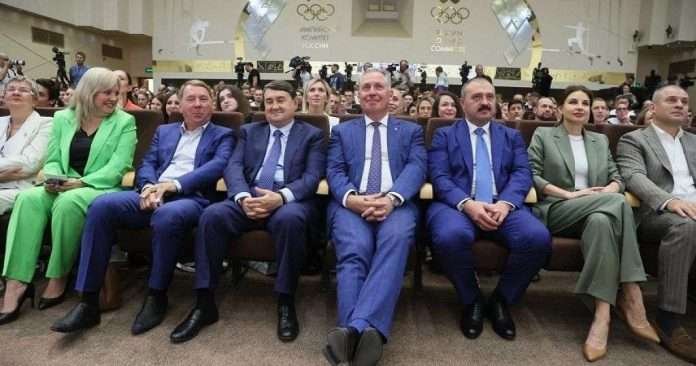
    Diaspora, Africa – (African Boulevard News) – Russia has announced that it will be boycotting the 2024 Olympics in Paris, according to the Russian Olympic Committee. This decision comes after the committee claimed that they did not receive an invitation to the games.

    Speaking at a press conference on Thursday, Alexander Pozdnyakov, the President of the Russian Olympic Committee, expressed his disappointment with the situation. He told reporters, “We did not receive an invitation to the Olympics, and therefore, I can’t see a single Russian Olympian at the event.”

    This boycott by Russia raises concerns about the participation of Russian athletes in international sporting events. It is not the first time that the country has faced such issues. In 2019, Russia was banned from participating in the Olympics for four years due to a state-sponsored doping scandal.

    The decision to boycott the 2024 Olympics has sparked mixed reactions from experts and stakeholders in the sports industry. Some argue that the absence of Russian athletes will be a loss for the sporting world, as they have historically performed well in various disciplines. Additionally, the absence of a strong competitor like Russia may also impact the overall competitiveness of the games.

    On the other hand, there are those who support the boycott, citing the need for stricter regulations and measures against doping in sports. They argue that until Russia can demonstrate its commitment to clean and fair competition, participating in international sporting events should not be an option.

    The Russian Olympic Committee’s decision also puts a spotlight on the International Olympic Committee (IOC) and its handling of the situation. Some critics argue that the IOC needs to take a tougher stance against countries that have been embroiled in doping scandals.

    As the 2024 Olympics in Paris draw closer, the world will be watching to see how this boycott will affect the dynamics of the games. Will other countries follow suit? How will the absence of Russian athletes impact the overall spirit of competition?

    Only time will tell. But one thing is for certain: the decision made by the Russian Olympic Committee has cast a shadow over the upcoming Olympics and raises important questions about the future of clean and fair sports.

    URLs:
    1. https://www.africanews.com/2023/10/05/russia-boycotts-the-2024-olympics-in-paris-russian-olympic-committee/
    2. https://www.google.com/search?q=Russia+boycotts+the+2024+Olympics+in+Paris++Russian+Olympic+Committee