
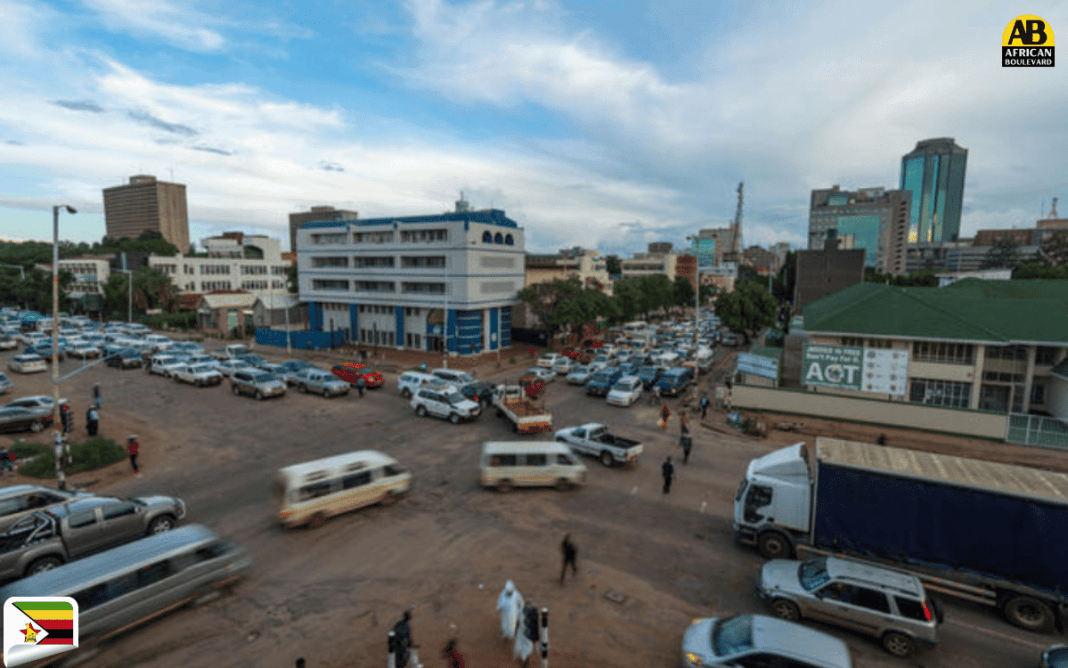


Harare, Zimbabwe – (African Boulevard News) – In a recent ruling by the US Court of Appeals for the District of Columbia, Zimbabwe has been ordered to pay a staggering $440.3 million in damages for the wrongful seizure of farmland dating back to 2000 and 2001. This ruling has left Harare saddled with even more debt, adding to the country’s already dire financial situation.
The von Pezold case, which has been ongoing for years, centers around the seizure of farmland owned by Zimbabwean company Border Timbers Limited. The court found that the government’s actions violated international law and awarded damages to the von Pezold family, who are descendants of the company’s founders.
The ruling has come as a blow to Zimbabwe’s struggling economy, which has been grappling with a myriad of challenges including hyperinflation, high unemployment rates, and a lack of foreign investment. The country’s debt burden has been a significant hindrance to its economic recovery, and this latest ruling only serves to exacerbate the situation.
Zimbabwe’s Minister of Finance, Mthuli Ncube, expressed concerns about the impact of the ruling on the country’s finances. He stated, “We are already facing significant debt distress, and this ruling adds further pressure on our already strained resources. It will be a challenge for us to meet our obligations without further compromising the well-being of our citizens.”
Economists warn that this ruling could have far-reaching consequences for Zimbabwe’s ability to attract foreign investment. The country has been working towards attracting investors and revitalizing its agriculture sector, which was once the backbone of the economy. However, the ruling sends a negative signal to potential investors, highlighting the risks associated with investing in Zimbabwe.
John Robertson, an independent economist based in Harare, commented on the ruling, stating, “This ruling adds another layer of uncertainty to an already volatile investment environment. It will certainly make potential investors think twice before committing their capital to Zimbabwe.”
The von Pezold case is not an isolated incident. Zimbabwe has faced numerous legal challenges over land seizures in the past, leading to significant financial implications for the country. These ongoing legal battles further undermine investor confidence and hinder the country’s efforts to rebound economically.
As Zimbabwe grapples with the fallout from this ruling, it is clear that the country’s debt burden continues to hinder its economic recovery. The government must find sustainable solutions to address its financial challenges and create an enabling environment for investment. Without a clear path forward, Zimbabwe may find itself trapped in a cycle of debt, hampering its prospects for long-term economic growth.
In conclusion, the recent ruling by the US Court of Appeals has placed additional financial strain on Harare, plunging Zimbabwe deeper into debt. The implications of this ruling extend beyond the monetary value, with potential setbacks to the country’s investment climate. It is imperative for Zimbabwe’s government to prioritize debt management and undertake reforms that will restore investor confidence and pave the way for sustainable economic growth.
