Wednesday, November 4, 2026
84.1 F
Lagos
More
    Home Blog Page 76

    Africa: Billions Lost and Lives at Stake – The Devastating Impact of Disasters on Agriculture Revealed

    0
    Read Time:2 Minute, 27 Second

    Diaspora, Africa – (African Boulevard News) – FAO Report Assesses Impact of Disasters on Agriculture and Food Security

    In a groundbreaking revelation, the world now has an assessment of the consequences of disasters on a global scale. Over the past three decades, the agricultural sector has incurred losses amounting to billions of dollars due to the increasing frequency and intensity of disasters. The Food and Agriculture Organization (FAO) report, released earlier this week, sheds light on the impact of disasters on agriculture and food security, urging immediate action to prevent further damage.

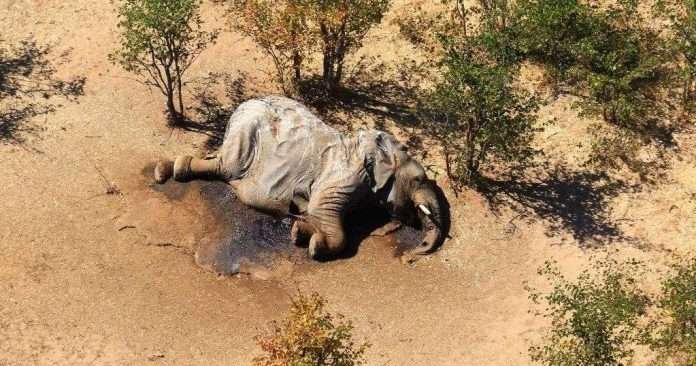
    The report, titled “Assessment of the Impact of Disasters on Agriculture and Food Security,” presents a comprehensive analysis of the risks faced by the agricultural sector in different regions of the world. It highlights that climate-related disasters, such as droughts, floods, and storms, have been the most destructive, causing massive crop losses and livestock deaths.

    The consequences of these disasters extend far beyond immediate losses. The report reveals that they disrupt the entire food chain, leading to price hikes, reduced access to nutritious food, and increased vulnerability among small-scale farmers and rural communities. This, in turn, exacerbates poverty and inequality, making it even more challenging to achieve global food security goals.

    The FAO report emphasizes the need for a proactive and integrated approach to disaster risk reduction in agriculture. It calls for increased investment in climate-resilient agriculture, improved early warning systems, and enhanced capacity building for farmers and governments. Additionally, the report emphasizes the importance of promoting sustainable farming practices and strengthening social safety nets to ensure the resilience of vulnerable communities.

    Dr. Akinwumi Adesina, President of the African Development Bank, applauded the FAO’s efforts in bringing attention to this critical issue. He stated, “Disasters have the power to reverse years of progress made in agriculture and food security. We must act now to build resilient food systems that can withstand future shocks.”

    The FAO report also highlights the need for international collaboration in addressing the impact of disasters on agriculture and food security. It stresses the importance of partnerships between governments, international organizations, and the private sector to mobilize resources and expertise.

    As the world grapples with unprecedented challenges, including a changing climate and a global pandemic, safeguarding agriculture and food security becomes more urgent than ever. The FAO report serves as a wake-up call, urging policymakers, researchers, and stakeholders to prioritize resilience and sustainability in agriculture and ensure the availability of food for all.

    With the knowledge presented in the FAO report, the world has the opportunity to mitigate the devastating consequences of disasters on agriculture and food security. By taking immediate action, we can build a future where resilient farming practices and strong food systems ensure that no one goes hungry, regardless of the challenges we face.

    Sources:
    – “FAO report assesses impact of disasters on Agriculture and Food Security” – Africanews
    – FAO report on the impact of disasters on agriculture and food security.
    Morocco: Historic Decision Boosts Africa’s Voice in Global Economic Powerhouse

    0
    Read Time:2 Minute, 17 Second

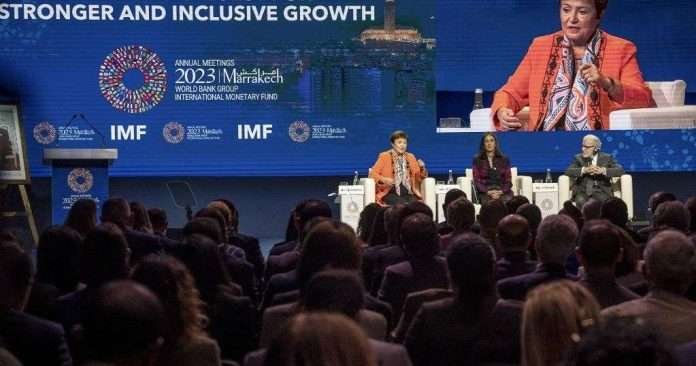
    Rabat, Morocco – (African Boulevard News) – The beautiful city of Marrakech, Morocco, played host to the recently concluded meetings of the International Monetary Fund (IMF) and the World Bank. The meetings, which took place from October 15 to 17, brought together finance ministers, central bankers, and development experts from around the world to discuss the pressing economic issues of our time.

    One of the key outcomes of the meetings was the decision by IMF member states to increase their contributions to the global lender. This move was aimed at strengthening the fund’s ability to provide financial assistance to countries facing economic challenges. The decision was welcomed by experts, who believe that it will help address the growing inequalities and vulnerabilities in the global economy.

    In a significant development for the African continent, it was also announced that Africa will be given a third seat on the IMF’s Executive Board. This decision reflects the increasing importance of Africa on the global economic stage and will give the continent a greater say in shaping global economic policies. The move was praised by African leaders, who see it as a step towards fairer representation and the recognition of Africa’s potential for economic growth and development.

    Speaking about the decision, Akinwumi Adesina, President of the African Development Bank, said, “This is a historic moment for Africa. The additional seat on the IMF’s Executive Board will give us a stronger voice and greater influence in shaping the policies that impact our economies. It sends a clear message that Africa’s voice matters and that our continent’s economic aspirations are being taken seriously.”

    The meetings also provided an opportunity for high-level discussions on other pressing economic issues, such as climate change and the impact of the COVID-19 pandemic on the global economy. Participants emphasized the need for urgent action to address climate change and its devastating effects on vulnerable communities. They also highlighted the importance of fair and equitable vaccine distribution to ensure a swift and sustainable global recovery from the pandemic.

    Looking ahead, the IMF and World Bank meetings have set the stage for continued collaboration and dialogue on global economic challenges. As countries strive to recover from the pandemic and build more resilient and inclusive economies, it is crucial that international institutions like the IMF and World Bank continue to play a leading role in supporting these efforts.

    The conclusion of the meetings in Morocco marks an important milestone in the ongoing efforts to create a more equitable and sustainable global economy. With increased contributions to the IMF and Africa’s greater representation on the Executive Board, there is hope for a brighter future where all nations can thrive and prosper.

    URL: https://www.africanboulevard.com/imf-and-world-bank-meetings-conclude-in-morocco

    Senegal: A Plastic Nightmare – Water Sachets Choke Streets and Devastate Coastlines

    0
    Read Time:2 Minute, 8 Second

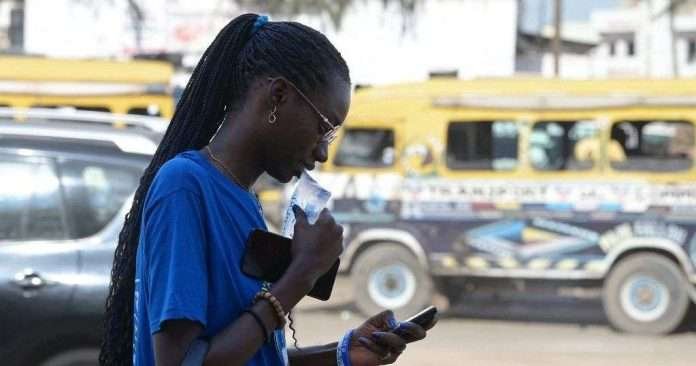
    Dakar, Senegal – (African Boulevard News) – Senegal is facing a plastic crisis as pervasive water sachet usage continues to drown the nation in plastic waste. While water sachets have become an integral part of life in the West African nation, they are also a key contributor to the plastic pollution that mars the streets and coastlines.

    The convenience and affordability of water sachets have made them a popular choice among Senegalese, who often lack access to clean drinking water. However, their widespread use has led to an alarming accumulation of plastic waste. These small single-use plastic bags are discarded everywhere, turning the country into a landfill.

    According to environmental experts, Senegal produces approximately 1.6 million tonnes of plastic waste annually, with water sachets accounting for a significant portion of this waste. The lack of proper waste management infrastructure exacerbates the problem, allowing plastic to make its way into rivers and ultimately into the ocean.

    Marie Diouf, an environmental activist in Dakar, highlights the urgency of the situation, stating, “Our beaches are suffocating under the weight of plastic. It’s not only harming the environment but also affecting the livelihoods of local communities dependent on tourism and fisheries.”

    The impact of this plastic crisis extends beyond environmental concerns. The World Health Organization (WHO) has raised concerns about the potential health risks associated with the consumption of water from these sachets. The plastic can release harmful toxins when exposed to heat, posing a threat to both humans and marine life.

    Efforts are being made to address the issue. The Senegalese government has implemented a nationwide ban on the production, importation, and sale of plastic bags below 30 microns in thickness. However, the ban does not cover water sachets, which remain unregulated.

    Environmental organizations and activists are calling for stricter regulations and the promotion of sustainable alternatives such as reusable water bottles and water filtration systems. They emphasize the need for improved waste management systems and increased public awareness about the detrimental effects of plastic pollution.

    Issa Sow, a local entrepreneur who manufactures sustainable alternatives to water sachets, urges the government to take decisive action. “We need a comprehensive approach that not only bans the production of water sachets but also supports the production and distribution of affordable alternatives,” Sow says.

    As Senegal struggles to overcome its plastic crisis, the need for collective action and innovative solutions becomes increasingly evident. It is crucial for both the government and the citizens to work together to reduce plastic waste, protect the environment, and ensure a sustainable future for generations to come.

    Video – Unveiling Inhumane Tactics: Hamas Trapped Innocent Civilians at Music Festival

    0
    Read Time:2 Minute, 49 Second


    Title: The Inhumane Tactics Unveiled: How Hamas Trapped Innocent Civilians at a Music Festival

    Introduction:
    In a shocking turn of events, a music festival in Israel became the target of a deadly assault orchestrated by Hamas. The perpetrators, according to CNN’s verification of over 50 videos and witness accounts from 12 survivors, attacked the event from multiple sides, effectively trapping and pursuing civilians in a horrifying act of violence. This article delves into the analysis of these videos, exposing the sinister methods used by Hamas to instill fear and manipulate the innocent.

    Unveiling the Horrors:
    The evidence collected by CNN reveals a disturbing sequence of events surrounding the assault on the music festival. As reported by Katie Polglase, the analysis of these videos has highlighted Hamas’ deliberate strategy of encircling the event from three directions. This tactical maneuver left attendees with no means of escape, exposing them to an indiscriminate rain of artillery fire and a ruthless pursuit by the assailants.

    Surviving the Madness:
    CNN’s investigation not only sought to uncover the horrific events but also shed light on the survivors’ accounts. These witnesses provide invaluable insight into the chaos and terror that unfolded at the music festival. Many described their desperate attempts to escape the approaching danger, only to be relentlessly pursued by Hamas militants who showed no mercy or regard for human life.

    The Role of Analysis:
    The analysis of the videos conducted by CNN’s team played a crucial role in unveiling the extent of Hamas’ brutal assault. The meticulous examination of these videos allowed experts to piece together a timeline of events and identify the different tactics employed. The evidence showed how Hamas cunningly positioned themselves to cut off any potential escape routes for the festival attendees, amplifying the terror and violence they inflicted upon the innocent.

    International Concerns and Reactions:
    The abhorrent actions of Hamas at the music festival have sparked international outrage and condemnation. Governments, organizations, and individuals worldwide have expressed their solidarity with the victims and their unequivocal rejection of such heinous tactics. Leaders have called for a thorough investigation into the incident and have vowed to ensure that the perpetrators are held accountable for their crimes against humanity.

    CNN’s Erin Burnett Discusses the Unprecedented Atrocity:
    In a heartfelt discussion with Wolf Blitzer, Erin Burnett delves into the lasting impact of this tragedy on the victims and their families. The conversation highlights the urgent need for justice, as well as the importance of raising awareness about the horrific violence perpetrated by Hamas. Burnett emphasizes the critical role that media outlets, like CNN, play in exposing such atrocities and ensuring that the world remains informed.

    Conclusion:
    The assault on the music festival by Hamas stands as a tragic reminder of the lengths some factions will go to instill fear and manipulate innocent civilians. The evidence captured in the videos and the survivors’ accounts provide a chilling glimpse into the horrors that unfolded that fateful day. As the international community demands justice, it is essential to remember the victims and work together to prevent such atrocities from occurring again in the future. The memory of this event should serve as a constant reminder of the importance of promoting peace, tolerance, and understanding in our global society. Together, we must stand united against violence and actively work towards a safer and more compassionate world.

    Egypt: Volunteers Rally to Deliver Desperate Aid to Gaza, Standing in Solidarity and Sparking Hope

    0
    Read Time:2 Minute, 29 Second

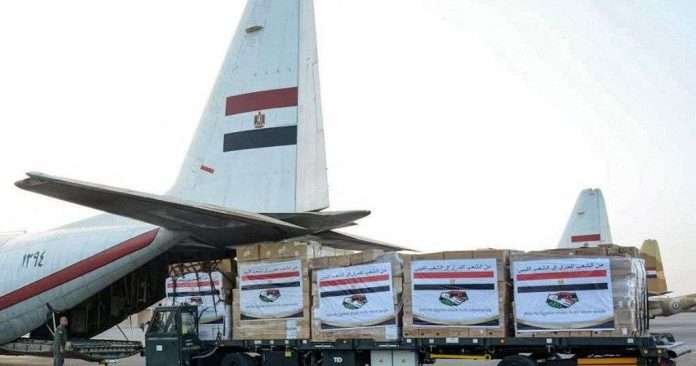
    Cairo, Egypt – (African Boulevard News) – Egyptian volunteers from the Resala charity organisation have mobilized to collect essential humanitarian aid, aiming to provide much-needed support to the Gaza Strip. As tensions continue to rise in the region, the convoy is set to head towards Egypt’s eastern border with Gaza, in Rafah.

    The volunteers at Resala have always been at the forefront of humanitarian efforts, donating their time and resources to aid those in need. With the mounting crisis in Gaza, they have once again stepped up to bring about positive change.

    Under the scorching sun, volunteers tirelessly collect essential items such as food, medicine, and clothing. The aid aims to alleviate the suffering of the people of Gaza, who have long been affected by a humanitarian crisis compounded by political and economic challenges.

    “We believe that it is our duty as Egyptians to support and stand in solidarity with our brothers and sisters in Gaza,” said Ahmed Hassan, a volunteer at Resala. “We want to show them that they are not alone in their struggles.”

    The humanitarian crisis in Gaza has reached alarming proportions, with limited access to basic necessities and essential services. The ongoing blockade has severely impacted the quality of life for its residents, leaving many vulnerable and in desperate need of assistance.

    The Resala convoy to Gaza is an act of compassion and unity, uniting the Egyptian community to support their Palestinian neighbors. The volunteers understand the importance of their mission and the impact it can have on the lives of those they aim to help.

    “We are overwhelmed by the support we have received from ordinary Egyptians,” said Samar Ahmed, another volunteer. “It is heartwarming to see how people have come together to donate and contribute to this cause.”

    The aid convoy is a testament to the power of grassroots initiatives. It showcases the strength and compassion of ordinary individuals who are determined to make a difference in the lives of others. The volunteers hope that their efforts can bring a sense of comfort and relief to the people of Gaza, even if only for a short time.

    In a region often plagued by conflict and division, acts of solidarity and support are crucial in fostering a sense of unity and hope. The Resala volunteers are determined to do their part, providing a beacon of light in challenging times.

    With the convoy now on its way to Rafah, the Resala volunteers stand as a symbol of hope and resilience, reminding us all of the power of collective action. Their selfless efforts demonstrate that no act of kindness is too small to make a difference and that through unity, we can overcome even the most harrowing challenges.

    As the convoy makes its journey, it serves as a reminder of the interconnectivity of humanity and the importance of extending a helping hand to those in need. In times of crisis, it is compassion and solidarity that can lead the way towards a brighter, more equitable future.

    Drc: Renowned Congolese Artist Chéri Samba Grapples with Political Storm as Vital Election Looms, Threatening to Drown Out His Voice

    0
    Read Time:2 Minute, 32 Second

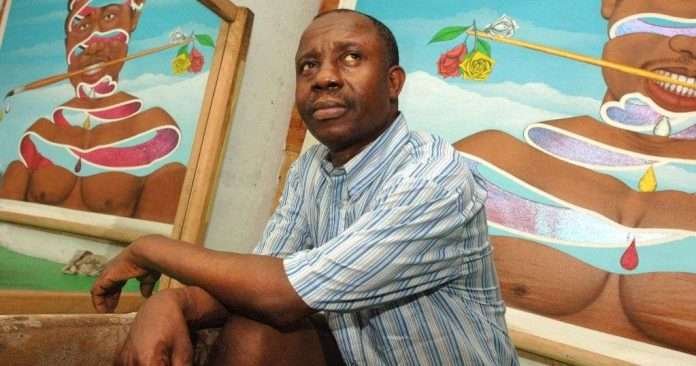
    Kinshasa, DRC – (African Boulevard News) – Just over two months before the presidential election in the Democratic Republic of Congo, Congolese painter Chéri Samba finds himself caught in a tumultuous political storm, which he considers an “unwelcome” distraction from his artistic pursuits.

    Samba, renowned for his vibrant and thought-provoking paintings that depict the social and political landscape of his beloved country, is currently the subject of a retrospective at the Musée Maillol in Paris. However, his focus has been shifted, as the upcoming election looms over his head like an unwelcome cloud.

    The presidential election in the DRC, scheduled for December 2023, is expected to be a pivotal moment for the country’s political landscape. It comes after years of political instability, corruption, and human rights abuses, with hopes that this election will bring about positive change and a brighter future for the Congolese people.

    For Samba, who has always used his art as a medium to voice his concerns and critique the current state of affairs, the timing of the election couldn’t be worse. “I feel torn between my duty as an artist to address the pressing issues facing our society and the need to concentrate on my own work,” Samba lamented.

    The painter’s sentiments are echoed by art critics and industry experts who understand the significance of his work and the impact it has had on raising awareness about social and political issues in the DRC. Art historian Marie-Hélène Soubeyre believes that Samba’s voice is crucial in shaping the narrative of the country’s future.

    “Chéri Samba’s art has always been a powerful tool for social commentary. His ability to capture the essence of the Congolese experience and translate it onto canvas is unparalleled,” Soubeyre explained. “We need artists like him to continue shedding light on the issues we face as a nation, even amidst the chaos of an election season.”

    While Samba acknowledges the importance of the election and the need for change, he struggles with the weight of expectations placed on him as an artist. “I am torn between my role as a citizen, who wants to see a better future for our country, and the desire to focus on my art, which has always been my true passion and purpose,” Samba confessed.

    As the December election draws closer, Samba plans to maintain a delicate balance between engaging in the political discourse and nurturing his creativity. His retrospective, currently on display in Paris, serves as a reminder of the power of art to inspire change and create a lasting impact.

    With his unique perspective and talent, Samba continues to be a voice for the Congolese people, even during this politically charged time. While the upcoming election may pose challenges, Samba remains committed to his artistic pursuits, determined to use his brush and canvas to convey the struggles and aspirations of his nation.

    Samba’s unwavering dedication to his craft and his country serves as an inspiration to artists and citizens alike, reminding us all of the transformative power of art in times of uncertainty and chaos.

    Sudan: Six Months of Endless Suffering – Lives Lost, Millions Displaced, and No End in Sight

    0
    Read Time:2 Minute, 12 Second

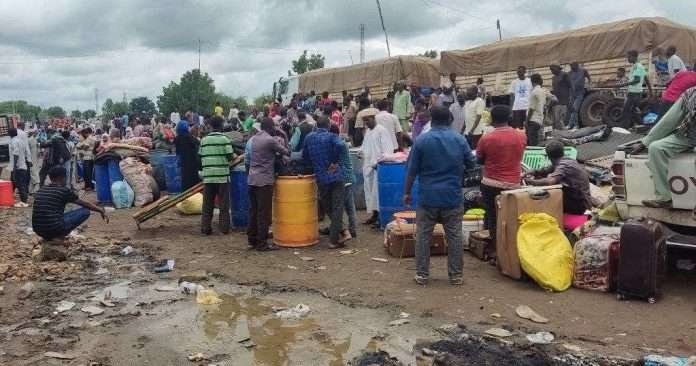
    Khartoum, Sudan – (African Boulevard News) – Six months since conflict broke out, Sudan’s brutal war continues to inflict immeasurable suffering: endangering lives, displacing millions from their homes, and causing deaths even in areas far from the frontlines.

    The people of Sudan had hoped for an end to the violence, but as the war enters its sixth month, those hopes are fading. The conflict has taken a devastating toll on the country, with no signs of a resolution in sight.

    One of the most affected regions is Darfur, where violence has escalated dramatically in recent months. The ongoing clashes between government forces and rebel groups have resulted in numerous casualties, including innocent civilians caught in the crossfire. Many have been forced to flee their homes, seeking refuge in overcrowded camps with limited access to basic necessities such as clean water and food.

    “The situation in Darfur is deeply concerning. Thousands of people are living in dire conditions with little hope for improvement,” said Ahmed Hassan, a humanitarian worker in the region. “We are doing our best to provide assistance, but the needs are overwhelming.”

    While Darfur remains a focal point of the conflict, violence has spread to other parts of the country as well. The Blue Nile and South Kordofan states have also experienced heavy fighting, resulting in a deteriorating humanitarian situation. The United Nations estimates that over 230,000 people have been displaced since the conflict began.

    International organizations and humanitarian actors have been working tirelessly to provide aid to those in need. However, the ongoing violence and restricted access to affected areas have made their efforts challenging.

    “The war in Sudan has caused immense suffering and has left millions in need of urgent assistance,” said Sarah Smith, an aid worker with ActionAid. “We are doing everything we can to reach those affected, but the situation on the ground is extremely complex.”

    Despite international efforts to mediate a peace agreement, the war shows no signs of abating. The conflict is rooted in longstanding political and ethnic divisions, making it difficult to find a lasting solution.

    The international community must continue to exert pressure on all parties involved to engage in dialogue and work towards a peaceful resolution. Sudan’s people deserve a chance at a better future, free from the horrors of war.

    As the war in Sudan enters its sixth month, the hope for peace is fading. The devastating toll on the country and its people cannot be overstated. International intervention and sustained efforts to bring all parties to the negotiating table are urgently needed. Only then can Sudan begin to rebuild and heal the wounds inflicted by this brutal conflict.

    Africa: Desperate Gazans Forced to Flee Homes as Israel Issues Unprecedented Mass Evacuation Order, Adding to Chaos and Suffering

    0
    Read Time:2 Minute, 8 Second

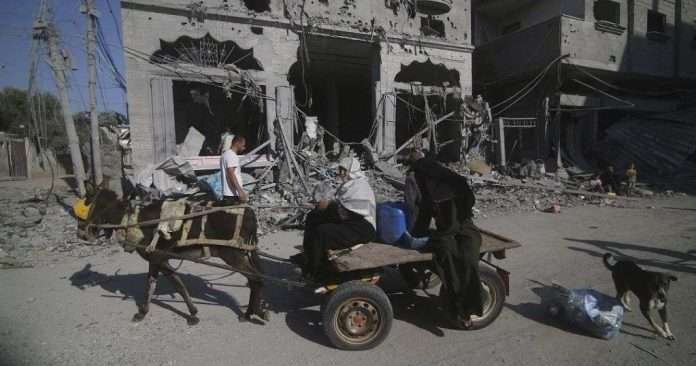
    Diaspora, Africa – (African Boulevard News) – Israel has issued an unprecedented mass evacuation order in northern Gaza, further exacerbating the already dire situation in the besieged enclave. The announcement has sparked widespread panic among civilians and aid workers who are already running from airstrikes and struggling to find a way out.

    The evacuation order, issued on Friday (Oct. 13), comes as the conflict between Israel and Gaza continues to escalate. With no way out of the enclave due to a total siege, the people of northern Gaza are left with no choice but to flee their homes in search of safety. The situation has created chaos and uncertainty, as families scramble to gather their belongings and find shelter away from the violence.

    Humanitarian organizations are working tirelessly to assist those affected by the conflict, but their efforts are hindered by the difficult circumstances. The mass evacuation order has only added to the challenges they face in getting aid to those in need. The scale of the evacuation is unprecedented, and it is expected to strain already limited resources and infrastructure in the area.

    International bodies and human rights organizations have expressed concern over the escalating violence and the impact it has on the civilian population. The United Nations has called for an immediate cessation of hostilities and the protection of civilians. Human rights groups have also condemned the mass evacuation order, citing it as a violation of international law.

    Experts in the region believe that the mass evacuation order is a tactic by Israel to further tighten its grip on Gaza. By forcing people to leave their homes, Israel aims to control the population and exert more control over the area. However, critics argue that this strategy only perpetuates the cycle of violence and suffering, with innocent civilians bearing the brunt of the conflict.

    As the situation in Gaza worsens, the international community must step up its efforts to bring a lasting resolution to the conflict. Diplomatic negotiations and a commitment to the well-being of civilians are crucial in restoring peace to the region. It is imperative that all parties involved prioritize the protection of innocent lives and work towards a sustainable ceasefire.

    The mass evacuation order in northern Gaza marks a significant escalation in the conflict, further deepening the humanitarian crisis in the region. The plight of the people of Gaza must not be ignored, and urgent action is needed to alleviate their suffering. The international community must demand accountability and work towards a peaceful resolution that ensures the safety and well-being of all those affected.

    Niger: Former President Bazoum’s Detention Threatens Democracy – World Holds Its Breath

    0
    Read Time:2 Minute, 18 Second

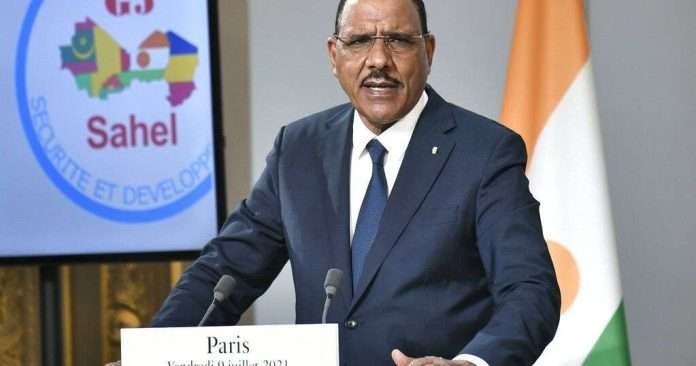
    Niamey, Niger – (African Boulevard News) – Uncertainty looms over the future of deposed president Mohamed Bazoum of Niger, who has spent a staggering 80 days in detention. As the international community intensifies its calls for his release, the ruling military regime shows no signs of relenting.

    The detention of the former president has caused a wave of concern and criticism from various countries and organizations. With each passing day, the fate of Bazoum becomes increasingly uncertain, leaving many wondering about the state of democracy in Niger.

    The ruling military regime, led by General Aboubacar Adamou, has firmly defended its decision to detain Bazoum, citing national security concerns. However, critics argue that this move is a blatant disregard for democratic principles and the rule of law.

    “The continued detention of President Bazoum raises serious questions about the commitment of the current regime to uphold democratic values,” says political analyst Amina Diallo. “It sends a chilling message to both the citizens of Niger and the international community.”

    The international community, including prominent human rights organizations and neighboring countries, has expressed grave concern over the situation. Pressure continues to mount on the ruling regime, with calls for the immediate release of Bazoum growing louder.

    The African Union, in a recent statement, urged the military regime to respect the principles of democracy and release Bazoum. Echoing this sentiment, the United Nations has called for a peaceful transition of power and the restoration of constitutional order in Niger.

    The uncertain future of Bazoum has also sparked protests within the country. Thousands of Nigeriens have taken to the streets demanding the release of their former leader and a return to civilian rule. The protests have been met with a heavy-handed response from security forces, leading to clashes and arrests.

    As the days turn into weeks and the weeks into months, the question of Bazoum’s future remains unanswered. Will he be released and allowed to resume his political career? Or will his detention mark the end of his political aspirations?

    One thing is for certain: the detention of Bazoum has cast a shadow of doubt over the future of democracy in Niger. It serves as a stark reminder of the fragile nature of democratic institutions in many African nations. The international community must continue to apply pressure on the ruling regime to ensure the release of Bazoum and the restoration of democratic norms in Niger.

    In this critical period, the world watches eagerly, hoping for a resolution that will bring stability and justice to the people of Niger. The fate of Bazoum hangs in the balance, and the actions of the ruling regime will determine the path the country takes in the coming months. For now, the future remains uncertain, and the world waits with bated breath.

    Gabon: Former First Lady Sylvia Bongo Faces Shocking Charges of Corruption and Forgery, Citizens Demand Accountability

    0
    Read Time:2 Minute, 12 Second

    Libreville, Gabon – (African Boulevard News) – Former Gabonese First Lady, Sylvia Bongo, finds herself embroiled in a scandal as she faces charges of corruption and forgery. The once revered figure is now behind bars amidst allegations of financial impropriety and illegal activities. Her lawyer, Me Gisèle Eyue-Bekale, recently obtained a ten-day postponement for a hearing to argue for her release.

    The news of Sylvia Bongo’s incarceration has sent shockwaves throughout the nation, with citizens expressing disbelief and disappointment in the former first lady. The charges against her include corruption and forgery, which, if proven, could lead to severe penalties under Gabonese law.

    It is alleged that Sylvia Bongo misappropriated state funds during her time as the first lady, engaging in fraudulent activities and embezzling public resources for personal gain. The prosecution claims to have substantial evidence to support these allegations, including financial records and testimonies from whistleblowers.

    The case against Sylvia Bongo highlights the need for accountability and transparency within the government. Corruption has long been a pervasive issue in Gabon, hindering the country’s development and stifling its potential. The prosecution’s decision to pursue charges against a high-profile individual like the former first lady sends a strong message that no one is above the law.

    Speaking about the case, legal expert Dr. Jean-Michel Eyi said, “The charges against Sylvia Bongo are significant, as they demonstrate the commitment of the Gabonese government to combat corruption at all levels. This case should serve as a wake-up call for other public officials who may be engaging in similar illicit activities.”

    The ten-day postponement granted by the court allows Sylvia Bongo’s lawyer an opportunity to present arguments for her release. However, the outcome of this hearing remains uncertain, as the prosecution seems determined to hold her accountable for her alleged crimes.

    Gabonese citizens are closely following the developments surrounding Sylvia Bongo’s case, hoping that justice will be served and that the country can move towards a future free from corruption. It is essential for the government to demonstrate its commitment to the rule of law and to address the systemic issues that have allowed corruption to flourish.

    As the proceedings unfold, it is important for all stakeholders to remain vigilant and demand transparency and accountability from their leaders. Only through a collective effort can Gabon overcome the dark shadow of corruption and forge a path towards a brighter future.

    In the face of these allegations, Sylvia Bongo’s legacy as a once-respected figure has been tarnished. The outcome of the legal proceedings will not only determine her fate but will also have significant implications for the fight against corruption in Gabon.