Thursday, April 30, 2026
81.4 F
Lagos
More
    Home Blog Page 388

    Africa: Peace Delegation to Visit Russia and Ukraine in Quest for Stronger Partnerships and Security Solutions

    0
    Read Time:2 Minute, 13 Second

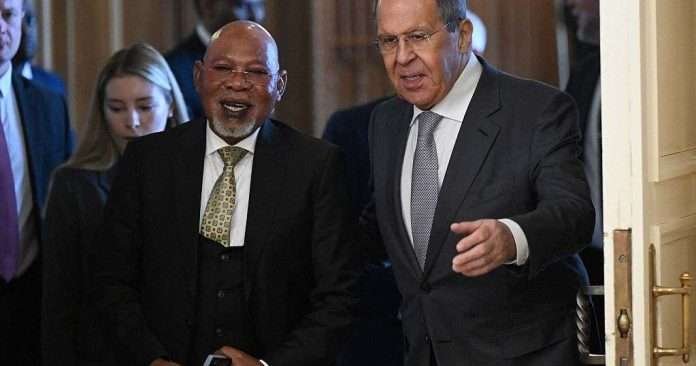
    Diaspora, Africa – (African Boulevard News) – In a bid to bolster peace and security on the continent, a six-member African peace delegation is set to visit Russia in June or July, according to a statement by the Moscow government. The delegation will also visit Kyiv as part of the peace-building mission.

    The visit comes after South African President Cyril Ramaphosa announced on Tuesday that Russian President Vladimir Putin and Ukrainian President Volodymyr Zelensky had each agreed to receive the delegation. The African delegation is expected to hold meetings with officials from both countries on ways to strengthen security and promote political stability in the region.

    The delegation comprises representatives from the African Union, the African Development Bank, and the United Nations. They will be led by Olusegun Obasanjo, a former Nigerian president and an African elder statesman.

    In a statement to the press, Ramaphosa said the delegation’s visit is part of efforts to build strong partnerships between African countries and other regions of the world. He noted that the visit to Russia and Ukraine was a crucial step towards achieving peace and stability on the continent.

    “We believe that collaboration and partnership are critical pillars for achieving sustainable peace and development in Africa. It is important that we work together as nations to strengthen security, promote political stability, and advance economic growth in our continent,” he said.

    The visit of the African peace delegation to Russia and Ukraine is expected to explore opportunities for cooperation in areas such as defense, security, trade, and investment. The mission is also expected to highlight the challenges facing the continent, including terrorism, conflict, and poverty, and to seek ways to address these challenges.

    The visit to Russia and Ukraine is seen as an important step towards building stronger partnerships between Africa and other regions of the world. It is hoped that the delegation’s mission will contribute to promoting peace and stability on the continent and help to advance economic growth and development in Africa.

    As the world continues to grapple with the COVID-19 pandemic, the visit of the African peace delegation to Russia and Ukraine is seen as a ray of hope for the continent. The delegation will be expected to engage with officials from both countries and explore ways to enhance collaboration in the fight against the pandemic.

    The visit of the African peace delegation to Russia and Ukraine is expected to be a milestone for peace and security on the continent. It is hoped that the visit will pave the way for further cooperation between Africa and other regions of the world and contribute to building a more peaceful and prosperous world for all.

    Morocco: Young African Footballers Showcase Immense Talent at TotalEnergies U17 AFCON

    0
    Read Time:1 Minute, 51 Second

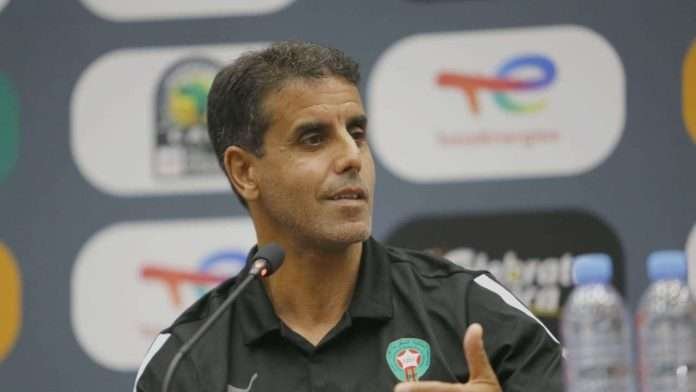
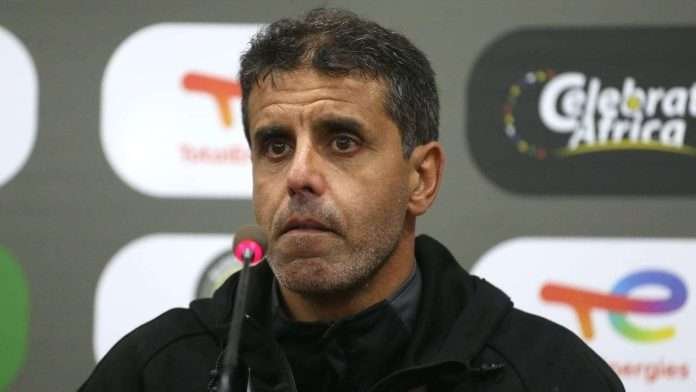
    Rabat, Morocco – (African Boulevard News) – The TotalEnergies U17 Africa Cup of Nations (AFCON) has been nothing short of thrilling since its inception. Morocco’s head coach, Said Chiba, believes that the level of competition at the tournament is high, with teams showcasing immense talent and tactical discipline.

    Speaking in a recent interview, Chiba noted that the TotalEnergies U17 AFCON provides a platform for young African players to hone their skills and showcase their talents to the world. “The tournament is an excellent opportunity for young players to exhibit their skills, gain exposure, and experience top-level competition,” he commented.

    The TotalEnergies U-17 Africa Cup of Nations 2023 is set to take place in Algeria, with the best teams from across the continent battling it out for the ultimate prize. The competition, that will be played between 29 April and 19 May 2023

    Chiba is confident that the tournament will be a massive success, with top-quality football on display. “We are thrilled to be hosting the TotalEnergies U17 AFCON, and we are confident that the tournament will be a resounding success,” he said. “We believe that the tournament will be an excellent platform to showcase the best young talent in Africa and promote African football to the rest of the world.”

    The TotalEnergies U17 AFCON is a significant event for African football, as it provides a platform for young players to showcase their talent and develop their skills. The tournament is an excellent opportunity for scouts and coaches to identify future stars of the game and help them progress to the professional level.

    Chiba emphasized the importance of nurturing young talent in African football, noting that it is vital to the growth and development of the game on the continent. “We need to promote and develop young talent in Africa if we want to see our football continue to grow and compete with the best in the world,” he said.

    In conclusion, the TotalEnergies U17 Africa Cup of Nations is set to be an exciting tournament that showcases the best young talent in African football. With top-quality football on display and the opportunity for players to showcase their skills, the tournament promises to be a significant boost for African football.

    Senegal: Building on Junior Success Crucial for African Football Excellency, Says Coach Dia

    0
    Read Time:1 Minute, 59 Second

    Dakar, Senegal – (African Boulevard News) – Senegal’s U-17 head coach, Saliou Dia, has called on African countries to continue building on the excellence exhibited at junior levels in international competitions. Dia made this plea ahead of the TotalEnergies U-17 Africa Cup of Nations 2023, set to take place in Senegal.

    Dia said that Africa boasts of abundant talent in football, and it is high time that national teams nurtured the talent exposed in youth competitions. He added that building on this level of excellence would be crucial for Africa to excel in international football competitions.

    “Junior competitions give players a platform to showcase their skills and talents. African teams have consistently performed well in such tournaments, and it is high time that national teams built on this excellence,” Dia said.

    Dia’s comments came after Senegal qualified for the U-17 World Cup scheduled for Peru later this year. The West African nation has consistently impressed in youth competitions, with the U-20 team reaching the final of the 2015 FIFA U-20 World Cup in New Zealand.

    Dia’s remarks are timely and call for action as Africa prepares to host the TotalEnergies U-17 Africa Cup of Nations in 2023. The tournament will feature eight teams, with the winner and runner-up qualifying for the FIFA U-17 World Cup in 2024. Senegal, the host nation, will certainly be looking to use their home advantage to their advantage.

    Apart from showcasing young talent, the tournament will also expose African football to global attention, boosting tourism and investment in the continent’s football industry. If harnessed well, the tournament can act as a stepping stone for Africa to excel in international football competitions.

    Dia’s call for African teams to build on the success of junior teams can be achieved by providing more resources to national football teams and investing in youth development programs. African countries also need to put in place structures that support and encourage young talent to flourish.

    In conclusion, Dia’s plea is a wake-up call for African countries to harness young talent and build on the foundation for success established at junior levels. Building on this success will be crucial for African teams to compete at the highest level of international football. The TotalEnergies U-17 Africa Cup of Nations is a perfect opportunity for Africa to showcase its abundant talent.

    Morocco: African Women Jury Members Make History at Cannes Film Festival.

    0
    Read Time:2 Minute, 16 Second

    Rabat, Morocco – (African Boulevard News) – The 2023 Cannes Film Festival has made a historic move by including African women on the jury panel. The festival, one of the world’s most prestigious events in the film industry, has been criticized for its lack of diversity in the past. However, this year’s jury panel includes Morocco’s Maryam Touzani and Zambia-born Rungano Nyoni, who will be part of the team that will decide the winner on May 27th.

    The inclusion of African women on the jury panel is a significant step towards diversity and inclusion in the film industry. African women have been underrepresented in the film industry, and their voices and experiences have been largely ignored. The Cannes Film Festival’s decision to include African women on the jury panel is a step in the right direction towards the inclusion of diverse voices and experiences in the film industry.

    Maryam Touzani, a Moroccan filmmaker, is excited to be part of the jury panel and is looking forward to seeing the films. She says, “I am honored to be part of the jury, and I am looking forward to watching the films and being part of the decision-making process. It is an exciting opportunity for me to be part of a diverse panel and to represent African women in the film industry.”

    Rungano Nyoni, a Zambian filmmaker, is also excited about being part of the jury panel. She says, “It is an honor to be part of the jury panel and to represent African women in the film industry. I am looking forward to watching the films and being part of the decision-making process.”

    The inclusion of African women on the jury panel is not only a step towards diversity and inclusion in the film industry, but it is also a recognition of the talent and creativity of African women in the film industry. The film industry in Africa is growing, and African women are making significant contributions to the industry. The inclusion of African women on the jury panel is a recognition of their talent and creativity.

    In conclusion, the inclusion of African women on the jury panel at the Cannes Film Festival is a significant step towards diversity and inclusion in the film industry. It is a recognition of the talent and creativity of African women in the film industry and a step towards the inclusion of diverse voices and experiences in the film industry. Maryam Touzani and Rungano Nyoni are part of a diverse panel that is looking forward to watching the films and being part of the decision-making process. This historic move should serve as an inspiration to all film industries globally to be inclusive of diverse and talented voices.

    Senegal: History in the making as U17 team battles Morocco in TotalEnergies Africa Cup of Nations final

    0
    Read Time:2 Minute, 6 Second

    Dakar, Senegal – (African Boulevard News) – Senegal’s head coach Saliou Dia is determined to make history when his team takes on Morocco in the final of the TotalEnergies U17 Africa Cup of Nations (AFCON) at the Nelson Mandela Stadium in Algiers, Algeria.

    With the final set to take place on Friday, May 19, Dia is excited for his team to make their mark on the tournament. “I am very proud of what our team has achieved so far, but we are not yet done,” he said. “We have a chance to make history and we will do everything in our power to achieve that.”

    Senegal has had an impressive run in the tournament, with four wins and one draw in their five matches leading up to the final. They have scored 11 goals and only conceded two, making them the team with the best defensive record in the tournament.

    Their opponents, Morocco, have also been in excellent form, scoring 16 goals in five matches and only conceding three. However, Dia is confident that his team can come out on top. “We are up against a very good team, but we have the talent and the determination to win,” he said.

    The TotalEnergies U17 Africa Cup of Nations is an important tournament for young African players to showcase their talents. The tournament also serves as a qualifying event for the FIFA U17 World Cup, which will take place in Peru in 2023.

    The final promises to be an exciting clash between two talented teams, and football fans across the continent are eagerly anticipating the outcome. Dia is hoping that his team can make history and bring the trophy home to Senegal.

    “We have worked hard to get to this point, and we will give it our all in the final,” he said. “Our players have shown great character and determination throughout the tournament, and I have no doubt that they will do the same in the final.”

    The match will be broadcast live on various television networks across the continent, and fans from all over Africa will be tuning in to see who will come out on top.

    For Dia and his team, this is a chance to write their names in the history books and make their mark on African football. Whether they can achieve this feat remains to be seen, but one thing is certain – the Senegal team will be giving it their all as they aim for glory in the TotalEnergies U17 Africa Cup of Nations final.

    Senegal: Showdown with Morocco for U-17 Africa Cup of Nations Title!

    0
    Read Time:1 Minute, 53 Second

    Dakar, Senegal – (African Boulevard News) – It’s a face-off between two West and North African soccer giants as Morocco’s U-17 team, led by head coach Said Chiba, prepares to take on Senegal in the final of the TotalEnergies U-17 Africa Cup of Nations (AFCON) 2023. Morocco booked their spot in the final after a 3-1 victory over Tanzania in the semi-finals. They will now face a familiar foe in Senegal, having already played them in the group stages.

    Chiba is confident that his team is ready for the challenge that awaits them in the final. “We know how strong Senegal are, but we are ready for the challenge. We have played against them already in the group stages, and we know their strengths and weaknesses,” said Chiba.

    Senegal has been in impressive form throughout the tournament, scoring 11 goals and conceding just three in their five games so far. However, Morocco has also been a force to reckon with, scoring 10 goals and keeping four clean sheets in the tournament.

    The final is set to be a thrilling encounter, with both teams looking to win their first U-17 African Cup of Nations crown. Morocco has never won the tournament before and is looking to make history, while Senegal is hoping to win their second title after their victory in 2015.

    Chiba highlighted the importance of teamwork, saying that it would be crucial in the final. “We need to work together as a team, stay focused, and be clinical in front of goal. It will be a tough game, but I believe we can come out on top,” he added.

    The final is set to be played at the Nelson Mandela Stadium in Algiers, Algeria, and promises to be a captivating encounter. This is a moment for young talents to showcase their skills and prove their worth on an international stage.

    In conclusion, Morocco and Senegal are two of the best U-17 teams in Africa, and the final promises to be a thrilling contest. The players will be looking to make a name for themselves by producing a memorable performance in the final. It is a chance for them to show their skills and prove that they are the future of African football.

    Mali: Cannes Film Festival Selects Record Seven African Films – A Sign of Recognition Despite Censorship and Contempt, says Souleymane Cissé

    0
    Read Time:2 Minute, 7 Second

    Bamako, Mali – (African Boulevard News) – Africa’s film industry is finally getting its well-deserved moment at Cannes. The historic Cannes Film Festival, one of the world’s biggest film events, recently unveiled its Official Selection of films for its 75th anniversary. Among the selection was a record seven African films, marking a significant milestone for the continent and its burgeoning cinema industry.

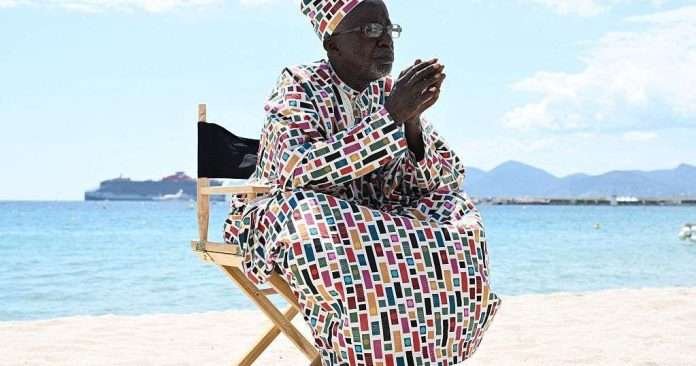
    Souleymane Cissé, an 83-year-old Malian director and one of the pioneers of African cinema, was delighted with the news. “Africa is now on the map of Cannes. This is a sign of recognition,” he said. “It is a breakthrough, but it’s not yet a victory. We need to keep working.”

    Cissé, who is known for his award-winning films such as “Brightness” and “The Wind”, is no stranger to the challenges facing African filmmakers in getting their films recognized globally. He believes the main obstacles are “censorship” and “contempt” from Western audiences and critics, who often do not understand the complexities of African cinema. “Despite the great quality of African films, they’re often perceived as too complex or too political by international film festivals,” he explained.

    However, this year’s Cannes selection is a clear sign that the tide is turning. The seven African films were selected from a record 2,067 submissions, and cover a range of genres and themes. The films hail from countries such as Tunisia, Kenya, Nigeria, and Egypt, showcasing the diversity and richness of African cinema.

    One of the films selected is “The Gravedigger’s Wife” by Kenyan director Khadifa Wong, which tells the story of a woman who struggles to provide for her family in a male-dominated society. Another is “The Souvenir” by Tunisian director Hinde Boujemaa, which explores the theme of female empowerment.

    According to Cissé, the Cannes selection is a reflection of the growing interest in African cinema around the world. “African filmmakers are telling stories that are universal, but with an African perspective,” he said. “People are starting to realize that African cinema is not just a curiosity, but a legitimate form of art.”

    The Cannes Film Festival is scheduled to take place in July this year after being postponed due to the COVID-19 pandemic. The festival is a key platform for African filmmakers to showcase their work to international audiences and industry professionals. With a record number of African films selected this year, the continent is set to make its mark on the world stage once again.

    As Cissé puts it, “We are not just African filmmakers. We are filmmakers.”

    Africa: Leading the Charge for Green Industrialization and a Sustainable Future

    0
    Read Time:2 Minute, 29 Second

    Diaspora, Africa – (African Boulevard News) – As the rest of the world races to decarbonize their economies and reduce greenhouse gas emissions, Africa has started making strides towards green industrialisation. Many experts believe that the continent has a unique opportunity to leapfrog traditional carbon-intensive industrialisation and move straight to environmentally friendly manufacturing processes. But can Africa really succeed in green industrialisation?

    Africa has the potential to be a leader in green energy and sustainable practices. The continent is rich in renewable resources including solar, hydro, and wind energy sources. Several African countries have already prioritised renewable energy in their development plans, and the industry is growing rapidly. In 2020, Africa added 2,000 MW of renewable energy capacity, with solar power accounting for half of the growth.

    Across the continent, businesses are also starting to recognise the importance of sustainable practices. From smallholder farmers to large-scale manufacturers, there is an increasing awareness of the need to reduce waste, conserve resources and limit carbon footprints. This has led to the growth of sustainable agriculture, green building, and eco-tourism.

    However, there are challenges that Africa must overcome to achieve green industrialisation. The lack of access to finance and technology is a major obstacle, with many African countries still relying on fossil fuels for their energy needs. Additionally, the high cost of renewable energy is a significant barrier. Governments and private investors will need to ensure that these technologies are affordable and accessible to all if they are to be successful in reducing emissions.

    Fortunately, there are initiatives underway to support green industrialisation in Africa. The African Development Bank has pledged to invest $25 billion over the next decade in renewable energy, while the World Bank’s Scaling Solar program is helping African governments to develop solar projects at competitive prices. These initiatives will not only help to reduce the carbon footprint but will also drive economic growth, create jobs and increase access to electricity across the continent.

    The COVID-19 pandemic has also highlighted the need for a more sustainable approach to economic development. The crisis has highlighted the vulnerability of Africa’s economies, and the importance of diversifying energy sources, improving food security and building resilient communities. By adopting green industrialisation, Africa can build a more sustainable future for all.

    According to Dr. Kevin Kariuki, Vice President for Power, Energy, Climate and Green Growth at the African Development Bank, “Africa has a unique opportunity to make green industrialisation a reality. By harnessing our abundant renewable resources, promoting sustainable practices and fostering innovation, we can build a greener and more prosperous future for our continent.”

    In conclusion, Africa has the potential to become a leader in green industrialisation but must overcome several challenges. However, initiatives, such as those by the African Development Bank and the World Bank, show that there is a growing commitment to supporting sustainable development in Africa. By prioritising renewable energy and sustainable practices, Africa can build a more prosperous, resilient, and sustainable future for all.

    South Africa: Court Ruling Forces Solar Plant to Reduce Energy Production, Threatening Country’s Renewable Energy Targets

    0
    Read Time:2 Minute, 10 Second

    Pretoria, South Africa – (African Boulevard News) – A South African town is being forced to reduce solar energy production in order to comply with planned outages by Eskom, the national electricity supplier. The decision was made by a court in favour of Eskom, following a legal action brought by the company against the Redstone Solar Thermal Power Project.

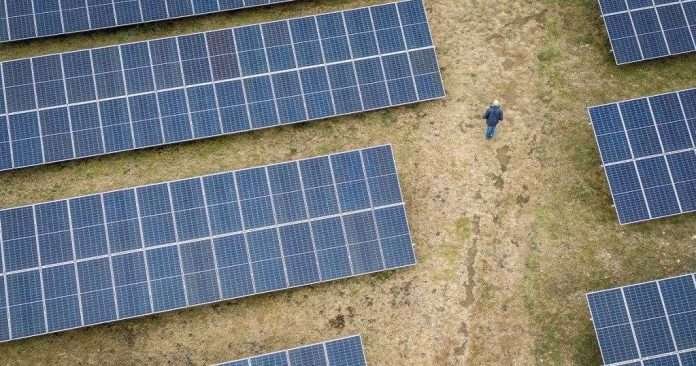
    The Redstone Solar Thermal Power Project, located in Postmasburg in the Northern Cape, had been generating up to 100MW of electricity. However, the court’s decision means that part of the solar plant will have to be shut down during planned outages by Eskom, which are implemented in order to carry out essential maintenance work.

    The court’s decision has been met with disappointment by those involved in the project. A spokesperson for the company behind the Redstone Solar Thermal Power Project said, “We’re obviously disappointed with the ruling. This project was designed to provide sustainable and reliable energy to the grid, and it’s frustrating that we’re now being forced to reduce production.”

    The decision is also concerning for advocates of renewable energy in South Africa. The country has set itself ambitious targets for renewable energy production, with a goal of generating 42% of its electricity from renewable sources by 2030. The court’s ruling means that even when solar power is being generated, it can be curtailed for no good reason.

    The court’s decision has been criticised by environmental groups. A representative for Greenpeace Africa said, “This ruling sets a dangerous precedent for renewable energy in South Africa. It sends a message that renewable energy is less important than the fossil fuel energy that Eskom relies on.”

    The ruling also highlights the ongoing problems faced by Eskom. The company has been struggling with capacity shortages for years, and has been implementing planned outages in order to carry out essential maintenance. However, this has led to frustration among consumers, who are often left without power for hours at a time.

    The situation is unlikely to be resolved soon, as Eskom has warned that planned outages will continue throughout the year. This means that more renewable energy projects could be affected in the future, raising concerns about South Africa’s ability to meet its renewable energy targets.

    The decision by the court to rule in favour of Eskom has caused serious concerns among advocates of renewable energy in South Africa. It remains to be seen what the long-term impact of the ruling will be, and whether it will have a negative impact on the country’s ability to meet its renewable energy targets.

    Nigeria: Urgent $12 Billion Cleanup Required to Restore Niger Delta’s Devastated Ecosystem and Protect Millions from Health Hazards.

    0
    Read Time:2 Minute, 16 Second

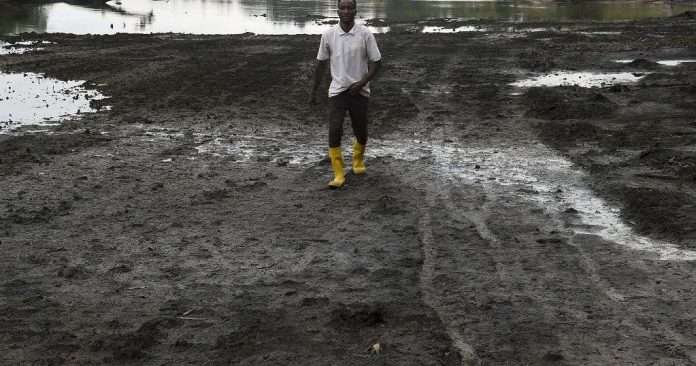
    Abuja, Nigeria – (African Boulevard News) – The cost of cleaning up the oil-polluted Niger Delta region could reach $12 billion, according to a report by the environmental campaign group, Environmental Rights Action/Friends of the Earth Nigeria (ERA/FoEN).

    According to the report, the Niger Delta region, once home to one of the largest mangrove forests on the planet, has been severely impacted by oil spills and pollution caused by decades of oil exploration and exploitation. The report notes that the region, which is rich in ecological diversity and value, is now one of the most polluted places on Earth.

    The report recommends that the Nigerian government should take immediate action to restore the region’s ecosystem to prevent further harm to the environment and the health of the people living in the area. The report further recommends that multinational oil companies operating in Nigeria should contribute to the cleanup costs as part of their social responsibility to the communities they operate in.

    “Cleaning up the Niger Delta is not an option, it is a necessity. The environmental degradation and pollution caused by years of oil exploration and exploitation have severely impacted the ecosystem, destroyed livelihoods, and exposed millions of people to health risks,” said Godwin Ojo, the Executive Director of ERA/FoEN.

    The report highlights that the pollution caused by oil spills has resulted in the loss of agricultural land, destruction of fishing grounds, and severe health impacts, including cancer, respiratory problems, and skin diseases. The report notes that women and children are particularly at risk, as they are often the primary caregivers and exposed to pollution while carrying out their daily activities.

    Despite several cleanup initiatives by the Nigerian government and multinational oil companies, the report stresses that the cleanup of the Niger Delta region must be a comprehensive and sustained effort to address the root causes of the pollution.

    “The government and oil companies must take responsibility for the environmental damage caused by oil exploration and exploitation in the Niger Delta region. The cleanup efforts must be comprehensive and sustained, with the aim of restoring the ecosystem and protecting the health and livelihoods of the people living in the area,” said Nnimmo Bassey, the Director of the Health of Mother Earth Foundation.

    In conclusion, the report by ERA/FoEN highlights the urgent need for a comprehensive and sustained cleanup effort in the Niger Delta region to prevent further harm to the environment and the health of the people living in the area. The report calls on the Nigerian government and multinational oil companies to take responsibility for the environmental damage caused by oil exploration and contribute to the cleanup costs as part of their social responsibility to the communities they operate in.