Friday, May 1, 2026
90.9 F
Lagos
More
    Home Blog Page 367

    Kenya: Struggling to Overcome an Age-Old Drought, GMOs Offer a Controversial Solution

    0
    Read Time:2 Minute, 6 Second

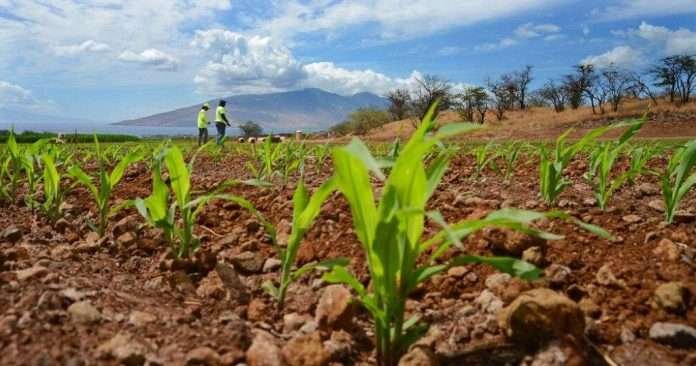
    Nairobi, Kenya – (African Boulevard News) – In recent years, Genetically Modified Organisms (GMOs) have become a hot potato in the Kenyan political sphere. While some embrace the technology as a means of improving agricultural productivity and addressing food insecurity, others remain skeptical, questioning the long-term implications of genetic engineering on human health and the environment. This has led to misinformation polluting debates on GMOs, as people cling to misconceptions and unscientific claims.

    In October, the administration of President William Ruto, who is due to be elected in August 2022, authorized the import and cultivation of genetically modified organisms, which had been banned in Kenya since 2012. This move drew mixed reactions, with some calling it a significant step towards boosting the agricultural sector, while others said it would put the country’s food security at risk.

    However, the debate on GMOs has been marred by misinformation, with some anti-GMO activists spreading false information to discredit GMOs. For example, one of the misconceptions is that genetically modified crops are harmful to human health and the environment, which is not based on scientific evidence. Furthermore, some activists claim that GMOs are a creation of Western companies aimed at exploiting African small-scale farmers. This is untrue since GMO technology is not exclusive to the West and has been adopted in many countries around the world.

    According to Daniel Omondi, a researcher at the Kenya Agricultural and Livestock Research Organization (KALRO), the anti-GMO misinformation campaign is driven by fear and ignorance. He says: “The debate on GMOs should be based on scientific evidence, not emotional sentiments. We cannot ignore the potential benefits of GMOs without assessing them objectively.”

    On the other hand, proponents of GMO technology argue that it can help increase crop yields, reduce the use of pesticides and herbicides, and combat pests and diseases. They also contend that GMOs can be engineered to increase the nutritional value of crops, which can help address malnutrition.

    “Genetic engineering is a powerful tool that can help address the challenges facing agriculture in Kenya. We need to embrace the technology and work together to ensure that it benefits us all,” says Fredrick Kabugi, a farmer in Nakuru.

    In conclusion, the debate on GMOs in Kenya must be grounded in scientific evidence rather than misinformation and misconceptions. By embracing GMO technology, Kenya has the potential to transform its agricultural sector and address food insecurity. Thus, it is essential to engage in constructive dialogue and work towards a consensus that benefits both farmers and consumers.
    Senegal: Three Prominent Intellectuals Accuse President Macky Sall of “Authoritarian Drift” and Warn of Dire Consequences

    0
    Read Time:1 Minute, 49 Second

    Dakar, Senegal – (African Boulevard News) – Senegal’s President Macky Sall has come under intense scrutiny from three prominent intellectuals who have accused him of promoting an “authoritarian drift” in the country. Mohamed Mbougar Sarr, Felwine Sarr, and Boubacar Boris Diop wrote a column that criticized the president’s handling of the country’s affairs.

    The column titled “Senegal: the pitfall of the authoritarian drift” published in the French newspaper, Le Monde, highlighted the concerns of the three intellectuals about the current state of the country and the trajectory it may follow if the situation is not addressed.

    “The situation our country is currently experiencing results from the authoritarian drift of President Macky Sall, ” the column read. It further added that the “legitimate aspirations of the Senegalese people” were being “suffocated” by the government’s “brutal repression” and “arbitrary arrests.”

    The column also highlighted the government’s increasing control over the media, citing the recent arrest of several journalists who were covering protests against the proposed constitutional reforms that would have extended the president’s term limit from two to three terms.

    “This authoritarian drift must be stopped,” they said, urging the government to respect the constitution and to ensure that the right to freedom of expression and peaceful protest is upheld.

    The column has sparked outrage among Senegalese citizens who have taken to social media to express their concerns, with many accusing the president of being out of touch with the country’s needs.

    However, the president’s supporters have hit back, saying that the government is only trying to maintain law and order in the country and that those who are criticizing the president are doing so out of political interests.

    The president has yet to respond to the column, but it is expected that he will address the concerns raised by the intellectuals in the coming days.

    In conclusion, the concerns raised by the three intellectuals highlight the growing discontent among Senegalese citizens about the direction the country is taking under President Sall’s leadership. It is important for the government to listen to the concerns of its citizens and to ensure that their rights are respected. Failure to do so may lead to further unrest and instability in the country.

    Senegal: Peace Returns After Weeks of Deadly Protests Following Opposition Leader’s Guilty Verdict

    0
    Read Time:2 Minute, 6 Second

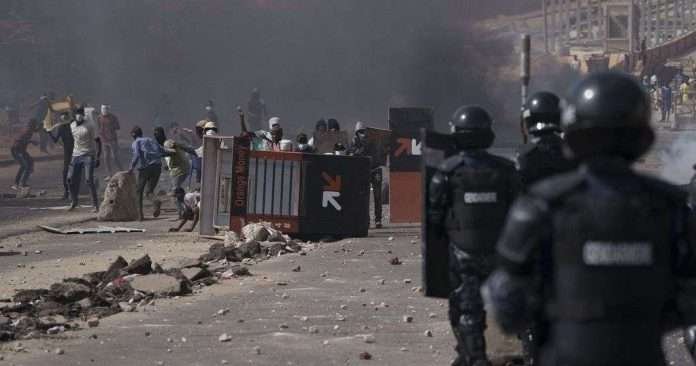
    Dakar, Senegal – (African Boulevard News) – Normalcy is slowly returning to Senegal following deadly protests that erupted after a Dakar court found opposition leader Ousmane Sonko guilty of rape charges. The protests, which lasted for several weeks, led to the death of at least 10 people and left hundreds injured.

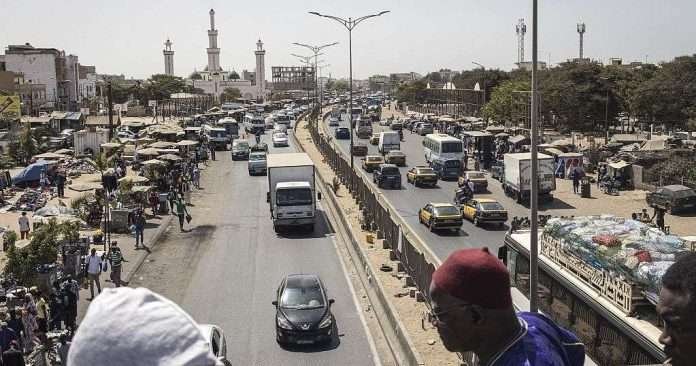
    However, with the deployment of troops to restore order and the easing of tension between the government and the opposition, life is slowly returning to normal in Senegal. Shops and markets are reopening, and traffic is flowing smoothly on the streets of Dakar.

    According to an anonymous resident in Dakar, “We are relieved that things are gradually returning to normal. We can now go back to work and resume our daily activities without fear of violence or disruptions.”

    The deployment of troops to restore order in the country has also contributed to the return of normalcy. The quick intervention of the military has helped to quell the violence and restore peace in the country.

    Senegal’s Interior Minister, Antoine Felix Diome, had earlier announced that the government would do everything possible to restore law and order, including the deployment of troops and the enforcement of a curfew.

    “We will not allow anyone to use violence to undermine the peace and stability of our country. We will take all necessary measures to ensure the safety and security of our citizens,” he said.

    Moreover, the easing of tension between the government and the opposition has also contributed to the return of normalcy in the country. The opposition had earlier accused the government of using the rape charges against Ousmane Sonko to silence dissent and undermine the opposition.

    However, with the intervention of religious leaders and the diplomatic community, the opposition and the government have entered into dialogue, seeking a peaceful resolution to the crisis.

    According to a political analyst in Dakar, “The crisis has highlighted the need for dialogue and the importance of finding peaceful solutions to political conflicts. The government and the opposition need to work together to address the root causes of the crisis and restore democracy in the country.”

    In conclusion, the return of normalcy in Senegal is a welcome development, and it is hoped that the government and the opposition will work together to address the root causes of the crisis and restore democracy in the country. While the deployment of troops and the easing of tension have contributed to the return of normalcy, there is still a need for sustained efforts towards peace and stability in the country.

    South Africa: Groundbreaking Discovery of Non-Human Species that Used Symbols to Mark Tombs of the Dead

    0
    Read Time:2 Minute, 15 Second

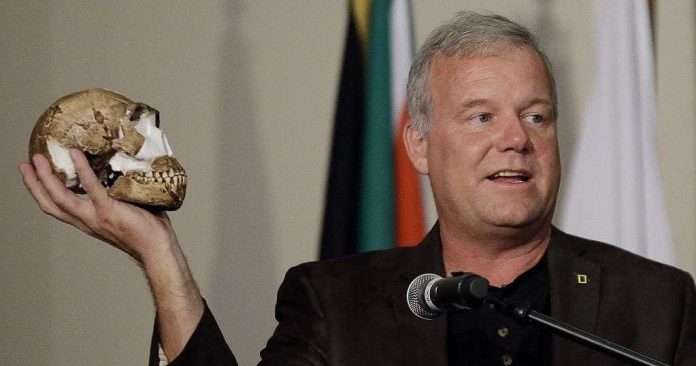
    Pretoria, South Africa – (African Boulevard News) – In what is being hailed as a groundbreaking discovery in the scientific community, South African paleontologist, Lee Berger, has announced the unearthing of an entirely new species that has been extinct for thousands of years. The species, which he has named Homo symbolensis, used symbols to mark their tombs.

    Berger, who is renowned for discovering the Homo naledi species in 2013, made the announcement at a press conference in Pretoria yesterday, stating that this latest discovery could potentially revolutionize the way we look at our own evolution as a species.

    “Homo symbolensis is a gamechanger,” Berger said. “This is a species that had the ability to communicate through symbols, something we previously thought only modern humans could do. It opens up a whole new world of possibilities for research into our own past and how we evolved to become the species we are today.”

    The discovery was made in a cave complex in the Cradle of Humankind World Heritage site, northwest of Johannesburg, where Berger has been conducting research for several years. The cave complex, known as the Rising Star Cave, has already yielded several important discoveries, including the Homo naledi species, which was also found by Berger and his team.

    Berger explained that the tomb markings found in the cave are similar to those found in ancient Egyptian tombs and indicate a level of sophistication that was previously unknown in extinct species.

    “This is a species that lived around 250,000 years ago, and yet they had the ability to mark their tombs with symbols, indicating a level of cognitive development that was previously unheard of,” Berger said.

    The discovery has already garnered excitement among other scientists in the field, with many calling it a “gamechanger” and a “once-in-a-lifetime discovery.”

    Professor Francisco Estevez, a paleontologist at the University of Cape Town, said, “This discovery is truly remarkable. It will change everything we thought we knew about extinct species and their cognitive abilities. We are only scratching the surface of what we can learn from the Homo symbolensis species.”

    Berger and his team plan to continue their research at the Rising Star cave complex, with the hope of unearthing even more groundbreaking discoveries.

    “This is just the beginning,” he said. “We have only scratched the surface of what this site has to offer, and I have no doubt that there are more exciting discoveries to come.”

    The discovery of Homo symbolensis is a significant breakthrough in paleontology that could potentially change the way we think about our own evolution. With Berger and his team continuing their research, there is no telling what other groundbreaking discoveries lie ahead in the Cradle of Humankind.

    Tunisia: Ons Jabeur, the first Arab woman to reach Quarter-Finals of French Open, makes history!

    0
    Read Time:2 Minute, 12 Second

    Tunis, Tunisia – (African Boulevard News) – The Tunisian tennis star, Ons Jabeur, has reached the quarter-finals of the prestigious French Open. Competing at Roland Garros, Jabeur demonstrated her skills by defeating Bernarda Pera of the United States in a stunning match that saw her advance to the next level of the tournament.

    Jabeur’s impressive performance has made her the first Arab woman to reach the quarter-finals of a Grand Slam. Tunisians and Arab fans all over the world are thrilled with her recent accomplishment. The feat is historic and puts her on the world map for female players.

    Jabeur has been playing tennis since a young age, and her talent was evident from the beginning. She is known for her aggressive style of play and her ability to quickly adapt to any situation in the game. Her fans have been following her closely throughout the tournament, cheering her on and sending her messages of support.

    Jabeur’s success in the tournament is a significant milestone for Tunisia, which has a growing interest in sports. Her victory is also a source of inspiration for other young Arab women who want to excel in sports.

    Jabeur’s recent achievements have not gone unnoticed by industry experts. WTA Championships Director, George Donnelly, praised Jabeur’s talent and perseverance despite the challenges she has faced throughout her career. Donnelly said, “Ons is an inspiration to many people around the world. Her achievements have shown that with hard work and dedication, anything is possible.”

    Jabeur’s success at the French Open is not the first time that she has made history in the world of tennis. In 2020, she became the first Arab woman to reach the quarterfinals of the Australian Open. Her consistent performances in the sport have made her a role model for young aspiring tennis players from Tunisia and the Arab world.

    As she advances to the quarter-finals of the French Open, Jabeur’s fans are eagerly anticipating her next match. The Tunisian tennis star has proven herself to be a fierce competitor and a true inspiration to many. No doubt, her career will continue to grow from strength to strength, and her fans are excited to see what she will achieve next.

    In conclusion, Ons Jabeur has made history once again, reaching the quarter-finals of the French Open, and becoming the first Arab woman to do so. Her talent and determination have inspired many, and her success is a testament to the growing interest in sports in Tunisia and the Arab world. We eagerly anticipate her next match and look forward to seeing her continue to make a difference in the world of tennis.

    Angola: New Cooperation Agreement with Portugal Sparks Hope for Economic Growth and Development in the Region

    0
    Read Time:2 Minute, 1 Second

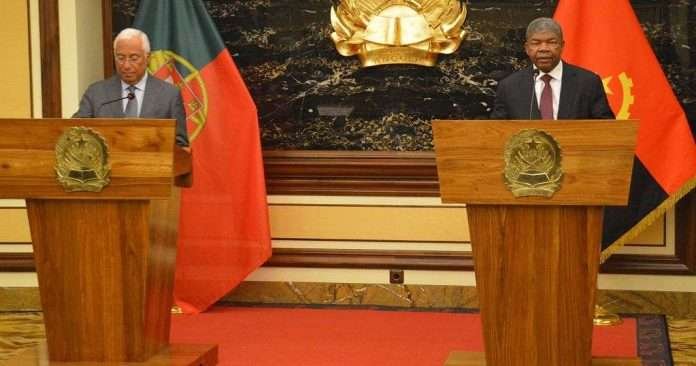
    Luanda, Angola – (African Boulevard News) – Angola and Portugal have signed a new cooperation agreement, marking the start of a new phase in their relationship. The Portuguese President, António Costa, was welcomed to Angola by President João Lourenço on Monday, where they signed the agreement.

    The new agreement will focus on strengthening cooperation in a number of areas, including trade, investment, education, and culture. Speaking after the signing of the agreement, President Lourenço stated that the partnership between Angola and Portugal is a “valuable asset” for both countries.

    “The signing of this agreement represents an important step forward in our relationship with Portugal,” said President Lourenço. “We are committed to working together to strengthen cooperation in a number of areas, including trade, investment, education, and culture. This partnership is a valuable asset for both our countries, and we look forward to working together in the years ahead.”

    The new agreement will also aim to promote the exchange of information and best practices between Angola and Portugal, and to support the development of small and medium-sized enterprises in both countries. It will also provide a framework for cooperation in the areas of science, technology and innovation.

    In addition, the agreement will seek to strengthen ties between the two countries in the field of education, with a focus on promoting academic exchange programs and increasing the mobility of students and researchers.

    “This agreement represents a great opportunity for Angola and Portugal to deepen our cooperation in a number of areas,” said President Costa. “We are committed to working together to promote trade and investment, to support the development of small and medium-sized enterprises, and to enhance our cooperation in the fields of education and culture.”

    The signing of the new agreement was met with enthusiasm by business leaders and industry experts in both Angola and Portugal. According to Paulo Vaz de Carvalho, President of the Portuguese-Angolan Chamber of Commerce, the agreement “opens up new opportunities for cooperation and investment, and will help to strengthen ties between our two countries.”

    The new cooperation agreement between Angola and Portugal is seen as a positive step towards building a stronger relationship between the two countries and promoting economic growth and development in the region. As both countries seek to strengthen their position on the global stage, this agreement is likely to play an important role in facilitating closer ties and cooperation in a number of key areas.

    South Sudan: Over 5,000 Killed or Injured by Landmines and Unexploded Ordinances Since 2004, UNMAS Struggles to Meet 2026 Deadline

    0
    Read Time:1 Minute, 54 Second

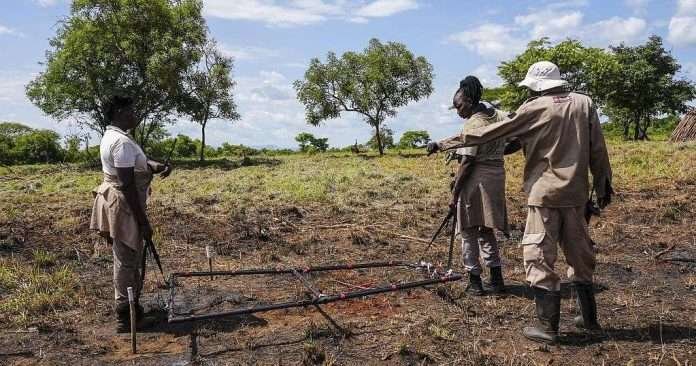
    Juba, South Sudan – (African Boulevard News) – South Sudan is facing a daunting task as it struggles to meet the 2026 deadline for clearing all landmines, says the UN Mine Action Service (UNMAS). According to UNMAS, over 5,000 people have been killed or injured by unexploded ordnances and landmines since 2004.

    This crisis is putting the country’s fragile peace process and economic development at risk. In an interview with African Boulevard News, the Director of UNMAS in South Sudan, Tim Lardner, said, “Mines and explosive devices pose a significant threat to the lives and livelihoods of the people of South Sudan, and much more needs to be done to reduce this threat.”

    The landmines and unexploded ordnance scattered throughout South Sudan have been left over from years of fighting and civil unrest since the country gained independence in 2011. These explosives are found in residential areas, farmland, and infrastructure, making it difficult for citizens to farm their land or children to attend schools safely.

    The process of clearing landmines is long, complex, and costly. One of the biggest challenges is identifying and tracking the location of the mines. “Many mines were laid decades ago, and no accurate records were kept of their location. This makes our task more difficult,” said Lardner.

    Moreover, South Sudan’s political and economic instability has made it hard to secure enough funding for the clearance process. “We need resources, more staff, and better equipment. Our funding is always precarious, and we rely on donations from governments and organizations,” stated Lardner.

    Despite the challenges, the UNMAS has cleared almost two-thirds of the country’s hazardous areas. But with the 2026 deadline fast approaching, the organization is urging all stakeholders to come together to ensure that these explosives are removed. They are seeking continuous funding for the clearance process, as well as awareness campaigns targeting the local communities about the dangers of landmines.

    The situation in South Sudan calls for urgent attention and action from all sides. It is essential to prioritize the clearance of landmines, so that the country can move forward towards a peaceful and prosperous future. As Lardner puts it, “It is crucial to remember that the real victims of this crisis are the people who live with the threat of these explosives every day.”

    Africa: UNICEF Report Unveils Shocking Number of Grave Violations Against Children in 30 Conflict Zones Across the World

    0
    Read Time:2 Minute, 3 Second

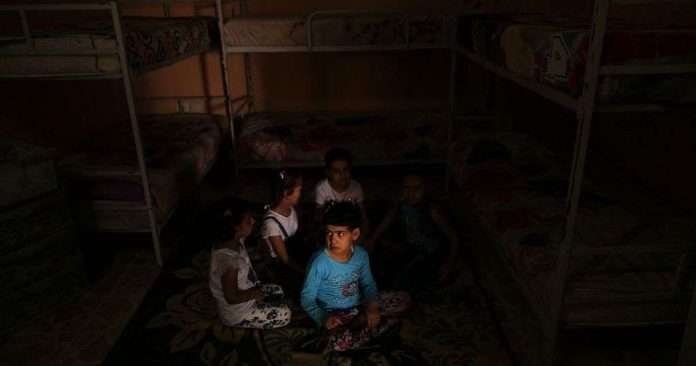
    Diaspora, Africa – (African Boulevard News) – The United Nations Children’s Fund (UNICEF) has released a report detailing the staggering number of grave violations committed against children in 18 years of conflict. The report, which includes data from more than 30 conflict situations across Africa, Asia, the Middle East, and Latin America, has revealed that at least 315,000 grave violations have been committed against children since the turn of the millennium.

    The violations, which include killing, maiming, and sexual violence, have had long-lasting and devastating effects on the children involved. Of the 315,000 verified cases, over half of them were incidents of killing or maiming, while sexual violence accounted for over 20,000 cases. The report highlights the severity of the situation and calls for more action to be taken to protect children from harm during times of conflict.

    The report also highlights some of the most significant conflicts where grave violations against children have been committed. In Syria, for example, over 17,000 children have been killed or maimed since the conflict began in 2011. In Yemen, over 10,000 violations have been verified, while in South Sudan, the number stands at over 15,000. Other countries, including Afghanistan, Iraq, and the Central African Republic, have also seen high levels of violence against children during conflicts.

    “There is never any excuse for committing grave violations against children,” said UNICEF Executive Director Henrietta Fore. “The impact of these violations is truly staggering. They rob children of their childhoods and deny them the opportunity to grow up in a safe and healthy environment. We need to do more to ensure that children are protected from harm during times of conflict.”

    The report has been welcomed by child rights activists across the world, who have called for urgent action to be taken to protect children in conflict zones. “The scale of the problem is truly alarming,” said Jane Muita, the Executive Director of Save the Children Africa. “We need to do more to ensure that children are protected from harm during times of conflict. Governments, international organizations, and civil society all have a role to play in this.”

    The report also calls for greater accountability for those who commit violations against children during times of conflict. “We need to send a clear message that those who harm children will be held responsible for their actions,” said Fore. “Only by doing so can we ensure that children are better protected during times of conflict.”

    Kenya: Increasing Conflict Between Humans and Lions Threatens Livelihoods and Wildlife Survival

    0
    Read Time:2 Minute, 4 Second

    Nairobi, Kenya – (African Boulevard News) – As the human population in Kenya continues to grow, so do conflicts between humans and wildlife. The most recent battle is taking place between humans and lions in Kenya’s national park.

    In recent years, an increasing number of lions have been killed in the national park as humans feel increasingly threatened by them. The lions are preying on livestock, which is the livelihood of the local communities surrounding the park. This, in turn, has led to retaliation by the farmers, as they feel their livelihoods are being threatened by the lions.

    The Kenyan government is attempting to settle the dispute by implementing measures that will protect both the lions and the local communities. One such measure is putting in place a compensation plan for farmers whose livestock has been killed by lions. The government has also increased the number of rangers patrolling the park in an effort to protect the wildlife and prevent any illegal activities.

    The conflict is not just about the lions preying on the livestock; it’s also about land. With an increasing human population comes a demand for land for settlement, agriculture, and other activities, leading to encroachment on the park’s territory. This has resulted in a reduction of the lion’s territory, leading to more encounters between humans and the predators.

    “Creating a balance between human and wildlife needs is a delicate process,” says wildlife expert Dr. John Mumo. “The government must create policies that ensure the protection of both the wildlife and the livelihoods of the local communities. Only then can we achieve a peaceful coexistence between humans and wildlife.”

    The conflict is not unique to Kenya. Many African countries are facing similar challenges as the human population continues to expand, and wildlife habitats are encroached upon. These conflicts have resulted in the killing of many wild animals, which can lead to the extinction of some species.

    “We need to act fast to prevent the extinction of these majestic animals,” says Dr. Mumo. “We must educate the communities on the importance of protecting wildlife, and work with them to find sustainable solutions to the conflicts.”

    In conclusion, the conflict between humans and lions in Kenya’s national park is a complex issue that requires sustainable and long-term solutions. The Kenyan government and wildlife experts must work together to create policies that promote coexistence between humans and wildlife. By doing so, we can ensure that both people and animals can thrive in the world we share.

    Africa: Ivorian Citizens Take a Stand Against Plastic Pollution – Inspiring Change in the Community and Beyond

    0
    Read Time:1 Minute, 55 Second

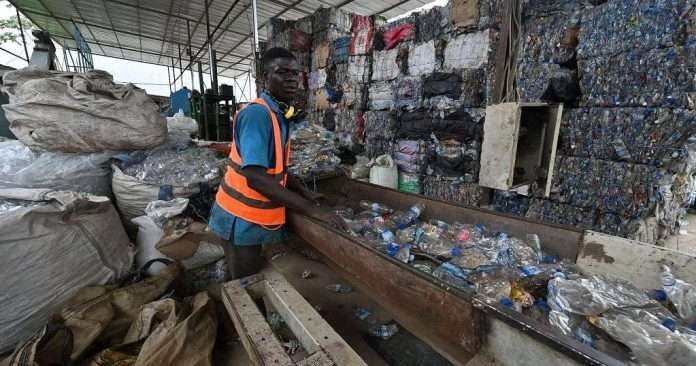
    Diaspora, Africa – (African Boulevard News) – The issue of plastic pollution is a growing concern in Ivory Coast, with waste management and collection being one of the city’s weaknesses, according to UNICEF. However, Ivorian citizens are taking a stand against the plastic scourge.

    Charles Gore Bi, the founder of eco-trading platform Ecoswic, has mobilized Ivorian citizens to fight against plastic pollution. He has encouraged a new generation of youth to pick up plastic waste in the streets and recycle it. Bi attributes this to the fact that no one had ever taken the initiative to create a sustainable recycling program, and the country was not making progress to reduce plastic pollution.

    “We cannot let plastics destroy the planet. It is time for us to take ownership of our environment,” Bi said. “It is our responsibility to keep our streets clean and help reduce plastic pollution.”

    Ecoswic promotes the collection of recyclable materials, including plastic, aluminum cans, and cardboard. They also encourage the use of biodegradable packaging. Bi has also been involved in collaborations with the government, companies, and NGOs to promote behavior change and encourage sustainable practices in the community.

    “Our goal is to create a more sustainable future, and we believe in the power of the community to make that happen,” Bi said.

    The Ivorian government has implemented a plastic bag ban to reduce plastic waste, but more needs to be done. Experts have suggested that a more significant effort from the government and companies to promote recycling and sustainable practices is needed.

    “Plastic pollution is a global crisis that requires both individual and collective action,” said environmentalist and researcher, Janelle Jenkins. “It is inspiring to see Ivorian citizens leading the charge against plastic pollution. Their efforts are a step in the right direction and should serve as an example for the rest of the continent.”

    Citizens are also taking action by creating art installations using recycled plastic waste to raise awareness about plastic pollution. “We want to show people that plastic waste can be transformed into something beautiful,” says artist Maria N’dri.

    The Ivorian fight against plastic pollution is an essential step towards creating a more sustainable future. With the support of citizens and the government, there is hope that Ivory Coast can become a leading example for environmental sustainability in Africa.