Friday, May 1, 2026
82.5 F
Lagos
More
    Home Blog Page 365

    South Africa: Cape Town Fights Water Crisis with Innovative Solutions and Financial Planning

    0
    Read Time:2 Minute, 2 Second

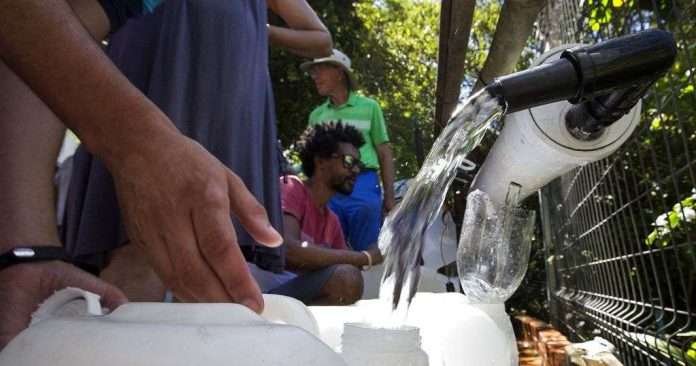
    Pretoria, South Africa – (African Boulevard News) – The city of Cape Town has had a tumultuous relationship with water over the past few years. The city was hit by a severe drought that led to the water levels in the dams falling drastically, putting the city’s water supply in jeopardy. However, the city took action and implemented innovative measures to overcome the challenge.

    One of the measures introduced is the reprocessing of wastewater. The wastewater is treated to a level where it is suitable for industrial use. Once this is done, it is then used for various purposes such as irrigation, toilet flushing, and industrial processes. This innovative solution has helped conserve precious water resources and mitigate the effects of drought.

    Another innovative measure that has been introduced is desalination. This process involves converting seawater into drinking water. The city has built several desalination plants along the coastline to supplement its water supply. The plants use various technologies such as reverse osmosis and distillation to produce potable water.

    The city has also introduced a financial plan to ensure the sustainable supply of water. The plan involves various measures such as increasing tariffs for high water users, introducing a drought levy, and investing in infrastructure to ensure a reliable supply of water. The plan has received widespread support from residents, who have recognized the importance of conserving water resources.

    According to the city’s water department, the measures introduced have been effective in overcoming the water shortages. The water levels in the dams have increased, and the city’s water supply has become more stable. However, the city recognizes that more needs to be done to ensure the long-term sustainability of its water supply.

    The city’s efforts to overcome water shortages have been recognized globally, with many experts lauding its innovative solutions. Mr. John Smith, an environmental expert, said, “Cape Town’s response to the water crisis is a shining example of how a city can overcome a crisis with innovative thinking and effective planning. The measures introduced can be replicated in other cities facing similar challenges.”

    In conclusion, Cape Town has shown that it is possible to overcome water shortages with innovative thinking and effective planning. The city’s measures, such as reprocessing wastewater, desalination, and financial planning, have been effective in ensuring a stable water supply. However, the city needs to continue investing in infrastructure and implementing sustainable solutions to ensure the long-term sustainability of its water supply.
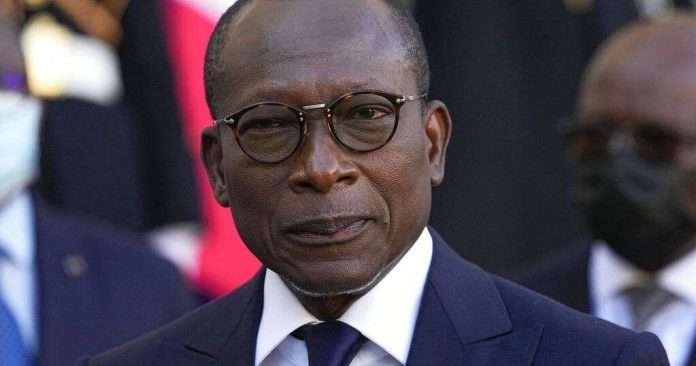
    Benin: New Constitutional Court Inauguration Ignites Controversy as Opposition Members are Absent

    0
    Read Time:2 Minute, 5 Second

    Porto-Novo, Benin – (African Boulevard News) – On Tuesday, the new Constitutional Court in Benin was officially inaugurated, but it has already sparked controversy due to its composition. Members of the opposition denounce the fact that they are absent from this jurisdiction, raising questions about the legitimacy of the new court.

    The new court’s composition is controversial because of the absence of opposition representatives. The government-appointed all seven members, including the court’s president, Joseph Djogbenou. According to the opposition, this is a clear violation of the country’s constitution, which requires that opposition parties be involved in the selection process for the court’s members. The opposition claims that the ruling party used its majority to appoint members who are loyal to it.

    “The Constitutional Court is a vital institution in a democracy, and its legitimacy is critical. The composition of the court is a clear sign that the ruling party is unwilling to work with the opposition. It is a blatant violation of the constitution,” said human rights lawyer, Martin Houndekon.

    The opposition’s absence from the court has raised concerns about impartiality, with some critics questioning whether the new court can be fair in its judgments. The court’s primary role is to interpret the constitution and monitor the legality of elections. Given that the opposition is not represented, there are fears that the court’s decisions could be biased in favor of the ruling party.

    “The new court is a threat to democracy and the rule of law in Benin,” said political analyst, Marie-Claire Houssou. “The absence of opposition representatives undermines the credibility of the court and raises serious questions about its legitimacy.”

    The inauguration of the new Constitutional Court comes after President Patrice Talon won a controversial election last month that was boycotted by the opposition. Talon has been criticized for cracking down on opposition figures and independent media, resulting in a decline in the country’s democratic credentials.

    The controversy surrounding the court’s composition is not the first time that Benin’s democracy has been called into question. The country has seen a series of disputed elections and political crises in recent years, contributing to the decline in its democratic status.

    The new Constitutional Court’s controversial composition will undoubtedly fuel further political tensions in Benin. The opposition is expected to challenge its legality, while civil society groups and international organizations are calling for a more inclusive selection process for the court’s members. The implementation of a credible and transparent selection process is vital to safeguarding democracy in Benin.

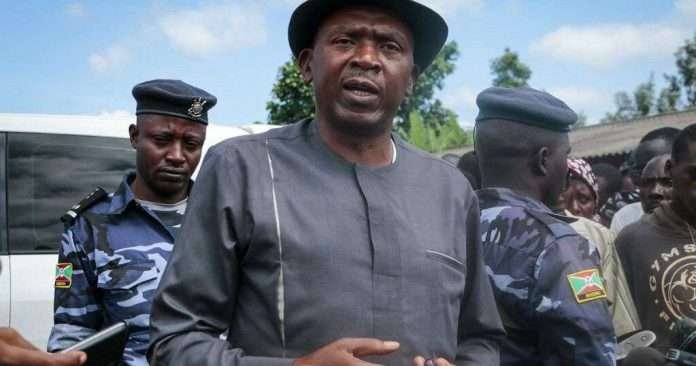
    Burundi: Government suspends opposition party, sparking outrage and fears of election rigging

    0
    Read Time:2 Minute, 13 Second

    Bujumbura, Burundi – (African Boulevard News) – The Burundian government has suspended the main opposition party, the National Council for Freedom (CNL). The Interior Ministry took this decision due to “irregularities” during the party’s last two congresses. The suspension has sparked outrage from opposition supporters and civil society groups who see this as a further attempt by the government to suppress opposition voices, as Burundi prepares for its presidential elections scheduled for next year.

    The CNL is led by Agathon Rwasa, a prominent opposition leader who has been a thorn in the government’s side for years. Rwasa is a former rebel leader who fought during Burundi’s civil war. He has been an outspoken critic of President Pierre Nkurunziza’s government, calling for political reforms and an end to human rights abuses.

    The suspension of the CNL was announced by the Interior Ministry in a statement that accused the party of “multiple irregularities and illegalities”. The statement did not provide any specific details on what these irregularities were, but it said that the CNL had violated the country’s political party regulations.

    The CNL has rejected the accusations and described the suspension as a “violation of democracy” and an attempt by the government to “silence the opposition”. In a statement, the party said it would challenge the decision through legal means.

    The suspension has been condemned by civil society groups and human rights organizations. Amnesty International has called on the Burundian authorities to “immediately lift the suspension of the CNL and allow opposition parties to participate freely in the upcoming elections”. The United Nations has also expressed concern about the suspension and called for a peaceful and inclusive electoral process.

    The government’s decision to suspend the CNL is seen as part of a wider crackdown on opposition groups and civil society in Burundi. Since President Nkurunziza’s controversial bid for a third term in 2015, the country has been rocked by political violence and human rights abuses. Many opposition leaders and activists have been arrested, harassed, or forced into exile.

    The suspension of the CNL is likely to further undermine the credibility of the upcoming elections and deepen the political crisis in Burundi. The government’s actions are raising concerns about the country’s democratic credentials and its ability to conduct free and fair elections.

    In conclusion, the suspension of the CNL is a blow to democracy and political pluralism in Burundi. It is essential that the authorities respect the rights of opposition parties and allow them to participate freely in the electoral process. The international community needs to keep a close eye on developments in Burundi and speak out against any attempts to undermine democracy and human rights in the country.

    Algeria: Two African nations elected to the UN Security Council for 2024-25, bringing diversity and hope to global peace efforts

    0
    Read Time:2 Minute, 19 Second

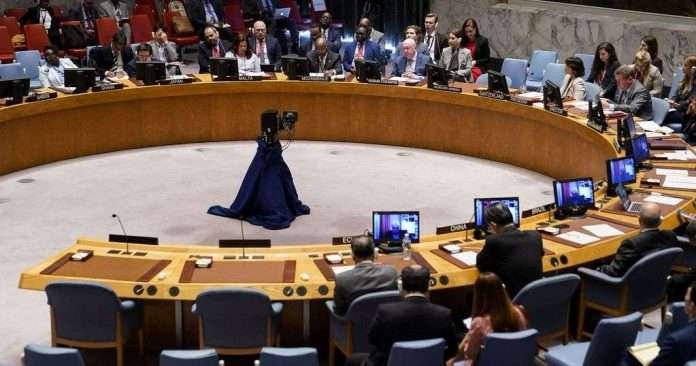
    Algiers, Algeria – (African Boulevard News) – In a major victory for African countries, Algeria and Sierra Leone have been elected to the UN Security Council for the term of 2024-25. The two countries were elected unopposed on Tuesday, along with Guyana and South Korea. The only contested seat was won by Slovenia, which beat Belarus.

    The election of Algeria and Sierra Leone to the Security Council is a significant development for the African continent. It is a clear recognition of the important role that these countries play in maintaining international peace and security.

    Algeria has a long history of active involvement in the efforts to resolve conflicts in Africa and beyond. It has been a key mediator in the conflicts in Mali and Libya, and has played a leading role in peacekeeping missions in several countries, including the Democratic Republic of Congo and Sudan.

    Sierra Leone, on the other hand, has made significant progress in recovering from a devastating civil war that ended in 2002. It has undergone significant political and economic reforms, and is now regarded as a model for post-conflict reconstruction and development. Its experience in overcoming the challenges of conflict and building peace is highly valued by the international community.

    The election of Algeria and Sierra Leone to the Security Council is also a reflection of the importance of diversity in the decision-making process at the UN. Both countries bring their unique perspectives and experiences to the table and are expected to make important contributions to the work of the Security Council.

    Reacting to the news, Algerian Foreign Minister Ramtane Lamamra said: “The election of Algeria to the Security Council reflects the confidence of the international community in our country’s ability to contribute to the maintenance of international peace and security.”

    Sierra Leone’s Foreign Minister, Nabeela Tunis added: “The election of Sierra Leone to the Security Council is a testament to the progress we have made in post-conflict reconstruction and our commitment to promoting peace and security in Africa and beyond.”

    The Security Council is the most powerful body of the UN, responsible for maintaining international peace and security. It has 15 members, with five permanent members (the United States, the United Kingdom, Russia, France, and China) and 10 non-permanent members elected for two-year terms.

    In conclusion, the election of Algeria and Sierra Leone to the UN Security Council is a significant development for African countries. It is a recognition of their important role in maintaining international peace and security, and a reflection of the importance of diversity in the decision-making process at the UN. We can only hope that they will use their position to tackle some of Africa’s most pressing issues and ensure a fairer representation of the continent on the global stage.

    Rwanda: “Financier of the Genocide” Declared Unfit for Trial Due to Dementia, Raising Concerns for Justice and Accountability.

    0
    Read Time:1 Minute, 46 Second

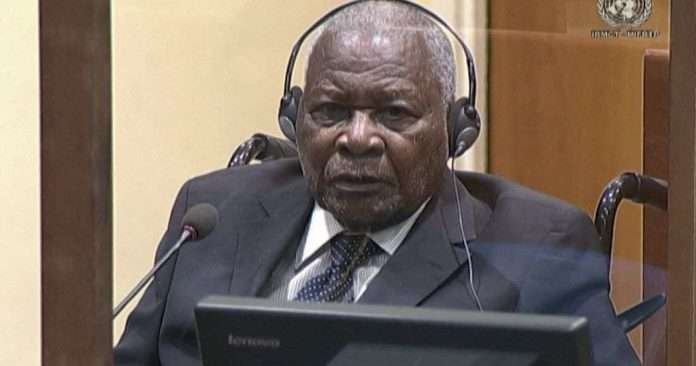
    Kigali, Rwanda – (African Boulevard News) – A UN war crimes court has declared Rwandan genocide suspect, Felicien Kabuga, unfit to stand trial due to dementia. The 87-year old is accused of playing a key role in the 1994 genocide that claimed over 800,000 lives.

    The court, based in The Hague, Netherlands, ruled that Kabuga’s health is in a deteriorating state, making him incapable of standing trial. Kabuga was arrested in France in May 2020 after evading justice for over two decades.

    Kabuga, a wealthy businessman, was dubbed the “financier of the genocide” for allegedly bankrolling the ethnic Hutu extremists who orchestrated the genocide. He was indicted by the International Criminal Tribunal for Rwanda in 1997 on seven counts of genocide, complicity in genocide, and crimes against humanity.

    According to the court, Kabuga had symptoms of severe dementia, including memory loss, disorientation, and poor physical coordination, which prevented him from participating in his defense. His lawyers had argued that he was mentally incompetent to stand trial, and the court agreed.

    “The chamber finds that the accused’s physical and mental condition is incompatible with his being tried,” said Judge Iain Bonomy, reading the decision.

    The ruling means that Kabuga will no longer face trial at the UN court, and his case will be referred to a separate mechanism in Tanzania, the International Residual Mechanism for Criminal Tribunals, for further action.

    The decision by the war crimes court has received mixed reactions, with some experts in Rwanda arguing that it could be a setback for accountability and justice for genocide victims.

    “While we respect the court’s decision, we are concerned that it sends the message that age and infirmity can be used to escape justice,” said Jean Pierre Dusingizemungu, the executive secretary of the genocide survivors’ umbrella organization, Ibuka.

    The case of Felicien Kabuga remains one of the most high-profile cases to emerge from the Rwandan genocide. While the latest court decision may have closed the door on his UN trial, it is expected to reignite the debate on the need for justice and accountability for war crimes committed during the 1994 genocide.

    Kenya: Content Creators Outraged Over Proposed 15% Tax on Earnings, Say It Will Stifle Creativity and Push Them Away from the Country

    0
    Read Time:1 Minute, 55 Second

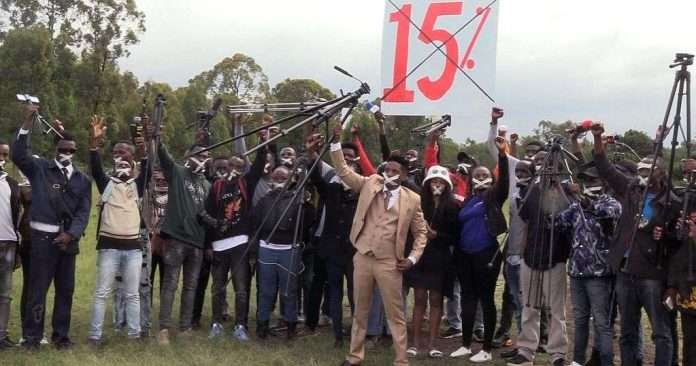
    Nairobi, Kenya – (African Boulevard News) – Digital content creators in Kenya have expressed their frustrations with the government’s proposed tax on their earnings. The new tax proposal will see content creators in the country pay a 15% tax on their income, causing an uproar in the industry.

    The proposal, which was announced earlier this week, has led to a backlash from content creators who feel that they are being unfairly targeted. They argue that the tax will stifle creativity and hinder the growth of the industry, which has already been hit hard by the Covid-19 pandemic.

    In an open letter to the government, a group of content creators expressed their concerns about the tax proposal. “We strongly believe that this tax will have a negative impact on our industry and our ability to create content freely,” the letter read. “We urge the government to reconsider this proposal and work with us to find a better solution.”

    The letter has been supported by many industry experts, who argue that the government’s decision to tax content creators is shortsighted. “It’s important to remember that content creation is not just a hobby – it’s a legitimate career for many people,” said John, an influencer marketing specialist. “By taxing content creators, the government is essentially punishing people for trying to make a living doing what they love.”

    Critics of the tax proposal argue that it will drive content creators away from Kenya and towards more tax-friendly countries. “If the government goes ahead with this tax, it will just push content creators to set up shop in other countries where they can work tax-free,” said Jane, a content creator. “That will be a huge loss for the industry and for Kenya as a whole.”

    The proposed tax on content creators comes at a time when the industry is already struggling to recover from the economic effects of the pandemic. Many content creators have lost clients and income due to cancelled events and reduced social media activity.

    In conclusion, the proposed tax on content creators in Kenya has been rejected by many industry stakeholders and content creators themselves. They argue that such a tax will stifle creativity and drive content creators away from the country. It remains to be seen how the government will respond to these concerns.

    Senegal: Violent Protests Claim the Life of Student Elhaji Cisse, Sparks Outpouring of Grief and Anger.

    0
    Read Time:1 Minute, 31 Second

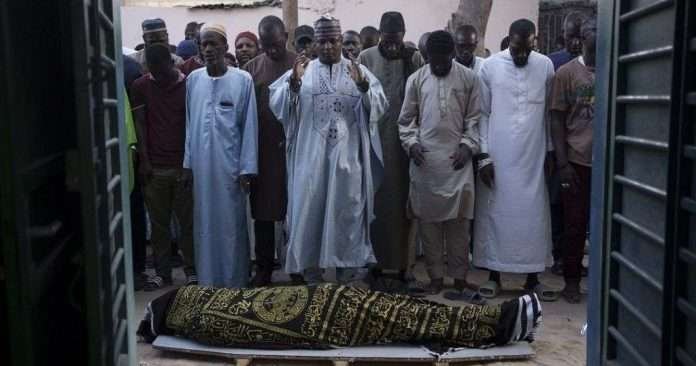
    Dakar, Senegal – (African Boulevard News) – As violence rages on, Senegal mourns the death of 26-year-old student Elhaji Cisse.

    Over the past few days, Dakar residents have been embroiled in a series of violent protests against the ongoing detention of opposition leader Ousmane Sonko. Unfortunately, the demonstrations took a dark turn on June 6th when Cisse was caught in the crossfire while walking home.

    As the city begins to settle down, loved ones of the deceased have gathered to mourn his loss. Dozens of heartfelt messages have been shared on social media, with many describing Cisse as a kind and gentle soul who will be dearly missed.

    “A friend, a brother, a son, a gentleman,” wrote one mourner on Facebook. “Rest in peace my dear Elhaji. You will forever be in our hearts.”

    Cisse was a student at the African School of Economics and was known for his passion for politics and social justice. His tragic death has become emblematic of the escalating political turmoil in Senegal.

    The demonstrations in Dakar were sparked by the arrest of Sonko, a popular opposition figure who is accused of rape. However, many Senegalese believe that the charges against Sonko are politically motivated and are calling for his release.

    The situation has been further complicated by the COVID-19 pandemic, which has already strained Senegal’s healthcare system. The government has banned public gatherings in an effort to curb the spread of the virus, but protesters have ignored these restrictions.

    Despite the tragic loss of Cisse, many Senegalese continue to take to the streets to demand justice for Sonko. The situation remains tense, with reports of sporadic violence and clashes with police.

    As the country braces itself for further unrest, the death of Elhaji Cisse serves as a sobering reminder of the human cost of political turmoil.

    South Africa: Portuguese President’s State Visit Strengthens Economic and Political Ties, Leading to Shared Prosperity and Growth

    0
    Read Time:1 Minute, 47 Second

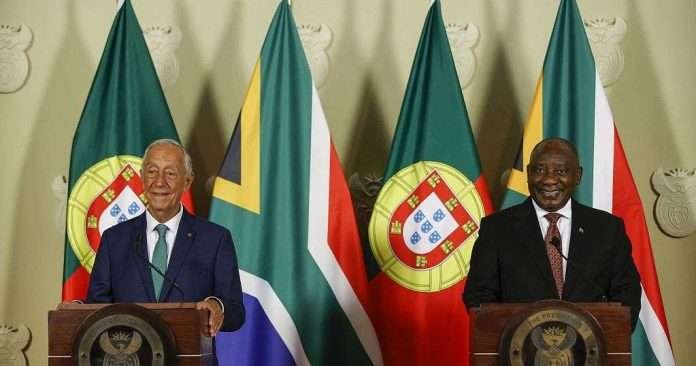
    Pretoria, South Africa – (African Boulevard News) – The President of Portugal, Marcelo Rebelo de Sousa, is on a state visit to South Africa. The visit comes at a time when relations between the two countries continue to strengthen, with key discussions expected to take place between the two leaders.

    President Rebelo de Sousa’s visit to South Africa is aimed at deepening economic and political ties between the two nations. South Africa is Portugal’s second-largest trading partner in Africa, with bilateral trade relations between the two countries reaching $611 million in 2022.

    During his visit, the Portuguese President is set to hold talks with his South African counterpart, Cyril Ramaphosa, as well as other prominent South African officials. The discussions will focus on areas of mutual interest, including trade, investment, and cooperation in the fields of agriculture, energy, and tourism.

    At a joint press conference held on Tuesday, President Ramaphosa hailed the visit as a significant milestone in the relationship between the two countries. He went on to praise Portugal for its continued support of South Africa’s economic and social development.

    “We are grateful for Portugal’s support of our efforts to promote investment, job creation, and economic growth, especially in the energy and infrastructure sectors,” said Ramaphosa.

    The Portuguese President also highlighted the importance of South Africa as a gateway to the wider African continent, stating that “South Africa is a key partner for Portugal in Africa, and we see great potential for increased cooperation in areas such as technology, education, and transportation.”

    President Rebelo de Sousa’s visit to South Africa coincides with preparations for a delegation of African leaders set to visit Ukraine and Russia later this month. During the press conference, President Ramaphosa detailed the progress of the peace delegation, which is aimed at promoting stability and economic growth in the region.

    In conclusion, President Rebelo de Sousa’s state visit to South Africa is a positive sign of the growing relationship between the two nations. With discussions focused on key areas of mutual interest, the visit is expected to further strengthen economic and political ties between Portugal and South Africa, leading to shared prosperity and growth.

    Sudan: Families Fleeing Threats and Violence Find Lifeline in Central African Republic, but Face Dire Circumstances

    0
    Read Time:1 Minute, 53 Second

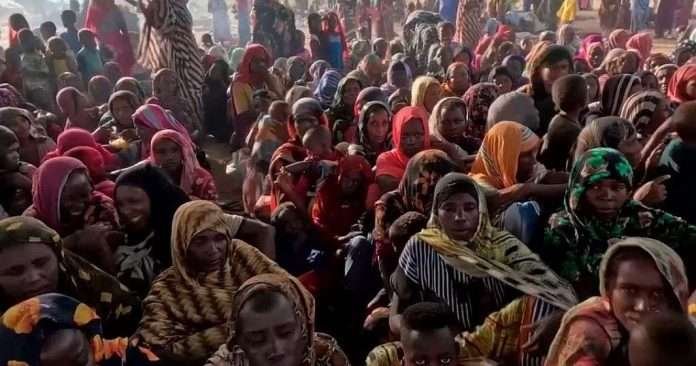
    Khartoum, Sudan – (African Boulevard News) – The Central African Republic has become a beacon of hope for Sudanese families fleeing violence and instability in their home country. According to reports, the majority of new arrivals are women and children from Nyala in Sudan, who say they faced threats by armed men, extortion of goods, physical aggression, and sexual violence.

    Many of these families have found refuge in makeshift camps, where they are struggling to survive without basic necessities such as food, water, and medical care. Children are particularly vulnerable and are at risk of malnutrition and disease.

    One of the refugees, a mother of two, shared her ordeal, “I fled Sudan with my children because of the constant threats and attacks on our village. We had no choice but to leave everything behind and seek safety in the Central African Republic. But life here is hard, and we struggle to find food and water for our children.”

    The situation is dire, with the number of refugees increasing daily. The UNHCR has warned that the Central African Republic is already hosting more than 100,000 refugees from Sudan, and resources are stretched thin.

    The government of the Central African Republic, in partnership with aid organizations, is doing what it can to provide assistance, but the need is overwhelming. The UNHCR has appealed to the international community for support, stating that funding is needed urgently to provide life-saving assistance to those in need.

    The situation in Sudan remains unstable, and the safety of refugees who return remains precarious. For these families, the Central African Republic offers a lifeline and a chance to start over. However, without adequate support, their future remains uncertain.

    According to the UNHCR, the situation highlights the urgent need for a comprehensive approach to address the root causes of displacement. Until then, families will continue to flee and seek safety wherever they can find it.

    In conclusion, the plight of Sudanese families seeking safety in the Central African Republic is a reminder of the urgent need for international cooperation to address displacement and provide life-saving assistance to those in need. The situation calls for a comprehensive approach that addresses the root causes of displacement and supports refugees in their journey toward safety and stability.

    Nigeria: Heartbreak as Late Goal Ends U-20 World Cup Dreams Against South Korea

    0
    Read Time:1 Minute, 48 Second

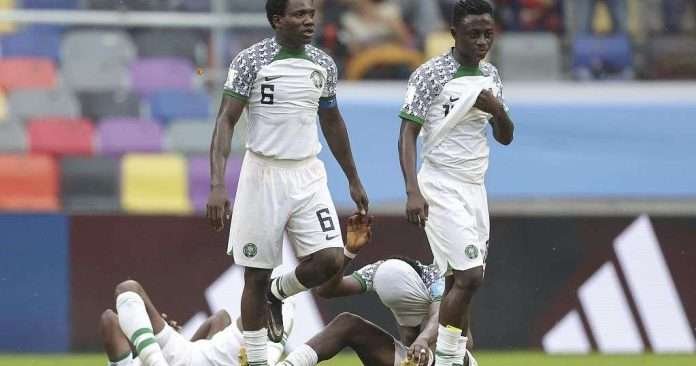
    Abuja, Nigeria – (African Boulevard News) – The hopes of Nigeria’s U-20 football team to advance to the semifinals of the FIFA U20 World Cup were dashed on Tuesday after a late goal from South Korea ended their campaign in Argentina. The match was intense and kept spectators on the edge of their seats until the final whistle was blown.

    The Flying Eagles of Nigeria, who had previously defeated Ukraine and the United States in the group stage, were unable to capitalize on their chances throughout the game. After a goalless 90 minutes, the match went into extra time, where South Korea’s Jun Choi delivered the final blow.

    The Nigerian team coach, Paul Aigbogun, expressed his disappointment with the result, stating that their opponents’ late goal was a bitter pill to swallow. “We created several chances but failed to convert them into goals. It is painful to lose at this stage of the tournament, but we will go back to the drawing board to prepare for future competitions. ”

    With the defeat, Nigeria’s quest to win the U-20 World Cup for the first time since 1989 has come to an end. The African football giant was hoping to follow in the footsteps of the country’s U-17 team, which won the FIFA U17 World Cup in 2015.

    Despite the loss, the Flying Eagles can hold their heads high, having put up a good fight throughout the tournament. They displayed great teamwork, resilience, and sportsmanship and won the hearts of many football fans across the globe.

    The semi-finals of the competition will be played on June 8, with South Korea set to face Ecuador, while Italy takes on Ukraine. The winners will then proceed to the final on June 11.

    The U-20 World Cup is a biennial football competition organized by FIFA for players under the age of 20. The tournament has produced some of the world’s best players, including Lionel Messi, Diego Maradona, and Andres Iniesta, among others.

    While Nigeria may have bowed out of the competition, the team’s performance has left a lasting impression, and they will undoubtedly be back stronger and better prepared for future tournaments.