Friday, May 1, 2026
81.7 F
Lagos
More
    Home Blog Page 362

    Senegal: President Macky Sall Under Pressure to Address Ongoing Crisis Ahead of Presidential Election Amid Deadly Violence

    0
    Read Time:1 Minute, 54 Second

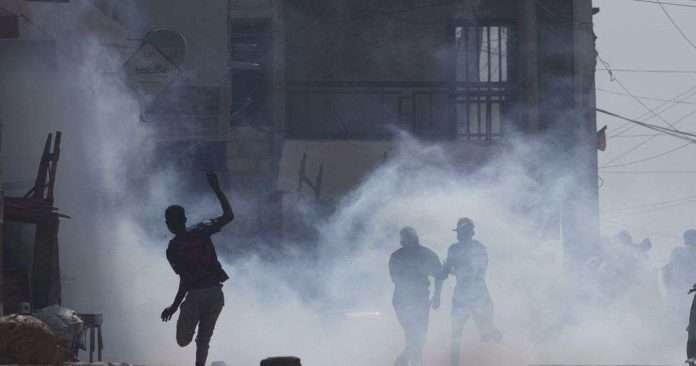
    Dakar, Senegal – (African Boulevard News) – Senegal has been going through a tumultuous period over the past few months. Protests erupted in the capital Dakar and other cities after the arrest of opposition leader Ousmane Sonko in March. The situation escalated quickly and led to violent clashes with the police and the destruction of several public and private properties.

    In the aftermath of the violence, President Macky Sall has decided to delay providing any answers until the end of June. This decision has been met with mixed reactions from both supporters of the president and the opposition.

    According to Senegal’s constitution, Presidential elections must take place every five years. The next election is scheduled for February 2022, and Macky Sall has been under pressure from all sides to provide answers to the ongoing crisis. The delay in his response is seen by some as a strategic move to buy time to appease both sides.

    The situation in Senegal is not unique. Many African nations have been facing political unrest in recent years. The youth unemployment rate in Senegal is over 30 percent, and many feel disillusioned with the political system, which they believe is corrupt and does not benefit the common citizen. The protests in Senegal were not just about the arrest of Sonko, but they were also a reflection of the dissatisfaction and frustration that young people feel towards their government.

    Experts believe that President Sall needs to provide concrete answers to the demands of the protesters, including reforming the political system and addressing the economic challenges facing the country. Failure to do so could lead to further unrest and instability in the country.

    Speaking about the situation, political analyst Mamadou Diouf said, “President Sall needs to take bold steps to address the root causes of the crisis. The delay in his response is understandable, given the complexity of the issues at hand, but he needs to act fast to avoid a further deterioration of the situation.”

    In conclusion, the situation in Senegal remains tense, and the delay in the President’s response has created uncertainty. The government needs to work towards addressing the root causes of the crisis, including reforming the political system and addressing the economic challenges. Failure to do so could lead to further unrest and destabilization in the country.
    Niger: Salt-miners fight for livelihoods amidst troubled economy and changing climate

    0
    Read Time:2 Minute, 12 Second

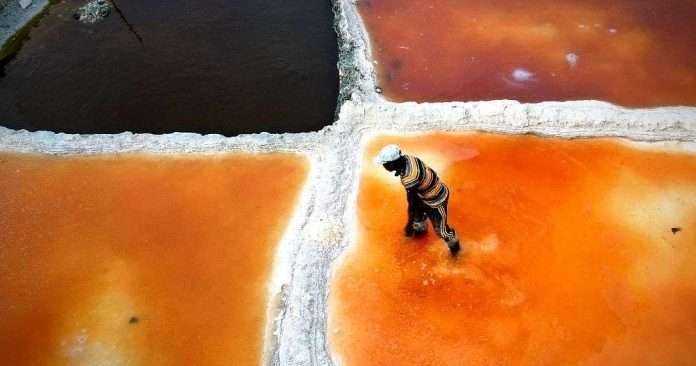
    Niamey, Niger – (African Boulevard News) – The salt pans of Kalalam in the north-eastern region of Niger were once an essential stage of the caravan routes, but the once-flourishing trade now seeks to survive in a troubled regional economy. Sahara salt-miners in Niger are searching for a better future amidst the harsh and challenging circumstances they encounter daily.

    A group of salt miners, who belong to a community called the Tuaregs, has been working in the region for decades. They scrape the surface of the pans, collect the salt, and carry it in their trucks to nearby towns to sell. However, a changing climate, the decline of caravan trade, and the rise of cheaper production methods are forcing the miners to search for new ways to maintain their livelihoods.

    The salt-mining community is finding it difficult to keep up with the current economic conditions of the region. The local economy has been in a slump for years, and the situation has worsened due to the Coronavirus pandemic. This situation has forced many miners to leave the region in search of other jobs.

    Despite the challenges, some salt miners are optimistic and are determined to keep their trade alive. They are looking for ways to improve their production methods and exploring ways to generate more revenue. The use of technology is one of the options they are exploring. With the help of solar-powered pumps, the miners can extract saltwater without spending a lot of money on fuel.

    Tahirou Abdoulaye, a representative of a local NGO, said, “The use of technology in salt production is a step in the right direction for the miners. It will help them to save money on production and boost their revenue. It is a smart move for the miners to explore new ways that would benefit them.”

    The salt-mining community in Kalalam is rooted in a rich history that dates back centuries. The Tuareg people have developed a unique culture and way of life that revolves around salt mining. It is an essential component of their cultural identity and heritage. The community is struggling to keep their traditions alive amidst the challenges they are facing.

    In conclusion, Sahara salt miners in Niger are facing tough times, but their determination to survive gives hope that they will find a way out of their struggles. The use of technology and exploring new ways of improving their production methods are positive steps towards ensuring the sustainability of the salt mining trade in Niger. The government of Niger must also play a significant role in supporting the miners and creating an enabling environment for them to thrive.

    Uganda: President Museveni Forced to Take Leave after Testing Positive for Covid-19, Raising Concerns over Country’s Political and Economic Stability

    0
    Read Time:1 Minute, 50 Second

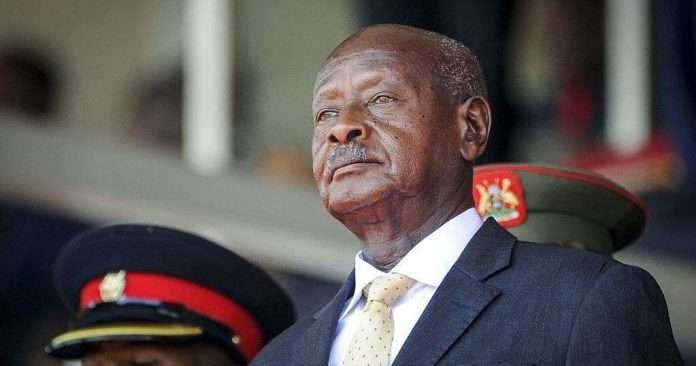
    Kampala, Uganda – (African Boulevard News) – The Ugandan President, Yoweri Museveni, has been forced to take leave after testing positive for Covid-19. The announcement was made in a statement released by the presidency early yesterday. The news has caused concern among Ugandans, with many questioning the impact this will have on the country’s political and economic landscape.

    According to the statement released by the presidency, Museveni had been experiencing mild flu-like symptoms. After undergoing a Covid-19 test, the results came back positive. The President has since been placed under medical supervision and is expected to recover soon.

    Many Ugandans are worried about what this means for the country’s leadership during a time of crisis. Museveni is a deeply entrenched figure in Ugandan politics, having been in power since 1986. His absence from the public eye is sure to have an impact on the country’s economic and political stability.

    While the country’s Prime Minister, Ruhakana Rugunda, will act as head of state in the President’s absence, many are concerned about the stability and continuity of the government’s policies. Uganda is currently facing a surge in Covid-19 cases, and the country’s healthcare system is already under considerable strain.

    The President’s absence will also raise questions about the upcoming presidential election, which is scheduled for early next year. Museveni has already indicated that he intends to run for re-election, and his absence from the public eye may impact the campaign.

    The news of the President’s illness has led to an outpouring of sympathy and concern from around the region. Many leaders and citizens have taken to social media to express their support and well-wishes.

    Uganda is not alone in facing political uncertainty in the face of the Covid-19 pandemic. Countries around the world are grappling with similar issues, as leaders fall ill and populations struggle to cope with the impact of the disease.

    As the world continues to navigate this unprecedented crisis, the health and stability of our leaders has never been more important. The people of Uganda can only hope that President Museveni makes a swift and full recovery, and that his absence does not cause undue disruption in these already challenging times.

    Sudan declares UN envoy “persona non grata” over war allegations: UN’s capacity to support Sudanese people in jeopardy

    0
    Read Time:1 Minute, 57 Second

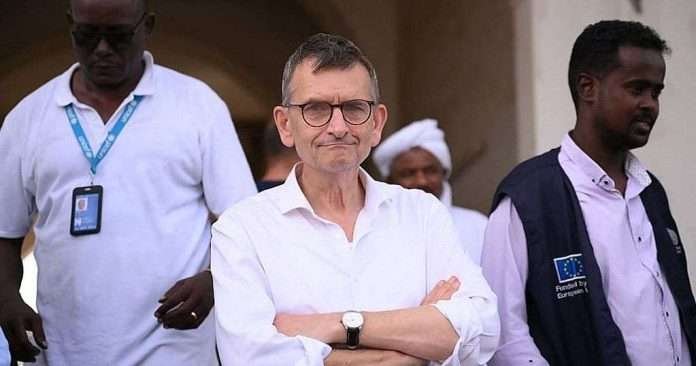
    Khartoum, Sudan – (African Boulevard News) – Sudan has declared the UN envoy Volker Perthes “persona non grata” over allegations of meddling in the country’s internal affairs.

    The head of the Sudanese army, General Abdel Fattah al-Burhane, accused Perthes of being responsible for the war that broke out on April 15 between his troops and the paramilitary Rapid Support Forces.

    In a press conference in Khartoum, the general said Perthes had been “biased” towards the opposition forces and had worked to weaken the government.

    “Volker Perthes has been interfering in our internal affairs to the extent that he was giving orders to the opposition forces, which is unacceptable,” he added.

    Perthes, a German diplomat who has been serving as the UN Secretary-General’s special representative for Sudan and head of the UN Integrated Transition Assistance Mission in Sudan (UNITAMS), has been in his post since December 2020.

    The decision to declare Perthes “persona non grata” comes after weeks of tensions between the Sudanese government and the UN over the country’s political crisis.

    UN Secretary-General Antonio Guterres expressed regret over the Sudanese government’s decision, calling Perthes “a valuable colleague who has worked tirelessly to support the peace process in Sudan.”

    The move has also been condemned by the United States and European Union, which have called for the Sudanese government to reconsider its decision.

    “The UN plays a critical role in supporting peace and stability in Sudan, and we urge the government of Sudan to continue its constructive engagement with the UN,” said a US State Department representative.

    Meanwhile, the EU’s high representative for foreign affairs, Josep Borrell, said that the EU “deplores this decision, which negatively affects the UN’s capacity to support the Sudanese people.”

    This move by Sudan adds to the growing concerns over the country’s stability and future. The political crisis in Sudan has been ongoing since the overthrow of longtime dictator Omar al-Bashir in 2019, and violence has escalated in recent months.

    The UN’s presence in Sudan has been crucial in trying to bring peace and stability to the country, and the decision to declare Perthes “persona non grata” is a significant blow to those efforts.

    As Sudan continues to navigate its political crisis, it is clear that the international community’s support and engagement will be critical in finding a peaceful and stable solution for the country’s future.

    South Africa: President admits failure in preventing cholera outbreak that ravaged the country, killing at least 29

    0
    Read Time:2 Minute, 10 Second

    Pretoria, South Africa – (African Boulevard News) – The South African president, Cyril Ramaphosa, has made a startling admission of failure in the prevention of the latest cholera outbreak that has ravaged the country, killing at least 29 people. His statement comes amidst mounting criticism of the government’s handling of the crisis.

    Ramaphosa’s admittance of failure came during a visit to the affected areas. “We tried to prevent this outbreak, but we have failed,” he said. “We have not done enough to provide clean water and proper sanitation for our citizens, and we must take responsibility for that.”

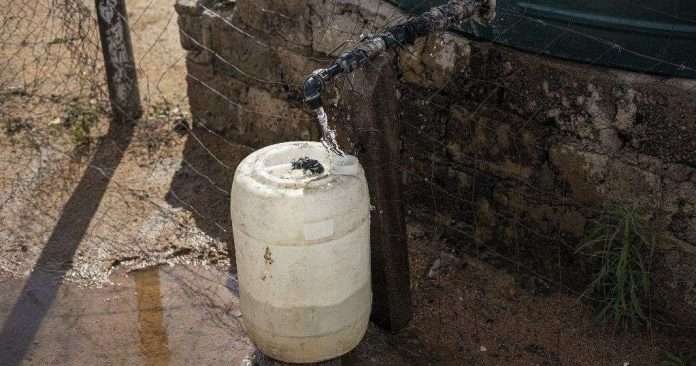
    The latest outbreak, which started in the province of KwaZulu-Natal, has spread rapidly to other regions of the country. The lack of clean water and proper sanitation facilities has exacerbated the situation, leading to the spread of the disease.

    The World Health Organization (WHO) has warned that unless urgent action is taken, the outbreak is likely to continue to spread. “This outbreak is a wake-up call for South Africa and the rest of the world. Cholera is a preventable and treatable disease, and there is no excuse for it to continue to spread in this day and age,” said Dr. Matshidiso Moeti, the WHO Regional Director for Africa.

    The South African government has come under heavy criticism for its handling of the outbreak. The opposition party, the Democratic Alliance, has called for an independent commission of inquiry to investigate the government’s response to the crisis.

    The government has responded by launching an emergency program to contain the outbreak. The program includes the distribution of clean water, the provision of temporary sanitation facilities, and the deployment of medical staff to affected areas.

    However, critics have pointed out that the government’s response has been slow and inadequate. “The government’s response has been too little, too late,” said Dr. Nokukhanya Mncube, an epidemiologist at the University of KwaZulu-Natal. “The lack of clean water and proper sanitation facilities has been a problem in South Africa for many years, and the government has failed to address it.”

    The outbreak has highlighted the importance of clean water and proper sanitation facilities in preventing the spread of diseases like cholera. It is a reminder that these basic necessities are still out of reach for many people, not only in South Africa but also in other parts of the world.

    In conclusion, the admission of failure by President Ramaphosa is a step in the right direction towards addressing the crisis. However, more needs to be done to prevent future outbreaks and ensure that every citizen has access to clean water and proper sanitation facilities.

    Africa: Nathaniel Mary Quinn’s Emotional “Forging Years” Exhibition Captivates Art Lovers in Paris

    0
    Read Time:2 Minute, 3 Second

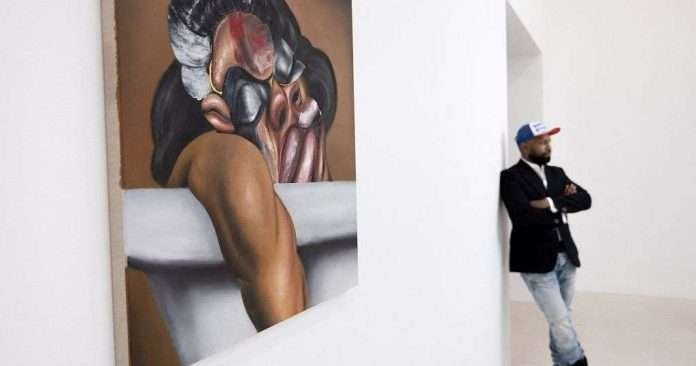
    Diaspora, Africa – (African Boulevard News) – American artist Nathaniel Mary Quinn’s “Forging Years” exhibition is currently on display in Paris, captivating art enthusiasts from around the world. Quinn’s artwork is known for its ability to evoke a wide range of emotions, while also reflecting on personal experiences and cultural identity.

    Quinn’s love for art began when he was just a child, “I began drawing as a child at around the age of three or four years old and ever since, it has been an obsession and for me, it is all that I’ve ever wanted to do. So from then on, throughout the…”

    The “Forging Years” exhibition features Quinn’s latest pieces, which are a reflection of his personal journey and trials as a young artist. The exhibit showcases eight large-scale works that include collages of cut-out images of faces and bodies, which are then manipulated and assembled in a way that creates an emotional and thought-provoking effect.

    One of the prominent pieces in the exhibition is titled “The Brothers,” which is a tribute to the bond between Quinn and his brother, who was killed at a young age. The piece is made up of various images of different people’s faces, all coming together to form a single portrait of the artist’s brother. It is a powerful ode to the complexities of memory, emotions, and identity.

    Quinn’s work has been described by critics as an exploration of the human psyche, race, and the complexities of personal identity. The art world has also been impressed by Quinn’s unique artistic technique, which uses both traditional and unconventional methods to create his masterpieces.

    “I use a combination of oil paint, charcoal, paint stick, gouache, pastel, and ink to create the images. The process is intensive, but it allows me to create layers upon layers of images to create the final product,” says Quinn.

    The exhibition is open to the public at the Almine Rech Gallery in Paris until the end of the month. Visitors have been wowed by Quinn’s ability to create a deep emotional connection through his work.

    “I was blown away by the intensity of emotion that Nathaniel’s work evokes. It is truly breathtaking,” says a visitor to the exhibition.

    Quinn’s “Forging Years” exhibition is a testament to the power of art as a tool for self-expression and reflection. Through his work, Quinn has created a space for dialogue around complex issues of race, identity, and the human experience.

    Gabon: New hope for fair and representative elections as registration deadline extended

    0
    Read Time:1 Minute, 45 Second

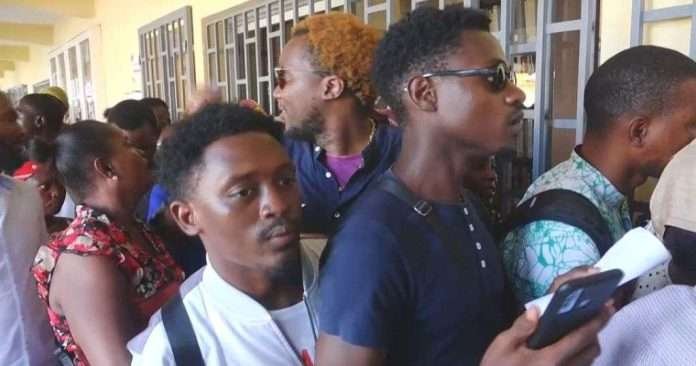
    Libreville, Gabon – (African Boulevard News) – Gabon’s voters are lining up to register on the electoral lists after the government extended the deadline for registration. Presidential and parliamentary elections are scheduled to take place between the end of August and the beginning of September, although no official date has been announced yet. The move to extend the registration deadline has been widely welcomed, with many hoping it will encourage a higher turnout.

    According to the country’s Ministry of the Interior, the registration deadline has been extended by two weeks to allow more people to register. The ministry has also increased the number of registration centers and extended their opening hours to ensure that everyone who wants to register can do so.

    The extension of the registration deadline has been met with enthusiasm by both voters and political parties. Many people who had been unable to register before the deadline were pleased to have another chance to do so, while political parties hope the extension will lead to a higher voter turnout and a more representative election.

    “This extension is a good thing for democracy,” says Léandre Nzengue, a political analyst. “It means that more people will have the opportunity to participate in the election, which will lead to a more representative outcome.”

    The decision to extend the registration deadline comes amid concerns about the fairness of the election. Opposition parties have accused the government of limiting their ability to campaign, while some voters have complained about the difficulty of registering.

    Despite these concerns, the government has insisted that the election will be fair and transparent, and has promised to work with all parties to ensure a peaceful outcome.

    “The government is committed to holding a free and fair election,” says Interior Minister Lambert Noël Matha. “We will work with all parties to ensure that everyone has an equal opportunity to participate.”

    With the registration deadline now extended, voters have a new opportunity to have their voice heard in Gabon’s upcoming elections. And with the promise of a fair and transparent process, many are hopeful that their vote will make a difference.

    Ivory Coast: Former President Gbagbo Appeals to Have His Name on Electoral Roll Despite Political Motivations

    0
    Read Time:1 Minute, 45 Second

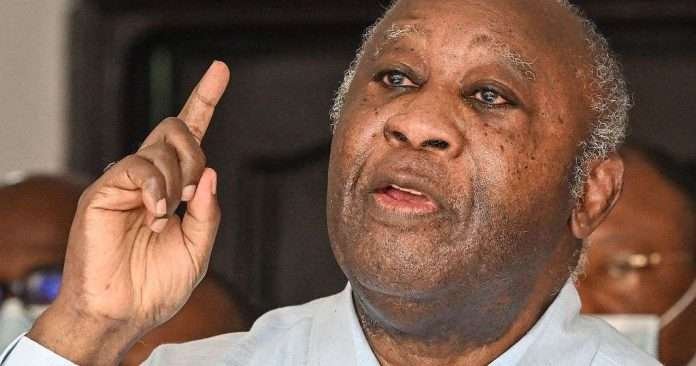
    Yamoussoukro, Ivory Coast – (African Boulevard News) – Former Ivory Coast President Laurent Gbagbo has filed an appeal to have his name reinstated on the country’s electoral roll ahead of the upcoming presidential elections.

    Gbagbo, who was ousted during the country’s post-electoral crisis in 2010, was barred from running in the 2015 elections, as his name was not on the electoral register. He has now filed an appeal, hoping to have his name included in the current electoral roll for the October 31, 2023 presidential elections.

    According to Gbagbo’s lawyers, the former president’s application to have his name included in the electoral roll was rejected by the Independent Electoral Commission (IEC), despite fulfilling all the necessary requirements.

    “I was taken to the ICC with tons of accusations: crimes against humanity, war crimes, rape. but I was there. So I defended myself and I won, I was acquitted. Here they’re hiding in secret and they’re…”, Gbagbo stated, expressing his concern about the situation.

    Gbagbo’s supporters have accused the IEC of deliberately removing his name from the electoral roll, claiming the move is politically motivated.

    “The decision to exclude Gbagbo from the electoral roll is a violation of his civil rights and the constitution of Ivory Coast,” commented a local human rights activist.

    However, some have argued that Gbagbo’s appeal to have his name added to the electoral roll is simply a ploy to cause unrest in the country.

    “The former president’s return to politics could create further division in Ivory Coast. It is important that all candidates are treated fairly, and that the election process is transparent and credible,” commented an analyst.

    The electoral commission has yet to respond to Gbagbo’s appeal, and it remains unclear whether the former president’s name will be included on the register for the upcoming presidential elections.

    In conclusion, the inclusion or exclusion of Gbagbo’s name on the electoral roll for the October 31, 2023 presidential elections may have significant implications on the country’s political landscape. The electoral commission must ensure a fair and transparent process is in place to determine who will run in the elections.

    Africa: Legendary Rapper Tupac Shakur Honored with Posthumous Star on Hollywood Walk of Fame

    0
    Read Time:1 Minute, 52 Second

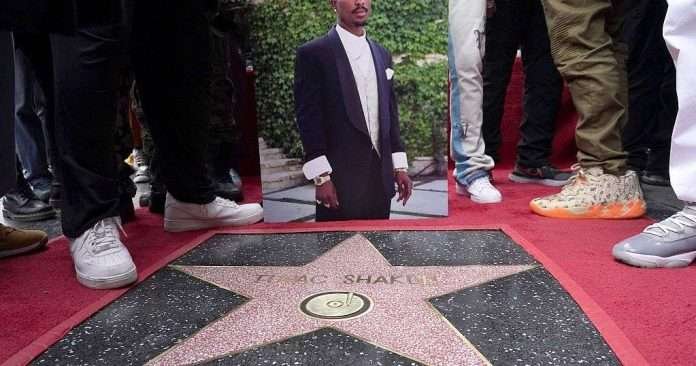
    Diaspora, Africa – (African Boulevard News) – Tupac Shakur, the legendary rapper and actor, has been posthumously honored with a star on the Hollywood Walk of Fame. Shakur was given the 2,758th star on the Walk of Fame, a recognition of his cultural and artistic contributions to the entertainment industry.

    Shakur, born on June 16, 1971, continues to be one of the most influential artists in hip-hop history. His life was cut short in 1996 when he was shot and killed in Las Vegas at the age of 25. Although his death was a tragedy, his music and legacy continue to thrive. The late rapper’s music still resonates with many, and his message of social justice and equality continues to inspire others.

    The Hollywood Chamber of Commerce, which oversees the Walk of Fame, honored Shakur’s accomplishments with the posthumous star. In a statement, the Chamber noted that Shakur’s “lyrics, music, and poetry touched millions of people around the world, and we are honored to immortalize his legacy on the Hollywood Walk of Fame.”

    This recognition comes at a time when the entertainment industry is being held accountable for its lack of diversity. Shakur was an important figure in bringing hip-hop and the African American experience to mainstream audiences, and his star serves as a reminder of the importance of acknowledging and celebrating cultural diversity.

    Shakur’s star on the Walk of Fame is a sign that his legacy will continue to be remembered for generations to come. His impact on the entertainment industry and the world as a whole is immeasurable, and this honor will serve as a reminder of his contributions.

    “Shakur’s star is a testament to his talent and his influence,” said entertainment journalist Yemi Johnson. “He was a visionary and a voice for the underrepresented. This recognition is long overdue, and it is a reminder of the impact that he had on the world.”

    In conclusion, Tupac Shakur’s legacy continues to live on, and his star on the Hollywood Walk of Fame is a fitting tribute to his contributions to the world of entertainment. As we continue to strive for greater diversity and inclusivity in the industry, it is important to remember the pioneers who paved the way for future generations.

    Morocco: Protests Erupt as Israeli Parliamentary Head Visits and Signs Deals Aimed at Strengthening Ties

    0
    Read Time:1 Minute, 48 Second

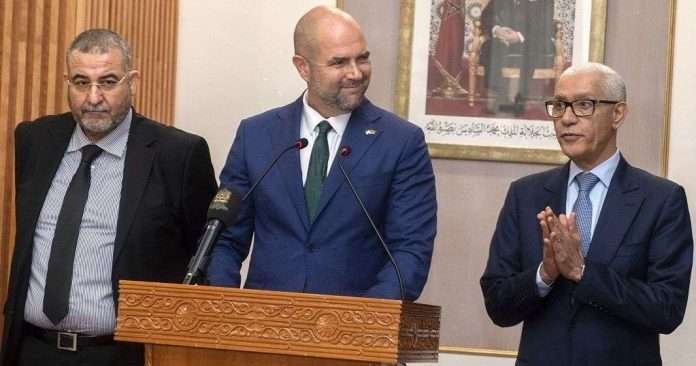
    Rabat, Morocco – (African Boulevard News) – Israel and Morocco have signed parliamentary deals aimed at strengthening cooperation between the two countries. The agreements were signed during the first visit of an Israeli parliamentary head, Knesset Speaker Amir Ohana, to Morocco.

    The visit, however, was not well received by all Moroccans. Demonstrators gathered outside the Moroccan parliament in Rabat to protest against the visit. The protest was organized by a coalition of Moroccan political parties, trade unions, and civil society groups who were against the normalization of ties between Morocco and Israel.

    The deals were signed between the Israel-Morocco Friendship Group and the Moroccan-Israeli Parliamentary Friendship Committee. The agreements aim to enhance cooperation between the two parliaments and explore ways to promote economic, cultural, and social ties between Israel and Morocco.

    Speaking about the deals, Ohana said, “We are here to build bridges of cooperation between our two parliaments and our two peoples. Our goal is to deepen our friendship and to strengthen our shared values of democracy, human rights, and the rule of law.”

    Moroccan MP Abdellatif Ouahbi, who heads the parliamentary committee that signed the deals, said, “This visit is a step towards strengthening the relationship between our two countries. We hope that it will lead to increased cooperation in various fields, including trade, investment, and tourism.”

    The signing of the parliamentary deals comes after the normalization of ties between Israel and Morocco in December 2020. The move was part of a series of agreements between Israel and several Arab countries, including the United Arab Emirates, Bahrain, and Sudan, brokered by the United States.

    The normalization of ties sparked protests in Morocco, with many Moroccans expressing their opposition to the move. However, the Moroccan government defended its decision, saying it would bring economic benefits to the country and help advance the peace process in the Middle East.

    In conclusion, the signing of the parliamentary deals between Israel and Morocco marks another step towards strengthening ties between the two countries. While the visit by the Israeli parliamentary head was met with protests in some quarters, the agreements are expected to promote economic, cultural, and social cooperation between Israel and Morocco.