Friday, May 1, 2026
80.6 F
Lagos
More
    Home Blog Page 358

    Uganda: Anti-Gay Law Causes HIV Clinics to Empty – Health Experts Warn of Disastrous Consequences.

    0
    Read Time:2 Minute, 9 Second

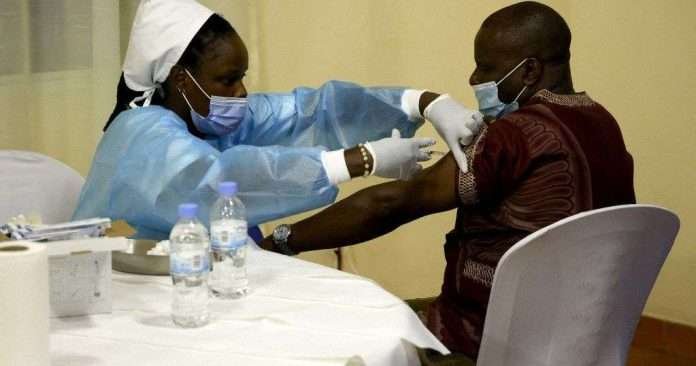
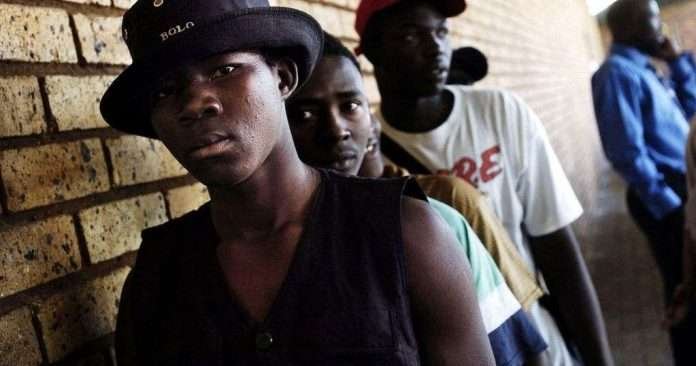
    Kampala, Uganda – (African Boulevard News) – Following the controversial enactment of an anti-gay law by the Ugandan parliament, the city’s bustling HIV/AIDS treatment center is now almost empty. According to staff, the usual daily influx of patients has significantly dwindled, causing concern amongst health experts who fear that the law is having a devastating impact on the country’s efforts to combat HIV/AIDS.

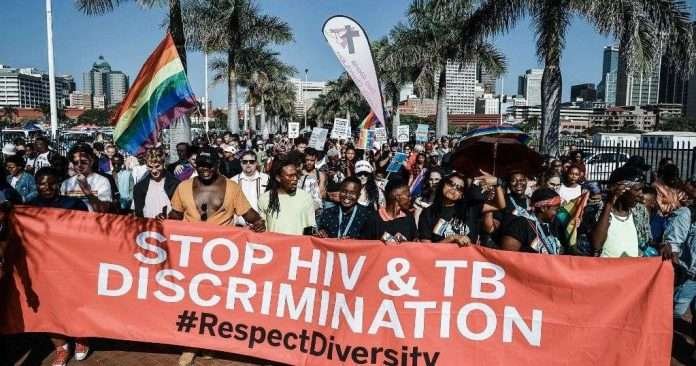
    The law, which was signed by President Yoweri Museveni in May, criminalizes homosexuality and imposes harsh penalties on individuals engaged in homosexual relations. While supporters argue that the law will help protect Ugandan culture and values, opponents argue that it will only serve to fuel discrimination and prejudice against LGBT individuals in the country.

    As Uganda is considered one of the countries most affected by HIV/AIDS, this law could have far-reaching implications. According to the United Nations, an estimated 1.5 million people are living with HIV in Uganda, and the country has one of the highest rates of new HIV infections in the world.

    Health experts warn that the new law will only contribute to the country’s already high HIV infection rate, as it will further marginalize vulnerable groups such as sex workers and LGBT individuals, who are already at an increased risk of contracting the virus. The law could also discourage HIV-positive individuals from seeking treatment, as they may fear discrimination and persecution.

    “In our experience, many LGBT individuals who are HIV-positive choose not to come to the treatment centers for fear of being discriminated against,” says Dr. Grace Natabaalo, a health expert based in Kampala. “This law will only serve to exacerbate this problem, and we are already seeing its effects.”

    The emptying of HIV clinics in Uganda is just one example of the devastating impact that discriminatory laws can have on public health. As global health experts continue to call for greater protections for vulnerable groups, it remains to be seen what the long-term consequences of this law will be for Uganda’s HIV/AIDS epidemic.

    In conclusion, the anti-gay law signed in Uganda has had a detrimental impact on the country’s efforts to combat HIV/AIDS. The emptying of HIV clinics is a clear indication that the law is not only discriminatory but could also have far-reaching public health implications. Health experts warn that the law will only exacerbate already alarming rates of HIV infections in the country and discourage vulnerable groups from seeking treatment. It is crucial, therefore, that governments worldwide prioritize the promotion of public health and the protection of vulnerable communities.

    Uganda: Anti-LGBT Law Leads to Drastic Drop in HIV/AIDS Clinic Visits, Puts Lives at Risk.

    0
    Read Time:1 Minute, 57 Second

    Kampala, Uganda – (African Boulevard News) – The recent passing of a new anti-LGBT law in Uganda has caused a drastic reduction in the number of visitors to HIV/AIDS treatment centers across the country. The law, which was passed by parliament, imposes harsh penalties on individuals and organizations that promote homosexuality, effectively criminalizing homosexuality altogether.

    According to staff at the HIV/AIDS treatment center in Kampala, the usually bustling clinic is almost empty just days after the law was passed. The usual daily influx of patients seeking treatment and support has decreased significantly, causing concern among health professionals and activists.

    “The impact of this law is already being felt in our clinics,” said Dr. Jane Kibicho, a senior official at the National Union of People Living with HIV/AIDS in Uganda. “Many LGBT individuals are afraid to seek treatment for fear of being arrested or targeted by vigilante groups.”

    The Uganda AIDS Commission estimates that there are approximately 1.3 million people living with HIV in the country, and that the LGBT community is among the most vulnerable populations. The new law threatens to undo years of progress made in combating the epidemic, as individuals are less likely to seek treatment or access prevention services.

    “The law sends a dangerous message that certain populations are not welcome in our society,” said Frank Mugisha, a prominent Ugandan LGBT activist. “This will only lead to more discrimination, and ultimately, more HIV infections.”

    The law has already drawn widespread condemnation from international organizations, including the United Nations and the African Union. The United States has also threatened to withdraw aid to Uganda over human rights concerns.

    Health officials and activists are calling on the government to repeal the law and ensure that all individuals, regardless of their sexual orientation, have access to life-saving treatment and support.

    “We cannot allow discrimination to undermine our efforts to combat HIV/AIDS,” said Dr. Kibicho. “We must work together to ensure that all Ugandans have equal access to health care and human rights.”

    The passing of the anti-LGBT law in Uganda is a concerning development that has far-reaching implications for the country’s fight against HIV/AIDS. It is imperative that the government takes swift action to repeal the law and ensure that all individuals have access to the care they need to stay healthy and safe.

    Mali: Diaspora Responds to Call for Civic Duty, Mobilizes for Referendum Vote on New Constitution

    0
    Read Time:2 Minute, 5 Second

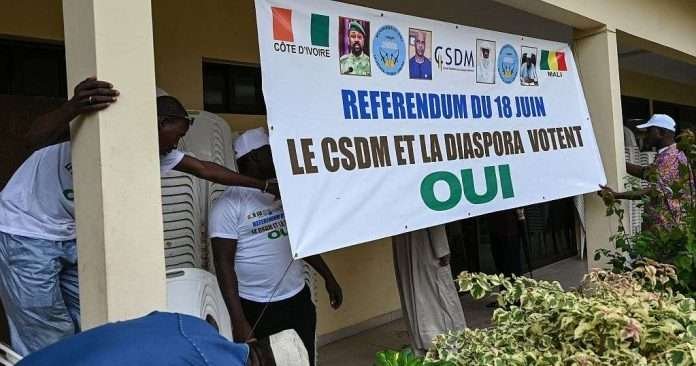
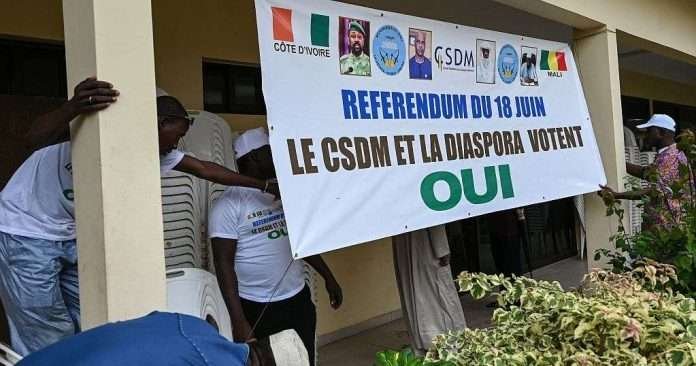
    Bamako, Mali – (African Boulevard News) – The Malians living in Ivory Coast are in a state of excitement ahead of the June 18th referendum in Mali to adopt a new constitution. The Malian government has launched an awareness campaign to encourage citizens in the diaspora to participate in the referendum. In response, Malians in Ivory Coast are mobilizing in support of the campaign, eager to contribute their voice towards shaping the future of their country.

    Ahead of the referendum, the Malian government has called on its citizens living abroad to participate and exercise their civic duty. This plea has not fallen on deaf ears, as Malians in Ivory Coast are showing a keen interest in the referendum and are excited to participate in the process.

    “I am proud to be a Malian, and it is my obligation to participate in the upcoming referendum,” said Baba Kamara, a Malian residing in Ivory Coast. “I am confident that the new constitution will pave the way for a better future for our country. We must all come together and do our part.”

    The Malian government has been actively spreading awareness and information about the referendum, informing citizens about the significance of their vote and the potential repercussions of not participating. The Malian High Commissioner to Ivory Coast, Diadié Bah, has expressed his satisfaction with the response from Malians in the Ivory Coast.

    “We are pleased with the level of engagement we are seeing from our fellow citizens living in Ivory Coast,” said Bah. “Their participation in the process is crucial, and we urge all Malians living abroad to take part in this historic moment.”

    The Malian government’s efforts to encourage citizens to participate in the referendum are being applauded by many. The new constitution is expected to promote good governance, justice, and democracy in the country, and the involvement of Malians living abroad is seen as key to achieving this goal.

    “I urge all Malians living in Ivory Coast and other parts of the world to participate in the referendum,” said Aisha Konaté, an activist based in Bamako. “This is a significant moment in the history of our country, and we must all come together to shape the future of Mali.”

    In conclusion, the Malians in Ivory Coast are joining their compatriots in Mali in participating in the referendum, eager to exercise their civic duty and make their voice heard. The Malian government’s awareness campaign is proving to be successful, with Malians overseas showing interest in shaping the future of their country.

    Rwanda: Historic Milestone Achieved as African Medicines Agency to be Established in Kigali, Improving Healthcare on the Continent.

    0
    Read Time:2 Minute, 11 Second

    Kigali, Rwanda – (African Boulevard News) – The Rwandan government and the African Union Commission (AUC) have signed an agreement to establish the headquarters of the African Medicines Agency (AMA) in Kigali. This marks a significant milestone towards enhancing healthcare on the continent and a reaffirmation of Kigali’s position as a hub for health and medical innovation.

    The African Medicines Agency is a specialized agency of the African Union that will be responsible for regulating medical products sold or distributed in Africa. It is expected to begin operations in 2023 and will be responsible for safeguarding the health of African citizens by ensuring that all medicines are safe, effective, and of good quality. The establishment of the AMA will also facilitate the production of manufacturing and distribution of medicines locally, thereby reducing the reliance on imported drugs and creating job opportunities in the healthcare sector.

    The signing of the agreement in Kigali is a testament to Rwanda’s commitment to the promotion of healthcare on the African continent. President Paul Kagame emphasized that Rwanda is proud to be the headquarters of the African Medicines Agency and that it is a demonstration of the country’s ability to contribute to the development of the continent. He added that “Rwanda is committed to working with the African Union and other partners to strengthen healthcare systems and promote access to quality and affordable healthcare for all.”

    The establishment of the AMA is expected to transform Africa’s pharmaceutical industry, which is currently fragmented and centralized in a few African countries. The AMA will assist and guide national regulatory authorities in the development and implementation of regulatory frameworks and standards that are in line with international best practices. This will ensure that the medical products produced and marketed in Africa are of high quality and are safe and effective.

    According to the African Union Commissioner for Health, Humanitarian Affairs and Social Development, Amira Elfadil Mohammed, “the establishment of the African Medicines Agency marks a momentous step forward in Africa’s public health architecture. It will improve the regulatory environment for medical products in Africa and facilitate the approval and registration of medicines for diseases that disproportionately affect the African continent.”

    In conclusion, the establishment of the African Medicines Agency in Kigali is a historic step towards the development of Africa’s healthcare sector. It represents a significant milestone in ensuring that all medicines sold or distributed in Africa are safe, effective, and of good quality. The signing of the agreement in Kigali reaffirms the country’s position as a hub for health and medical innovation, and it is expected to transform Africa’s pharmaceutical industry for the better.

    Nigeria: Fear grips experts as detained suspended CBN Governor faces corruption charges

    0
    Read Time:1 Minute, 48 Second

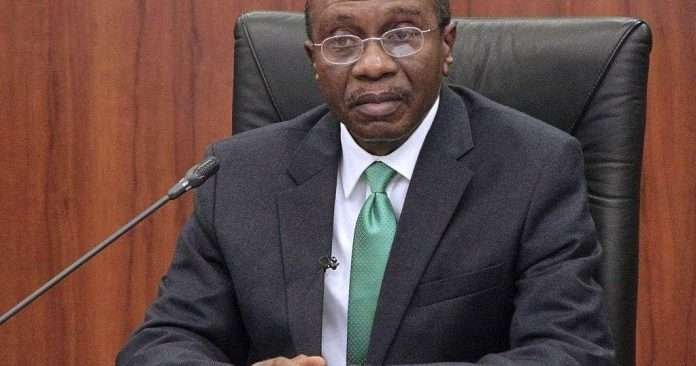
    Abuja, Nigeria – (African Boulevard News) – The Department of State Services (DSS) confirmed today that Mr Godwin Emefiele, the suspended Governor of the Central Bank of Nigeria (CBN), is in custody for investigative reasons. According to local sources, the former CBN governor was detained by security forces yesterday evening.

    Mr Emefiele was suspended by President Muhammadu Buhari in April following the discovery of discrepancies in the bank’s financial statements during an audit. He was accused of financial misconduct and was put on trial by the Economic and Financial Crimes Commission (EFCC).

    According to an anonymous source within the security forces, Mr Emefiele has been detained as part of an ongoing investigation into financial impropriety within the CBN. The source stated that “there is evidence of corruption and financial misconduct, and we are investigating to determine the extent of the wrongdoing.”

    The detention of Mr Emefiele has caused concern among financial experts, who fear that the instability could have serious implications for Nigeria’s economy. “The Central Bank is the linchpin of the Nigerian financial system, and any disruption of its operations could have serious consequences,” said Dr Bismarck Rewane, a leading economist and CEO of Financial Derivatives Company.

    In response to these concerns, the DSS has issued a statement assuring the public that the investigation will be conducted with the highest level of professionalism and that the Central Bank’s operations will not be affected.

    “The DSS is working closely with the relevant authorities to ensure that the integrity of the Central Bank is preserved,” the statement said. “We want to assure the public that the bank’s operations will continue as normal, and there is no cause for alarm.”

    Mr Emefiele, who has been in charge of the CBN since 2014, has not commented on his detention. His lawyer, however, has released a statement saying that his client is innocent and that he has full confidence in the judicial system.

    The investigation into Mr Emefiele’s alleged financial misconduct is ongoing, and more details are expected to emerge in the coming days. Meanwhile, the DSS and other law enforcement agencies are urging the public to remain calm and not to speculate on the matter.

    Nigeria: President Tinubu Urges Patience Amid Fuel Subsidy Protests, Promises Long-Term Benefits for Citizens

    0
    Read Time:2 Minute, 14 Second

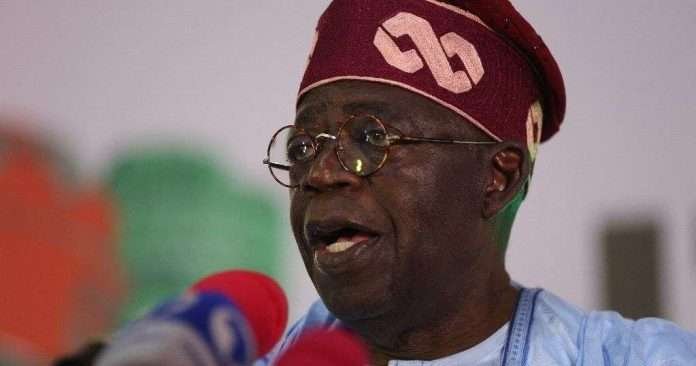
    Abuja, Nigeria – (African Boulevard News) – Nigeria’s President Bola Tinubu has urged Nigerians to be patient and understand the necessary sacrifices needed for the country’s future progress, following the removal of fuel subsidies, which has led to a spike in fuel prices. The move by the government has caused widespread protests by Nigerians, who have been hit hard by the rising cost of commodities.

    Despite the public outcry, President Tinubu defended the move in a statement issued on Monday. He urged Nigerians to “remain calm” and promised that the government would use the saved funds to engage in more infrastructure projects that would benefit the country in the long run.

    President Tinubu stated that the fuel subsidy regime had become unsustainable and was no longer benefiting ordinary Nigerians. “We cannot continue to rely on a system that is inefficient and wasteful. We need to make tough choices now so that future generations will not suffer,” he said.

    The Nigerian government had spent billions of dollars on subsidies for fuel, which had been plagued by corruption and inefficiencies. The subsidy scheme had led to the enrichment of a few individuals and companies rather than benefiting the masses.

    The removal of the subsidy resulted in an immediate increase in fuel prices, triggering protests across the country. Many Nigerians are struggling to make ends meet, and the increase has led to a rise in the prices of goods and services across the board.

    However, industry experts have supported the government’s decision to remove the subsidy. “The subsidy regime was always a bad idea. It was corrupt and inefficient, and it did not benefit the people it was meant to help. Removing the subsidy is a painful but necessary step towards creating a more sustainable and equitable economy in Nigeria,” said Dr. Olu Akinboboye, an economist.

    Despite the backlash, President Tinubu has remained resolute in his decision to remove the subsidy, calling on Nigerians to be patient and understand that the move was necessary for the country’s future progress.

    The government has promised to use the saved funds to invest in infrastructure projects such as roads, bridges, and hospitals that would benefit Nigerians in the long run. The government has also promised to put measures in place to cushion the effect of the subsidy removal on the most vulnerable in society.

    In conclusion, Nigerians have been urged to show patience and support the government’s efforts to create a more sustainable economy. While the immediate effects of the subsidy removal may be painful, the long-term benefits would be worth it. The government is expected to engage in more dialogue with Nigerians to bring them onboard with its plans for the future.

    Mali: Malians in Ivory Coast mobilize to vote in crucial referendum for new constitution

    0
    Read Time:1 Minute, 52 Second

    Bamako, Mali – (African Boulevard News) – Malians residing in Ivory Coast are gearing up to take part in the upcoming referendum scheduled for June 18th, as they hope to make their voices heard in the decision-making process of their home country. The new referendum is aimed at adopting a new constitution for Mali, and Malians in Ivory Coast are leaving no stone unturned in mobilizing to vote.

    The Malian community in Ivory Coast is estimated to be around 100,000, and they are working tirelessly to participate in this significant event, despite being far away from their homeland. They are determined to make their voices heard and contribute to the progress and development of their country.

    According to a representative from the Malian community in Ivory Coast, Ali Coulibaly, “We are doing everything we can to mobilize our people to come out and vote. We urge our compatriots to participate in this referendum, as it is crucial for the future of our country.”

    Furthermore, he added, “We have set up various awareness campaigns to educate our community about the importance of this referendum. We want to ensure that every Malian residing in Ivory Coast is aware of the significance of their participation in the referendum, and that their opinions matter.”

    The Malian authorities have also taken measures to facilitate the voting process for Malians in Ivory Coast. They have set up polling stations in Abidjan, the economic capital of Ivory Coast, and other major cities, to enable Malians residing in the country to participate in the referendum.

    The Malian government is optimistic about the referendum and its potential to improve the country’s governance. The new constitution will address issues such as gender equality, the decentralization of power, and the fight against corruption. This reform is expected to promote peace, stability, and economic growth in the country.

    In conclusion, the Malian community in Ivory Coast is actively mobilizing to participate in the upcoming referendum on June 18th. They are determined to make their voices heard and contribute to the development of their country. The Malian authorities have also taken measures to facilitate voting for Malians in Ivory Coast, and they are optimistic about the potential of the new constitution to bring positive changes to the country.

    Uganda: Government Bans Charcoal Production to Save Dwindling Forests endangered by the Industry’s Harmful Effects.

    0
    Read Time:2 Minute, 10 Second

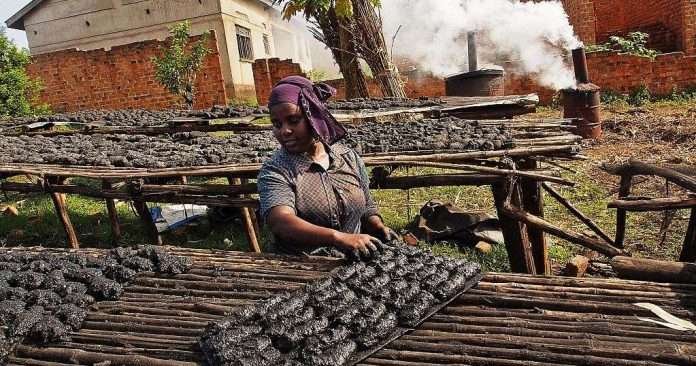
    Kampala, Uganda – (African Boulevard News) – The Ugandan government has put a ban on charcoal production that has disrupted a lucrative but destructive business. The ban was put in place to protect the country’s dwindling forests and ecosystems, which have been threatened by the harmful effects of charcoal-making.

    Charcoal has been a primary source of cooking fuel in Uganda for decades. However, the business has grown into a billion-dollar industry that has been responsible for the widespread destruction of forests, leading to soil erosion, climate change and the loss of biodiversity.

    “These people are destroying this environment,” says Komakech, a concerned citizen. “They are not the Indigenous of this place, they are people who are actually imported and put in this community. And they do this thing.”

    The charcoal business has also had a negative impact on health, with the smoke from burning charcoal causing respiratory problems, especially in women and children who are exposed to it for extended periods.

    The government has taken the initiative to limit the production of charcoal by introducing alternatives such as gas and electricity to discourage the use of charcoal for cooking. They have also encouraged the planting of more trees to replace those that have been cut down.

    However, the ban has not been received well by those who rely on charcoal production for their livelihoods. The ban has led to many people being out of work, with some turning to other illegal activities such as poaching and illegal logging.

    The charcoal ban has also led to a rise in the price of charcoal, making it more expensive for the average Ugandan to afford. The government, however, has promised to find sustainable solutions that will not only protect the environment but also provide alternative sources of income for those who have been affected by the ban.

    The Ugandan government has made it clear that the ban on charcoal production will be strictly enforced, with those found violating it facing steep fines and possible legal consequences.

    As the country grapples with the challenges of balancing economic growth and environmental protection, the ban on charcoal production serves as a reminder of the urgent need to protect our ecosystems and preserve the planet for generations to come.

    In conclusion, the Ugandan government has taken a bold step to protect the country’s forests and ecosystems by banning charcoal production. While the ban has disrupted a lucrative business, it is a necessary measure to protect the environment from the harmful effects of charcoal-making. The government must now find sustainable solutions that will provide alternative sources of income while protecting the environment.

    Egypt: Al Ahly Makes History with 11th African Champions League Title Win in Fierce Final Against Wydad

    0
    Read Time:2 Minute, 1 Second

    Cairo, Egypt – (African Boulevard News) – Egypt’s Al Ahly has made history once again by winning their 11th continental club title in the African Champions League. The team’s remarkable success was crowned on Sunday night in a match against defending champion Wydad.

    The fiercely contested final held in the Egyptian capital, Cairo, saw Al Ahly emerging victorious with a 2-1 win over their Moroccan rivals. The game kicked off with both sides showing impressive defensive skills, but Al Ahly took the lead early in the second half with a goal by Amr El-Sulaya.

    Wydad tried to fight back, and their relentless attacking style paid off in the 59th minute when they equalized after Walid El Karti’s goal. The game was then tied at 1-1, with both teams showing equal determination to win.

    However, the game took a dramatic turn when Al Ahly’s defender, Mohamed Abdelmonem, headed the ball into the net in the 85th minute, securing the African Champions League crown for the Egyptian giants.

    Al Ahly’s coach, Pitso Mosimane, expressed his joy and satisfaction with the team’s victory in his post-match comments. “It’s not easy to come back and win a game when you’re playing against the defending champions. It shows the quality of the team. We came back from a goal down, and that speaks to the character of the team,” he said.

    Despite the loss, Wydad’s coach, Faouzi Benzarti, acknowledged Al Ahly’s victory, “We have to congratulate Al Ahly because they’re the champions. They deserved to win,” he said.

    Al Ahly’s win makes them the most successful team in the African Champions League, with a record 11 titles, surpassing TP Mazembe of the Democratic Republic of Congo, who have won the title five times.

    This victory also means that Al Ahly will represent Africa in the FIFA Club World Cup in Japan later this year. The team has previously reached the final of the competition in 2006, where they lost to Brazilian side Internacional.

    Al Ahly’s achievement has been lauded by football fans across the continent, with many taking to social media to congratulate the team on their impressive 11th title.

    In conclusion, Al Ahly’s win against Wydad is yet another record-breaking achievement for the Egyptian club. With their focus now on the FIFA Club World Cup later this year, the team will no doubt be looking to continue their winning streak and make history once again.

    South Africa: Tens of Thousands of Zimbabweans Granted Temporary Reprieve from Deportation

    0
    Read Time:2 Minute, 5 Second

    Pretoria, South Africa – (African Boulevard News) – Good news for Zimbabwean nationals working in South Africa, as the government has extended their legal stay. Tens of thousands of Zimbabweans residing and working in South Africa were earlier facing deportation after their work permits were set to expire by the end of June. However, the South African authorities have granted them a temporary reprieve from their immigration woes.

    The South African government’s decision reportedly came after Zimbabwe’s government requested an extension for its citizens in the country. The temporary South African residency permits have now been extended by up to four years. This decision has brought a tremendous sense of relief to Zimbabwean nationals in the country and their families.

    The extension covers Zimbabweans who have valid visas and permits that have expired during the pandemic lockdown since May 2020 and those who were in the country illegally. It also applies to holders of the Zimbabwean Special Permit, which was introduced in 2014 to regularize the stay of thousands of Zimbabweans in South Africa.

    The South African government’s decision has been widely welcomed, with many Zimbabweans expressing their gratitude for the extension. One Zimbabwean national, Thembeka Zulu, expressed her gratitude, saying, “This extension has brought hope for a better future, not only for us but also for our children. Many of us had resigned ourselves to the fact that we would have to go back home. Now we can relax a bit.”

    This is not the first time that South Africa has extended its immigration policy to cater to the needs of Zimbabwean nationals. In 2017, the government also granted a four-year extension to Zimbabweans holding a special permit in the country.

    The decision is also expected to have significant implications for the South African economy, as many of these Zimbabweans work in key sectors such as mining, agriculture, and construction. This extension will enable them to continue working, which will help strengthen their contribution to the country’s economic growth.

    In conclusion, the extension of legal stay for thousands of Zimbabweans will come as a tremendous relief to many families. It will enable them to remain in South Africa without fear of being deported and continue contributing to the country’s economic growth in various sectors. The decision by the South African government to grant the extension has been widely welcomed and is seen as a positive step towards the government’s commitment to ensuring that all foreign nationals in the country are treated fairly and provided with the necessary support.