Saturday, May 2, 2026
89 F
Lagos
More
    Home Blog Page 348

    Cameroon: African Migrants in Cyprus Use Music to Fight for Acceptance and Belonging

    0
    Read Time:2 Minute, 14 Second

    Yaounde, Cameroon – (African Boulevard News) – In Cyprus, a new trend has emerged that is helping African migrants to integrate into the society through music. Over the years, the island of Cyprus has become a popular destination for African migrants who are searching for better opportunities, but many of them struggle to integrate into the society. However, music has become a tool to bring them closer to the Cypriot community.

    According to a recent report, some migrants are using their natural talent in music to break the barriers of language and culture. A good example is the story of 27-year-old Nigerian, Chibuzor Obiora, who arrived in Cyprus in 2017 and has since become a popular musician. “At first, some people were skeptical about the idea of migrants playing music. But as soon as I started singing, often in Greek, people changed their view towards us. They became a little more accepting and open”, Obiora said.

    Music has a unique way of bringing people together, irrespective of their background, and this is what has made it an excellent tool for African migrants in Cyprus to integrate into society. “Music is a universal language that does not need any form of interpretation, and when people come together to sing and dance, they are sending a powerful message of unity and tolerance. This is what is happening in Cyprus, and it is really helping the African migrants to find a place they can call home”, a local music promoter said.

    The idea of using music to integrate migrants in Cyprus has received support from various stakeholders, including the government, which has been providing financial support to music groups made up of migrants. The government has also been organizing musical events that feature both Cypriot and migrant musicians. Such events provide a platform for migrants to showcase their talents and interact with locals.

    Music has also become a source of income for some migrants, who have established music bands that perform in various events across Cyprus. This has helped them to become financially independent and improve their living standards. When African migrants play music in Cyprus, they are showcasing their culture, but they are also showing that they are more than just migrants. They are part of society, and they contribute to the diversity and richness of the country.

    In conclusion, music has become a powerful tool for African migrants to integrate into society in Cyprus. It has helped to break the barriers of language and culture, bringing people together and creating a sense of unity. The government of Cyprus and other stakeholders should continue to support this initiative and provide more opportunities for migrants to showcase their talents.
    Kenya: Trade deal with EU a triumph for Brussels in face of Chinese competition

    0
    Read Time:1 Minute, 41 Second

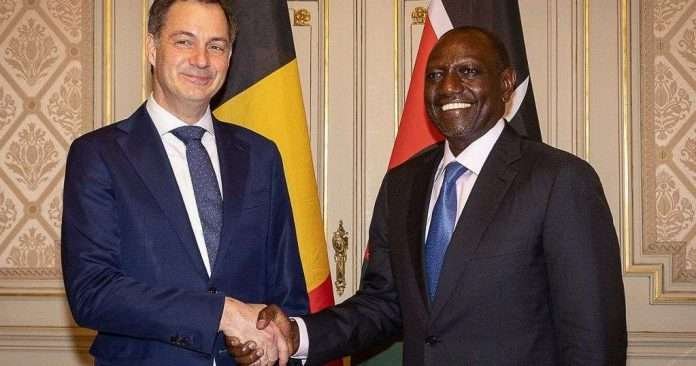
    Nairobi, Kenya – (African Boulevard News) – Kenya has signed a trade deal with the European Union (EU) in a significant victory for Brussels as it strives for stronger economic connections in Africa amidst competition from China. The deal is intended to encourage trade and investment between the two regions, and reflects a desire to focus on rules-based trade and sustainable development.

    The agreement was signed during the EU-African Union Business Forum held in Nairobi, with representatives from both parties describing it as a milestone in their relationship. The Kenyan President, Uhuru Kenyatta, emphasized that the deal would enable Kenya to expand its exports to European markets, leading to greater economic growth and social welfare for Kenyans.

    “The agreement we have signed today is a testament to our collective aspiration to deepen and widen Africa’s trade and integration with the European Union, bringing us closer to a sustainable and prosperous future for all,” said President Kenyatta.

    Under the agreement, the two regions will reduce tariffs on a range of products, including agricultural goods, whilst also improving the quality of trade relations and strengthening regulatory cooperation. This will reduce costs for businesses whilst increasing overall trade, allowing Kenya to be more competitive in the European market.

    European Union Commissioner for Trade, Phil Hogan, added: “Kenya and the European Union have a long-standing partnership, based on shared values and priorities. Today’s agreement is a win-win for both sides, and it will help to strengthen our economies and create jobs.”

    This new trade deal is expected to have wider implications for Africa and the continent’s economic relationship with Europe. It marks a shift away from a donor-recipient relationship model towards a mutually beneficial trade partnership, which could provide a blueprint for future EU-Africa relations.

    Although doubts still remain about the impact of the EU deal on Kenya’s own industries and the pros and cons of free trade, this agreement is undoubtedly a significant step in the direction of mutually beneficial economic relationships and sustainable development.

    Uganda: Military Pursues Rebels into Endangered Gorilla Sanctuary After Abduction of School Children

    0
    Read Time:2 Minute, 10 Second

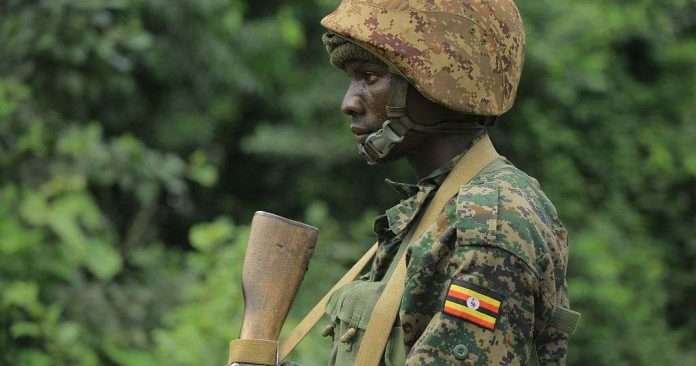
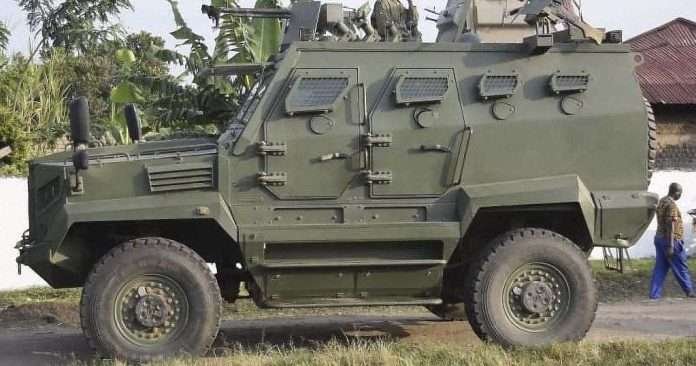
    Kampala, Uganda – (African Boulevard News) – The Ugandan military has deployed its forces on a mission to pursue the perpetrators responsible for the abduction of students from a secondary school in the border region of Kasese District. The rebels fled towards Virunga, on the border with Uganda and Rwanda, a globally renowned sanctuary for rare species, including mountain gorillas.

    The rescue mission was launched after the rebels raided the school, taking several students hostages. The group responsible for the abduction is believed to be affiliated with the Allied Democratic Forces (ADF), an Islamist group that has been operating in the region for decades.

    The move by the Ugandan military is aimed at rescuing the abducted students and restoring peace in the region. The operation is also part of the government’s efforts to neutralize the ADF and other armed groups that have been operating in the region.

    “The military is committed to rescuing the abducted students and ensuring that those responsible for the heinous act are brought to justice. We will not rest until all the students are safely returned to their families,” said Brig. Flavia Byekwaso, the spokesperson for the Uganda People’s Defense Forces (UPDF).

    The deployment of the army comes amid growing concerns over the security situation in the region. For years, armed groups have been operating in the area, causing insecurity and displacing thousands of people.

    The Virunga region, which straddles the border between Uganda, Rwanda, and the Democratic Republic of Congo, is known for its rich biodiversity and tourist attractions. However, the ongoing conflict and instability in the region have had a detrimental effect on tourism and the local economy.

    The Ugandan government has been working hard to restore peace in the region and attract investors to the area. However, the recent abduction has dealt a blow to these efforts, highlighting the need for a more robust and sustained effort to address the security challenges in the region.

    “The abduction of the students is a tragic reminder of the security challenges that continue to plague the region. We need to work together as a region and as a continent to address these challenges and ensure that our people can live in peace and prosperity,” said Dr. Elizabeth Alenyo, a regional security expert.

    In conclusion, the Ugandan military’s deployment is a welcome development that will hopefully lead to the successful rescue of the abducted students and bring an end to the insecurity in the region. It is a reminder of the need for a sustained effort to address the security challenges in the region and ensure that peace and stability are restored.

    Senegal: Families of Pro-Sonko Protest Victims Demand Justice After 23 Killed

    0
    Read Time:2 Minute, 9 Second

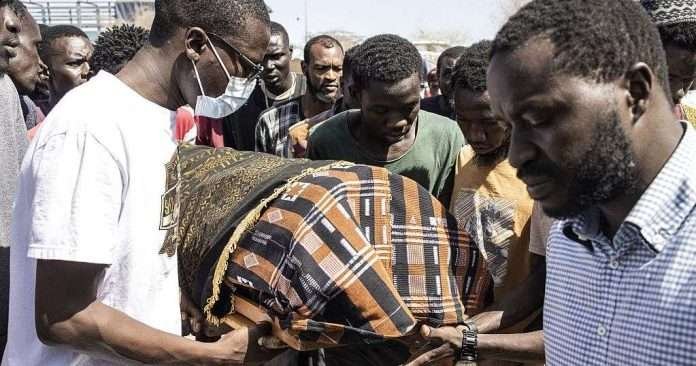
    Dakar, Senegal – (African Boulevard News) – The families of victims who lost their lives during the June 1st pro-Sonko protests in Senegal are demanding justice. The violence, which erupted after the arrest of opposition leader Ousmane Sonko, led to at least 23 deaths and numerous injuries. The families of the victims have come together to demand justice for their loved ones and are calling on the government to act swiftly.

    The protests, which took place in the capital, Dakar, and other major cities across the country, were a result of the arrest of opposition leader Ousmane Sonko. Sonko was accused of rape and subsequently arrested, leading to mass demonstrations and violent clashes with security forces. The situation escalated quickly, resulting in the loss of lives and property.

    The families of the victims are outraged and are demanding justice for their loved ones. “We want justice for our children who have been killed by the security forces,” said Seydou Ndiaye, a parent of one of the victims. “We demand a thorough investigation into the matter, and those responsible for the deaths of our children must be held accountable.”

    The Senegalese government has promised to investigate the incident and bring those responsible to justice. However, the families of the victims are not satisfied and are calling for concrete action to be taken. They have also called on the government to compensate them for their losses and to ensure that such incidents never happen again.

    Human rights groups have also condemned the violence and called on the government to respect the rights of citizens to peaceful protest. “The use of excessive force by security forces against protesters is unacceptable and goes against human rights principles,” said Amnesty International in a statement. “The government must respect the right to peaceful protest and ensure that security forces are held accountable for any acts of violence.”

    The demand for justice by the families of the victims is a reminder of the need for accountability in any democratic society. The Senegalese government must act swiftly and decisively to address the concerns of the families and ensure that justice is served.

    In conclusion, the families of the victims of the June 1st pro-Sonko protests in Senegal are demanding justice for their loved ones. They are calling on the government to act swiftly to investigate the matter and hold those responsible accountable. Human rights groups have also condemned the violence and called for the respect of citizens’ right to peaceful protest. The demand for justice is a reminder of the importance of accountability in any democratic society.

    Nigeria: Central Bank Ends Rigged Exchange Rate, but Will it Stabilize the Naira?

    0
    Read Time:1 Minute, 52 Second

    Abuja, Nigeria – (African Boulevard News) – Nigerians have expressed mixed reactions following the Central Bank of Nigeria’s decision to let market forces dictate the exchange rate for the Naira. The decision, which came after years of rigid controls, has been met with cautious optimism by some and skepticism by others.

    The move was aimed at attracting foreign investment and stabilizing the local currency after years of depreciation. In a statement, the central bank said it would be “introducing a flexible exchange rate regime” that would “improve the efficiency of the foreign exchange market”.

    For years, the central bank has maintained a fixed exchange rate that many economists and investors said was unsustainable. The black market exchange rate has often been far weaker than the official rate, leading to a thriving parallel market.

    According to some industry experts, the decision could lead to a further depreciation of the Naira. “This is a welcome development, but the Naira is likely to depreciate further in the short term before the market stabilizes,” said Bismarck Rewane, CEO of Financial Derivatives Company.

    Despite the potential risks, some Nigerians are optimistic about the move. “It’s about time the government stopped pretending it could dictate the exchange rate,” said Emma Akpan, a Lagos-based businessman. “This is a step in the right direction for the economy.”

    Others, however, are skeptical of the government’s motives. “The government has been in power for six years and has only now decided to let the market dictate the exchange rate,” said John Ameh, an Abuja-based civil servant. “We need to see more concrete steps to boost the economy, not just rhetoric.”

    Similarly, the Nigeria Labour Congress (NLC) said it was concerned about the potential negative impact on the country’s working class, urging the government to implement measures to cushion the effects of the new policy.

    In conclusion, the decision by Nigeria’s central bank to let market forces dictate the exchange rate for the Naira has been met with mixed reactions. While some Nigerians see it as a step in the right direction for the economy, others remain skeptical about the government’s true intentions. With potential risks and benefits, only time will tell if this move will truly stabilize the local currency and attract foreign investment.

    Africa: Delegation of African Leaders Push for End to Ukraine-Russia War, Bringing Hope to Region.

    0
    Read Time:1 Minute, 57 Second

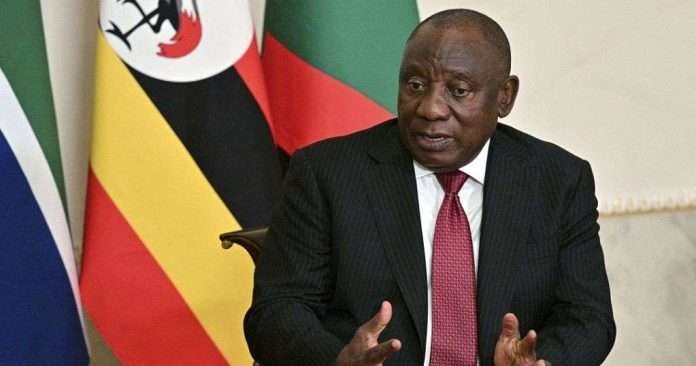
    Diaspora, Africa – (African Boulevard News) – A delegation of African leaders pushed for an end to the war between Ukraine and Russia in a recent peace mission, and Cyril Ramaphosa has referred to it as ‘impactful.’ The delegation, which included several heads of state, brought the voice of Africa to the ongoing crisis.

    The African Union delegation’s trip to Ukraine, aimed at promoting peace and finding solutions to the crisis in the region, took place last week. Cyril Ramaphosa, the President of South Africa, was one of the leaders present, and he spoke about the mission’s success in a statement.

    “The peace mission by the African delegation has been impactful,” said Ramaphosa. “Our visit to Ukraine brought hope to the people of the region and the continent at large. We are confident that our efforts will contribute to finding a lasting solution to this conflict.”

    The move was a significant show of solidarity from the African contingent, as Ukraine is not an African country. The delegation’s visit was seen as a signal of the African Union’s commitment to promoting peace and stability worldwide.

    The mission to Ukraine was welcomed by many, including the Ukrainian President Volodymyr Zelensky, who thanked the African leaders for their support. “The presence of the African Union on Ukrainian soil sends a strong message to the world about the importance of peace and stability,” he said. “We appreciate their efforts in helping to end the conflict in our country.”

    The delegation’s visit came as the conflict in Ukraine continued to escalate. In recent weeks, there have been reports of increased military activity in the region, raising concerns about the safety of civilians living in the area. The African Union’s mission is aimed at promoting dialogue and finding a peaceful resolution to the crisis.

    The African Union’s peace mission in Ukraine is just one example of the continent’s growing role in promoting peace and stability worldwide. As Cyril Ramaphosa stated, “Africa has a responsibility to contribute to global peace and stability, and we take that responsibility seriously.”

    In conclusion, The African Union’s involvement in the Ukraine conflict has been described as “impactful,” and their mission to promote peace and stability in the region is to be commended. The visit shows the importance of African leaders in the global community and their commitment to promoting peace and security worldwide.

    Uganda: Rebel Attack on School Leaves 41 Dead, Including Students, in One of the Deadliest Massacres in Recent Years

    0
    Read Time:1 Minute, 54 Second

    Kampala, Uganda – (African Boulevard News) – A suspected rebel attack on a school near the Congo border has left at least 41 people dead, Ugandan police said in a statement on Saturday. The attack was carried out by the Allied Democratic Forces (ADF), according to the police.

    The attack occurred on Friday night at a boarding school in Kasese, a district in western Uganda. According to the police, the attackers stormed the school and opened fire on students and teachers, killing 41 and injuring several others.

    “This is a horrific attack on innocent children and teachers,” said police spokesperson Fred Enanga. “We extend our condolences to the families of the victims and assure them that we will do everything in our power to bring those responsible to justice.”

    The ADF, a rebel group based in neighboring Congo, has been operating in the region for years. The group has been accused of a number of attacks on civilians, including massacres and kidnappings.

    Uganda has been battling the ADF for years, with the country’s military launching a series of operations against the group. The rebels have been pushed back into Congo, but the group has continued to launch attacks on Ugandan soil.

    The attack on the school has been described as one of the deadliest in recent years. It has sparked outrage and condemnation from politicians, human rights groups, and the international community.

    “The killing of innocent children and teachers is a heinous crime that must be condemned by all,” said Oryem Nyeko, Africa researcher at Human Rights Watch. “The government must act decisively to bring those responsible to justice and prevent future attacks.”

    The government has vowed to take action against the ADF and other rebel groups operating in the region. President Yoweri Museveni has ordered an investigation into the attack and has called for increased security measures in the area.

    “We will not rest until these criminals are brought to justice,” Museveni said in a statement. “We will do everything in our power to ensure that our children are safe and secure.”

    The attack on the school has sent shockwaves throughout Uganda and the surrounding region. It serves as a reminder of the ongoing threat posed by rebel groups in the area, and the need for continued efforts to counter them.

    Uganda: Dozens of Students Killed in School Attack by Militants near Congo Border

    0
    Read Time:1 Minute, 57 Second

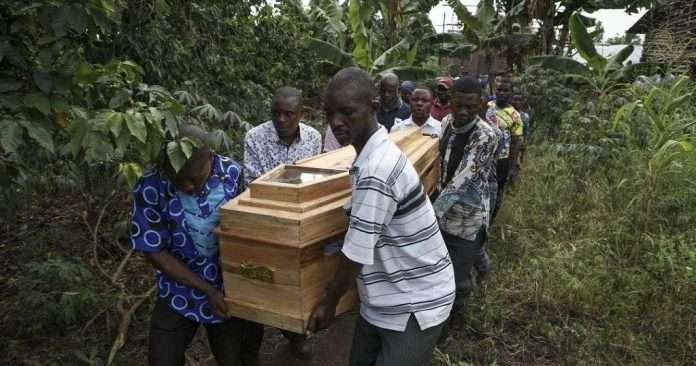
    Kampala, Uganda – (African Boulevard News) – On June 18, militants attacked a school in western Uganda near the border with the Democratic Republic of Congo, killing dozens of students. The affected families were left grieving as they buried their loved ones on Sunday.

    The school attack happened in Kasese district, a region known for its frequent attacks by militants. The assailants killed over 40 students and injured several others. The Ugandan government has condemned the attack and promised to bring the perpetrators to justice.

    The families of the deceased students have been left grappling with the trauma of the attack and the grief of losing their loved ones. At the burial ceremony on Sunday, many mourners were in tears as they paid their last respects to the deceased. The attack has deeply affected the community, leaving them in shock and disbelief.

    According to local reports and sources, the attackers were suspected to be from the Allied Democratic Forces (ADF), a militant group that operates in the region. The ADF has been known to carry out attacks on civilians and military targets in the area. The Ugandan government has been fighting the group for years, but their attacks have continued to escalate.

    The school attack has raised concerns about the safety of schools in the region. Parents fear for the safety of their children and are calling on the government to increase security measures in schools and the surrounding areas. The attack has also highlighted the need for the Ugandan government to intensify its efforts in combating the ADF and other militant groups in the country.

    In a statement, President Yoweri Museveni expressed his condolences to the families of the deceased and assured them that the government would do everything possible to prevent such attacks from happening again. He also urged the local community to work closely with security forces to identify and report any suspicious activities or individuals.

    The Kasese school attack is a tragic reminder of the continued threats posed by militant groups in the region. The Ugandan government must take decisive action to protect civilians and prevent such attacks in the future. The families of the deceased students will always carry the pain of the loss of their loved ones, but they must find some solace in the knowledge that the country stands with them in their grief.

    Mali: Historic Vote Counting Begins as Citizens Decide Fate of New Constitution and Democracy’s Future

    0
    Read Time:1 Minute, 56 Second

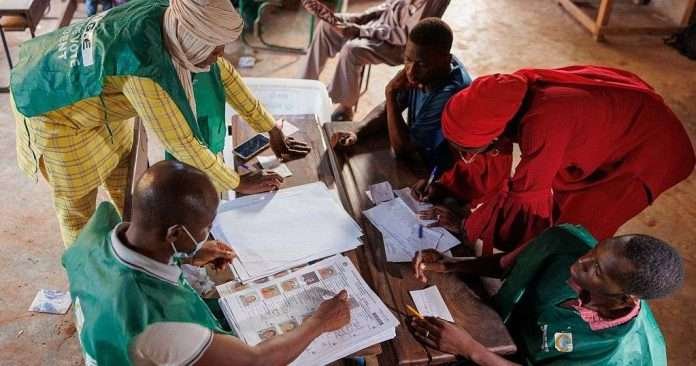
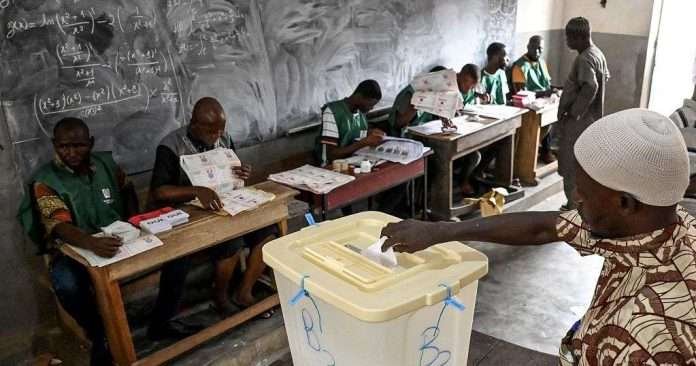
    Bamako, Mali – (African Boulevard News) – Vote counting has begun in Mali after 8.4 million citizens were asked to vote on the military junta’s proposed new Constitution. On Sunday evening, June 18, polling stations closed, and officials began counting ballots. The military junta had hoped this referendum would provide a mandate for their transitional government.

    The proposed Constitution seeks to reduce presidential terms to two five-year terms, including empowering regional governors to be appointed rather than elected and granting amnesty to those involved in the 2012 coup. The transitional government argues that the proposed Constitution will decentralize the government and limit the power of the presidency.

    According to Reuters, the vote saw a low turnout of around 20%. Many opposition leaders had called for a boycott, saying the proposed Constitution would only serve the military junta’s interests. This referendum is seen as a crucial step towards the restoration of democracy in Mali after former President Ibrahim Boubacar Keita was overthrown in a military coup.

    Mariam Diallo, a political analyst in Bamako, commented, “This vote is a significant step, but it’s just the beginning. The transitional government must secure the trust of Malians and implement the necessary reforms to ensure that democracy is genuinely restored.”

    International observers have applauded the Malian people’s peaceful conduct during the referendum and the government’s efforts to include all stakeholders in the process. The United Nations, the European Union, and the African Union have also pledged their support to the transitional government in Mali.

    While the military junta has argued that the proposed Constitution will reduce the power of the presidency, some opposition leaders have expressed concerns over the centralization of power in the transitional government. The proposed Constitution also includes changes to the judiciary, which could allow the transitional government to limit the independence of judges.

    The Malian military junta has stressed the importance of a new Constitution to restore stability in the country after years of political instability. However, it remains to be seen whether the proposed Constitution will be accepted by the Malian people and whether the transitional government can successfully navigate the complex political landscape.

    As the vote counting continues, all eyes are on Mali as the country strives to restore democracy and move towards a more stable future. The results of the referendum are expected within 72 hours.

    Mali: Junta Urges Unity Ahead of Crucial Constitution Referendum

    0
    Read Time:1 Minute, 59 Second

    Bamako, Mali – (African Boulevard News) – Mali’s ruling junta has urged the country to remain united, regardless of the results of the referendum, as voters decide on the new constitution. The country is holding a referendum that will determine whether or not to adopt the new constitution that has been drawn up by the transitional government. The referendum will also pave the way for parliamentary and presidential elections, which are slated to take place next year.

    The military junta, which came to power last August after a coup that ousted former President Ibrahim Boubacar Keita, has been tasked with overseeing the transition to a civilian government. The junta has come under heavy criticism for its handling of the transition, and for failing to address the country’s mounting security and economic problems.

    In a bid to win the support of Malians, Colonel Assimi Goita, the leader of the ruling junta, has called on the country to remain united regardless of the outcome of the referendum. “I call on everyone to fulfill their civic duty, to remain calm and united, and to respect the outcome of the referendum,” Goita said in a statement.

    The new constitution, which was drafted by a committee of experts appointed by the transitional government, includes provisions that aim to strengthen democratic institutions, promote good governance, and protect human rights. The constitution also seeks to decentralize power, giving local governments greater autonomy, and to improve the representation of women and minorities in parliament.

    Despite the government’s efforts to promote the new constitution, the referendum has been met with some opposition from various political groups and civil society organizations. Some critics have argued that the constitution was drafted without sufficient public consultation, and that it does not go far enough in addressing the country’s security and economic challenges.

    The results of the referendum are expected to be announced in the coming days. If the new constitution is adopted, parliamentary and presidential elections will be held next year, marking an important step towards a return to civilian rule and the restoration of democracy in Mali.

    As Malians head to the polls to decide the future of their country, it remains to be seen whether the ruling junta’s call for unity will be heeded. But one thing is clear: the stakes are high, and the outcome of the referendum could have far-reaching consequences for Mali and its people.