Saturday, May 2, 2026
91.3 F
Lagos
More
    Home Blog Page 345

    Tunisia: Journées Choréographiques de Carthage dances its way to cultural diversity and unity

    0
    Read Time:2 Minute, 8 Second

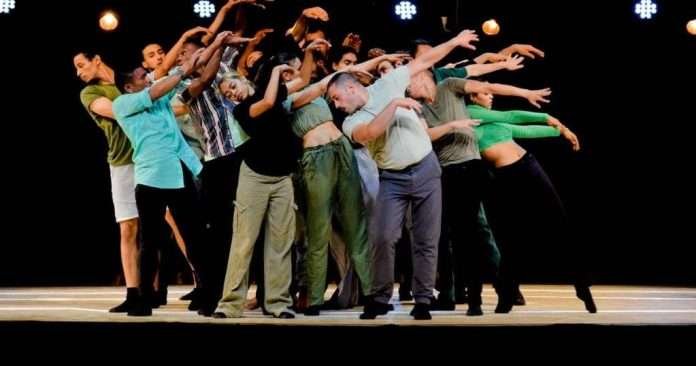
    Tunis, Tunisia – (African Boulevard News) – Tunisia’s capital, Tunis, recently hosted the 5th edition of North Africa’s most significant dance festival, Journées Choréographiques de Carthage (Carthage Dance Days). The event took place over two weeks, from May 30th to June 13th, and brought together 22 dance troupes from North Africa, Europe, and Asia.

    The festival’s theme, “Diversity through Dance,” highlighted the global language of dance and how it breaks barriers and brings people together. The festival featured different styles of dance, from contemporary and traditional to hip-hop and street dance, showcasing the rich diversity in the world of dance.

    The opening ceremony was a colorful extravaganza of dance, music, and lights, featuring the renowned Tunisian dance troupe, Compagnie Sybel. The show was an excellent representation of the fusion of traditional Tunisian dance with contemporary styles. The festival continued with daily performances, workshops, and talks, attracting dance enthusiasts, scholars, and professionals from across the world.

    The festival’s artistic director, Mohamed Drissi, expressed his excitement at the success of this year’s festival, saying, “This year’s edition of Journées Choréographiques de Carthage was exceptional. We had a record number of participants, and the quality of performances was outstanding. The festival has become a platform for showcasing the diversity in dance styles and cultures from around the world.”

    One of the notable highlights of the festival was the performance by the Algerian dance troupe, Compagnie Hors Piste. Their contemporary dance piece, “Desert Diaries,” was a powerful representation of the challenges faced by refugees and migrants in North Africa. The group used dance to convey the migrants’ struggles to cross the desert and reach safety. The performance received a standing ovation from the audience, and the group was awarded the festival’s Grand Prix.

    Overall, Journées Choréographiques de Carthage succeeded in creating an inclusive and diverse space for dance lovers and professionals. The festival’s message of unity through different dance styles and cultures is more critical than ever in today’s world. Tunisia continues to be a beacon for celebrating diversity, and the dance festival is one of the many ways the country is showcasing its rich culture and heritage to the world.

    In summary, the 5th edition of Journées Choréographiques de Carthage is a testament to the power of dance in bringing people together. The festival’s theme, “Diversity through Dance,” was aptly reflected in the many performances that showcased the rich and varied dance cultures of the world. The festival’s success is a testament to Tunisia’s commitment to celebrating diversity, and we look forward to the next edition of this remarkable event.
    Sudan: Neighboring Countries Urged to Keep Borders Open Amid Widespread Violence and Displacement

    0
    Read Time:1 Minute, 46 Second

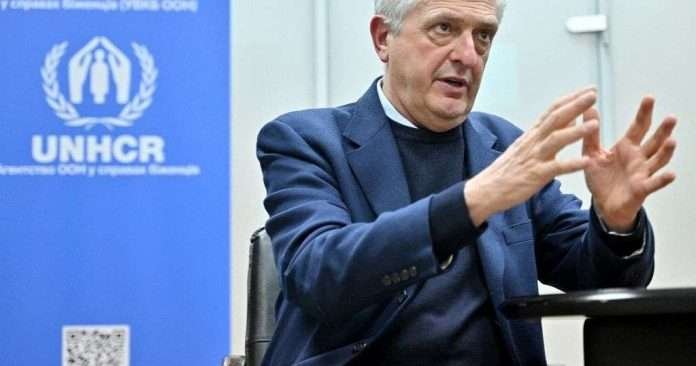
    Khartoum, Sudan – (African Boulevard News) – The United Nations high commissioner for refugees (UNHCR), Filippo Grandi, has urged the countries bordering Sudan to “keep their borders open,” especially at a time when Sudan is facing internal strife and violence.

    Sudan has been engulfed in civil unrest for the past two months, with the military ousting the former leader, Omar al-Bashir, and taking control of the country. The situation has led to widespread violence, displacing thousands of people who have fled across the border to neighboring countries.

    In a statement released on Sunday, Grandi said that the neighboring countries have a “critical role to play in providing safety and assistance to those fleeing violence and persecution.” He also urged the countries to “ensure access to asylum procedures and not to forcibly return refugees or asylum-seekers to danger.”

    Countries like Chad, Egypt, Eritrea, Ethiopia, Libya, and South Sudan share borders with Sudan and have already seen an influx of refugees fleeing the violence.

    Grandi pointed out that Sudan itself has a long history of hosting refugees from neighboring countries and that “it is now time for neighboring countries to reciprocate by keeping their borders open and providing protection to those in need.”

    He also called on the international community to support the countries in the region that are already hosting refugees and to provide them with the resources they need to cope with the influx.

    The UNHCR estimates that over 100,000 people have been displaced within Sudan since the military took control, and thousands more have fled to neighboring countries.

    “The people fleeing violence and persecution in Sudan are in dire need of protection and assistance,” said Grandi. “The neighboring countries must come together to ensure that these vulnerable people are not left to suffer alone.”

    As the situation in Sudan continues to unfold, it is crucial for neighboring countries to show solidarity and support for their fellow African nation during this difficult time. With the borders open and proper resources in place, the refugees and asylum-seekers fleeing the violence will have a better chance of rebuilding their lives in safety and security.

    Nigeria: Embracing Solar Power Amidst Fuel Subsidy Program’s End

    0
    Read Time:2 Minute, 1 Second

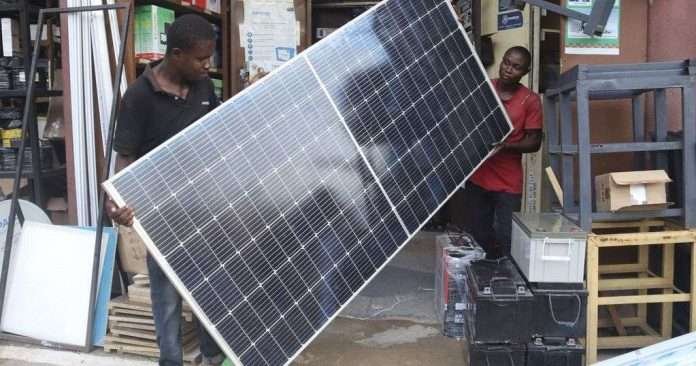
    Abuja, Nigeria – (African Boulevard News) – Nigeria has recently announced the end of its fuel subsidy program, which had been in place for decades and had greatly impacted the nation’s economy. In response, Nigerians are turning to alternative sources of energy, particularly solar power.

    One resident in the capital, Bridget Mosanya, shares that whenever it rains, power outages are inevitable. This reality is shared by many Nigerians, and with the end of fuel subsidies, the cost of power generation is expected to increase. In light of this, more and more people are considering solar power as a reliable and cost-effective alternative.

    According to experts, the shift to solar power is not only due to the end of fuel subsidies but is also driven by the increasing affordability and accessibility of solar panels. “The cost of solar power has dropped significantly in recent years, and coupled with the erratic power supply, it has become the go-to alternative for many individuals,” says energy analyst, Jane Nwokocha.

    The government is also backing this trend, with the implementation of initiatives such as the Nigerian Electrification Project, which aims to provide off-grid electricity to over 1,000 households across Nigeria, with a focus on rural areas. This project, combined with other government efforts, underscores the shift towards renewable energy as a solution to Nigeria’s power crisis.

    In addition to the government’s efforts, several private initiatives are also promoting solar power. Notably, renewable energy company, Lumos, provides affordable and reliable solar power to over 100,000 homes across Nigeria. “Our goal is to ensure that households across Nigeria have access to reliable and affordable power, and we believe that solar power is the future,” says CEO, Adepeju Adebajo.

    The benefits of solar power are multifaceted. Apart from being a reliable source of energy, it is environmentally-friendly and cheaper in the long run. “It is heartwarming to see more Nigerians embrace solar power as we reduce our carbon footprint,” says advocate of clean energy, Uchechi Nwosu.

    In conclusion, the end of Nigeria’s fuel subsidy program has paved the way for a shift towards renewable energy sources such as solar power. This trend is supported by the government and has gained traction among private initiatives as well. With the affordability and accessibility of solar power on the rise, it is anticipated that solar energy will continue to gain ground as a viable alternative to traditional power sources in Nigeria.

    Africa: Empowering Underprivileged Children with Education and Community Support through Ubuntu Pathways

    0
    Read Time:1 Minute, 51 Second

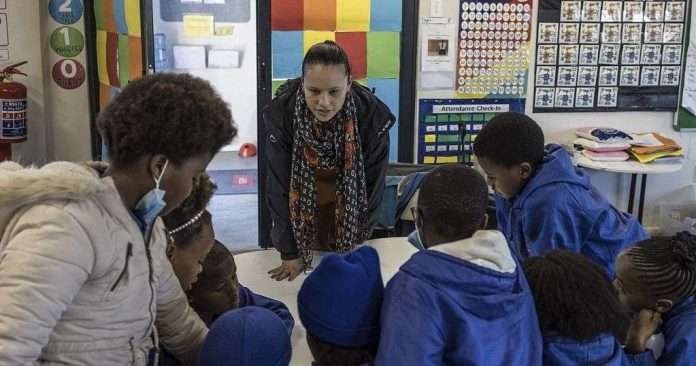
    Diaspora, Africa – (African Boulevard News) – Jacob Lief founded Ubuntu Pathways 24 years ago with a mission to offer children from difficult backgrounds an opportunity to succeed in school and life. Ubuntu Pathways is a South African non-profit organization that provides comprehensive support to underprivileged children living in Port Elizabeth’s townships. Ubuntu Pathways’ emphasis is on making a difference by supplying education, nutrition, and healthcare services to the children they serve.

    One of the unique aspects of Ubuntu’s education program is that they’ve created a comprehensive learning environment that caters to the entire child. Ubuntu’s exceptional approach goes far beyond the typical classroom setting, melding the engagement of extracurricular activities with the essentials of academic development.

    Ubuntu’s team has placed significant emphasis on extracurricular activities that augment academic development. Children at Ubuntu Village have the opportunity to participate in a variety of activities such as sports, dance, and drama. These activities are designed to provide an engaging and enriching experience for the children, thus boosting their confidence.

    Ubuntu Pathways has created an environment that replicates the best of a private school experience within the township community. The organization’s leadership emphasizes respect and promotes an environment of accountability, two elements that are essential for any school program to succeed.

    Ubuntu Pathways emphasizes the need for individualized educational support for each child. The organization has implemented a “child-centered” approach to learning, ensuring that each child’s specific needs are met to ensure their success. Ubuntu’s team focuses on ensuring that each child has access to the resources they need to succeed in the classroom.

    Ubuntu Pathways’ unique approach to educating children in townships is making a difference. They have demonstrated that a high-quality education need not be out of reach for children from difficult backgrounds.

    “The Ubuntu model ensures that each child has access to resources and support necessary to overcome their circumstances,” Jacob Lief explained.

    Ubuntu Pathways is not just providing an education; it is building a community and fostering relationships that will help the children become successful young adults.

    This organization is demonstrating that it’s possible to achieve a high-quality education and thereby combat the cycle of poverty that has plagued the townships for far too long.

    South Africa: Dutch and Danish Prime Ministers Visit in Groundbreaking Trip to Combat Climate Change

    0
    Read Time:1 Minute, 57 Second

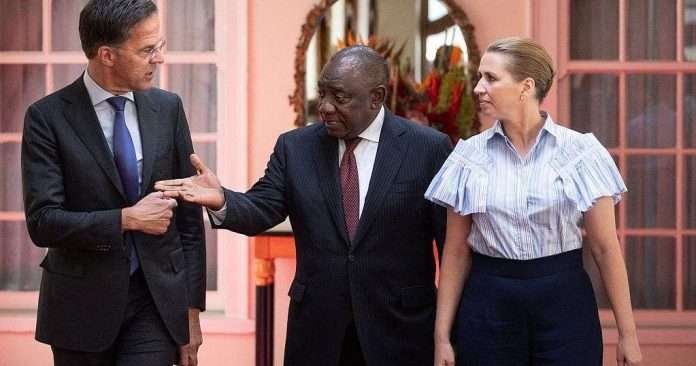
    Pretoria, South Africa – (African Boulevard News) – Dutch Prime Minister Mark Rutte and Danish Prime Minister Mette Frederiksen have arrived in South Africa for a joint visit, aimed at strengthening the countries’ relationship in green hydrogen, renewable energy, and energy transition. The visit underscores the countries’ commitment to combating climate change and promoting sustainable development.

    According to South Africa’s public broadcaster, SABC, the visit is significant as it seeks to foster innovative solutions towards a greener future. The three leaders are expected to engage with key stakeholders in the energy sector, including the private sector, academia, and civil society.

    During the visit, the delegation is expected to hold talks with President Cyril Ramaphosa. The discussions will cover a wide range of issues, including climate change, trade, and investment. The three countries will explore ways to enhance cooperation in research and innovation, training and skills development, and technology transfer.

    “We want to build a partnership that strengthens our mutual interests and contributes to the achievement of our common goals,” said Mark Rutte, Dutch Prime Minister. “We believe that by working together, we can create new opportunities to address the challenges of our time.”

    The visit is significant as the governments of Denmark, the Netherlands and South Africa are committed to addressing the challenges of the climate crisis through a just energy transition. The leaders will examine ways to promote the development of various renewable energy technologies, such as wind and solar, and explore the potential of green hydrogen as a clean fuel.

    “Mobilizing investments, creating green jobs and scaling up renewable energy are critical for achieving sustainable and inclusive growth,” said Mette Frederiksen, Danish Prime Minister.

    South Africa, Denmark, and the Netherlands are already working together in the areas of climate change, trade, and investment. In 2020, the three countries launched the ‘Green Strategic Partnership’ to boost cooperation in green and sustainable development.

    “This visit is a testament to our shared commitment to tackling the climate emergency and creating a better future for all,” said President Cyril Ramaphosa.

    In conclusion, the visit marks a significant milestone in the relationship between the three countries and is expected to pave the way for deeper cooperation in the areas of green hydrogen, renewable energy and a just energy transition. The visit underscores the importance of international collaboration in addressing the challenges of climate change, and sustainable development.

    Nigeria: President Tinubu Takes Bold Step to Tackle Insecurity with New Heads of Army and Security Agencies

    0
    Read Time:1 Minute, 49 Second

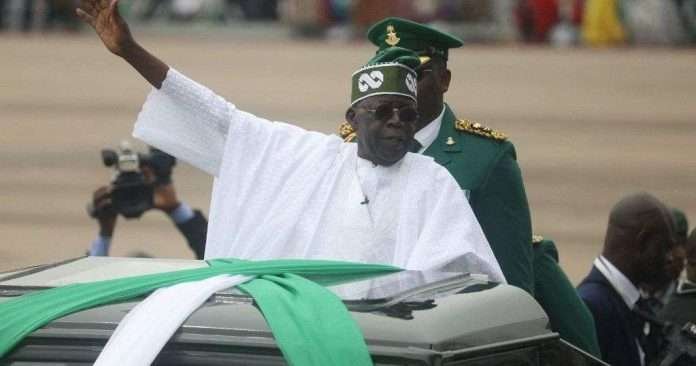
    Abuja, Nigeria – (African Boulevard News) – President Bola Tinubu of Nigeria has taken a bold step towards addressing the security challenges in the country with a reorganization of the security apparatus. The President announced on Monday the appointment of new heads of the army and security agencies in Nigeria, just three weeks after his inauguration as the President of the most populous country in Africa.

    The security situation in Nigeria has been a cause for concern in recent years, with the country facing threats from terrorism, banditry, kidnapping, and other forms of violent crime. President Tinubu, who was elected on a platform of security and economic development, has promised to tackle these challenges head-on.

    The new appointments include Major General Ibrahim Attahiru as Chief of Army Staff, Rear Admiral Awwal Zubairu Gambo as Chief of Naval Staff, and Air Vice Marshal Isiaka Amao as Chief of Air Staff. The President also appointed new heads for the Department of State Services (DSS), the Nigeria Police Force, and the Nigeria Security and Civil Defence Corps.

    Speaking on the appointments, the President said, “I have no doubt that the new Chiefs will bring a new sense of purpose, professionalism, and patriotism in the fight against terrorism and all other forms of security challenges facing our nation.”

    The President’s decision to restructure the security apparatus has received widespread support from security experts and stakeholders in Nigeria. Mr. Cheta Nwanze, a security analyst, said, “It is a welcome development. The new heads are experienced officers who have served in various capacities and have a good understanding of the security challenges in Nigeria.”

    Another security expert, Dr. Ona Ekhomu, praised the President’s decision, saying, “This move is a clear demonstration of President Tinubu’s commitment to improving the security situation in Nigeria. The new heads are expected to inject fresh ideas and energy into the security agencies and boost the morale of the troops.”

    The President’s reorganization of the security apparatus is a clear indication of his determination to address the security challenges in Nigeria. With the new appointments, Nigerians can be assured of a more robust and effective security architecture that will protect the lives and property of all citizens.

    Africa: Captivating Images of Resilience and Diversity Will Inspire You Today!

    0
    Read Time:2 Minute, 3 Second

    Diaspora, Africa – (African Boulevard News) – The most captivating images from the news today are a testament to the resilience and diversity of human experience. From a community garden in Nairobi, to the shores of Tripoli, these photos evoke powerful emotions and provide a window into different corners of the world.

    In Nairobi, a local community has come together to create a stunning garden out of a vacant plot of land. The garden is a source of pride for the community, and has not only beautified the neighborhood, but also contributed to the local food system. The image captures the beauty of the garden, with rows of vibrant and healthy crops, and the joy and pride of the community members who have made it happen.

    Another image from Tripoli shows a group of young children playing on the beach, with the Mediterranean Sea in the background. In the aftermath of the country’s civil war and ongoing political turmoil, a sense of normalcy for children is a welcome sight. The photo is a reminder of the simple joys of childhood and the importance of play in the midst of difficult circumstances.

    In South Africa, protesters have taken to the streets to demand more affordable housing. The image captures the intensity of their anger and the scale of their numbers, as they march through the streets with placards and banners. The housing crisis is a pressing issue in many parts of the country, and this image highlights the urgency and passion of those fighting for change.

    Finally, an image from the streets of Lagos shows the colorful and chaotic hustle of everyday life in one of Africa’s largest cities. The photo captures vendors selling their wares on the street, while pedestrians and vehicles jostle for space. Lagos is a city that never sleeps, and this image conveys its energy and vibrancy.

    These images are a small sample of the many stories and experiences that make up our world. They show the beauty, resilience, and diversity of the human experience, and remind us of our common humanity. As we navigate the challenges of our time, these images offer hope and inspiration.

    According to Africanews, every image has a story to tell, and every story has the power to inspire, educate, and move us. These photos of the day have achieved that very goal, showing us a glimpse of different parts of the world, and the diverse experiences that make up our global community.

    Sierra Leone: Idris Elba urges peaceful elections amidst reports of tensions and violence

    0
    Read Time:2 Minute, 3 Second

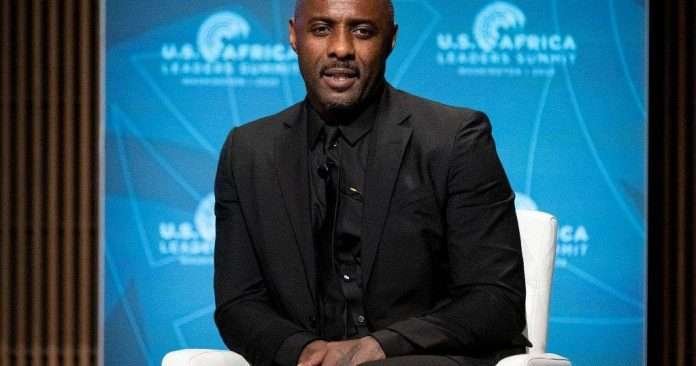
    Freetown, Sierra Leone – (African Boulevard News) – Ahead of the general elections set for Saturday, renowned British actor, Idris Elba, has urged politicians and citizens in Sierra Leone to maintain peace and tranquility during the polls. Idris, who identifies with Sierra Leone by birth and heritage, has called for free, fair, and credible elections.

    As the West African nation prepares for the polls, Idris Elba has expressed his hopes for a peaceful election, urging all stakeholders to prioritize peace before and after the elections. In a statement released on Monday, Idris expressed his concerns over the heightened tensions that have marred the election campaigns in Sierra Leone, noting that peaceful and transparent elections are critical for the country’s stability.

    “I urge all Sierra Leoneans to prioritize peace before, during, and after the elections. Violence, hate speech, and intimidation have no place in a democratic and free society. This is a crucial moment for Sierra Leone, and it is imperative that citizens exercise their constitutional rights peacefully,” said Idris.

    The actor turned activist has been actively engaging Sierra Leoneans on the importance of peaceful elections through his social media platforms. He has also urged the government to ensure that all election protocols are adhered to and that human rights violations are not tolerated.

    Idris Elba joins a growing list of prominent individuals and organizations calling for a peaceful and transparent election in Sierra Leone. The European Union and the United Nations have expressed their concerns over the fragile political environment in Sierra Leone and have urged political players to prioritize peace.

    However, despite the interventions from various stakeholders, there have been reports of tensions and sporadic violence in some parts of the country. There are fears that the election may be marred by violence, voter intimidation, and electoral malpractices.

    As Sierra Leoneans prepare to cast their ballots, it is essential for all stakeholders to uphold the highest standards of transparency, accountability, and democracy. Sierra Leone has come a long way from civil strife and violent conflicts, and it is imperative that it keeps moving forward.

    In conclusion, peaceful and democratic elections are critical for the stability of Sierra Leone. Idris Elba’s call for peace is a timely reminder that citizens must prioritize peace before and after the elections. As Sierra Leoneans, we must uphold the highest standards of transparency, accountability, and democracy. The world is watching, and we must demonstrate that Sierra Leone is a country that values peace and democracy.

    Sierra Leone: Main Opposition Candidate, Samura Kamara, Woos Rural Voters with Promising Rally as the Country Prepares for Crucial Presidential Polls

    0
    Read Time:2 Minute, 9 Second

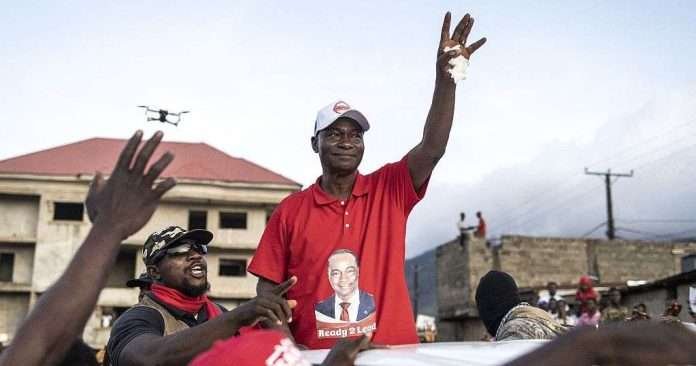
    Freetown, Sierra Leone – (African Boulevard News) – With the presidential polls just days away, campaigns in Sierra Leone are heating up. On Monday, June 19, Samura Kamara, the main opposition candidate, held a rally in the rural outskirts of Freetown, the country’s capital.

    Hundreds of supporters gathered to hear Kamara’s promises and plans for the future of Sierra Leone, as he delivered a powerful speech. Kamara emphasized his commitment to creating jobs, increasing access to healthcare, and improving education for all citizens, promising to restore hope, peace, and prosperity to the country.

    Kamara’s presence in the rural areas is not surprising since the rural population constitutes a significant voting block. Kamara’s opponent, the incumbent president Julius Maada Bio from the Sierra Leone People’s Party, is also on the campaign trail, visiting various cities, and towns across the country to win voters’ hearts.

    As the candidates continue to make their final pitches, many Sierra Leoneans are excited about the election and eager to cast their ballots on election day, June 26. With a population of around seven million people, Sierra Leone has experienced political instability and economic challenges in the past but has made significant progress towards peace and stability in recent years.

    According to political analysts, this election is crucial for Sierra Leone and the West African sub-region, as it will determine the country’s direction for the next five years. Sierra Leone is a resource-rich country, but its citizens have not seen the full benefits of these resources. The winner of the election will have to address the needs and aspirations of the people and prioritize economic development to improve the country’s fortunes.

    “Sierra Leoneans are eager to cast their votes, anxious to know who will lead their country. It is a time of reflection for all candidates, a time to make their last push,” said Roselyn Mansaray, a political analyst and commentator.

    The campaigns have been largely peaceful so far, and the international community is watching closely to ensure that the election is free and fair. The National Electoral Commission (NEC) has also assured Sierra Leoneans that all measures have been put in place to ensure a smooth, transparent, and credible process.

    In conclusion, the final days of the campaign before Sierra Leone’s presidential polls are critical, and the candidates are working hard to win over voters. The election will be a test of Sierra Leone’s democracy and the ability of its citizens to choose their leaders freely and fairly. The world is watching, and Sierra Leoneans have a unique opportunity to shape the future of their country.

    Rwanda: Former police officer faces trial for role in Tutsi genocide

    0
    Read Time:1 Minute, 41 Second

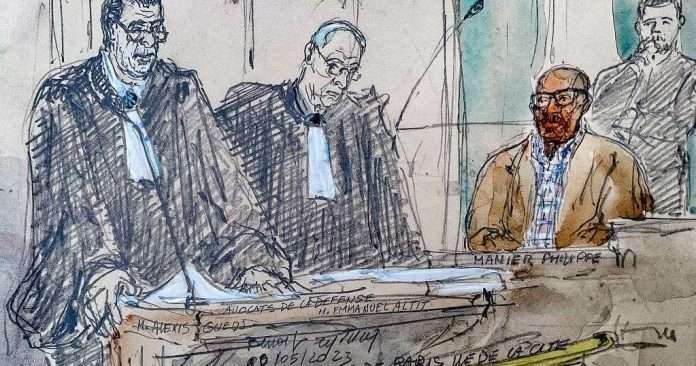
    Kigali, Rwanda – (African Boulevard News) – The trial of Philippe Hategekimana, a former Rwandan police officer who was naturalized as Philippe Manier in France, is set to enter a decisive phase in the Paris Assizes court on Wednesday. He is accused of playing a role in the Tutsi genocide in Rwanda.

    Hategekimana, who was arrested in France in 2017, is the first genocide suspect to be extradited to Rwanda from France. Prosecutors allege that he was part of a group of policemen who killed Tutsi civilians in the capital, Kigali, during the 1994 genocide.

    The trial, which began on June 13, has heard testimony from survivors and witnesses who have described the brutal violence that took place during the genocide. Hategekimana’s defense team has argued that their client is not guilty of the charges and that he was not in Rwanda during the 1994 genocide.

    Despite the defense’s claims, the prosecution has presented evidence that they say proves that Hategekimana was present and actively participated in the killings. A former colleague of Hategekimana’s, who testified in court, described him as “a man who killed without hesitation.”

    The trial is being closely watched, particularly in Rwanda, where the government has welcomed the extradition of Hategekimana and hopes that it will set a precedent for other countries to follow.

    “This trial sends a strong message to other countries that they cannot be a safe haven for genocide suspects,” Rwanda’s justice minister, Johnston Busingye, said in a statement.

    The trial also highlights the issue of international justice and the challenges of prosecuting crimes committed in one country in another jurisdiction. As Patrick Baudouin, president of the International Federation for Human Rights, explained, “It is necessary to have a universal justice system because impunity is a problem for humanity, and it is essential that the perpetrators of genocide and crimes against humanity are held to account.”

    The trial is expected to conclude on June 24, with the verdict expected shortly after. If found guilty, Hategekimana could face life imprisonment.