Saturday, May 2, 2026
87.9 F
Lagos
More
    Home Blog Page 343

    Morocco: Cannes Success Inspires New Wave of Youth Filmmakers

    0
    Read Time:2 Minute, 11 Second

    Rabat, Morocco – (African Boulevard News) – A new generation of Moroccan filmmakers is being celebrated for their recent success at the prestigious Cannes Film Festival in France. The three awards won by the young Moroccan filmmakers have inspired a new wave of youth filmmakers to pursue their dreams in the North African country.

    The Moroccan film industry has been on the rise in recent years, with several young filmmakers pushing the boundaries and addressing social issues through their work. This year’s Cannes Film Festival was a testament to the country’s growing impact on the global film industry. The three awards won by the Moroccan cohort were the result of a long-standing commitment to excellence and creativity.

    Under the theme “Moroccan Cinema at the Edge: The Era of New Faces,” at the Cannes Film Festival, Moroccan filmmakers showcased their work. The Jury Prize was awarded to “The Cow that Sang” by Hamza Baouchi, while Mohamed Zineddaine was awarded the Special Mention of the Jury for “The Train of Salt and Sugar.” Narjis Nejjar was awarded the SACD Prize for her film “Stateless.”

    Experts believe that the Cannes win will serve as a springboard for these filmmakers as they continue to explore the possibilities of storytelling and cinematography. They also hope that this success will help elevate the Moroccan film industry to new heights.

    Narjis Nejjar, director of “Stateless,” expressed her appreciation for the recognition, saying that “it is an honor to represent Moroccan cinema and to be recognized by such a prestigious festival. It shows that Moroccan cinema is on the right track.”

    The success of these young filmmakers is a significant boost for the Moroccan film industry, which has been hampered by a lack of resources and support. However, the government has recently taken steps to improve the industry’s infrastructure and provide resources to emerging filmmakers.

    This recent achievement is evidence of the commitment to excellence by the young filmmakers, and it highlights the significance of the Moroccan film industry as a whole. The Moroccan government should continue to support and invest in the industry to ensure that the country remains at the forefront of international cinema, inspiring generations to come.

    In conclusion, the recent wins of the young Moroccan filmmakers at the Cannes Film Festival have brought a new sense of hope and inspiration to the Moroccan film industry. It is a testament to the hard work and dedication of the filmmakers, as well as a recognition of the potential of the Moroccan film industry. As the filmmakers continue to explore new forms of storytelling, one can only imagine the possibilities that lie ahead for the industry.


    Kenya: The World’s Top TikTok User – A Digital Revolution in the Making

    0
    Read Time:1 Minute, 48 Second

    Nairobi, Kenya – (African Boulevard News) – Social media is the most widely used communication platform globally, with TikTok being one of the most popular platforms among the youth. According to the recently published Reuters Institute Digital News report 2023 survey, Kenya is the world’s top TikTok user.

    The study shows that 14% of Kenyans use TikTok daily, placing the country at the top of the list, followed by the United States at 13%. It is worth noting that the report came after studying internet usage in over 40 countries. Kenya’s top position can be attributed to the country’s sizable population of youth, who make up 75% of the total population.

    TikTok is a social media application that allows users to share short video clips and has become increasingly popular worldwide. The app has made it easier for individuals to showcase their talents and skills to a broader audience, especially the youth who are keen on sharing their creative expressions.

    Kenya’s top position in the rankings has not gone unnoticed. Industry experts have spoken about the impact of TikTok on social media and the opportunities it presents in Kenya. According to Muthoni Muriithi, a social media expert, Kenyans have taken advantage of the platform, not only to showcase their talent but to promote their businesses, especially during the COVID-19 pandemic.

    “TikTok has become the go-to platform for individuals to showcase their talents, and businesses have started to take note of its potential. During the pandemic, we have seen an increase in e-commerce businesses that have harnessed the power of TikTok to sell their products,” said Muriithi.

    This report puts Kenya at the forefront of the digital revolution. It is a positive sign for the country in terms of youth engagement in technology and the creative economy. It also provides an opportunity for Kenyan businesses to tap into a new market and explore the platform’s potential.

    In conclusion, Kenya’s top position in the TikTok rankings is a reflection of the country’s digital journey and the youth’s engagement in embracing new technology. TikTok has a significant role to play in shaping the future of social media, and Kenya is leading the way.

    Ghana: Football Legend Asamoah Gyan Retires from the Game at 37, Leaving Huge Void in National Team and Fans’ Hearts

    0
    Read Time:2 Minute, 10 Second

    Accra, Ghana – (African Boulevard News) – Ghanaian football legend Asamoah Gyan has announced his retirement from the game at the age of 37. The striker, who captained the Black Stars at three consecutive World Cups, has been a household name in Ghanaian football for over a decade.

    Gyan, who made his international debut in 2003, played for several clubs during his career, including Sunderland, Al Ain, Shanghai SIPG, and NorthEast United. He scored a total of 51 goals in 109 appearances for Ghana, making him the country’s all-time leading scorer.

    In a statement released on Tuesday, Gyan said: “I have decided to retire from the national team permanently after 20 years of service. I would like to thank the Ghana Football Association, former presidents, colleagues, coaches, and everyone who played a role in my career.”

    Fans and football analysts have been quick to react to the news of Gyan’s retirement. Many have paid tribute to his contribution to Ghanaian football, with some describing him as one of the country’s greatest players of all time.

    Former Ghana striker Tony Yeboah praised Gyan’s dedication to the national team, saying: “He has given his all for Ghana, and we will always be grateful for what he has done. He has been a great ambassador for our country.”

    Gyan’s decision to retire from football comes as a surprise to many, as he had been playing for Indian Super League club NorthEast United until the end of the 2022-23 season. However, he has said that he wants to focus on his family and other business interests.

    Despite his retirement, Gyan’s legacy in Ghanaian football is secure. He has been a key player for the national team for two decades and has scored some of the most important goals in the country’s history, including a stunning strike against the United States in the 2010 World Cup.

    As Ghana looks to the future, many will be hoping that a new generation of players can step up and fill the void left by Gyan’s retirement. However, there is no doubt that he will be sorely missed by fans and teammates alike.

    In conclusion, Asamoah Gyan’s retirement from football marks the end of an era in Ghanaian football. The striker’s contribution to the national team has been immense, and his legacy will live on for many years to come. While fans will miss seeing him on the pitch, Gyan’s decision to focus on his family and other interests is understandable and deserves respect. Ghanaian football will always be grateful to Asamoah Gyan for everything he has done for the sport and the country.

    Kenya: The Toughest Rally in the World is Back, With President William Ruto in Attendance

    0
    Read Time:2 Minute, 1 Second

    Nairobi, Kenya – (African Boulevard News) – The World Rally Championship Safari Rally kicked off in Kenya, amidst excitement and anticipation from fans and the rally fraternity worldwide. Kenya’s President, William Ruto, graced the event on Wednesday, in Naivasha, as the contest shifted to top gear.

    The Safari Rally is considered the toughest of all races worldwide. For decades, it was a key event on the World Rally Championship calendar until it was dropped in 2002 due to safety concerns. However, the Safari Rally made a comeback last year after a 19-year hiatus, and has become a favorite event for drivers and fans alike.

    This year’s event brings together some of the best drivers in the world, including reigning world champion, Sebastien Ogier, and Kenya’s own ace driver, Onkar Rai. The rally will cover a distance of over 800 kilometers over three days, passing through the breathtaking landscapes of Nakuru, Naivasha, and Kajiado.

    In addition to providing thrilling racing action, the event will also provide a boost to the Kenyan economy, especially the tourism industry. Last year’s event attracted thousands of fans from all over the world, providing a massive financial boost to the region.

    According to Kenya’s Tourism Cabinet Secretary, Najib Balala, the Safari Rally is an opportunity for Kenya to showcase its beautiful landscapes and the warm hospitality of Kenyans to the world. Speaking at a press conference in Naivasha, Balala said, “The rally is not only important for the drivers, but also for the country. It puts Kenya on the world map and is a boost to our tourism industry.”

    The event has been highly anticipated by both locals and international rally enthusiasts, with many hotels and lodges in Naivasha and Nakuru fully booked several weeks before the race. The rally has also generated significant interest on social media, with the hashtag #SafariRally trending on various platforms.

    In conclusion, the WRC Safari Rally is a prestigious event that has put Kenya on the world map and is a testament to the country’s excellent facilities and infrastructure. The return of the Safari Rally last year after an almost twenty-year hiatus has highlighted Kenya’s potential as a sports tourism destination. This year’s event is set to be the best yet, and we look forward to seeing the drivers tackle the challenging terrains and breathtaking landscapes that make the Safari Rally a truly unique and unforgettable event.

    Ethiopia: Millions at Risk of Hunger as Aid is Paused Due to Massive Theft of Funds

    0
    Read Time:1 Minute, 53 Second

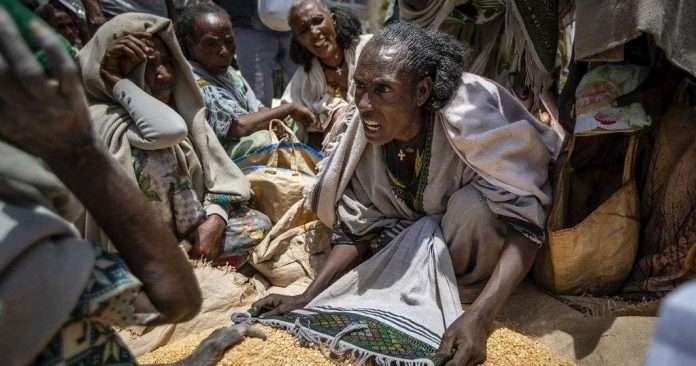
    Addis Ababa, Ethiopia – (African Boulevard News) – Millions of Ethiopians are once again facing the threat of hunger as the United States and the United Nations pause their aid to the country due to a massive theft of funds. The latest crisis comes as a blow to the country, which has already been struggling with a severe food shortage due to natural disasters and the ongoing conflict in the Tigray region.

    According to recent reports, the US Agency for International Development (USAID) has suspended its assistance to Ethiopia following the theft of over $10 million in aid funds. The UN World Food Programme has also halted its assistance to the country.

    This move has left millions of Ethiopians without access to vital food supplies and other forms of aid, including medical assistance and psychosocial support. The situation is especially dire in the Tigray region, where the conflict has left many people displaced and in need of urgent aid.

    The Ethiopian government has expressed its disappointment at the decision, saying that it will have a devastating impact on the country’s most vulnerable populations. Prime Minister Abiy Ahmed has called on the international community to provide more aid to Ethiopia to help alleviate the suffering of those affected by the food crisis.

    However, some African leaders are raising their voices against the rich countries that are quick to pour billions of dollars into other regions but do not always live up to their commitments to the continent. They argue that more needs to be done to support African countries that are facing severe crises, such as Ethiopia.

    Experts say that the situation in Ethiopia is likely to worsen in the coming weeks and months, with millions of people at risk of starvation. They are calling on the international community to act quickly to provide more aid to the country and to prevent the crisis from spiraling out of control.

    As the world watches, it is clear that Ethiopia needs urgent assistance to address its food crisis. It is imperative that rich countries and international organizations live up to their commitments to provide aid to those who need it most. Failure to do so will only result in more suffering for the people of Ethiopia and other vulnerable populations across the continent.

    South Sudan: UN Envoy Warns Global Community Must Not Forget About Fragile Nation Amid Multiple Crises

    0
    Read Time:2 Minute, 1 Second

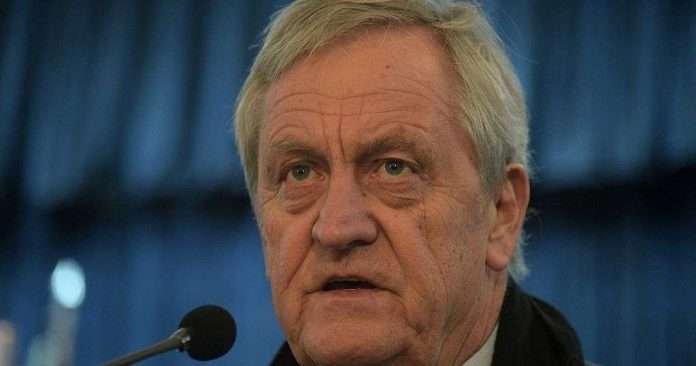
    Juba, South Sudan – (African Boulevard News) – The United Nations envoy to South Sudan, Nicholas Haysom, has issued a stern reminder that the global community must not forget about South Sudan, even as the world’s attention shifts from one crisis to another. Despite South Sudan’s peace agreement signing in 2018, Haysom warned that the country remains fragile and prone to violence.

    “The war in Sudan, which has shown how quickly hard-won gains towards peace can be wiped out, must not distract attention from the risks facing South Sudan,” he cautioned.

    The renewed warning followed the UN Security Council briefing on the implementation of the revitalised peace agreement in South Sudan earlier this month.

    South Sudan, the world’s youngest country, has been embroiled in a civil conflict since 2013, which has led to the displacement of millions of people and caused a humanitarian crisis. Despite the peace deal, sporadic violence and insecurity have continued to hamper the implementation of the agreement.

    Haysom also expressed concern over the lack of funding to support the peace process and humanitarian aid efforts in South Sudan, which he said was hampering progress.

    “The humanitarian response plan requiring $1.7 billion is only 54% funded, and this is a cause for concern,” he said. “We need to see more international support to address the humanitarian and development needs of the people of South Sudan.”

    The UN envoy’s warning comes as the world reels from several crises, including the COVID-19 pandemic, climate change, and ongoing conflicts, including in Sudan, Ethiopia, and Afghanistan.

    Haysom said the situation in South Sudan required urgent attention, and that the country must not be forgotten.

    “Sudan, of course, is important,” he said. “But South Sudan is equally important. The people of South Sudan deserve a chance for peace and stability, just as much as those in any other country.”

    The UN envoy urged the international community to keep a focus on the situation in South Sudan, as the African nation needs continued support in the face of ongoing challenges.

    In conclusion, the UN envoy to South Sudan’s warning is timely, as the world’s attention is often pulled in multiple directions. However, the situation in South Sudan remains dire, and the country requires support to address its humanitarian and development needs. The renewed call to action must be heeded, and the global community must stand by South Sudan in its quest for peace and stability.

    Africa: Leaders Denounce Western Countries’ Aid Hypocrisy

    0
    Read Time:2 Minute, 9 Second

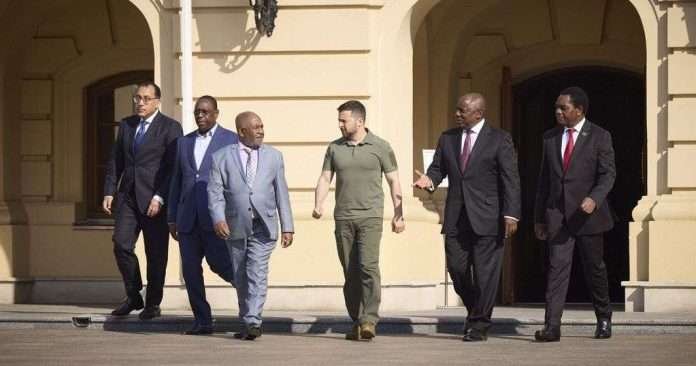
    Diaspora, Africa – (African Boulevard News) – For decades, African nations have been at the receiving end of aid from western countries. Aid has been seen as a necessary measure to help developing countries boost their economies and provide basic needs for their citizens. However, there is growing concern among African leaders about the unequal distribution of aid amongst different regions in the world. Some of them are denouncing the double standards by Western countries who are quick to pour billions of dollars into Kiev but do not always live up to their commitments to the continent.

    African countries feel that they are being treated unfairly, and they are speaking out against what they see as a double standard. They argue that western countries should fulfill their commitments to Africa fully, as they are doing in other regions of the world. The lack of parity when it comes to aid is a significant issue for the African continent and has been for some years.

    According to an African Boulevard News report, “Africa denounces western countries’ aid double standard,” African nations have pledged to improve accountability and governance to ensure that aid is put to good use. Western countries have made similar commitments, but many African leaders feel that they are not living up to their promises.

    The report highlights that some African countries have made significant progress in terms of development, but they still face significant challenges in areas such as healthcare, education, and infrastructure. To overcome these challenges, African leaders need the support of their international partners, including western countries.

    The article states that the African continent is rich in resources, including oil, gold, diamonds, and other precious minerals. However, these resources are often exploited by foreign companies, and the profits rarely benefit the African people. African leaders are calling for a fairer distribution of these resources and for western countries to help them build self-reliant economies.

    African governments are also seeking alternatives to aid, such as private investment, trade, and partnerships. The report notes that China and other Asian countries have increased their investments in Africa significantly, providing an alternative source of finance. African leaders believe that this approach could be the key to long-term sustainable development.

    In conclusion, African nations are speaking out against the double standards of western countries when it comes to providing aid. They argue that western countries should fulfill their obligations to Africa fully and help the continent build self-reliant economies. To achieve this, African leaders are seeking alternatives to aid, such as private investment, trade, and partnerships with other countries.

    Africa: Climate Activists Demand End to Fossil Fuel Financing at Global Summit in Paris

    0
    Read Time:2 Minute, 4 Second

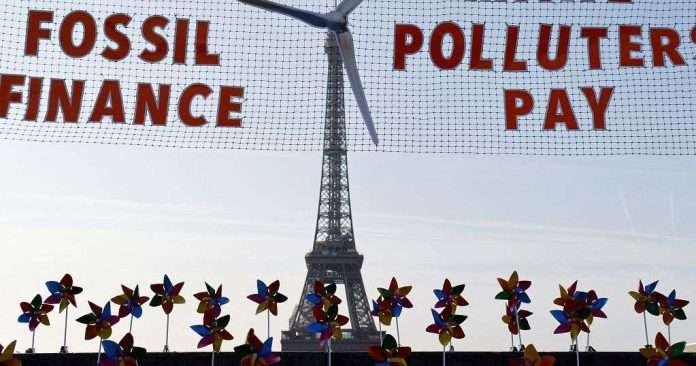
    Diaspora, Africa – (African Boulevard News) – Hundreds of climate activists took to the streets of Paris on Wednesday, June 21, to protest against the financing of fossil fuels. The demonstration comes as a new global financial pact summit begins in the French capital.

    The protestors, representing a wide range of environmental groups, chanted slogans and held signs calling for an end to the funding of coal, oil, and gas projects that contribute to climate change. Demonstrators marched from the French National Assembly to the headquarters of Société Générale, a major French bank that has been criticized for its investments in fossil fuels.

    According to a recent report by the Rainforest Action Network, Société Générale is the third-largest lender to fossil fuel projects globally and has provided over $30 billion in financing to the fossil fuel industry since 2016.

    “Finance is a key driver of climate change, and banks like Société Générale must stop funding fossil fuels if we are to avoid the worst impacts of the climate crisis,” said Lucy Cadena, a campaigner with 350.org, one of the groups involved in the protest.

    Organizers of the demonstration say they want to send a message to leaders attending the summit, known as the Finance in Common Summit, that financial institutions must take immediate action to address the climate crisis. The summit brings together over 500 public development banks from around the world to discuss ways to finance sustainable development.

    “We want to show that we will not accept business as usual,” said Yann Louvel, a campaigner with BankTrack, an organization that monitors the environmental and social impacts of the banking sector. “We need a radical transformation of the financial sector if we are to have any chance of staying within the limits of what the planet can take.”

    The protest in Paris is just one of many organized by climate activists around the world in recent months. In May, the International Energy Agency called for an end to new fossil fuel projects in order to achieve net-zero emissions by 2050. The United Nations has also warned that urgent action is needed to address the climate crisis, which is already causing devastating impacts on communities and ecosystems.

    As the Finance in Common Summit continues, environmental groups are calling on leaders to prioritize investments in clean energy and sustainable infrastructure. They say that by divesting from fossil fuels and investing in renewable energy, financial institutions can help to build a more just and sustainable future.

    Somalia: Violence erupts in Puntland parliament leading to fatalities and fears for stability

    0
    Read Time:2 Minute, 8 Second

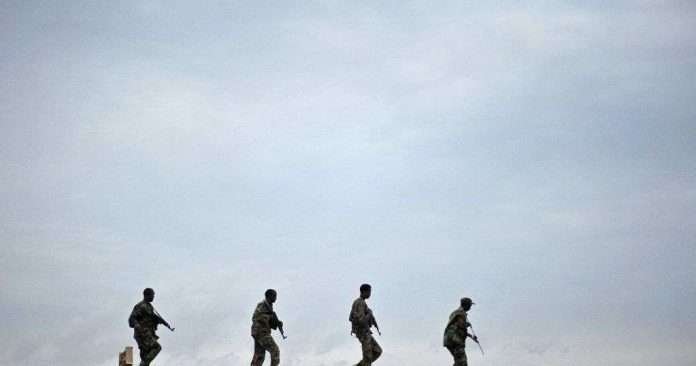
    Mogadishu, Somalia – (African Boulevard News) – Tragic news coming out of Somalia as at least eight people lost their lives on Tuesday in violent clashes outside the parliament in the semi-autonomous state of Puntland. The violence erupted between local security forces and armed militiamen loyal to the area’s former president. The situation has escalated tension in the already volatile region, leading to concerns about the country’s stability.

    According to eyewitnesses, the clashes began when supporters of former Puntland President, Abdiweli Mohamed Ali, attempted to storm the parliament building. Security forces tried to disperse the crowd, but the situation quickly turned violent. Gunfire filled the air, and explosions could be heard from a distance. The eight casualties included security personnel and civilians caught up in the chaos.

    Puntland’s chief minister, Abdinasir Bihi Soofe, condemned the violence and called for an immediate end to the fighting. He also appealed to the public to remain calm and allow the government to handle the situation. However, tensions in the area remain high, with reports of protests in the streets and a heavy military presence.

    The situation in Puntland is concerning, given the region’s strategic importance and its status as a key ally of the Somali government. Puntland has long been viewed as a model for regional governance, with its relative stability and economic growth attracting foreign investment and aid. However, recent political tension and violence threaten to derail these gains, jeopardizing the state’s progress and stability.

    International bodies have called for immediate de-escalation of the situation in Puntland, with the United Nations Assistance Mission in Somalia urging all parties to “resolve political differences through dialogue and peaceful means.” The African Union has also condemned the violence, calling for “an urgent, inclusive and peaceful dialogue to address political differences in the region.”

    The situation in Puntland highlights the fragility of Somalia’s political landscape and the need for continued support from the international community to ensure stability and peace. The country has been mired in conflict and political instability for decades, with various factions vying for power and control. The latest violence in Puntland is a stark reminder of the challenges that remain and the urgent need for a sustainable solution.

    In conclusion, the violence in Puntland is a tragedy for the region and a concern for the international community. The situation is fluid, and it remains unclear how the events will affect the region’s stability and political landscape in the coming weeks and months. However, one thing is clear – the need for dialogue and peaceful resolution has never been more urgent.

    Rwanda: Genocide Fugitive Seeks Asylum, Outrages Officials and Sparks Debate

    0
    Read Time:2 Minute, 12 Second

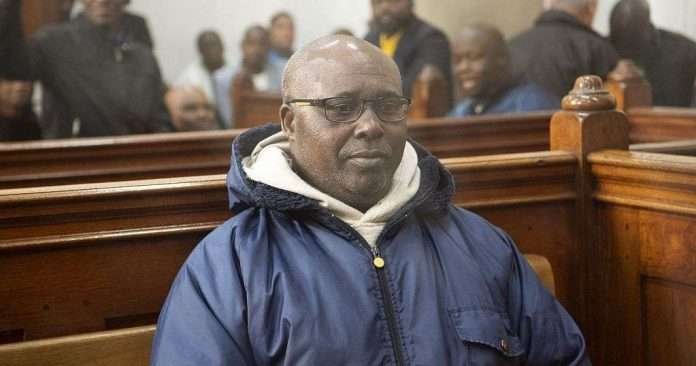
    Kigali, Rwanda – (African Boulevard News) – Fulgence Kayishema, a former Rwandan police officer, has been accused of playing a major role in the genocide that took place in Rwanda in 1994. It has now come to light that Kayishema is seeking asylum in South Africa to avoid prosecution.

    Kayishema is one of the most wanted fugitives sought by the International Criminal Tribunal for Rwanda (ICTR). The tribunal was established by the United Nations in order to try those responsible for the genocide, which claimed the lives of an estimated 800,000 people, mainly from the Tutsi community.

    Kayishema, who was a senior police officer in the western town of Kibuye at the time of the genocide, is accused of organizing and participating in the massacres of thousands of Tutsi civilians. He is believed to have fled to the Democratic Republic of Congo (DRC) after the genocide and has been on the run ever since.

    According to sources close to the matter, Kayishema’s application for asylum in South Africa is based on fear of persecution if he returns to Rwanda to face trial. The South African authorities are expected to receive a formal request for asylum from Kayishema.

    This move has been met with outrage by the Rwandan government. Speaking to African Boulevard News, Rwandan Justice Minister, Johnston Busingye said: “We are disappointed and angered by this news. Kayishema is a fugitive from justice who is responsible for the deaths of thousands of innocent people. We are calling on the South African authorities to reject his application for asylum and to allow him to stand trial for his crimes.”

    South Africa, which has a large Rwandan community, is a signatory to the International Criminal Court (ICC) and has previously cooperated with the ICTR in the arrest and extradition of other genocide suspects.

    This new development has sparked a debate about the role of South Africa in the fight against impunity for crimes against humanity, and whether it should provide a safe haven for those accused of committing such crimes.

    If Kayishema is granted asylum in South Africa, it will be a blow to the Rwandan government’s efforts to bring those responsible for the genocide to justice. It will also send a message to other fugitives that they can evade justice by seeking asylum in other countries.

    In conclusion, the application for asylum by Fulgence Kayishema has raised questions about the role of South Africa in the fight against impunity for crimes against humanity. As the world watches and waits, only time will tell what the fate of Kayishema will be and whether he will be held accountable for his alleged crimes.