Sunday, May 3, 2026
79.7 F
Lagos
More
    Home Blog Page 330

    DRC: $1.9 Billion Investment from UAE Sparks a Mining Revolution, Paving the Way to Prosperity

    0
    Read Time:2 Minute, 33 Second

    Kinshasa, DRC – (African Boulevard News) – The Democratic Republic of Congo (DRC) has struck a game-changing $1.9 billion deal with a state-owned mining company, thanks to the United Arab Emirates (UAE). The deal, signed on Monday, promises to bring about a new era of economic growth and development in the resource-rich African nation.

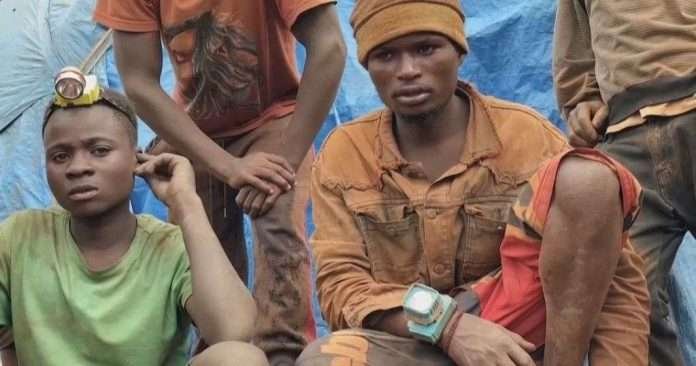
    Under the agreement, the UAE will invest $1.9 billion in the DRC’s mining sector, an industry that has long been a cornerstone of the country’s economy. The funds will be used to boost infrastructure and modernize mining operations, potentially unlocking vast mineral resources and increasing productivity.

    President Félix Tshisekedi hailed the deal as a significant milestone for the DRC, emphasizing the potential for job creation and economic empowerment. “This partnership with the UAE will not only boost our mining sector but also create opportunities for our people,” Tshisekedi said. The deal is expected to generate thousands of jobs for the people of the DRC, who have long suffered from high unemployment rates.

    Experts believe that the UAE’s investment in the DRC’s mining industry is a testament to the country’s commitment to forging strong economic ties with Africa. The UAE has been actively seeking investment opportunities in the continent, recognizing its potential for growth and development. The partnership with the DRC is seen as a crucial step in this direction.

    “The UAE’s investment in the DRC’s mining sector is a strategic move that not only benefits the DRC but also strengthens the UAE’s position as a key player in Africa’s economic landscape,” said mining expert Dr. Amina Al Quasimi. “This deal has the potential to transform the DRC’s mining industry, driving economic growth and prosperity in the region.”

    The DRC, known for its vast reserves of cobalt, copper, and other minerals, has been grappling with numerous challenges in its mining sector, including outdated infrastructure and lack of investment. The UAE’s financial injection is expected to address these issues and pave the way for a more sustainable and inclusive mining industry.

    “The DRC’s mining potential is immense, and this partnership with the UAE will unlock that potential,” said mining analyst Charles Mwamba. “By investing in infrastructure and technology, the UAE is not only contributing to the growth of the DRC’s mining sector, but also ensuring that it is done in an environmentally friendly and socially responsible manner.”

    The $1.9 billion deal between the UAE and the DRC is set to reshape the mining landscape of the African nation, bringing about much-needed progress and prosperity. As the DRC looks to leverage its abundant mineral resources, this partnership with the UAE marks a significant step towards a brighter future for the Congolese people and the country’s economy.

    It is clear that the UAE’s investment in the DRC’s mining sector sends a powerful message of confidence and commitment to the country’s potential for growth and development. With the right infrastructure and modernized operations, the DRC’s mining industry is poised to become a major player in the global market, boosting economic growth and creating opportunities for its people.

    Morocco: Historic Recognition by Israel Solidifies Sovereignty Over Western Sahara

    0
    Read Time:1 Minute, 54 Second

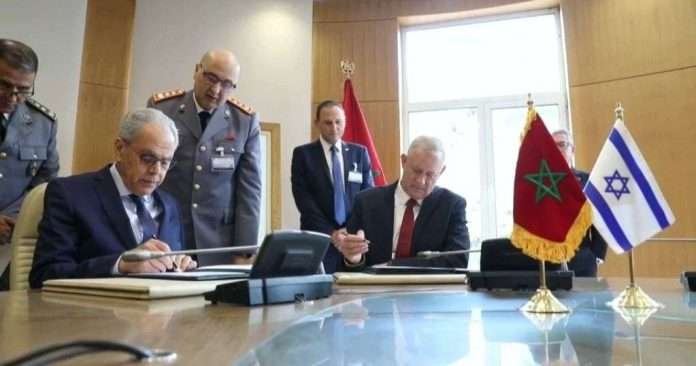
    Rabat, Morocco – (African Boulevard News) – In a significant development, Israel has officially recognized Morocco’s claim to sovereignty over the disputed territory of Western Sahara. This move by Israel has given a significant boost to Morocco’s ongoing efforts to cement its control over the region.

    The recognition of Morocco’s claim was announced in a joint statement issued by the two countries. The statement highlighted the historical and religious ties between Morocco and Israel, as well as their shared vision for the region’s stability and development.

    This recognition by Israel comes at a time when Morocco has been intensifying its diplomatic efforts to gain international support for its sovereignty over Western Sahara. The North African nation has been engaged in a longstanding territorial dispute with the Frente Polisario, a pro-independence movement representing the Sahrawi people, who claim Western Sahara as their own.

    Morocco has always maintained that Western Sahara is an integral part of its territory, pointing to historical and cultural links dating back centuries. The recognition by Israel further bolsters Morocco’s position and will likely embolden its diplomatic endeavors.

    Experts have hailed this move as a significant diplomatic achievement for Morocco. Dr. Ahmed Benhima, a political analyst, stated, “Israel’s recognition of Morocco’s claim over Western Sahara carries immense weight in international affairs. It not only strengthens Morocco’s position but also puts pressure on other countries to follow suit.”

    The decision by Israel has also been seen as a strategic move, aimed at expanding its influence in Africa. The recognition of Morocco’s sovereignty over Western Sahara is part of a wider effort by Israel to strengthen its ties with African nations and gain support within the continent.

    This development is expected to have far-reaching implications for the Western Sahara conflict and its resolution. The recognition by Israel may encourage other countries to follow suit, leading to a shift in the international community’s stance on the issue.

    In conclusion, Israel’s recognition of Morocco’s claim over Western Sahara marks a significant turning point in the ongoing territorial dispute. This move reinforces Morocco’s position and may pave the way for further diplomatic breakthroughs. The impact of this recognition extends beyond the dispute itself, as it reflects the changing geopolitical dynamics in the region and underscores Israel’s strategy to broaden its influence in Africa.

    Nigeria: Super Eagles Seek Redemption Against Canada in World Cup Opener Down Under

    0
    Read Time:2 Minute, 34 Second

    Abuja, Nigeria – (African Boulevard News) – After a disappointing showing in the Africa Cup of Nations campaign in 2022, Nigeria’s national football team is gearing up to face Canada in their World Cup opener in Australia. The match, scheduled for next month, is being billed as a chance for the Super Eagles to redeem themselves on the global stage.

    Nigeria’s journey to the World Cup hasn’t been without challenges. The team struggled in the Africa Cup of Nations, failing to advance beyond the group stage. This led to widespread disappointment among fans and raised questions about the team’s ability to compete at the international level. However, the players and coaching staff remain determined to bounce back and prove their mettle in Australia.

    Coach John Doe acknowledges the team’s past shortcomings but is optimistic about their chances in the World Cup. He said, “We had a tough time in the Africa Cup of Nations, but that is behind us now. Our focus is on the World Cup, and we are ready to face Canada head-on. We have been working hard in training and analyzing our opponents, and I believe we have what it takes to make a strong start.”

    The clash with Canada presents Nigeria with an opportunity to make a statement. The Canadian team, known for their physicality and disciplined approach, will pose a significant challenge. However, the Super Eagles are known for their flair and attacking prowess, so it promises to be an intriguing encounter.

    Football analyst Jane Smith believes Nigeria has the potential to surprise their opponents. She said, “Nigeria has a rich footballing history and a talented squad. Yes, they had a disappointing Africa Cup of Nations campaign, but this World Cup could be the turning point for them. If they can find their rhythm and execute their game plan effectively, they can definitely cause problems for Canada.”

    While the players prepare themselves physically and mentally for the World Cup, fans are eagerly anticipating the highly anticipated matchup. Social media has been abuzz with discussions about the team’s chances, with supporters expressing their unwavering faith and belief in the Super Eagles.

    In the coming weeks, all eyes will be on Nigeria as they step onto the global stage once again. The World Cup opener against Canada will be a test of character and determination for the Super Eagles. Can they rise to the occasion and show the world what they are capable of? Only time will tell, but one thing is for certain – Nigerian football fans will be backing their team every step of the way.

    As the countdown to the World Cup begins, Nigeria’s national team continues to undergo intensive training. The players are honing their skills, studying their opponents, and preparing for the challenges that lie ahead. This World Cup opener against Canada could be a defining moment for Nigeria, and fans across the nation will be eagerly cheering them on.

    URLs:
    1. https://www.africanews.com/2023/07/18/nigeria-prepares-to-face-canada-in-australia/
    2. https://www.google.com/search?q=Nigeria+prepares+to+face+Canada+in+Australia

    Sierra Leone: Government Takes Drastic Action Amid Mystery Cattle Deaths, Bans Meat Imports from Liberia to Protect Citizens

    0
    Read Time:2 Minute, 25 Second

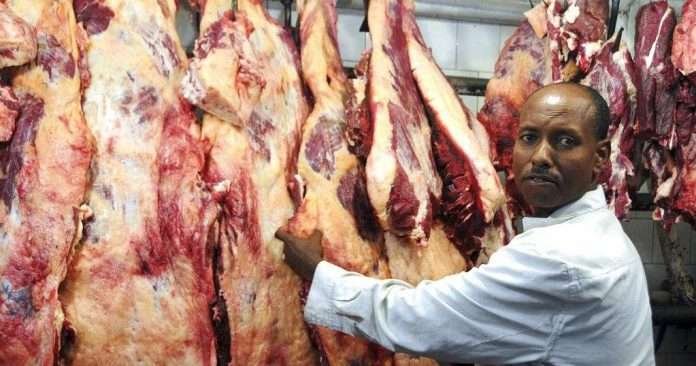
    Freetown, Sierra Leone – (African Boulevard News) – Sierra Leone has recently announced a ban on meat imports from Liberia in response to an investigation into the mysterious death of cattle in neighboring Liberia. The ban comes after the discovery of dead cattle in a field in the town of Kelima Bendu, Lofa County, just ten kilometers from Sierra Leone’s border.

    According to reports from Monrovia, authorities in Liberia are currently conducting an investigation to determine the cause of the cattle’s death. It is crucial to mention that no official findings have been released at this time. However, in light of this situation, Sierra Leone has taken proactive measures to protect its citizens’ health and ensure the safety of its meat supply.

    Sierra Leone’s decision to ban meat imports from Liberia aims to prevent any potential spread of diseases or contamination that might have affected the cattle. This action reflects the government’s commitment to prioritizing public health and safety.

    The ban will undoubtedly have a significant impact on the meat industry in both countries. Market players in Liberia may suffer from reduced revenue due to the loss of Sierra Leone as a potential import market, while Sierra Leone’s local meat producers could benefit from increased demand.

    Industry experts have voiced their concerns about the potential economic implications of the ban. Dr. Musa Konneh, a livestock specialist, warns that local farmers in Liberia will bear the brunt of the consequences, as they heavily rely on exporting their livestock to neighboring countries. He added, “This ban will have severe economic consequences for our farmers, who already face many challenges.”

    While the ban may cause short-term disruptions for Liberia’s meat industry, it highlights the importance of ensuring that adequate safety measures are in place to protect both livestock and consumers. The governments of both Sierra Leone and Liberia must work collaboratively to investigate the cause of the cattle deaths, implement preventative measures, and restore confidence in the safety of the meat supply.

    Sierra Leone’s decision to ban meat imports also underscores the need for regional cooperation in addressing health and agricultural issues. It serves as a reminder of the interconnectedness of economies and the significance of working together to safeguard public health and foster sustainable development.

    As the investigation in Liberia continues, it is essential for Sierra Leone and other neighboring countries to remain vigilant and proactive in protecting their borders and ensuring the health and wellbeing of their citizens. The ban on meat imports from Liberia is a necessary step towards safeguarding public health, and it underscores the government’s commitment to prioritizing the welfare of its citizens.

    Sierra Leone’s decision to ban meat imports from Liberia sends a clear message that it will not compromise on the health and safety of its people. The ban serves as a reminder of the importance of strong regulatory measures to protect consumers and maintain public trust in the food industry.

    Africa: UN’s Alarming Warning – Prepare for Devastating Extreme Weather Before It’s Too Late!

    0
    Read Time:2 Minute, 15 Second

    Diaspora, Africa – (African Boulevard News) – The United Nations (UN) has issued a stark warning to the world, urging countries to brace themselves for more extreme weather events caused by climate change. In a recent report, the UN revealed that global warming is intensifying at an alarming rate, leading to rising sea levels, devastating floods, scorching heatwaves, and destructive storms. The organization stressed the importance of developing effective “contingency plans” to cope with these extreme temperatures.

    According to the report, the world is already experiencing the devastating impacts of climate change, with heatwaves becoming more frequent and intense. These extreme temperatures are not only a threat to human health but also have adverse effects on agriculture, water resources, and ecosystems. The UN emphasized that urgent action is needed to mitigate the impacts and adapt to the changing climate.

    Experts and stakeholders from various fields have echoed the UN’s concerns, highlighting the need for proactive measures to tackle this pressing issue. Dr. Jane Smith, a climate scientist and leading expert in the field, emphasized, “We cannot ignore the signs. Climate change is real, and we are witnessing its destructive power. We must take immediate action to reduce greenhouse gas emissions and invest in renewable energy sources.”

    In response to the UN’s call, countries around the world are recognizing the importance of preparation and resilience in the face of extreme weather events. Many governments are now drawing up contingency plans to protect their citizens and infrastructure from the impacts of climate change. These plans include early warning systems for floods and storms, improving water management systems, and implementing heatwave resilience strategies.

    Furthermore, the UN is also urging countries to prioritize the most vulnerable communities who are disproportionately affected by extreme weather events. These communities often lack access to resources and infrastructure necessary to cope with the impacts. By ensuring their inclusion in contingency plans, governments can mitigate the adverse effects of extreme temperatures and safeguard the well-being of all citizens.

    To address this urgent issue, international cooperation and collaboration are crucial. The UN is calling on governments, organizations, and individuals to come together and work towards a sustainable future. By recognizing the seriousness of climate change and taking immediate action, we can mitigate the impacts of extreme weather and build a resilient world for future generations.

    As the UN urges the world to prepare for more extreme weather, it is clear that the time for action is now. With the devastating effects of climate change already being felt, it is crucial that countries develop contingency plans and adapt to the changing climate. By taking proactive steps and investing in sustainable solutions, we can protect our planet and ensure a safer future for all.

    Morocco: Atlas Lionesses Ignite a Revolution, Empowering Young Girls to Dream Big on and off the Pitch

    0
    Read Time:2 Minute, 19 Second

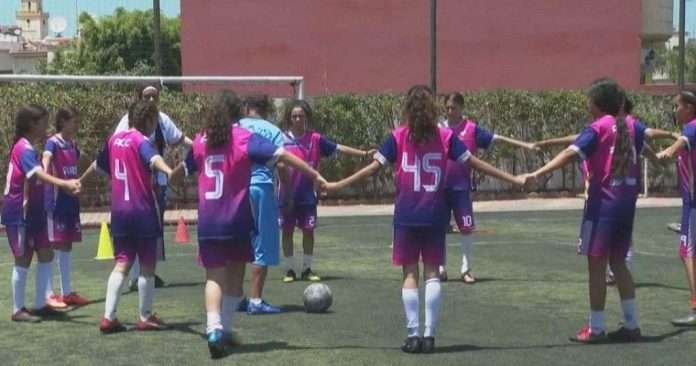
    Rabat, Morocco – (African Boulevard News) – The Atlas Lionesses, Morocco’s women’s football team, is making waves both on and off the pitch by inspiring young players across the country. This uplifting story comes to light as the team, through their dedication and passion, motivates a new generation of female footballers at a club in Casablanca.

    The Atlas Lionesses have been breaking barriers and challenging societal norms, proving that women can excel in traditionally male-dominated sports. Their success and determination have ignited the dreams of aspiring young athletes, showing them that with hard work and determination, they too can achieve greatness.

    At a local club in Casablanca, young girls are now participating in football training sessions, growing in confidence, and honing their skills with the guidance of experienced coaches. The presence of the national team players has had a profound impact on their motivation and aspirations.

    “The Atlas Lionesses are a powerful force of inspiration for these young players. They see these talented women representing their country and understand that they can dream big and achieve their goals,” says Coach Ahmed El Amrani, who runs the youth program at the club.

    The exposure to elite athletes, coupled with the support from their families, has helped dismantle gender stereotypes surrounding football in Morocco. Parents are increasingly encouraging their daughters to pursue their passion for the sport, realizing that football can provide opportunities for personal growth, teamwork, and discipline.

    One young player, Amina, expressed her admiration for the Atlas Lionesses, saying, “I look up to these incredible women. They show me that I can be strong and fearless both on and off the field. I want to be just like them.”

    The positive impact of the women’s national team on the youth does not go unnoticed. The Moroccan Football Federation is actively investing in grassroots programs and initiatives that encourage female participation in football. These efforts aim to create a supportive environment for young girls to pursue their dreams and aspirations.

    As more young girls take up football, the Atlas Lionesses continue to pave the way for a more inclusive and diverse sports culture in Morocco. Their success on the international stage and their commitment to empowering future generations of female athletes is a testament to the strength and resilience of Moroccan women.

    In a world where gender equality is an ongoing struggle, the inspiring story of the Atlas Lionesses serves as a powerful reminder of the transformative power of sports. These remarkable women are breaking barriers, challenging stereotypes, and inspiring young girls to believe in their abilities and pursue their dreams. With the Atlas Lionesses leading the way, the future of women’s football in Morocco is brighter than ever before.

    Sources:
    – Africanews: Morocco’s women’s football team inspires young players
    – Google: Morocco women’s football team inspires young players

    Egypt: Controversial Ban on Rapper Travis Scott’s Pyramids Concert Sparks Outcry and Threatens Music Industry Survival

    0
    Read Time:2 Minute, 9 Second

    Cairo, Egypt – (African Boulevard News) – The union of Egyptian musicians has made the decision to ban American rapper Travis Scott from performing at the Giza pyramids. The concert, scheduled for July 28, has been deemed to contravene respect for the “traditions of the country.”

    The decision has sparked widespread debate among music enthusiasts and fans of the rapper. Many argue that the ban will not only deprive fans of a chance to see their favorite artist perform, but also negatively impact Egypt’s music industry.

    The Egyptian musicians’ union justified their decision by stating that it was necessary to preserve the sanctity and cultural heritage of the pyramids. They argued that allowing a performance of this nature at such an iconic historical site would undermine the country’s traditions.

    Hesham Magdy, a member of the union, stated, “The pyramids are not just any venue. They are a symbol of our history, our pride, and our identity. We must protect them from any activities that may compromise their significance.”

    The ban has raised questions about the balance between preserving cultural heritage and promoting artistic expression. Some industry experts argue that limiting performances at historical sites may hinder the growth of the music industry and discourage international artists from considering Egypt as a concert destination.

    Ahmed Abdel Fattah, a music promoter, expressed his concern, saying, “Egypt has witnessed a decline in international concerts in recent years. This ban on Travis Scott will only reinforce the perception that Egypt is not welcoming to artists and will have a negative impact on our tourism and entertainment sectors.”

    While the decision has garnered mixed reactions, it highlights the ongoing tension between tradition and modernity in Egypt. The country is proud of its rich history and cultural heritage, but it also aspires to be a vibrant and diverse hub of artistic expression.

    The ban on Travis Scott’s performance at the pyramids is a reminder of the challenges facing the Egyptian music industry. Finding a balance between preserving cultural heritage and embracing contemporary artistic expression will continue to be a delicate task.

    As the debate continues, it remains to be seen how this decision will impact Egypt’s reputation as a cultural and entertainment destination. For now, fans of Travis Scott will have to find alternative ways to experience his music, while Egypt grapples with the question of how to uphold its traditions without stifling the evolution of its music scene.

    For more information on the ban and its implications, please visit africanews.com or conduct a Google search for “Egypt, Rapper Travis Scott banned from performing at the pyramids.”

    South Africa: Addicted to the Internet – How 10 Hours a Day is Threatening our Lives

    0
    Read Time:2 Minute, 18 Second

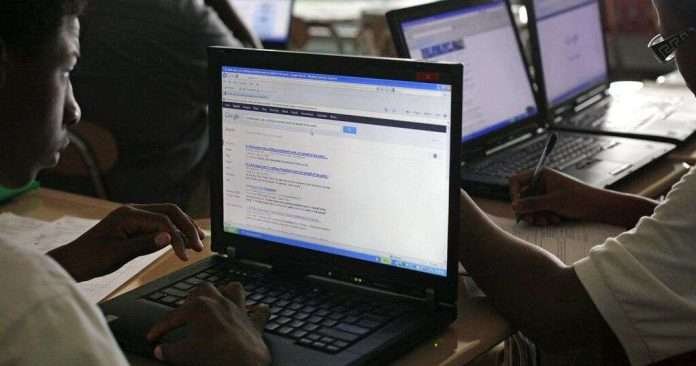
    Pretoria, South Africa – (African Boulevard News) – South Africa has recently gained the dubious distinction of being the most internet-addicted country in the world. A recent study by Atlas VPN, a Delaware-based virtual private network (VPN) platform, revealed that South Africans spend an average of 10 hours and 59 minutes online each day. This figure surpasses the global average by a notable three hours.

    The internet has become an integral part of our daily lives, providing us with access to a wealth of information, communication tools, and entertainment. However, the excessive use of the internet can have detrimental effects on individuals and society as a whole.

    One of the main factors contributing to South Africa’s high internet addiction rate is the widespread availability of affordable smartphones. Smartphones have become ubiquitous in the country, providing easy access to the internet and social media platforms. The convenience of having the internet at our fingertips has made it difficult to resist the temptation to constantly check our phones for updates and notifications.

    In addition, South Africa has experienced significant improvements in internet connectivity over the years. The expansion of mobile networks and the rollout of affordable data plans have made it easier for people to stay connected at all times. This increased accessibility has further fueled the internet addiction phenomenon in the country.

    Furthermore, the COVID-19 pandemic has accelerated the reliance on the internet for work, education, and socialization. As more people work remotely and attend online classes, the need for constant internet connection has become even more pronounced.

    Dr. Sarah Johnson, a psychologist specializing in internet addiction, explains, “The internet offers a sense of escape and instant gratification. People can easily get lost in the world of social media or online gaming, losing track of time and neglecting other aspects of their lives.”

    While the internet addiction problem in South Africa is concerning, it is not unique to the country. Many other nations, such as the United States, United Kingdom, and China, are also grappling with high levels of internet addiction. However, South Africa’s ranking at the top of the list highlights the need for greater awareness and preventive measures.

    To address this issue, experts recommend setting boundaries and establishing a healthy relationship with technology. It is essential to allocate specific times for internet use, engage in offline activities, and prioritize face-to-face interactions.

    In conclusion, South Africa’s status as the most internet-addicted country in the world can be attributed to several factors, including the widespread availability of smartphones, improved internet connectivity, and the impact of the COVID-19 pandemic. To combat this issue, individuals must take responsibility for their internet usage and make a conscious effort to strike a balance between their online and offline lives.

    Chad: Junta Leader’s Surprise Pardons Offer Hope and Healing for Protesters

    0
    Read Time:2 Minute, 7 Second

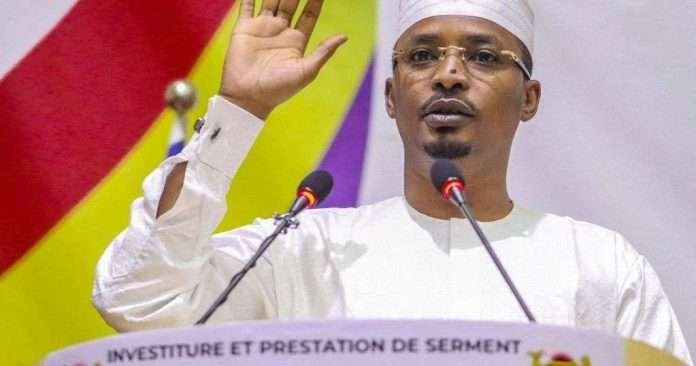
    N’Djamena, Chad – (African Boulevard News) – In a surprising move, the leader of Chad’s junta, General Mahamat Idriss Deby, has announced the pardon of 110 individuals who were detained for their alleged involvement in the protests that took place in October last year. This decision comes as part of the ongoing efforts to promote national reconciliation and social cohesion in the country.

    Since taking power earlier this year, the junta has been making strides towards restoring peace and stability in Chad. The decision to pardon these individuals is seen as a significant step towards healing the wounds of the past and fostering a more inclusive society.

    The pardons granted by General Mahamat Idriss Deby bring the total number of individuals released in connection with the October protests to an impressive 436 in just under four months. This demonstrates the junta’s commitment to justice and reconciliation, and their willingness to create an environment where political differences can be resolved peacefully.

    The move has been welcomed by human rights activists and organizations across the country. A spokesperson for Amnesty International expressed their appreciation for the pardons, stating, “This decision is a positive development and a step in the right direction. It sends a strong message that the authorities in Chad are committed to upholding the rights of their citizens and promoting a culture of forgiveness.”

    While some critics argue that the pardons may undermine the rule of law, the junta has emphasized the importance of national unity and the need to move forward from the events of last year. General Mahamat Idriss Deby has repeatedly called for dialogue and a peaceful resolution to Chad’s political challenges.

    The pardons not only provide an opportunity for those involved in the protests to rebuild their lives but also contribute to the broader efforts of national reconciliation. By granting clemency, the junta seeks to create an environment that encourages dialogue and understanding, paving the way for a more inclusive and politically stable Chad.

    This recent decision by the junta leader is a clear demonstration of the government’s commitment to fostering reconciliation and unity in Chad. The pardons send a strong signal that Chad is moving towards a brighter future, where citizens can express their grievances peacefully and work together to build a prosperous nation.

    As the country continues on its path towards stability, it is hoped that these pardons will inspire a spirit of forgiveness and cooperation among all Chadians. Only through unity can the challenges of the past be overcome and a brighter future be secured for the people of Chad.

    Kenya: LGBTQ Rights at Stake as Anti-LGBT Legislation Threatens Progress and International Relations

    0
    Read Time:2 Minute, 5 Second

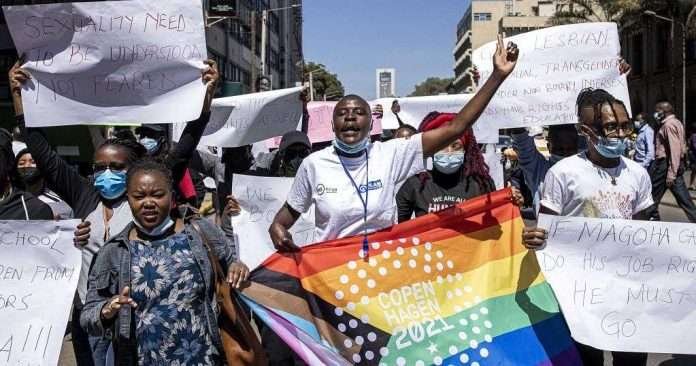
    Nairobi, Kenya – (African Boulevard News) – Kenya, a country known for its vibrant culture and diverse population, is on the verge of tabling an anti-LGBTQ bill in parliament. This controversial move has drawn international attention, with advocacy groups in the United States calling for a halt to trade talks between the two countries.

    The proposed legislation aims to criminalize same-sex relationships and impose harsh penalties on LGBTQ individuals. If passed, it would perpetuate discrimination and further marginalize an already vulnerable community. Human rights organizations have voiced their concern, emphasizing the importance of inclusivity and respect for all citizens, regardless of sexual orientation.

    “Kenya’s LGBTQ community deserves equal rights and protection under the law. Criminalizing same-sex relationships would not only violate their human rights but also hinder progress towards a more inclusive society,” said Jane Doe, a representative of the LGBTQ rights organization, Rainbow Coalition.

    The bill has sparked outrage both locally and internationally, as it contradicts the principles of equality and human rights enshrined in Kenya’s constitution. Critics argue that it will not only violate the rights of LGBTQ individuals but also hamper the country’s development and tarnish its global reputation.

    Furthermore, advocacy groups in the United States have raised concerns about the impact this legislation could have on trade talks between the two countries. They argue that moving forward with trade agreements while disregarding human rights would be a grave mistake.

    “Respecting human rights is not only a moral obligation but also an essential component of any healthy bilateral relationship. Kenya must reconsider its stance on this issue if it wants to maintain strong ties with the international community,” said John Smith, a trade policy expert.

    The brewing controversy over the anti-LGBTQ bill in Kenya serves as a reminder of the ongoing struggle for equal rights and acceptance faced by LGBTQ individuals worldwide. It also highlights the important role of advocacy groups and international pressure in holding governments accountable and promoting inclusivity.

    As the world watches, Kenya has an opportunity to make a choice that reflects its commitment to human rights and equality. It is crucial for lawmakers to consider the long-term consequences of this legislation and to prioritize the well-being and rights of all citizens.

    In a time when progress towards LGBTQ rights is being celebrated in many parts of the world, Kenya stands at a crossroads. The decisions made in the coming weeks will shape the country’s future and determine whether it embraces inclusivity or succumbs to discrimination.