Sunday, May 3, 2026
88.8 F
Lagos
More
    Home Blog Page 322

    Senegal Soars as Chinese Defense Giant Norinco Makes Bold Move in Expanding West African Operations

    0
    Read Time:2 Minute, 15 Second

    Dakar, Senegal – (African Boulevard News) – Chinese defence giant Norinco has announced the opening of a new regional office in Dakar, Senegal. This move is part of the company’s strategy to establish a stronger presence in West Africa as it expands its operations in the region.

    The opening of the office in Senegal signifies Norinco’s commitment to the African market and highlights the growing importance of the region in the global defense industry. With its strategic location and stable political environment, Senegal provides an ideal base for Norinco to serve as a hub for its operations in West Africa.

    Mr. Li Fei, Norinco’s Vice President, stated, “We are excited to open our regional office in Dakar. This is an important milestone for Norinco as we continue to expand our footprint in Africa. Senegal’s vibrant economy and strategic location make it an ideal choice for us.”

    Norinco is one of the world’s largest defense contractors, specializing in the manufacture of a wide range of military equipment, including armored vehicles, artillery systems, and small arms. The company has a strong track record in delivering high-quality products to its global customer base.

    This announcement comes at a time when the defense industry in Africa is experiencing rapid growth. With increasing security challenges and the need to modernize armed forces, many African countries are investing heavily in defense capabilities. Norinco aims to capitalize on this growing demand by establishing a local presence and building relationships with key stakeholders in the region.

    The opening of the regional office in Dakar will not only enable Norinco to provide better support to its existing customers in West Africa but also facilitate closer collaboration with local governments and defense agencies. This will contribute to the transfer of technology and knowledge, creating opportunities for skills development and job creation in Senegal and the wider region.

    Norinco’s decision to invest in Dakar reflects the confidence of international investors in Senegal’s business environment. The country has made significant progress in recent years in improving its infrastructure, promoting investment, and fostering a conducive business climate.

    The establishment of Norinco’s regional office in Dakar is expected to have a positive impact on Senegal’s economy, creating new employment opportunities and contributing to the growth of the defense sector. It also highlights Senegal’s position as a gateway to the wider West African market.

    As Norinco deepens its commitment to West Africa, its regional office in Dakar is poised to play a pivotal role in supporting the company’s expansion plans and strengthening its partnerships in the region. With its extensive product portfolio and expertise, Norinco is well-positioned to contribute to the growth and development of the defense sector in Senegal and West Africa as a whole.
    Angola and Zambia Forge Revolutionary Energy Partnership for Economic Growth and Energy Security

    0
    Read Time:2 Minute, 6 Second

    Luanda, Angola – (African Boulevard News) – Zambia is looking to secure its position in the energy sector by exploring the potential for cooperation with Sonangol, Angola’s state-owned oil company. Energy Minister Peter Kapala and Bradford Machila, advisor to President Hakainde Hichilema, recently visited Angola to discuss the possibility of Zambia’s participation in Sonangol’s future Lobito refinery.

    The Lobito refinery is a significant project being developed by Sonangol in partnership with several international companies. With an estimated capacity of 200,000 barrels per day, the refinery is expected to play a crucial role in meeting Angola’s domestic demand for refined petroleum products and potentially becoming an important supplier to the region.

    Zambia, being a landlocked country, heavily relies on imported petroleum products to meet its domestic energy needs. Establishing a partnership with Sonangol and participating in the Lobito refinery could help Zambia reduce its dependency on international suppliers and ensure a stable supply of fuel for its growing economy.

    During their visit, Minister Kapala and Advisor Machila held meetings with Sonangol’s top officials to explore the possibilities of collaboration. They discussed potential investment opportunities in the Lobito refinery and the potential benefits it could bring to both countries.

    “Zambia recognizes the importance of energy security and development in driving economic growth. Participating in the Lobito refinery project could be a game-changer for our nation, ensuring a stable fuel supply and potentially creating new job opportunities,” Minister Kapala stated.

    Advisor Machila added, “Our President has set ambitious goals for Zambia’s economic development, and the energy sector plays a crucial role in achieving them. Partnering with Sonangol in the Lobito refinery project aligns with our vision and demonstrates our commitment to harnessing regional cooperation for mutual benefits.”

    The Lobito refinery project holds the potential to transform the energy landscape in the Southern African region. By building strong partnerships with neighboring countries, Angola aims to enhance its position as a major energy player in Africa and contribute to regional development.

    As discussions progress, both sides expressed optimism about the possibility of a successful partnership. Zambia’s interest in participating in the Lobito refinery project not only demonstrates its commitment to energy security but also highlights its willingness to collaborate with Angola for the benefit of both nations.

    The future looks promising for Angola and Zambia’s energy cooperation. With strategic partnerships and investments, both countries can strengthen their energy sectors, drive economic growth, and ensure a more secure and sustainable energy future for the region.

    Keywords: Angola, Zambia, Lobito refinery, Sonangol, energy, partnership, collaboration, investment, economic growth.

    Libya on the Brink: Son of Military Strongman Takes Command of Powerful New Security Unit, Raising Concerns of Further Conflict and Destabilization

    0
    Read Time:2 Minute, 13 Second

    Tripoli, Libya – (African Boulevard News) – In a bold move that has sparked speculation and concern in Libya, Khaled Haftar, the son of military strongman Khalifa Haftar, has assumed command of a powerful new security unit. This brigade, known as the ‘Unité de sécurité,’ is comprised of hundreds of highly trained men and equipped with armored vehicles and anti-aircraft systems. The emergence of this high-powered brigade has raised questions about its purpose and potential implications for the volatile region.

    The Haftar family has long been a dominant force in Libyan politics and military affairs. Khalifa Haftar, Khaled’s father, has been a key player in the country’s power struggle, commanding the self-styled Libyan National Army (LNA) and leading various military campaigns. Now, with his son taking charge of a formidable security unit, the Haftar dynasty seems to be cementing its position in the country’s complex political landscape.

    While the exact mission and objectives of the ‘Unité de sécurité’ remain shrouded in secrecy, analysts are already speculating about the implications of this development. Some experts believe that the establishment of this new brigade could be an attempt by the Haftar family to consolidate their control over key areas in Libya, particularly in the eastern part of the country where their influence is strongest.

    According to a report by Africa Intelligence, the ‘Unité de sécurité’ is not only well-trained but also well-equipped. The brigade boasts a fleet of armored vehicles, including tanks and personnel carriers, as well as advanced anti-aircraft systems. This firepower indicates that the unit is prepared for a wide range of scenarios, from combating insurgent groups to protecting strategic assets.

    However, the rise of Khaled Haftar and his new brigade has also raised concerns among rival factions and international observers. With tensions already high in Libya, the emergence of another powerful armed group could further escalate the conflict and lead to a deepening divide amongst factions vying for control.

    It is essential for the international community to closely monitor this development and assess its potential impact on Libya’s stability and future trajectory. As the country continues to grapple with political turmoil, economic challenges, and security threats, any further militarization could hinder efforts to reach a peaceful resolution and undermine the prospects for a unified and prosperous Libya.

    In conclusion, the ascendance of Khaled Haftar and his high-powered new brigade has undoubtedly added a new layer of complexity to the already fragile situation in Libya. As the country braces itself for potential implications, the international community must remain vigilant and engaged to ensure that Libya can navigate this challenging period and seek a sustainable and peaceful future.

    Burundi Takes Charge: Top Securocrat Appointed to Lead Regional Security Force, Promising a Safer Future for Central Africa

    0
    Read Time:2 Minute, 24 Second

    Bujumbura, Burundi – (African Boulevard News) – In a significant move, Burundian President Evariste Ndayishimiye has chosen a top securocrat to lead the regional force of the Economic Community of Central African States (ECCAS). This decision came as part of a busy roadmap for the general, highlighting the importance of regional security collaboration.

    The selected general, who remains unnamed at present, will be tasked with heading the ECCAS regional force, which aims to promote stability and security in the Central African region. This appointment demonstrates President Ndayishimiye’s commitment to regional collaboration and his dedication to ensuring peace and stability in the area.

    The decision comes at a crucial time for Burundi and Gabon, as both countries face various security challenges. By appointing a high-ranking military official to lead the regional force, President Ndayishimiye seeks to enhance cross-border cooperation and combat these threats effectively.

    According to sources, the general’s position will involve coordinating and strategizing with other ECCAS member states to tackle issues such as terrorism, piracy, and transnational organized crime. This appointment is a testament to the importance of collective action in addressing security challenges in the region.

    The move to select a top securocrat for this role emphasizes the significance of regional cooperation in the fight against common security threats. By entrusting a highly experienced military official with this responsibility, President Ndayishimiye aims to leverage expertise and coordination to effectively address security concerns in Burundi, Gabon, and the wider Central African region.

    Experts in the field of regional security have welcomed the appointment, recognizing the need for a coordinated approach to overcome security challenges. One expert stated, “This appointment demonstrates President Ndayishimiye’s commitment to regional stability and his understanding of the importance of collaborative efforts to address security threats. It is a positive step in the right direction.”

    The appointment of a top securocrat to head the ECCAS regional force marks a significant milestone in the security landscape of Burundi and Gabon. It sends a strong message about the countries’ determination to work together and reinforces their commitment to the principles of ECCAS.

    As President Ndayishimiye charts a roadmap for regional security collaboration, the appointment of a top securocrat demonstrates his proactive approach and dedication to ensuring peace and stability in the Central African region. This decision has the potential to pave the way for greater regional cooperation and a more secure future for Burundi, Gabon, and neighboring countries.

    In conclusion, the selection of a top securocrat to lead the ECCAS regional force underscores the importance of collective action and collaboration in addressing security challenges in Burundi, Gabon, and the wider Central African region. President Ndayishimiye’s decision reflects his commitment to regional stability and his understanding of the need for a coordinated approach to address common security threats. With this appointment, both Burundi and Gabon are poised to strengthen their position in the fight against terrorism, piracy, and transnational organized crime.

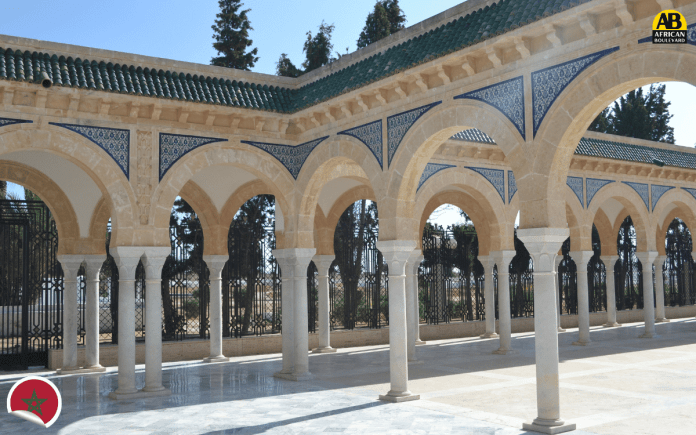
    Morocco’s Prime Minister Aziz Akhannouch Launches Inspirational Regional Tour to Revive and Unite RNI Amidst Growing Challenges

    0
    Read Time:2 Minute, 24 Second

    Rabat, Morocco – (African Boulevard News) – The Prime Minister of Morocco, Aziz Akhannouch, is embarking on a regional tour to re-energize his political party, the National Rally of Independents (RNI). With a series of conferences for party cadres, he aims to rally support and encourage a more proactive defense of the government’s track record.

    Akhannouch’s regional tour comes at a crucial time as the RNI seeks to solidify its position ahead of the upcoming elections. The Prime Minister understands the importance of engaging with party members at the grassroots level, and his regional tour is a testament to his commitment.

    The series of conferences have taken Akhannouch to various parts of the country, allowing him to connect with RNI members directly. By visiting different regions, he aims to listen to their concerns, address their grievances, and further strengthen their loyalty to the party.

    One of the main objectives of the regional tour is to mobilize RNI members to actively defend the achievements of the government. Akhannouch wants his party cadres to become more proactive and vocal in promoting the government’s policies and successes. By doing so, he hopes to counter any negative narratives that may be propagated by opposition parties.

    Speaking at one of the conferences, Akhannouch highlighted the significance of party unity and the need for a united front. He emphasized that the RNI needs to stand together as a strong force that can effectively advocate for the government’s agenda. Akhannouch urged party members to remain committed and work tirelessly to ensure the continued progress and development of Morocco.

    Industry experts have praised Akhannouch’s regional tour, describing it as a strategic move that demonstrates his dedication to his party and the people of Morocco. They believe that by directly engaging with party cadres, the Prime Minister can foster a sense of camaraderie and inspire them to actively participate in the political process.

    As the regional conferences progress, Akhannouch’s efforts are receiving positive feedback from party members, who are enthused by his passion and commitment. Many RNI supporters believe that the Prime Minister’s tour will reinvigorate the party and strengthen its position in the upcoming elections.

    The regional tour illustrates Akhannouch’s leadership skills and his determination to shape the future of the RNI. By connecting with party cadres, he sends a strong message that their voices matter and that their support is pivotal to the party’s success.

    In conclusion, the Moroccan Prime Minister, Aziz Akhannouch, is diligently working to re-energize the RNI through a series of regional conferences. His goal is to motivate party cadres to actively defend the government’s track record and promote its achievements. With his strategic regional tour, Akhannouch hopes to bolster party unity and mobilize RNI members for the upcoming elections. The Prime Minister’s efforts have garnered praise from industry experts and have generated enthusiasm among party supporters who believe in his leadership and vision.

    Kenya’s Tea Industry at Risk: Farmer’s Livelihoods Hang in the Balance as Political Power Struggle Threatens Stability

    0
    Read Time:2 Minute, 19 Second

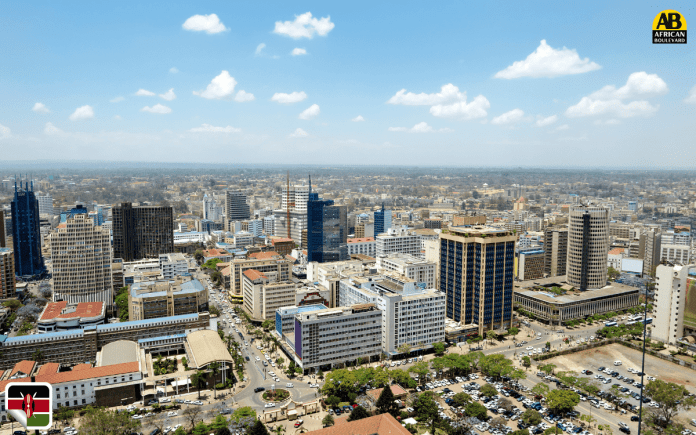
    Nairobi, Kenya – (African Boulevard News) – The ongoing power struggle between President Uhuru Kenyatta and his deputy, William Ruto, has now spread its roots to the Kenya Tea Development Agency (KTDA). A purge of the tea sector has been underway for some time now, resulting in the departure of several executives associated with the Kenyatta administration.

    This latest development comes as President Kenyatta and Deputy President Ruto continue to vie for control and influence over various sectors of the Kenyan economy. The tea industry, which is a significant contributor to the country’s economy, has become the latest battleground in their political tug-of-war.

    According to reports, President Kenyatta’s loyalists are attempting to assert their dominance within the KTDA. This power struggle has resulted in the departure of several key figures linked to the Ruto camp. The president’s supporters aim to consolidate their hold on the agency, ensuring that their interests take precedence over any others.

    The tea sector has long been a vital source of income for many Kenyan farmers, with KTDA playing a crucial role in the production and marketing of tea in the country. However, the ongoing power struggle threatens to disrupt the sector’s stability, potentially impacting the livelihoods of thousands of farmers.

    Industry experts and stakeholders have expressed concerns over the political interference in the tea sector, emphasizing the need for stability and continuity. They argue that any disruptions caused by the power struggle could have adverse effects on the industry, leading to a decline in tea exports and a loss of revenue for the country.

    John Kibet, a tea farmer from Kericho, spoke out about the issue, stating, “We depend on the stability of the tea sector for our livelihoods. This political power struggle is jeopardizing our farms and the future of our families. We urge the government to prioritize the interests of the farmers and ensure that politics does not hinder the growth and development of the tea industry.”

    The Ruto-Kenyatta tea war has also garnered attention internationally, with observers closely monitoring the situation. The outcome of this power struggle could have far-reaching implications for Kenya’s economy and its reputation as a leading tea exporter.

    It remains to be seen how the power struggle within the KTDA will unfold and what impact it will have on the tea sector. As farmers and industry stakeholders anxiously await a resolution, the need for a stable and independent tea industry has become more critical than ever.

    In the midst of this political battle, the fate of Kenya’s tea industry hangs in the balance. The future of the farmers and the country’s economy will depend on the ability of the government to prioritize the interests of the tea sector and ensure that political disputes do not hinder its growth and success.

    Algeria: Devastating Wildfires Claim 34 Lives as Heroes Battle Unyielding Inferno

    0
    Read Time:2 Minute, 24 Second

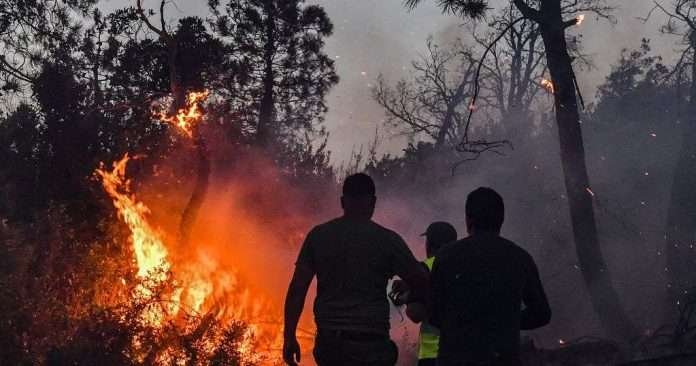
    Algiers, Algeria – (African Boulevard News) – Tragic wildfires have ravaged Algeria, claiming the lives of at least 34 people, with strong winds and blistering summer heat fueling the inferno. Even the valiant efforts of soldiers, bravely battling the flames, were not enough to quell the devastating catastrophe.

    According to reports from the state news agency APS, firefighters and soldiers were desperately trying to bring the wildfires under control, but were met with fierce winds and extreme heat that only served to fan the flames further. The fires, which ignited in several regions across the country, have left a trail of destruction in their wake.

    As the relentless wildfires continue to scorch the Algerian landscape, authorities have taken action to evacuate residents from affected areas, ensuring their safety amidst the chaos. The Algerian Civil Protection Authority has been working tirelessly to provide support and assistance to those affected by the disaster, offering shelter and aid to those displaced by the fires.

    “The combination of strong winds and intense heat has created the perfect conditions for these devastating wildfires,” said meteorologist Sarah Thompson. “It’s a deadly cocktail that has made it extremely difficult for firefighters to contain the inferno.”

    Algerian citizens, already grappling with the challenges posed by the scorching summer temperatures, now find themselves facing a crisis that threatens both lives and livelihoods. The impact of the fires has been far-reaching, with homes destroyed, vast swathes of farmland scorched, and precious natural resources decimated.

    The Algerian government has called for international assistance to help combat the wildfires and mitigate their impact. “We are doing everything in our power to tackle these fires head-on, but we cannot do it alone,” stated Minister of Interior, Mohammed Arkab. “We are grateful for any support we receive from the international community during this trying time.”

    Climate change experts emphasize that such wildfires are likely to become more frequent and severe as global temperatures rise. Algeria’s vulnerability to extreme weather events highlights the urgent need for countries to adopt more robust strategies in combating and adapting to the effects of climate change.

    The devastation caused by wildfires serves as a stark reminder of the destructive power of nature and the importance of proactive measures to protect our environment. As Algeria mourns the lives lost and struggles to recover from the ruins left by the fires, a united effort from both local and international communities will be essential in helping the nation rebuild and prevent future catastrophes.

    The fires continue to rage, and while firefighters battle the relentless blazes, the hearts and thoughts of people around the world are with the people of Algeria during this difficult time.

    Source:
    – Africanews.com: https://www.africanews.com/2023/07/25/algeria-fires-fanned-by-winds-extreme-heat-kill-over-30/
    – Google search: https://www.google.com/search?q=Algeria+fires+fanned+by+winds++extreme+heat+kill+over+30

    Senegal: Young Lives Lost, Desperation Prevails – Urgent Action Needed to End Perilous Journeys

    0
    Read Time:2 Minute, 24 Second

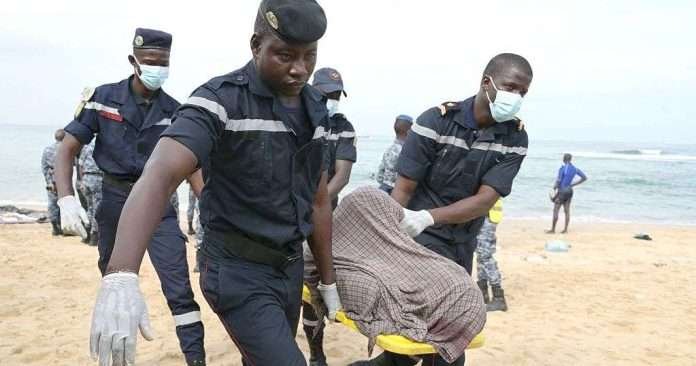
    Dakar, Senegal – (African Boulevard News) – The city of Dakar is reeling in shock following yet another devastating shipwreck off its coast. This tragedy highlights the pressing issue of young Senegalese risking their lives to escape poverty and find better opportunities in Europe. The economic hardships and lack of prospects in their home country have driven many desperate individuals to embark on perilous sea journeys, often ending in tragedy.

    On a fateful day, a crowded boat carrying migrants capsized near the coast of Dakar, plunging its occupants into the treacherous waters. The heartbreaking incident claimed the lives of dozens of men, women, and children, leaving the local community in mourning. The survivors, traumatized by the ordeal, are left to grapple with the pain of losing loved ones and the harsh reality of their dreams shattered.

    Senegal, known for its vibrant culture and rich history, has been grappling with high poverty rates and limited employment opportunities, particularly for its youth. Faced with limited prospects, many young Senegalese have chosen to take the perilous route to Europe, hoping for a chance at a better future. However, these journeys come with great risks, as they often involve overcrowded boats, harsh weather conditions, and the constant threat of shipwreck.

    According to Mamadou Diouf, a prominent sociologist in Dakar, “It’s very painful to witness these tragedies unfolding time and time again. The desperation that pushes these young people to risk their lives is a reflection of the larger issues we face as a society. We must urgently address the root causes of migration and create viable opportunities for our youth.”

    The international community has also expressed deep concern over the continuous loss of life in the Mediterranean Sea and the Atlantic Ocean. Organizations such as the International Organization for Migration (IOM) and the United Nations High Commissioner for Refugees (UNHCR) have called for collective action to address the underlying challenges that drive migration.

    Efforts to address this crisis require a comprehensive approach that focuses on improving economic opportunities, enhancing social welfare programs, and strengthening border control. Additionally, raising awareness about the risks and dangers of irregular migration is crucial in dissuading vulnerable individuals from embarking on perilous journeys.

    The recent shipwreck in Dakar serves as a painful reminder of the urgent need for coordinated action to tackle the root causes of irregular migration. It is essential for governments, civil society organizations, and international partners to work together to provide viable alternatives and create an environment where young people can envision a future full of hope and opportunity.

    As Senegal mourns the loss of lives and looks to heal, it is crucial that this tragedy serves as a wake-up call to address the systemic issues that drive migration and prevent future catastrophes. The time for action is now, as every life lost is a stark reminder of the human cost of desperation and the urgent need for change.

    Tunisia: Inferno Unleashed as 50-Degree Heatwave Engulfs Nation, Devastating Wildfires and Claiming Lives

    0
    Read Time:2 Minute, 28 Second

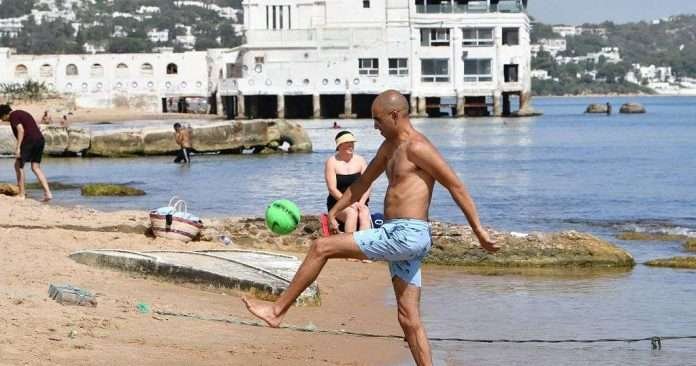
    Tunis, Tunisia – (African Boulevard News) – As temperatures in Tunisia exceed a scorching 50 degrees Celsius, Tunisians are grappling with the unbearable heatwave that has swept across the country. This extreme weather condition has not only caused discomfort, but it has also led to devastating consequences such as the eruption of wildfires that have ravaged the nation and neighboring Algeria, resulting in the loss of lives.

    The oppressive heatwave has left Tunisians struggling to find relief from the blistering temperatures. The scorching sun beats down relentlessly, making it difficult for people to go about their daily activities. Streets, usually bustling with life, are noticeably quieter as residents seek shelter indoors and avoid unnecessary outdoor exposure. The heat has become a topic of discussion among Tunisians, who are experiencing unusual heat that is beyond what they are accustomed to.

    The severity of this heatwave is evident in its impact on the environment. The country has been engulfed in wildfires, scorching vast areas of land and destroying wildlife habitats. Tunisian authorities have reported that neighboring Algeria has also been affected, with a death toll of 15 people. The alarming rise in temperatures has not only proven to be uncomfortable but has also demonstrated the potential dangers that extreme weather conditions can pose.

    Experts are attributing this heatwave to global climate change, emphasizing the urgent need for measures to mitigate its effects. Tunisia, like many other countries, is already experiencing the consequences of a warming planet. Climate experts are calling for increased awareness and action to address climate change and its impact on vulnerable regions such as North Africa.

    “We need to take climate change seriously,” says Dr. Fatima Ali, a climate scientist at the University of Tunis. “Extreme weather events like this heatwave are becoming more frequent, causing significant damage to our environment, economy, and well-being. It is essential that we prioritize sustainability and implement measures to adapt and mitigate the effects of climate change.”

    The Tunisian government has initiated efforts to combat the heatwave’s impact, including providing cooling stations and distributing water to affected areas. However, they acknowledge the need for long-term strategies to address climate change and protect the population from future extreme weather events.

    As Tunisians continue to grapple with the relentless heat, it serves as a stark reminder of the urgent need to tackle climate change. The current heatwave and its devastating consequences highlight the vulnerability of our planet and the importance of collective action to secure a sustainable future. It is crucial that governments, organizations, and individuals come together to address global climate change and its immediate and long-term effects on communities worldwide.

    In the midst of this heatwave, it is essential to prioritize the well-being of individuals and the preservation of our environment. Only by taking decisive action can we hope to create a future where extreme weather events are minimized, and individuals are protected from the adverse effects of climate change. The time to act is now.

    Mali: Human Rights Watch Exposes Shocking Atrocities by Armed Forces and Alleged Wagner Group Fighters, Demanding Immediate Justice for Executed Civilians

    0
    Read Time:2 Minute, 9 Second

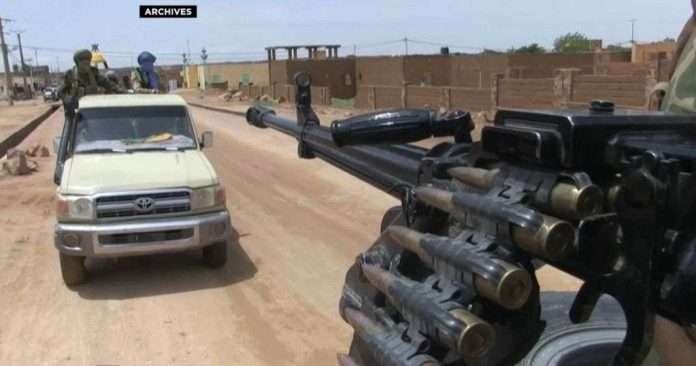
    Bamako, Mali – (African Boulevard News) – Mali has once again been thrust into the spotlight as Human Rights Watch (HRW) accuses the Malian armed forces and alleged fighters from the Wagner group of committing new atrocities against civilians in central parts of the country. The accusations come after a series of reports highlighting the deteriorating security situation in Mali.

    According to HRW, dozens of civilians have been executed by the Malian army and the alleged Wagner group fighters since July. The rights organization has called for an immediate investigation into the reported atrocities and for those responsible to be held accountable for their actions.

    The accusations against the Malian army and the alleged Wagner group fighters have raised concerns about the effectiveness of the ongoing peacekeeping operations in the country. The United Nations peacekeeping mission, known as MINUSMA, is already struggling to maintain stability in the war-torn nation.

    The Malian authorities have yet to respond to the allegations, but the international community has expressed its concern over the reported abuses. The French government, which has been assisting Mali in its fight against jihadist groups, has urged the Malian authorities to investigate the allegations and ensure that justice is served.

    In a statement, Corinne Dufka, Sahel director at HRW, said, “The Malian armed forces and fighters from the Wagner group must immediately cease all attacks on civilians and abide by their obligations under international law.”

    The Wagner group, a Russian paramilitary organization, has been accused of involvement in several conflicts around the world, including Syria and Libya. Their presence in Mali has raised questions about the role of foreign mercenaries in the country’s ongoing security challenges.

    The situation in Mali remains precarious, with an increase in attacks by jihadist groups and inter-communal clashes. The recent allegations of atrocities committed by the Malian army and the alleged Wagner group fighters only add to the humanitarian crisis unfolding in the country.

    As the international community calls for accountability and justice, the Malian authorities must act swiftly to investigate these allegations and ensure that those responsible for the reported atrocities are held accountable. The people of Mali deserve peace and security, and it is the duty of the government to protect its citizens and uphold their human rights.

    The accusations leveled against the Malian armed forces and the alleged Wagner group fighters highlight the urgent need for a comprehensive and sustainable solution to the security challenges facing Mali. Only through effective governance, respect for human rights, and international support can Mali hope to overcome the current crisis and build a brighter future for its people.