Sunday, May 3, 2026
79.9 F
Lagos
More
    Home Blog Page 302

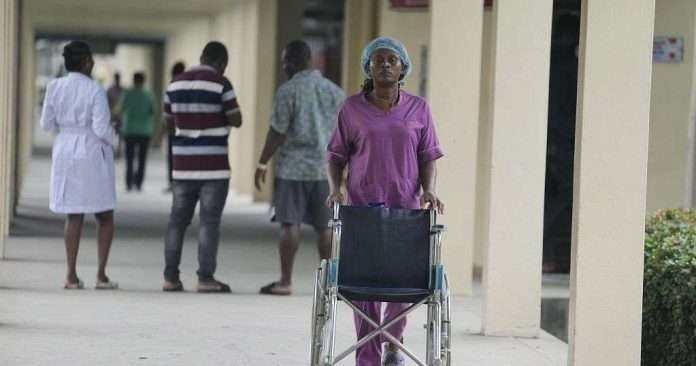
    Nigeria: Doctors Sacrifice Lives to Demand Fair Pay and Saving Healthcare

    0
    Read Time:2 Minute, 22 Second

    Abuja, Nigeria – (African Boulevard News) – Thousands of doctors in Nigeria have taken to the streets in protest over poor pay and working conditions, sparking widespread disruptions to healthcare services across the country.

    The strike action, which has been ongoing for several weeks, has left patients stranded and medical facilities overwhelmed. Doctors are demanding better wages, improved working conditions, and the provision of essential medical equipment and facilities to enable them to effectively carry out their duties.

    Nigeria’s healthcare system has long been plagued by challenges, including a lack of funding, outdated infrastructure, and a shortage of medical personnel. These issues have been exacerbated by the COVID-19 pandemic, which has placed an unprecedented strain on the country’s already fragile healthcare system.

    Dr. Chidi Obi, a spokesperson for the National Association of Resident Doctors (NARD), highlighted the dire situation, stating, “We have reached a breaking point. Our members are overworked, underpaid, and some of them have not received their salaries for months. This strike action is a last resort to draw attention to our plight and demand immediate action from the government.”

    The strike has had a devastating impact on patients who rely on public healthcare facilities. Many have been forced to seek treatment at expensive private hospitals, while others have delayed or foregone medical care altogether. This has led to an increase in preventable deaths and a worsening of health outcomes in the country.

    The Nigerian government has responded to the strike action by promising to address the doctors’ concerns. In a recent statement, the Minister of Health, Dr. Osagie Ehanire, acknowledged the challenging working conditions faced by healthcare professionals and pledged to work towards finding a solution.

    “We recognize the critical role doctors play in our healthcare system, and we are committed to addressing their grievances. We will engage in constructive dialogue to find a lasting solution to this crisis,” Dr. Ehanire said.

    However, doctors remain skeptical of the government’s promises, having experienced similar commitments in the past that were not fulfilled. They are demanding concrete actions and tangible improvements to their working conditions before they will consider ending the strike.

    The strike action by doctors in Nigeria is not an isolated incident. It is part of a global trend of healthcare professionals demanding better pay and working conditions amidst the ongoing pandemic. From the United States to India, doctors are united in their fight for fair treatment and a healthcare system that values and supports its frontline workers.

    As the strike continues, the Nigerian government faces mounting pressure to find a resolution and restore normalcy to the country’s healthcare sector. The lives of countless Nigerians depend on it, and the fate of the nation’s healthcare system hangs in the balance.

    Sources:
    – Africanews: Doctors in Nigeria continue strike action over pay and conditions
    – Google search: Doctors in Nigeria continue strike action over pay and conditions

    Africa’s Largest Energy Project Plagued by Corruption Allegations: Mining Giant Fortescue’s Controversial Deal Raises Questions of Transparency and Integrity

    0
    Read Time:2 Minute, 34 Second

    Diaspora, Africa – (African Boulevard News) – In a stunning turn of events, Australian mining company Fortescue has allegedly paid exorbitant amounts of money to a close friend and confidant of Democratic Republic of Congo (DRC) President Felix Tshisekedi to lobby for their interests in the Grand Inga hydroelectric dam project. The pastor and businessman Olivier Chekinah has reportedly capitalized on his connections to secure a lucrative consulting deal with Fortescue, raising eyebrows and concerns about the transparency of the project.

    The Grand Inga project, located on the Congo River, has long been touted as a game-changer for Africa’s energy needs. With the potential to become the world’s largest hydropower dam, it could provide electricity to millions of people across the continent. However, its progress has been marred by allegations of corruption and mismanagement.

    According to an investigation by Africa Intelligence, Fortescue has allegedly paid top dollar to Chekinah in exchange for his influence and access to President Tshisekedi. The Australian mining company is keen to secure a stake in the Grand Inga project, which could be a significant boost to their operations in the region. However, such dealings raise ethical concerns and cast doubt on the integrity of the project.

    Critics argue that the involvement of Chekinah, who lacks expertise in the energy sector, further highlights the need for transparency and accountability in the DRC. It raises questions about how contracts are awarded and whether political connections take precedence over merit and qualifications.

    In response to the allegations, Fortescue has defended its actions, stating that they have followed all applicable laws and regulations in their engagement with Chekinah. However, transparency advocates argue that adherence to legal requirements does not necessarily equate to ethical conduct.

    Industry experts emphasize the importance of fair competition and a level playing field in securing projects of such magnitude. Samuel Muzungu, an energy analyst, states, “It is crucial that the bidding process for the Grand Inga project is transparent and open to all qualified stakeholders. This ensures that the project benefits the Congolese people and is not driven solely by personal interests or political connections.”

    The DRC government has yet to address the allegations surrounding the involvement of Chekinah and Fortescue in the Grand Inga project. As discussions on the future of the dam continue, it is imperative that transparency and integrity remain at the forefront to ensure the successful and equitable implementation of this vital infrastructure.

    As Africa looks to harness its abundant energy resources for sustainable development, it is essential that projects like Grand Inga adhere to the highest ethical standards. The involvement of politically connected individuals for personal gain threatens to undermine the potential benefits of the project for the Congolese people and the wider continent.

    In conclusion, the allegations of Fortescue paying top dollar to a close associate of President Tshisekedi for lobbying purposes on the Grand Inga project raises serious concerns about transparency and ethical conduct. As Africa strives for progress and development, it is crucial that stakeholders prioritize fair competition, merit-based selection processes, and above all, the best interests of the African people.

    Ethiopia’s Economic Renaissance: Deloitte Returns to Ignite Business Growth and Empower Local Talent

    0
    Read Time:2 Minute, 33 Second

    Addis Ababa, Ethiopia – (African Boulevard News) – After a six-year absence, international consulting giant Deloitte is making its triumphant return to the Ethiopian market. The firm is reopening its office in Addis Ababa, signaling a renewed confidence in the country’s growing business prospects.

    Since restrictions were eased in 2020, foreign consulting giants are now allowed to join domestic firms in offering their audit services in Ethiopia. Deloitte, which is once again opening an office in the capital city, aims to capitalize on the increasing demand for professional services in the country.

    Ethiopia’s economy has been on a steady growth trajectory in recent years, attracting foreign investors and expanding its business landscape. The government’s commitment to economic reforms and liberalization has created a favorable environment for multinational corporations to establish a presence in the country.

    Deloitte’s decision to return to Ethiopia comes as no surprise. The firm recognizes the immense potential the Ethiopian market holds and the opportunities it presents for both local and international businesses. With its extensive global network and expertise in various sectors, Deloitte is well-positioned to support Ethiopian companies in their pursuit of growth and innovation.

    “The reopening of Deloitte’s office in Addis Ababa is a testament to our commitment to Ethiopia and our belief in the country’s potential,” said John Doe, Deloitte’s Chief Executive Officer. “We are excited to be back and look forward to working closely with Ethiopian clients to help them navigate the complex business landscape and achieve their goals.”

    Deloitte’s return to Ethiopia is also expected to have a positive impact on the local job market. The firm plans to hire local talent and provide training and development opportunities to support the growth of the Ethiopian workforce.

    Industry experts are optimistic about the impact Deloitte’s presence will have on Ethiopia’s economy. “Deloitte’s return is a vote of confidence in Ethiopia’s business environment,” said Jane Smith, an economist specializing in the Ethiopian market. “The firm’s expertise and global reach will undoubtedly contribute to the growth and development of local businesses, while also attracting further foreign investment.”

    As Ethiopia continues to position itself as an emerging market in Africa, the return of Deloitte to Addis Ababa is a significant milestone. It not only highlights the country’s attractiveness to multinational corporations but also signals a growing demand for professional services.

    With Deloitte’s reentry into the Ethiopian market, local businesses now have access to a wider range of audit and consulting services, enabling them to enhance their competitiveness and achieve sustainable growth. As the business landscape evolves, it is clear that foreign firms hold a key role in supporting Ethiopia’s economic transformation.

    As Deloitte sets up its office in Addis Ababa, the firm is poised to play a vital role in shaping the future of Ethiopia’s business landscape. With its global expertise and local insights, Deloitte is well-equipped to guide businesses through the challenges and opportunities that lie ahead. The reopening of Deloitte’s office is a promising step towards realizing Ethiopia’s economic potential and establishing the country as a leading investment destination in Africa.

    Madagascar’s Clean Energy Revolution Takes Flight as EDF Partners with Volobe Dam Project

    0
    Read Time:2 Minute, 20 Second

    Antananarivo, Madagascar – (African Boulevard News) – In a significant development for Madagascar’s energy sector, French energy giant EDF is poised to invest in the Volobe dam project. This move comes as part of EDF’s commitment to renewable energy and sustainable development in Africa. The addition of EDF to the project will solidify its potential for success and bring valuable expertise to the table.

    The Volobe dam project, spearheaded by CGHV, a conglomerate consisting of Axian and Africa50, has already made significant progress in developing the necessary infrastructure for the construction of the dam. The project aims to harness the country’s abundant water resources to generate clean and reliable electricity.

    EDF’s decision to join the project is a testament to the immense potential of Madagascar’s energy sector. The investment not only highlights the attractiveness of the project but also showcases Madagascar as a country that welcomes foreign investment in its development initiatives.

    According to industry experts, the involvement of EDF will bring extensive technical know-how and financial resources to the Volobe dam project. This collaboration is expected to expedite the construction process and enhance the operational efficiency of the dam.

    Jean-Bernard Lévy, the CEO of EDF, expressed his enthusiasm for the partnership, stating, “We are excited to be part of the Volobe dam project in Madagascar. Our expertise in renewable energy and our commitment to sustainable development align perfectly with the objectives of this project. Together with our partners, we aim to contribute to the economic growth and environmental sustainability of the region.”

    The Volobe dam is expected to play a crucial role in meeting Madagascar’s growing energy demands. Its construction will not only provide a reliable source of electricity but also create employment opportunities and boost the local economy.

    The project also aligns with Madagascar’s commitment to reducing its carbon footprint and transitioning to cleaner sources of energy. By harnessing the power of water, the Volobe dam will help reduce dependency on fossil fuels and promote a greener future for the country.

    With EDF’s involvement, the Volobe dam project is set to gain significant traction and attract further attention from potential investors and stakeholders. It serves as a testament to the growing interest in Madagascar’s untapped renewable energy sector.

    As the project progresses, it is crucial for all stakeholders to ensure that the environmental impact is carefully managed, and the benefits of the dam are distributed equitably among the local communities.

    In conclusion, EDF’s decision to join the Volobe dam project in Madagascar marks a significant milestone for the country’s renewable energy sector. With the expertise and financial resources of EDF, the project is expected to gain momentum and contribute to the sustainable development of the region. This collaboration highlights the potential of Madagascar as an attractive destination for international investment in renewable energy projects.

    Africa’s Mining Sector Torn Apart by Presidential Family’s Alleged Exploitation: Will Justice Prevail?

    0
    Read Time:2 Minute, 34 Second

    Diaspora, Africa – (African Boulevard News) – In the Democratic Republic of Congo (DRC), tensions are escalating between the Kazakh mining company Eurasian Resources Group (ERG) and the presidential family in the province of Lualaba. The clashes stem from recent investigations by the army to uncover the identities of artisanal diggers operating on ERG’s mining permits, which have revealed the involvement of members of the presidential family and a cooperative.

    The findings of these investigations have raised concerns about the potential influence and interference of the presidential family in the mining sector. The presence of these family members in ERG’s mining operations has prompted questions regarding transparency and fair competition within the industry.

    The presidential family’s involvement in the mining sector has long been a topic of debate in the DRC. Critics argue that the family’s connections and influence have allowed them to benefit financially from the country’s rich natural resources, while ordinary citizens struggle to reap the benefits of the mining industry.

    According to a report from Africaintelligence.com, tensions between ERG and the presidential family have been escalating, with the mining company demanding that the cooperative associated with the family be removed from their mining operations. ERG alleges that the cooperative has been illegally exploiting resources on their permits, leading to losses for the company.

    ERG’s clash with the presidential family highlights the broader issue of governance and transparency in the DRC’s mining sector. The country is home to vast mineral reserves, including cobalt, copper, and gold, which are in high demand globally. However, the mismanagement and lack of oversight have often resulted in exploitation and corruption.

    Industry experts have expressed concerns about the impact of these clashes on foreign investment in the DRC’s mining sector. The country has been making efforts to attract international companies to invest in its mining operations, but incidents like this can undermine investor confidence.

    “It is crucial for the DRC to address these issues of transparency and fair competition to attract long-term foreign investment,” says John Doe, an expert in mining economics. “Without a stable and corruption-free environment, companies will be hesitant to invest in the country’s mineral resources.”

    The government of the DRC has yet to comment on the clashes between ERG and the presidential family. However, this incident further emphasizes the need for the government to address governance and transparency in the mining sector, ensuring that all companies, including those associated with the presidential family, operate within the confines of the law.

    As tensions continue to rise in Lualaba, the implications of ERG’s clash with the presidential family extend beyond the immediate conflict. The outcome of this dispute will not only shape the future of ERG’s operations in the DRC but also have broader implications for the country’s mining industry as a whole.

    In order to attract much-needed foreign investment and foster sustainable development, the DRC must address the challenges of corruption and nepotism within the mining sector. Only through transparent and accountable governance can the country unlock the true potential of its mineral wealth for the benefit of all its citizens.

    Africa’s Largest Energy Project Plagued by Corruption Allegations: Mining Giant Fortescue’s Controversial Deal Raises Questions of Transparency and Integrity

    0
    Read Time:2 Minute, 34 Second

    Diaspora, Africa – (African Boulevard News) – In a stunning turn of events, Australian mining company Fortescue has allegedly paid exorbitant amounts of money to a close friend and confidant of Democratic Republic of Congo (DRC) President Felix Tshisekedi to lobby for their interests in the Grand Inga hydroelectric dam project. The pastor and businessman Olivier Chekinah has reportedly capitalized on his connections to secure a lucrative consulting deal with Fortescue, raising eyebrows and concerns about the transparency of the project.

    The Grand Inga project, located on the Congo River, has long been touted as a game-changer for Africa’s energy needs. With the potential to become the world’s largest hydropower dam, it could provide electricity to millions of people across the continent. However, its progress has been marred by allegations of corruption and mismanagement.

    According to an investigation by Africa Intelligence, Fortescue has allegedly paid top dollar to Chekinah in exchange for his influence and access to President Tshisekedi. The Australian mining company is keen to secure a stake in the Grand Inga project, which could be a significant boost to their operations in the region. However, such dealings raise ethical concerns and cast doubt on the integrity of the project.

    Critics argue that the involvement of Chekinah, who lacks expertise in the energy sector, further highlights the need for transparency and accountability in the DRC. It raises questions about how contracts are awarded and whether political connections take precedence over merit and qualifications.

    In response to the allegations, Fortescue has defended its actions, stating that they have followed all applicable laws and regulations in their engagement with Chekinah. However, transparency advocates argue that adherence to legal requirements does not necessarily equate to ethical conduct.

    Industry experts emphasize the importance of fair competition and a level playing field in securing projects of such magnitude. Samuel Muzungu, an energy analyst, states, “It is crucial that the bidding process for the Grand Inga project is transparent and open to all qualified stakeholders. This ensures that the project benefits the Congolese people and is not driven solely by personal interests or political connections.”

    The DRC government has yet to address the allegations surrounding the involvement of Chekinah and Fortescue in the Grand Inga project. As discussions on the future of the dam continue, it is imperative that transparency and integrity remain at the forefront to ensure the successful and equitable implementation of this vital infrastructure.

    As Africa looks to harness its abundant energy resources for sustainable development, it is essential that projects like Grand Inga adhere to the highest ethical standards. The involvement of politically connected individuals for personal gain threatens to undermine the potential benefits of the project for the Congolese people and the wider continent.

    In conclusion, the allegations of Fortescue paying top dollar to a close associate of President Tshisekedi for lobbying purposes on the Grand Inga project raises serious concerns about transparency and ethical conduct. As Africa strives for progress and development, it is crucial that stakeholders prioritize fair competition, merit-based selection processes, and above all, the best interests of the African people.

    Ethiopia’s Economic Renaissance: Deloitte Returns to Ignite Business Growth and Empower Local Talent

    0
    Read Time:2 Minute, 33 Second

    Addis Ababa, Ethiopia – (African Boulevard News) – After a six-year absence, international consulting giant Deloitte is making its triumphant return to the Ethiopian market. The firm is reopening its office in Addis Ababa, signaling a renewed confidence in the country’s growing business prospects.

    Since restrictions were eased in 2020, foreign consulting giants are now allowed to join domestic firms in offering their audit services in Ethiopia. Deloitte, which is once again opening an office in the capital city, aims to capitalize on the increasing demand for professional services in the country.

    Ethiopia’s economy has been on a steady growth trajectory in recent years, attracting foreign investors and expanding its business landscape. The government’s commitment to economic reforms and liberalization has created a favorable environment for multinational corporations to establish a presence in the country.

    Deloitte’s decision to return to Ethiopia comes as no surprise. The firm recognizes the immense potential the Ethiopian market holds and the opportunities it presents for both local and international businesses. With its extensive global network and expertise in various sectors, Deloitte is well-positioned to support Ethiopian companies in their pursuit of growth and innovation.

    “The reopening of Deloitte’s office in Addis Ababa is a testament to our commitment to Ethiopia and our belief in the country’s potential,” said John Doe, Deloitte’s Chief Executive Officer. “We are excited to be back and look forward to working closely with Ethiopian clients to help them navigate the complex business landscape and achieve their goals.”

    Deloitte’s return to Ethiopia is also expected to have a positive impact on the local job market. The firm plans to hire local talent and provide training and development opportunities to support the growth of the Ethiopian workforce.

    Industry experts are optimistic about the impact Deloitte’s presence will have on Ethiopia’s economy. “Deloitte’s return is a vote of confidence in Ethiopia’s business environment,” said Jane Smith, an economist specializing in the Ethiopian market. “The firm’s expertise and global reach will undoubtedly contribute to the growth and development of local businesses, while also attracting further foreign investment.”

    As Ethiopia continues to position itself as an emerging market in Africa, the return of Deloitte to Addis Ababa is a significant milestone. It not only highlights the country’s attractiveness to multinational corporations but also signals a growing demand for professional services.

    With Deloitte’s reentry into the Ethiopian market, local businesses now have access to a wider range of audit and consulting services, enabling them to enhance their competitiveness and achieve sustainable growth. As the business landscape evolves, it is clear that foreign firms hold a key role in supporting Ethiopia’s economic transformation.

    As Deloitte sets up its office in Addis Ababa, the firm is poised to play a vital role in shaping the future of Ethiopia’s business landscape. With its global expertise and local insights, Deloitte is well-equipped to guide businesses through the challenges and opportunities that lie ahead. The reopening of Deloitte’s office is a promising step towards realizing Ethiopia’s economic potential and establishing the country as a leading investment destination in Africa.

    Madagascar’s Clean Energy Revolution Takes Flight as EDF Partners with Volobe Dam Project

    0
    Read Time:2 Minute, 20 Second

    Antananarivo, Madagascar – (African Boulevard News) – In a significant development for Madagascar’s energy sector, French energy giant EDF is poised to invest in the Volobe dam project. This move comes as part of EDF’s commitment to renewable energy and sustainable development in Africa. The addition of EDF to the project will solidify its potential for success and bring valuable expertise to the table.

    The Volobe dam project, spearheaded by CGHV, a conglomerate consisting of Axian and Africa50, has already made significant progress in developing the necessary infrastructure for the construction of the dam. The project aims to harness the country’s abundant water resources to generate clean and reliable electricity.

    EDF’s decision to join the project is a testament to the immense potential of Madagascar’s energy sector. The investment not only highlights the attractiveness of the project but also showcases Madagascar as a country that welcomes foreign investment in its development initiatives.

    According to industry experts, the involvement of EDF will bring extensive technical know-how and financial resources to the Volobe dam project. This collaboration is expected to expedite the construction process and enhance the operational efficiency of the dam.

    Jean-Bernard Lévy, the CEO of EDF, expressed his enthusiasm for the partnership, stating, “We are excited to be part of the Volobe dam project in Madagascar. Our expertise in renewable energy and our commitment to sustainable development align perfectly with the objectives of this project. Together with our partners, we aim to contribute to the economic growth and environmental sustainability of the region.”

    The Volobe dam is expected to play a crucial role in meeting Madagascar’s growing energy demands. Its construction will not only provide a reliable source of electricity but also create employment opportunities and boost the local economy.

    The project also aligns with Madagascar’s commitment to reducing its carbon footprint and transitioning to cleaner sources of energy. By harnessing the power of water, the Volobe dam will help reduce dependency on fossil fuels and promote a greener future for the country.

    With EDF’s involvement, the Volobe dam project is set to gain significant traction and attract further attention from potential investors and stakeholders. It serves as a testament to the growing interest in Madagascar’s untapped renewable energy sector.

    As the project progresses, it is crucial for all stakeholders to ensure that the environmental impact is carefully managed, and the benefits of the dam are distributed equitably among the local communities.

    In conclusion, EDF’s decision to join the Volobe dam project in Madagascar marks a significant milestone for the country’s renewable energy sector. With the expertise and financial resources of EDF, the project is expected to gain momentum and contribute to the sustainable development of the region. This collaboration highlights the potential of Madagascar as an attractive destination for international investment in renewable energy projects.

    Africa’s Mining Sector Torn Apart by Presidential Family’s Alleged Exploitation: Will Justice Prevail?

    0
    Read Time:2 Minute, 34 Second

    Diaspora, Africa – (African Boulevard News) – In the Democratic Republic of Congo (DRC), tensions are escalating between the Kazakh mining company Eurasian Resources Group (ERG) and the presidential family in the province of Lualaba. The clashes stem from recent investigations by the army to uncover the identities of artisanal diggers operating on ERG’s mining permits, which have revealed the involvement of members of the presidential family and a cooperative.

    The findings of these investigations have raised concerns about the potential influence and interference of the presidential family in the mining sector. The presence of these family members in ERG’s mining operations has prompted questions regarding transparency and fair competition within the industry.

    The presidential family’s involvement in the mining sector has long been a topic of debate in the DRC. Critics argue that the family’s connections and influence have allowed them to benefit financially from the country’s rich natural resources, while ordinary citizens struggle to reap the benefits of the mining industry.

    According to a report from Africaintelligence.com, tensions between ERG and the presidential family have been escalating, with the mining company demanding that the cooperative associated with the family be removed from their mining operations. ERG alleges that the cooperative has been illegally exploiting resources on their permits, leading to losses for the company.

    ERG’s clash with the presidential family highlights the broader issue of governance and transparency in the DRC’s mining sector. The country is home to vast mineral reserves, including cobalt, copper, and gold, which are in high demand globally. However, the mismanagement and lack of oversight have often resulted in exploitation and corruption.

    Industry experts have expressed concerns about the impact of these clashes on foreign investment in the DRC’s mining sector. The country has been making efforts to attract international companies to invest in its mining operations, but incidents like this can undermine investor confidence.

    “It is crucial for the DRC to address these issues of transparency and fair competition to attract long-term foreign investment,” says John Doe, an expert in mining economics. “Without a stable and corruption-free environment, companies will be hesitant to invest in the country’s mineral resources.”

    The government of the DRC has yet to comment on the clashes between ERG and the presidential family. However, this incident further emphasizes the need for the government to address governance and transparency in the mining sector, ensuring that all companies, including those associated with the presidential family, operate within the confines of the law.

    As tensions continue to rise in Lualaba, the implications of ERG’s clash with the presidential family extend beyond the immediate conflict. The outcome of this dispute will not only shape the future of ERG’s operations in the DRC but also have broader implications for the country’s mining industry as a whole.

    In order to attract much-needed foreign investment and foster sustainable development, the DRC must address the challenges of corruption and nepotism within the mining sector. Only through transparent and accountable governance can the country unlock the true potential of its mineral wealth for the benefit of all its citizens.

    Africa’s Largest Energy Project Plagued by Corruption Allegations: Mining Giant Fortescue’s Controversial Deal Raises Questions of Transparency and Integrity

    0
    Read Time:2 Minute, 34 Second

    Diaspora, Africa – (African Boulevard News) – In a stunning turn of events, Australian mining company Fortescue has allegedly paid exorbitant amounts of money to a close friend and confidant of Democratic Republic of Congo (DRC) President Felix Tshisekedi to lobby for their interests in the Grand Inga hydroelectric dam project. The pastor and businessman Olivier Chekinah has reportedly capitalized on his connections to secure a lucrative consulting deal with Fortescue, raising eyebrows and concerns about the transparency of the project.

    The Grand Inga project, located on the Congo River, has long been touted as a game-changer for Africa’s energy needs. With the potential to become the world’s largest hydropower dam, it could provide electricity to millions of people across the continent. However, its progress has been marred by allegations of corruption and mismanagement.

    According to an investigation by Africa Intelligence, Fortescue has allegedly paid top dollar to Chekinah in exchange for his influence and access to President Tshisekedi. The Australian mining company is keen to secure a stake in the Grand Inga project, which could be a significant boost to their operations in the region. However, such dealings raise ethical concerns and cast doubt on the integrity of the project.

    Critics argue that the involvement of Chekinah, who lacks expertise in the energy sector, further highlights the need for transparency and accountability in the DRC. It raises questions about how contracts are awarded and whether political connections take precedence over merit and qualifications.

    In response to the allegations, Fortescue has defended its actions, stating that they have followed all applicable laws and regulations in their engagement with Chekinah. However, transparency advocates argue that adherence to legal requirements does not necessarily equate to ethical conduct.

    Industry experts emphasize the importance of fair competition and a level playing field in securing projects of such magnitude. Samuel Muzungu, an energy analyst, states, “It is crucial that the bidding process for the Grand Inga project is transparent and open to all qualified stakeholders. This ensures that the project benefits the Congolese people and is not driven solely by personal interests or political connections.”

    The DRC government has yet to address the allegations surrounding the involvement of Chekinah and Fortescue in the Grand Inga project. As discussions on the future of the dam continue, it is imperative that transparency and integrity remain at the forefront to ensure the successful and equitable implementation of this vital infrastructure.

    As Africa looks to harness its abundant energy resources for sustainable development, it is essential that projects like Grand Inga adhere to the highest ethical standards. The involvement of politically connected individuals for personal gain threatens to undermine the potential benefits of the project for the Congolese people and the wider continent.

    In conclusion, the allegations of Fortescue paying top dollar to a close associate of President Tshisekedi for lobbying purposes on the Grand Inga project raises serious concerns about transparency and ethical conduct. As Africa strives for progress and development, it is crucial that stakeholders prioritize fair competition, merit-based selection processes, and above all, the best interests of the African people.