Monday, May 4, 2026
80.1 F
Lagos
More
    Home Blog Page 298

    Niger: Defiance on the Streets as ECOWAS Deadline Looms, Will Hope Prevail?

    0
    Read Time:2 Minute, 19 Second

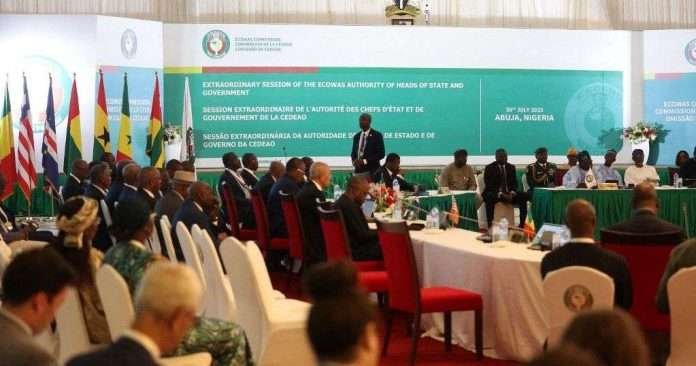
    Niamey, Niger – (African Boulevard News) – Tension is mounting in the West African nation of Niger as the Economic Community of West African States (ECOWAS) issues an ultimatum to the government amid a popular show of defiance on the streets of the capital, Niamey.

    ECOWAS, a regional organization composed of 15 member states, has called on Niger’s government to address the growing concerns of the citizens regarding the country’s economic and political stability. The ultimatum comes after weeks of protests and demonstrations demanding better governance and improved living conditions.

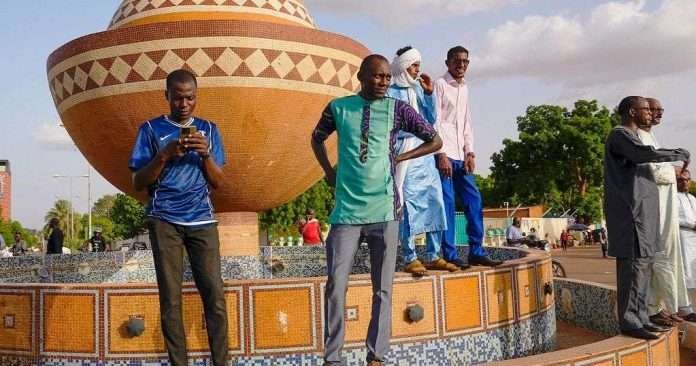
    The streets of Niamey have been flooded with protesters, young and old, chanting slogans and holding placards calling for change. The popular show of defiance has gained momentum, with citizens from all walks of life joining the movement.

    ECOWAS has expressed deep concerns over the situation, pointing out that the prolonged unrest could have serious consequences for the entire region. In a statement, the organization stated, “We urge the government of Niger to take immediate actions to address the grievances of its people and restore calm in the country. Failure to do so could lead to further instability and insecurity.”

    The ultimatum issued by ECOWAS gives the government a deadline of two weeks to respond to the demands of the protesters. Failure to meet the deadline could result in sanctions, including travel bans and asset freezes for key government officials.

    Political analysts believe that the ultimatum from ECOWAS adds significant pressure on the Nigerien government to act swiftly and decisively. Dr. Amina Ibrahim, a political science professor at Niger State University, stated, “This ultimatum sends a strong message to the government that the international community is closely watching and expects immediate action.”

    The Nigerien government, led by President Mohamed Bazoum, has acknowledged the demands of the protesters and promised to address them through dialogue and reform. However, many citizens remain skeptical, citing previous unfulfilled promises.

    The ultimatum from ECOWAS has brought renewed hope to the protesters, who see it as a validation of their cause. One protester, Amina Sani, said, “We are tired of empty promises. ECOWAS stepping in shows that the world is listening to us. We will continue our fight until our voices are heard.”

    As the deadline approaches, all eyes are on Niger’s government to see how they will respond to the ultimatum. The next two weeks will be crucial in determining the country’s future and its ability to resolve the grievances of its people.

    In these uncertain times, the people of Niger are resilient and determined to bring about change. The ultimatum from ECOWAS has given them a renewed sense of purpose and a glimmer of hope that their voices will finally be heard. The world watches with bated breath as Niger stands at a crossroads, balancing between stability and further turmoil.
    Uganda: Battling Plastic Waste Crisis, One Recycling Center at a Time

    0
    Read Time:2 Minute, 24 Second

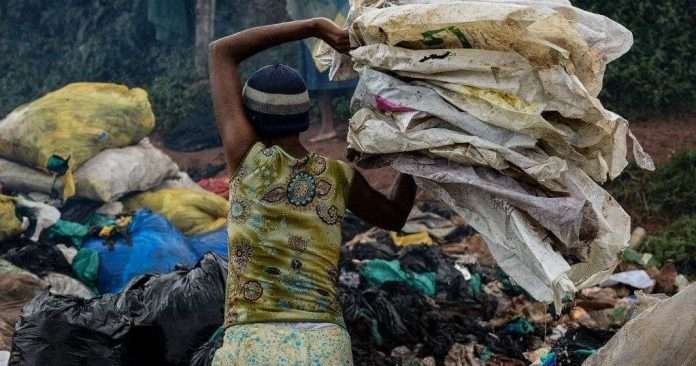
    Kampala, Uganda – (African Boulevard News) – Uganda is making strides in its efforts to tackle the growing problem of plastic waste. With over half of all plastic waste in the country ending up in open land, waterways, lakes, and parks, the need for effective recycling measures has become increasingly urgent.

    According to a recent report by the United Nations Environment Programme (UNEP), Uganda generates approximately 600 metric tons of plastic waste every day, with only a small fraction being properly disposed of or recycled. The rest ends up littering the environment, causing significant harm to wildlife, ecosystems, and human health.

    Recognizing the need for action, the Ugandan government has taken tentative steps towards recycling plastic waste. One such initiative is the establishment of recycling centers in major cities like Kampala and Jinja. These centers play a crucial role in collecting, sorting, and processing plastic waste so that it can be transformed into reusable materials.

    Andrew Omony, an environmental scientist and advocate for sustainable waste management, commends the government’s efforts, saying, “The establishment of these recycling centers is a significant step towards addressing Uganda’s plastic waste problem. By providing a proper infrastructure for waste management, we can minimize the environmental impact and create a more sustainable future.”

    In addition to government-led initiatives, various non-profit organizations and private companies are also joining the fight against plastic pollution. For instance, the Plastic Recycling Industries company, based in Kampala, has been at the forefront of recycling efforts. It collects plastic waste from households, businesses, and other sources, processing it into plastic pellets used for the production of new plastic products.

    John Kizito, the CEO of Plastic Recycling Industries, emphasizes the importance of recycling as a solution to the plastic waste crisis. He states, “Plastic waste is a valuable resource that can be reused and transformed into new products. Through recycling, we can reduce the amount of plastic ending up in our environment and contribute to a more sustainable future.”

    While progress is being made, challenges still remain. Limited awareness about the importance of recycling among the general population and a lack of robust infrastructure for waste management are major hurdles to overcome. However, with continued efforts from all stakeholders, Uganda is on the right path towards a cleaner and greener future.

    In conclusion, Uganda is taking decisive steps to address the issue of plastic waste through the establishment of recycling centers and the involvement of non-profit organizations and private companies. By increasing awareness, improving waste management infrastructure, and promoting recycling, the country can significantly reduce the amount of plastic waste polluting its environment. With continued commitment and collaboration, Uganda can serve as an example for other nations striving to combat the global plastic pollution crisis.

    Sources:
    https://www.africanews.com/2023/07/30/uganda-takes-tentative-steps-to-recycle-plastic-waste/
    https://www.google.com/search?q=Uganda+takes+tentative+steps+to+recycle+plastic+waste

    Africa: Putin Breaks Ranks, Backs Game-Changing Peace Plan for Ukraine – A Historic Step Towards Harmony and Hope

    0
    Read Time:2 Minute, 28 Second

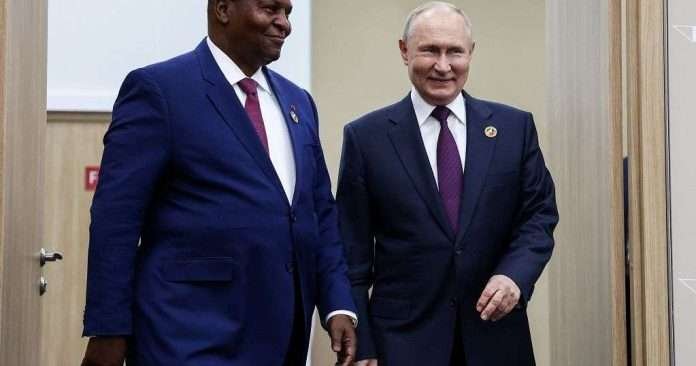
    Diaspora, Africa – (African Boulevard News) – Russian President, Vladimir Putin, has expressed his support for an African peace plan on Ukraine during his closing speech at the Russia-Africa Forum held in St Petersburg. The move comes as a significant step towards resolving the ongoing conflict in Ukraine, which has been a source of tension between Russia and the West.

    In his address, President Putin hailed Africa’s commitment to finding a peaceful solution to the conflict in Ukraine and praised the region’s efforts in promoting dialogue and understanding. He emphasized the need for all parties involved to engage in meaningful negotiations and work towards a mutually acceptable resolution.

    “The African continent has shown great wisdom and leadership in supporting peaceful initiatives around the world. We appreciate their commitment to promoting unity and dialogue,” President Putin stated.

    The African peace plan on Ukraine aims to establish a framework for negotiation, de-escalation, and the eventual resolution of the conflict. It proposes the involvement of key regional stakeholders, including African leaders, as mediators in the peace process.

    Experts have lauded President Putin’s endorsement of the African peace plan, noting that Africa’s involvement could provide a fresh perspective and help bridge divides between conflicting parties. It is seen as an opportunity for African nations to assert their influence in global affairs and demonstrate their commitment to international peace and stability.

    Dr. John Oduor, a political analyst, commented on the significance of African involvement, saying, “By backing the African peace plan, President Putin not only recognizes the continent’s potential in conflict resolution but also acknowledges the need for diverse voices in addressing complex global issues. Africa’s participation will bring a unique perspective to the negotiating table.”

    The African peace plan comes at a crucial time when tensions between Russia and the West over Ukraine have been escalating. The conflict has led to numerous casualties and a significant displacement of people, exacerbating the humanitarian crisis in the region.

    The international community has welcomed President Putin’s endorsement of the African peace plan, viewing it as a positive step towards finding a diplomatic solution to the conflict. Representatives from the United Nations and European Union have expressed their support for the initiative, highlighting the importance of a multilateral approach in resolving the crisis.

    As Africa takes on a greater role in global affairs, the endorsement of the African peace plan by President Putin demonstrates the continent’s growing influence and its commitment to promoting peace and stability beyond its borders. With the backing of major global stakeholders, including Russia, the plan could pave the way for a diplomatic breakthrough in the conflict in Ukraine, offering hope to those affected by the ongoing violence.

    In this crucial moment, the international community looks to Africa to lead the way in finding a peaceful resolution and fostering greater cooperation among nations. As the African peace plan gains momentum, the world remains hopeful that a lasting solution to the conflict in Ukraine will soon be achieved.

    Central African Republic: Citizens Take a Stand as President Seeks Third Term, Nation’s Future Hangs in the Balance

    Read Time:2 Minute, 7 Second

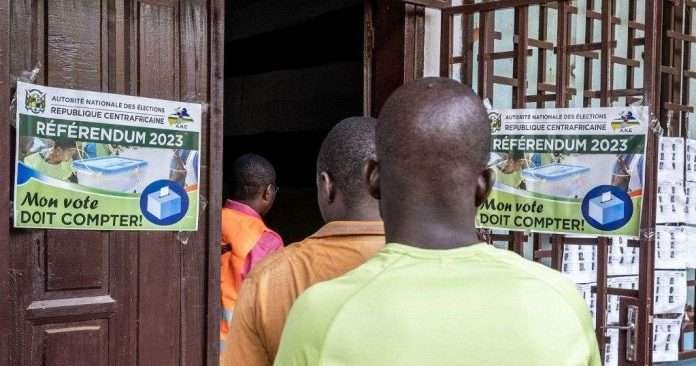
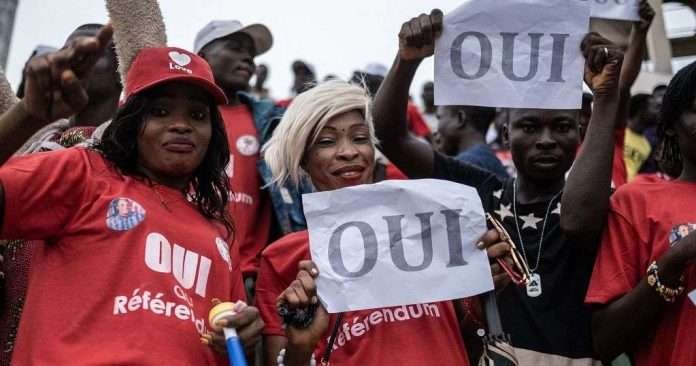
    Bangui, Central African Republic – (African Boulevard News) – The Central African Republic is currently witnessing a momentous occasion as voting is underway for a constitutional referendum that could potentially pave the way for President Touadéra to run for a third term. This highly anticipated event has captivated the nation, with citizens eagerly exercising their democratic right to shape the future of their country.

    The referendum aims to address the eligibility criteria for presidential candidates, specifically focusing on the number of terms a president can serve. The proposed constitutional amendment seeks to remove the two-term limit, which would provide President Touadéra with the opportunity to extend his tenure beyond the current limit.

    Citizens across the country have turned out in large numbers, braving long queues and inclement weather to cast their votes. In Bangui, the capital city, voters have expressed their enthusiasm and determination to participate actively in this historic moment. The referendum has sparked vibrant discussions among the population, reflecting the importance of this decision in shaping the country’s political landscape for years to come.

    Critics argue that extending the term limit could potentially undermine democratic principles and concentrate power in the hands of one individual. They emphasize the need for a peaceful transition of power through regular and fair elections to ensure political stability and progress. However, supporters of President Touadéra assert that the constitutional amendment would provide continuity and enable him to successfully implement his development agenda.

    Observers from various organizations, including the African Union, have been closely monitoring the voting process to ensure its fairness and transparency. They play a crucial role in upholding the integrity of the referendum and maintaining public confidence in the electoral system. As the international community watches the events unfold in the Central African Republic, it is a testament to the significance of this referendum not only for the nation but for the entire region.

    In a statement, Dr. John Okonkwo, an expert on African politics, emphasized the importance of a well-informed electorate. He said, “The Central African Republic is at a crossroads, and this referendum will shape its political future. It is imperative that voters are aware of the implications of their decision and exercise their democratic right responsibly.”

    As voting continues, the nation awaits the final outcome and the impact it will have on the political landscape of the Central African Republic. Regardless of the result, this referendum marks a critical moment in the country’s history, highlighting the power of democracy and the ability of its citizens to shape their own destiny.

    Africa: EFF Leader Calls for BRICS Summit Boycott in Powerful Show of Solidarity with Putin

    0
    Read Time:2 Minute, 14 Second

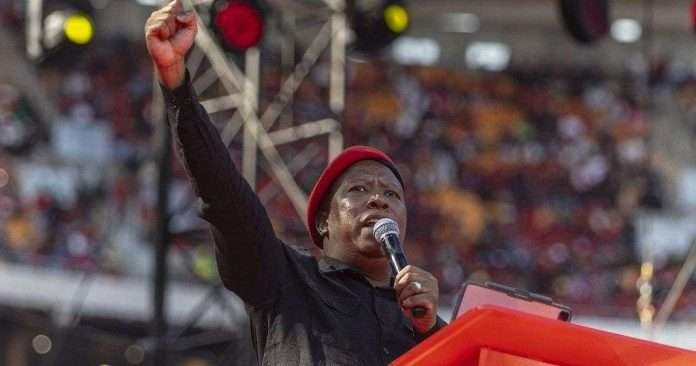
    Diaspora, Africa – (African Boulevard News) – South Africa’s radical leftist leader, Julius Malema, has called for a boycott of the upcoming BRICS summit in solidarity with Russian President Vladimir Putin. During his speech at an anniversary rally, Malema passionately argued that the international community should stand by Putin in the face of mounting pressure from the West. This call for solidarity comes amidst increased tensions between Russia and Western powers over various issues.

    Malema, the leader of the Economic Freedom Fighters (EFF) party, called on BRICS nations – Brazil, Russia, India, China, and South Africa – to boycott the summit set to take place in Moscow, Russia. He cited what he called the unjust treatment of Putin by Western leaders and media as the motivation behind his appeal. Malema praised Putin for his strong leadership and his firm stance against Western interference in other countries’ affairs.

    In his impassioned speech, Malema stated, “We cannot allow Western powers to dictate who should lead our fellow BRICS nation. We stand in solidarity with President Putin and the Russian people, and we call on our BRICS partners to show unity by boycotting the upcoming summit.”

    Experts have weighed in on Malema’s appeal, with some expressing concerns about the potential consequences of such a boycott. Political analyst, Sarah Williams, highlights the importance of maintaining diplomatic ties with Western nations and warns against isolating South Africa from its global partners. “While it is important to express solidarity with fellow BRICS nations, we must also consider the potential economic and diplomatic consequences of such a boycott,” she explained.

    However, others argue that Malema’s call for a boycott is a necessary show of support against what they perceive as Western aggression towards Russia. John Mbeki, a political commentator, believes that Malema’s appeal resonates with a growing sentiment among some African nations. “There is a sense of frustration among certain African nations with the West’s heavy-handed approach towards Russia. Malema’s call for a boycott reflects this sentiment and seeks to amplify African voices of solidarity,” he stated.

    The EFF’s leader has been known for his controversial and outspoken opinions, often drawing attention to South Africa through his provocative statements. With this latest appeal to boycott the BRICS summit, Malema intends to make a bold statement on the international stage and galvanize support for a cause he believes in.

    As the debate surrounding Malema’s appeal rages on, it remains to be seen whether his call for a BRICS summit boycott will gain traction among other member nations. The upcoming summit in Moscow will undoubtedly provide further insight into the power dynamics within the BRICS alliance and the extent to which solidarity with Putin resonates among its member nations.

    Senegal: Opposition Leader Sonko Arrested, Charges Feared to Silence Democracy

    0
    Read Time:2 Minute, 23 Second

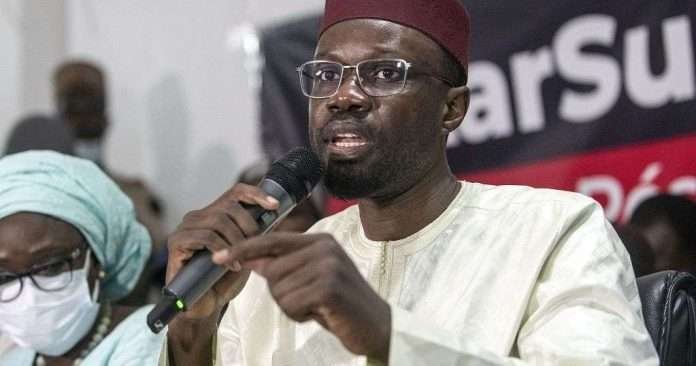
    Dakar, Senegal – (African Boulevard News) – Senegal’s opposition politician, Ousmane Sonko, has found himself facing new charges after his arrest on Friday. This development has further intensified the political tension in the country and raised concerns about the state of democracy.

    The arrest of Sonko, a prominent figure in Senegal’s political landscape, has sparked widespread protests across the country. Supporters of the opposition leader have taken to the streets, demanding his immediate release and denouncing what they consider to be politically motivated charges.

    Sonko, who ran for president in 2019 and came third in the race, has been a vocal critic of President Macky Sall’s administration. He has accused the government of corruption and mismanagement, galvanizing significant support from disillusioned Senegalese citizens.

    The new charges against Sonko include disturbing public order, destruction of property, and incitement to violence. The authorities claim that the opposition politician was involved in acts of violence during recent protests. Sonko’s legal team, however, argues that these charges are baseless and are being used as a means to silence political dissent.

    Amid the growing political unrest, international observers have expressed their concerns about the state of democracy in Senegal. The United Nations and the African Union have called on the government to respect the rights of citizens to peaceful protest and to ensure a fair and transparent legal process.

    According to Dr. Aminata Diop, a political analyst at Dakar University, “The charges against Ousmane Sonko appear to be politically motivated. This highlights the need for an independent judiciary to ensure justice is served and political opponents are not targeted unfairly.”

    The situation in Senegal has garnered attention from human rights organizations as well. Amnesty International has called on the authorities to release Sonko immediately and to respect the rights of all citizens to freedom of expression and assembly.

    As the political tension continues to escalate, there are concerns about the impact on Senegal’s stability and the upcoming presidential elections in 2024. The arrest of a prominent opposition leader raises questions about the fairness and integrity of the electoral process.

    The government’s response to the protests and the charges against Sonko will undoubtedly shape the political landscape in the run-up to the elections. It remains to be seen how President Macky Sall’s administration will navigate these challenges and address the concerns of the opposition and the international community.

    In this critical moment for Senegal’s democracy, the eyes of the world are on its leaders and institutions. The treatment of Ousmane Sonko and the handling of the protests will be a test of the country’s commitment to democratic principles and the rule of law.

    As the political and legal battles continue, Senegal stands at a crossroads. The path the country chooses to take will have far-reaching consequences not only for its citizens but also for the wider region’s perception of its democratic values.

    Niger: Overcoming Adversity and Embracing a Brighter Future

    0
    Read Time:2 Minute, 24 Second

    Niamey, Niger – (African Boulevard News) – Following Wednesday’s coup led by the military, citizens in Niger are expressing their hopes for a brighter future. Despite the political turmoil and uncertainty that the country is currently facing, there is a prevailing sense of optimism among the people.

    One citizen, Amina Ibrahim, shared her thoughts on the current situation, saying, “Although this is a challenging time for our country, I believe that we can overcome these obstacles and build a better Niger. We have resilience and a strong spirit, and I am confident that we will emerge stronger from this crisis.”

    Many Nigeriens are hopeful that the new government will bring much-needed stability and address the long-standing issues of poverty, unemployment, and corruption. The coup leaders have vowed to prioritize the well-being of the people and the development of the nation.

    Dr. Ahmed Omar, a political analyst, shed light on the sentiments of the citizens, stating, “The people of Niger are tired of the instability and lack of progress. They yearn for a government that will prioritize their needs and work towards improving their lives. This coup has provided an opportunity for change, and the citizens are hopeful that their voices will be heard.”

    The international community has also expressed its support for the people of Niger during this difficult time. The African Union, the United Nations, and neighboring countries have called for a peaceful transition of power and urged all parties to prioritize the well-being of the citizens.

    In response to the concerns of the international community, General Ibrahim Salou Djibo, leader of the coup, stated, “We are committed to respecting human rights, ensuring the safety and security of our citizens, and working towards a peaceful transition to civilian rule. Our goal is to create a stable and prosperous Niger for all our people.”

    While challenges lie ahead for Niger, the hopes and aspirations of its citizens remain high. They believe that this moment of crisis can be turned into an opportunity for positive change and transformation. The resilience and determination of the people of Niger have been showcased time and again throughout history, and this time is no different.

    As the country embarks on a new chapter, it is the responsibility of the new government to fulfill the hopes and dreams of its people. The citizens of Niger are eagerly looking forward to a future that is marked by stability, progress, and prosperity. With the support of the international community and a united determination, there is confidence that Niger can overcome its challenges and build a better future for all its citizens.

    In the face of adversity, the people of Niger are resilient, hopeful, and ready to seize the opportunities that lie ahead. As the nation navigates through this transitional period, the hopes of its citizens shine as beacons of light, guiding the way towards a brighter future.

    Africa: CAR Holds Crucial Constitutional Referendum with President’s Fate at Stake

    0
    Read Time:2 Minute, 27 Second

    Diaspora, Africa – (African Boulevard News) – CAR Gears for Sunday’s Constitutional Referendum

    The Central African Republic (CAR) is preparing for a crucial constitutional referendum scheduled for this Sunday, as the nation seeks to solidify its democratic institutions and ensure stability for the future. If approved, the constitutional changes will open the door for President Faustin Archange Touadéra to stand for another term, a move that has generated mixed reactions among the populace.

    The referendum, which has been a topic of debate and speculation in recent months, is seen as a significant stepping stone towards consolidating CAR’s democratic progress. President Touadéra, who assumed office in 2016, has called for the constitutional amendment, arguing that it is necessary to continue the country’s journey towards peace and development.

    Critics, however, have expressed concerns about the potential consolidation of power in the presidency. They argue that extending the president’s term could undermine the principles of democratic governance and perpetuate a culture of political dominance. Despite these concerns, President Touadéra remains confident that the referendum will be a positive step for the nation.

    “We have come a long way since the dark days of conflict, and this referendum is an opportunity for the people of CAR to shape their future,” President Touadéra declared in a recent speech. “It is crucial that we continue on the path of stability and development, and this constitutional amendment will ensure just that.”

    The referendum will provide an opportunity for the citizens of CAR to voice their opinions and exercise their democratic rights. The government has been working tirelessly to ensure a smooth and transparent process, with measures put in place to guarantee the security of voters and the validity of the results.

    However, there are concerns regarding the potential for violence and unrest surrounding the referendum. CAR has faced significant challenges in recent years, with armed groups vying for control of territories and resources. The government and international peacekeeping forces have been working tirelessly to quell the violence and restore law and order.

    “We are cautiously optimistic about the upcoming referendum,” stated international observer, Dr. Maria Lobo. “It is crucial that the process is conducted fairly and in accordance with democratic norms. This will be a significant test for the nation’s democratic institutions.”

    As CAR gears up for Sunday’s constitutional referendum, all eyes are on the nation as it takes another step towards securing stability and shaping its future. The outcome will not only determine the tenure of President Touadéra but will also have far-reaching implications for the nation’s political landscape. The hopes and fears of the citizens are intertwined, as they eagerly await the results that will shape their collective destiny.

    In this critical moment for CAR, the world watches with anticipation, hopeful that the referendum will mark another milestone towards lasting peace, development, and democratic governance in the Central African Republic.

    URLs:

    Mauritania: Presidents Unite with China for Shared Prosperity and Unbreakable Friendship

    0
    Read Time:2 Minute, 13 Second

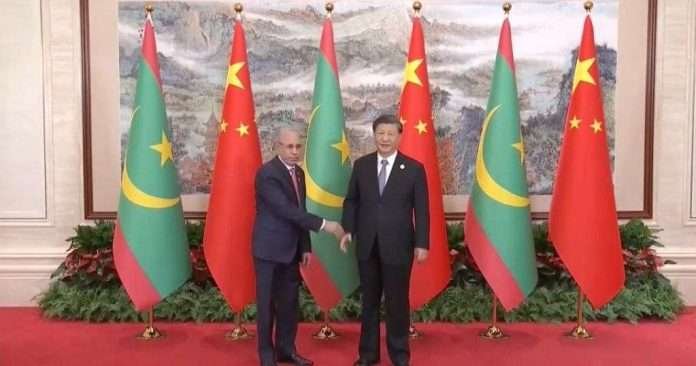
    Nouakchott, Mauritania – (African Boulevard News) – Chinese President, Xi Jinping, hosted a meeting with the presidents of Mauritania and Burundi, Mohamed Ould Ghazouani and Evariste Ndayishimiye, respectively, in China’s Sichuan province. The encounter was marked by camaraderie, mutual praise, and pledges of continued support between the nations.

    During the meeting, President Xi Jinping expressed his pleasure in welcoming the African leaders to China. He commended the strong bilateral relations between China and both Mauritania and Burundi, highlighting the fruitful collaboration in various fields such as infrastructure development, trade, and investment.

    President Xi Jinping emphasized China’s commitment to supporting the development endeavors of its African partners. He underscored the importance of enhancing cooperation and mutual assistance for shared prosperity. “China remains unwavering in its support for Africa’s growth and will continue to work alongside Mauritania and Burundi to foster stronger ties,” said President Xi Jinping.

    President Mohamed Ould Ghazouani of Mauritania expressed his gratitude for China’s support in various sectors, particularly in infrastructure development. He highlighted the importance of Chinese investments in enhancing connectivity, trade, and economic growth. President Ould Ghazouani also praised China’s role as a reliable partner in promoting peace and stability in Africa.

    In a similar vein, President Evariste Ndayishimiye of Burundi applauded China for its economic cooperation, which has contributed significantly to the development of his country. He emphasized the value of Chinese investment in boosting Burundi’s agricultural and industrial sectors while promoting employment opportunities for the youth.

    Experts believe that the meeting signifies the continuation of a long-standing friendship and cooperation between China and the two African nations. The pledge for sustained support highlights China’s commitment to the continent’s development and its determination to deepen ties with African countries.

    The close relationship between China and Mauritania and Burundi is further exemplified by the numerous projects initiated by China in these countries. Chinese investments have played a crucial role in infrastructural development, such as the construction of roads, railways, and power plants, ultimately driving economic growth.

    As China expands its presence in Africa, many countries view Chinese investment and cooperation as a strategic opportunity to bolster their economies and improve livelihoods. The meeting between President Xi Jinping, President Mohamed Ould Ghazouani, and President Evariste Ndayishimiye demonstrates the importance of maintaining strong diplomatic ties and collaboration in achieving common goals.

    The encounter concluded with President Xi Jinping expressing his optimism for the future, affirming that China would continue to work hand in hand with Mauritania and Burundi to deepen their friendship and achieve shared prosperity. With China’s sustained support, the African nations look forward to further progress and development in various sectors, fostering a stronger partnership with the world’s second-largest economy.

    Algeria: Mourning the Tragic Loss of Lives and Forests, United in Rebuilding a Stronger Nation

    0
    Read Time:2 Minute, 16 Second

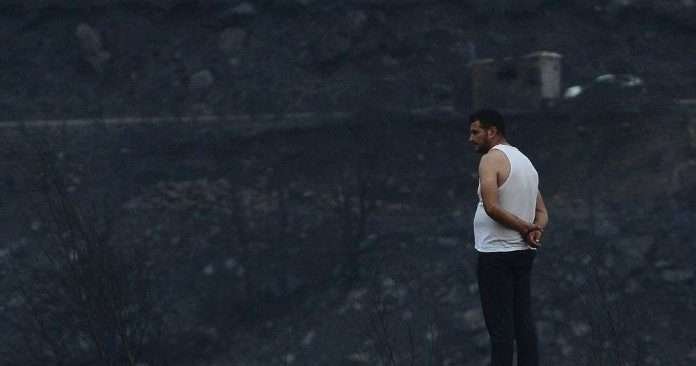
    Algiers, Algeria – (African Boulevard News) – The people of Algeria are in a state of mourning as they gather to pay their respects to the victims of devastating fires that ravaged the country. On a somber Thursday, Algerians came together to honor the 34 lives lost and to grieve for the vast areas of forest that have been reduced to ashes.

    The fires, which broke out in different regions of the country, quickly spread due to strong winds and dry weather conditions. As flames engulfed houses and consumed the lush green landscapes, residents were forced to flee their homes, leaving behind their belongings and cherished memories.

    The scenes witnessed in the aftermath of the fires are gut-wrenching, with charred remains of once-thriving communities now resembling ghost towns. The sense of loss is palpable as Algerians come to terms with the scale of the destruction that nature has unleashed upon them.

    Ali Ahmed, a local resident, expressed his grief, saying, “It’s heartbreaking to witness the devastation caused by these fires. Our thoughts and prayers are with the families who have lost their loved ones and the countless others who have been displaced.”

    The Algerian government has declared a state of emergency in the affected regions and has mobilized all available resources to combat the fires. Firefighters, emergency services, and volunteers are working tirelessly to extinguish the remaining flames and provide relief to those affected.

    Environmental experts warn that these fires are not isolated incidents but rather a result of climate change and human activities. Rising temperatures, prolonged droughts, and deforestation have created the perfect conditions for wildfires to spread rapidly, wreaking havoc on both human lives and the environment.

    Professor Nadia Khaled, an environmental scientist, highlighted the need for urgent action, stating, “These fires serve as a stark reminder of the consequences of climate change. We must prioritize efforts to combat global warming and implement sustainable practices to protect our ecosystems and prevent such catastrophic events from occurring in the future.”

    As Algerians mourn their losses, the international community stands in solidarity with them. Offers of support and assistance have poured in from neighboring countries and international organizations, vowing to help with the recovery and rebuilding process.

    While the scars left by these fires will take time to heal, the resilience and determination of the Algerian people shine through. In the face of tragedy, they unite to mourn their fallen, support the affected, and work towards a future where such devastation can be prevented.

    As the smoke begins to clear, Algerians are left with the daunting task of rebuilding their lives and their communities. However, their spirit remains unbroken, holding onto the hope that from the ashes, a stronger, more resilient Algeria will rise.