Monday, May 4, 2026
79.8 F
Lagos
More
    Home Blog Page 279

    Mali: Unbreakable Bonds of Brotherhood – Delegation Heads to Niger to Show Unwavering Support and Solidarity

    0
    Read Time:2 Minute, 21 Second

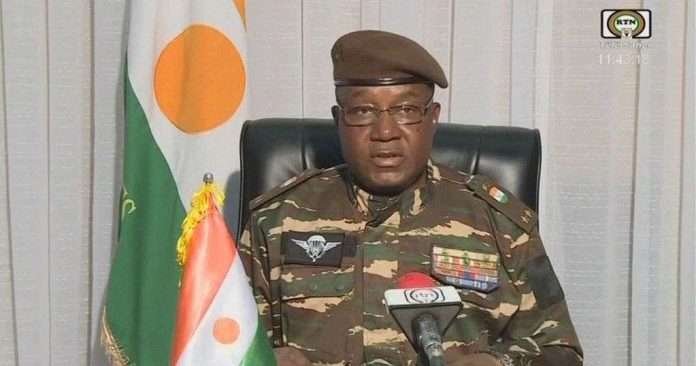
    Bamako, Mali – (African Boulevard News) – Mali and Burkina Faso have joined forces and are sending a delegation to Niger as a demonstration of unwavering support and solidarity. The primary objective of this delegation is to show their support for the people of Niger, whom they refer to as “brotherly”, in the face of recent challenges. The delegation is scheduled to arrive in Niamey on Monday, ready to extend a helping hand to their neighboring country.

    The delegation consists of representatives from various sectors, including government officials, civil society organizations, and community leaders. They hope that their presence in Niger will serve as a symbol of solidarity and strengthen the bond between the three countries.

    Mali and Burkina Faso have faced their fair share of challenges in recent years, including political instability, security threats, and economic hardships. However, they understand the importance of standing together during difficult times. By sending this delegation, they aim to demonstrate that unity and collaboration are key to overcoming adversity.

    Amadou Doumbia, a political analyst and expert on regional affairs, commends the initiative taken by Mali and Burkina Faso, stating, “This delegation signifies the strong bonds that exist between these countries. It showcases a sense of brotherhood and camaraderie, highlighting the importance of unity and collective action in times of crisis.”

    The visit of the delegation is also an opportunity to discuss potential areas of cooperation and support. Niger, like Mali and Burkina Faso, faces security challenges, particularly from armed extremist groups. This visit provides a platform for sharing experiences, strategies, and best practices in combating these threats and promoting stability in the region.

    Additionally, the delegation will discuss economic development and trade opportunities. The three countries are rich in resources, and there is immense potential for collaboration in sectors such as agriculture, mining, and tourism. By exploring these avenues, they can foster economic growth and create opportunities for their respective populations.

    The solidarity shown by Mali and Burkina Faso through this delegation is not only a testament to their commitment to the region but also a sign of hope for the people of Niger. It sends a clear message that they are not alone in their struggles and that their neighbors are ready to offer support and assistance.

    As the delegation arrives in Niger, the people of the region eagerly await their arrival, hopeful that this visit will mark the beginning of a new chapter in their collective fight against adversity. Together, Mali, Burkina Faso, and Niger can build a stronger, more resilient region that thrives on unity and solidarity.

    In times of crisis, it is these acts of solidarity that remind us of the power of humanity and the strength that lies in unity. This delegation showcases the best of African brotherhood and serves as a beacon of hope for a brighter future in the region.
    Ghana: 13 Brave Adventurers Make History with Epic Accra to London Drive, Forever Changing the nation’s Tourism Landscape

    0
    Read Time:2 Minute, 22 Second

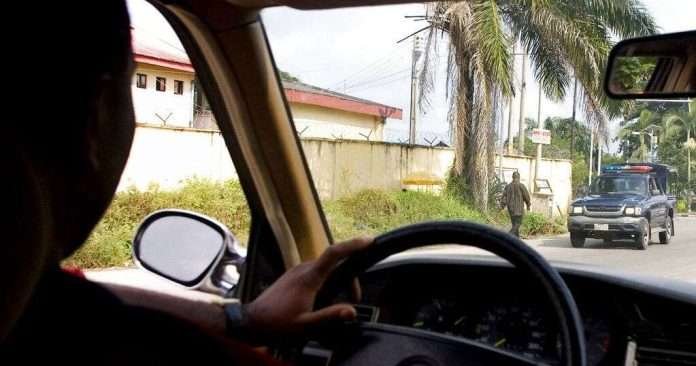
    Accra, Ghana – (African Boulevard News) – Thirteen brave Ghanaians have made history by successfully completing a remarkable 10,000km drive from Accra to London. The epic journey took them through six countries, crossing deserts, mountains, and vast plains. The team embarked on this extraordinary expedition to promote tourism, foster cultural exchange, and showcase the resilience and determination of the Ghanaian people.

    The expedition brought together a diverse group of individuals, all sharing a common goal of pushing the boundaries of adventure. They rode in an impressive fleet of vehicles, including a Mercedes Benz G-Wagon, Toyota Landcruisers (V8), Lexus RX 350, and a Ford F150 Raptor. This formidable lineup of automobiles ensured that the team was well-equipped to tackle any terrain they encountered along the way.

    Setting off from Accra, the team’s journey took them through the vibrant landscapes of Cote d’Ivoire, the vast Sahara Desert in Mauritania, the historic city of Marrakech in Morocco, and then, finally, across the English Channel to London.

    The adventurers faced numerous challenges throughout their expedition, battling extreme weather conditions, navigating unfamiliar roads, and enduring long hours on the road. However, their determination and resourcefulness saw them triumph over adversity, overcoming every obstacle that came their way.

    Speaking about the expedition, team leader Kwame Amoah expressed his delight at the successful completion of the journey. He said, “This has been an incredible experience for all of us. We encountered breathtaking landscapes, met fascinating people, and pushed ourselves to new limits. We are proud to have achieved our goal of uniting Ghana and the United Kingdom through this daring adventure.”

    This extraordinary journey has not only captured the hearts and imaginations of Ghanaians but has also garnered global attention. Experts in the tourism industry believe that this feat will significantly boost Ghana’s tourism sector, attracting adventurers and thrill-seekers from all corners of the globe.

    Frank Anokye, a tourism analyst, affirmed the impact of such expeditions on tourism. He stated, “The Accra to London drive has put Ghana on the map as a destination for adventurous travelers. This incredible achievement will undoubtedly attract more tourists to experience the beauty and diversity of our country.”

    The successful completion of this extraordinary journey has marked a new chapter in Ghana’s adventurous spirit. It has demonstrated the country’s determination to explore new horizons and break boundaries. The team’s achievement will undoubtedly inspire future generations of Ghanaians to dream big and explore the world beyond their borders.

    As the dust settles on this remarkable feat, it is clear that these thirteen Ghanaians have left an indelible mark on history. Their courage, resilience, and sense of adventure have not only brought them personal fulfillment but have also showcased the untapped potential of Ghana’s tourism industry. The Accra to London drive will forever be remembered as a testament to the power of human ambition and determination.

    Africa: Constitutional Amendments Threaten Democracy in C.A.R., Opening Door to Third Term for President Touadera

    0
    Read Time:2 Minute, 12 Second

    Diaspora, Africa – (African Boulevard News) – New constitution in C.Africa opens door for Touadera’s third term

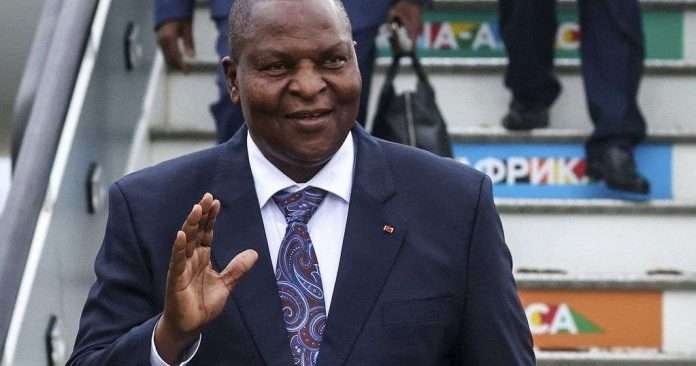
    A new constitution in the Central African Republic (CAR) has sparked controversy as it potentially paves the way for President Faustin-Archange Touadera to serve a third term in office. These “provisional” results were announced recently, but they must be ratified by the constitutional court, which is scheduled to publish the definitive outcome on August 27.

    The proposed changes to the constitution, which were overwhelmingly approved in a national referendum, include the removal of presidential term limits. This has raised concerns among opposition parties, civil society groups, and international observers who fear a further consolidation of power by President Touadera.

    Critics argue that the removal of term limits undermines the democratic process and allows for potential abuse of power. They believe that regular changes in leadership are necessary for the development of a vibrant democracy. Jean-Pierre Samba, a political analyst, expressed his concerns, saying, “This move sets a dangerous precedent in CAR’s political history and risks perpetuating a one-party system.”

    Supporters of President Touadera argue that the constitutional changes are necessary for stability and continuity. They point to the progress made under his leadership, including improved security and the ongoing peace process. According to Antoine Gonda, a pro-government activist, “President Touadera has proven his commitment to the country’s development and deserves the opportunity to continue his work.”

    The international community has been closely monitoring the situation in CAR. The United Nations Secretary-General, in a statement, expressed concern over the potential for political instability and called for a transparent and inclusive process. The African Union and the Economic Community of Central African States have also called for calm and urged all parties to respect the rule of law.

    It remains to be seen how the constitutional court will rule on the proposed changes. If ratified, President Touadera could potentially serve a third term, extending his tenure beyond the current constitutional limits. This would undoubtedly have far-reaching implications for the country’s political landscape.

    As the constitutional court prepares to publish its definitive outcome, tensions in CAR are rising. The decision will undoubtedly shape the future of the country and have significant implications for democracy in the region. Stakeholders await the court’s decision anxiously, with the hopes that it will reflect the will of the people and uphold democratic principles.

    In this crucial moment, the world watches closely as the Central African Republic embarks on a new chapter in its history. The outcome will not only determine the future of President Touadera but also the path of democracy in the region.

    Senegal: Major Breakthrough as Lawyer Released on Bail, Paving the Way for Justice in High-Profile Opposition Case

    0
    Read Time:2 Minute, 6 Second

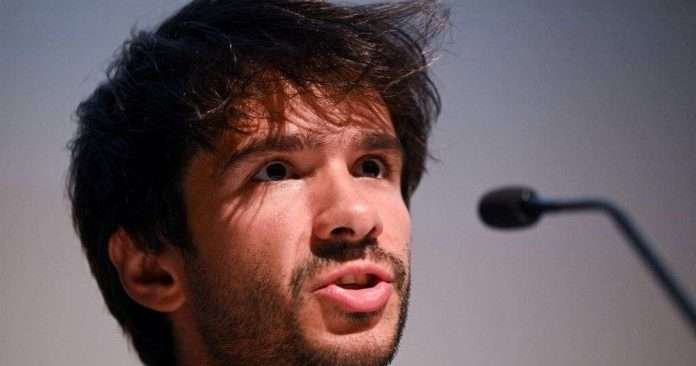
    Dakar, Senegal – (African Boulevard News) – In a surprising turn of events, French lawyer Luc Branco, who was arrested last month in Dakar for allegedly plotting an insurrection, has been released on bail. Branco is the lead lawyer for Senegal’s prominent opposition leader Ousmane Sonko, who has been in custody facing similar charges.

    Branco’s release on bail comes as a relief to many who have been closely following the case. The lawyer was arrested along with several others during a crackdown on individuals suspected of destabilizing the government. He faced charges of terrorism, conspiracy, and public order offenses.

    Sonko, a prominent figure in Senegal’s political landscape, has been a vocal critic of President Macky Sall’s government. The opposition leader was arrested earlier this year on charges of rape, which he denies, sparking widespread protests and political unrest across the country.

    Branco’s release on bail is seen as a positive step forward for the opposition leader’s legal team. It provides an opportunity for them to regroup and strategize their defense against the charges leveled against Sonko. The lawyer’s arrest had raised concerns among human rights organizations and legal experts about the state of democracy and the rule of law in Senegal.

    Speaking about Branco’s release, Marie Diop, a human rights advocate, expressed cautious optimism. She said, “While it is encouraging to see Branco released on bail, we must remember that he is still facing serious charges. This case has highlighted the need for fair and transparent legal proceedings in Senegal. We hope that this development will pave the way for a just resolution to Sonko’s case.”

    Branco’s release has also been welcomed by international organizations and foreign governments. The French Embassy in Dakar issued a statement expressing its satisfaction with the decision. The embassy spokesperson stated, “We have been closely following Branco’s case, and we are pleased to see that he has been released on bail. We will continue to monitor the situation and provide any necessary assistance to ensure a fair legal process.”

    As the case against Sonko and his legal team continues, many are hopeful that this latest development will lead to a more transparent and fair judicial process. The release of Branco on bail brings a glimmer of hope for the opposition leader’s supporters, who are eagerly awaiting a resolution to the protracted standoff between Sonko and the government.

    The road ahead remains uncertain, but with Branco now out on bail, the focus shifts to the next steps in the legal proceedings and the prospects for justice in Senegal.

    Video – Shocking Revelations: Amougou Bélinga’s Release and Laurent Esso’s Accusations Unveiled

    0
    Read Time:2 Minute, 47 Second


    Title: Breaking News: Amougou Bélinga to Be Released at the End of the Month, Laurent Esso Hits a Grand Slam

    In an unexpected turn of events, the latest news reveals that Amougou Bélinga, who had been under investigation for the alleged assassination of Matinez Zogo, will be released and cleared of all charges. Additionally, renowned politician Laurent Esso has been accused of manipulating evidence related to the case. A recent report by Reporters Without Borders sheds light on the journalist’s investigation. Read further to uncover the shocking details.

    The Cameroonian public was stunned when news first broke of the arrest and investigation of Amougou Bélinga in connection with the assassination of Matinez Zogo, a prominent figure in the country. However, recent developments have taken the case on an unexpected turn. Reliable sources now confirm that Bélinga, who has maintained his innocence from the beginning, will soon be released. The evidence presented against him seems to have crumbled, highlighting potential flaws in the investigation process.

    Simultaneously, Minister Laurent Esso, a well-known political figure, has been accused of tampering with evidence related to Amougou Bélinga’s case. It is alleged that Esso orchestrated the fabrication of incriminating proof against Bélinga, raising serious concerns about the credibility and integrity of the investigation. With these accusations, the public’s trust in the justice system has been shaken, leaving many questioning the motives and actions of those involved.

    In light of these revelations, Reporters Without Borders has taken a keen interest in the case and produced a comprehensive report on the journalist’s investigation. This report sheds light on the questionable tactics employed during the investigation, raising concerns about the freedom of the press and the independence of journalists in Cameroon. The report highlights the need for a thorough and unbiased review of the entire investigation process.

    This shocking development has ignited a wave of discussions and debates across Cameroon. Many are demanding answers and seeking accountability from those responsible for the alleged framing of Amougou Bélinga and the resulting injustice. The public outcry is amplifying the pressure on authorities to conduct a fair and transparent inquiry into the matter.

    The case of Amougou Bélinga and the accusations against Laurent Esso demonstrate the importance of upholding the principles of justice and ensuring the integrity of investigations. As the date for Bélinga’s release draws nearer, the eyes of the nation remain fixed on the outcome, hoping for a fair resolution and genuine justice to prevail in this high-profile case.

    As the story continues to unfold, it becomes evident that this case is not just about the individuals involved but also about the wider implications for the justice system and the integrity of the political landscape in Cameroon. The revelations beg the question of how many other cases may have been influenced by political agendas or personal motives.

    In conclusion, the pending release of Amougou Bélinga and the accusations against Laurent Esso have sparked outrage and raised serious concerns about the fairness and integrity of the Cameroonian justice system. The public eagerly awaits further developments, hoping for accountability and transparency to prevail in this high-stakes case. The repercussions of this investigation will undoubtedly reverberate throughout the country and serve as a wake-up call for greater vigilance in upholding justice and protecting the rights of all citizens.

    Video – CEDEAO Meeting on Coup in Niger: Junta Open to Dialogue, Threat of Military Intervention Looms

    0
    Read Time:2 Minute, 38 Second


    Title: CEDEAO Holds Meeting on Coup in Niger, Junta Open to Dialogue

    Introduction:

    A meeting of the Economic Community of West African States (CEDEAO) is set to take place on Thursday to discuss the ongoing coup in Niger. The West African regional organization has issued an ultimatum to the Nigerien junta, threatening military intervention if President Bazoum is not reinstated. In response, the coup leaders have closed Niger’s airspace in anticipation of a possible intervention. Meanwhile, the Nigerien Prime Minister, Ouhoumoudou Mahamadou, states that the military is requesting dialogue with CEDEAO.

    Body:

    The CEDEAO’s ultimatum to the Nigerien junta expired on Sunday, intensifying the regional organization’s concerns about the political stability and governance in Niger. The junta took control of the country on July 15, ousting President Mohamed Bazoum just two days after his inauguration. Since then, tensions have been rising, with international bodies expressing their disapproval of the coup.

    CEDEAO, which consists of 15 West African nations, has been at the forefront of efforts to restore democracy in Niger. The organization has condemned the coup and demanded the immediate reinstatement of President Bazoum. Failure to comply with these demands may result in a military intervention from CEDEAO. To show their seriousness, the organization has taken steps, including mobilizing troops, preparing for an intervention, and urging member states to contribute to a regional military force.

    In response to CEDEAO’s threats, the Nigerien junta has closed the country’s airspace. This move is seen as a defensive strategy to discourage immediate military action from regional forces. The junta claims that it is not against dialogue and is willing to engage with CEDEAO to find a peaceful resolution to the crisis. Prime Minister Ouhoumoudou Mahamadou has reiterated the junta’s desire for negotiations, while also stating that the military has concerns that need to be addressed.

    The upcoming meeting of CEDEAO on Thursday signifies a crucial moment in addressing the coup in Niger. The organization’s discussions will likely focus on the potential military intervention and the possibility of fruitful dialogue between the junta and CEDEAO. The outcome of the meeting will impact the future of Niger’s political landscape and determine whether democracy can be restored peacefully or if more drastic measures will be required.

    CEDEAO’s engagement in the Nigerien crisis reflects the organization’s commitment to upholding democracy and stability within its member states. The West African community recognizes the significance of resolving power disputes through dialogue and negotiations. While the situation remains tense, CEDEAO’s efforts to find a diplomatic solution demonstrate its dedication to democratic values and regional stability.

    In conclusion:

    As discussions unfold during the CEDEAO meeting on Thursday, the international community will closely monitor their outcomes. The regional organization’s determination to restore democracy in Niger and its willingness to seek negotiations with the junta indicate that dialogue remains a feasible option. However, if diplomatic efforts prove unsuccessful, the threat of military intervention looms over the West African nation, promising significant ramifications for its political future. The CEDEAO’s actions serve as a reminder that the restoration of democratic governance must be prioritized to ensure stability and progress in Niger and across the region.

    Niger: Defiance and Determination as ECOWAS Emergency Meeting Looms

    0
    Read Time:2 Minute, 27 Second

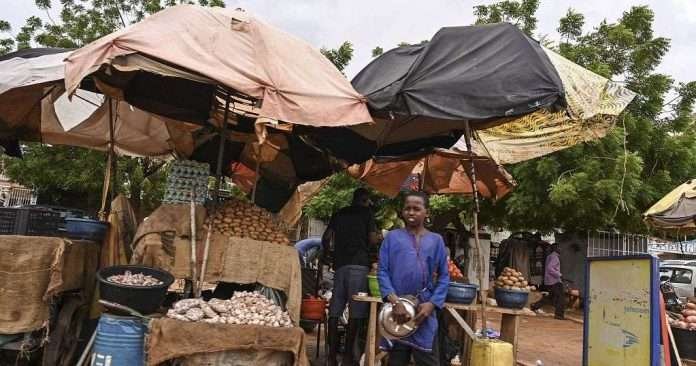
    Niamey, Niger – (African Boulevard News) – Anxiety spreads through the capital city of Niamey and across the nation of Niger as the Economic Community of West African States (ECOWAS) schedules an emergency meeting. This comes after the expiration of their ultimatum for the country’s military junta to hand over power to a civilian government.

    The ultimatum, given by ECOWAS, a regional bloc comprising 15 West African nations, called for a swift return to democratic rule after the military coup that overthrew President Mohamed Bazoum’s government. The coup, led by Colonel Ibrahim Salou Djibo, has plunged the country into uncertainty and sparked concern among the international community.

    Citizens of Niger, however, remain defiant and express confidence in their army’s ability to restore stability. One Niamey resident, who preferred to remain anonymous, stated, “We are not worried because we rely on our army. The Nigerian army is not an army to be neglected. They are responsible people. We all know them about the community in the space of the Union.”

    As tensions rise, ECOWAS has set a meeting to discuss the situation and explore possible actions to encourage a peaceful transition of power. The bloc has been vocal in its condemnation of the coup and has taken decisive measures, including imposing economic sanctions and closing all borders with Niger.

    The international community has also voiced concern over the deteriorating situation in Niger. The United Nations, the African Union, and several individual countries have called for a swift resolution to the crisis and the restoration of democratic governance.

    Experts argue that the coup threatens to undermine the progress made by Niger in recent years. The country has garnered international praise for its efforts in combating terrorism and improving democratic processes. The military takeover has created uncertainty and the potential for increased instability, which could impact regional security efforts.

    While the people of Niger await the outcome of the ECOWAS meeting, there is hope that a peaceful resolution can be achieved. The focus remains on restoring democratic governance and ensuring the stability of the nation.

    As the international community rallies behind the call for a return to civilian rule, the pressure on the military junta intensifies. The world watches with bated breath as ECOWAS prepares to take decisive action to address the crisis in Niger.

    The road to democracy and stability may be challenging, but the determination and resilience of the Nigerien people will undoubtedly guide their country through this tumultuous period. As the nation waits for the outcome of the ECOWAS meeting, the hope for a peaceful transition remains alive.

    Sources:
    – Africanews.com: Niger coup: Anxiety, defiance as ECOWAS schedules meeting after ultimatum expires [Link: https://www.africanews.com/2023/08/07/niger-coup-anxiety-defiance-as-ecowas-schedules-meeting-after-ultimatum-expires/]
    – Google Search: Niger coup Anxiety defiance as ECOWAS schedules meeting after ultimatum expires [Link: https://www.google.com/search?q=Niger+coup++Anxiety++defiance+as+ECOWAS+schedules+meeting+after+ultimatum+expires]

    Rwanda: Controversy Erupts as UN Judges Consider Releasing Genocide Suspect Kabuga, Raising Questions of Justice for Victims

    0
    Read Time:2 Minute, 9 Second

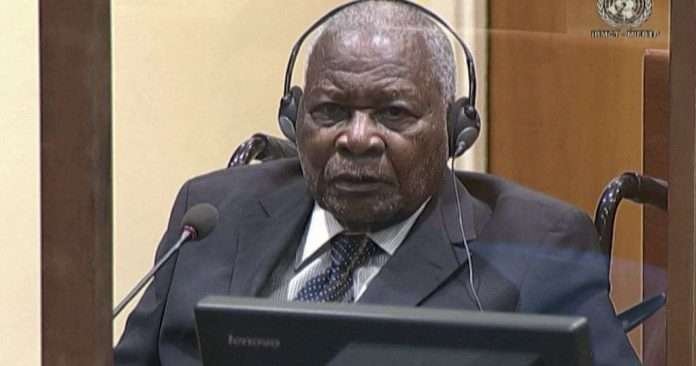
    Kigali, Rwanda – (African Boulevard News) – Rwanda genocide suspect, Felicien Kabuga, should be considered for release, according to UN judges who are reviewing his case. The former tycoon, who is now 88 according to officials but claims to be 90, is accused of setting up a hate broadcaster that fuelled the 1994 slaughter of around 800,000 people.

    The decision to review Kabuga’s case has sparked controversy and raised questions about justice for the victims of the genocide. Many argue that releasing someone accused of such heinous crimes would undermine the efforts to bring justice to the survivors and their families.

    However, the judges believe that there are grounds to consider releasing Kabuga. They argue that his advanced age and deteriorating health should be taken into account. This decision is in line with the principle of proportionality in criminal justice, where the punishment should be commensurate with the crime committed.

    The defense team for Kabuga has welcomed the decision, stating that it is a step towards recognizing the rights of the accused. They argue that Kabuga has been in custody for over 20 years without trial and that he deserves the opportunity to present his case and prove his innocence.

    Human rights organizations, on the other hand, have expressed concerns about the potential release of Kabuga. They argue that it could set a dangerous precedent and send a message that individuals responsible for genocide can escape accountability if they manage to evade arrest for a long period of time.

    Sandra Hodson, a human rights advocate, stated, “We cannot forget the atrocities committed during the Rwandan genocide. Releasing Kabuga without a fair and thorough trial would be a slap in the face for the survivors and the entire international community that seeks justice for genocide victims.”

    It is important to note that the decision to consider releasing Kabuga does not guarantee his release. The judges have ordered further investigations into his health and the conditions under which he would be released. They will also assess the risk of him absconding and the potential threat to witnesses and survivors.

    The case of Felicien Kabuga is a reminder of the need for a delicate balance between justice and compassion. While some argue that the perpetrators of such heinous crimes should be punished to the fullest extent of the law, others believe in the importance of considering individual circumstances, such as age and health.

    As the debate continues, it is crucial to remember the victims of the Rwandan genocide and work towards a justice system that provides closure and healing for all those affected.

    Video – Niger: Will the People Overthrow the Coup Leaders?

    0
    Read Time:2 Minute, 12 Second


    Title: Urgent – Niger: Will the People Overthrow the Coup Leaders?

    Introduction

    In a developing story, the people of Niger are standing up against the recent coup carried out by the military. With tensions escalating and the nation on the brink of further instability, the question arises: will the people succeed in ousting the coup leaders and restore democratic rule? This article examines the unfolding situation and explores the potential outcomes.

    Background

    On [Date], a group of military officers staged a coup in Niger, overthrowing the democratically elected government of President [Name]. The action, condemned by the international community, has plunged the country into a state of uncertainty. The military junta has since taken control and declared themselves the interim government. However, the people of Niger are not willing to accept this new regime indefinitely.

    Public Outcry and Protests

    In the days following the coup, the people of Niger took to the streets in massive protests demanding the reinstatement of their democratically elected government. Citizens from various sectors of society, including civil society organizations, political parties, and ordinary individuals, unified their voices in opposition to the coup. They argue that democracy must be upheld, and the will of the people respected.

    International Response

    The international community has also expressed deep concern over the coup and its potential consequences. African Union, Economic Community of West African States (ECOWAS), and other regional and international bodies have condemned the military takeover and called for the immediate restoration of democratic rule. Diplomatic efforts to mediate and find a peaceful resolution to the crisis are underway.

    Possible Outcomes

    There are several possible outcomes to the current situation in Niger. First, if the military junta manages to suppress the protests and maintain control, Niger could be headed towards a prolonged period of military rule. This would likely result in further isolation from the international community, economic stagnation, and a erosion of civil liberties.

    Alternatively, the pressure from the people and international community might force the military junta to step down and restore democratic processes. This outcome would require negotiations between the coup leaders and opposition groups to establish a transitional government that can lead the country back to stability and democratic governance.

    Conclusion

    The situation in Niger remains fluid as the people’s resistance against the coup leaders continues. The outcome will heavily depend on the determination and resilience of the Nigerien people, as well as the international pressure exerted on the military junta to respect democratic principles. The world watches as the fate of Niger hangs in the balance, with hopes for a peaceful resolution and the return to democratic governance.

    Africa: 25 Years of Suffering and Injustice – Families of US Embassy Attack Victims Demand Reparations and Closure

    0
    Read Time:2 Minute, 16 Second

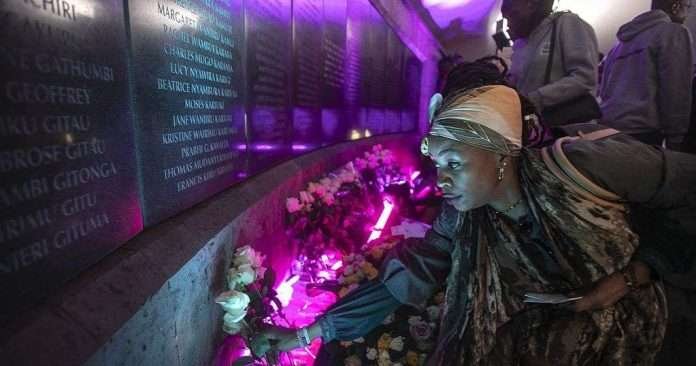
    Diaspora, Africa – (African Boulevard News) – Families of the victims of the devastating 1998 attack on the US embassy in Nairobi have renewed their demand for reparations, 25 years after the tragic event. Despite the passage of time, the wounds inflicted by the attack still haunt the families, who are seeking both financial compensation and a sense of closure.

    “It has not been easy, but with God’s grace, we are here 25 years later,” said one grieving family member. “We have not been compensated, but we are seeking for compensation. Of which money cannot compensate your health, cannot compensate the lives lost, but it can bring justice and closure.”

    The attack, carried out by Al-Qaeda, claimed the lives of 213 people, including 12 Americans and 32 Kenyans who were working at the embassy. Thousands more were injured, and the impact on the survivors and their families has been immeasurable. The scars, both physical and emotional, remain as a constant reminder of the tragedy.

    For years, the families have been fighting for justice and reparations, but their calls have largely gone unanswered. Despite the US government acknowledging its moral responsibility to the victims, no financial compensation has been provided to date. This has left many feeling frustrated and neglected, as they are left to cope with the long-term consequences of the attack on their own.

    “Justice delayed is justice denied,” said a representative of a victims’ advocacy group. “These families have suffered for far too long. It’s time for the US government to step up and honor its commitment to provide reparations to those who have been affected by this heinous act of terrorism.”

    In their quest for justice, the families are not only seeking financial compensation but also recognition of the pain and suffering they have endured. They hope that reparations will provide some closure and allow them to move forward with their lives.

    The renewed demand for reparations comes at a time when global conversations around addressing historical injustices are gaining momentum. The families believe that their fight for reparations is not just for themselves but for all victims of terrorism who have been left without redress.

    The road to justice may be long and arduous, but the families remain determined to see it through. They are calling on the international community to support their cause and ensure that those affected by the 1998 attack on the US embassy in Nairobi finally receive the reparations they rightfully deserve.

    As the families continue their fight for justice, it is crucial that their voices are heard and their demands are taken seriously. Only then can they find solace and healing from the devastating impact of the 1998 attack, which forever changed their lives.