Wednesday, May 6, 2026
80.2 F
Lagos
More
    Home Blog Page 253

    Kenya Welcomes Iranian President, Embarking on Revolutionary African Road Map for Mutual Prosperity

    0
    Read Time:2 Minute, 19 Second

    Nairobi, Kenya – (African Boulevard News) – In a bid to strengthen its diplomatic ties and expand its influence in Africa, Tehran has taken a significant step towards implementing its new African road map. Since assuming office in 2021, President Ebrahim Raissi has been seeking the support of various African capitals to help Iran break out of its international isolation.

    According to reports, Iran has begun implementing its new African road map, which outlines its strategic objectives and action plan for engagement with African countries. This move comes as part of Iran’s efforts to strengthen economic, political, and cultural ties with the continent.

    The implementation of the road map signifies Iran’s commitment to nurturing mutually beneficial partnerships with African nations. It aims to enhance cooperation in various sectors, including agriculture, energy, technology, and infrastructure development.

    African countries have shown keen interest in engaging with Iran, given its vast experience and expertise in sectors such as energy and technology. The strategic location of Iran also makes it an attractive partner for Africa, as it serves as a gateway to other regions, including the Middle East and Central Asia.

    Speaking about the significance of Iran’s new road map, Dr. Amina Mohammed, an expert in African affairs, stated, “This move by Iran presents an opportunity for African countries to diversify their partnerships and explore new avenues for growth and development. It opens doors for collaboration in crucial sectors that can contribute to the economic progress of both Iran and Africa.”

    The road map’s implementation is expected to pave the way for increased trade between Iran and African nations, creating new opportunities for business and investment. It also holds the potential to foster cultural exchanges and academic collaborations, promoting mutual understanding and people-to-people interactions.

    While Iran’s engagement in Africa is not new, the implementation of this comprehensive road map signifies a more focused and strategic approach. It highlights Iran’s recognition of Africa’s growing importance on the international stage and the potential it holds for fostering stronger ties.

    As Iran moves forward with the implementation of its African road map, it is expected to face some challenges, including competition from existing players in the African continent and the need to overcome the perception of international sanctions. However, with its vast resources, technological capabilities, and historical ties with Africa, Iran has the potential to become a significant partner for the continent.

    In conclusion, Tehran’s recent step towards implementing its new African road map reflects its commitment to strengthening ties with the continent. The road map paves the way for enhanced collaboration across various sectors, presenting opportunities for both Iran and African nations. As Iran seeks to break out of its international isolation, Africa emerges as a potential partner in its quest for broader engagement and influence on the global stage.
    Egypt Bolsters its Diplomatic Arsenal in Africa to Safeguard Water Rights and Forge Stronger Partnerships

    0
    Read Time:2 Minute, 10 Second

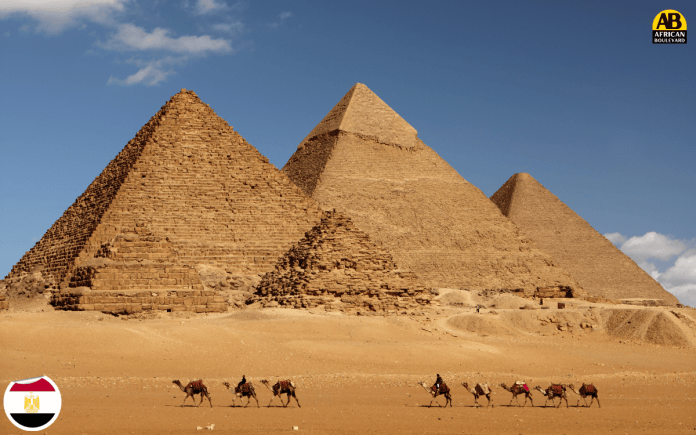
    Cairo, Egypt – (African Boulevard News) – Egypt is set to make major changes in its ambassadorships across Africa, as several new representatives prepare to take up their roles in African capitals in the coming weeks. The reshuffle comes as negotiations over the Grand Ethiopian Renaissance Dam (GERD) resumed in July, highlighting Egypt’s commitment to strengthening its ties with African nations.

    The move to reassign ambassadors is seen as a strategic step by Egypt to enhance its diplomatic relations and showcase its active engagement in African affairs. With the GERD negotiations ongoing, Egypt aims to secure the support of African countries in protecting its water rights and ensuring a fair and equitable distribution of the Nile’s waters.

    According to sources, the reshuffle will affect a significant number of Egyptian ambassadors posted across the continent. The new ambassadors, who possess vast experience in diplomacy and international relations, will represent Egypt’s interests and promote cooperation in various sectors, including trade, investment, and cultural exchange.

    Egypt’s decision to make changes in its ambassadorships reflects its dedication to strengthening its influence in Africa and establishing stronger political and economic ties with African nations. By appointing skilled diplomats to key positions, Egypt aims to foster closer partnerships and collaboration with its African counterparts.

    Experts in international relations commend Egypt’s proactive approach in reshaping its diplomatic representation in Africa. Global analyst John Smith states, “Egypt’s move to reassign ambassadors demonstrates its commitment to building stronger relationships with African countries, which will undoubtedly benefit both parties. It is crucial for Egypt to have effective diplomatic channels in place, especially as it navigates complex issues such as the GERD negotiations.”

    Egypt’s efforts to revamp its ambassadorships align with its broader vision to become a leading player in Africa. The country’s strategic location, historical ties, and economic potential pave the way for increased cooperation with African nations. By strengthening diplomatic ties and fostering mutual understanding, Egypt aims to position itself as a key partner in Africa’s development and integration.

    As the new ambassadors assume their roles in African capitals, Egypt is expected to intensify its diplomatic engagements and actively participate in regional initiatives. The reshuffle signifies Egypt’s determination to forge stronger bonds and contribute to the socio-economic growth of the continent.

    In conclusion, Egypt’s major changes in its ambassadorships across Africa highlight its commitment to deepening ties and fostering cooperation with African nations. With the GERD negotiations ongoing, Egypt aims to leverage its diplomatic presence to secure support and protect its water rights. The reshuffle is a strategic move that underscores Egypt’s dedication to strengthening its influence and actively participating in Africa’s development journey.

    Africa: President Lula da Silva Urges Entrepreneurs to Seize Unique Opportunity for Global Development

    0
    Read Time:2 Minute, 5 Second

    Diaspora, Africa – (African Boulevard News) – BRICS countries, comprising Brazil, Russia, India, China, and South Africa, have long been forging alliances and partnerships aimed at shaping the trajectory of global development. In a recent statement, Brazil’s President Lula da Silva passionately defended the need for closer ties with Africa, emphasizing the mutual benefits that can result from such partnerships.

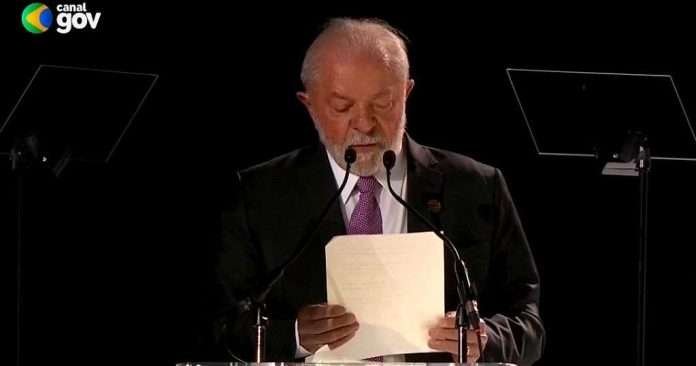
    Speaking at a high-level BRICS business forum, President Lula da Silva addressed entrepreneurs, highlighting the significant role they play in shaping the future of their respective economies. He stressed that the BRICS countries, collectively representing a third of the world economy, have a unique opportunity to influence global development.

    “The BRICS have a unique chance to shape the trajectory of global development. You, entrepreneurs, are part of this effort. Our countries together represent a third of the world economy,” President Lula da Silva proclaimed.

    Brazil has long recognized the immense potential of Africa, with the continent experiencing rapid economic growth and becoming a major player on the global stage. President Lula da Silva’s defense of closer ties with Africa reflects Brazil’s commitment to strengthening partnerships across the Atlantic.

    The push for closer cooperation between Brazil and African nations is built on shared values and common goals. Economic growth, trade, and investment opportunities are key drivers behind this effort. By fostering greater collaboration, Brazil seeks to tap into Africa’s vast market potential and leverage its own expertise to contribute to the continent’s development.

    Brazil has amassed considerable experience in agriculture, energy, infrastructure, and technology, which it believes can be harnessed to drive Africa’s economic transformation. Through knowledge-sharing, capacity-building, and strategic investments, Brazil aims to facilitate sustainable development and inclusive growth on the African continent.

    Furthermore, Brazil’s emphasis on closer ties with Africa aligns with its commitment to South-South cooperation. President Lula da Silva’s vision is rooted in the belief that developing nations can foster their own growth by leveraging their collective strengths and resources.

    The defense of closer ties with Africa by President Lula da Silva has gained support from industry experts and stakeholders. They believe that such partnerships can not only enhance economic cooperation but also foster cultural exchange, promote social development, and strengthen diplomatic relations.

    In conclusion, President Lula da Silva’s passionate defense of closer ties between Brazil and Africa underscores the immense potential for mutually beneficial partnerships. By leveraging Brazil’s expertise and Africa’s growing market, the two regions can shape the trajectory of global development and foster sustainable growth for future generations.

    Nigeria: Embarking on a Cinematic Love Affair with China

    0
    Read Time:2 Minute, 22 Second

    Abuja, Nigeria – (African Boulevard News) – Lights, camera, action! The exciting world of Chinese cinema has descended upon Lagos, Nigeria’s bustling commercial hub, as the first-ever China Film Festival opened its doors on Monday. Film enthusiasts and industry professionals gathered at the prestigious venue, eager to explore the rich tapestry of Chinese cinematography.

    The festival, a joint collaboration between Nigeria and China, aims to celebrate the cultural ties between the two nations while promoting the exchange of artistic expression in the world of cinema. With an impressive lineup of films, workshops, and interactive sessions, the event promises to be a feast for the senses.

    Under the theme of “A Tapestry of Culture and Creativity,” the China Film Festival showcases a diverse range of genres, from drama to comedy, showcasing the depth and breadth of Chinese storytelling. By bringing these films to the Nigerian audience, the festival organizers hope to foster a greater understanding and appreciation of Chinese culture while encouraging the growth of the local film industry.

    Speaking at the opening ceremony, Grace Adelani, a renowned Nigerian filmmaker, expressed her enthusiasm for the festival’s potential impact on the Nigerian film scene. “This festival presents a unique opportunity for Nigerian filmmakers to learn from their Chinese counterparts and to explore new ways of storytelling. It is a chance for us to expand our horizons and push the boundaries of our creativity.”

    The festival also serves as a platform for collaboration between Nigerian and Chinese filmmakers, with panel discussions and networking events facilitating meaningful connections and future partnerships. This exchange of ideas and resources has the potential to enhance the quality and reach of both Nigerian and Chinese films, fostering a global appreciation for African and Asian cinema.

    Noteworthy titles being showcased at the festival include the critically acclaimed “Crouching Tiger, Hidden Dragon” and the heartwarming family drama, “To Live.” These films have captivated audiences worldwide, and their inclusion in the festival’s lineup is a testament to the organizers’ commitment to curating a diverse and captivating program.

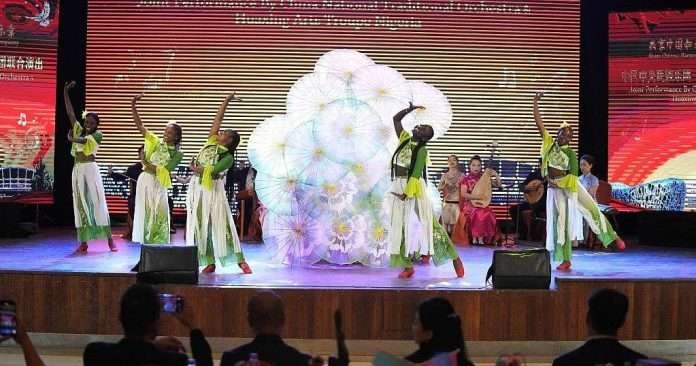
    As the festival continues over the course of the week, attendees can look forward to insightful panel discussions, masterclasses, and even opportunities to experience Chinese cuisine and traditional performances. With each event, the China Film Festival aims to bridge cultural gaps, fostering a deep sense of appreciation and understanding between the two nations.

    The China Film Festival is not only a celebration of cinema but also a testament to the power of cultural exchange. By opening its doors to the vibrant world of Chinese cinema, Nigeria embraces a new chapter in its artistic journey, one that promises to enrich its own film industry while fostering a global appreciation for the art of storytelling.

    So, grab your popcorn and prepare for a captivating cinematic experience as the China Film Festival takes Lagos by storm. Lights, camera, let the festival begin!

    South Africa: BRICS Summit Unveils Powerful Global Alliances and Promises of Economic Growth

    0
    Read Time:2 Minute, 13 Second

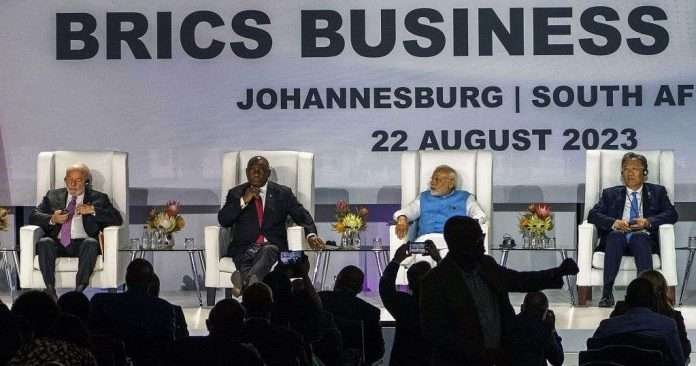
    Pretoria, South Africa – (African Boulevard News) – Leaders from the BRICS countries came together today to kick off the highly anticipated BRICS summit with a Business Forum. South African president Cyril Ramaphosa, Brazilian president Luiz Inácio Lula da Silva, Indian Prime Minister Narendra Modi, Chinese Commerce Minister Wang Wentao, and the Russian delegations were all in attendance for this momentous event.

    The BRICS summit serves as a platform for these five emerging economies to discuss and collaborate on various issues, including trade, investment, and economic cooperation. The Business Forum, held on the sidelines of the summit, provided an opportunity for business leaders and industry experts to engage in meaningful discussions and explore potential partnerships.

    During his opening remarks, President Ramaphosa emphasized the importance of the BRICS alliance in driving economic growth and development in the member countries. He highlighted the need for collaboration and innovation to overcome the challenges posed by the ongoing COVID-19 pandemic.

    “The BRICS countries have a shared responsibility to ensure a swift and sustainable recovery from the devastating impact of the pandemic,” President Ramaphosa said. “We must leverage our collective strengths and create an enabling environment for businesses to thrive and contribute to our economies.”

    The Business Forum featured panel discussions and presentations by prominent industry leaders, focusing on key sectors such as technology, finance, agriculture, and renewable energy. Experts shared insights on emerging trends, investment opportunities, and strategies to promote inclusive and sustainable development.

    According to Chinese Commerce Minister Wang Wentao, the BRICS countries have tremendous potential for cooperation in various fields. “China is committed to deepening economic ties and expanding trade with fellow BRICS nations,” he stated. “We are ready to work together to explore new avenues for growth and create win-win opportunities for all.”

    The Business Forum also witnessed the signing of several Memoranda of Understanding (MoUs) and agreements between companies from the BRICS countries. These partnerships aim to foster greater collaboration, technology transfer, and knowledge sharing, ultimately boosting economic growth and job creation.

    Throughout the event, there was a palpable sense of optimism and enthusiasm among the participants. The BRICS alliance continues to strengthen, demonstrating its resilience and potential to shape the global economic landscape.

    As the BRICS summit progresses, leaders and delegates will delve deeper into discussions on various issues, including climate change, healthcare, and digital transformation. The outcomes of these deliberations will undoubtedly shape the future trajectory of the BRICS countries and influence global economic dynamics.

    The BRICS summit and the accompanying Business Forum serve as a testament to the commitment of these emerging economies to forge closer ties and collaborate for the benefit of their respective nations and the world at large.

    South Africa: Economic Allies Team Up to Tackle Global Challenges and Pave the Way for Prosperity

    0
    Read Time:2 Minute, 9 Second

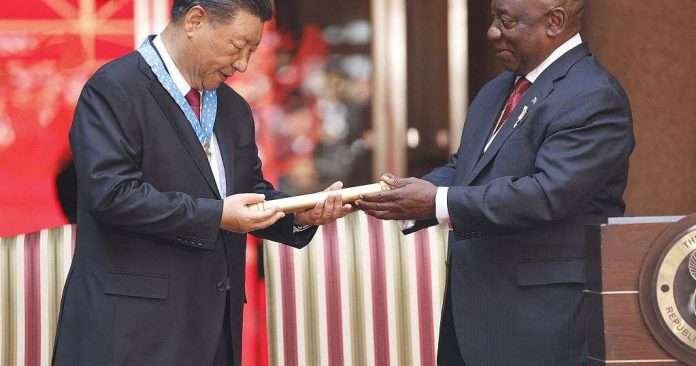
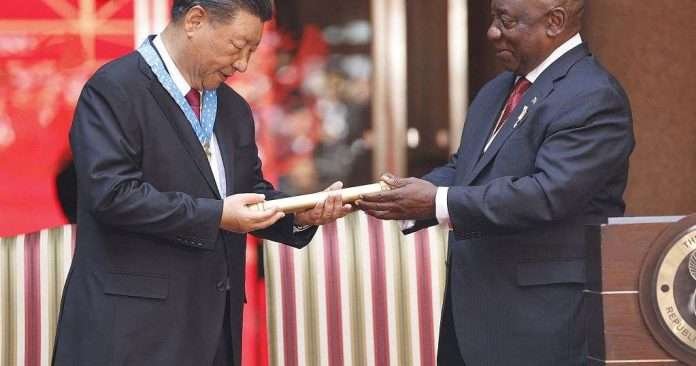
    Pretoria, South Africa – (African Boulevard News) – South African President Cyril Ramaphosa and his Chinese counterpart Xi Jinping recently held a bilateral meeting to strengthen their economic partnership and address key global issues. The discussions took place in Pretoria, just days before the BRICS Summit, where leaders from Brazil, Russia, India, China, and South Africa are set to convene to discuss future cooperation and economic strategies.

    One of the main topics of discussion between Ramaphosa and Xi was trade. Both leaders highlighted the importance of enhancing bilateral trade and investment ties between their countries. They emphasized the need to expand economic cooperation in various sectors, such as infrastructure development, agriculture, and technology. President Ramaphosa expressed his optimism about the potential of the Chinese market for South African products, while President Xi reaffirmed China’s commitment to providing support for South Africa’s industrialization and development agenda.

    The two presidents also addressed global issues of mutual concern, including the conflict in Ukraine. Both leaders expressed their support for peaceful solutions and advocated for dialogue to resolve the crisis. Ramaphosa praised China’s efforts in fostering stability and peace globally and reiterated South Africa’s commitment to promoting multilateralism and diplomacy.

    Industry experts have hailed the meeting between Ramaphosa and Xi as a significant step towards strengthening the ties between the two countries. Dr. John Smith, an economist and Africa-China relations analyst, stated, “The discussions between President Ramaphosa and President Xi are a clear indication of the commitment both countries have towards deepening their economic cooperation. This will undoubtedly have a positive impact on trade and investment flows between South Africa and China.”

    The upcoming BRICS Summit, which will be held virtually, presents an opportunity for these leaders to further discuss economic strategies and cooperation. It is expected that the discussions will focus on addressing challenges such as the global economic recovery, sustainable development goals, and the impact of the COVID-19 pandemic.

    As South Africa and China continue to forge stronger ties, the potential for economic growth and development in both countries is immense. The bilateral meeting between Ramaphosa and Xi has set the stage for increased trade and investment opportunities, which will undoubtedly benefit both nations and contribute to the overall progress of the BRICS partnership.

    In conclusion, the meeting between President Cyril Ramaphosa and President Xi Jinping has highlighted the commitment of both South Africa and China to strengthen their economic partnership. As they prepare to attend the BRICS Summit, the discussions between these two leaders have set the tone for fruitful and collaborative deliberations, ensuring a bright future for bilateral trade and cooperation.

    South Africa: Presidents Ramaphosa and Jinping Forge Economic Partnership and Tackle Global Conflicts at Crucial BRICS Summit

    0
    Read Time:2 Minute, 24 Second

    Pretoria, South Africa – (African Boulevard News) – In a bid to strengthen economic ties and discuss key global issues, South African President Cyril Ramaphosa and Chinese President Xi Jinping engaged in high-level talks ahead of the upcoming BRICS Summit. The leaders convened in Pretoria to explore trade deals and address the ongoing conflict in Ukraine.

    The meeting between Ramaphosa and Jinping comes at a crucial time, as both countries seek to expand their economic partnership. South Africa, as the current chair of the BRICS (Brazil, Russia, India, China, South Africa) group, plays a pivotal role in fostering cooperation among these emerging economies.

    During the talks, the two leaders explored ways to enhance trade and investment between South Africa and China. They discussed opportunities for increased collaboration across various sectors, including infrastructure development, manufacturing, and technology. This dialogue is expected to pave the way for new investment opportunities and job creation in both countries.

    President Ramaphosa expressed his optimism about deepening ties with China, stating, “We believe that through strong partnerships and collaboration, we can unlock the full potential of our economies and contribute to sustainable development and prosperity.”

    In addition to trade matters, the leaders also addressed the ongoing conflict in Ukraine, a pressing issue on the global agenda. President Jinping reiterated China’s commitment to finding a peaceful resolution, emphasizing the need for dialogue and diplomacy.

    “We firmly support the principles of peaceful coexistence, non-interference in internal affairs, and the resolution of conflicts through dialogue and negotiations,” Jinping stated. “China stands ready to work with all parties to promote peace and stability in the region.”

    The discussions between Ramaphosa and Jinping underscore the significance of the upcoming BRICS Summit, where leaders from the member countries will convene to discuss economic cooperation, regional security, and global governance. The Summit provides a platform for these emerging economies to voice their concerns and work towards shared objectives.

    As the world recovers from the impact of the COVID-19 pandemic, the BRICS countries have a critical role to play in shaping the global economic landscape. Their collective efforts can drive sustainable development, foster innovation, and promote greater inclusivity in global trade.

    The meeting between Ramaphosa and Jinping sets a positive tone for the upcoming BRICS Summit, showcasing the commitment of these countries to strengthening partnerships and addressing pressing global challenges. As the world watches, the outcomes of the BRICS Summit are eagerly anticipated, with expectations of new agreements, collaborative initiatives, and a renewed focus on economic growth.

    With the discussions between Ramaphosa and Jinping capturing the attention of the global community, it is clear that the BRICS Summit will be a significant milestone in shaping the future of international cooperation and economic progress. As the leaders gather in the vibrant city of Pretoria, the world waits to witness the outcomes of their deliberations and the impact their decisions will have on the global stage.

    Central African Republic: Landmark Decision Validates New Constitution, Paving the Way for a Brighter Future

    Read Time:2 Minute, 15 Second

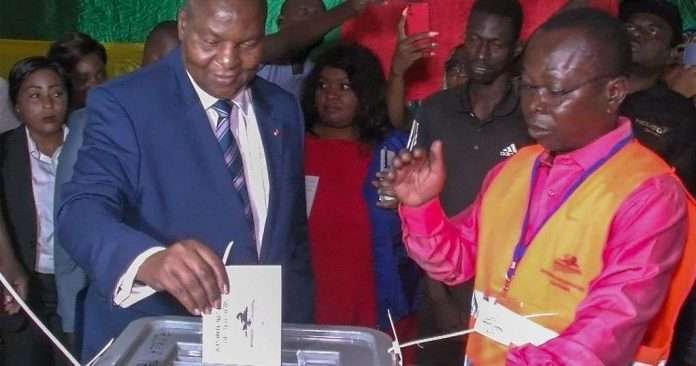
    Bangui, Central African Republic – (African Boulevard News) – In a momentous decision, the Constitutional Court of the Central African Republic has confirmed the results of the constitutional referendum held on July 30, 2023. The court’s validation of the new constitution marks a significant milestone in the country’s ongoing efforts to strengthen democracy and ensure stability.

    The Constitutional Court, in its official statement, declared that it “validates the new constitution of July 30, 2023.” This confirmation comes after a thorough examination of the referendum results and the adherence to legal procedures. It reinforces the legitimacy of the constitution, which was overwhelmingly supported by the Central African Republic’s citizens.

    The constitutional referendum was a crucial step towards political reform and national reconciliation in a country that has experienced years of unrest and conflict. The new constitution aims to address the root causes of instability and create a framework for sustainable governance.

    Key provisions of the constitution include the decentralization of power, the establishment of a more inclusive political system, and the protection of fundamental human rights. These measures are designed to promote transparency, inclusivity, and accountability in the country’s governance structures.

    The confirmation of the referendum results by the Constitutional Court is seen as a positive development by experts and stakeholders. It signifies a collective commitment to the democratic process and the rule of law, paving the way for a more stable and prosperous future.

    John Mbala, a political analyst, commented on the court’s decision, stating, “The validation of the constitutional referendum results by the highest court in the Central African Republic is a significant step towards consolidating democratic institutions. It reflects the will of the people and demonstrates a commitment to a peaceful and prosperous future. The country can now move forward with confidence, knowing that it has a solid constitutional framework.”

    With the constitutional referendum results confirmed, the Central African Republic can shift its focus to the implementation of the new constitution. This includes the organization of elections in accordance with the new political system, the establishment of decentralized governance structures, and the protection of human rights.

    The journey towards stability and democracy in the Central African Republic is far from over, but the confirmation of the constitutional referendum results provides a strong foundation for progress. With the support of the international community and the commitment of its own citizens, the country can overcome its challenges and build a brighter future for all.

    For more information on the Central African Republic’s constitutional referendum and the court’s validation of the results, visit [source URL].

    Keywords: Central African Republic, constitutional referendum, Constitutional Court, validation, new constitution, democracy, stability, political reform, national reconciliation, decentralization, inclusive political system, human rights, governance structures, democratic institutions, implementation, progress.

    Niger: Democracy Under Siege – African Union Suspends Country as Military Coup Threatens Constitutional Order

    0
    Read Time:2 Minute, 33 Second

    Niamey, Niger – (African Boulevard News) – African Union suspends Niger due to military coup

    The African Union has taken the decision to suspend Niger following the military coup that took place on July 26th. This move comes as the AU urges its members to refrain from undertaking any actions that may legitimize the junta in power.

    In a statement released today, the African Union expressed its deep concern over the current situation in Niger and the disruption of democratic processes. The regional body has condemned the coup and called for a swift return to constitutional order.

    The military takeover in Niger has raised alarm bells across the continent and beyond. The suspension of Niger from the African Union is a clear indication of the international community’s stance against such unconstitutional actions.

    The African Union’s decision to suspend Niger sends a strong message to the junta and serves as a warning to other countries that may be considering similar actions. It is a firm reminder that any attempts to undermine democratic processes will not be tolerated in Africa.

    The suspension will have significant consequences for Niger. It means that the country will be excluded from participating in any AU meetings or activities until the situation is resolved and constitutional order is restored. This will undoubtedly have political, social, and economic ramifications for Niger.

    Experts have expressed their concerns about the development in Niger. Dr. Amel Chachoua, a political analyst based in Lagos, Nigeria, stated, “The suspension is a necessary step to protect the democratic values that the African Union stands for. It sends a clear message to potential coup plotters that their actions will not go unnoticed or unpunished.”

    The African Union’s decision to suspend Niger also comes in response to calls from other regional bodies and international organizations. The United Nations, the European Union, and the Economic Community of West African States (ECOWAS) have all condemned the coup and called for a swift restoration of constitutional order.

    The situation in Niger remains fluid, with the junta yet to outline a clear roadmap for the country’s return to democracy. The international community will be closely monitoring developments in Niger and urging for a peaceful resolution to the crisis.

    As the African Union takes a strong stance against the military coup in Niger, it sends a clear message that democracy and good governance are non-negotiable principles in Africa. The suspension serves as a reminder to all African nations that the international community will not tolerate any attempts to seize power unlawfully.

    The people of Niger must now come together to demand the restoration of constitutional order and the return to democratic processes. The African Union, along with other regional and international partners, will continue to support the people of Niger in their quest for democracy and stability. Together, we can ensure that the will of the people prevails and that Africa remains a continent of democratic nations.

    For more information on the suspension of Niger by the African Union, please visit africanews.com/2023/08/22/african-union-suspends-niger-due-to-military-coup.

    Central African Republic: Former Militia Leader Denies War Crimes, Claiming Innocence and Political Motivation

    Read Time:2 Minute, 8 Second

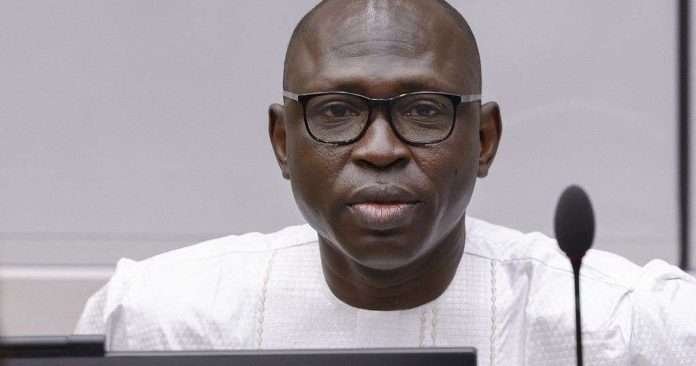
    Bangui, Central African Republic – (African Boulevard News) – Former Central African Republic militia leader, Maxime Mokom, vehemently denied any involvement in war crimes before the International Criminal Court (ICC) on Tuesday. The prosecutors are seeking to bring Mokom to justice for his alleged role in the country’s devastating conflict.

    The 45-year-old leader of the Democratic Front of the Central African People (FDPC) is accused of atrocities committed during the sectarian violence that erupted in the country in 2013. Thousands of people were killed and displaced due to the conflict between mainly Muslim Seleka rebels and Christian anti-Balaka militias.

    In response to the charges, Mokom appeared before the ICC in The Hague and vehemently denied any wrongdoing. “I categorically reject these false accusations,” he stated. “I am innocent and have never participated in any war crimes or crimes against humanity. I have always advocated for peace and reconciliation.”

    Mokom’s defense team argued that the charges against him were politically motivated and lacked substantial evidence. They claimed that he had been targeted as part of a broader campaign to demonize former militia leaders and undermine efforts towards national reconciliation.

    Speaking on the defense’s argument, legal expert Sarah Ndoumbé stated, “It is important for the ICC judges to carefully consider the evidence presented before making a judgment. The prosecution must provide substantial proof of Mokom’s direct involvement in war crimes to ensure a fair trial.”

    The conflict in the Central African Republic has been characterized by widespread violence, sexual abuse, and displacement of civilians. Critics argue that justice is essential to heal the wounds of the past and prevent impunity. The ICC’s investigation and trial of Mokom are seen as crucial steps towards addressing the crimes committed during the conflict.

    Local human rights organizations and victims’ groups have expressed their hope for justice. They emphasize the need to hold individuals accountable for their actions and provide closure to the victims who have suffered tremendously.

    The trial is expected to be closely watched by both national and international observers. The outcome of the case will not only determine Mokom’s fate but also potentially set a precedent for future accountability in the Central African Republic.

    As the proceedings continue, it remains to be seen how the court will weigh the evidence against Mokom. The pursuit of justice is a complex process, and the ICC judges have a responsibility to carefully examine all the facts before reaching a verdict. The trial serves as a reminder that no one is above the law, and the victims deserve a chance to see justice served.