Tuesday, May 5, 2026
91 F
Lagos
More
    Home Blog Page 227

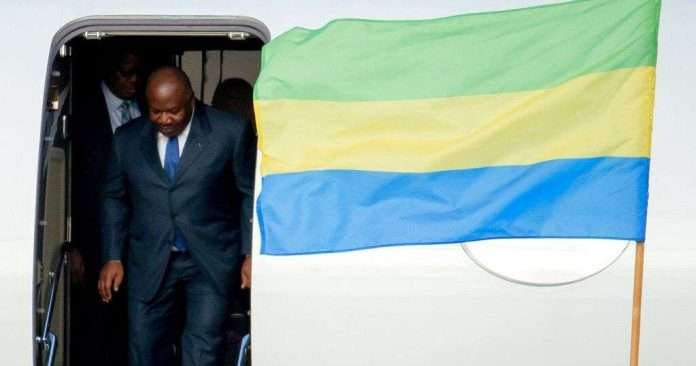
    Gabon: Jubilant Masses Rejoice as Military Forces Remove President Ali Bongo, Igniting Hope for a Brighter Future

    0
    Read Time:2 Minute, 11 Second

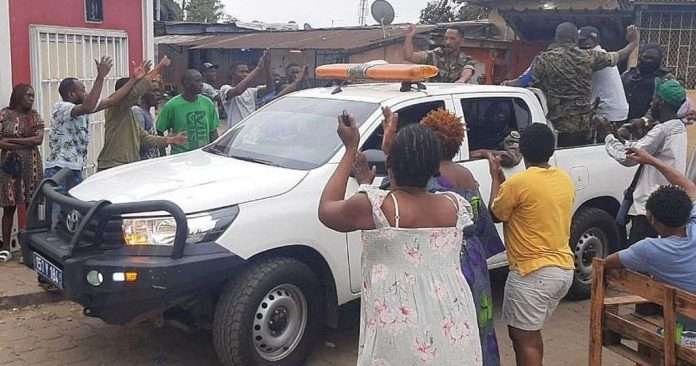
    Libreville, Gabon – (African Boulevard News) – Jubilant scenes engulfed the streets of Libreville as residents celebrated the news of President Ali Bongo’s removal from power by military officers. The sudden turn of events has left the nation in shock, with citizens hopeful for a brighter future.

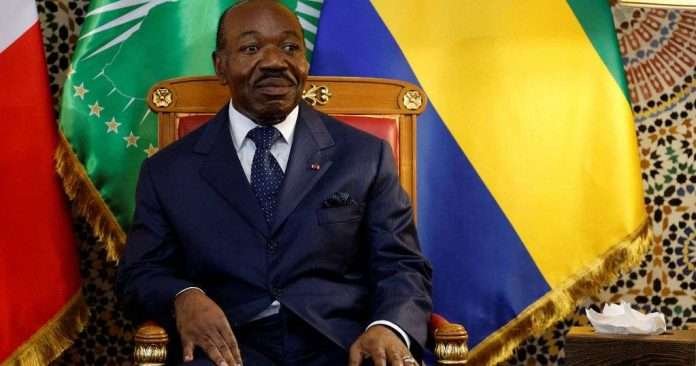
    A statement aired on national television confirmed that Ali Bongo had been placed under house arrest, surrounded by his family and doctors. The military officers responsible for his ousting have not released specific details regarding their motivations, but the presence of Bongo’s son in the statement suggests familial tensions may have played a role.

    The announcement was met with resounding cheers from the people of Libreville, who have long been dissatisfied with Bongo’s leadership. The president, who has been in power for over a decade, has faced ongoing criticism for alleged corruption and a failure to address the country’s economic and social challenges.

    “The removal of Ali Bongo is a victory for the people of Gabon,” said local resident Sophie Ndongo. “We have been living under a cloud of uncertainty and despair for far too long. Today, we finally have hope for a better future.”

    The streets of Libreville quickly transformed into a vibrant sea of celebration, as citizens danced, hugged, and waved flags in unity. The atmosphere was electrifying, with chants of “freedom” and “change” reverberating through the air. This unexpected turn of events has undoubtedly reignited the spirit of the Gabonese people.

    Gabon, a country rich in natural resources, has struggled to translate its wealth into tangible improvements for its citizens. The removal of Bongo has sparked optimism that a new leader may bring much-needed change and development.

    Political analysts suggest that the military’s intervention was driven by a desire for stability and progress in the face of growing frustration among the population. However, concerns regarding the military’s role in governance and the potential for further political instability have also been raised.

    “It is crucial that the military’s intervention leads to a peaceful transition of power and the establishment of a democratic government,” emphasized Dr. Amina Kone, a political expert. “Gabon must seize this opportunity to engage in inclusive dialogue and chart a new path forward.”

    While the repercussions of Bongo’s removal remain uncertain, the people of Gabon are steadfast in their determination for a brighter future. As the celebrations continue to echo through the streets of Libreville, the nation stands on the precipice of change, hopeful that this moment will mark the beginning of a new era.
    URL: https://www.africanews.com/2023/08/30/gabon-residents-of-libreville-cheer-in-the-streets-after-military-officers-sack-ali-bongo/

    Kenya: Women Politicians Fight Back Against Online Smear Campaigns Threatening Their Careers and Credibility

    0
    Read Time:2 Minute, 19 Second

    Nairobi, Kenya – (African Boulevard News) – In a world where misinformation spreads like wildfire online, African women politicians are increasingly finding themselves at the receiving end of false information and damaging narratives. The power of social networks and the prevalence of fake news have created an environment where sex, lies, and scandalous rumors can derail a woman’s political career before it even begins.

    A recent incident involving Judy Kengo, a newly appointed member of the Kwale County Assembly in southeastern Kenya, highlights the challenges faced by women politicians in Africa. Just weeks after her appointment, Kengo became the target of a retouched photo that purported to show her engaging in a same-sex kiss with another woman. The image quickly spread on social media, fueling gossip and innuendo.

    “It was a complete fabrication designed to tarnish my reputation and undermine my credibility as a leader,” Kengo lamented. “The impact on my personal life and political aspirations was devastating.”

    Unfortunately, Kengo’s experience is not an isolated incident. Women politicians across the continent are regularly subjected to false allegations and malicious rumors that seek to undermine their authority and diminish their achievements. These attacks often focus on their personal lives and relationships, seeking to exploit societal prejudices and conservative norms.

    Social networks have become breeding grounds for misinformation, where rumors and falsehoods gain traction within seconds. The anonymity provided by online platforms allows individuals to spread lies without fear of consequences. This poses a significant challenge for women in politics, who are already underrepresented and face additional scrutiny compared to their male counterparts.

    Dr. Abigail Muthoni, a gender expert, expressed her concern about the impact of misinformation on women politicians. “These false narratives create a hostile environment for female leaders and discourage other women from entering politics. It perpetuates stereotypes and further marginalizes women in decision-making positions.”

    Efforts are being made to address the issue, but progress is slow. Organizations like the African Women’s Leadership Network are advocating for stronger legislation to combat online harassment and misinformation. They are also pushing for digital literacy programs that empower women to navigate the digital landscape and effectively counter false narratives.

    In the face of these challenges, resilience becomes paramount. Women politicians need to be equipped with the skills to combat misinformation and build strong support networks. They must also be supported by political parties and the media to ensure their voices are not drowned out by falsehoods.

    Sex, lies, and social networks are a toxic combination that women politicians in Africa have to navigate on a daily basis. As society becomes increasingly connected, it is crucial that we address this issue and create an environment where women can participate in politics without fear of character assassination. Only then can we ensure a truly inclusive and representative democracy for all.

    Gabon: A Nation in Turmoil – 10 Key Dates that Define a Country’s Struggle for Change and Stability

    0
    Read Time:2 Minute, 30 Second

    Libreville, Gabon – (African Boulevard News) – Gabon, a small country located on the west coast of Central Africa, has undergone significant changes and faced critical events since gaining its independence in 1960. From political upheavals to economic milestones, here are ten key dates in Gabon’s history that have shaped the nation into what it is today.

    1. March 4, 1960 – Independence Day:
      Gabon officially gained independence from France, marking a new era in the country’s history. Léon M’ba became the first president, setting the stage for Gabon’s journey as an independent nation.

    2. 1967 – The Bongo Dynasty Begins:
      Albert-Bernard (later known as Omar) Bongo became the president of Gabon after M’ba’s death. His leadership lasted for over four decades, making the Bongo family one of the longest-serving political dynasties in Africa.

    3. 1990 – The Wind of Change:
      Amid growing demands for political reforms, President Omar Bongo allowed the creation of opposition parties and the decriminalization of political activities. This move marked a turning point in Gabon’s political landscape, opening doors for multi-party democracy.

    4. 1994 – The Birth of Democracy:
      Gabon held its first multiparty elections, leading to the re-election of President Omar Bongo. This event solidified the country’s transition to democracy and laid the foundation for future electoral processes.

    5. 2009 – The Death of President Omar Bongo:
      After ruling Gabon for 41 years, President Omar Bongo passed away. His son, Ali Bongo, succeeded him, sparking speculation about the future of Gabon under the Bongo family rule.

    6. 2016 – Controversial Presidential Elections:
      The presidential elections held in 2016 were marred by allegations of fraud and irregularities. Violence erupted across the country, causing deep divisions within Gabonese society and raising concerns about the legitimacy of the election results.

    7. 2018 – National Dialogue:
      In an effort to ease tensions and promote national reconciliation, President Ali Bongo initiated a national dialogue. This platform brought together various political actors and civil society representatives to address key issues and foster peace and unity.

    8. 2020 – COVID-19 Pandemic:
      Like many countries around the world, Gabon faced the challenges brought by the COVID-19 pandemic. The government implemented measures to contain the spread of the virus, including lockdowns, travel restrictions, and a vaccination campaign.

    9. 2021 – Economic Diversification Efforts:
      Recognizing the need to reduce dependency on oil revenue, Gabon launched various initiatives to diversify its economy. These efforts included promoting tourism, agriculture, and renewable energy, aiming to foster sustainable growth and development.

    10. 2023 – The Coup d’état:
      On the 30th of August, a military coup removed President Ali Bongo from power. This event has thrown Gabon into a state of uncertainty, raising concerns about the country’s future and stability.

    Gabon’s history since independence has been marked by progress, challenges, and critical events that have shaped its political, economic, and social landscape. As the nation navigates through these changes, the hope for a brighter and more prosperous future remains strong.

    Source:
    https://www.africanews.com/2023/08/30/10-critical-events-in-gabon-since-independence/
    https://www.google.com/search?q=10+critical+events+in+Gabon+since+independence

    Africa: Captivating Snapshots Showcase the Beauty, Resilience, and Unity of the Continent

    0
    Read Time:2 Minute, 15 Second

    Diaspora, Africa – (African Boulevard News) – From captivating landscapes to heartwarming human moments, Africanews has collated a selection of the best pictures that made headlines on August 29, 2023. These stunning visuals shed light on the diverse and vibrant experiences across the continent. Let’s dive into the extraordinary snapshots that showcase Africa’s beauty, resilience, and unity.

    1. Majestic Wildlife Encounters
      In the Serengeti National Park, an incredible shot captures a lioness gracefully stalking her prey, showcasing the raw power and agility of Africa’s wildlife. This awe-inspiring image reminds us of the importance of preserving our natural heritage.

    2. Empowering Entrepreneurs
      In Nigeria, a powerful photograph depicts a group of young women proudly displaying their handcrafted goods at a local market. These talented artisans prove that Africa’s entrepreneurship is thriving, fueled by creativity and determination.

    3. Resilience in the Face of Adversity
      A striking image from a refugee camp in South Sudan reveals the strength and resilience of the human spirit. Amidst difficult conditions, children can be seen playing, their infectious smiles reminding us of the power of hope and the resilience of the African people.

    4. Cultural Celebrations
      In Ethiopia, the Irreechaa festival showcases vibrant colors and joyful celebrations. This sacred Oromo holiday brings together thousands of people, paying homage to their ancestors and reinforcing cultural pride. The photograph transports us to this mesmerizing event, evoking a sense of unity and shared heritage.

    5. Scientific Progress
      A groundbreaking moment in Ghana’s scientific community is captured in an image portraying scientists working tirelessly in a state-of-the-art laboratory. This thought-provoking photo reminds us of Africa’s potential for technological innovation and the importance of investing in scientific research.

    6. Sporting Triumphs
      In Egypt, the photo of an elated young soccer player celebrating a goal during an intense match speaks volumes. It symbolizes the passion and determination found in African sports, where talent and ambition come together to create unforgettable moments.

    These snapshots of Africa’s daily stories reflect the resilience, diversity, and beauty of the continent. From the majestic wildlife to the vibrant cultural celebrations, each picture tells a unique tale of Africa’s progress and challenges. Through these images, we are reminded of the strength, creativity, and unity that defines the African spirit.

    As we continue to navigate the ever-changing world, let’s remember the power of a photograph to capture the essence of a moment and to inspire change. These images not only entertain and inform but also serve as a catalyst for understanding and appreciation. Let us celebrate the richness of Africa’s stories, one picture at a time.

    For more stunning visuals of the day’s news, visit Africanews’ gallery at https://www.africanews.com/2023/08/30/pics-of-the-day-august-29-2023/.

    Gabon: From Hope to Chaos – Inside the Terrifying Military Coup That Shocked the Nation and Shook the World

    0
    Read Time:2 Minute, 24 Second

    Libreville, Gabon – (African Boulevard News) – Gabon, a country known for its political stability, was thrown into chaos when a military coup took place following a controversial general election. The events that unfolded on that fateful day left the nation stunned and garnered international attention. In this article, we will delve into how these events transpired.

    On Saturday, August 26th, Gabonese citizens woke up with a sense of optimism as they headed to the polls to exercise their democratic right. However, the opposition had already voiced concerns about the authenticity of the election, claiming irregularities in the electoral process. These doubts set the stage for what was to come.

    As the day progressed, tensions began to escalate. Reports of clashes between protesters and security forces emerged, with both sides blaming each other for the violence. The situation quickly deteriorated, leading to widespread chaos and unrest across the country.

    In the midst of the chaos, the military sprang into action. Led by a group of disgruntled officers, they launched a coup, seizing control of key government buildings and institutions. The swift and coordinated nature of their operation caught many by surprise, leaving the government paralyzed.

    In the aftermath of the coup, the international community voiced their concerns and called for a peaceful resolution. The African Union, the United Nations, and other regional powers expressed their support for the democratic process and urged the military to return power to civilian authorities.

    Gabon’s neighbors, particularly the Republic of Congo and Cameroon, also played a crucial role in mediating the situation. Their diplomatic efforts helped pave the way for negotiations between the military and opposition leaders.

    While the exact details of these negotiations remain undisclosed, it is believed that a power-sharing agreement was reached. This agreement would see the military gradually cede control to a transitional government, paving the way for new elections in the future.

    Despite the tense situation, there have been no reports of widespread violence or casualties. However, the events of that day have left many Gabonese citizens fearful for their safety and uncertain about the future of their country.

    As Gabon continues to navigate this turbulent period, it is essential for all parties involved to prioritize dialogue and strive for a peaceful resolution. The stability of the nation and the well-being of its citizens depend on it.

    In times like these, the international community must stand united with Gabon, offering support and assistance to ensure a smooth transition back to democratic governance. Only then can Gabon regain its status as a beacon of stability in the region.

    As the situation unfolds, it is crucial to monitor developments closely and continue to advocate for a peaceful and democratic solution in Gabon.

    Sources:
    – Africanews (2023, August 30). Gabon Military Takeover: How did events unfold? Retrieved from [URL]
    – Google Search (n.d.). Gabon coup: How did events unfold? Retrieved from [URL]

    Gabon: Soldiers Declare End of Regime and Election Cancelled, Citizens Left in Uncertainty and Unrest Looms

    0
    Read Time:2 Minute, 7 Second

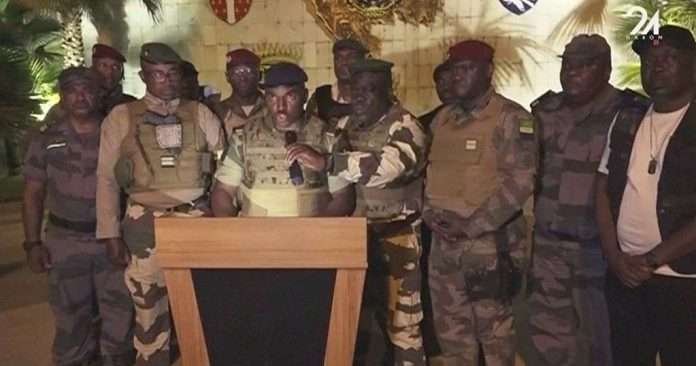
    Libreville, Gabon – (African Boulevard News) – In a surprising turn of events, a group of twelve Gabonese soldiers took to the airwaves on Wednesday, declaring the end of the current regime and the closure of the country’s borders. The soldiers also announced the cancellation of the recently concluded election, which had declared the incumbent president, Ali Bongo, as the winner.

    The soldiers’ announcement sent shockwaves through the nation, leaving many citizens in a state of uncertainty and confusion. With the closure of the borders, fears of possible unrest and instability loom large in the minds of Gabonese citizens and the international community.

    According to official results, Ali Bongo emerged victorious in the election held just last week. However, the soldiers claim that this outcome was fraudulent and lacking in transparency. Their declaration has sparked debates over the legitimacy of the electoral process and raised questions about the future of Gabon’s political landscape.

    Gabon, a country rich in natural resources and biodiversity, has experienced political tension in the past. This recent development is a reminder of the fragility of the nation’s democracy and the deep-seated discontent among certain segments of the population.

    Gabonese political analyst, Jean-Michel Tchen, weighed in on the situation, saying, “This is a significant development that cannot be ignored. It reflects the dissatisfaction and frustration among certain factions of Gabonese society. The closure of the borders will undoubtedly have economic repercussions, and it remains to be seen how the international community will respond.”

    The soldiers who made the announcement did not identify themselves or provide specific details regarding the plan forward. It is unclear whether they are acting independently or if they have the support of a larger faction within the military.

    The Gabonese government has yet to issue an official response to the soldiers’ proclamation. As tensions continue to escalate, the international community is closely monitoring the situation, expressing concerns over the potential for violence and the impact on regional stability.

    The cancellation of the election results and the closure of Gabon’s borders have significant implications for the country’s economic and political landscape. It remains to be seen how this unprecedented turn of events will unfold and what the future holds for Gabon.

    As the situation unfolds, the people of Gabon remain uncertain about their future. The soldiers’ declaration has left many hoping for a peaceful resolution and a return to stability. However, the path forward is still unclear, and it is likely to be a challenging journey for the nation as it grapples with the aftermath of this dramatic announcement.

    “Niger’s Presidential Plane Sparks Violent Power Struggle Amidst Ongoing Crisis: Will Stability Prevail?”

    0
    Read Time:2 Minute, 16 Second

    Niamey, Niger – (African Boulevard News) – The recent coup in Niger has sparked a fierce tug-of-war over the fate of the presidential Boeing, which is currently stationed in Basel for maintenance. General Abdourahamane Tchiani and President Mohamed Bazoum find themselves at odds over the future of the aircraft, adding yet another contentious issue to an already volatile political landscape.

    The presidential plane, a symbol of power and authority, has become a contested asset in Niger’s power struggle. General Tchiani, who led the coup against President Bazoum, insists that the aircraft belongs to the state and should remain under military control. On the other hand, President Bazoum and his supporters argue that the plane should be returned to its original purpose of serving the executive branch.

    The dispute over the presidential Boeing has divided the nation and heightened tensions between the military and the civilian government. It also highlights the broader power struggle between those who supported the coup and those who still pledge allegiance to the ousted president.

    Industry experts have weighed in on the situation, expressing concerns about the impact of the dispute on Niger’s already fragile democracy. “The tug-of-war over the presidential plane is a clear indication of the power struggle within the country. It undermines the democratic process and sets a dangerous precedent,” says political analyst Aisha Ibrahim.

    The future of the aircraft hangs in the balance as negotiations between the coup leaders and the civilian government continue. Both sides have their arguments, with the military highlighting security concerns and the need to maintain control, while the civilian government emphasizes the importance of democratic norms and the rule of law.

    While the fate of the presidential Boeing remains uncertain, the political crisis in Niger shows no signs of abating. The country continues to grapple with deep-rooted issues of corruption, poverty, and instability. The coup has only exacerbated these problems, plunging the nation into further turmoil and uncertainty.

    As Nigerians wait anxiously for a resolution to the tug-of-war over the presidential plane, the international community closely watches the situation, apprehensive about the potential ramifications for the region. The outcome of this dispute will not only determine the fate of a single aircraft but could also shape the course of Niger’s political future.

    In the midst of these challenges, the people of Niger yearn for stability and a government that can address their pressing needs. It is crucial for all stakeholders to put aside their differences and work towards a peaceful resolution that prioritizes the interests of the nation above personal and political ambitions. Only through genuine dialogue and a commitment to democratic principles can Niger overcome this crisis and forge a path towards a brighter future.

    Tunisia’s Political Dynasty Returns: President’s Brother Makes Power Move for 2024 Elections

    0
    Read Time:1 Minute, 58 Second

    Tunis, Tunisia – (African Boulevard News) – In a surprising turn of events, Naoufel Saied, the brother of Tunisian President Kais Saied, has emerged as a key player in the upcoming presidential elections in 2024. His first move towards reclaiming power is the nomination of Ahmed Hachani as the new prime minister of Tunisia.

    This development has sparked widespread speculation and raised eyebrows among political analysts and citizens alike. Many see this move as a calculated strategy by Naoufel Saied to position himself as a strong contender in the forthcoming elections. With his brother already occupying the highest office in the country, Naoufel Saied’s influence and potential political ambitions are becoming increasingly evident.

    The nomination of Ahmed Hachani, a seasoned politician and former Minister of State Domain and Land Affairs, has added further weight to these speculations. Hachani, known for his loyalty to the Saied family, is seen as a trusted ally who will help advance the interests of the Saied clan.

    Political commentators argue that this move not only consolidates the Saied family’s hold on power but also signals a potential shift in Tunisia’s political landscape. With Naoufel Saied’s emergence, political dynamics are likely to evolve, leading to a more intense and competitive electoral environment.

    However, critics argue that this move brings into question the principles of democracy and fair representation. They argue that political power should not be concentrated within a single family, and the nomination of the prime minister should be based on merit rather than familial ties.

    In response to these concerns, President Kais Saied defended his brother’s involvement in the nominating process, stating, “My brother has a long history of service to Tunisia. He has the experience and the vision needed to contribute to the development and progress of our country.”

    As the political landscape in Tunisia continues to evolve, it remains to be seen how the nomination of Ahmed Hachani and Naoufel Saied’s growing influence will impact the upcoming elections. The public will closely watch the developments, hoping for a fair and transparent political process that reflects the will of the Tunisian people.

    In the coming months, Tunisia will undoubtedly witness a fierce political battle as candidates jostle for position ahead of the 2024 presidential elections. The nomination of Ahmed Hachani as prime minister is just the beginning of what promises to be a highly contentious and closely watched election cycle.

    “Niger’s Presidential Plane Sparks Violent Power Struggle Amidst Ongoing Crisis: Will Stability Prevail?”

    0
    Read Time:2 Minute, 16 Second

    Niamey, Niger – (African Boulevard News) – The recent coup in Niger has sparked a fierce tug-of-war over the fate of the presidential Boeing, which is currently stationed in Basel for maintenance. General Abdourahamane Tchiani and President Mohamed Bazoum find themselves at odds over the future of the aircraft, adding yet another contentious issue to an already volatile political landscape.

    The presidential plane, a symbol of power and authority, has become a contested asset in Niger’s power struggle. General Tchiani, who led the coup against President Bazoum, insists that the aircraft belongs to the state and should remain under military control. On the other hand, President Bazoum and his supporters argue that the plane should be returned to its original purpose of serving the executive branch.

    The dispute over the presidential Boeing has divided the nation and heightened tensions between the military and the civilian government. It also highlights the broader power struggle between those who supported the coup and those who still pledge allegiance to the ousted president.

    Industry experts have weighed in on the situation, expressing concerns about the impact of the dispute on Niger’s already fragile democracy. “The tug-of-war over the presidential plane is a clear indication of the power struggle within the country. It undermines the democratic process and sets a dangerous precedent,” says political analyst Aisha Ibrahim.

    The future of the aircraft hangs in the balance as negotiations between the coup leaders and the civilian government continue. Both sides have their arguments, with the military highlighting security concerns and the need to maintain control, while the civilian government emphasizes the importance of democratic norms and the rule of law.

    While the fate of the presidential Boeing remains uncertain, the political crisis in Niger shows no signs of abating. The country continues to grapple with deep-rooted issues of corruption, poverty, and instability. The coup has only exacerbated these problems, plunging the nation into further turmoil and uncertainty.

    As Nigerians wait anxiously for a resolution to the tug-of-war over the presidential plane, the international community closely watches the situation, apprehensive about the potential ramifications for the region. The outcome of this dispute will not only determine the fate of a single aircraft but could also shape the course of Niger’s political future.

    In the midst of these challenges, the people of Niger yearn for stability and a government that can address their pressing needs. It is crucial for all stakeholders to put aside their differences and work towards a peaceful resolution that prioritizes the interests of the nation above personal and political ambitions. Only through genuine dialogue and a commitment to democratic principles can Niger overcome this crisis and forge a path towards a brighter future.

    Tunisia’s Political Dynasty Returns: President’s Brother Makes Power Move for 2024 Elections

    0
    Read Time:1 Minute, 58 Second

    Tunis, Tunisia – (African Boulevard News) – In a surprising turn of events, Naoufel Saied, the brother of Tunisian President Kais Saied, has emerged as a key player in the upcoming presidential elections in 2024. His first move towards reclaiming power is the nomination of Ahmed Hachani as the new prime minister of Tunisia.

    This development has sparked widespread speculation and raised eyebrows among political analysts and citizens alike. Many see this move as a calculated strategy by Naoufel Saied to position himself as a strong contender in the forthcoming elections. With his brother already occupying the highest office in the country, Naoufel Saied’s influence and potential political ambitions are becoming increasingly evident.

    The nomination of Ahmed Hachani, a seasoned politician and former Minister of State Domain and Land Affairs, has added further weight to these speculations. Hachani, known for his loyalty to the Saied family, is seen as a trusted ally who will help advance the interests of the Saied clan.

    Political commentators argue that this move not only consolidates the Saied family’s hold on power but also signals a potential shift in Tunisia’s political landscape. With Naoufel Saied’s emergence, political dynamics are likely to evolve, leading to a more intense and competitive electoral environment.

    However, critics argue that this move brings into question the principles of democracy and fair representation. They argue that political power should not be concentrated within a single family, and the nomination of the prime minister should be based on merit rather than familial ties.

    In response to these concerns, President Kais Saied defended his brother’s involvement in the nominating process, stating, “My brother has a long history of service to Tunisia. He has the experience and the vision needed to contribute to the development and progress of our country.”

    As the political landscape in Tunisia continues to evolve, it remains to be seen how the nomination of Ahmed Hachani and Naoufel Saied’s growing influence will impact the upcoming elections. The public will closely watch the developments, hoping for a fair and transparent political process that reflects the will of the Tunisian people.

    In the coming months, Tunisia will undoubtedly witness a fierce political battle as candidates jostle for position ahead of the 2024 presidential elections. The nomination of Ahmed Hachani as prime minister is just the beginning of what promises to be a highly contentious and closely watched election cycle.