Tuesday, May 5, 2026
83.9 F
Lagos
More
    Home Blog Page 225

    South Africa: Disgraced ANC Leader Unveils New Party, Threatening Political Landscape

    0
    Read Time:2 Minute, 11 Second

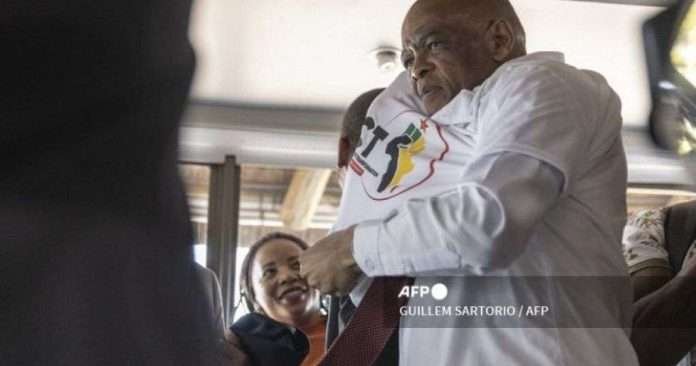
    Pretoria, South Africa – (African Boulevard News) – In a shocking turn of events, Ace Magashule, the disgraced former secretary general of the African National Congress (ANC), has announced the formation of a new political party just months before South Africa’s general elections.

    Magashule, who was suspended from the ANC in May after being charged with corruption, unveiled the party, named “New Horizon South Africa,” during a press conference held in Johannesburg. The announcement marks a significant development in the country’s political landscape, as Magashule was once a prominent figure within the ruling ANC.

    The decision to form a new party comes as a surprise to many, as Magashule had previously vowed to fight his suspension and clear his name within the ANC. However, it seems he has now chosen a different path, one that could potentially challenge the dominance of the ANC in the upcoming elections.

    Analysts believe that Magashule’s new party could attract disenchanted ANC members who have grown disillusioned with the party’s leadership and perceived lack of progress on key issues such as corruption and economic inequality. This move could further fragment the political landscape and dilute the ANC’s support base.

    Political commentator, Dr. Thulani Mthethwa, shared his thoughts on the development, stating, “Magashule’s decision to form a new party reflects the divisions within the ANC and signals a growing discontent among its members. This move could potentially shift the balance of power in South African politics.”

    However, there are concerns about the impact Magashule’s new party will have on the overall opposition vote. With an already crowded political arena, including well-established parties such as the Democratic Alliance (DA) and the Economic Freedom Fighters (EFF), it remains to be seen whether Magashule’s party can gain significant traction.

    Political analyst, Nomsa Khoza, cautioned, “While Magashule may attract some ANC members dissatisfied with the current leadership, he will have to work hard to differentiate his party and offer a compelling alternative to the existing opposition parties. Building a strong, viable political force in such a short time will be a considerable challenge.”

    As South Africa gears up for the general elections, all eyes will be on Magashule’s new party and its potential to disrupt the political landscape. With the ANC already facing criticism and internal divisions, this development raises further questions about the party’s ability to maintain its longstanding dominance.

    The formation of “New Horizon South Africa” adds another layer of complexity to an already dynamic political landscape. As the election campaigns intensify, it will be interesting to see how Magashule’s party positions itself and what impact it will ultimately have on the outcome of the elections.

    Nigeria: FRSC Launches Nationwide Crackdown on Death-Traps on Wheels, Aims to Save Lives and Prevent Catastrophe

    0
    Read Time:2 Minute, 19 Second

    Abuja, Nigeria – (African Boulevard News) – In a bid to curb the alarming rate of road accidents in Nigeria, the Federal Road Safety Corps (FRSC) has launched a nationwide crackdown on rickety vehicles. With lives lost and injuries sustained due to the poor conditions of these vehicles, this move by the FRSC is seen as a step in the right direction towards ensuring safer roads for all Nigerians.

    According to statistics released by the World Health Organization (WHO), Nigeria ranks high in road accident fatalities, with over 60% of these accidents attributed to the poor conditions of vehicles. The FRSC, in collaboration with other relevant stakeholders, has identified this as a major cause for concern and has therefore taken proactive measures.

    The immediate clampdown on rickety vehicles is a crucial step towards improving road safety in Nigeria. Vehicles deemed unsafe for use will be impounded, and their owners will be penalized. This action sends a strong message to vehicle owners and drivers, emphasizing the importance of roadworthiness in ensuring the safety of all road users.

    In a press release, the Corps Marshal of the FRSC, Dr. Boboye Oyeyemi, highlighted the significance of this initiative. He emphasized that the eradication of rickety vehicles from Nigerian roads is a top priority for the agency. “We cannot continue to endanger the lives of innocent Nigerians by allowing vehicles that are clearly not fit for the road to ply our highways,” he said. “We must create an environment of safety and security for all road users.”

    The campaign against rickety vehicles is not limited to private vehicles alone. Commercial vehicles, such as public buses and taxis, will also undergo strict inspections. This move is crucial as these vehicles usually transport a large number of passengers daily, and any defect could have catastrophic consequences.

    The FRSC has called on Nigerians to support this initiative by reporting any rickety vehicles they come across while using the roads. Road users are encouraged to take note of the license plate numbers and descriptions of these vehicles and report them to the nearest FRSC office or call the emergency hotline.

    This clampdown on rickety vehicles aligns with the FRSC’s commitment to reducing road accidents and fatalities in Nigeria. The agency is working tirelessly to ensure that all road users are safe on Nigerian highways. With this crackdown, it is hopeful that the number of accidents caused by vehicle defects will significantly decrease, ultimately saving lives.

    For more information on the FRSC’s efforts to improve road safety in Nigeria, visit [URL provided]. Together, let us strive for safer roads and a better Nigeria.

    Abuja, Nigeria – (African Boulevard News) – In a bid to reduce road accidents in Nigeria, the Federal Roads Safety Corps (FRSC), has commenced the immediate clampdown on all rickety vehicles across the country,

    Gabon: Beware the Dark Shadow of Military Dictatorship – Will History Repeat Itself?

    0
    Read Time:2 Minute, 13 Second

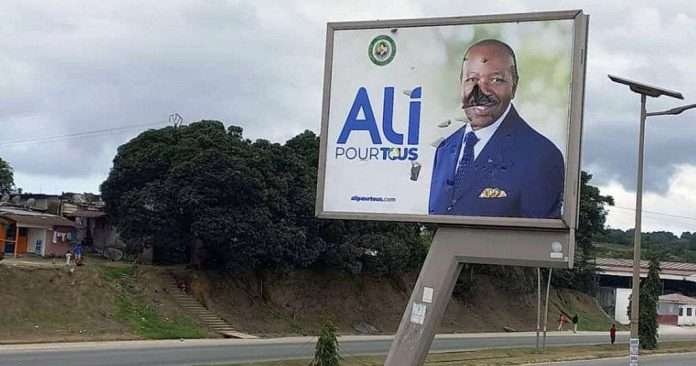
    Libreville, Gabon – (African Boulevard News) – In a time of political upheaval and uncertainty, an analyst has issued a stark warning, urging caution regarding the aftermath of Gabon’s recent coup d’état. The expert warns that if President Ali Bongo’s autocratic rule is replaced by a military dictatorship, the citizens of Gabon will find themselves on the losing end yet again.

    The tumultuous events unfolded on August 30th, when an attempted coup d’état took place in the capital city of Libreville. Soldiers stormed the state radio station, declaring that they had seized control of the government. President Ali Bongo has been absent from the public eye since suffering a stroke in 2018, leading to a power vacuum that has left the nation in a fragile state.

    Amidst the chaos, the analyst, who prefers to remain anonymous, voiced concern that a military dictatorship could emerge as a result of the coup attempt. Referring to Gabon’s history of political instability, the expert warned that the citizens must remain vigilant to prevent a repeat of past injustices.

    “While there may be a desire for change and an end to President Bongo’s autocratic rule, we should be cautious about the potential consequences,” the analyst cautioned. “If a military dictatorship takes hold, the people of Gabon will lose once again, finding themselves trapped in yet another cycle of oppression.”

    Gabon, an oil-rich country located in Central Africa, has had a turbulent political history. The Bongo family has maintained power for more than five decades, with President Ali Bongo succeeding his father in 2009. However, allegations of corruption and a lack of political freedom have plagued the nation for years, leading to widespread discontent among the population.

    In the midst of the uncertainty, the international community has called for calm and a peaceful resolution to the crisis. The African Union, the United Nations, and other regional bodies have urged all parties involved to engage in dialogue, highlighting the importance of a democratic transition that respects the will of the Gabonese people.

    It remains to be seen how the situation will unfold in Gabon. The analyst’s cautionary words serve as a reminder that transition periods after political crises are delicate and require careful navigation. As the nation grapples with an uncertain future, the hopes and aspirations of the Gabonese people hang in the balance.

    While change may be necessary, the analyst’s warning serves as a critical reminder that any new regime must be committed to upholding democratic principles and protecting the rights of all Gabonese citizens. It is crucial for the international community to closely monitor developments and offer support to ensure a peaceful resolution and a brighter future for Gabon.

    Gabon on the Brink: Betrayal, Rivalry, and a Nation in Turmoil

    0
    Read Time:2 Minute, 9 Second

    Libreville, Gabon – (African Boulevard News) – In a shocking turn of events, General Oligui Nguema, the Commander of the Gabonese National Guard and sworn protector of President Ali Bongo, has unexpectedly led a coup against the president, resulting in a tumultuous shift of power. This dramatic move comes as simmering rivalries within the Bongo clan reach a boiling point.

    The Gabon coup, masterminded by General Oligui, has sent shockwaves throughout the nation and beyond. The once unyielding alliance between Oligui and President Bongo has crumbled, exposing the deep-rooted tensions within the ruling family. The sudden eruption of these rivalries has caught many by surprise, leaving a nation on edge and uncertain of what the future holds.

    President Bongo’s administration has long been marred by allegations of corruption, authoritarianism, and an iron grip on power. As dissent grew louder, tensions within the Bongo clan intensified. It seems that General Oligui, once a loyalist to Bongo, has decided to take matters into his own hands, leading a rebellion against the very person he was entrusted to protect.

    The consequences of this coup are far-reaching, with the political landscape of Gabon being reshaped overnight. It remains to be seen how the international community will respond to these events and what impact it will have on the future of the nation. Gabon, a country known for its rich natural resources and stability, now finds itself at a crossroads.

    Experts and observers have expressed their concerns over the implications of this coup. Speaking to African Boulevard News, political analyst Dr. Amara Ndongo emphasized the significance of this power struggle within the Bongo clan. “This coup highlights the deep-rooted divisions and power struggles within the ruling family, which have now spilled over onto the national stage. The Gabonese people deserve transparency and a government that represents their interests, not the interests of a few.”

    The Gabonese National Guard, under the command of General Oligui, has issued a statement assuring the public that their actions are in the best interest of the nation. However, the true motivations behind the coup are still shrouded in uncertainty. As Gabon braces itself for an uncertain future, the people anxiously await further developments.

    In conclusion, the Gabon coup orchestrated by General Oligui Nguema has sent shockwaves through the nation and exposed the deep-seated rivalries within the Bongo clan. The sudden shift of power has left Gabon on edge, uncertain of what lies ahead. As the nation grapples with this political upheaval, the international community watches closely, eager to see what the aftermath of this coup will bring.

    Gabon on the Brink: Betrayal, Rivalry, and a Nation in Turmoil

    0
    Read Time:2 Minute, 9 Second

    Libreville, Gabon – (African Boulevard News) – In a shocking turn of events, General Oligui Nguema, the Commander of the Gabonese National Guard and sworn protector of President Ali Bongo, has unexpectedly led a coup against the president, resulting in a tumultuous shift of power. This dramatic move comes as simmering rivalries within the Bongo clan reach a boiling point.

    The Gabon coup, masterminded by General Oligui, has sent shockwaves throughout the nation and beyond. The once unyielding alliance between Oligui and President Bongo has crumbled, exposing the deep-rooted tensions within the ruling family. The sudden eruption of these rivalries has caught many by surprise, leaving a nation on edge and uncertain of what the future holds.

    President Bongo’s administration has long been marred by allegations of corruption, authoritarianism, and an iron grip on power. As dissent grew louder, tensions within the Bongo clan intensified. It seems that General Oligui, once a loyalist to Bongo, has decided to take matters into his own hands, leading a rebellion against the very person he was entrusted to protect.

    The consequences of this coup are far-reaching, with the political landscape of Gabon being reshaped overnight. It remains to be seen how the international community will respond to these events and what impact it will have on the future of the nation. Gabon, a country known for its rich natural resources and stability, now finds itself at a crossroads.

    Experts and observers have expressed their concerns over the implications of this coup. Speaking to African Boulevard News, political analyst Dr. Amara Ndongo emphasized the significance of this power struggle within the Bongo clan. “This coup highlights the deep-rooted divisions and power struggles within the ruling family, which have now spilled over onto the national stage. The Gabonese people deserve transparency and a government that represents their interests, not the interests of a few.”

    The Gabonese National Guard, under the command of General Oligui, has issued a statement assuring the public that their actions are in the best interest of the nation. However, the true motivations behind the coup are still shrouded in uncertainty. As Gabon braces itself for an uncertain future, the people anxiously await further developments.

    In conclusion, the Gabon coup orchestrated by General Oligui Nguema has sent shockwaves through the nation and exposed the deep-seated rivalries within the Bongo clan. The sudden shift of power has left Gabon on edge, uncertain of what lies ahead. As the nation grapples with this political upheaval, the international community watches closely, eager to see what the aftermath of this coup will bring.

    Gabon on the Brink: Betrayal, Rivalry, and a Nation in Turmoil

    0
    Read Time:2 Minute, 9 Second

    Libreville, Gabon – (African Boulevard News) – In a shocking turn of events, General Oligui Nguema, the Commander of the Gabonese National Guard and sworn protector of President Ali Bongo, has unexpectedly led a coup against the president, resulting in a tumultuous shift of power. This dramatic move comes as simmering rivalries within the Bongo clan reach a boiling point.

    The Gabon coup, masterminded by General Oligui, has sent shockwaves throughout the nation and beyond. The once unyielding alliance between Oligui and President Bongo has crumbled, exposing the deep-rooted tensions within the ruling family. The sudden eruption of these rivalries has caught many by surprise, leaving a nation on edge and uncertain of what the future holds.

    President Bongo’s administration has long been marred by allegations of corruption, authoritarianism, and an iron grip on power. As dissent grew louder, tensions within the Bongo clan intensified. It seems that General Oligui, once a loyalist to Bongo, has decided to take matters into his own hands, leading a rebellion against the very person he was entrusted to protect.

    The consequences of this coup are far-reaching, with the political landscape of Gabon being reshaped overnight. It remains to be seen how the international community will respond to these events and what impact it will have on the future of the nation. Gabon, a country known for its rich natural resources and stability, now finds itself at a crossroads.

    Experts and observers have expressed their concerns over the implications of this coup. Speaking to African Boulevard News, political analyst Dr. Amara Ndongo emphasized the significance of this power struggle within the Bongo clan. “This coup highlights the deep-rooted divisions and power struggles within the ruling family, which have now spilled over onto the national stage. The Gabonese people deserve transparency and a government that represents their interests, not the interests of a few.”

    The Gabonese National Guard, under the command of General Oligui, has issued a statement assuring the public that their actions are in the best interest of the nation. However, the true motivations behind the coup are still shrouded in uncertainty. As Gabon braces itself for an uncertain future, the people anxiously await further developments.

    In conclusion, the Gabon coup orchestrated by General Oligui Nguema has sent shockwaves through the nation and exposed the deep-seated rivalries within the Bongo clan. The sudden shift of power has left Gabon on edge, uncertain of what lies ahead. As the nation grapples with this political upheaval, the international community watches closely, eager to see what the aftermath of this coup will bring.

    Gabon on the Brink: Betrayal, Rivalry, and a Nation in Turmoil

    0
    Read Time:2 Minute, 9 Second

    Libreville, Gabon – (African Boulevard News) – In a shocking turn of events, General Oligui Nguema, the Commander of the Gabonese National Guard and sworn protector of President Ali Bongo, has unexpectedly led a coup against the president, resulting in a tumultuous shift of power. This dramatic move comes as simmering rivalries within the Bongo clan reach a boiling point.

    The Gabon coup, masterminded by General Oligui, has sent shockwaves throughout the nation and beyond. The once unyielding alliance between Oligui and President Bongo has crumbled, exposing the deep-rooted tensions within the ruling family. The sudden eruption of these rivalries has caught many by surprise, leaving a nation on edge and uncertain of what the future holds.

    President Bongo’s administration has long been marred by allegations of corruption, authoritarianism, and an iron grip on power. As dissent grew louder, tensions within the Bongo clan intensified. It seems that General Oligui, once a loyalist to Bongo, has decided to take matters into his own hands, leading a rebellion against the very person he was entrusted to protect.

    The consequences of this coup are far-reaching, with the political landscape of Gabon being reshaped overnight. It remains to be seen how the international community will respond to these events and what impact it will have on the future of the nation. Gabon, a country known for its rich natural resources and stability, now finds itself at a crossroads.

    Experts and observers have expressed their concerns over the implications of this coup. Speaking to African Boulevard News, political analyst Dr. Amara Ndongo emphasized the significance of this power struggle within the Bongo clan. “This coup highlights the deep-rooted divisions and power struggles within the ruling family, which have now spilled over onto the national stage. The Gabonese people deserve transparency and a government that represents their interests, not the interests of a few.”

    The Gabonese National Guard, under the command of General Oligui, has issued a statement assuring the public that their actions are in the best interest of the nation. However, the true motivations behind the coup are still shrouded in uncertainty. As Gabon braces itself for an uncertain future, the people anxiously await further developments.

    In conclusion, the Gabon coup orchestrated by General Oligui Nguema has sent shockwaves through the nation and exposed the deep-seated rivalries within the Bongo clan. The sudden shift of power has left Gabon on edge, uncertain of what lies ahead. As the nation grapples with this political upheaval, the international community watches closely, eager to see what the aftermath of this coup will bring.

    Gabon on the Brink: Betrayal, Rivalry, and a Nation in Turmoil

    0
    Read Time:2 Minute, 9 Second

    Libreville, Gabon – (African Boulevard News) – In a shocking turn of events, General Oligui Nguema, the Commander of the Gabonese National Guard and sworn protector of President Ali Bongo, has unexpectedly led a coup against the president, resulting in a tumultuous shift of power. This dramatic move comes as simmering rivalries within the Bongo clan reach a boiling point.

    The Gabon coup, masterminded by General Oligui, has sent shockwaves throughout the nation and beyond. The once unyielding alliance between Oligui and President Bongo has crumbled, exposing the deep-rooted tensions within the ruling family. The sudden eruption of these rivalries has caught many by surprise, leaving a nation on edge and uncertain of what the future holds.

    President Bongo’s administration has long been marred by allegations of corruption, authoritarianism, and an iron grip on power. As dissent grew louder, tensions within the Bongo clan intensified. It seems that General Oligui, once a loyalist to Bongo, has decided to take matters into his own hands, leading a rebellion against the very person he was entrusted to protect.

    The consequences of this coup are far-reaching, with the political landscape of Gabon being reshaped overnight. It remains to be seen how the international community will respond to these events and what impact it will have on the future of the nation. Gabon, a country known for its rich natural resources and stability, now finds itself at a crossroads.

    Experts and observers have expressed their concerns over the implications of this coup. Speaking to African Boulevard News, political analyst Dr. Amara Ndongo emphasized the significance of this power struggle within the Bongo clan. “This coup highlights the deep-rooted divisions and power struggles within the ruling family, which have now spilled over onto the national stage. The Gabonese people deserve transparency and a government that represents their interests, not the interests of a few.”

    The Gabonese National Guard, under the command of General Oligui, has issued a statement assuring the public that their actions are in the best interest of the nation. However, the true motivations behind the coup are still shrouded in uncertainty. As Gabon braces itself for an uncertain future, the people anxiously await further developments.

    In conclusion, the Gabon coup orchestrated by General Oligui Nguema has sent shockwaves through the nation and exposed the deep-seated rivalries within the Bongo clan. The sudden shift of power has left Gabon on edge, uncertain of what lies ahead. As the nation grapples with this political upheaval, the international community watches closely, eager to see what the aftermath of this coup will bring.

    Gabon on the Brink: Betrayal, Rivalry, and a Nation in Turmoil

    0
    Read Time:2 Minute, 9 Second

    Libreville, Gabon – (African Boulevard News) – In a shocking turn of events, General Oligui Nguema, the Commander of the Gabonese National Guard and sworn protector of President Ali Bongo, has unexpectedly led a coup against the president, resulting in a tumultuous shift of power. This dramatic move comes as simmering rivalries within the Bongo clan reach a boiling point.

    The Gabon coup, masterminded by General Oligui, has sent shockwaves throughout the nation and beyond. The once unyielding alliance between Oligui and President Bongo has crumbled, exposing the deep-rooted tensions within the ruling family. The sudden eruption of these rivalries has caught many by surprise, leaving a nation on edge and uncertain of what the future holds.

    President Bongo’s administration has long been marred by allegations of corruption, authoritarianism, and an iron grip on power. As dissent grew louder, tensions within the Bongo clan intensified. It seems that General Oligui, once a loyalist to Bongo, has decided to take matters into his own hands, leading a rebellion against the very person he was entrusted to protect.

    The consequences of this coup are far-reaching, with the political landscape of Gabon being reshaped overnight. It remains to be seen how the international community will respond to these events and what impact it will have on the future of the nation. Gabon, a country known for its rich natural resources and stability, now finds itself at a crossroads.

    Experts and observers have expressed their concerns over the implications of this coup. Speaking to African Boulevard News, political analyst Dr. Amara Ndongo emphasized the significance of this power struggle within the Bongo clan. “This coup highlights the deep-rooted divisions and power struggles within the ruling family, which have now spilled over onto the national stage. The Gabonese people deserve transparency and a government that represents their interests, not the interests of a few.”

    The Gabonese National Guard, under the command of General Oligui, has issued a statement assuring the public that their actions are in the best interest of the nation. However, the true motivations behind the coup are still shrouded in uncertainty. As Gabon braces itself for an uncertain future, the people anxiously await further developments.

    In conclusion, the Gabon coup orchestrated by General Oligui Nguema has sent shockwaves through the nation and exposed the deep-seated rivalries within the Bongo clan. The sudden shift of power has left Gabon on edge, uncertain of what lies ahead. As the nation grapples with this political upheaval, the international community watches closely, eager to see what the aftermath of this coup will bring.

    Rwanda: Justice Delayed – South Africa’s Failure to Act Stalls Extradition of Genocide Suspect, Leaving Victims in Anguish

    0
    Read Time:2 Minute, 3 Second

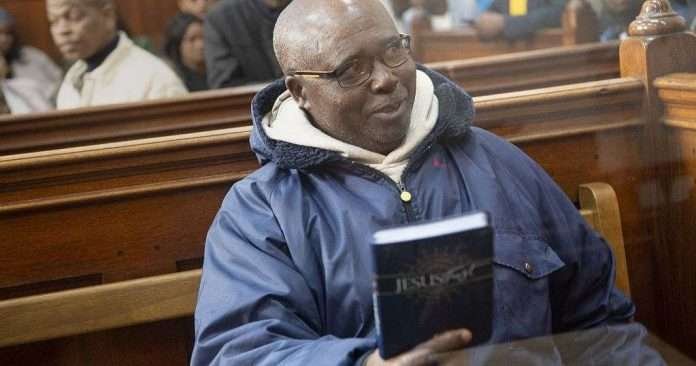
    Kigali, Rwanda – (African Boulevard News) – The long-awaited transfer of Fulgence Kayishema, a Rwandan genocide suspect, to a UN court has been delayed in South Africa. The postponement came after prosecutors failed to file an application to initiate the transfer process, prolonging the quest for justice for the victims of the 1994 Rwandan genocide.

    The hearing, which was expected to take place this week, was postponed by a South African judge who expressed disappointment in the prosecution’s lack of preparedness. The judge emphasized the importance of adhering to legal procedures in such a significant case and urged the prosecution to rectify the situation promptly.

    Fulgence Kayishema, a former mayor of Kibuye in western Rwanda, is accused of orchestrating the massacre of Tutsis during the genocide. He has been living in South Africa for several years, evading justice. The delay in his transfer has caused frustration among survivors and human rights advocates, who have been awaiting his extradition to face trial for his alleged crimes.

    The postponement has raised concerns about the commitment of South Africa’s justice system to international law and its obligations to bring genocide suspects to justice. Experts argue that the delay may send the wrong message to other countries harboring individuals accused of serious crimes, potentially undermining global efforts to combat impunity.

    Speaking about the delay, human rights activist Agnes Mutamba expressed her disappointment, stating, “This delay is a blow to the survivors and a setback for justice. It is crucial for South Africa to fulfill its obligations under international law and ensure that genocide suspects are held accountable for their actions.”

    The case of Fulgence Kayishema is a high-profile one that highlights the challenges faced by countries when dealing with extradition requests for individuals accused of genocide. Prosecuting such cases requires international cooperation and adherence to legal procedures to ensure a fair trial.

    While the delay is undoubtedly disappointing, it is important to remember that the quest for justice is a complex process. The postponement allows prosecutors to rectify their oversight and ensure that all necessary legal requirements are met for the successful transfer of the suspect to the UN court.

    As the international community awaits further developments in this case, it is essential for all parties involved to prioritize justice for the victims of the Rwandan genocide. The delay serves as a reminder that the pursuit of justice requires unwavering commitment and adherence to legal procedures, ultimately bringing closure and healing to survivors and their families.