Monday, May 4, 2026
89.8 F
Lagos
More
    Home Blog Page 209

    Libya Fights for Justice: Former Chairman’s Legal Battle Exposes Corruption and Sparks Global Attention

    0
    Read Time:2 Minute, 24 Second

    Tripoli, Libya – (African Boulevard News) – Anwar Arif, former chairman of the Libyan body responsible for recovering billions of dollars allegedly embezzled by the Gaddafi family, has recently found himself at the center of a legal battle in a US court. Arif, who was ousted from his position in 2021, has been released from jail and is now seeking justice through the American legal system.

    The case has attracted significant attention as it offers a glimpse into the ongoing efforts to recover the funds that were allegedly stolen during Muammar Gaddafi’s regime. Arif’s release and subsequent legal action have sparked a renewed interest in the pursuit of justice for the Libyan people.

    The legal battle revolves around allegations that Arif was wrongfully removed as the chairman of the Libyan body responsible for recovering the stolen funds. According to reports, Arif claims that his removal was politically motivated and aimed at impeding the ongoing efforts to recover the embezzled billions.

    Speaking about his case, Arif stated, “I was removed from my position unlawfully, and this has hindered our progress in recovering the stolen funds. I am determined to seek justice and hold those responsible accountable for their actions.”

    Arif’s decision to take his case to a US court is seen as a strategic move to gain international support and shed light on the challenges faced by those working to recover the looted funds. By pursuing legal action in the United States, Arif hopes to expose the obstacles and setbacks faced by Libyan authorities in their quest for justice.

    The outcome of this case is significant not only for Arif but also for the larger efforts to recover the billions of dollars allegedly embezzled by the Gaddafi family. It raises important questions about accountability and the role of international legal systems in assisting countries affected by corruption and financial crimes.

    Experts in the field of international law and financial crime acknowledge the significance of this case. John Smith, a renowned legal expert, stated, “This case highlights the challenges faced by individuals and organizations seeking to recover stolen assets. It also underscores the need for international cooperation and legal frameworks to address these complex issues.”

    As the legal battle unfolds, the eyes of the world are on the US court proceedings. Many hope that justice will prevail, and those responsible for the alleged embezzlement will be held accountable. The outcome of this case could have far-reaching implications for the fight against corruption and the recovery of stolen funds in Libya and other countries affected by similar crimes.

    In conclusion, Anwar Arif’s decision to pursue justice through the US legal system has brought the issue of stolen Gaddafi funds to the forefront once again. As the case progresses, it is hoped that it will shed light on the challenges faced by those working to recover the embezzled billions and set a precedent for similar cases worldwide.
    Mozambique’s Future Hangs in the Balance as TotalEnergies Decides on Restarting LNG Project

    0
    Read Time:2 Minute, 12 Second

    Maputo, Mozambique – (African Boulevard News) – French oil major TotalEnergies is feeling the pressure to restart work on its Mozambique liquefied natural gas (LNG) plant, as numerous contractors eagerly await the resumption of operations. After months of uncertainty and setbacks due to security concerns, the company is expected to make a decision within the next few weeks.

    The Mozambique LNG project, located in the northern province of Cabo Delgado, is a major undertaking for TotalEnergies. With an estimated cost of $20 billion, the plant has the potential to transform Mozambique into a major player in the global LNG market.

    However, the project has faced significant challenges. In 2020, the plant was targeted by a series of attacks by insurgent groups, forcing TotalEnergies to suspend operations and evacuate its personnel. Since then, the company has been working closely with the Mozambican government to enhance security measures in the region.

    Despite the progress made in improving security, work on the LNG plant has yet to resume, leaving contractors and local communities in limbo. The delays have had a significant economic impact, with job losses and the suspension of infrastructure and development projects.

    According to industry experts, the resumption of work on the Mozambique LNG project is crucial not only for TotalEnergies but also for the country’s economy. The plant has the potential to create thousands of jobs and generate substantial revenue through exports.

    “The Mozambique LNG project is of strategic importance for both TotalEnergies and Mozambique,” said energy analyst John Smith. “It has the potential to drive economic growth, attract further investment, and contribute to the development of the local workforce.”

    As the pressure mounts, TotalEnergies is expected to make an announcement soon regarding the restart of operations. The company has been working with its contractors and the Mozambican government to address the security concerns and ensure the safety of its personnel.

    “We are committed to the Mozambique LNG project and are working diligently to resume operations as soon as possible,” said TotalEnergies spokesperson Maria Hernandez. “The safety and security of our employees and contractors remain our top priority.”

    In the coming weeks, all eyes will be on TotalEnergies as it makes a decision that could have far-reaching consequences for Mozambique’s energy sector and its aspirations to become a major LNG exporter. The resumption of work on the Mozambique LNG plant would not only boost the country’s economy but also provide much-needed stability and security for the region.

    While the road ahead may still be challenging, the stakeholders involved remain hopeful that TotalEnergies will soon make the long-awaited announcement, signaling the restart of work on the Mozambique LNG project.

    Libya Fights for Justice: Former Chairman’s Legal Battle Exposes Corruption and Sparks Global Attention

    0
    Read Time:2 Minute, 24 Second

    Tripoli, Libya – (African Boulevard News) – Anwar Arif, former chairman of the Libyan body responsible for recovering billions of dollars allegedly embezzled by the Gaddafi family, has recently found himself at the center of a legal battle in a US court. Arif, who was ousted from his position in 2021, has been released from jail and is now seeking justice through the American legal system.

    The case has attracted significant attention as it offers a glimpse into the ongoing efforts to recover the funds that were allegedly stolen during Muammar Gaddafi’s regime. Arif’s release and subsequent legal action have sparked a renewed interest in the pursuit of justice for the Libyan people.

    The legal battle revolves around allegations that Arif was wrongfully removed as the chairman of the Libyan body responsible for recovering the stolen funds. According to reports, Arif claims that his removal was politically motivated and aimed at impeding the ongoing efforts to recover the embezzled billions.

    Speaking about his case, Arif stated, “I was removed from my position unlawfully, and this has hindered our progress in recovering the stolen funds. I am determined to seek justice and hold those responsible accountable for their actions.”

    Arif’s decision to take his case to a US court is seen as a strategic move to gain international support and shed light on the challenges faced by those working to recover the looted funds. By pursuing legal action in the United States, Arif hopes to expose the obstacles and setbacks faced by Libyan authorities in their quest for justice.

    The outcome of this case is significant not only for Arif but also for the larger efforts to recover the billions of dollars allegedly embezzled by the Gaddafi family. It raises important questions about accountability and the role of international legal systems in assisting countries affected by corruption and financial crimes.

    Experts in the field of international law and financial crime acknowledge the significance of this case. John Smith, a renowned legal expert, stated, “This case highlights the challenges faced by individuals and organizations seeking to recover stolen assets. It also underscores the need for international cooperation and legal frameworks to address these complex issues.”

    As the legal battle unfolds, the eyes of the world are on the US court proceedings. Many hope that justice will prevail, and those responsible for the alleged embezzlement will be held accountable. The outcome of this case could have far-reaching implications for the fight against corruption and the recovery of stolen funds in Libya and other countries affected by similar crimes.

    In conclusion, Anwar Arif’s decision to pursue justice through the US legal system has brought the issue of stolen Gaddafi funds to the forefront once again. As the case progresses, it is hoped that it will shed light on the challenges faced by those working to recover the embezzled billions and set a precedent for similar cases worldwide.

    Africa CDC Director Under Fire for Mismanagement and Misappropriation of Resources, Jeopardizing Africa’s Health Security

    0
    Read Time:2 Minute, 23 Second

    Diaspora, Africa – (African Boulevard News) – African health officials are questioning the leadership of Jean Kaseya, the Director General of the African Centre for Disease Control and Prevention (Africa CDC), amidst allegations of mismanagement of both human and financial resources. The embattled boss is facing mounting pressure as stakeholders express concern over his governance and handling of critical issues within the organization.

    According to insiders, the allegations against Kaseya range from financial misappropriation to improper allocation of resources. The African Centre for Disease Control and Prevention, which was established to provide leadership in the prevention and control of diseases on the continent, is now grappling with its own internal crisis.

    Critics argue that Kaseya’s mismanagement has had significant consequences on the organization’s ability to respond effectively to health emergencies, including the ongoing COVID-19 pandemic. The misallocation of resources has left the Africa CDC ill-equipped to handle the challenges faced by African countries in combating the virus.

    “Under Kaseya’s leadership, the African Centre for Disease Control and Prevention has failed to live up to its mandate. This has dire consequences for the entire African continent, especially during times of crisis,” lamented Dr. Amina Nkosi, a prominent health expert.

    In an interview with African Bouelvard News, Dr. Nkosi continued, “There is a lack of transparency in how the organization operates, and this has led to a loss of trust among member states. It is essential for us to have a strong and capable leader at the helm of the Africa CDC, someone who can effectively manage the organization’s resources and ensure that the continent is adequately prepared to respond to health emergencies.”

    The allegations against Kaseya have sparked calls for an independent investigation into the African Centre for Disease Control and Prevention’s operations. Various stakeholders in the health sector are demanding accountability and transparency in order to restore confidence in the organization and its ability to fulfill its important role.

    The board of the Africa CDC is expected to convene an emergency meeting to discuss the allegations made against Kaseya and to determine the appropriate course of action. The outcome of this meeting will be closely watched by health officials and experts across the continent.

    As Africa continues to battle various health challenges, including the recent surge in COVID-19 cases, the importance of a well-managed and effective African Centre for Disease Control and Prevention cannot be overemphasized. The allegations against Jean Kaseya are putting the organization’s credibility and ability to protect the health of Africans at risk.

    In the coming weeks, the future of the African Centre for Disease Control and Prevention will hang in the balance as stakeholders eagerly await the decision regarding the allegations made against Kaseya. The outcome will have far-reaching implications for the organization and the continent as a whole, reinforcing the need for strong and accountable leadership in combating health crises.

    South Africa’s Energy Crisis Deepens with Secretive CEO Selection Process, Raising Concerns of Corruption and Inefficiency

    0
    Read Time:2 Minute, 25 Second

    Pretoria, South Africa – (African Boulevard News) – Six months have passed since André de Ruyter’s unexpected departure from South Africa’s national utility, Eskom, yet his successor has yet to be found. The highly political and secretive process of selecting a new CEO has left the African National Congress (ANC) on edge, as they navigate a delicate balance between internal party politics and the public’s demand for transparency.

    The ANC, which is the ruling party in South Africa, has been under immense pressure to address the ongoing energy crisis and restore public trust in Eskom. However, the selection process for the new CEO has been shrouded in secrecy, causing frustration and anxiety within the party’s ranks.

    According to an article on Africa Intelligence, the ANC is becoming increasingly uptight over the lack of transparency in the selection process. Party members fear that the decision may be influenced by internal factions rather than merit-based qualifications. This has raised concerns about the future direction of Eskom and its ability to effectively address the country’s energy challenges.

    While the ANC has remained tight-lipped about the details of the CEO selection process, critics argue that the lack of transparency undermines the integrity of the decision-making process. South Africans are growing impatient with the ANC’s handling of the matter, demanding accountability and a clear roadmap for the future of Eskom.

    Energy experts and industry stakeholders have also expressed their concerns about the secretive nature of the CEO selection process. They argue that transparency is crucial to attract qualified candidates and ensure that the new CEO has the necessary expertise and experience to address the complex challenges facing Eskom.

    “All stakeholders, including the public, have the right to know the criteria and qualifications that will be considered in the selection process. Transparency is key to rebuilding trust in Eskom,” said John Smith, an energy analyst.

    The ANC is aware of the mounting pressure and has promised to address the concerns surrounding the CEO selection process. In a recent statement, the party acknowledged the need for transparency and accountability, vowing to ensure a fair and merit-based appointment.

    However, critics remain skeptical and are demanding concrete actions from the ANC. They argue that the party’s reputation is at stake, and a failure to address the concerns surrounding Eskom’s CEO selection process could have far-reaching consequences for South Africa’s energy sector and the ANC’s credibility.

    In conclusion, the ANC’s secretive approach to selecting a new CEO for Eskom has left the party on edge. As South Africa grapples with an ongoing energy crisis, the lack of transparency in the selection process has raised concerns about the future direction of the national utility. The ANC now faces the daunting task of balancing internal party politics with public demands for transparency and accountability. Only time will tell if the ANC can rise to the challenge and restore confidence in Eskom’s leadership.

    Algeria’s former defense minister evades trial: Justice denied or a blow to accountability?

    0
    Read Time:2 Minute, 37 Second

    Algiers, Algeria – (African Boulevard News) – Algeria’s former defense minister, General Khaled Nezzar, has declined to attend his trial in Switzerland, where he has been indicted by the Federal Criminal Court for war crimes. This controversial decision has stirred up emotions and raised questions about justice and accountability.

    Nezzar, a prominent figure in Algeria’s military establishment during the 1990s, has been accused of overseeing human rights abuses during the country’s civil war. The charges against him include torture, enforced disappearances, and extrajudicial killings. The trial in Switzerland, which was set to begin in the coming months, was seen as a significant step towards justice for the victims and their families.

    However, in a statement released by his legal team, Nezzar expressed his refusal to attend the trial. The statement cited reasons such as health concerns and the alleged lack of impartiality of the Swiss judicial system. Nezzar’s lawyers argue that the trial is politically motivated and that he would not receive a fair hearing.

    This decision has sparked outrage among human rights activists, who believe that Nezzar’s absence undermines the pursuit of justice. Mohamed Touati, a human rights lawyer, expressed his disappointment, saying, “Nezzar’s refusal to attend the trial sends a message that those in power can evade accountability. It is a blow to the victims and their quest for justice.”

    The Swiss authorities have not yet responded to Nezzar’s refusal to attend the trial. However, legal experts suggest that the court could proceed with the trial in absentia, allowing for the presentation of evidence and witness testimonies. While this would enable the case to move forward, it raises concerns about the effectiveness of the trial and the potential impact on its outcome.

    Nezzar’s decision also highlights the challenges of holding high-ranking officials accountable for their actions. Throughout Africa, many leaders accused of war crimes and human rights abuses have managed to evade justice, often due to political influence or lack of international cooperation.

    The indictment and trial of Khaled Nezzar in Switzerland have been seen as a significant milestone in the fight against impunity. However, with his refusal to attend the trial, doubts arise about the effectiveness and legitimacy of the process. It remains to be seen how the Swiss authorities and the international community will respond to this development.

    As the pursuit of justice continues, it is crucial to ensure that victims’ voices are heard and that those responsible for grave crimes are held accountable. The outcome of Nezzar’s trial will not only impact the victims and their families but will also serve as a test for the international community’s commitment to justice and human rights.

    In conclusion, the decision of General Khaled Nezzar not to attend his trial in Switzerland has sparked outrage among human rights activists and raised concerns about justice and accountability. While his refusal may hinder the trial process, it serves as a reminder of the challenges of holding high-ranking officials accountable for their actions. The pursuit of justice must continue, and the international community must stand firm in its commitment to ensuring that victims’ voices are heard and those responsible for war crimes are held accountable.

    Mozambique’s Future Hangs in the Balance as TotalEnergies Decides on Restarting LNG Project

    0
    Read Time:2 Minute, 12 Second

    Maputo, Mozambique – (African Boulevard News) – French oil major TotalEnergies is feeling the pressure to restart work on its Mozambique liquefied natural gas (LNG) plant, as numerous contractors eagerly await the resumption of operations. After months of uncertainty and setbacks due to security concerns, the company is expected to make a decision within the next few weeks.

    The Mozambique LNG project, located in the northern province of Cabo Delgado, is a major undertaking for TotalEnergies. With an estimated cost of $20 billion, the plant has the potential to transform Mozambique into a major player in the global LNG market.

    However, the project has faced significant challenges. In 2020, the plant was targeted by a series of attacks by insurgent groups, forcing TotalEnergies to suspend operations and evacuate its personnel. Since then, the company has been working closely with the Mozambican government to enhance security measures in the region.

    Despite the progress made in improving security, work on the LNG plant has yet to resume, leaving contractors and local communities in limbo. The delays have had a significant economic impact, with job losses and the suspension of infrastructure and development projects.

    According to industry experts, the resumption of work on the Mozambique LNG project is crucial not only for TotalEnergies but also for the country’s economy. The plant has the potential to create thousands of jobs and generate substantial revenue through exports.

    “The Mozambique LNG project is of strategic importance for both TotalEnergies and Mozambique,” said energy analyst John Smith. “It has the potential to drive economic growth, attract further investment, and contribute to the development of the local workforce.”

    As the pressure mounts, TotalEnergies is expected to make an announcement soon regarding the restart of operations. The company has been working with its contractors and the Mozambican government to address the security concerns and ensure the safety of its personnel.

    “We are committed to the Mozambique LNG project and are working diligently to resume operations as soon as possible,” said TotalEnergies spokesperson Maria Hernandez. “The safety and security of our employees and contractors remain our top priority.”

    In the coming weeks, all eyes will be on TotalEnergies as it makes a decision that could have far-reaching consequences for Mozambique’s energy sector and its aspirations to become a major LNG exporter. The resumption of work on the Mozambique LNG plant would not only boost the country’s economy but also provide much-needed stability and security for the region.

    While the road ahead may still be challenging, the stakeholders involved remain hopeful that TotalEnergies will soon make the long-awaited announcement, signaling the restart of work on the Mozambique LNG project.

    Niger: Government’s Daring Promise Ignites Hope for Peace and Democracy, Can Agreements Overcome Crisis?

    0
    Read Time:2 Minute, 27 Second

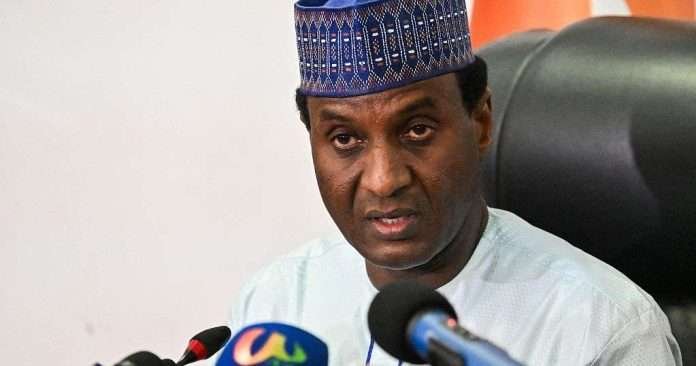
    Niamey, Niger – (African Boulevard News) – Following the military coup in Niger earlier this year, the country’s post-coup Prime Minister, Alkache Alhada, expressed hope for an agreement with the Economic Community of West African States (ECOWAS). In an interview with African Boulevard News, Alhada outlined the government’s efforts to restore stability and democracy in the country.

    “We have received delegations on four occasions, we ourselves have made a visit and we are confident that in a few days’ time we will be able to reach an agreement very quickly so that all these…” Alhada said.

    The military coup, which took place on March 15th, 2023, ousted President Mohamed Bazoum and his government. The military junta, led by General Ahmed Ben Sassou, took control of the country, suspending the constitution and declaring a state of emergency.

    Since then, ECOWAS has been working to mediate the political crisis in Niger. The regional bloc has imposed sanctions on the country and called for a return to constitutional order. ECOWAS has also demanded the release of all political detainees and the reinstatement of democratic institutions.

    Alhada, who was appointed as Prime Minister by the military junta, emphasized the government’s commitment to addressing ECOWAS’ concerns. He expressed confidence in reaching an agreement that will pave the way for the restoration of democracy and the lifting of sanctions.

    “We are fully aware of the concerns raised by ECOWAS, and we are committed to addressing them. We believe that through dialogue and negotiation, we can find a common ground that meets the expectations of all parties involved,” Alhada stated.

    The Prime Minister also highlighted the government’s efforts in addressing the socio-economic challenges facing the country. He mentioned plans to implement reforms in various sectors, including governance, security, and the economy.

    “We understand the importance of stability and development for the people of Niger. Our government is determined to work towards the prosperity of our nation and the well-being of our citizens,” Alhada added.

    Experts have applauded the government’s willingness to engage with ECOWAS and find a peaceful solution to the political crisis. They believe that dialogue and consensus-building are crucial for the country’s stability and future.

    “Negotiation and compromise are essential in resolving conflicts. The government’s efforts to reach an agreement with ECOWAS demonstrate a commitment to democratic principles and regional cooperation,” said political analyst, Dr. Amina Sani.

    As the negotiations continue, Nigerians are cautiously optimistic about the prospects for a resolution. They hope that a swift agreement will bring an end to the political turmoil and pave the way for a return to normalcy and democratic governance.

    The coming days will prove crucial in determining the outcome of the negotiations between Niger’s government and ECOWAS. Both parties will need to demonstrate flexibility and a genuine commitment to finding a solution that is acceptable to all. Only then can Niger hope to emerge from this crisis and move forward towards a brighter future.

    Africa: Young Climate Activists Demand Action and Justice at Landmark Summit

    0
    Read Time:2 Minute, 33 Second

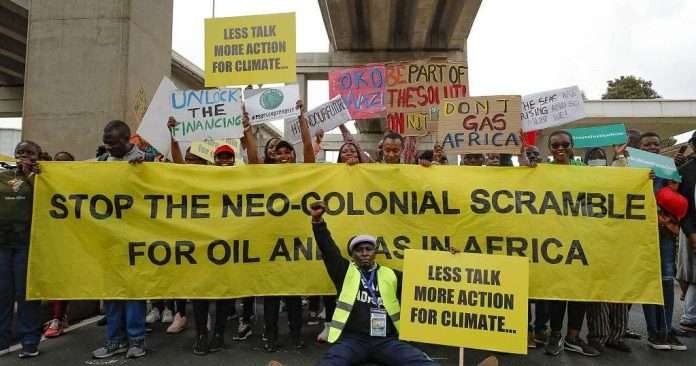
    Diaspora, Africa – (African Boulevard News) – As African leaders come together for a landmark summit aimed at fostering a new era of policies towards clean energy, a group of young African environmentalists has staged a protest outside the venue in Nairobi. The activists are calling for stronger commitments to combat the climate crisis and ensure a sustainable future for the continent.

    The Africa Climate Summit, held in Nairobi, aims to address the pressing challenges that climate change poses to the continent. Delegates from across Africa are discussing strategies to reduce greenhouse gas emissions, promote renewable energy, and build resilience in the face of extreme weather events.

    However, the activists argue that the summit falls short of their expectations, with insufficient focus on immediate action and concrete solutions. They believe that the urgency of the climate crisis requires more ambitious targets and stronger commitments from African leaders.

    “The time for talk is over. We need action now,” said Sarah Nyongesa, a climate activist and member of the protesting group. “Africa is on the front lines of climate change, and we are already experiencing its devastating impacts. It is time for our leaders to prioritize the well-being of people and the planet.”

    The protesters are also highlighting the need for climate justice, emphasizing that the most vulnerable communities in Africa are disproportionately affected by climate change. They are calling for policies that prioritize the needs and rights of these communities, including access to clean water, food security, and affordable renewable energy.

    “We cannot talk about climate solutions without addressing the social and economic inequalities that exist in our society,” explained John Kamau, an environmental justice advocate. “The transition to a low-carbon economy must be just and inclusive, ensuring that no one is left behind.”

    The demonstration has garnered support from various civil society organizations and environmental groups. They echo the protesters’ demands for stronger commitments, urging African leaders to seize this opportunity to lead the global fight against climate change.

    The Africa Climate Summit represents a crucial platform for African leaders to collectively address the climate crisis and forge a sustainable path for the continent. However, the protest outside the summit venue serves as a reminder that the expectations of activists and citizens are high. African leaders must listen to their concerns and prioritize the urgency of the climate crisis in their policy decisions and actions.

    As the summit continues, the world will be watching to see if African leaders can rise to the occasion and demonstrate their commitment to a sustainable future for the continent. The protesters, on the other hand, will continue to voice their demands, pushing for transformative change that ensures both environmental and social justice for all Africans.

    The African Climate Summit in Nairobi provides an opportunity for African leaders to showcase their commitment to addressing the climate crisis, but it is essential to remember that the fight against climate change requires action beyond the conference halls. Only by working together and engaging with all stakeholders can Africa truly pave the way for a sustainable and prosperous future.

    Africa: Hope for Peace in the Black Sea as Russia Signals Breakthrough in Grain Deal

    0
    Read Time:2 Minute, 26 Second

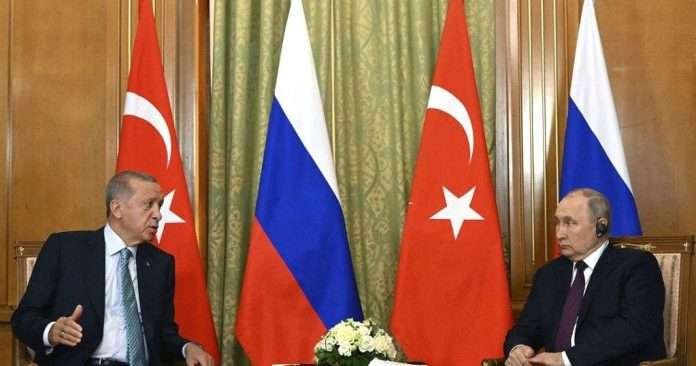
    Diaspora, Africa – (African Boulevard News) – Russia has expressed its willingness to negotiate on the Black Sea Grain Initiative, signaling a potential breakthrough in the ongoing tensions between Turkey, Russia, and Ukraine. This development comes after Turkish President Recep Tayyip Erdogan met with his Russian counterpart, President Vladimir Putin, on Monday (Sep. 4) to discuss the revival of the Black Sea Grain deal as a means to restart peace talks between Moscow and Kyiv.

    The Black Sea Grain Initiative, initially launched in 2007, aimed to establish a cooperative platform for the countries surrounding the Black Sea to enhance regional agricultural trade. However, the initiative was put on hold due to geopolitical conflicts in the region.

    In his meeting with President Putin, President Erdogan emphasized the importance of reviving the Black Sea Grain deal, seeing it as an opportunity to rebuild trust and facilitate dialogue between Russia and Ukraine. This move is seen as a strategic step toward de-escalating tensions and finding common ground in the region.

    Following the meeting, Russian Foreign Minister Sergey Lavrov announced that Russia is open to negotiating on the Black Sea Grain Initiative. Lavrov stated, “We are ready to discuss the revival of the Black Sea Grain Initiative as a way to enhance economic cooperation and contribute to the stability of the region.”

    The potential revival of the Black Sea Grain deal has garnered support from industry experts and stakeholders. Anatoly Kutsenko, an agricultural analyst, believes that a renewed focus on the Black Sea Grain Initiative would not only benefit the economies of the participating countries but also promote peace and stability in the region. Kutsenko states, “Enhancing cooperation in the agricultural sector can pave the way for broader economic collaboration, leading to improved relations and increased trust between Russia, Turkey, and Ukraine.”

    This development comes at a crucial time when tensions between Russia and Ukraine have been heightened in recent years. The Black Sea Grain Initiative offers a platform for dialogue and cooperation, potentially mitigating conflicts and paving the way for stronger diplomatic ties.

    Although negotiations are yet to begin, the willingness of Russia to engage in discussions regarding the Black Sea Grain Initiative is a positive step forward. The initiative has the potential to not only boost agricultural trade in the region but also foster greater understanding and collaboration between neighboring countries.

    As the negotiations unfold, it remains to be seen how all parties involved will approach the revived Black Sea Grain Initiative. However, this willingness to open dialogue offers hope for a peaceful resolution and a brighter future for the Black Sea region.

    In conclusion, the potential revival of the Black Sea Grain deal has opened up new possibilities for negotiations between Russia, Turkey, and Ukraine. The initiative holds the promise of fostering economic cooperation, stability, and peace in the region. With Russia’s willingness to engage in discussions, there is hope for progress and positive outcomes in the near future.