Monday, May 4, 2026
80.1 F
Lagos
More
    Home Blog Page 202

    Guinea: Tragic Deaths and Rising Tensions as Junta Crackdown on Protests on Anniversary of Coup

    0
    Read Time:2 Minute, 0 Second

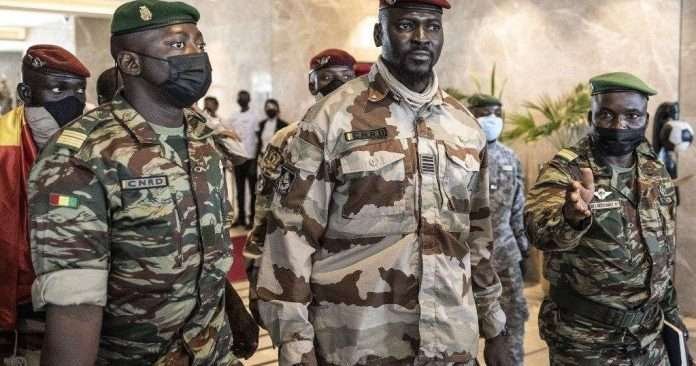
    Conakry, Guinea – (African Boulevard News) – Tensions flared in Guinea as anti-junta protests turned violent on the eve of the coup anniversary, resulting in the tragic deaths of at least two individuals. The West African nation remains in turmoil, grappling with civil unrest since the military takeover that took place a year ago.

    The protests, which were triggered by a ban on demonstrations imposed by the ruling junta, saw clashes erupt between security forces and demonstrators in the capital city of Conakry. According to eyewitnesses, gunfire and tear gas filled the air as protesters demanded an end to military rule and a return to civilian governance.

    The anniversary of the putsch marked a somber occasion for many Guineans who had hoped for a swift transition to democracy. However, their aspirations have been met with disappointment and frustration as the military junta remains firmly in control, despite promises of a return to civilian rule.

    Amidst the chaos, the tragic loss of life serves as a stark reminder of the human toll of the ongoing crisis in Guinea. Families mourn the deaths of their loved ones, while the nation mourns the loss of its democratic ideals.

    International human rights organizations have condemned the use of excessive force against peaceful protesters. Alice Nkom, a prominent human rights lawyer, criticized the junta’s heavy-handed approach, saying, “The killing of innocent civilians is unacceptable and goes against the principles of democracy and freedom of expression.”

    Public resentment towards the ruling junta has been brewing, exacerbated by widespread allegations of corruption and human rights abuses. Guineans, weary of the military’s grip on power, long for stable governance and a return to normalcy.

    The African Union and the Economic Community of West African States (ECOWAS) have called for a peaceful resolution to the crisis in Guinea. They have urged the military junta to engage in dialogue with political leaders and civil society organizations to find a way forward.

    As Guinea grapples with the aftermath of another deadly protest, the situation remains tense. The international community watches closely, hoping for a peaceful resolution that respects the will of the Guinean people.

    The events in Guinea serve as a reminder of the fragility of democracy and the importance of upholding human rights. Guineans continue to fight for their right to self-determination, their voices echoing through the streets of Conakry, demanding justice, freedom, and a brighter future for their nation.
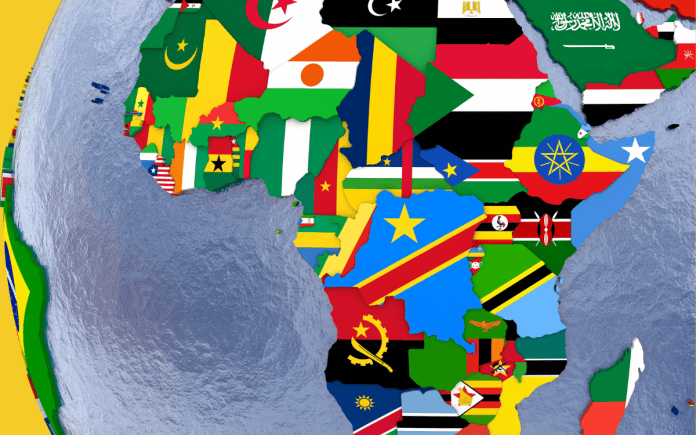
    Africa: Unveiling the Untamed Beauty, Vibrant Culture, and Historic Moments Through Captivating Photos

    0
    Read Time:2 Minute, 20 Second

    Diaspora, Africa – (African Boulevard News) – The captivating photos of September 5, 2023, offer a glimpse into the extraordinary events unfolding across the African continent. From stunning wildlife moments to moments of political significance, these pictures tell compelling stories that showcase Africa’s beauty, resilience, and diversity.

    1. Majestic Wildlife:
      The first picture brings us face to face with Africa’s mesmerizing wildlife. A powerful image of a lioness roaming the grasslands captures the essence of the continent’s untamed beauty. This photograph reminds us of the importance of preserving Africa’s rich biodiversity and protecting these majestic creatures for future generations.

    2. Vibrant Culture:
      In the heart of a bustling market in a small village, a photograph showcases the vibrant culture of Africa. The colorful textiles, bustling crowd, and the energy in the air all come together to paint a vivid picture of the continent’s rich heritage. It serves as a reminder of the unique traditions and customs that make Africa truly special.

    3. Political Milestones:
      A historic moment unfolds as a picture captures the inauguration of a new African leader. The image exudes hope, unity, and the promise of a brighter future. “This inauguration represents a turning point for our nation,” says political analyst, Dr. Jane Adedeji. “It signifies the potential for positive change and a renewed commitment to good governance.”

    4. Resilience in Adversity:
      An extraordinary photograph tells the story of resilience in the face of adversity. It captures a group of farmers working together to rebuild their homes after a devastating flood. Their determination and unity showcase Africa’s unwavering spirit despite facing numerous challenges. This image is a testament to the resilience and strength of African communities.

    5. Technological Advancements:
      The final picture highlights Africa’s progress in the field of technology. A futuristic skyline dotted with skyscrapers and glowing lights embodies the continent’s rapid urbanization and technological advancements. As Africa embraces the digital age, it presents numerous opportunities for economic growth and development.

    These captivating images highlight the diversity and dynamism of Africa. From the extraordinary wildlife encounters to cultural celebrations and political breakthroughs, the pictures of September 5, 2023, portray the continent in all its intricacies. They serve as a powerful reminder of Africa’s potential and the incredible stories unfolding every day.

    As we reflect on these photographs, let us celebrate the beauty, resilience, and progress of Africa, and inspire ourselves to continue working towards a brighter future for all its people.

    For more captivating pictures of September 5, 2023, visit Africanews (https://www.africanews.com/2023/09/06/pics-of-the-day-september-5-2023/).

    Sources:
    – Africanews: Pics of the day: September 5, 2023 (https://www.africanews.com/2023/09/06/pics-of-the-day-september-5-2023/)
    – Google Search: Pics of the day September 5, 2023 (https://www.google.com/search?q=Pics+of+the+day++September+5++2023)

    Eswatini: Defying China’s Pressure, President Tsai’s Historic Visit Sparks Hope for a Stronger Partnership and Prosperity

    0
    Read Time:2 Minute, 4 Second

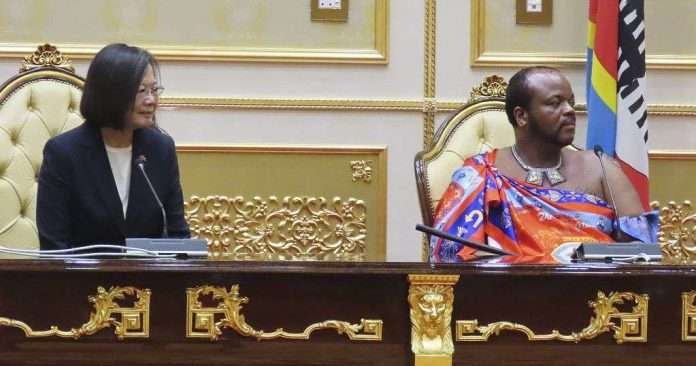
    Mbabane, Eswatini – (African Boulevard News) – In a significant diplomatic move, Eswatini, formerly known as Swaziland, rolled out the red carpet to welcome the President of Taiwan, Tsai Ing-wen, for a historic four-day visit. As the only African nation that recognizes Taiwan as an independent country, Eswatini’s warm reception speaks volumes about the strength of their bilateral ties.

    The trip comes at a time when China has been pressuring Taipei’s allies to sever their diplomatic relations. President Tsai’s visit to Eswatini is seen as a reaffirmation of the friendship and partnership shared between the two nations.

    During her visit, President Tsai Ing-wen met with Eswatini’s King Mswati III and held talks with government officials to discuss various issues of mutual interest. The discussions focused on strengthening economic cooperation, promoting trade relations, and exploring avenues for further investment.

    Eswatini has long admired Taiwan’s economic success and technological advancements. President Tsai’s visit presents an excellent opportunity for both nations to deepen their collaboration in these fields. Taiwan’s expertise in areas such as medical technology, renewable energy, and agriculture can benefit Eswatini’s development goals while also fostering job creation and economic growth.

    Speaking about the visit, Eswatini’s Prime Minister noted the importance of the strong relationship between the two countries. “The ties between Eswatini and Taiwan stretch back many years, and we value the support and partnership we have received,” he said. “This visit by President Tsai Ing-wen is a clear demonstration of the closeness of our friendship and serves as a testimony to our shared values and aspirations.”

    The warm reception of President Tsai Ing-wen in Eswatini highlights the significance of this visit for both nations. Beyond diplomatic relations, the visit serves as a symbol of solidarity and the willingness to overcome external pressures in pursuit of shared goals and values.

    As Eswatini continues to forge ahead with its development agenda, the partnership with Taiwan is set to play a vital role. The visit of President Tsai Ing-wen reinforces that commitment, paving the way for increased collaboration and mutual benefit.

    In a world where alliances and friendships are constantly tested, Eswatini’s unwavering support for Taiwan demonstrates the strength and resilience of their partnership. As both nations embark on this journey, the possibilities for growth, progress, and shared prosperity are limitless.

    With President Tsai’s visit leaving a lasting impression on Eswatini, it is clear that the bond between the two nations will only continue to strengthen in the years to come.

    Gabon’s Oil Industry Shaken as Former Oil Minister Faces Investigation Amidst Alleged Coup – Stability and Investor Confidence Hang in the Balance

    0
    Read Time:2 Minute, 12 Second

    Libreville, Gabon – (African Boulevard News) – In a shocking turn of events, Vincent de Paul Massassa, the final oil minister under the presidency of Ali Bongo, is currently under investigation by the Gabonese intelligence services. This development has caused concern among oil operators in the country, as the fate of the oil industry hangs in the balance.

    The investigation into Massassa comes amidst the backdrop of an alleged coup attempt in Gabon. The intelligence services are seeking answers regarding Massassa’s potential involvement or knowledge of the coup. While details remain scarce, this development has sent shockwaves through the country’s oil sector, which is heavily dependent on stability and investor confidence.

    Gabon is one of Africa’s leading oil producers, with oil accounting for a significant portion of its revenue. Any disruption or uncertainty within the industry can have far-reaching consequences, both domestically and internationally. Therefore, it is crucial for the authorities to swiftly and transparently address the concerns surrounding Massassa’s role in the coup allegations.

    Oil operators in Gabon are closely monitoring the situation, as the outcome could potentially impact their operations and investments. The stability and integrity of the oil sector are of paramount importance to their operations, and any disturbance could have dire consequences for the country’s economy as a whole.

    A spokesperson for a major oil company in Gabon expressed their concern, stating, “We are closely following the investigation surrounding the oil minister. The results of this investigation will undoubtedly have implications for the industry. We hope for a swift resolution, as stability and transparency are key factors for us to continue operating.”

    Investor sentiment is fragile, particularly in the wake of recent political and economic challenges in the country. The Gabonese government must work diligently to restore confidence and demonstrate their commitment to upholding the rule of law and protecting the interests of both domestic and foreign investors.

    As the investigation unfolds, all eyes will be on the authorities to ensure a fair and impartial process. The reputation and credibility of the Gabonese government are at stake, as they navigate through this delicate situation that could have far-reaching consequences for the country’s oil industry and the broader economy.

    In conclusion, the investigation into Vincent de Paul Massassa, the former oil minister, by the Gabonese intelligence services has put the country’s oil sector on edge. As the authorities delve deeper into the potential involvement or knowledge of Massassa in the alleged coup attempt, oil operators anxiously await the outcome. The stability and integrity of Gabon’s oil industry are of utmost importance, and a swift resolution to this investigation is crucial to restore confidence and preserve investor sentiment.

    Niger Takes Charge: France Negotiates Partial Troop Withdrawal in Sahel’s Fight Against Terrorism

    0
    Read Time:2 Minute, 24 Second

    Niamey, Niger – (African Boulevard News) – The negotiations for the partial withdrawal of French troops from Niger have been ongoing since August, according to sources familiar with the matter. The talks, which have been kept confidential, involve the head of the French forces in the Sahel and the chief of staff of Niger’s army, Moussa Salaou Barmou.

    The discussions come as France grapples with its commitment to the fight against terrorism in the Sahel region. The Sahel has been plagued by extremist groups, including regional affiliates of al-Qaeda and ISIS, which have launched deadly attacks on civilians and security forces.

    The decision to withdraw French troops from Niger is seen as a strategic move by Paris, aimed at reducing its military presence in the region while maintaining cooperation with its African allies. The move is also seen as a response to growing domestic pressure in France to bring its soldiers home.

    According to a report by Africa Intelligence, the negotiations focus on determining the conditions under which French troops would be withdrawn from Niger. This includes defining the timeline for the withdrawal, ensuring the capacity-building of local security forces, and maintaining intelligence sharing and logistical support.

    Experts believe that a partial withdrawal of French troops would not mean a complete abandonment of the fight against terrorism in the Sahel. Instead, it would signal a shift in strategy, with greater emphasis on training and advising local forces.

    General Moussa Salaou Barmou, the chief of staff of Niger’s army, has been involved in the negotiations, reflecting the increased responsibility that African countries are assuming in the fight against terrorism. Niger has been a key partner for France in the Sahel and has played a crucial role in combating extremist groups.

    “The negotiations between France and Niger are a testament to the evolving dynamics in the fight against terrorism in the Sahel. It is crucial for African countries to take the lead, with the support of international partners, in securing their own territories,” said Professor Amara Diarra, a security analyst.

    The partial withdrawal of French troops from Niger would have implications for the wider region, including neighboring countries such as Mali and Burkina Faso. These countries have also been grappling with extremist violence and rely heavily on French support.

    As the negotiations continue, all parties involved hope to strike a balance between reducing France’s military presence in the Sahel and maintaining the gains made in the fight against terrorism. The future of the region’s security will depend on effective cooperation and coordination between African countries and their international partners.

    In conclusion, the negotiations between France and Niger for the partial withdrawal of French troops mark an important development in the fight against terrorism in the Sahel. As African countries assume greater responsibility, it is crucial for international partners to continue providing the necessary support to ensure the region’s long-term stability and security.

    Libya-Israel Diplomatic Breakthrough: Historic Meeting Between Prime Ministers Beckons, Region Awaits Transformation

    0
    Read Time:2 Minute, 15 Second

    Tripoli, Libya – (African Boulevard News) – In a surprising turn of events, the recent meeting between Libyan Foreign Minister Najla al-Mangoush and her Israeli counterpart has raised speculations about a potential encounter between the Libyan Prime Minister Abdul Hamid Dabaiba and the Israeli Prime Minister Naftali Bennett. The meeting, which took place in a quiet location in Europe, has sparked curiosity and debate among analysts and experts.

    The controversial meeting between the Libyan and Israeli foreign ministers was seen as a significant diplomatic move, highlighting a possible shift in relations between the two countries. Many believe it was a prelude to a historic encounter between Dabaiba and Bennett, which could potentially reshape the geopolitical landscape in the region.

    According to sources, both foreign ministers discussed various issues of mutual interest, including security, regional stability, and economic cooperation. This unexpected dialogue suggests a willingness to engage in open discussions and explore potential opportunities for collaboration. It also indicates a potential desire to move past decades of animosity and create a new chapter in bilateral relations.

    While the details of the meeting have not been disclosed, analysts speculate that the encounter may have been aimed at laying the groundwork for a future meeting between the prime ministers of Libya and Israel. This could signal a significant breakthrough in the relationship between the two nations, which have historically had strained ties.

    Experts suggest that a potential meeting between Dabaiba and Bennett could have far-reaching consequences, not only for Libya and Israel but for the entire region. It could potentially open doors for expanded economic cooperation, intelligence sharing, and security cooperation, all of which could contribute to stability and progress in the region.

    However, it is important to note that this potential encounter remains speculative at this stage, and there has been no official confirmation from either party regarding a scheduled meeting. The outcome of such a meeting would depend on various factors, including political dynamics, public sentiment, and regional developments.

    The Libyan government has not officially commented on the meeting between the foreign ministers, adding to the mystery surrounding the event. As the news circulated, public opinion in Libya remains divided, with some viewing it as a positive step towards reconciliation, while others express concerns about potential compromises on core principles.

    In conclusion, the recent meeting between the Libyan and Israeli foreign ministers has sparked speculations about a potential encounter between the prime ministers of the two nations. While the outcome of such a meeting remains uncertain, it has opened up possibilities for improved bilateral relations and regional cooperation. Only time will tell whether this meeting will lead to a historic encounter that could reshape the geopolitical landscape in the region.

    Gabon’s Oil Industry Shaken as Former Oil Minister Faces Investigation Amidst Alleged Coup – Stability and Investor Confidence Hang in the Balance

    0
    Read Time:2 Minute, 12 Second

    Libreville, Gabon – (African Boulevard News) – In a shocking turn of events, Vincent de Paul Massassa, the final oil minister under the presidency of Ali Bongo, is currently under investigation by the Gabonese intelligence services. This development has caused concern among oil operators in the country, as the fate of the oil industry hangs in the balance.

    The investigation into Massassa comes amidst the backdrop of an alleged coup attempt in Gabon. The intelligence services are seeking answers regarding Massassa’s potential involvement or knowledge of the coup. While details remain scarce, this development has sent shockwaves through the country’s oil sector, which is heavily dependent on stability and investor confidence.

    Gabon is one of Africa’s leading oil producers, with oil accounting for a significant portion of its revenue. Any disruption or uncertainty within the industry can have far-reaching consequences, both domestically and internationally. Therefore, it is crucial for the authorities to swiftly and transparently address the concerns surrounding Massassa’s role in the coup allegations.

    Oil operators in Gabon are closely monitoring the situation, as the outcome could potentially impact their operations and investments. The stability and integrity of the oil sector are of paramount importance to their operations, and any disturbance could have dire consequences for the country’s economy as a whole.

    A spokesperson for a major oil company in Gabon expressed their concern, stating, “We are closely following the investigation surrounding the oil minister. The results of this investigation will undoubtedly have implications for the industry. We hope for a swift resolution, as stability and transparency are key factors for us to continue operating.”

    Investor sentiment is fragile, particularly in the wake of recent political and economic challenges in the country. The Gabonese government must work diligently to restore confidence and demonstrate their commitment to upholding the rule of law and protecting the interests of both domestic and foreign investors.

    As the investigation unfolds, all eyes will be on the authorities to ensure a fair and impartial process. The reputation and credibility of the Gabonese government are at stake, as they navigate through this delicate situation that could have far-reaching consequences for the country’s oil industry and the broader economy.

    In conclusion, the investigation into Vincent de Paul Massassa, the former oil minister, by the Gabonese intelligence services has put the country’s oil sector on edge. As the authorities delve deeper into the potential involvement or knowledge of Massassa in the alleged coup attempt, oil operators anxiously await the outcome. The stability and integrity of Gabon’s oil industry are of utmost importance, and a swift resolution to this investigation is crucial to restore confidence and preserve investor sentiment.

    Niger Takes Charge: France Negotiates Partial Troop Withdrawal in Sahel’s Fight Against Terrorism

    0
    Read Time:2 Minute, 24 Second

    Niamey, Niger – (African Boulevard News) – The negotiations for the partial withdrawal of French troops from Niger have been ongoing since August, according to sources familiar with the matter. The talks, which have been kept confidential, involve the head of the French forces in the Sahel and the chief of staff of Niger’s army, Moussa Salaou Barmou.

    The discussions come as France grapples with its commitment to the fight against terrorism in the Sahel region. The Sahel has been plagued by extremist groups, including regional affiliates of al-Qaeda and ISIS, which have launched deadly attacks on civilians and security forces.

    The decision to withdraw French troops from Niger is seen as a strategic move by Paris, aimed at reducing its military presence in the region while maintaining cooperation with its African allies. The move is also seen as a response to growing domestic pressure in France to bring its soldiers home.

    According to a report by Africa Intelligence, the negotiations focus on determining the conditions under which French troops would be withdrawn from Niger. This includes defining the timeline for the withdrawal, ensuring the capacity-building of local security forces, and maintaining intelligence sharing and logistical support.

    Experts believe that a partial withdrawal of French troops would not mean a complete abandonment of the fight against terrorism in the Sahel. Instead, it would signal a shift in strategy, with greater emphasis on training and advising local forces.

    General Moussa Salaou Barmou, the chief of staff of Niger’s army, has been involved in the negotiations, reflecting the increased responsibility that African countries are assuming in the fight against terrorism. Niger has been a key partner for France in the Sahel and has played a crucial role in combating extremist groups.

    “The negotiations between France and Niger are a testament to the evolving dynamics in the fight against terrorism in the Sahel. It is crucial for African countries to take the lead, with the support of international partners, in securing their own territories,” said Professor Amara Diarra, a security analyst.

    The partial withdrawal of French troops from Niger would have implications for the wider region, including neighboring countries such as Mali and Burkina Faso. These countries have also been grappling with extremist violence and rely heavily on French support.

    As the negotiations continue, all parties involved hope to strike a balance between reducing France’s military presence in the Sahel and maintaining the gains made in the fight against terrorism. The future of the region’s security will depend on effective cooperation and coordination between African countries and their international partners.

    In conclusion, the negotiations between France and Niger for the partial withdrawal of French troops mark an important development in the fight against terrorism in the Sahel. As African countries assume greater responsibility, it is crucial for international partners to continue providing the necessary support to ensure the region’s long-term stability and security.

    Libya-Israel Diplomatic Breakthrough: Historic Meeting Between Prime Ministers Beckons, Region Awaits Transformation

    0
    Read Time:2 Minute, 15 Second

    Tripoli, Libya – (African Boulevard News) – In a surprising turn of events, the recent meeting between Libyan Foreign Minister Najla al-Mangoush and her Israeli counterpart has raised speculations about a potential encounter between the Libyan Prime Minister Abdul Hamid Dabaiba and the Israeli Prime Minister Naftali Bennett. The meeting, which took place in a quiet location in Europe, has sparked curiosity and debate among analysts and experts.

    The controversial meeting between the Libyan and Israeli foreign ministers was seen as a significant diplomatic move, highlighting a possible shift in relations between the two countries. Many believe it was a prelude to a historic encounter between Dabaiba and Bennett, which could potentially reshape the geopolitical landscape in the region.

    According to sources, both foreign ministers discussed various issues of mutual interest, including security, regional stability, and economic cooperation. This unexpected dialogue suggests a willingness to engage in open discussions and explore potential opportunities for collaboration. It also indicates a potential desire to move past decades of animosity and create a new chapter in bilateral relations.

    While the details of the meeting have not been disclosed, analysts speculate that the encounter may have been aimed at laying the groundwork for a future meeting between the prime ministers of Libya and Israel. This could signal a significant breakthrough in the relationship between the two nations, which have historically had strained ties.

    Experts suggest that a potential meeting between Dabaiba and Bennett could have far-reaching consequences, not only for Libya and Israel but for the entire region. It could potentially open doors for expanded economic cooperation, intelligence sharing, and security cooperation, all of which could contribute to stability and progress in the region.

    However, it is important to note that this potential encounter remains speculative at this stage, and there has been no official confirmation from either party regarding a scheduled meeting. The outcome of such a meeting would depend on various factors, including political dynamics, public sentiment, and regional developments.

    The Libyan government has not officially commented on the meeting between the foreign ministers, adding to the mystery surrounding the event. As the news circulated, public opinion in Libya remains divided, with some viewing it as a positive step towards reconciliation, while others express concerns about potential compromises on core principles.

    In conclusion, the recent meeting between the Libyan and Israeli foreign ministers has sparked speculations about a potential encounter between the prime ministers of the two nations. While the outcome of such a meeting remains uncertain, it has opened up possibilities for improved bilateral relations and regional cooperation. Only time will tell whether this meeting will lead to a historic encounter that could reshape the geopolitical landscape in the region.

    Gabon’s Oil Industry Shaken as Former Oil Minister Faces Investigation Amidst Alleged Coup – Stability and Investor Confidence Hang in the Balance

    0
    Read Time:2 Minute, 12 Second

    Libreville, Gabon – (African Boulevard News) – In a shocking turn of events, Vincent de Paul Massassa, the final oil minister under the presidency of Ali Bongo, is currently under investigation by the Gabonese intelligence services. This development has caused concern among oil operators in the country, as the fate of the oil industry hangs in the balance.

    The investigation into Massassa comes amidst the backdrop of an alleged coup attempt in Gabon. The intelligence services are seeking answers regarding Massassa’s potential involvement or knowledge of the coup. While details remain scarce, this development has sent shockwaves through the country’s oil sector, which is heavily dependent on stability and investor confidence.

    Gabon is one of Africa’s leading oil producers, with oil accounting for a significant portion of its revenue. Any disruption or uncertainty within the industry can have far-reaching consequences, both domestically and internationally. Therefore, it is crucial for the authorities to swiftly and transparently address the concerns surrounding Massassa’s role in the coup allegations.

    Oil operators in Gabon are closely monitoring the situation, as the outcome could potentially impact their operations and investments. The stability and integrity of the oil sector are of paramount importance to their operations, and any disturbance could have dire consequences for the country’s economy as a whole.

    A spokesperson for a major oil company in Gabon expressed their concern, stating, “We are closely following the investigation surrounding the oil minister. The results of this investigation will undoubtedly have implications for the industry. We hope for a swift resolution, as stability and transparency are key factors for us to continue operating.”

    Investor sentiment is fragile, particularly in the wake of recent political and economic challenges in the country. The Gabonese government must work diligently to restore confidence and demonstrate their commitment to upholding the rule of law and protecting the interests of both domestic and foreign investors.

    As the investigation unfolds, all eyes will be on the authorities to ensure a fair and impartial process. The reputation and credibility of the Gabonese government are at stake, as they navigate through this delicate situation that could have far-reaching consequences for the country’s oil industry and the broader economy.

    In conclusion, the investigation into Vincent de Paul Massassa, the former oil minister, by the Gabonese intelligence services has put the country’s oil sector on edge. As the authorities delve deeper into the potential involvement or knowledge of Massassa in the alleged coup attempt, oil operators anxiously await the outcome. The stability and integrity of Gabon’s oil industry are of utmost importance, and a swift resolution to this investigation is crucial to restore confidence and preserve investor sentiment.