Sunday, May 3, 2026
79.9 F
Lagos
More
    Home Blog Page 196

    Mali: Heartbreak as African Football Legend Salif Keita, the “Monument Man,” is Laid to Rest, Leaving a Nation in Mourning and a Legacy of Inspiration

    0
    Read Time:2 Minute, 15 Second

    Bamako, Mali – (African Boulevard News) – Mali bids a heartfelt farewell to an African football legend and true “monument man,” Salif Keita, who passed away over the weekend at the age of 76. The news of his death has left hundreds of people in mourning, including former teammates, Malian politicians, and football fans across the continent.

    A towering figure in African football, Salif Keita rose to prominence in the 1960s and 1970s, leaving an indelible mark on the game. Known for his exceptional skill, agility, and prowess on the field, Keita played as a forward and became a beacon of hope and inspiration for the people of Mali.

    Born in Bamako, Keita’s career took off when he joined French club AS Saint-Étienne in 1967. He quickly became one of the most feared strikers in Europe, scoring an impressive 41 goals in his debut season. Keita’s performances brought him widespread acclaim, earning him the nickname “The Black Panther” for his speed and power on the pitch.

    Keita’s impact extended beyond the football field. He became an icon of African unity and a symbol of pride for Mali. His success overseas inspired a generation of young African footballers, showing them that dreams can be turned into reality through hard work and determination.

    As news of Keita’s passing spread, tributes poured in from around the world. The President of Mali, Ibrahim Boubacar Keïta, expressed his condolences, saying, “Salif Keita was more than a footballer; he was a national hero who brought joy to our people and put Mali on the global map.”

    Former teammate and close friend, Salif Keïta, spoke fondly of Keita’s impact on and off the field. He said, “Salif Keita was not only a remarkable footballer but also a true gentleman. He was a role model for many of us who aspired to be like him. His legacy will never be forgotten.”

    Mali’s football federation, Fédération Malienne de Football (FEMAFOOT), also paid tribute to Keita, describing him as a “true ambassador for African football.” They announced plans to honor his memory by renaming one of the stadiums in Bamako after him.

    Salif Keita’s legacy will continue to live on in the hearts and minds of football lovers across the continent. His remarkable achievements and the barriers he broke down for African players in Europe have left an indelible mark on the sport.

    As the people of Mali bid farewell to their hero, they are left with the memory of a man who not only brought glory to his nation but also inspired generations to believe in their dreams. Salif Keita’s contribution to African football will forever be etched in history, a testament to the power of talent, determination, and resilience.
    Eswatini: A Historic Celebration of Unity and Progress on 55th Independence Anniversary

    0
    Read Time:2 Minute, 7 Second

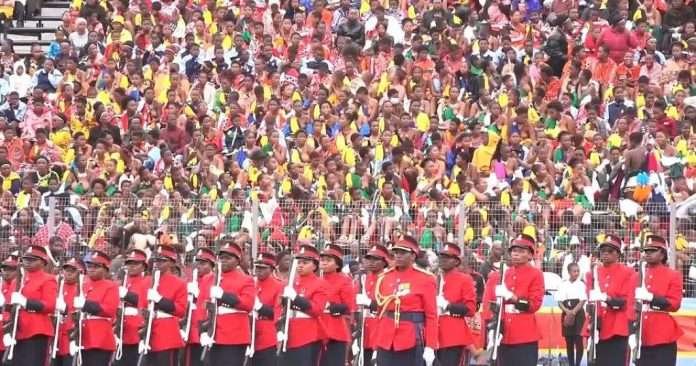
    Mbabane, Eswatini – (African Boulevard News) – Eswatini, Africa’s last absolute monarchy, commemorated its 55th year of independence from British colonial rule on Wednesday. The celebration was marked by a grand parade led by King Mswati III, who made his way to the Somhlolo National Stadium in Lobamba amidst cheering crowds.

    The event, steeped in tradition and patriotic fervor, was a moment of reflection and pride for the people of Eswatini. The day began with a ceremonial raising of the national flag, followed by the singing of the national anthem. As the parade started, the king, dressed in traditional regalia, waved to the enthusiastic crowds who had come out to show their support.

    In his address to the nation, King Mswati III emphasized the importance of unity and progress in building a prosperous future for Eswatini. He stated, “Today, we not only celebrate our independence but also reaffirm our commitment to the development and well-being of our nation. Together, we have achieved so much over the past 55 years, and together, we will continue to forge ahead.”

    Eswatini, formerly known as Swaziland, gained independence on September 6, 1968. Since then, the country has made significant strides in various sectors, including education, healthcare, and infrastructure development. Despite its small size, Eswatini has managed to maintain political stability and attract foreign investments, contributing to its economic growth.

    Commenting on the significance of the occasion, Dr. Nomthandazo Kunene, a political analyst, said, “Eswatini’s 55th independence anniversary is a testament to the resilience and determination of its people. It is a time to reflect on the progress made and the challenges that lie ahead. The celebration serves as a reminder that unity and collaboration are essential for the continued development of the country.”

    As Eswatini looks towards the future, it faces a number of pressing issues, including high unemployment rates and the need for diversification of the economy. The government has been implementing various initiatives to address these challenges, such as promoting entrepreneurship and attracting foreign investment.

    The 55th independence celebration not only served as a moment of national pride but also as a reminder of the work that lies ahead. The people of Eswatini are determined to build a prosperous and inclusive society, where every citizen can contribute to the country’s growth.

    As the parade concluded and the crowds dispersed, the spirit of unity and celebration remained in the hearts of the people. Eswatini’s 55-year journey since independence has been one of resilience and progress, and the nation looks forward to continued success in the years to come.

    Rwanda: Chilling Discovery of Serial Killer’s House of Horror Sends Shockwaves through the Nation

    0
    Read Time:2 Minute, 6 Second

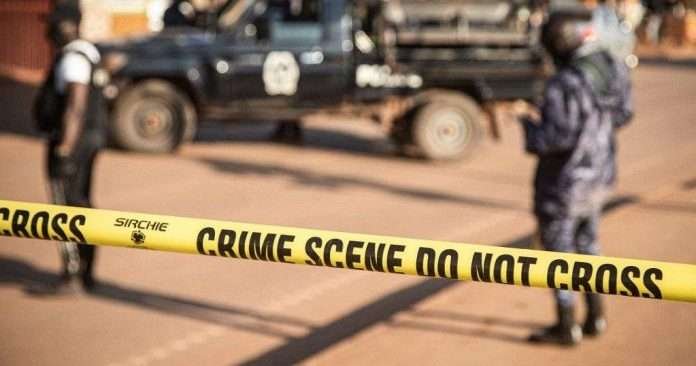
    Kigali, Rwanda – (African Boulevard News) – Rwanda police have made a breakthrough in a chilling case, arresting a suspected serial killer after discovering multiple bodies in his kitchen. The suspect, whose identity has not yet been released, is believed to have targeted vulnerable individuals, mostly prostitutes, who he lured to his home under false pretenses.

    According to authorities, the suspect’s modus operandi involved enticing his victims to his residence, where he would then rob them of their personal belongings, including their phones, before carrying out his gruesome acts. The victims were subsequently strangled and their bodies were buried in a pit, ingeniously concealed within the killer’s own kitchen.

    Police investigations commenced after the disappearance of several young women was reported in the Kigali area, sending shockwaves throughout the community. A thorough search was launched, leading investigators to the suspect’s residence. Upon entering the premises, law enforcement officials made the horrifying discovery of multiple bodies hidden beneath the floor of the suspect’s kitchen.

    The shocking revelation has sent shockwaves across the country, leaving many in disbelief that such heinous crimes were taking place in their midst. “This is truly a disturbing and tragic situation,” stated Sarah Mukamana, a local resident. “We need to be more vigilant and look out for each other, especially those who are vulnerable and may be more susceptible to falling victim to criminals.”

    As news of the arrest spread, local authorities moved swiftly to reassure the public that no stone will be left unturned in ensuring justice is served. “We are fully committed to bringing this perpetrator to justice and ensuring the safety of our citizens,” stated Police Spokesperson John Bosco Kabera. “We urge the public to remain calm and trust in the abilities of our law enforcement agencies to thoroughly investigate this case.”

    While the motive behind these heinous crimes remains unknown, there is an urgent need for societal reflection on the vulnerability of certain groups within our communities. Efforts must be made to ensure the safety and protection of sex workers and other individuals who may be at risk, as well as to address the root causes that lead to their vulnerability.

    The arrest of this suspected serial killer serves as a stark reminder that evil can lurk in the most unexpected places, requiring constant vigilance from both law enforcement agencies and the community as a whole. The trauma inflicted upon the families of the victims is unimaginable, and it is our collective responsibility to ensure that such crimes are thoroughly investigated and prevented in the future.

    Gabon: Ousted President “Freed” – International Concerns and Uncertain Fate Hang in the Balance

    0
    Read Time:2 Minute, 19 Second

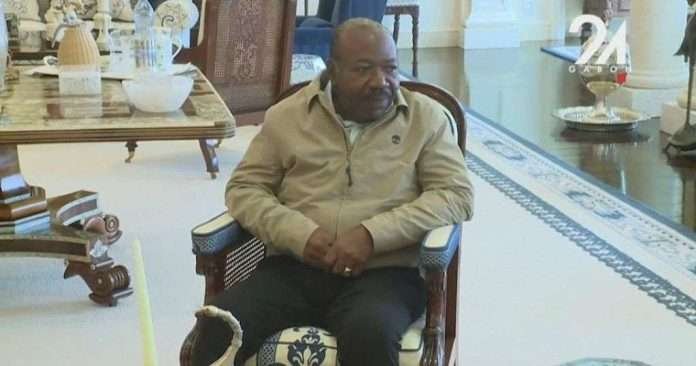
    Libreville, Gabon – (African Boulevard News) – In a shocking turn of events, the military junta in Gabon has declared the “freedom” of the ousted President, Ali Bongo Ondimba. Bongo, who has been facing health issues, can now travel abroad for medical check-ups if he wishes.

    Since the military coup and subsequent takeover by the National Restoration Council (CNR), there has been growing international concern over the well-being of Ali Bongo. The 63-year-old leader has been ailing for months and was even rumored to be on life support. However, in a recent statement, the junta assured the public that Bongo has “freedom of movement” despite being removed from power.

    There is a great deal of skepticism surrounding this announcement, with many questioning the true intentions of the CNR. Critics argue that allowing Bongo to travel abroad is merely a smokescreen to legitimize their rule and deflect international pressure. Sabrina Mbaziira, a political analyst, expressed her concerns, stating, “It is essential to closely monitor the situation and ensure the safety and well-being of the ousted president. This move by the junta must not be taken at face value.”

    The international community has been closely watching developments in Gabon since the coup. The African Union, European Union, and United Nations have all condemned the military takeover and called for a peaceful resolution. The CNR’s decision to “free” Bongo may be an attempt to ease some of this pressure. However, human rights organizations are calling for independent verification of the president’s health and conditions.

    Gabon, a small West African country with significant oil reserves, has experienced political instability in the past. Ali Bongo, who came to power in 2009 after the death of his father, has faced criticism for alleged corruption and authoritarian rule. The military coup was seen by some as an opportunity for change, but the subsequent actions of the CNR have raised concerns about the country’s future.

    As the situation in Gabon continues to evolve, it is crucial for the international community to remain vigilant. The fate of Ali Bongo remains uncertain, and the actions of the military junta must be closely monitored. The people of Gabon deserve a transparent and peaceful transition of power, with respect for human rights and democracy at the forefront.

    In the days to come, the world will be watching closely to see how the situation in Gabon unfolds. The fate of Ali Bongo and the future of the country hang in the balance. As international pressure mounts, it is essential for the CNR to act in the best interests of the Gabonese people and ensure a peaceful resolution to this crisis.

    Keywords: Gabon, military junta, ousted president, Ali Bongo, freedom, National Restoration Council, international community, political instability, human rights organizations, corruption, authoritarian rule, peaceful resolution.

    Africa: Witness the Vibrant Heartbeats and Striking Moments That Define Our Continent

    0
    Read Time:2 Minute, 22 Second

    Diaspora, Africa – (African Boulevard News) – Africanews has compiled a captivating collection of the best pictures that encapsulate the news events of September 6, 2023. From heartwarming moments to powerful visuals, these images tell stories that resonate with the pulse of our continent.

    1. Celebration of Independence:
      In one striking photograph, the streets of a vibrant African capital come alive with colors, as citizens commemorate their country’s Independence Day. The image captures the joy and pride that reverberate through the crowd, showcasing the unity and resilience of the nation.

    2. Environmental Activism:
      Another picture highlights the efforts of young environmental activists who have taken to the streets to raise awareness about climate change. Their passionate display serves as a reminder of the urgent need for sustainable practices and a greener future for Africa.

    3. Sports Triumph:
      Sports enthusiasts were treated to a moment of triumph as an African athlete crossed the finish line to claim gold at an international competition. The sheer determination etched on the woman’s face reflects the hard work and dedication that go into achieving such a milestone.

    4. Technological Advancements:
      The glimpse of a futuristic cityscape offers a glimpse into Africa’s burgeoning technology sector. This image captures the essence of progress and innovation, highlighting the continent’s potential as a hub for tech-driven solutions.

    5. Cultural Showcase:
      In a picture that exudes African pride, a renowned artist is seen proudly displaying his artwork, which celebrates the rich cultural heritage of the continent. The image serves as a reminder of the importance of preserving and promoting African traditions and creativity.

    Experts have praised the power of visual storytelling in capturing the essence of significant moments. According to Dr. Jane Owino, a renowned art historian and cultural critic, “The images of September 6, 2023, reflect the dynamism and diversity of Africa. They remind us of our shared experiences and inspire us to work towards a brighter future.”

    As the world becomes increasingly visual, pictures continue to play a crucial role in shaping public opinion and creating a lasting impact. These images act as a catalyst for dialogue, encouraging conversations around important issues such as environmental conservation, technological advancement, and cultural preservation.

    In a time marked by rapid change and uncertainty, these pictures of the day serve as a reminder of the resilience and spirit of Africa’s people. Through the lens of talented photographers, the world catches a glimpse of the beauty that lies within our continent, reinforcing the narrative of a rising Africa.

    From the celebration of independence to sports triumph and environmental activism, each photograph tells a unique story, painting a vivid picture of the ever-evolving African landscape. As we navigate the complexities of the modern world, images such as these serve as a source of inspiration, hope, and unity.

    To view the full collection of pictures from September 6, 2023, please visit Africanews at [insert URL].

    Gabon: Ousted President Ali Bongo Granted Lifeline to Health, Sparks New Hope and Uncertainty

    0
    Read Time:2 Minute, 12 Second

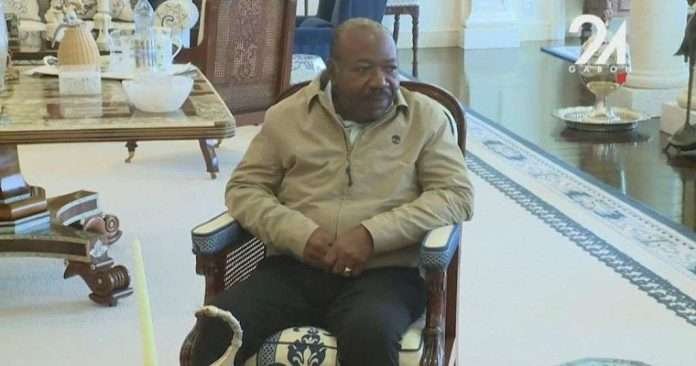
    Libreville, Gabon – (African Boulevard News) – In a surprising turn of events, Gabon’s ousted President Ali Bongo Ondimba has been granted permission to travel abroad for medical checks, according to the country’s post-coup leader. This announcement comes amidst mounting concerns about Bongo’s health and his ability to carry out his duties effectively.

    Following a period of political turmoil that saw the country plunge into a coup attempt, the post-coup leader has offered a glimpse of hope for the ousted president’s future. “Given his state of health, the former President of the Republic Ali Bongo Ondimba has freedom of movement. He can travel abroad if he wishes to carry out his medical checks,” the leader stated.

    The decision to allow Bongo to go abroad comes as a relief for many who have been keeping a close eye on the political situation in Gabon. Bongo’s health has been a subject of speculation and concern ever since he suffered a stroke in 2018. The effects of the stroke have raised questions about his ability to govern effectively, with some even calling for his resignation.

    However, this latest development indicates that there may be a glimmer of hope for Bongo’s return to a more active role in Gabonese politics. It is hoped that by seeking medical attention abroad, Bongo will be able to receive the necessary treatment and support to improve his health.

    Experts in the field of politics and governance have weighed in on the issue, highlighting the importance of stability in Gabon during this critical period. Dr. Jean-Paul Ondoua, a political analyst, stated, “It is in the best interest of the country to have a president who is capable of leading effectively. Allowing Ali Bongo to go abroad for medical checks is a step in the right direction towards ensuring stability and continuity.”

    The decision to grant Bongo permission to travel abroad has also been met with cautious optimism by the Gabonese people. Many hope that this move will pave the way for a peaceful resolution to the political crisis and encourage a return to normalcy.

    While there are still many uncertainties surrounding Bongo’s future and the overall political situation in Gabon, this recent development offers a glimmer of hope. The decision to allow Bongo to seek medical attention abroad underscores the importance of his health and well-being and may pave the way for a more stable and prosperous future for this African nation.

    As the situation continues to unfold, the eyes of the world remain fixed on Gabon, watching and waiting to see what the future holds for Ali Bongo Ondimba and the country he once led.

    Madagascar: President Rajoelina Ignites Political Blaze with Bid for Second and Final Term

    0
    Read Time:2 Minute, 4 Second

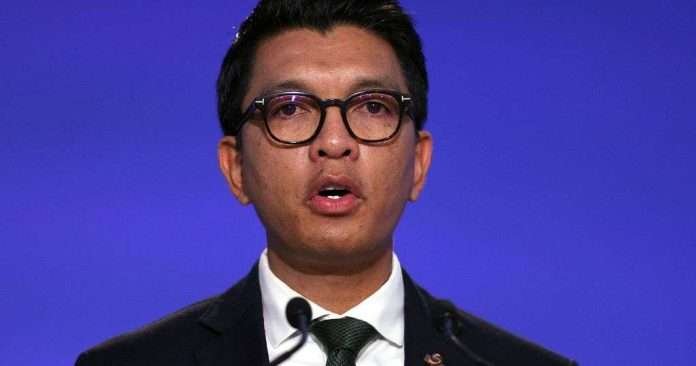
    Antananarivo, Madagascar – (African Boulevard News) – In a surprising announcement, Madagascar’s President Andry Rajoelina has declared his bid for re-election, setting the stage for another tense political battle in the region. Rajoelina, who came to power in 2019, made the announcement during a rally in the capital city of Antananarivo.

    “They have tried everything and devised every strategy to prevent me from standing for the presidency. Only the Constitution can prevent me from standing, and the Constitution allows me to run for re-election,” Rajoelina said to his supporters, emphasizing his determination to continue leading the country.

    Rajoelina’s decision to seek re-election comes as no surprise to political analysts, who have been closely monitoring his rise to power and his efforts to transform the country’s socio-economic landscape. During his tenure, Rajoelina has prioritized infrastructure development, economic reforms, and healthcare improvements.

    Under Rajoelina’s leadership, Madagascar has witnessed significant progress in various sectors, including the construction of new roads, bridges, and schools, as well as the expansion of healthcare facilities across the country. These initiatives have not only improved the lives of ordinary citizens but have also attracted foreign investments, boosting the nation’s economy.

    Despite these achievements, Rajoelina’s presidency has not been without controversy. Critics argue that he has centralised power and stifled opposition, raising concerns about the state of democracy in the country. However, Rajoelina maintains that his actions are necessary for stability and progress, citing the need for decisive leadership to tackle the challenges facing Madagascar.

    Political observers anticipate a fierce campaign as Rajoelina faces opposition from various contenders vying for the presidency. The upcoming election is expected to be a litmus test for the country’s democratic system and its ability to peacefully transition power.

    “The announcement of President Rajoelina’s bid for re-election sets the stage for a hotly contested campaign. It will be interesting to see how the electorate responds and whether the opposition can present a strong alternative,” said political analyst, Dr. Fidelis Ndlovu.

    While Rajoelina’s popularity remains high among certain segments of the population, others believe it is time for a change in leadership. The upcoming election will provide an opportunity for voters to weigh in on the president’s performance and the direction of the country.

    As Madagascar prepares for another crucial election, all eyes will be on the candidates as they present their visions for the future. The outcome will undoubtedly shape the trajectory of the country, determining its path towards progress, stability, and democratic governance.

    “Niger’s Junta Rejected: United Nations Shatters Hope for International Recognition, Sends Urgent Call for Democratic Restoration”

    0
    Read Time:2 Minute, 16 Second

    Niamey, Niger – (African Boulevard News) – In a disappointing turn of events, Niger’s junta-appointed prime minister Ali Lamine Zeine will not be attending the United Nations General Assembly in New York as planned. The United Nations has dashed Zeine’s hopes of representing Niger on the global stage, dealing a blow to the military junta’s efforts to gain international recognition.

    The decision to deny Zeine’s request to travel to the General Assembly was announced by the United Nations, citing concerns about the legitimacy of the military junta’s rule in Niger. This comes as a significant setback for the junta, which had hoped to use Zeine’s presence at the General Assembly to showcase their authority and seek support from the international community.

    While the military junta took control of Niger in a coup earlier this year, the international community has been cautious in recognizing their authority. The African Union and the Economic Community of West African States (ECOWAS) have condemned the coup and suspended Niger’s membership, demanding a swift return to civilian rule.

    The United Nations’ decision to deny Zeine’s attendance at the General Assembly reflects this broader international stance. The organization has emphasized that it will only engage with legitimate and democratically elected governments. By denying the junta’s prime minister the opportunity to address the General Assembly, the United Nations is sending a clear message that it does not recognize the military junta as the legitimate government of Niger.

    This development is likely to further isolate the junta and increase pressure for a return to civilian rule. The junta’s efforts to gain international recognition and support have been dealt a significant blow, and they will need to reassess their strategy moving forward.

    In response to the United Nations’ decision, Zeine expressed his disappointment but remained defiant. He argued that his attendance at the General Assembly would have provided an opportunity to present the junta’s plans for the future of Niger and seek international cooperation. However, it seems that the international community is not yet convinced of the junta’s intentions or its ability to govern effectively.

    As the military junta grapples with the consequences of this setback, the people of Niger are left waiting for a resolution to the ongoing political crisis. The international community’s refusal to recognize the junta’s authority underscores the importance of a return to democratic governance and the need for a peaceful transition of power in Niger.

    While the military junta may have hoped for a different outcome, the United Nations’ decision sends a clear message: legitimacy and democratic principles cannot be compromised. The world is watching, and it is imperative that Niger’s leaders find a peaceful and inclusive path to restore civilian rule and uphold the democratic aspirations of the people.

    Gabon’s Coup Throws China’s Naval Base Dreams into Chaos: Will General Oligui Honor the Agreement?

    0
    Read Time:2 Minute, 26 Second

    Libreville, Gabon – (African Boulevard News) – In a stunning turn of events, a recent coup d’état in Gabon has thrown a wrench into China’s plans to establish a naval base in the country. Chinese diplomats are closely monitoring the situation as General Oligui assumes control of Gabon’s transitional government, putting Beijing’s hard-won deal with now-deposed president Ali Bongo in jeopardy.

    The timing of the coup is particularly unfortunate for China, as the country had recently secured a deal with President Bongo to establish a naval base in Gabon. This strategic move would have allowed China to expand its military presence in the region and gain a foothold in the oil-rich Gulf of Guinea. The naval base would have provided China with a significant advantage in terms of maritime security and control over vital trade routes.

    However, with the coup, the future of China’s ambitions in Gabon remains uncertain. General Oligui’s first steps in office will be closely watched by Chinese diplomats, who are eager to assess his stance on the China-Gabon naval base agreement. The general’s decision will not only impact China’s geopolitical interests but also have implications for the balance of power in the region.

    Experts believe that China’s growing influence in Africa, particularly in terms of infrastructure development and economic partnerships, has raised concerns among some African leaders. The coup in Gabon is seen by many as a reflection of these concerns, as well as a desire to maintain a balance of power in the region. The outcome of this power struggle will undoubtedly shape geopolitical dynamics in Africa and beyond.

    China’s naval base plans in Gabon have been met with mixed reactions. While some argue that the base would have brought much-needed investment and job opportunities to the country, others worry about the potential consequences of giving China a greater military presence in the region. The coup provides an opportunity for Gabonese officials to reassess the agreement and evaluate its long-term implications.

    As the situation unfolds, all eyes are on Gabon and its new leadership. Will General Oligui honor the China-Gabon naval base agreement, or will he choose to pursue a different path? The answer to this question will have far-reaching consequences for both China and Gabon, as well as for the geopolitical landscape of Africa.

    In conclusion, the recent coup d’état in Gabon has thrown China’s plans for a naval base in the country into disarray. General Oligui’s decisions in the coming weeks will determine the fate of the China-Gabon naval base agreement and have wider implications for China’s influence in Africa. As the world watches, the balance of power in the region hangs delicately in the balance.

    URLs:
    https://www.africaintelligence.com/central-africa/2023/09/07/coup-d-etat-freezes-china-s-gabon-naval-base-plan,110040506-eve
    https://www.google.com/search?q=gabon+coup+detat+freezes+chinas+gabon+naval+base+plan

    “Niger’s Junta Rejected: United Nations Shatters Hope for International Recognition, Sends Urgent Call for Democratic Restoration”

    0
    Read Time:2 Minute, 16 Second

    Niamey, Niger – (African Boulevard News) – In a disappointing turn of events, Niger’s junta-appointed prime minister Ali Lamine Zeine will not be attending the United Nations General Assembly in New York as planned. The United Nations has dashed Zeine’s hopes of representing Niger on the global stage, dealing a blow to the military junta’s efforts to gain international recognition.

    The decision to deny Zeine’s request to travel to the General Assembly was announced by the United Nations, citing concerns about the legitimacy of the military junta’s rule in Niger. This comes as a significant setback for the junta, which had hoped to use Zeine’s presence at the General Assembly to showcase their authority and seek support from the international community.

    While the military junta took control of Niger in a coup earlier this year, the international community has been cautious in recognizing their authority. The African Union and the Economic Community of West African States (ECOWAS) have condemned the coup and suspended Niger’s membership, demanding a swift return to civilian rule.

    The United Nations’ decision to deny Zeine’s attendance at the General Assembly reflects this broader international stance. The organization has emphasized that it will only engage with legitimate and democratically elected governments. By denying the junta’s prime minister the opportunity to address the General Assembly, the United Nations is sending a clear message that it does not recognize the military junta as the legitimate government of Niger.

    This development is likely to further isolate the junta and increase pressure for a return to civilian rule. The junta’s efforts to gain international recognition and support have been dealt a significant blow, and they will need to reassess their strategy moving forward.

    In response to the United Nations’ decision, Zeine expressed his disappointment but remained defiant. He argued that his attendance at the General Assembly would have provided an opportunity to present the junta’s plans for the future of Niger and seek international cooperation. However, it seems that the international community is not yet convinced of the junta’s intentions or its ability to govern effectively.

    As the military junta grapples with the consequences of this setback, the people of Niger are left waiting for a resolution to the ongoing political crisis. The international community’s refusal to recognize the junta’s authority underscores the importance of a return to democratic governance and the need for a peaceful transition of power in Niger.

    While the military junta may have hoped for a different outcome, the United Nations’ decision sends a clear message: legitimacy and democratic principles cannot be compromised. The world is watching, and it is imperative that Niger’s leaders find a peaceful and inclusive path to restore civilian rule and uphold the democratic aspirations of the people.