Sunday, May 3, 2026
80.4 F
Lagos
More
    Home Blog Page 194

    Angola Embraces Russian Culture with Opening of Cultural Center, Igniting Collaboration and Exchange

    0
    Read Time:2 Minute, 33 Second

    Luanda, Angola – (African Boulevard News) – Russia is set to expand its cultural influence in Africa with the establishment of cultural centers in several African cities. Among the cities slated to host these centers is Angola’s capital, Luanda.

    The move is part of Moscow’s efforts to extend its soft power on the continent. Russia aims to leverage cultural diplomacy to strengthen its ties with African countries and foster bilateral relations. By investing in cultural centers, Russia hopes to promote its language, arts, and cultural traditions, while also facilitating cultural exchange with African nations.

    According to sources, Angola is one of the countries selected for the inaugural launch of these centers. This decision underscores the growing importance of Angola in Russia’s African strategy. Luanda, with its vibrant arts scene and diverse cultural heritage, provides an ideal platform for Russia to showcase its cultural offerings.

    The opening of the cultural center in Luanda will not only present opportunities for Angolan artists and performers but also provide a platform for Russian artists to exhibit their talent. It will serve as a space for cultural exchange, fostering understanding and appreciation between the two nations.

    Angolan artists and cultural institutions are excited about the prospects of collaboration with their Russian counterparts. Renowned Angolan painter, Antonio Olé, expressed his enthusiasm, stating, “This initiative will create new avenues for cultural exchange, allowing us to learn from each other’s traditions and inspire artistic expression.”

    The move by Russia aligns with Angola’s own cultural aspirations. The Angolan government has been investing in its cultural sector to stimulate economic growth and promote national identity. The establishment of a Russian cultural center in Luanda is a testament to the mutual recognition and appreciation of the cultural heritage of both nations.

    As Angola prepares to welcome this cultural endeavor, other African cities are also set to benefit from Russia’s cultural diplomacy. Dakar, the capital of Senegal, is another city where a Russian cultural center is expected to open its doors. This move demonstrates Russia’s commitment to engaging with countries across the continent and strengthening cultural ties beyond the borders of Angola.

    With the establishment of cultural centers in Luanda and Dakar, Russia is taking proactive steps to foster cultural dialogue and cooperation. This investment in cultural diplomacy is a testament to Russia’s long-term vision for engagement with Africa, highlighting the significance of soft power in forging strong bilateral relations.

    As Russia rolls out its cultural diplomacy, it is evident that the continent of Africa holds immense opportunities for cultural exchange and mutual understanding. The new cultural centers in Luanda and Dakar will serve as important hubs for cultural dialogue and will further enhance the ties between Russia and African nations.

    In conclusion, the establishment of cultural centers in Angola and Senegal marks an exciting chapter in Russia’s engagement with Africa. Through cultural diplomacy, Russia aims to strengthen its relationship with African countries, promote its arts and culture, and foster mutual understanding. The opening of these centers in Luanda and Dakar will promote cultural exchange and collaboration, enriching both African and Russian societies.

    Gabon’s Controversial U-turn: Will the Return of the Old Guard Bring Stability or Stifle Democracy?

    0
    Read Time:2 Minute, 13 Second

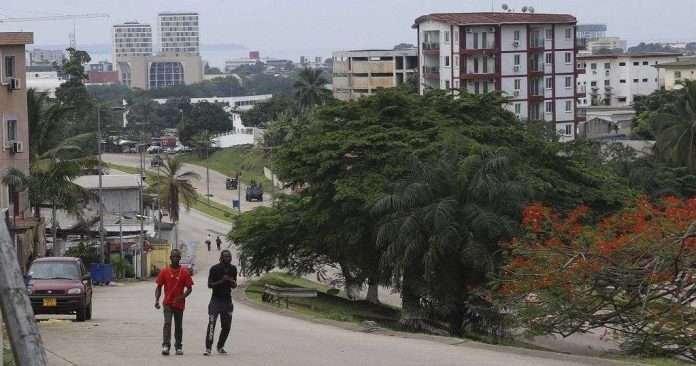
    Libreville, Gabon – (African Boulevard News) – In a surprising move following the recent military coup in Gabon, General Oligui Nguema, the interim head of state, has brought back the old guard by appointing political heavyweights who were previously close to his predecessors Omar and Ali Bongo.

    The decision to reinstate the old guard has raised eyebrows among political analysts and citizens alike. Some see it as a strategic move to ensure stability and continuity, while others perceive it as a step backward for the country’s democratic progress.

    According to a report by Africa Intelligence, Gen Oligui Nguema’s decision to bring back the old guard has sparked concerns that the country may be returning to a era of autocracy and nepotism. This move also contradicts the initial promises of the interim leader to usher in a new era of transparency and inclusivity.

    The decision to involve political heavyweights who were close to the Bongo family raises questions about the true intentions of Gen Oligui Nguema and whether he plans to maintain the status quo or implement meaningful reforms.

    Critics argue that the return of the old guard could impede progress and hinder the country’s efforts to address crucial issues such as corruption, economic diversification, and social inequality. They believe that fresh faces and new ideas are needed to tackle these challenges head-on.

    However, some observers argue that Gen Oligui Nguema’s decision may have been motivated by a desire to bring together a diverse range of political voices and ensure a smooth transition of power. They suggest that the inclusion of the old guard could help bridge the divide between different factions within the country and promote national unity.

    In a statement to African Boulevard News, political analyst Dr. Marie Mbemba highlighted the potential consequences of bringing back the old guard, stating, “While the move may help to maintain stability in the short term, it runs the risk of perpetuating a system that has historically favored a few at the expense of the many. To truly move forward, Gabon needs fresh leadership and a commitment to genuine democratic reforms.”

    As Gabon navigates through this period of political uncertainty, the country’s citizens and international community will be closely watching to see how Gen Oligui Nguema’s decision to bring back the old guard will shape the future of the nation.

    While there are valid concerns about the potential implications of this move, only time will tell if it will lead to positive change or reinforce the existing power structures. One thing is certain – the decisions made in the coming months will have a profound impact on Gabon’s political landscape and its people’s aspirations for a brighter future.

    Kenya: Groundbreaking App Empowers Farmers to Beat the Rain and Boost Yields

    0
    Read Time:2 Minute, 33 Second

    Nairobi, Kenya – (African Boulevard News) – In a bid to address the challenges faced by small-scale farmers in Kenya, a Kenyan startup has developed a mobile application that connects farmers with tractor owners who can help plough their fields. The app, aptly named “Mkulima Tractor App,” aims to revolutionize the farming sector by providing farmers easy access to machinery essential for their agricultural activities.

    The first advantage of the Mkulima Tractor App is speed. With just a few taps on their smartphones, farmers can request tractor services and have their fields ploughed in no time. This speed is crucial as it allows farmers to complete the ploughing before the rain, ensuring that they can plant their crops on time. According to James Kimani, a small-scale farmer in Nakuru County, “The app has been a game-changer for me. I no longer have to wait for days or even weeks to have my fields ploughed. The work is done quickly, and I can proceed with planting without delays.”

    The second advantage of the app is affordability. Owning a tractor can be financially burdensome for many small-scale farmers. However, with the Mkulima Tractor App, farmers can access tractor services at affordable rates. The app connects farmers with tractor owners who are willing to provide their services at a reasonable cost. This has significantly reduced the financial burden on farmers, allowing them to allocate their resources to other crucial aspects of their farming activities.

    One farmer who has benefited from the affordability aspect of the Mkulima Tractor App is Jane Muthoni, a farmer from Kiambu County. “Before the app, hiring a tractor was financially draining for me. Now, I can easily find a tractor owner through the app, and the rates are much more affordable. It has made a huge difference in my farming journey,” she shared.

    The Mkulima Tractor App has gained popularity among farmers across Kenya. Small-scale farmers, in particular, have embraced the technology, recognizing the convenience and benefits it offers. The app’s user-friendly interface and easy navigation have made it accessible to farmers with varying levels of technological literacy.

    In addition to connecting farmers with tractor owners, the Mkulima Tractor App also provides a platform for agricultural information sharing. Farmers can access tips, market prices, and weather updates, making it a comprehensive tool for their farming needs.

    As the agricultural sector plays a critical role in Kenya’s economy, innovations like the Mkulima Tractor App are vital in improving the efficiency and productivity of farmers. By addressing the challenges of access to machinery and affordability, this app is empowering small-scale farmers and contributing to the growth of the agricultural sector.

    With the success of the Mkulima Tractor App, the Kenyan startup behind it is now looking to expand its services to other countries in Africa. By leveraging technology, they aim to revolutionize farming practices and transform the livelihoods of farmers on the continent.

    URLs:
    [1] Africanews: Kenya: The app helping farmers with tractors to plough fields
    [2] Google Search: Kenya: The app helping farmers with tractors to plough fields

    Cameroon: Tragedy Strikes as Armed Militants Ambush Cars, Open Fire on Innocent Passengers and Engulf Vehicles in Flames

    0
    Read Time:2 Minute, 25 Second

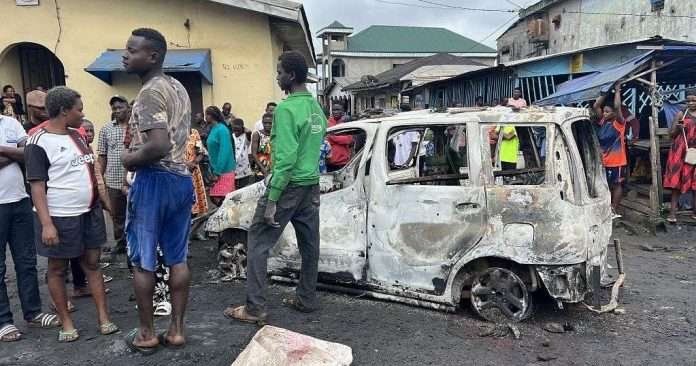
    Yaounde, Cameroon – (African Boulevard News) – Cameroon was struck by tragedy yesterday as at least three people were killed in an attack believed to have been carried out by separatist rebels in the country’s troubled Anglophone regions. Witnesses reported that armed militants ambushed cars, opened fire at passengers, and even went so far as to set vehicles ablaze in a horrifying display of violence.

    The attack took place early on Thursday along the road that connects the towns of Kumba and Buea in the Southwest region, an area deeply affected by the ongoing Anglophone crisis. This region has been plagued by unrest since 2016, with separatists demanding independence from the majority French-speaking Cameroon.

    Eyewitnesses described a scene of chaos and fear. “I was traveling in a bus when suddenly armed men emerged from the bushes,” recalled one survivor. “They started shooting at us without warning. People were screaming, trying to hide, and begging for their lives.”

    According to local authorities, the assailants also set several vehicles on fire, leaving behind a trail of destruction and panic. The exact number of casualties is still being determined, as injured victims are being treated at nearby hospitals.

    Cameroon’s government has blamed separatist rebels for the attack. While no group has claimed responsibility thus far, the incident is reminiscent of past attacks carried out by armed secessionist factions in the Anglophone regions. These rebels have frequently targeted security forces, government officials, and civilians they perceive to be collaborating with the government.

    The ongoing separatist conflict has caused immense suffering for the people of Cameroon’s Anglophone regions, with both sides accused of committing human rights abuses. The United Nations estimates that over 3,000 people have been killed and more than 700,000 internally displaced since the crisis began.

    International human rights organizations have condemned the violence and called for an end to the conflict. Amnesty International, in a statement, called on all parties involved to respect international humanitarian law and ensure the protection of civilians.

    As the situation in the Anglophone regions continues to deteriorate, urgent action is needed to bring about a peaceful resolution. The government of Cameroon must prioritize dialogue and engage with all stakeholders to address the legitimate grievances of the Anglophone population.

    The international community also has a responsibility to support efforts to end the crisis and provide humanitarian assistance to those affected. Cameroon’s neighboring countries and regional bodies, such as the African Union and the Economic Community of Central African States, should work together to find a lasting solution that ensures peace and stability in the region.

    Until a comprehensive resolution is reached, the people of Cameroon’s Anglophone regions will continue to live in fear, and more lives will be lost to the senseless violence perpetrated by all sides of this conflict. It is time for all parties involved to lay down their weapons and embrace peace for the sake of the Cameroonian people.

    Gabon: A Ray of Hope Emerges as Military Junta and Mediator Draft Roadmap for Democracy, Promising Stability and Prosperity

    0
    Read Time:2 Minute, 11 Second

    Libreville, Gabon – (African Boulevard News) – Central Africa’s mediator for Gabon and the country’s new military ruler have reached a critical agreement to draft a “roadmap” for reinstating democratic governance after a recent coup plunged the nation into political turmoil. This significant development provides hope for a swift return to stability in Gabon.

    In a meeting between the mediator and the military junta, it was decided that a roadmap would be designed to outline the steps necessary for a peaceful and orderly transition back to democratic rule. Although the details of the roadmap have not been released, it is expected to include a framework for political negotiations, electoral reforms, and mechanisms for ensuring a fair and transparent election process.

    The agreement comes in the wake of the coup that took place last week, which saw the military overthrow the government of President Ali Bongo. The military takeover drew widespread condemnation from the international community, with calls for a swift return to civilian rule.

    This latest development offers a glimmer of hope for the people of Gabon, who have long yearned for a democratic society. The drafting of the roadmap signifies a willingness on the part of the military junta to engage in dialogue and work towards a peaceful resolution. It also indicates a recognition of the importance of democratic governance in ensuring stability and prosperity for the nation.

    The involvement of a mediator in the process is crucial in facilitating discussions and ensuring that the roadmap is fair and inclusive. The mediator will help bridge the gap between the military junta and opposition groups, fostering an environment of trust and cooperation.

    In the international community, there is cautious optimism regarding the agreement. Experts view it as a positive first step towards resolving the political crisis in Gabon. However, there is a recognition that the implementation of the roadmap will be the true test of the military junta’s commitment to democratic principles.

    As the draft roadmap takes shape, it is expected that various stakeholders, including civil society groups and political parties, will have an opportunity to provide input and shape the future of Gabon. Their voices will be crucial in ensuring that the roadmap reflects the aspirations and interests of the Gabonese people.

    While the road ahead may be challenging, the agreement to draft a roadmap for a return to democracy is a significant milestone. It provides a glimmer of hope for a brighter future for Gabon, one marked by democratic governance, political stability, and economic prosperity. As the nation navigates this critical juncture, the international community will be watching closely and offering its support along the way.

    Sudan: Millions Suffer in Silence as Healthcare System Crumbles under Ongoing Conflicts

    0
    Read Time:2 Minute, 12 Second

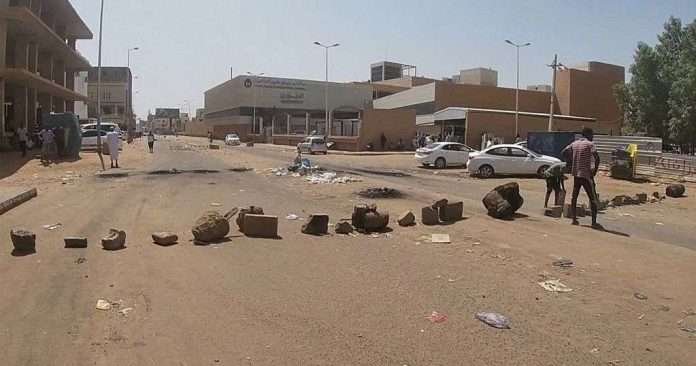
    Khartoum, Sudan – (African Boulevard News) – Over half of Sudan’s population is unable to access adequate health services, according to a report released by the World Health Organization (WHO). The study reveals that 5% of the population, approximately 8 million people, have no access to health services at all. This alarming statistic is largely attributed to ongoing conflicts in the country, which have resulted in the closure of 70% of health centers.

    The WHO Chief, Dr. Tedros Adhanom Ghebreyesus, expressed deep concern over the situation, stating, “Access to healthcare is a basic human right, and it is heartbreaking to see so many Sudanese citizens unable to receive the medical care they desperately need.” The impact of the closures is particularly devastating in rural areas where access to healthcare facilities was already limited.

    The closure of health centers has not only left millions without access to primary healthcare, but it has also disrupted essential services such as vaccinations, reproductive health, and emergency care. This puts vulnerable populations, such as children and pregnant women, at an even higher risk.

    Dr. Tedros further emphasized the need for urgent action to address the crisis, stating, “We cannot continue to ignore the plight of these individuals. It is imperative that the international community comes together to support Sudan in rebuilding its healthcare infrastructure and ensuring access to quality healthcare for all.”

    The situation in Sudan has been further exacerbated by a shortage of healthcare workers. The ongoing conflicts have resulted in the displacement of medical professionals, leaving communities without the necessary expertise to provide essential healthcare services. This gap in the healthcare workforce needs to be urgently addressed to reverse the current crisis.

    Efforts to improve the healthcare situation in Sudan will require not only financial support but also political commitment to resolving conflicts and ensuring stability in the region. The international community must work hand in hand with the Sudanese government to prioritize the rebuilding of healthcare infrastructure and the training and recruitment of healthcare professionals.

    As the country continues to struggle with ongoing conflicts and the impact of these closures, the WHO’s report serves as a stark reminder of the urgent need for action. Every individual, regardless of their circumstances, deserves access to quality healthcare. Addressing the healthcare crisis in Sudan will not only save lives but also contribute to the overall development and stability of the country.

    The plight of millions in Sudan unable to access healthcare services is a call to action that cannot be ignored. It is time for the international community to come together and support Sudan in rebuilding its healthcare infrastructure, ensuring access to quality healthcare for all its citizens.

    Gabon: Former Ally Turned Critic Takes Charge – How Will Ndong Sima Lead the Nation’s Turbulent Transition?

    0
    Read Time:2 Minute, 17 Second

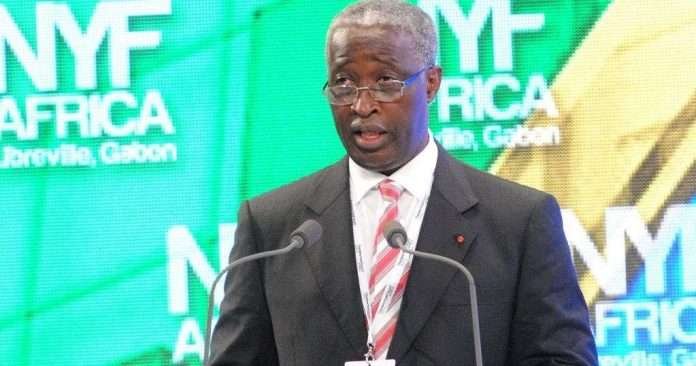
    Libreville, Gabon – (African Boulevard News) – In a surprising move, the junta in Gabon has appointed Ndong Sima, a former ally of President Ali Bongo, as the transitional prime minister. Sima, 68, previously served as Bongo’s Prime Minister from 2012 to 2014 but had distanced himself from the regime, criticizing its governance practices.

    The decision to appoint Sima as the transitional prime minister comes after the military coup in Gabon that overthrew President Ali Bongo. The junta aims to stabilize the country and facilitate a smooth transition to a democratically elected government.

    Sima’s appointment has raised eyebrows among political analysts, as he had been a vocal critic of Bongo’s administration. His decision to run against the head of state in previous elections showcased his determination to bring about change in Gabon. However, it appears that the junta sees value in his experience and believes he can contribute to the transition process.

    Commenting on Sima’s appointment, political analyst Marie-Claire Nze explained, “While it may be surprising to some, this move by the junta shows that they are willing to include individuals from different political backgrounds to ensure a smooth transition. Sima’s experience as a former prime minister will undoubtedly be valuable during this critical period.”

    During his tenure as Prime Minister, Sima implemented several policies aimed at improving governance and promoting development in Gabon. However, he eventually became disillusioned with the regime’s lack of commitment to these reforms, leading to his resignation in 2014.

    Sima’s appointment as the transitional prime minister is seen as a strategic move by the junta to appease different factions within Gabon’s political landscape. By including a former ally of Bongo, they hope to bridge the divide and create a united front for the transition process.

    As Gabon looks towards the future, there are concerns about the path the country will take. The junta’s decision to appoint Sima is met with skepticism by some who question the sincerity of the transitional promises. However, there is also optimism that this unprecedented move could pave the way for a truly inclusive and transparent democratic process.

    In this critical period, Gabon needs strong and capable leadership to guide the country towards stability and prosperity. Sima’s appointment as the transitional prime minister offers a glimmer of hope for a nation that has longed for change.

    As the dust settles in Gabon, all eyes are now on Ndong Sima and his ability to navigate the complexities of the transition process. Only time will tell if this appointment will bring about the transformation that the Gabonese people desire.

    URLs:
    1. https://www.africanews.com/2023/09/07/gabon-junta-appoints-former-bongo-ally-transitional-prime-minister/
    2. https://www.google.com/search?q=Gabon+junta+appoints+former+Bongo+ally+transitional+prime+minister

    Senegal: Gripping Film Exposes Horrifying European Migration Journey, Igniting Urgent Action

    0
    Read Time:2 Minute, 27 Second

    Dakar, Senegal – (African Boulevard News) – The recently concluded Venice Film Festival saw the premier of “Io Capitano,” a powerful film that sheds light on the dreadful journey to Europe undertaken by Senegalese migrants. Directed by a Belgian-Italian team, this co-production stars Seydou Sarr and Moustapha Fall, and features a cast of non-professional actors. Filmed over the course of 13 weeks in Morocco, Italy, and Senegal, “Io Capitano” offers a compelling narrative that captures the challenges faced by many migrants in their quest for a better life.

    The film follows the stories of two Senegalese friends, Ibrahim and Mamadou, as they embark on their perilous journey to Europe. Through their eyes, the audience experiences the harsh realities and dangers encountered along the way, including treacherous sea voyages, exploitation, and xenophobia. “Io Capitano” portrays the emotional and physical toll endured by those seeking refuge and economic opportunities in Europe, highlighting the urgency of addressing the root causes of migration.

    Critics have praised the film for its authentic portrayal of the migrant experience. The non-professional actors bring a rawness and genuineness to their performances, effectively conveying the desperation and hope that characterize the lives of many migrants. The director’s decision to film in actual locations adds to the film’s realism, immersing viewers in the atmosphere of the migrants’ journey.

    “Io Capitano” has sparked important discussions about migration and the need for comprehensive solutions. Experts and advocates argue that the film serves as a wake-up call, urging governments and international organizations to address the underlying issues that drive people to leave their homelands. Only by tackling poverty, inequality, and conflict can we hope to reduce the number of individuals forced to take such dangerous routes to seek a better life.

    “As filmmakers, our goal was to shed light on the human stories behind the headlines,” said the director of “Io Capitano.” “We wanted to humanize the migrant experience and generate empathy among audiences. We hope that our film will contribute to a more compassionate and informed dialogue on migration.”

    The impact of “Io Capitano” extends beyond the festival circuit. It has already sparked interest from distributors around the world, raising hopes that the film will reach a wider audience. By sharing the stories of Ibrahim and Mamadou, “Io Capitano” not only sheds light on the experiences of Senegalese migrants but also echoes the journeys undertaken by countless others from different parts of Africa.

    As the international community continues to grapple with the complex issue of migration, films like “Io Capitano” provide a necessary platform for understanding and empathy. By amplifying the voices and experiences of migrants, these films can help shape policies and actions that address the root causes of migration while providing support and protection for those in need.

    URLs:
    Africanews.com – Venice Film Festival: ‘Io Capitano’ tells dreadful journey to Europe of Senegalese migrants
    Google Search – Venice Film Festival ‘Io Capitano’ tells dreadful journey to Europe of Senegalese migrants

    Africa: Battle for Equality – Burkina Faso’s Captain Traoré Challenges French Imperialism, Calling for Policy Change

    0
    Read Time:2 Minute, 14 Second

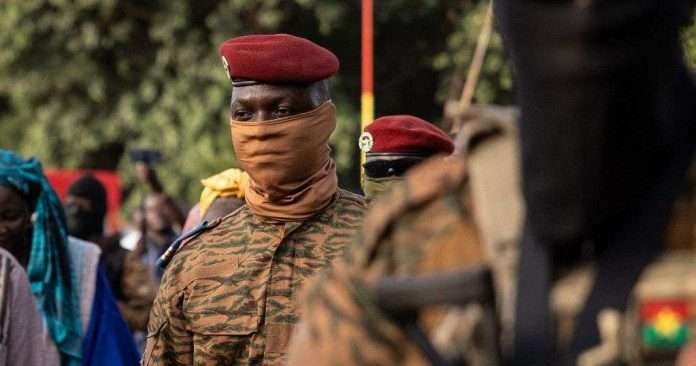
    Diaspora, Africa – (African Boulevard News) – “We are not enemies with the French people, it is the policy of those who run France which poses a problem in Africa, so as long as a State is not in an imperialist spirit (…) there is no problem,” stated Captain Traoré in a recent interview. The statement came in response to growing tensions between Burkina Faso and France, as the West African nation accuses the former colonial power of interfering in its affairs.

    Burkina Faso, a landlocked country in West Africa, has experienced political instability in recent years, including a military coup in 2022. Captain Traoré, the leader of the coup, defended his actions by stating that the military’s intervention was necessary to address corruption and mismanagement in the government.

    In the interview, Captain Traoré emphasized that the coup was not directed against the French people, but rather against the policies pursued by the French government. He argued that it is these policies, which he perceives as imperialistic, that are problematic for Burkina Faso and other African nations.

    The relationship between Burkina Faso and France has been strained in recent years. The West African country has accused France of meddling in its internal affairs and undermining its sovereignty. These accusations have been fueled by the French military’s presence in the region, particularly in the fight against Islamist militants.

    Experts on the region have weighed in on the issue, highlighting the complex history between Burkina Faso and France. They acknowledge the grievances felt by many in Burkina Faso, who view France’s actions as an attempt to maintain control and exploit the country’s resources.

    However, they also caution against a complete breakdown in relations between the two countries. France remains an important economic partner for Burkina Faso, and cooperation is needed to address the security challenges in the region.

    The statement from Captain Traoré reflects a desire for a more equitable relationship between Burkina Faso and France. It signals an acknowledgement that the issues lie with the policies pursued by the French government, rather than the French people as a whole.

    As Burkina Faso continues its path towards stability and economic development, it is important for both countries to work towards a more equal partnership. This involves addressing the concerns raised by Burkina Faso and ensuring that policies pursued by France are in the best interest of both nations.

    In conclusion, Captain Traoré’s statement serves as a reminder that the issues between Burkina Faso and France are rooted in policy differences and not a reflection of enmity towards the French people. It is now up to both countries to find common ground and forge a relationship based on mutual respect and cooperation.

    Senegal: Navy Thwarts Dangerous Journey of 118 Migrants, Sheds Light on Perilous Struggle for a Better Life

    0
    Read Time:2 Minute, 17 Second

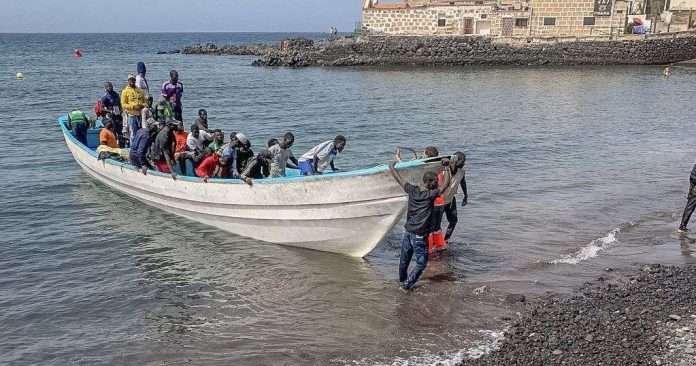
    Dakar, Senegal – (African Boulevard News) – Senegal’s ongoing battle with irregular migration continues as the country’s Navy intercepted another pirogue attempting to transport migrants to Europe. This latest interception comes just days after a similar incident occurred off the coast of Senegal. The Senegalese Navy successfully halted the journey of 118 irregular migrants on Wednesday, highlighting the persistent challenges faced by the country in combating this dangerous phenomenon.

    The pirogue, a traditional fishing boat commonly used by migrants attempting to reach European shores, was intercepted off the coast of Dakar. The Senegalese Navy swiftly intervened, ensuring the safety of those aboard the vessel. This interception serves as a testament to the country’s commitment to curbing irregular migration and protecting the lives of migrants who often risk everything in search of a better future.

    Irregular migration has become a contentious issue in recent years, as thousands of individuals, mostly from sub-Saharan African countries, risk their lives on perilous journeys across the Mediterranean Sea. Senegal, with its strategic location, has become a vital transit point for these migrants, who often face treacherous conditions and exploitation along the way.

    While the interception of this pirogue is a positive step towards addressing the issue, it underscores the need for greater international cooperation and comprehensive solutions. The root causes of irregular migration, such as poverty, conflict, and lack of economic opportunities, must be tackled to effectively reduce the demand for such dangerous journeys.

    Speaking on the interception, Dr. Aminata Ndiaye, an expert in migration studies, emphasized the importance of a multi-faceted approach. “We need to address the push factors that drive individuals to embark on these perilous journeys. This includes creating economic opportunities, promoting regional stability, and enhancing cooperation between countries of origin, transit, and destination.”

    Senegal has taken steps to address irregular migration, including the implementation of a national strategy aimed at raising awareness, strengthening border control, and providing support to returning migrants. However, further efforts are needed to address the complex web of factors contributing to this issue.

    The interception of another migrant pirogue off the coast of Senegal serves as a stark reminder of the ongoing challenges faced by both migrants and the countries involved. Building a safer and more prosperous future requires a collective effort, with enhanced collaboration, targeted policies, and a commitment to finding sustainable solutions. Only through such comprehensive action can we hope to effectively address irregular migration and alleviate the suffering endured by those who embark on these perilous journeys.

    (Content: The Senegalese Navy stopped the journey of 118 irregular migrants off the country’s coast on Wednesday, the latest in a series of interceptions of pirogues attempting to reach Europe, the armed…)

    URLs:
    Senegal: another migrant pirogue intercepted
    Google Search: Senegal another migrant pirogue intercepted