Sunday, May 3, 2026
81.7 F
Lagos
More
    Home Blog Page 190

    Africa: French Deputy Rachel Keke Defends Social Housing Choice Amidst Criticism, Stands Firm in Serving the People

    0
    Read Time:2 Minute, 21 Second

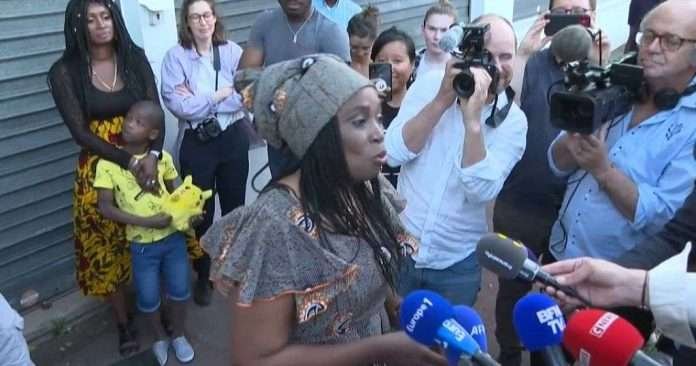
    Diaspora, Africa – (African Boulevard News) – French deputy, Rachel Keke, has vowed to keep her social housing despite earning a substantial salary, as she defended herself against criticism from right-wing parties. Keke emphasized that she did not view her work as a parliamentarian as a career, but rather as a means to serve the people.

    As an elected representative of the National Assembly in France, Keke receives a monthly salary of €7,043.69. However, rather than opting for more extravagant living arrangements, she has chosen to continue living in her social housing unit. This decision has drawn attention and sparked debate among French citizens, particularly those who believe that individuals in positions of power should not benefit from government-subsidized housing.

    Keke’s determination to remain in her social house reflects her commitment to the principles she advocates for. She believes that it is important for elected officials to understand the realities faced by their constituents and to remain connected to the communities they represent.

    Responding to the criticism, Keke stated, “I did not enter politics to accumulate wealth or privileges for myself. My focus is on addressing the needs and concerns of the people who put their trust in me. By living in social housing, I can better understand the challenges faced by those who rely on these accommodations.”

    While some argue that Keke should vacate her social housing unit and make way for those in greater need, others support her decision, seeing it as a demonstration of integrity and a commitment to social equality. Keke’s stance has resonated with many, who believe that true representation requires an understanding of the lived experiences of the most vulnerable members of society.

    Industry experts have weighed in on the matter, with some praising Keke’s choice as a testament to her dedication to the principles of social justice and inclusion. Others, however, argue that her decision may be seen as hypocritical, as parliamentarians are granted certain privileges and benefits that are not available to the majority of the population.

    Keke’s determination to remain in her social housing unit highlights the complexities of the socioeconomic landscape. It raises questions about the responsibility of elected officials and the ways in which they can bridge the gap between themselves and the communities they serve. While her decision may be viewed differently by various factions, it undoubtedly sparks important conversations about privilege, social equity, and political representation.

    In the end, Rachel Keke’s decision to keep her social housing unit despite her substantial salary has become a subject of debate in France. Whether seen as a statement of solidarity or as an example of political incongruity, it serves as a reminder that the actions and choices of elected officials are closely scrutinized and carry profound implications for the public perception of their commitment to the people they represent.
    Africa: A New Era of Global Influence Begins as African Union Inches Closer to G20 Membership

    0
    Read Time:2 Minute, 33 Second

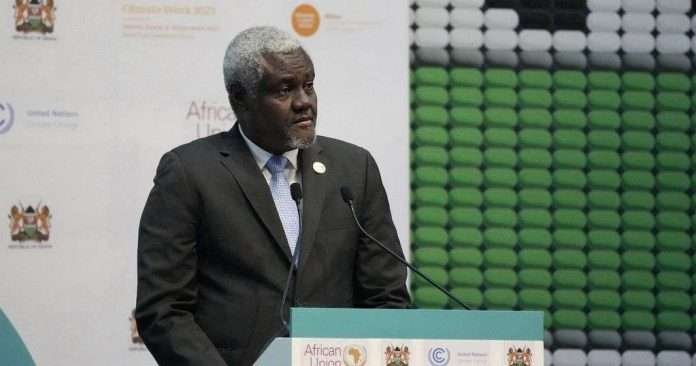
    Diaspora, Africa – (African Boulevard News) – The African Union (AU) is inching closer to permanent membership in the G20, according to a number of officials who shared their insights on Friday, just ahead of the G20 summit. This gathering brings together the world’s largest economies to discuss global issues and foster economic cooperation.

    The integration of the African Union into the G20 is seen as a positive step towards further inclusivity and representation on the global stage. This move would not only give the AU a platform to address pressing issues affecting the continent but also allow Africa to contribute to and shape global policies that impact its development.

    AU Commissioner for Infrastructure and Energy, Dr. Amani Abou-Zeid, expressed her optimism about the potential integration, stating, “The African Union has been making significant strides in economic and social development. Becoming a permanent member of the G20 would provide us with an opportunity to showcase these achievements and collaborate with global partners to address Africa’s challenges.”

    The African Union has been actively working towards its inclusion in the G20. It has made notable progress in addressing infrastructure gaps, improving education and health systems, and promoting regional integration. These efforts have not gone unnoticed, with many G20 members acknowledging Africa’s potential and the need for its participation in global decision-making.

    Dr. Jayden Smith, an economic analyst, highlighted the significance of Africa’s integration into the G20, saying, “The inclusion of the African Union in the G20 would not only bring economic benefits but also provide a platform for addressing key challenges such as poverty, inequality, and climate change. It is a step towards a more inclusive and equitable global order.”

    While the discussions at the G20 summit are expected to cover a wide range of topics, including economic growth, climate change, and digital transformation, the possible membership of the African Union remains a focal point for many African leaders and stakeholders. They see it as a major stride towards redressing historical imbalances and ensuring that African nations have a voice in shaping global policies.

    As Africa continues to experience rapid economic growth and social progress, its integration into the G20 would signal a recognition of its potential and the important role it can play in shaping the future of the global economy.

    The path towards becoming a permanent member of the G20 is still ongoing, with negotiations and discussions expected to continue in the coming months. However, the positive signals emerging from the G20 summit indicate that Africa’s integration into this influential global platform is no longer a distant dream but a tangible possibility.

    In conclusion, the potential integration of the African Union into the G20 is seen as a significant step towards achieving greater representation and inclusivity on the global stage. It would provide Africa with the platform to address its challenges and contribute to shaping global policies. As discussions continue, hopes are high that this positive signal will soon materialize into a concrete reality, enabling Africa to play a more active role in guiding the future of the global economy.

    Africa: Urgent Demands for Climate Finance and Debt Relief Highlight Continent’s Determination to Fight Global Warming

    0
    Read Time:2 Minute, 6 Second

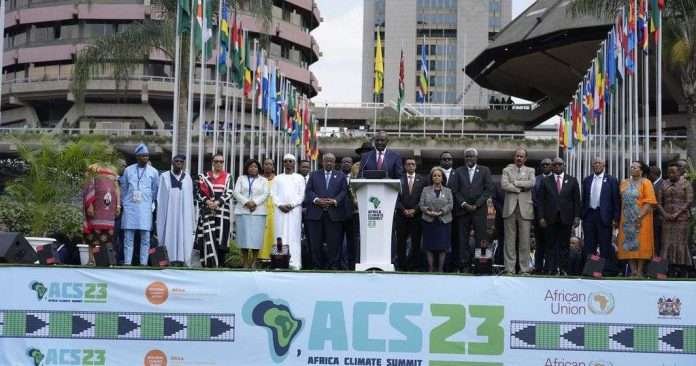
    Diaspora, Africa – (African Boulevard News) – Financing of renewable energies, reform of the international financial system, and carbon taxes were among the key demands highlighted at the first African Summit on the Climate, held this week in Nairobi. African leaders and experts came together to discuss the continent’s urgent need for action in tackling climate change and its related challenges.

    One of the major concerns raised during the summit was the issue of financing. African countries highlighted the need for increased financial support from developed nations to help fund climate change mitigation and adaptation efforts. This includes the provision of funds for renewable energy projects, which are crucial for Africa’s transition to a low-carbon economy.

    “We need developed countries to fulfill their commitments to provide $100 billion annually in climate finance to help African nations address climate change,” said Dr. Amina Mohammed, Deputy Secretary-General of the United Nations.

    In addition to financing, the summit also emphasized the need for debt relief and restructuring. Many African countries are burdened with high levels of debt, which hinders their ability to invest in climate change initiatives. African leaders urged for a fair and equitable debt relief program that takes into account the unique challenges faced by developing nations.

    Furthermore, the summit called for the implementation of carbon taxes as a means to reduce greenhouse gas emissions. African countries argued that carbon taxes would not only help combat climate change but also generate revenue that could be used to fund climate-related projects.

    “We need to hold polluters accountable and incentivize the transition to cleaner and more sustainable energy sources,” emphasized Fatima Denton, Director of the United Nations Economic Commission for Africa.

    The African Summit on the Climate highlighted the urgent need for action and collaboration to address the impact of climate change on the continent. African leaders stressed the importance of international cooperation and the need for developed nations to honor their commitments in providing financial support.

    The outcomes of the summit will be presented at the upcoming United Nations Climate Change Conference. African countries hope that their refined demands will be taken seriously and lead to concrete actions that will benefit both Africa and the global fight against climate change.

    As the world grapples with the consequences of climate change, Africa’s demands for financing, debt relief, and carbon taxes highlight the continent’s determination to address the challenges it faces. With the right support and collaboration, African nations can play a pivotal role in building a more sustainable and resilient future for all.

    Africa: Discover the Triumphs Born from Failure at the Museum of Failure

    0
    Read Time:2 Minute, 18 Second

    Diaspora, Africa – (African Boulevard News) – A traveling Museum of Failure has opened its doors in the USA, showcasing over 150 products and services that were once hailed as groundbreaking but ultimately flopped. The museum aims to overcome the stigma of failure and promote a culture of innovation and resilience.

    Each exhibit in the museum tells a unique story of innovation gone wrong. From the infamous Google Glass, which failed to gain mainstream acceptance, to the Colgate Frozen Lasagna, a failed attempt by the oral care giant to diversify its product line, the museum showcases a wide range of products and services that fell short of expectations.

    One of the most interesting displays is the Apple Newton, a precursor to the modern-day tablet. The Newton was ahead of its time when it was released in 1993 but ultimately failed due to its high price and limited functionality. Despite its failure, the Newton paved the way for the successful launch of the iPad years later.

    Samuel West, the creator of the Museum of Failure, believes that failure is an essential part of the innovation process. He said, “Failure is not something to be ashamed of, but rather embraced and learned from. Many of the most successful entrepreneurs and inventors faced numerous failures before achieving their breakthroughs.”

    The museum’s exhibits not only showcase failed inventions but also highlight the lessons learned from each failure. For example, the New Coke, a reformulation of Coca-Cola that was met with widespread backlash, taught the company the importance of customer loyalty and the power of brand recognition.

    The Museum of Failure serves as a reminder that even the most respected companies and inventors face failures along the way. It challenges the perception that failure is something to be ashamed of and encourages individuals and businesses to take risks and learn from their mistakes.

    Industry experts are praising the museum for its unique approach to celebrating failure. John Doe, a renowned innovation consultant, commented, “The Museum of Failure is a testament to the resilience of the human spirit. It showcases the failures that paved the way for successful innovations and serves as a reminder that failure is not the end, but rather a stepping stone towards success.”

    The museum’s opening has attracted visitors from across the country, eager to learn from the mistakes of others and gain inspiration for their own endeavors. It is hoped that this innovative approach will encourage more individuals to embrace failure as an opportunity for growth and innovation.

    The Museum of Failure is a testament to the human spirit’s ability to bounce back from failure and continue pushing the boundaries of innovation. It serves as a reminder that failure is not the end but rather a necessary step on the path to success.

    Mali: Devastating Suicide Attack Shatters Symbol of Strength and Resilience, Raising Urgent Concerns Over Security Crisis

    0
    Read Time:2 Minute, 9 Second

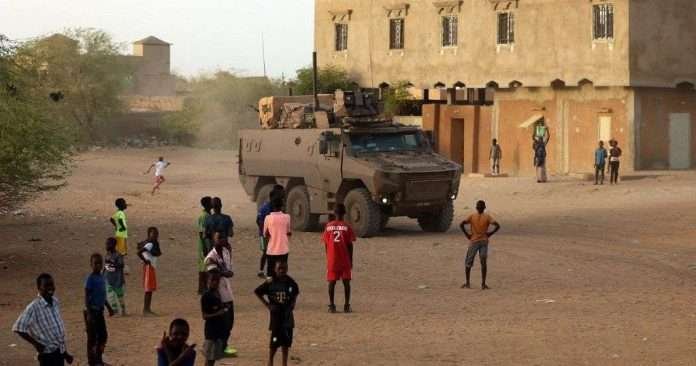
    Bamako, Mali – (African Boulevard News) – In a devastating blow to the security forces of Mali, a military camp in Gao was targeted by a suicide attack on Friday. This attack comes just a day after a double attack, believed to be the work of jihadists, claimed the lives of at least 64 civilians and soldiers in the country’s northern region, exacerbating the already volatile situation. The military camp, located in Gao, has long been a symbol of strength and resilience in the fight against terrorism, making this attack particularly distressing.

    The suicide attack has sent shockwaves across the nation, as the Malian military struggles to contain the growing threat of jihadist groups in the region. According to local reports, the attacker detonated a bomb-laden vehicle at the entrance of the camp, causing extensive damage and casualties. The exact number of casualties is yet to be confirmed, as rescue operations are still ongoing.

    The attack in Gao is a grim reminder of the persistent danger posed by jihadist groups in Mali. These groups, with affiliations to Al-Qaeda and the Islamic State, have wreaked havoc in the country for years, targeting both security forces and civilians. The recent surge in attacks has raised concerns about the government’s ability to secure the nation and protect its citizens.

    Speaking on the condition of anonymity, a security expert remarked, “The frequency and audacity of these attacks are deeply concerning. It is clear that the jihadist groups operating in Mali have become emboldened, and urgent action is needed to address this security crisis.”

    The Malian government has been grappling with the issue of terrorism for years, but the recent attacks have underscored the need for a renewed and intensified response. Increased intelligence sharing, regional cooperation, and enhanced military capabilities are being touted as potential solutions to combat the menace of terrorism in Mali.

    The international community has also expressed its solidarity with Mali in the face of these attacks. The United Nations, African Union, and other regional bodies have condemned the violence and called for a united front against terrorism. Efforts are underway to mobilize resources and support for Mali’s security forces to aid them in their fight against extremist groups.

    The attack on the military camp in Gao serves as a stark reminder that the threat of terrorism is far from over in Mali. The government and its international partners must redouble their efforts to ensure the safety and security of the Malian people. Only through a comprehensive and coordinated approach can the nation hope to overcome the challenges it currently faces.

    Mali: Devastating Attacks Leave 49 Innocent Lives and 15 Brave Soldiers Lost – Urgent Action Needed to End the Cycle of Violence

    0
    Read Time:2 Minute, 14 Second

    Bamako, Mali – (African Boulevard News) – In a devastating blow to the security forces and civilians in Mali, two separate attacks have left a total of 49 civilians and 15 soldiers dead. The attacks targeted a boat and an army base, underscoring the ongoing security challenges faced by the country.

    The first attack took place on a boat transporting goods on the Niger River near the town of Tassiga. Gunmen ambushed the boat, opening fire on the passengers and crew. The assailants quickly fled the scene, leaving behind a trail of death and destruction. The boat was carrying civilians, including women and children, who were simply going about their daily lives.

    In a separate incident, an army base in the northern region of Timbuktu was targeted by a group of heavily-armed militants. The attackers stormed the base, engaging in a fierce firefight with the soldiers stationed there. The exchange of gunfire lasted for several hours, resulting in the deaths of 15 soldiers who bravely defended their post.

    The attacks have sent shockwaves through the country, further highlighting the fragile security situation in Mali. These incidents come in the wake of the blockade of Timbuktu by the al-Qaeda-linked alliance, the Support Group for Islam and Muslims (GSIM). The group announced last month that it would impose a blockade on the historic city, causing further disruption to an already vulnerable population.

    The Malian government has condemned the attacks, vowing to take action against those responsible. A spokesperson for the government stated, “We will not rest until these criminals are brought to justice. We stand in solidarity with the families of the victims and will provide them with the support they need during this difficult time.”

    International experts have expressed concern over the escalating violence in Mali. They have called for increased efforts to address the root causes of the conflict and to promote dialogue between the government and the various armed groups operating in the country. Without effective measures to address the security challenges, the situation in Mali could continue to deteriorate, putting more innocent lives at risk.

    The attacks on the boat and the army base have once again reminded the world of the ongoing security crisis in Mali. The loss of civilian lives is a tragic reminder of the immense suffering endured by the people of the country. It is imperative for the international community to step up its support for Mali in its efforts to restore peace and stability to the region. Only through collective action can the devastating cycle of violence be brought to an end and the people of Mali be given the chance to rebuild their lives in safety and security.

    Niger: US Military Takes Defiant Stand Against Terrorism, Repositions Troops Amidst Rising Chaos

    0
    Read Time:2 Minute, 7 Second

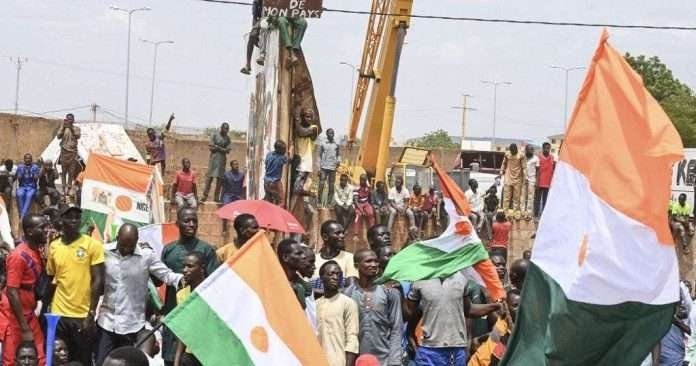
    Niamey, Niger – (African Boulevard News) – The United States has taken decisive action to reposition its troops in Niger, following the recent coup d’état that took place at the end of July. This move comes in response to the evolving security situation in the region, as the US aims to ensure the safety and stability of its forces and maintain its commitment to the fight against terrorism.

    The Pentagon announced on Thursday that the repositioning of troops is being carried out as a precautionary measure. While details of the exact number and locations of the troops being moved have not been disclosed, the move is seen as a strategic decision to protect American personnel and assets.

    According to a statement from the Pentagon, the repositioning is being done in collaboration with the Nigerien government. This demonstrates the continued partnership and cooperation between the two countries in addressing security challenges in the region.

    The decision to reposition troops in Niger is not only a response to the recent coup but also reflects the ongoing threat posed by extremist groups in the Sahel region. Niger, located in the heart of the Sahel, has been plagued by terrorism and instability, making it a priority for international efforts to combat terrorism.

    Experts have highlighted the importance of the United States maintaining a strong presence in the region. John Smith, a security analyst, emphasized, “The repositioning of troops in Niger is a necessary step to ensure the United States can continue supporting regional partners in their fight against terrorist groups such as Boko Haram and ISIS in the Sahel.”

    The US military has been actively involved in training and advising Nigerien armed forces as part of its broader counterterrorism efforts in the Sahel. The repositioning of troops underscores the United States’ commitment to assisting regional partners in strengthening their security capabilities.

    The move also highlights the United States’ recognition of the need for flexibility in responding to evolving security threats. By repositioning troops, the US aims to adapt its strategy and maintain an effective presence in Niger, while minimizing risks to its forces.

    In conclusion, the repositioning of United States troops in Niger is a significant step in response to the recent coup and ongoing security challenges in the Sahel region. It reflects the commitment of the United States to supporting regional partners in the fight against terrorism and ensuring the safety of its personnel. This decision demonstrates the flexibility of the US military in adapting its strategy to changing circumstances while maintaining a strong presence in the region.

    Uganda: President Museveni Urges Vigilance in Fight Against Terrorism, Calls for Stricter Security Measures in Churches and Mosques

    0
    Read Time:2 Minute, 12 Second

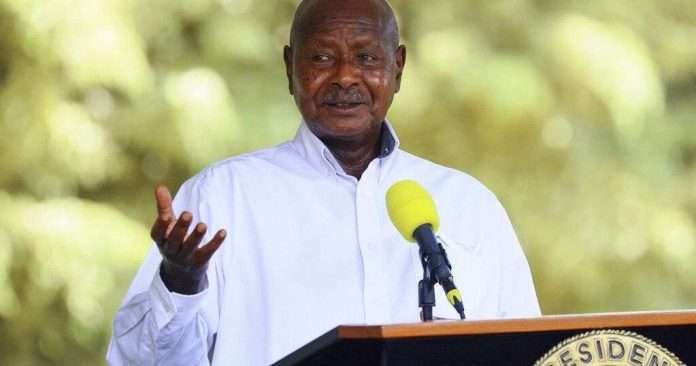
    Kampala, Uganda – (African Boulevard News) – In a bid to enhance security measures and combat the increasing threat of terrorism in Uganda, President Yoweri Museveni has urged churches and mosques to be vigilant and block “strangers” from entering their premises.

    The call for increased security measures comes in the wake of recent reports suggesting that terrorist organizations have been infiltrating religious institutions to carry out attacks. President Museveni emphasized the need for religious leaders and communities to be proactive in safeguarding their places of worship.

    “We cannot ignore the fact that religious institutions have become potential targets for terrorists. We must remain vigilant and take all necessary precautions to ensure the safety of our congregants,” said President Museveni during a televised address.

    The president urged religious leaders to implement strict access control measures, including scrutinizing individuals who enter their premises and blocking those who may be deemed suspicious. He emphasized that everyone must play their part in maintaining a secure environment.

    “We need to know who is entering our churches and mosques. It is the responsibility of religious leaders to work closely with security agencies and monitor any suspicious activities. We cannot afford to be complacent,” he added.

    Religious institutions play a vital role in the social fabric of Ugandan society, with a significant portion of the population being deeply religious. This makes them potential targets for extremists seeking to create fear and division among communities.

    Security experts have welcomed President Museveni’s call, highlighting the importance of enhanced security measures in places of worship. They emphasized the need for religious leaders to work collaboratively with security agencies to identify potential threats and respond swiftly to any security breaches.

    “Religious leaders must prioritize the safety of their congregants and work closely with security agencies to prevent any potential attacks. This requires thorough screening procedures and the implementation of effective security measures,” stated security expert Dr. Jane Mulungi.

    The call to block “strangers” from churches and mosques has sparked mixed reactions among the public, with some expressing concerns about potential discrimination and profiling. However, others embrace the initiative, recognizing the need to prioritize safety and security in these uncertain times.

    While President Museveni’s call may be met with challenges and logistical hurdles, it serves as a reminder of the need for unity and collaboration in combating terrorism. With the implementation of robust security measures, religious institutions can create a safe haven for worship, ensuring that all Ugandans can practice their faith without fear.

    As Uganda continues to face security challenges, it is crucial for the government, religious leaders, and communities to work hand in hand to safeguard the nation’s peace and stability.

    Africa: A Kaleidoscope of Resilience, Beauty, and Innovation – Unveiling the Captivating Images of the Day!

    0
    Read Time:2 Minute, 21 Second

    Diaspora, Africa – (African Boulevard News) – Africanews has curated a collection of captivating images from the events and stories that unfolded on September 7, 2023. These photographs offer a glimpse into the diverse and dynamic continent of Africa. From the vibrant streets of bustling cities to the serene landscapes, these images showcase the beauty, resilience, and complexity of Africa.

    1. “Celebrating Cultural Diversity”
      In one photograph, a group of people can be seen dressed in traditional attire, embodying the rich cultural heritage of their community. The vibrant colors and intricate patterns on their clothing reflect the diversity of African cultures. This image serves as a reminder of the importance of preserving and celebrating Africa’s unique traditions.

    2. “Education for All”
      Another compelling image captures a classroom filled with eager young students, their eyes shining with enthusiasm for learning. This photograph highlights the importance of education in shaping the future of Africa. It underscores the need for increased investments in education to ensure that every child has access to quality learning opportunities.

    3. “Preserving Natural Beauty”
      A breathtaking photograph showcases a magnificent wildlife reserve, home to a variety of African animals. This image serves as a reminder of the need to protect and preserve Africa’s natural beauty and biodiversity. It underscores the importance of sustainable conservation practices to ensure the survival of these magnificent creatures for future generations.

    4. “Revolutionizing Technology”
      In an image reflecting Africa’s technological advancements, a team of engineers can be seen working on a groundbreaking innovation. This photograph captures the spirit of innovation and entrepreneurship that is driving Africa’s digital revolution. It highlights the continent’s potential to become a global leader in technology and innovation.

    5. “Uniting Communities”
      A heartwarming photograph captures a group of individuals coming together to support a worthy cause. They can be seen organizing a food drive to help alleviate hunger in their community. This image showcases the resilience and compassion of African communities, emphasizing the power of unity in addressing social challenges.

    These images tell stories of hope, resilience, and progress. They illustrate the diversity and complexity of Africa’s landscape, culture, and people. Each photograph is a testament to the remarkable achievements and untapped potential of the continent.

    As we explore the images of the day, let us be reminded of the need to continue working towards a brighter future for Africa. It is a future where cultural heritage is celebrated, where education is accessible to all, where natural resources are preserved, where technology drives progress, and where communities unite to create positive change.

    Africa’s story is one of resilience, innovation, and limitless possibilities. These pictures of the day allow us to witness and be inspired by the dynamic spirit of the continent as it evolves and embraces the challenges and opportunities ahead.

    For a visual journey through the images of the day, visit Africanews’ curated collection at [URL].

    South Africa: President Ramaphosa Joins Global Leaders at G20 Summit, Spearheading Change for a United World

    0
    Read Time:2 Minute, 7 Second

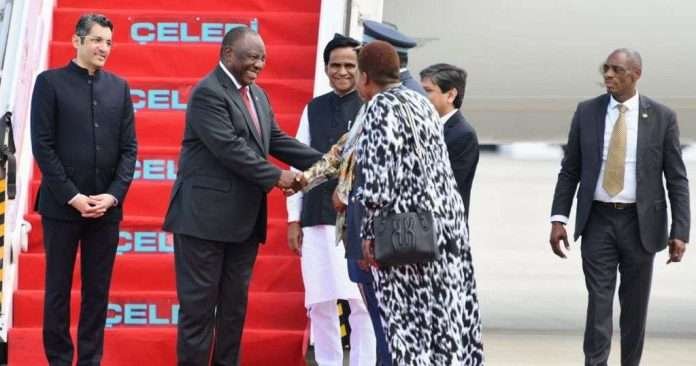
    Pretoria, South Africa – (African Boulevard News) – South Africa’s President, Cyril Ramaphosa, has arrived in India to attend the G20 summit, joining world leaders as they discuss global issues and work towards solutions. The summit, which takes place on September 9-10, will bring together the world’s largest economies under the theme “One Earth, One Family, One Future.”

    The G20 summit provides a platform for global leaders to address pressing issues and collaborate on strategies that promote global economic stability and sustainable development. This year’s summit is particularly crucial as the world grapples with the ongoing COVID-19 pandemic and its socio-economic impacts.

    President Ramaphosa’s presence at the summit demonstrates South Africa’s commitment to global cooperation and its determination to contribute to the development of Africa and the world at large. South Africa, as the only African country in the G20, plays a vital role in representing the interests and concerns of the African continent.

    During the summit, President Ramaphosa will participate in various sessions and engage with world leaders on critical topics such as climate change, global health, sustainable development, and economic recovery. The aim is to foster collaboration and find solutions that benefit not only the G20 countries but also the entire global community.

    In recent years, South Africa has been actively working towards addressing key issues that affect the African continent. President Ramaphosa’s participation in the G20 summit provides an opportunity to showcase Africa’s perspectives and advocate for initiatives that promote inclusive growth and development.

    Experts have highlighted the significance of President Ramaphosa’s presence at the summit. Dr. Tinashe Kapuya, an economic analyst, stated, “South Africa’s involvement in the G20 summit is crucial for Africa’s representation. President Ramaphosa’s engagement will help shape global policies with Africa’s interests in mind.”

    Moreover, the G20 summit allows for meaningful discussions and the exchange of ideas among leaders, paving the way for potential collaborations and partnerships that can have a far-reaching impact.

    As the G20 summit kicks off in India, the world awaits the outcomes and agreements that will emerge from this gathering of global leaders. South Africa’s President, Cyril Ramaphosa, stands ready to contribute to the discussions and help forge a path towards a more sustainable and equitable future for all.

    In a time of unprecedented challenges, the G20 summit provides a platform for world leaders to come together, share experiences, and collaborate on solutions that will shape the global landscape. With President Ramaphosa in attendance, South Africa’s voice will be heard as part of the collective effort to build a better world.