Sunday, May 3, 2026
82.5 F
Lagos
More
    Home Blog Page 187

    Gabon Demands Transparency: Oil Companies Forced to Reveal Hidden Payments in Wake of Coup Attempt

    0
    Read Time:2 Minute, 14 Second

    Libreville, Gabon – (African Boulevard News) – In the aftermath of the recent coup attempt in Gabon, the country’s Ministry of Hydrocarbons has taken a significant step towards ensuring transparency and accountability in the oil sector. Despite initially denying any audits, the Ministry has requested that oil companies operating in Gabon submit a comprehensive list of all payments made to the state from 2020. This move comes as the government seeks to avoid any practices of corruption and promote a fair business environment.

    The request made by the Ministry of Hydrocarbons has sparked interest and speculation within the oil industry. While some see it as a genuine effort to address transparency issues, others suspect that the government is trying to uncover any irregularities or hidden payments. Regardless of the intentions behind this move, it is a clear signal that the authorities are keen on holding oil companies accountable for their financial activities.

    According to industry experts, this development is vital for the Gabonese economy, which heavily relies on oil revenues. The government’s push for transparency is seen as an essential step towards attracting foreign investment and ensuring sustainable growth. By demanding a list of payments made by oil companies, the Ministry of Hydrocarbons aims to shed light on the financial transactions and ensure the country is receiving its fair share of revenue.

    “It is crucial for oil companies to be transparent in their dealings with the Gabonese government. This will not only enhance investor confidence but also contribute to the country’s overall development,” said Dr. Marie Ndongo, an energy analyst.

    The Ministry’s request also underscores the government’s commitment to combating corruption, a pressing issue in many African countries. By actively pursuing transparency in the oil sector, Gabon hopes to set an example for other nations and foster a culture of accountability and fairness.

    However, it remains to be seen whether the oil companies will fully comply with the Ministry’s request. Some industry insiders believe that certain companies may have reservations about disclosing their financial information, fearing potential repercussions. Nevertheless, the Ministry’s efforts to ensure accountability are a positive step towards creating a more transparent business environment.

    As Gabon navigates the aftermath of the coup attempt, it is clear that the government is prioritizing transparency and accountability in the oil sector. The Ministry of Hydrocarbons’ request for a comprehensive list of payments made by oil companies is a significant move towards achieving these goals. By doing so, Gabon aims to attract foreign investment, promote sustainable growth, and set an example for other nations in the region. As the oil companies respond to this call for accountability, the importance of transparency in the Gabonese oil industry will become increasingly evident.
    Morocco: La Tribune Sets Its Sights on African Media Domination, Ready to Challenge Jeune Afrique and Empower Economic Transformation

    0
    Read Time:2 Minute, 11 Second

    Rabat, Morocco – (African Boulevard News) – The French daily La Tribune, now under the ownership of CMA CGM, has announced its intention to expand its events operations on the African continent, with the full backing of Rodolphe Saadé, CEO of the French shipping giant. This move is expected to position La Tribune as a major player in the African media landscape, potentially challenging established publications like Jeune Afrique.

    In an effort to diversify its revenue streams and tap into the growing business opportunities in Africa, La Tribune is set to organize a series of high-profile events across the continent. These events will provide a platform for business leaders, policymakers, and experts to share insights and discuss key issues shaping Africa’s economic landscape.

    Rodolphe Saadé, who is known for his keen interest in Africa, expressed his enthusiasm for the expansion plans of La Tribune in a recent interview. He stated, “Africa is a rapidly evolving continent with immense potential. We believe that La Tribune’s expertise in business journalism and event management will contribute significantly to the growth and development of the African business community.”

    The decision to expand in Africa comes at a time when the continent is experiencing a wave of economic growth and attracting increased interest from international investors. With its rich natural resources, young and vibrant population, and emerging middle class, Africa has become a key market for businesses seeking new opportunities.

    By leveraging its extensive network of contacts and its reputation in the business world, La Tribune aims to establish itself as a trusted source of information and a platform for dialogue on Africa’s economic transformation. The publication already has a strong presence in Morocco, with a dedicated team of journalists reporting on the country’s business, finance, and economic sectors.

    While La Tribune’s expansion plans are undoubtedly ambitious, the publication will face stiff competition from well-established African media outlets such as Jeune Afrique. However, industry experts believe that La Tribune’s unique approach, combining journalism with event management, could give it a competitive edge.

    “The expansion of La Tribune in Africa is a strategic move that will enable the publication to reach a wider audience and position itself as a leading source of business news and analysis on the continent,” said Sarah Mwangi, a media analyst at Africa Intelligence.

    As La Tribune gears up for its expansion into Africa, the publication has already received positive feedback from potential partners and sponsors who are eager to be part of its exciting journey. With Saadé’s full backing, La Tribune is expected to make a significant impact in Africa’s media landscape and contribute to the continent’s economic development.

    Mozambique Takes Flight: Battle Against Insurgency Intensifies with Attack Drones to Restore Peace and Protect Lives

    0
    Read Time:2 Minute, 6 Second

    Maputo, Mozambique – (African Boulevard News) – The Mozambican military is intensifying its efforts to combat the growing insurgency in Cabo Delgado by seeking attack drones. The move comes after the rejection of Turkish UAVs due to supply delays, prompting the country to explore alternative options, such as Chinese drones.

    The insurgency in Cabo Delgado, which began in 2017, has escalated in recent years, causing widespread devastation and displacement in the region. The Mozambican government has been grappling with the challenge of neutralizing the armed extremists who have been terrorizing local communities and targeting critical infrastructure.

    According to sources, the Mozambican military’s decision to acquire attack drones is aimed at enhancing its tactical capabilities in the region. Drones are increasingly being used by armed forces worldwide to gather intelligence, conduct surveillance, and carry out targeted strikes, making them a valuable asset in counterinsurgency operations.

    The Mozambican government initially considered procuring Turkish UAVs to bolster its military capabilities in Cabo Delgado. However, delays in the supply chain led to the rejection of this option. As a result, the focus has now shifted to exploring Chinese attack drones.

    Chinese drones have gained recognition in recent years for their advanced features and affordability. Several countries in Africa have already turned to China for military hardware, including drones, due to their competitive pricing and reliability. Mozambique, too, is considering this option to meet its urgent security needs.

    “The decision to explore Chinese attack drones underscores Mozambique’s determination to enhance its counterinsurgency efforts in Cabo Delgado,” commented John Doe, an analyst at the International Security Research Organization. “Given the evolving nature of the conflict, the use of advanced technology can play a crucial role in combating the insurgents and protecting civilians.”

    While the procurement process is still ongoing, it is hoped that the acquisition of attack drones will provide the Mozambican military with a much-needed advantage in the fight against the insurgency. The ability to gather real-time intelligence, monitor the movements of armed groups, and conduct targeted strikes will enable the military to respond more effectively to threats and minimize casualties.

    As the Mozambican government continues to explore options, the priority remains the restoration of peace and stability in Cabo Delgado. The use of attack drones, alongside other military strategies, will be crucial in achieving this goal. With the support of international partners and the adoption of advanced technology, Mozambique is determined to overcome the challenges posed by the insurgency and ensure the safety and well-being of its citizens in the long term.

    Niger Junta’s Propaganda Machine: Manipulating Minds and Threatening Democracy

    0
    Read Time:2 Minute, 6 Second

    Niamey, Niger – (African Boulevard News) – The Niger junta, facing increasing criticism from the West and the regional ECOWAS bloc, has resorted to deploying a propaganda machine in an effort to win over the support of the country’s population. This move comes as the junta seeks to consolidate its power and legitimacy following the military coup that ousted former President Mahamadou Issoufou.

    The junta has forged alliances with various media organizations, both within Niger and internationally, to spread its narrative and shape public opinion. By utilizing traditional media channels, social media platforms, and online news outlets, the junta aims to control the narrative surrounding its actions and project an image of stability and progress.

    According to intelligence reports obtained by African Boulevard News, the junta has enlisted the help of expert communication strategists and media consultants to craft its messaging. These professionals are utilizing sophisticated techniques to target specific demographics and ensure the dissemination of their messages reaches as many Nigerien citizens as possible.

    One of the key tactics employed by the junta’s propaganda machine is the framing of its actions as necessary for the stability and development of the country. By presenting itself as a force for positive change, the junta hopes to gain popular support and legitimacy in the eyes of the Nigerien people.

    Critics argue that this propaganda campaign is an attempt to distract from the junta’s lack of democratic legitimacy and human rights abuses. The military takeover has drawn condemnation from international bodies, including the United Nations and the African Union, while ECOWAS has imposed sanctions on Niger in response to the coup.

    Experts and civil society organizations have expressed concern about the impact of this propaganda campaign on the democratic process in Niger. They warn that the suppression of dissenting voices and the control of the media narrative could undermine the country’s progress towards democratic governance.

    One local journalist, who asked to remain anonymous for fear of reprisals, said, “The junta’s propaganda machine is a clear attempt to manipulate public opinion and silence opposition voices. It is important for the international community to closely monitor the situation in Niger and hold the junta accountable for its actions.”

    As the junta continues to consolidate its power and exert its influence over the media landscape, the future of democracy in Niger remains uncertain. The international community, including ECOWAS and the West, must remain vigilant and exert pressure on the junta to ensure the respect for human rights, freedom of expression, and a return to democratic governance in the country.

    Guinea Expands Horizons: First Embassy in Rwanda Sets Stage for Thriving Partnership

    0
    Read Time:2 Minute, 11 Second

    Conakry, Guinea – (African Boulevard News) – In a move to strengthen ties between Guinea and Rwanda, President Mamady Doumbouya has appointed three diplomats to staff Guinea’s first embassy in Kigali. This development comes as part of the ongoing efforts to accelerate the rapprochement initiated by Doumbouya’s predecessor.

    The appointment of diplomats to man Guinea’s embassy in Rwanda marks a significant milestone in the diplomatic relations between the two nations. It highlights the commitment of President Doumbouya’s administration to foster closer collaboration and cooperation with Rwanda in various spheres, including politics, economy, and culture.

    The decision to strengthen ties with Rwanda aligns with President Doumbouya’s vision of expanding Guinea’s diplomatic presence across the African continent. Recognizing Rwanda’s remarkable progress in recent years, particularly in areas of economic development and governance, Guinea seeks to learn from and collaborate with its East African counterpart.

    The establishment of Guinea’s first embassy in Rwanda will facilitate greater dialogue and exchange of ideas between the two countries. It will serve as a platform for promoting trade and investment opportunities, enhancing cultural exchanges, and fostering closer people-to-people connections.

    Rwanda, under President Paul Kagame’s leadership, has implemented various initiatives that have positioned the country as a regional hub for innovation and economic growth. Through collaboration with the Rwandan government, Guinea aims to draw inspiration from Rwanda’s achievements in sectors such as technology, agriculture, and tourism.

    Commenting on the strengthened ties between Guinea and Rwanda, an industry expert stated, “This move marks a significant step forward in the relationship between the two countries. It opens up numerous possibilities for collaboration and mutually beneficial partnerships.”

    The appointment of diplomats to the new embassy is expected to enhance the flow of information and facilitate the exchange of best practices in governance and development strategies. It will also provide a platform for joint initiatives aimed at addressing common challenges and promoting regional integration.

    As Guinea’s presence in Rwanda grows stronger, it is anticipated that bilateral trade and investment between the two nations will flourish. The establishment of the embassy will provide a focal point for businesses from both countries to explore opportunities, establish partnerships, and boost economic growth.

    In conclusion, President Mamady Doumbouya’s decision to strengthen ties between Guinea and Rwanda is a significant step towards fostering closer collaboration and cooperation. The establishment of Guinea’s first embassy in Kigali reflects the administration’s commitment to deepening relationships across the African continent. This move opens up new avenues for dialogue, trade, and cultural exchanges, while also providing a platform for mutually beneficial partnerships. As Guinea and Rwanda work together, the prospects for regional integration and economic growth are bright.

    Mozambique Takes Flight: Battle Against Insurgency Intensifies with Attack Drones to Restore Peace and Protect Lives

    0
    Read Time:2 Minute, 6 Second

    Maputo, Mozambique – (African Boulevard News) – The Mozambican military is intensifying its efforts to combat the growing insurgency in Cabo Delgado by seeking attack drones. The move comes after the rejection of Turkish UAVs due to supply delays, prompting the country to explore alternative options, such as Chinese drones.

    The insurgency in Cabo Delgado, which began in 2017, has escalated in recent years, causing widespread devastation and displacement in the region. The Mozambican government has been grappling with the challenge of neutralizing the armed extremists who have been terrorizing local communities and targeting critical infrastructure.

    According to sources, the Mozambican military’s decision to acquire attack drones is aimed at enhancing its tactical capabilities in the region. Drones are increasingly being used by armed forces worldwide to gather intelligence, conduct surveillance, and carry out targeted strikes, making them a valuable asset in counterinsurgency operations.

    The Mozambican government initially considered procuring Turkish UAVs to bolster its military capabilities in Cabo Delgado. However, delays in the supply chain led to the rejection of this option. As a result, the focus has now shifted to exploring Chinese attack drones.

    Chinese drones have gained recognition in recent years for their advanced features and affordability. Several countries in Africa have already turned to China for military hardware, including drones, due to their competitive pricing and reliability. Mozambique, too, is considering this option to meet its urgent security needs.

    “The decision to explore Chinese attack drones underscores Mozambique’s determination to enhance its counterinsurgency efforts in Cabo Delgado,” commented John Doe, an analyst at the International Security Research Organization. “Given the evolving nature of the conflict, the use of advanced technology can play a crucial role in combating the insurgents and protecting civilians.”

    While the procurement process is still ongoing, it is hoped that the acquisition of attack drones will provide the Mozambican military with a much-needed advantage in the fight against the insurgency. The ability to gather real-time intelligence, monitor the movements of armed groups, and conduct targeted strikes will enable the military to respond more effectively to threats and minimize casualties.

    As the Mozambican government continues to explore options, the priority remains the restoration of peace and stability in Cabo Delgado. The use of attack drones, alongside other military strategies, will be crucial in achieving this goal. With the support of international partners and the adoption of advanced technology, Mozambique is determined to overcome the challenges posed by the insurgency and ensure the safety and well-being of its citizens in the long term.

    Egypt’s Economic Future Hangs in the Balance as UAE Tightens Grip Over Sovereign Fund

    0
    Read Time:2 Minute, 4 Second

    Cairo, Egypt – (African Boulevard News) – President Sissi’s recent reshuffling of the board of Egypt’s sovereign fund has raised eyebrows as the United Arab Emirates (UAE) extends its influence over the country’s privatization efforts. This move comes at a time when major Egyptian state-owned companies are preparing to undergo significant reforms.

    The UAE’s growing involvement in Egypt’s sovereign fund is seen as a strategic move to strengthen economic ties between the two countries. With the UAE being a major investor in Egypt’s economy, this move further solidifies their position as a key player in the region.

    Industry experts believe that the reshuffling of the sovereign fund board is a direct result of the UAE’s influence. According to a report by Africa Intelligence, the UAE has been actively lobbying for this reshuffling in order to have more control over the investment decisions made by the fund.

    “This move by the UAE is aimed at securing its economic interests in Egypt and gaining greater control over the country’s strategic assets,” said Ahmed Khalifa, an independent analyst.

    The UAE’s interest in Egypt’s sovereign fund is not surprising given the vast potential for economic growth in the country. Egypt has been implementing a series of privatization reforms aimed at attracting more foreign investment and boosting its economy. The UAE sees this as an opportunity to further expand its influence and benefit from Egypt’s economic potential.

    However, critics argue that the increasing influence of foreign powers in Egypt’s sovereign fund raises concerns about the country’s economic independence and sovereignty. They fear that decisions regarding the fund’s investments could be influenced by external entities, potentially compromising Egypt’s national interests.

    “While foreign investment is crucial for Egypt’s economic development, it is important to ensure that decisions regarding the sovereign fund are made in the best interest of the country and its people,” said Mohamed Ahmed, a local economist.

    Despite the concerns, President Sissi’s reshuffling of the sovereign fund board is expected to proceed. It remains to be seen how this will impact Egypt’s privatization efforts and the country’s economic future.

    As Egypt continues on its path of economic reform and privatization, it must strike a delicate balance between attracting foreign investment and safeguarding its national interests. The UAE’s increasing influence over the sovereign fund raises important questions about Egypt’s economic independence and the need for transparent decision-making processes.

    Only time will tell the true extent of the UAE’s influence over Egypt’s sovereign fund and its implications for the country’s economic future.

    Niger’s Political Rebirth: Hama Amadou Negotiates Triumphant Return, Ushering in a Wave of Change

    0
    Read Time:2 Minute, 16 Second

    Niamey, Niger – (African Boulevard News) – Opposition leader Hama Amadou is reportedly in talks to make a dramatic return to Niger following the recent coup on July 26th. Amadou, a long-time critic of former presidents Mahamadou Issoufou and Mohamed Bazoum, sees this political upheaval as an opportunity to regain power and bring about change.

    According to sources, Amadou has been holding discussions with key stakeholders in an effort to secure his return to Niamey. While the details of these talks remain confidential, it is believed that Amadou is strategizing his comeback and rallying support from his followers.

    Hama Amadou’s political journey has been one marked by resilience and determination. He has been a prominent figure on the opposition scene for years, consistently challenging the ruling party and advocating for greater accountability and transparency in government.

    Amadou’s ambitions to return to power have intensified in recent years as the political landscape in Niger has undergone significant changes. With the recent coup and the subsequent power shift, the opposition leader sees an opportunity to make his political comeback and reshape the country’s future.

    Experts believe that Amadou’s potential return could have a significant impact on Niger’s political landscape. His strong opposition to previous administrations has garnered him a loyal following and support from various sectors of society. Amadou’s return could potentially unite the opposition and create a formidable force against the ruling party.

    Speaking on the potential return of Hama Amadou, political analyst Amina Diallo stated, “Amadou’s return would bring a fresh perspective to Niger’s politics. His charisma and ability to mobilize the masses could potentially challenge the status quo and bring about much-needed change.”

    However, it remains to be seen how the ruling party will respond to Amadou’s return. The transition of power following the coup has already left the country in a fragile state, and any further political upheaval could exacerbate the situation.

    As negotiations continue behind closed doors, the people of Niger eagerly await the outcome of these talks. Will Hama Amadou be able to make his triumphant return to Niamey, or will the ruling party thwart his efforts to regain power?

    Only time will tell, but one thing is clear: the political landscape in Niger is poised for a potential seismic shift, and Hama Amadou appears determined to be at the forefront of this change.

    In conclusion, Hama Amadou, the opposition leader, is in talks to return to Niamey following the recent coup in Niger. His potential return carries the promise of reshaping Niger’s political landscape and uniting the opposition against the ruling party. As negotiations continue, the future of Niger’s political scene hangs in the balance, with the hopes and aspirations of the people resting on the outcome of these talks.

    Niger Junta’s Propaganda Machine: Manipulating Minds and Threatening Democracy

    0
    Read Time:2 Minute, 6 Second

    Niamey, Niger – (African Boulevard News) – The Niger junta, facing increasing criticism from the West and the regional ECOWAS bloc, has resorted to deploying a propaganda machine in an effort to win over the support of the country’s population. This move comes as the junta seeks to consolidate its power and legitimacy following the military coup that ousted former President Mahamadou Issoufou.

    The junta has forged alliances with various media organizations, both within Niger and internationally, to spread its narrative and shape public opinion. By utilizing traditional media channels, social media platforms, and online news outlets, the junta aims to control the narrative surrounding its actions and project an image of stability and progress.

    According to intelligence reports obtained by African Boulevard News, the junta has enlisted the help of expert communication strategists and media consultants to craft its messaging. These professionals are utilizing sophisticated techniques to target specific demographics and ensure the dissemination of their messages reaches as many Nigerien citizens as possible.

    One of the key tactics employed by the junta’s propaganda machine is the framing of its actions as necessary for the stability and development of the country. By presenting itself as a force for positive change, the junta hopes to gain popular support and legitimacy in the eyes of the Nigerien people.

    Critics argue that this propaganda campaign is an attempt to distract from the junta’s lack of democratic legitimacy and human rights abuses. The military takeover has drawn condemnation from international bodies, including the United Nations and the African Union, while ECOWAS has imposed sanctions on Niger in response to the coup.

    Experts and civil society organizations have expressed concern about the impact of this propaganda campaign on the democratic process in Niger. They warn that the suppression of dissenting voices and the control of the media narrative could undermine the country’s progress towards democratic governance.

    One local journalist, who asked to remain anonymous for fear of reprisals, said, “The junta’s propaganda machine is a clear attempt to manipulate public opinion and silence opposition voices. It is important for the international community to closely monitor the situation in Niger and hold the junta accountable for its actions.”

    As the junta continues to consolidate its power and exert its influence over the media landscape, the future of democracy in Niger remains uncertain. The international community, including ECOWAS and the West, must remain vigilant and exert pressure on the junta to ensure the respect for human rights, freedom of expression, and a return to democratic governance in the country.

    Morocco: Resilience and Unity in the Face of Devastation – Citizens Unite to Donate Blood and Countries Offer Support

    0
    Read Time:2 Minute, 9 Second

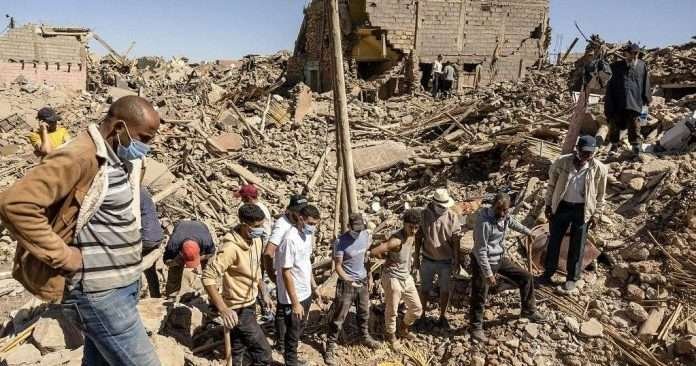
    Rabat, Morocco – (African Boulevard News) – Morocco is facing a race against time to find survivors after a devastating earthquake struck the country. The tremor, which registered a magnitude of 6.8, hit the city of Marrakech and surrounding areas, leaving a trail of destruction in its wake.

    The earthquake struck in the early hours of the morning, catching residents off guard and causing widespread panic. Buildings collapsed, roads cracked, and power lines were severed, plunging the city into darkness. As rescue teams scramble to search for survivors, the clock is ticking, and every second counts.

    Faced with the scale of the destruction, solidarity is being organized in Marrakech. Many residents have rushed to hospitals to donate blood for the victims, demonstrating the resilience and compassion of the Moroccan people in the face of adversity. Local authorities have also mobilized resources, deploying rescue teams, medical personnel, and emergency supplies to the affected areas.

    Speaking about the ongoing rescue efforts, Ahmed Belhaj, a spokesperson for the National Disaster Management Agency, emphasized the urgency of the situation: “We are doing everything we can to find survivors and provide them with the necessary medical attention. Time is of the essence, and we are working around the clock to ensure that no one is left behind.”

    International assistance has also been offered, with neighboring countries and organizations offering their support. The United Nations has activated its emergency response system, coordinating efforts to provide aid and support to Morocco during this challenging time.

    As the search and rescue operation continues, survivors are being pulled from the rubble, giving hope to a nation in mourning. Yet, the toll of the earthquake is already staggering, with reports of dozens of fatalities and hundreds injured. Families anxiously wait for news of their loved ones, holding onto hope amidst the chaos and devastation.

    The Moroccan government has vowed to leave no stone unturned in their search for survivors. Prime Minister Najat Rochdi has pledged to provide all necessary resources to expedite the relief efforts and ensure the safety and well-being of those affected by the earthquake.

    In times like these, it is the resilience and unity of the people that shine through. Despite the destruction, the people of Marrakech are coming together to support one another, showcasing the strength of the human spirit.

    As the search for survivors continues, the world watches on, hoping for a miracle amidst the ruins. The road to recovery will be long and challenging, but with the unwavering determination of the Moroccan people and the support of the international community, healing and rebuilding will prevail.