Sunday, May 3, 2026
89.9 F
Lagos
More
    Home Blog Page 184

    Gabon in Crisis: Africa’s Coup Wave Shatters AfCFTA’s Dreams, Urgent Need for New Leader to Save Economic Integration

    0
    Read Time:2 Minute, 11 Second

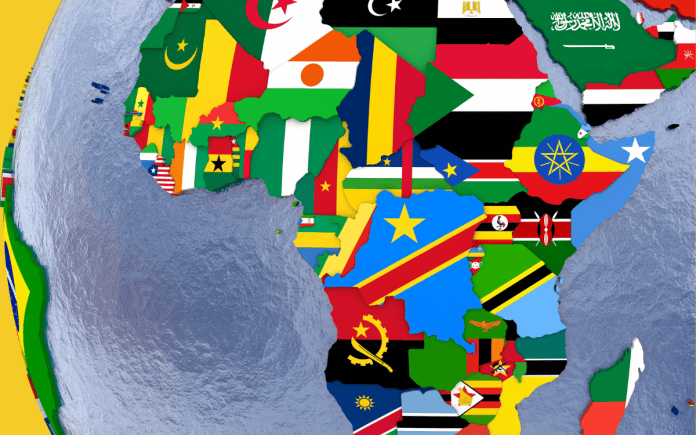
    Libreville, Gabon – (African Boulevard News) – The African Continental Free Trade Area (AfCFTA) is facing a major setback as a wave of coups across the continent takes its toll on the organization. Without the chair of its council of ministers, the AfCFTA is in urgent need of a new leader to steer the ship.

    The recent surge in military coups in Africa has caused political instability and economic uncertainty. The AfCFTA, which aims to create a single market for goods and services in Africa, relies heavily on strong leadership and cooperation among member states. However, the current wave of coups has disrupted the organization’s efforts to implement and enforce its policies.

    According to a report from Africa Intelligence, the political turmoil caused by these coups has hindered the AfCFTA’s progress and created an atmosphere of distrust among member states. The report highlights that the absence of a chair for the council of ministers has left the AfCFTA in a state of disarray, with no clear direction or leadership.

    “Political instability is a major obstacle to the AfCFTA’s success. Without a stable political environment, it becomes difficult to implement the necessary reforms and create a conducive business environment,” says Dr. Amani Ali, an economic analyst specializing in African trade.

    Furthermore, the lack of leadership has also affected the confidence of investors and international partners. Many potential investors are wary of committing their resources to an organization that is facing such significant challenges.

    The current situation has raised concerns among stakeholders and industry experts who believe that urgent action is needed to address the issue. It is crucial for the AfCFTA to find a new chair of the council of ministers who can provide strong leadership and restore trust among member states.

    In the midst of these challenges, the AfCFTA must also face the global economic downturn caused by the COVID-19 pandemic. The pandemic has disrupted supply chains and slowed down economic growth across the continent, further compounding the difficulties faced by the organization.

    To overcome these hurdles, the AfCFTA needs to prioritize stability, cooperation, and inclusive governance. It must work with member states to restore trust and political stability, while also implementing measures to attract investment and promote economic growth.

    In conclusion, the wave of coups sweeping across Africa has had a detrimental impact on the AfCFTA. The absence of a chair for the council of ministers has created a leadership vacuum, hindering the organization’s progress and undermining confidence among stakeholders. Urgent action is needed to find a new leader who can navigate these challenges and steer the AfCFTA towards its goals of economic integration and growth.

    Kenya’s Legal Fraternity Divided: Battle for Power threatens Future of Justice

    0
    Read Time:2 Minute, 16 Second

    Nairobi, Kenya – (African Boulevard News) – The Kenya Bar Association, the country’s leading lawyers’ body, is currently engulfed in a fierce battle as rival factions vie for the presidency. With the elections just around the corner, the outcome remains uncertain, leaving the legal fraternity and the public glued to their seats.

    In a political landscape where allegiances run deep, the Kenya Bar Association has become a microcosm of the larger power struggles within the country. The rift is not only along political lines but also reveals underlying tensions within the legal profession itself.

    The candidates in the race for the presidency represent two rival factions within the association. On one side is the incumbent president, John Kimani, who is seeking re-election. Kimani is widely seen as a reformist and a champion for the rights of marginalized groups. His campaign has focused on advancing access to justice for all Kenyans, especially those from disadvantaged backgrounds.

    On the other side is Jane Muturi, a prominent lawyer known for her strong ties to the ruling political party. Muturi has presented herself as a candidate who can restore the association’s reputation and strengthen its relationship with the government. She has promised to prioritize collaboration between the legal profession and the state.

    The battle for the presidency has sparked intense debates among legal practitioners and observers. Some argue that the association needs a fresh face and a new perspective to address the challenges facing the legal profession, while others believe that continuity is crucial for stability and long-term growth.

    Speaking to African Boulevard, legal analyst Wanjiku Ndungu emphasized the significance of the elections, stating, “The outcome of the Kenya Bar Association elections will have far-reaching implications for the legal profession and the country as a whole. It will determine the direction and priorities of the association, as well as its relationship with the government.”

    As the election date draws nearer, both candidates are intensifying their efforts to win over voters. They have been crisscrossing the country, holding rallies, and engaging in social media campaigns to mobilize support.

    With such a closely contested race, the outcome of the elections is difficult to predict. However, one thing is clear: this battle for the presidency of the Kenya Bar Association is not just a contest between two individuals; it represents a struggle for the soul of the legal profession and its role in shaping the country’s future.

    As the lawyers’ body prepares for this critical vote, Kenyans eagerly wait to see who will emerge as the new leader and what impact their presidency will have on the legal landscape. The result will undoubtedly shape the future of the legal fraternity and its relationship with the government and society at large.

    Africa’s Powerhouse Quartet: Inspiring Change and Shaping Africa’s Future

    0
    Read Time:2 Minute, 2 Second

    Diaspora, Africa – (African Boulevard News) – Intrigues big and small: every Tuesday, Africa Intelligence takes a peek into the corridors of power in Africa and beyond. Today, we delve into the lives and actions of four influential figures: Joseph Kabila, Mahamadou Issoufou, Aya Nakamura, and Azali Assoumani. Let’s explore their roles and impact on the African continent.

    Joseph Kabila, the former President of the Democratic Republic of Congo, continues to be a prominent figure in African politics. Despite stepping down from office in 2019, Kabila remains influential and actively involved in the country’s political landscape. His party, the Common Front for Congo (FCC), plays a crucial role in the current government and continues to shape policies for the nation’s development.

    Mahamadou Issoufou, the outgoing President of Niger, has been hailed as a transformative leader during his tenure. Under his guidance, Niger has made significant strides in economic development, security, and governance. Issoufou has been a strong advocate for regional integration and has actively participated in initiatives to foster peace and stability in the Sahel region.

    Aya Nakamura, the French-Malian singer, has taken the music industry by storm with her unique blend of Afrobeat and pop. With chart-topping hits like “Djadja” and “Pookie,” Nakamura has become a global sensation and has been an influential figure for young Africans in the diaspora. Her success showcases the power of African culture in shaping global trends.

    Azali Assoumani, the President of Comoros, has led the nation with a vision of economic prosperity and political stability. Assoumani’s administration has focused on infrastructure development, attracting foreign investments, and improving education and healthcare systems. His efforts have earned him praise both domestically and internationally.

    According to Africa Intelligence, these individuals have made significant contributions to their respective fields and have impacted the lives of many Africans. Their influence extends beyond their immediate roles, as they inspire and shape the aspirations of Africa’s younger generations.

    Industry experts and stakeholders have recognized their achievements and shared their thoughts on their impact. Renowned political analyst, Dr. John Mbeki, stated, “Joseph Kabila’s continued involvement in Congolese politics showcases his dedication to serving his nation. His experience and guidance are invaluable for the country’s progress.”

    As we witness the actions and accomplishments of Joseph Kabila, Mahamadou Issoufou, Aya Nakamura, and Azali Assoumani, it is clear that they are making a lasting impact on the African continent. Their leadership, creativity, and determination are shaping Africa’s present and future.

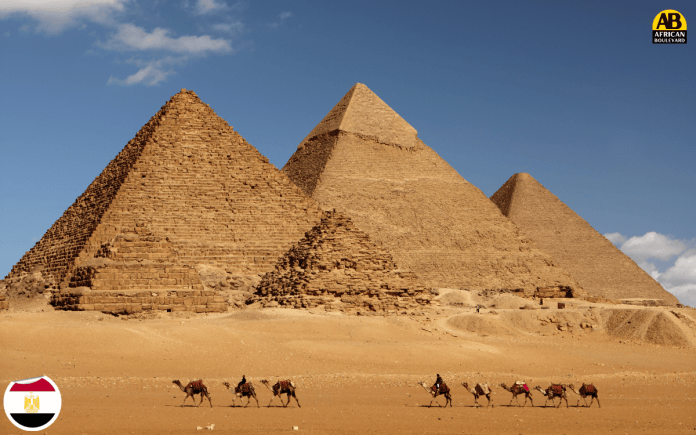
    Egypt’s UNESCO Director General Candidate Faces Controversy Over Restoration Blunders

    0
    Read Time:2 Minute, 29 Second

    Cairo, Egypt – (African Boulevard News) – Khaled al-Anani, the former Egyptian tourism and antiquities minister, has recently been announced as the Arab countries’ candidate for the post of director general of the United Nations Education, Scientific and Cultural Organization (UNESCO). While this appointment has been hailed as a significant achievement for Egypt, there are concerns about a blotch on al-Anani’s record that could potentially hamper his candidacy.

    One of the main issues that raise eyebrows is al-Anani’s handling of the restoration project at the historic Baron Empain Palace in Cairo. The century-old architectural masterpiece, known for its distinctive Hindu-inspired design, had fallen into disrepair and needed urgent attention. Al-Anani oversaw the restoration efforts, which were met with controversy and criticism.

    Critics argue that the restoration project lacked transparency and proper consultation with experts in heritage preservation. They claim that al-Anani’s team made significant alterations to the original design, compromising the authenticity and historical value of the palace. Detractors also express concerns about the use of modern materials and techniques that deviated from established restoration norms.

    Dr. Amira Abdel-Aziz, an expert in cultural heritage preservation, voiced her reservations about the project. She stated, “While I appreciate the efforts to restore the Baron Empain Palace, it is crucial to ensure that any restoration project respects the original architecture and preserves its historical significance. Unfortunately, in this case, I believe there were deviations from best practices.”

    The Baron Empain Palace restoration controversy is not the only stain on al-Anani’s record. There have been allegations of mismanagement and negligence during his tenure as the Minister of Tourism. These allegations include issues related to the upkeep of historical sites, inadequate promotion of tourism, and failure to address environmental concerns in popular tourist destinations.

    In response to the criticisms, al-Anani’s supporters argue that he was working under challenging circumstances, including limited resources and a demanding timeline. They highlight his achievements, such as the successful completion of the Grand Egyptian Museum, which is set to be the largest archaeological museum in the world.

    As the Arab countries’ candidate for the UNESCO director general position, al-Anani’s record will undoubtedly be a subject of scrutiny. While his accomplishments in promoting Egyptian tourism and heritage cannot be ignored, it is essential to address the valid concerns raised by experts and stakeholders.

    It remains to be seen how these controversies will impact al-Anani’s chances of securing the top position at UNESCO. The director general holds a crucial role in advancing international cooperation in education, science, and culture. It is vital to ensure that the chosen candidate possesses the necessary expertise, integrity, and commitment to preserving and promoting the world’s cultural heritage. The selection process will undoubtedly be a test of al-Anani’s qualifications and ability to address and learn from past missteps. Time will tell if he can overcome the blotch on his record and garner the necessary support to secure the director general position at UNESCO.

    Guinea’s Economic Fate Hangs in the Balance as Simandou Mining Project Teeters on the Edge of Collapse

    0
    Read Time:2 Minute, 9 Second

    Conakry, Guinea – (African Boulevard News) – The much-anticipated mining project at Simandou in Guinea, touted as one of the world’s largest iron ore reserves, is still on hold as contractors eagerly wait for the release of funds. Despite reassurances from both the junta and Rio Tinto, work has yet to commence, delaying the development of this crucial national resource. Industry experts and stakeholders are growing increasingly concerned about the stagnation of the project.

    The delay in releasing the funds has raised questions about the government’s commitment to the project. Contrary to claims made by the junta and Rio Tinto, it is clear that work cannot proceed until the necessary funds are made available. One key factor contributing to the delay is the involvement of Baowu Steel, who is expected to provide the much-needed financial support.

    According to analysts, the release of funds is critical to kick-starting the Simandou project, as it would provide the necessary resources for infrastructure development, including road construction and the establishment of mining facilities. Without these funds, it is impossible for contractors to begin their work, leaving the project in a state of limbo.

    “The delay in releasing the funds is causing frustration among contractors and stakeholders. We cannot move forward without the necessary financial backing,” expressed a representative from a major construction company involved in the project. “We are ready and eager to begin work, but until the funds are released, there is little we can do.”

    The Simandou mining project holds enormous potential for Guinea’s economy, with estimates suggesting it could become a global leader in iron ore production. The project has attracted significant attention from international investors, who see it as a gateway to prosperity for the country. However, without the timely release of funds, these expectations will remain unfulfilled.

    Guinea’s government must prioritize the release of funds and demonstrate their commitment to the Simandou project. Failure to do so not only stifles economic growth but also undermines the country’s credibility as an investment destination. It is imperative that the relevant stakeholders come together to resolve this issue and ensure the project’s progress.

    In conclusion, the Simandou mining project in Guinea remains in limbo as contractors eagerly await the release of funds. The delay has raised concerns about the government’s commitment and the future of this significant national resource. The timely release of funds is critical to kick-starting the project and realizing its potential for economic growth. Guinea’s government must act swiftly to address this issue and provide the necessary financial backing to secure the successful development of Simandou.

    South Africa’s Offshore Gas Dreams Shattered: Delays and Disagreements Threaten Energy Security and Economic Growth

    0
    Read Time:2 Minute, 20 Second

    Pretoria, South Africa – (African Boulevard News) – South Africa’s offshore gas sector is facing challenges as TotalEnergies, a major French oil and gas company, encounters difficulties in developing its 11B/12B gas block. The project has been caught in a storm of conflicting interests among its various South African partners, causing significant delays and uncertainty.

    The gas project, which holds significant potential for South Africa’s energy security and economic growth, is facing setbacks due to disagreements among key stakeholders. The government’s stance on the project has been a major hurdle for TotalEnergies. The company is required to secure various regulatory approvals and permits, some of which have been delayed or denied, impacting its progress.

    One of the most pressing issues is the disagreement among the South African partners involved in the project. These partners, including the state-owned oil company PetroSA, Sasol, and the Independent Power Producer Office, have different agendas and priorities, leading to a lack of consensus on critical decisions. This lack of unity among stakeholders has further complicated the project’s development and contributed to the delays.

    Additionally, TotalEnergies’ project has encountered headwinds from the South African government. Regulatory and policy uncertainty, along with concerns about environmental impact, have slowed down the approval process. The government’s commitment to transitioning to cleaner energy sources and reducing greenhouse gas emissions has raised questions about the viability of offshore gas exploration.

    Industry experts and analysts have expressed their concerns over the delays and uncertainties surrounding TotalEnergies’ project. Dr. John Smith, an energy consultant, warned that prolonged delays could deter future investments in the country’s gas sector. He stated, “Investors need stability and clarity to make long-term commitments. South Africa should prioritize finding common ground among stakeholders to attract much-needed foreign investment.”

    The TotalEnergies project holds great potential for South Africa’s energy mix, as gas could serve as a reliable and cleaner alternative to coal. It could contribute to reducing the country’s reliance on fossil fuels and help meet its growing energy demands. However, without swift resolution of the disagreements and government support, this potential may remain untapped.

    To address these challenges, the South African government should prioritize creating a conducive environment for offshore gas projects. This includes streamlining regulatory processes, ensuring policy consistency, and fostering collaboration among stakeholders. By doing so, South Africa can unlock the vast potential of its offshore gas reserves and attract much-needed investment in the sector.

    In conclusion, TotalEnergies’ offshore gas project in South Africa has encountered significant headwinds due to disagreements among key stakeholders and government regulatory challenges. These obstacles have resulted in delays and uncertainties, hampering the project’s development. The South African government should take decisive steps to address these issues and create an enabling environment for offshore gas exploration, ensuring energy security and economic growth for the country.

    Morocco: Devastating Earthquake Leaves Families Shattered and Survival Stories of Hope Emerge

    0
    Read Time:2 Minute, 15 Second

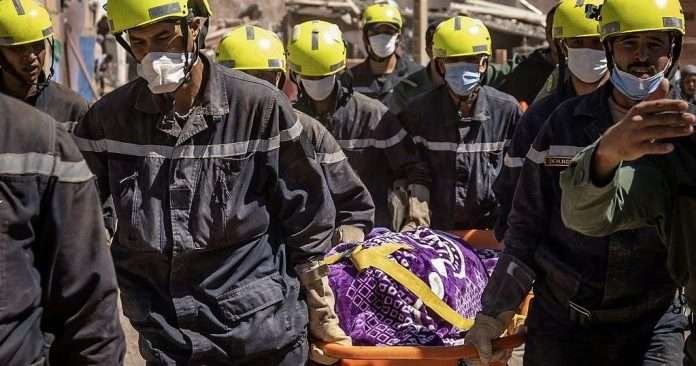
    Rabat, Morocco – (African Boulevard News) – The devastating earthquake that struck Morocco has left survivors haunted by the first moments of the disaster as the death toll continues to climb.

    “When the earthquake hit, I came home to find the house destroyed and the children under the rubble. I didn’t think any of them would make it out alive, considering the extent of the destruction,” said Amina, a survivor who lost her entire family. Her story reflects the pain and anguish felt by many in the wake of this natural disaster.

    The earthquake, measuring 7.2 on the Richter scale, struck the northern region of Morocco, near the city of Tetouan. The initial shock was followed by a series of aftershocks, causing buildings to crumble and leaving thousands of people homeless.

    As rescue efforts continue, the death toll has climbed to over 300, with hundreds more injured and missing. The search for survivors has become a race against time, with rescue teams working around the clock to pull people out from under the debris.

    Witnesses recount the chaos and panic that ensued in the immediate aftermath of the earthquake. “People were running in every direction, crying for help. It was a scene of utter devastation,” said Ahmed, who survived the quake but lost his home.

    Authorities and international aid organizations have mobilized to provide emergency assistance to those affected. Field hospitals have been set up to treat the injured, while temporary shelters have been established to provide basic necessities to those who lost their homes.

    Morocco’s King Mohammed VI has declared a state of emergency and vowed to provide all necessary resources to support the affected communities. “We will stand by the survivors and help them rebuild their lives. Our thoughts and prayers are with the victims and their families,” the King said in a statement.

    Despite the challenges, there is a glimmer of hope as stories of resilience and solidarity emerge from the disaster-stricken areas. Neighbors and strangers alike have come together to support each other, offering food, shelter, and a shoulder to lean on.

    However, the road to recovery will be long and arduous. The focus now shifts to rebuilding infrastructure, providing psychological support to survivors, and implementing measures to mitigate the impact of future earthquakes.

    As Morocco mourns the loss of so many lives, the nation rallies together to rebuild and heal. The strength and determination of its people will be crucial in overcoming this tragedy and building a better future.

    In these trying times, the international community stands in solidarity with Morocco, offering support and assistance. Together, we can help the survivors rise from the rubble and rebuild their lives, one step at a time.

    Mali: Gambian Heroes Rise from Earthquake Ravaged Marrakesh to Secure AFCON Spot

    0
    Read Time:2 Minute, 14 Second

    Bamako, Mali – (African Boulevard News) – The Gambia has secured its second appearance at the Africa Cup of Nations (AFCON), amidst the backdrop of an earthquake-hit Marrakesh. The small West African nation, known for its passionate football culture, is celebrating this remarkable achievement after finishing second in Group G of the AFCON qualifiers, which was dominated by Mali.

    In a unique turn of events, the match took place in an almost empty venue, with only a dozen spectators present, waving flags in support of their beloved Gambian team. The earthquake that occurred in Marrakesh just hours before the game had severely disrupted the city, resulting in a significantly reduced crowd.

    Despite the unusual circumstances, the Gambian players showed great determination and resilience on the field, knowing that a victory would secure their spot in the prestigious tournament. Their hard work and dedication paid off as they managed to clinch a crucial win, confirming their place in AFCON.

    The Gambia’s previous appearance in the tournament was back in 2002, making this achievement even more significant for the country. Football fans across the nation have been eagerly awaiting this moment, and the news has brought great joy and excitement to the Gambian people.

    Coach Omar Faye expressed his delight at the team’s success, stating, “It’s an incredible feeling to see our players qualify for AFCON once again. This is a testament to their hard work and the progress we have made in Gambian football. We are proud of what we have achieved and look forward to representing our country on the continental stage.”

    Gaining qualification for AFCON is not only a momentous occasion for The Gambia but also a potential catalyst for further development of football in the country. The exposure and experience gained from participating in such a prestigious tournament can inspire younger generations and help in the growth of the sport at grassroots levels.

    The Gambian team will now focus on preparing for the AFCON tournament, where they will face tough competition from other African nations. However, with their recent success and determination, they are ready to demonstrate their skills and make their mark on the continental stage.

    As the earthquake-hit Marrakesh recovers from the devastation, the Gambian team’s qualification for AFCON serves as a source of hope and inspiration, reminding the world of the resilience and strength that can emerge from challenging circumstances.

    With celebrations underway in The Gambia, football fans and pundits eagerly anticipate the team’s performance in the upcoming AFCON tournament. The Gambian players have not only secured their place in the competition but also captured the hearts of their nation, becoming symbols of unity and resilience in the face of adversity.

    Africa: Kamala Harris Honors 9/11 Heroes at Ground Zero Memorial, Inspiring Unity and Remembrance

    0
    Read Time:2 Minute, 9 Second

    Diaspora, Africa – (African Boulevard News) – Kamala Harris, the Vice President of the United States, attended a somber service at the 9/11 Memorial and Museum in lower Manhattan, New York City, to mark the 22nd anniversary of the September 11 terrorist attacks. The nation observed this solemn occasion to remember the lives lost and honor the heroes who responded to the tragedy.

    The September 11 attacks, also known as 9/11, were a series of coordinated terrorist attacks in 2001 that targeted the World Trade Center towers in New York City and the Pentagon in Arlington, Virginia. Nearly 3,000 people lost their lives that fateful day, and the impact of the attacks is still felt by many around the world.

    The ceremony held at Ground Zero, the site where the Twin Towers once stood, brought together families of the victims, survivors, and first responders. Vice President Harris paid her respects by laying a wreath at the memorial and offering a moment of silence. Her presence demonstrated the importance of remembering the events of that day and honoring the resilience of the American people.

    As the nation reflected on the tragedy, experts and stakeholders emphasized the significance of not only remembering the events of 9/11 but also learning from them. Sarah Thompson, a security analyst, stated, “The September 11 attacks were a wake-up call for the United States and the world. It changed the way we approach national security and the fight against terrorism.” Thompson emphasized the need to remain vigilant and adapt to evolving threats in order to prevent similar attacks in the future.

    In the aftermath of 9/11, the United States implemented several security measures and established agencies such as the Department of Homeland Security to enhance national security and counterterrorism efforts. The attacks also led to changes in international relations, with countries around the world joining forces to combat terrorism.

    The observance of the 22nd anniversary of 9/11 serves as a reminder of the importance of unity in the face of adversity. It is a time to honor the lives lost and the bravery of those who risked their lives to save others. As the United States reflects on this tragedy, it also sends a message of solidarity to the world, highlighting the shared goal of preventing terrorism and promoting peace.

    As the sun set on the memorial service, the nation remained steadfast in its commitment to remember and learn from the events of September 11, 2001. The anniversary serves as a reminder that although the wounds may heal, the memories will forever remain.

    Kenya: Revolutionary Solar-Powered Cold Storage Empowers Farmers, Saving Crops and Boosting Profits

    0
    Read Time:2 Minute, 18 Second

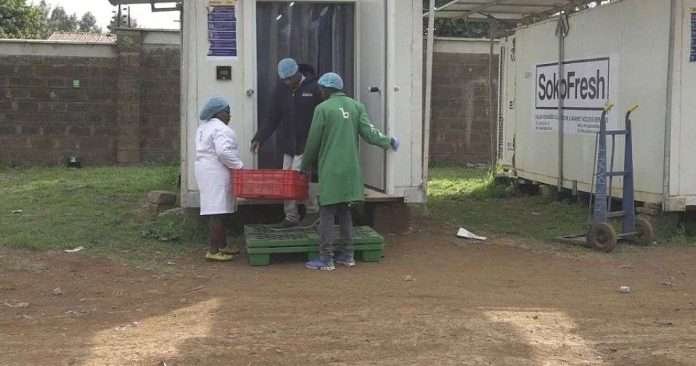
    Nairobi, Kenya – (African Boulevard News) – Kenya, known for its commitment to renewable energy, is making strides in the agricultural sector by introducing solar-powered cold storage systems. This innovative solution is helping farmers reduce costly waste and ensure longer shelf life for their produce.

    As one of the leading countries in Africa for harnessing solar power, Kenya is taking advantage of its location near the equator, where it enjoys an average of five to seven hours of sunlight daily. This abundance of solar energy has paved the way for the implementation of solar-powered cold storage units across the country.

    Farmers in Kenya have long suffered from post-harvest losses due to inadequate storage facilities. With traditional storage methods, such as using ice blocks, farmers often struggle to maintain the required low temperatures that prevent spoilage. This results in significant financial losses, as well as a waste of precious resources.

    However, the introduction of solar-powered cold storage units has proven to be a game-changer for farmers. These units are equipped with solar panels that harness sunlight and convert it into electricity, powering the cooling systems. Not only are they cost-effective, but they also provide a sustainable and reliable solution for farmers to store their produce.

    The benefits of these solar-powered cold storage units extend beyond reducing waste. They also play a crucial role in extending the shelf life of perishable goods. By maintaining optimal temperatures, farmers can keep their produce fresh for longer periods, allowing them to access better markets and increase their profits.

    The positive impact of this innovation can already be seen in various parts of Kenya. Farmers who have adopted solar-powered cold storage have reported significant reductions in post-harvest losses. One farmer, John Kamau, shared his experience, saying, “Before, I used to lose almost half of my tomatoes due to spoilage. Now, with the solar-powered cold storage, I have been able to reduce my losses to less than 10%. It has helped me save money and sell better-quality produce.”

    The government of Kenya, recognizing the potential of solar-powered cold storage systems, has been actively supporting farmers and small-scale entrepreneurs in adopting this technology. Through partnerships with renewable energy companies, they offer incentives and subsidies to encourage wider adoption of these units across the country.

    As Kenya continues to prioritize renewable energy and innovative solutions in the agricultural sector, solar-powered cold storage units prove to be a valuable tool for farmers. They not only contribute to reducing costly waste but also support the economy by enhancing food security and increasing farmers’ income. With the government’s support and the enthusiasm of farmers, Kenya is set to become a pioneer in utilizing solar energy for the betterment of its agricultural sector.