Sunday, May 3, 2026
79.7 F
Lagos
More
    Home Blog Page 171

    Kenya’s Coffee Revolution: Multinationals Crumble as Local Farmers Take Control

    0
    Read Time:2 Minute, 19 Second

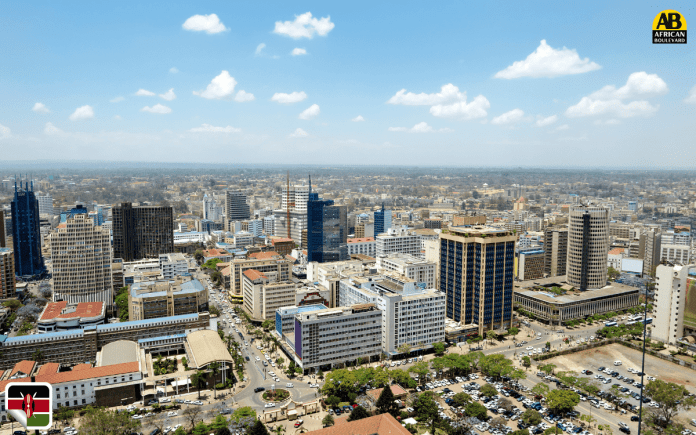
    Nairobi, Kenya – (African Boulevard News) – Deputy President Rigathi Gachagua’s zealous coffee reforms in Kenya have sent shockwaves through the industry, as multinationals like Neumann Kaffee Gruppe struggle to adapt to the changing landscape. These reforms, aimed at boosting local firms and ensuring they receive a larger share of the spoils, have left many multinational corporations reeling.

    The impact of these reforms has been significant, with established multinationals finding it increasingly difficult to compete with the local players. Neumann Kaffee Gruppe, one of the largest coffee traders in the world, has seen its profits plummet as a result of the reforms. The company has been forced to scale back its operations in Kenya, closing several of its processing plants and laying off workers.

    The reforms are part of a broader effort by the Kenyan government to empower local coffee farmers and promote sustainability in the industry. By implementing stricter regulations and offering financial incentives to local firms, the government hopes to create a more equitable distribution of wealth within the coffee sector.

    “Kenya has some of the best coffee in the world, and it’s time that our local farmers benefit from it,” said Deputy President Gachagua. “We want to ensure that the profits from our coffee industry stay in Kenya and contribute to the growth and development of our economy.”

    The reforms have been welcomed by local coffee farmers and small-scale processors who have long struggled to compete with the multinationals. They see this as an opportunity to level the playing field and gain a larger share of the profits generated by the coffee industry.

    “We have been marginalized for far too long,” said Peter Mwangi, a local coffee farmer. “These reforms give us hope that we can finally have a say in the industry and benefit from the hard work we put into growing and processing coffee.”

    While the reforms have been celebrated by local stakeholders, they have also faced criticism from some quarters. Multinational corporations argue that the reforms have disrupted established supply chains and are driving up costs for consumers. They claim that the focus should be on promoting fair trade and sustainability without stifling competition.

    However, the Kenyan government remains resolute in its commitment to the reforms. They believe that by giving local firms a larger share of the coffee industry, Kenya can become a major player in the global coffee market and bring economic prosperity to its people.

    As the coffee reforms continue to shape the industry, it remains to be seen how multinationals will adapt and whether local firms can seize the opportunity to grow and thrive. One thing is certain, these reforms are a testament to the determination of the Kenyan government to empower its people and ensure that they benefit from the country’s rich coffee resources.
    South Africa: Devastating Waves Ravage Cape Town, Leaving Residents in Shock and Desperation

    0
    Read Time:2 Minute, 4 Second

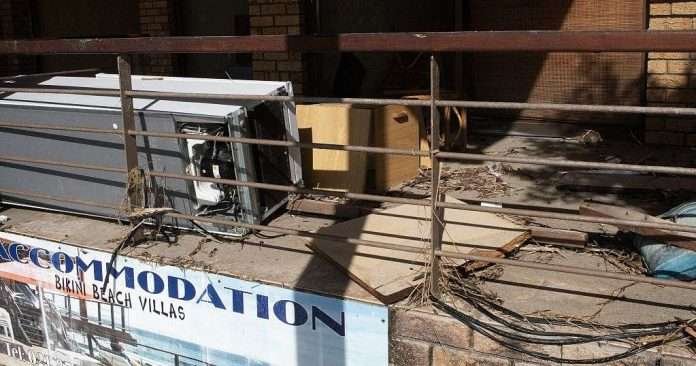
    Pretoria, South Africa – (African Boulevard News) – Unusual waves have hit the coast of Cape Town, causing havoc and flooding in several areas. Strong tides and violent winds combined to create a powerful swell over the weekend, with water overtopping dykes and flooding streets and houses in places.

    The unexpected and destructive waves caught residents and authorities off guard. Many residents woke up on Saturday morning to find their homes flooded and their possessions damaged. Emergency services were overwhelmed with calls for help as they struggled to respond to the widespread flooding.

    “This is something we have never seen before,” said Sarah Adams, a resident of Cape Town. “The waves were incredibly powerful, and they came crashing into the coast with such force. It was frightening.”

    The unusual weather event has been attributed to a combination of factors, including a severe weather system and high spring tides. Experts believe that climate change may also have played a role in the unprecedented waves.

    “Climate change is causing more extreme weather events around the world, and South Africa is not immune to these changes,” said Dr. James Stevenson, a climate scientist at the University of Cape Town. “Unusual waves like the ones we experienced over the weekend are likely to become more frequent in the future.”

    The impact of the waves was particularly severe in low-lying coastal areas, where homes and infrastructure were most vulnerable. Local authorities have been working tirelessly to provide assistance to affected residents and to mitigate further damage.

    “We are doing everything we can to support those affected by the flooding,” said Mayor John Smith. “Our emergency teams are working round the clock to ensure the safety and well-being of our residents.”

    As the clean-up efforts continue, residents are being urged to take precautions and to stay away from affected areas until they have been declared safe. The city’s disaster management unit has set up temporary shelters for those who have been displaced by the flooding.

    “This event serves as a stark reminder of the need to adapt and prepare for the changing climate,” said Dr. Stevenson. “We must invest in resilient infrastructure and develop strategies to protect our coastal communities from future events of this nature.”

    As South Africa grapples with the aftermath of these unusual waves, it is hoped that lessons will be learned, and actions will be taken to ensure the safety and well-being of its coastal residents in the face of increasingly unpredictable weather patterns.

    Africa: Unveiling the Painful Truth of Stolen Art – Mauritshuis Museum Exposes Plundered Heritage and Sparks Global Restitution Debate

    0
    Read Time:2 Minute, 28 Second

    Diaspora, Africa – (African Boulevard News) – Looted art stories take center stage at Mauritshuis museum in The Hague, shedding light on the painful history of stolen cultural objects and the ongoing efforts to rectify past injustices.

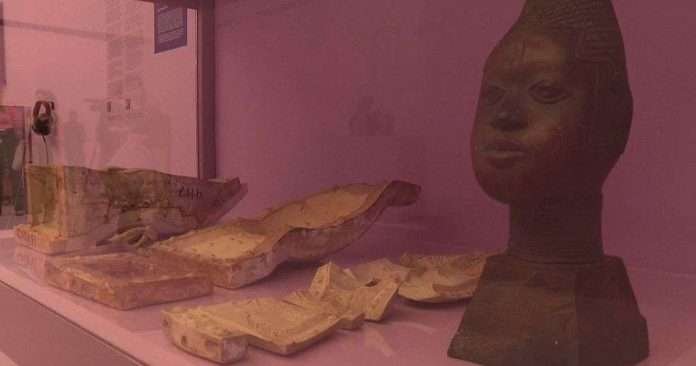
    The Mauritshuis museum, known for its impressive collection of Dutch Golden Age paintings, is currently showcasing a special exhibition titled “Stolen Heritage: Recovered Treasures.” This exhibition aims to raise awareness about the looting and displacement of artwork and to initiate discussions on restitution and the return of these cultural objects to their rightful owners.

    One of the highlights of the exhibition is a painting titled “The Girl with the Pearl Earring” by Johannes Vermeer. This iconic artwork, which has become a symbol of Dutch art, has a controversial past. It was looted by the Nazis during World War II and later ended up in Russian possession. The painting was finally returned to the Netherlands in 1952, but its journey highlights the tumultuous history of stolen art.

    Speaking about the exhibition, the museum’s director, Martine Gosselink, stated, “We want to confront our visitors with the painful reality of looted art and the impact it has on communities and nations. It is crucial to recognize the responsibility we have as custodians of these cultural objects.”

    Gosselink’s sentiment is shared by many, including Monde Mabizela, an African art historian and curator. Mabizela emphasizes the significance of these artworks to their respective communities, stating, “I think it’s very painful to see all those cultural objects in the depots of our European museums because we know that the people to whom they belong are deprived of their culture.”

    The exhibition also addresses the complexities surrounding restitution and the ethical considerations involved. The museum has collaborated with experts and stakeholders from around the world to facilitate dialogue on the topic. Representatives from countries such as Nigeria, Egypt, and South Africa have participated in discussions, contributing their perspectives and advocating for the repatriation of their cultural heritage.

    While progress has been made in recent years, with some museums initiating discussions on restitution, the issue remains contentious. Many argue that the return of cultural objects is necessary for healing historical wounds and reclaiming identity. However, others contend that preserving and displaying these artworks in renowned institutions allows for broader access and appreciation.

    The “Stolen Heritage: Recovered Treasures” exhibition at the Mauritshuis museum serves as a poignant reminder of the injustices committed in the past and the ongoing struggle for cultural restitution. It forces visitors to confront uncomfortable truths and raises crucial questions about the responsibility of museums in addressing historical wrongs.

    As the exhibition continues to draw attention and spark meaningful discussions, it is hoped that it will contribute to a greater understanding and commitment towards rectifying the cultural imbalances of the past. The stories behind these stolen artworks remind us all of the importance of preserving cultural heritage and the necessity of restitution for a more equitable future.

    For more information, please visit: [URL 1] [URL 2]

    Niger: Artists Fight Back Against France’s Culture Ban, Igniting Global Outrage and Demanding Change

    0
    Read Time:2 Minute, 15 Second

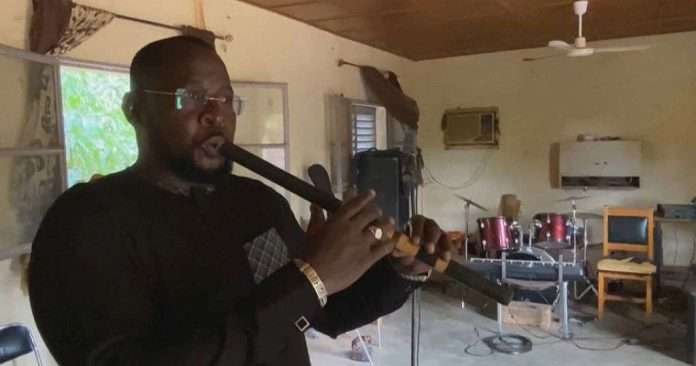
    Niamey, Niger – (African Boulevard News) – The recent controversy surrounding the French visa ban has sparked outrage among Nigerien artists who refuse to let their culture be “taken away”. The ban, which prevents artists from Niger and other African countries from entering France, has been met with backlash and condemnation from the artistic community.

    “We can’t go to France, we have Africa, we have the other parts of the world. All they have to do is close themselves off. All they have to do is shut themselves up in their own box,” says renowned Nigerien artist, Garba.

    The visa ban has effectively severed ties between Nigerien artists and their French counterparts, hindering cultural exchange and collaboration. The move has been criticized for perpetuating stereotypes, fostering discrimination, and stifling the growth and development of African art.

    In a statement issued by the Nigerien Association of Artists, the organization expressed their disappointment at the visa ban, emphasizing the importance of cultural exchange and the role it plays in fostering understanding and appreciation between nations. They called on the French government to reconsider the decision and find alternative solutions that would not impede artistic expression.

    The controversy has also drawn attention to the broader issue of visa restrictions faced by African artists when trying to travel abroad. Many argue that these restrictions hinder opportunities for artists to showcase their work internationally and limit their ability to connect with global audiences.

    Industry experts and stakeholders have joined the chorus of voices condemning the French visa ban. Fatima, a promoter of African art, stated, “This ban is a setback for African artists who rely on international exposure to expand their careers. It is a tragic blow to cultural diversity and undermines the efforts of artists to create meaningful connections.”

    The controversy has sparked discussions on social media platforms, with hashtags such as #CultureIsNotBoundaries and #ArtWithoutBorders trending. Artists from around the world have expressed solidarity with their Nigerien counterparts, sharing stories of visa struggles and calling for a more inclusive and open approach to cultural exchange.

    Despite the challenges posed by the visa ban, Nigerien artists remain resilient and determined to continue sharing their culture with the world. They are exploring alternative avenues, such as virtual exhibitions and online collaborations, to overcome the physical barriers that currently separate them from international audiences.

    The French visa ban controversy serves as a stark reminder of the power of art to transcend borders and unite people. It calls for a reevaluation of visa policies that impede cultural exchange and hinder the growth and appreciation of diverse artistic expressions. The plight of Nigerien artists has ignited a global conversation about the importance of preserving cultural heritage and ensuring that creativity knows no boundaries.

    Nigeria: Volunteers Brave Torrential Rain to Cleanse Market, Inspire Environmental Revolution

    0
    Read Time:2 Minute, 21 Second

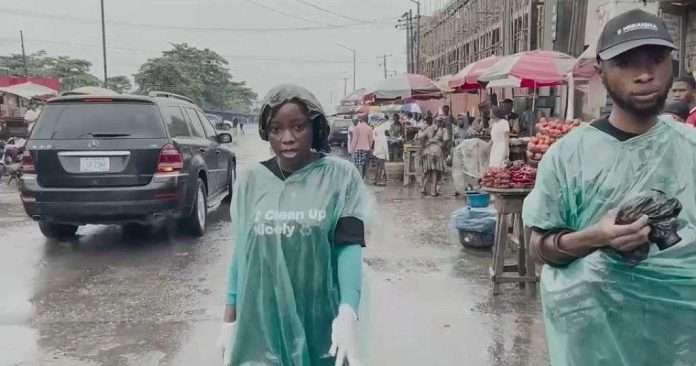
    Abuja, Nigeria – (African Boulevard News) – Despite heavy rain showers, dedicated volunteers in Nigeria came together to commemorate World Cleanup Day, demonstrating their commitment to environmental conservation and community engagement.

    The market is one of the busiest places in any city and is also a place that generates a very significant volume of waste due to the high quantity of activities going on, especially buying and selling. However, on this special day, residents of Abuja’s bustling Garki Market defied the downpour to participate in a clean-up drive organized by local environmental organizations.

    Under the theme “Clean Nigeria: A Cleaner Environment for a Healthier Nation,” the event aimed to raise awareness about the importance of waste management and encourage everyone to take responsibility for keeping their surroundings clean.

    Despite the challenging weather conditions, the volunteers, armed with gloves, trash bags, and determination, scoured the market area, picking up litter and restoring cleanliness to the once cluttered streets. This act of collective action highlighted the power of community involvement in addressing environmental challenges.

    Josephine Agu, a volunteer, expressed her enthusiasm for the initiative, saying, “I believe that by dedicating our time and effort to clean up our communities, we can inspire others to do the same. Together, we can make a significant impact on our environment.”

    The event also attracted the attention of environmental experts who commended the volunteers for their commitment to raising awareness about waste management in Nigeria.

    Dr. Oladipo Lawal, an environmental scientist, emphasized the significance of such initiatives, stating, “World Cleanup Day provides an opportunity for communities to come together and work towards a common goal of preserving our environment. By cleaning up our streets, we not only improve the aesthetics of our neighborhoods but also prevent pollution and protect our health.”

    The event also showcased the collaborative efforts between local organizations, businesses, and government agencies in creating a sustainable waste management system. These partnerships play a vital role in implementing long-term solutions to waste management challenges in Nigeria.

    Despite the rain making the clean-up more challenging, the dedication of the volunteers was evident throughout the event. Their commitment serves as an inspiration to others, illustrating the importance of individual actions in creating a cleaner and healthier environment for all.

    As the volunteers wrapped up the clean-up, their smiles and satisfaction were evidence of the positive impact they had made. Their efforts serve as a reminder that World Cleanup Day is not just a one-day event but a catalyst for long-term change.

    Through their determination, these volunteers have shown that rain or shine, they are willing to go the extra mile to protect their environment. As Nigeria continues to tackle its waste management challenges, initiatives like this give hope for a future where clean streets and a cleaner environment become the norm.

    Sudan: Trapped in Desperation – Endless Wait for Passports Leaves Lives Hanging in the Balance

    0
    Read Time:2 Minute, 12 Second

    Khartoum, Sudan – (African Boulevard News) – Desperate Sudanese citizens are facing an endless wait for passports as they urgently seek to flee the war-torn country. The struggle to obtain this crucial document has left countless individuals trapped, their hopes for a brighter future indefinitely on hold.

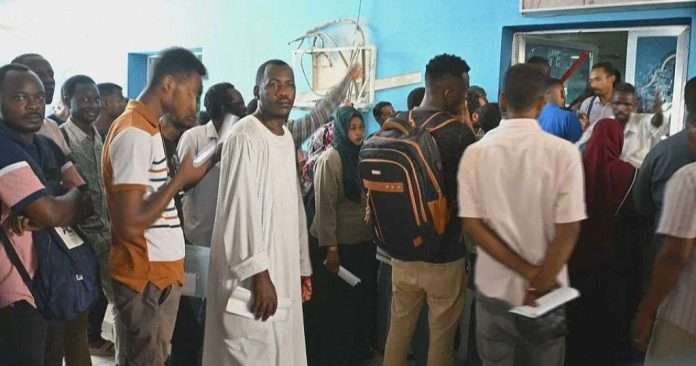
    Since the inauguration of the new passport office in Port Sudan at the end of August, hundreds of people have been lining up at the cramped facility, hoping to secure the necessary documents to escape the violence plaguing Sudan. These individuals are plagued by a sense of desperation, knowing that their lives hang in the balance as they wait for their turn.

    The demand for passports has surged dramatically due to the ongoing conflicts in Sudan, with many seeking refuge in neighboring countries or beyond. However, the process of obtaining a passport has become mired in bureaucratic obstacles, leaving individuals frustrated and uncertain about their future.

    “The situation is dire, and the growing backlog of passport applications only exacerbates the suffering of Sudanese people,” says Mohamed Ahmed, a local activist. “They are caught in a race against time, desperately trying to secure passports so they can flee the violence and find safety.”

    One of the main challenges is the limited number of passport offices across Sudan, which can hardly cope with the overwhelming demand. The result is long queues, cramped waiting areas, and an exhausting process that can take months, if not longer, to complete.

    Furthermore, the impact of the COVID-19 pandemic has further exacerbated the situation. Social distancing measures and the need for increased health protocols have slowed down the already sluggish passport application process, leaving individuals in a state of anxiety and uncertainty.

    “The passport office simply does not have the capacity to handle the current situation,” explains Fatima Osman, a human rights advocate. “The government needs to invest in improving the system, increasing the number of passport offices, and streamlining the application process. Lives are at stake.”

    As Sudanese citizens face an indefinite wait for their passports, the urgency for international assistance and support becomes even more pronounced. Regional and international organizations should work together with the Sudanese government to address the dire situation promptly, ensuring the safe passage of those seeking refuge from the war.

    The plight of desperate Sudanese individuals awaiting their passports highlights the urgent need for action. Lives are hanging in the balance as bureaucratic bottlenecks and limited resources hinder their chances of escaping the violence. The international community must rally behind these individuals, providing the necessary support to expedite the passport application process and offer hope to those trapped in a seemingly endless wait.

    South Africa: A Nation United in Mourning as Extraordinary Zulu Leader Mangosuthu Buthelezi is Laid to Rest

    0
    Read Time:2 Minute, 23 Second

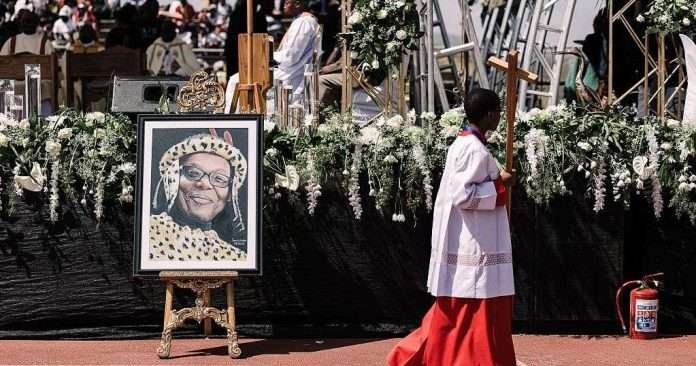
    Pretoria, South Africa – (African Boulevard News) – South Africa bid farewell to esteemed Zulu leader, Mangosuthu Buthelezi, as the nation held a state funeral in his honor. The funeral, which took place on Saturday in the capital city of Pretoria, was a somber affair as thousands gathered to pay their respects to the late politician and traditional leader.

    Buthelezi, who passed away at the age of 93, was widely celebrated for his role in the anti-apartheid struggle and his steadfast commitment to the rights of the Zulu nation. He served as the leader of the Inkatha Freedom Party (IFP) and played a pivotal role in the country’s transition to democracy.

    The state funeral was attended by dignitaries, politicians, and members of the public who came to honor Buthelezi’s life and legacy. President Cyril Ramaphosa, in his eulogy, praised Buthelezi as a visionary leader who dedicated his life to the service of his people.

    “I have never met a man with such an enormous capacity to forgive, and I doubt I will ever meet another one,” said President Ramaphosa. “He was simply extraordinary.”

    Buthelezi’s journey in politics began during the darkest days of South Africa’s apartheid era. He fought tirelessly for the rights of the Zulu people and was instrumental in promoting peace and reconciliation during a turbulent time in the country’s history. His efforts earned him both admiration and respect from all corners of the nation.

    Under Buthelezi’s leadership, the IFP became a formidable political force and a voice for marginalized communities. His commitment to non-violent resistance was a guiding principle that helped to unite a fractured society.

    Throughout his career, Buthelezi maintained a strong focus on economic development and improving the lives of ordinary South Africans. His dedication to uplifting the Zulu nation and promoting social cohesion has left an indelible mark on the country’s history.

    The state funeral provided an opportunity for South Africans to reflect on Buthelezi’s contributions and the impact he had on the nation. It was a moment of unity as people from all walks of life came together to bid farewell to a true statesman.

    As the sun set on the day of the state funeral, South Africans were left with a renewed sense of purpose and a commitment to carry on Buthelezi’s legacy. His life serves as a reminder of the power of forgiveness, reconciliation, and the ability to effect positive change.

    The nation mourns the loss of a remarkable leader, but his spirit and vision will continue to guide South Africa into the future. The legacy of Mangosuthu Buthelezi will forever be etched in the hearts and minds of the people he served so selflessly.

    Sources:
    https://www.africanews.com/2023/09/17/south-africa-holds-state-funeral-for-zulu-leader-mangosuthu-buthelezi/
    https://www.google.com/search?q=South+Africa+holds+state+funeral+for+Zulu+leader+Mangosuthu+Buthelezi

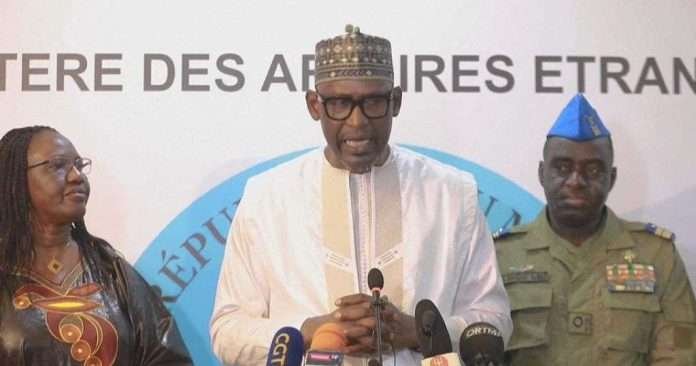
    Mali: Historic Pact Seals Unity in the Fight Against Terrorism and Paves the Way for Economic Growth

    0
    Read Time:2 Minute, 44 Second

    Bamako, Mali – (African Boulevard News) – In a move aimed at strengthening regional security and cooperation, the West African nations of Mali, Niger, and Burkina Faso have signed a historic mutual defence pact. The agreement, signed during a summit in Bamako, marks a significant step forward in the fight against terrorism and insurgency in the region.

    The mutual defence pact comes at a critical time when these countries are grappling with a surge in extremist activities. The Sahel region has witnessed a rise in violence perpetrated by armed groups affiliated with Al-Qaeda and the Islamic State. The situation has not only posed a threat to the stability of the individual countries but to the entire region as well.

    Under the terms of the pact, the three countries have committed to joint military operations, intelligence sharing, and coordinated efforts to counter the common security challenges they face. This collaboration will enable them to better respond to threats and ensure the safety and security of their citizens.

    President Ibrahim Boubacar Keita of Mali emphasized the importance of the pact, saying, “Of course, everything starts with security. But the Heads of State must also think about economic issues, how to bring the different countries closer together, and how to facilitate trade between our nations.”

    The mutual defence pact reflects a growing recognition among the leaders of these countries of the need to work together to address the complex security challenges in the region. By combining their resources and expertise, Mali, Niger, and Burkina Faso aim to enhance their collective security capabilities and effectively combat terrorism and insurgency.

    International partners, including the United Nations and the African Union, have lauded the signing of the mutual defence pact. Antonio Guterres, the UN Secretary-General, commended the three nations for their commitment to regional peace and stability. He called on the international community to provide support to the joint efforts of Mali, Niger, and Burkina Faso.

    Efforts to tackle security challenges must be complemented by initiatives to improve socio-economic conditions in the region, as acknowledged by President Roch Marc Christian Kabore of Burkina Faso. He stated, “We need to work together to find long-term solutions to the security challenges we face. This includes addressing the root causes of extremism, such as poverty, unemployment, and lack of economic opportunities.”

    The signing of the mutual defence pact is a significant step towards regional integration and collective security. It demonstrates the determination of Mali, Niger, and Burkina Faso to work together to overcome common challenges and build a more peaceful and prosperous future for their citizens. This approach sets a positive example for other countries in the region to follow.

    As the Sahel region continues to grapple with security threats, the success of this mutual defence pact will depend on the commitment of the signatory nations to implement the agreed-upon measures effectively. It is hoped that this collaboration will not only lead to improved security but also foster greater regional cooperation, economic growth, and development.

    In a joint statement, the leaders of Mali, Niger, and Burkina Faso expressed their optimism about the future, saying, “Our people deserve to live in peace and security. Together, we will overcome the challenges we face and build a brighter future for ourselves and generations to come.”

    Niger: Artists Refuse to be Silenced – Fighting Back Against Cultural Theft and Unfair Visa Policies

    0
    Read Time:2 Minute, 29 Second

    Niamey, Niger – (African Boulevard News) – In a groundbreaking move, Nigerien artists are refusing to let their culture be undermined amid a French visa controversy. The artists are taking a stand against what they perceive as cultural theft and are calling for a reevaluation of visa policies that limit their ability to showcase their talent abroad.

    The French visa controversy erupted after a group of Nigerien artists were denied entry into France to participate in a prestigious art exhibition. The artists, who had secured all necessary visas and documentation, were shocked to be turned away at the border. This incident has sparked a wider debate on the treatment of African artists and the barriers they face in sharing their work with global audiences.

    Garba, a renowned Nigerien painter, expressed his frustration, saying, “We can’t go to France, we have Africa, we have other parts of the world. All they have to do is close themselves off. All they have to do is shut themselves up in their own box.” The sentiment is shared by many artists who feel that their voices are being silenced and their cultural contributions diminished.

    The controversy surrounding the French visa policy highlights the larger issue of cultural appropriation and marginalization of African artists. Historically, African art has been prized and exhibited in prestigious galleries around the world, yet African artists themselves often face significant barriers to access these same spaces.

    This incident has prompted calls for a reevaluation of visa policies and greater support for African artists to showcase their work internationally. Many argue that denying artists the opportunity to exhibit their art not only stifles creativity but also perpetuates a narrative that Africa’s cultural contributions are not valued on a global scale.

    In response to the controversy, the Nigerien government has vowed to support its artists and explore alternative avenues for showcasing their talent. The Ministry of Culture has announced plans to organize local exhibitions and cultural exchange programs to provide a platform for artists to share their work with a wider audience.

    International art organizations, including the International Federation of Arts Councils and Culture Agencies (IFACCA), have also expressed their concern over the visa controversy. They stress the importance of cultural exchange and the need for countries to facilitate the movement of artists across borders.

    The French visa controversy has brought to the forefront the struggles faced by African artists in navigating international barriers. It serves as a reminder that culture knows no boundaries and should not be contained or limited. The hope is that this incident will spark meaningful dialogue and action to ensure that African artists are given the same opportunities as their counterparts from other regions of the world.

    As the debate continues, it is crucial for stakeholders to collaborate and find solutions that promote cultural exchange and celebrate the rich diversity of African art. Only then can we truly appreciate and preserve the vibrant cultural heritage that Nigerien and other African artists contribute to the global artistic landscape.

    Gabon: Rising Costs of Back-to-School Items Leave Families Struggling to Afford Education

    0
    Read Time:2 Minute, 12 Second

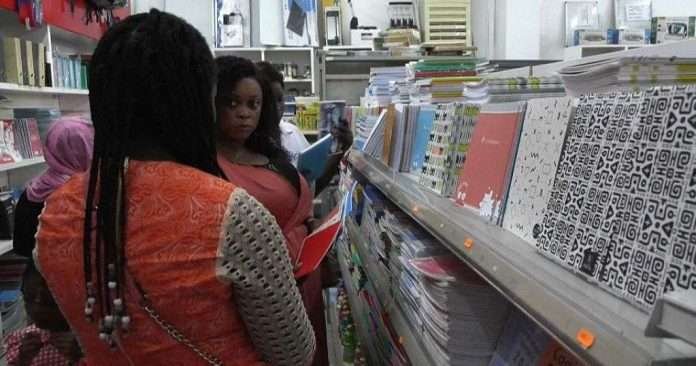
    Libreville, Gabon – (African Boulevard News) – As the new school year approaches in Gabon, parents are feeling the financial strain of purchasing back-to-school items. The cost of essential supplies, including textbooks, uniforms, and stationery, has significantly increased, leaving many families struggling to afford the necessary items for their children’s education.

    “Back then, you could get a 200-page booklet for 500 francs (80 cents). But these days it’s gone up a lot. Well, for us it’s… It’s too high actually. It’s too expensive to learn. So it’s really difficult,” says a concerned parent.

    The rising costs of back-to-school items have become a major burden for parents across the country. Many families already face financial challenges, and the additional expenses put further strain on their limited budgets.

    Textbooks, once relatively affordable, have become significantly more expensive, with some prices doubling in recent years. This has forced parents to spend a substantial amount of their income on educational materials alone.

    “A set of textbooks now costs almost a month’s salary for some parents. It’s becoming increasingly difficult for families to provide their children with the necessary resources for a quality education,” explains an education expert.

    In addition to textbooks, school uniforms and stationery have also seen a significant price increase. Uniforms, an essential requirement in Gabon’s schools, can cost anywhere from 10,000 to 30,000 francs ($17 to $51), depending on the school and the grade level.

    The steep prices have sparked frustration among parents, who argue that education should be more accessible and affordable for all. They are calling on the government to address the issue and take measures to alleviate the financial burden on families.

    “Education is a fundamental right, and no child should be denied access to quality education due to financial constraints. The government needs to prioritize education affordability and find solutions to reduce the cost of back-to-school items,” says a concerned parent.

    The high cost of back-to-school items not only affects the financial well-being of families but also has long-term implications for the nation’s education system. Many children from disadvantaged backgrounds are at risk of being left behind, unable to afford the essential resources needed to succeed academically.

    As children eagerly prepare to return to school, the burden of buying back-to-school items weighs heavily on parents’ minds. The government must act swiftly to address this issue and ensure that every child has an equal opportunity to receive an education without the financial strain placed on their families. It is time to prioritize accessibility and affordability in education and invest in the future of Gabon’s children.