Saturday, May 2, 2026
89 F
Lagos
More
    Home Blog Page 152

    Niger: UN Chief Accused of Betrayal as Fight for Representation Rages On

    0
    Read Time:2 Minute, 30 Second

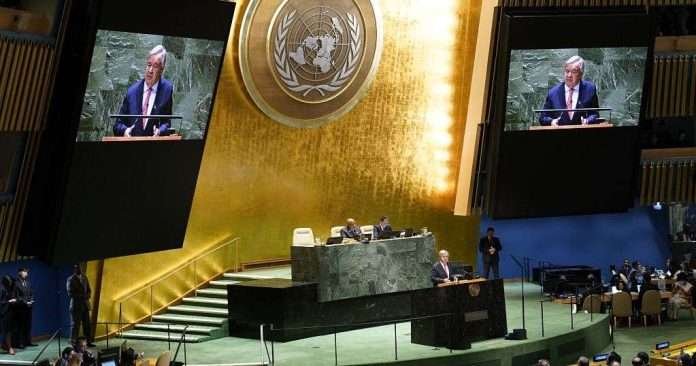
    Niamey, Niger – (African Boulevard News) – Niger finds itself embroiled in a heated dispute concerning the issuance of letters of credence between the junta, President Mohamed Bazoum’s government, and the United Nations (UN). This bone of contention has led to a strained relationship among these entities, causing a ripple effect on Niger’s participation in the 78th session of the UN General Assembly.

    UN Secretary-General Antonio Guterres has been accused of obstructing Niger’s full participation in the UN General Assembly by withholding the issuance of letters of credence. In a scathing statement, President Bazoum’s spokesperson remarked, “UN chief Antonio Guterres went astray in the exercise of his mission by impeding Niger’s rightful place in the global arena.”

    Letters of credence are official documents issued by one government to another, introducing an ambassador or a diplomat as the official representative of their country. These letters are crucial for diplomats to gain access to diplomatic privileges and carry out their duties effectively.

    The current turmoil arose when the UN insisted on issuing letters of credence directly to Niger’s military junta instead of President Bazoum’s government. The military junta, which took control after a coup earlier this year, has been met with international scrutiny. Several nations, including members of the UN, have refused to acknowledge their legitimacy.

    Experts believe that the UN’s decision to bypass President Bazoum’s government and engage directly with the junta stems from concerns about democratic governance and human rights in Niger. The international community has called for a swift return to civilian rule and the respect of democratic principles.

    Niger’s government has been vocal in expressing its frustration over the UN’s actions. Their argument centers around the fact that President Bazoum’s government is the legitimate representative of the country and should be the sole recipient of the letters of credence, allowing them to fully participate at the UN.

    Amidst the diplomatic tussle, Niger’s representation and voice have been limited during the ongoing UN General Assembly. This has hindered the country’s ability to address pressing global issues and contribute to crucial debates on climate change, terrorism, and regional security.

    To resolve the impasse, diplomatic negotiations are underway between Niger, the UN, and other key stakeholders. President Bazoum and his government are advocating for the UN to reconsider its stance and recognize their authority as the true representatives of Niger.

    As the discussions continue, it is essential for all parties involved to find a mutually beneficial solution that upholds democratic principles while allowing Niger to actively participate in global affairs. The outcome of this dispute will have far-reaching consequences for Niger’s international standing and its ability to address the challenges facing the nation.

    In the coming days, all eyes will be on the diplomatic negotiations as the people of Niger anxiously await a resolution to this contentious issue. The international community must come together to find a common ground that ensures the inclusive and effective representation of Niger at the UN and paves the way for the country’s return to democratic governance.

    Niger: UN Chief Accused of Betrayal as Fight for Representation Rages On

    0
    Read Time:2 Minute, 30 Second

    Niamey, Niger – (African Boulevard News) – Niger finds itself embroiled in a heated dispute concerning the issuance of letters of credence between the junta, President Mohamed Bazoum’s government, and the United Nations (UN). This bone of contention has led to a strained relationship among these entities, causing a ripple effect on Niger’s participation in the 78th session of the UN General Assembly.

    UN Secretary-General Antonio Guterres has been accused of obstructing Niger’s full participation in the UN General Assembly by withholding the issuance of letters of credence. In a scathing statement, President Bazoum’s spokesperson remarked, “UN chief Antonio Guterres went astray in the exercise of his mission by impeding Niger’s rightful place in the global arena.”

    Letters of credence are official documents issued by one government to another, introducing an ambassador or a diplomat as the official representative of their country. These letters are crucial for diplomats to gain access to diplomatic privileges and carry out their duties effectively.

    The current turmoil arose when the UN insisted on issuing letters of credence directly to Niger’s military junta instead of President Bazoum’s government. The military junta, which took control after a coup earlier this year, has been met with international scrutiny. Several nations, including members of the UN, have refused to acknowledge their legitimacy.

    Experts believe that the UN’s decision to bypass President Bazoum’s government and engage directly with the junta stems from concerns about democratic governance and human rights in Niger. The international community has called for a swift return to civilian rule and the respect of democratic principles.

    Niger’s government has been vocal in expressing its frustration over the UN’s actions. Their argument centers around the fact that President Bazoum’s government is the legitimate representative of the country and should be the sole recipient of the letters of credence, allowing them to fully participate at the UN.

    Amidst the diplomatic tussle, Niger’s representation and voice have been limited during the ongoing UN General Assembly. This has hindered the country’s ability to address pressing global issues and contribute to crucial debates on climate change, terrorism, and regional security.

    To resolve the impasse, diplomatic negotiations are underway between Niger, the UN, and other key stakeholders. President Bazoum and his government are advocating for the UN to reconsider its stance and recognize their authority as the true representatives of Niger.

    As the discussions continue, it is essential for all parties involved to find a mutually beneficial solution that upholds democratic principles while allowing Niger to actively participate in global affairs. The outcome of this dispute will have far-reaching consequences for Niger’s international standing and its ability to address the challenges facing the nation.

    In the coming days, all eyes will be on the diplomatic negotiations as the people of Niger anxiously await a resolution to this contentious issue. The international community must come together to find a common ground that ensures the inclusive and effective representation of Niger at the UN and paves the way for the country’s return to democratic governance.
    Libya: Ancient City of Cyrene Ravaged by Deadly Floods, Endangering Magnificent Temple of Zeus and Cultural Heritage

    0
    Read Time:2 Minute, 27 Second

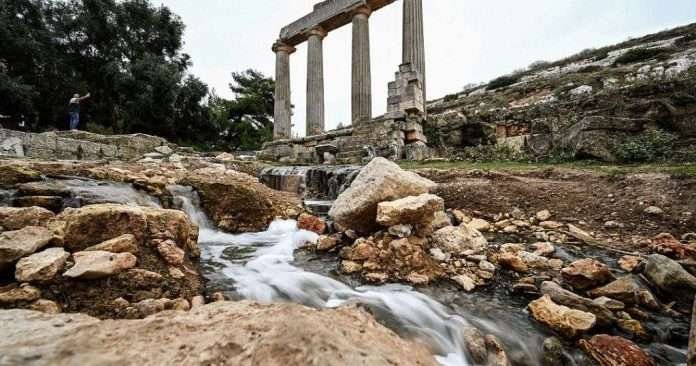
    Tripoli, Libya – (African Boulevard News) – The ancient city of Cyrene, a UNESCO-listed site in Libya, has suffered significant damage after being inundated by deadly floods. The foundations of this historical treasure, including the magnificent 2nd century AD Temple of Zeus, have been affected by the catastrophe. While the immediate damage may be relatively minor, the long-term impact on the site’s structural integrity is a matter of concern.

    The recent floods, triggered by heavy rainfall in the region, have engulfed Cyrene in water, endangering its fragile foundations. The vast amounts of water circulating around this ancient site raise fears of erosion and potential collapse of the architectural marvels that have stood the test of time for centuries.

    According to experts, the floods have caused a considerable threat to the structural stability of the temple and other monumental structures within Cyrene. The Temple of Zeus, known for its size, even surpassing the Parthenon in Athens, is one of the highlights of this UNESCO World Heritage site. Its preservation is crucial for understanding the rich history and culture of the region.

    While efforts are underway to assess the extent of the damage and devise strategies for restoration and preservation, experts emphasize the need for immediate action to safeguard the vulnerable ancient city. Dr. Ahmed Hassan, a renowned archaeologist, expressed his concern, stating, “The floods pose a significant risk to the foundations of Cyrene. It is imperative to take measures to protect this invaluable cultural heritage before it is too late.”

    The flooding in Cyrene is a stark reminder of the vulnerabilities of historical sites in the face of natural disasters. Climate change and the increasing frequency of extreme weather events pose a grave threat to these sites that hold immense cultural and historical value. As the global community grapples with the consequences of climate change, it is crucial to prioritize the protection and conservation of such sites.

    UNESCO, along with local authorities, must collaborate to develop comprehensive strategies to mitigate the risks faced by Cyrene and other vulnerable sites. This should include infrastructure improvements, early warning systems, and restoration plans that take into account the potential impacts of climate change.

    In the wake of this disaster, it is essential to raise awareness and mobilize resources to support the restoration of Cyrene. The preservation of cultural heritage not only enriches our understanding of the past but also contributes to the identity, tourism, and economic development of Libya. It is a collective responsibility to ensure that these invaluable treasures are protected for future generations to appreciate and learn from.

    As the recovery efforts begin, it is crucial to prioritize the safety and preservation of Cyrene. The international community must unite to support Libya in safeguarding this UNESCO-listed site and take proactive measures to address the threats posed by climate change. The fate of Cyrene rests in our hands, and it is our duty to ensure its survival for generations to come.

    Africa: Conservationists’ Race Against Extinction – 29 Embryos Bring Hope for Northern White Rhino Survival

    0
    Read Time:2 Minute, 11 Second

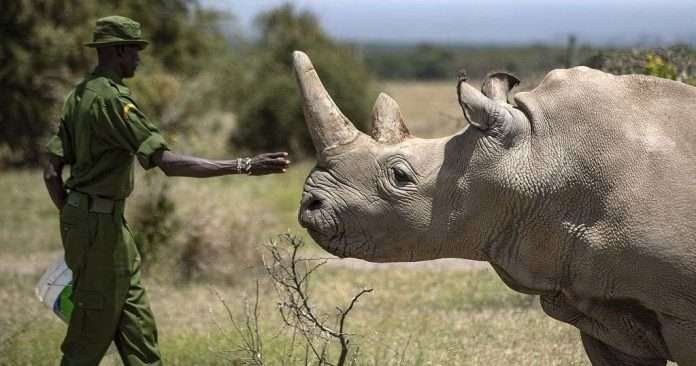
    Diaspora, Africa – (African Boulevard News) – World Rhino Day is a reminder of the urgent need to protect and conserve one of Africa’s most iconic and endangered species. Today, we focus on the Northern White Rhino, a subspecies on the brink of extinction. However, there is hope on the horizon as conservationists make significant strides towards saving these majestic creatures.

    Conservationists have been battling to save the Northern White Rhino from extinction for years. With only two known individuals left in the world, both females, the situation seemed dire. But now, a glimmer of hope shines through the darkness. Thanks to advancements in assisted reproductive techniques, conservationists have successfully produced 29 embryos, bringing us one step closer to preserving this subspecies.

    The breakthrough was made possible through in-vitro fertilization (IVF) techniques. Scientists collected eggs from the two remaining females and successfully fertilized them in a lab. These embryos are now stored in liquid nitrogen, awaiting the right conditions for implantation in a surrogate Southern White Rhino mother.

    Dr. Emmanuel Karingithi, a leading expert in rhino conservation, expresses his excitement about the recent developments. He says, “This is a significant milestone in our efforts to save the Northern White Rhino from extinction. With these embryos, we have a real chance of bringing this subspecies back from the brink.”

    While there is still much work to be done, conservationists remain optimistic. The plan is to implant the embryos into a surrogate mother within the next few years. If successful, this would mark a major achievement in the history of wildlife conservation and give hope to saving other critically endangered species facing similar challenges.

    The plight of the Northern White Rhino serves as a stark reminder of the urgent need for stronger conservation efforts. Habitat loss, poaching, and illegal wildlife trade continue to threaten rhino populations across Africa. World Rhino Day serves as a rallying cry for governments, organizations, and individuals to come together and take concrete action to protect these magnificent creatures.

    Through increased public awareness, strengthened anti-poaching measures, and supporting local communities, we can create a sustainable future for rhinos and other endangered species. As Dr. Karingithi emphasizes, “It is our moral duty to protect and preserve these creatures for future generations. Let us not wait until it’s too late.”

    On this World Rhino Day, let us remain hopeful and redouble our efforts to save the Northern White Rhino. The successful production of 29 embryos is the best news yet, but the fight is far from over. Together, we can make a difference and ensure a future where these magnificent animals roam our African landscapes once again.

    Madagascar: Opposition Faces Off Against President Rajoelina, Fights to Save Democracy

    0
    Read Time:2 Minute, 13 Second

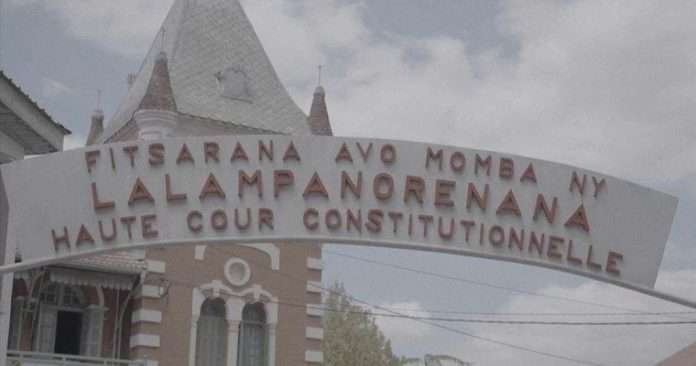
    Antananarivo, Madagascar – (African Boulevard News) – Ten opposition candidates in Madagascar have gathered for a closed-door meeting with the High Court following widespread protests against what they have described as “an institutional coup d’état” orchestrated by incumbent President Andry Rajoelina.

    The meeting, attended by prominent opposition figures, aimed to address the concerns raised by the candidates and find a way forward in light of the growing tensions in the country. The opposition coalition believes that Rajoelina’s administration has overstepped constitutional boundaries, leading to a crisis of democracy.

    The protests, which have been ongoing for several weeks, have seen thousands of Malagasy citizens take to the streets to voice their dissatisfaction with the current regime. The opposition candidates have united in their opposition to Rajoelina and are calling for a transparent and fair electoral process that upholds democratic principles.

    During the closed-door meeting, the High Court listened attentively as the opposition candidates presented their grievances and outlined their demands. The candidates expressed their concerns about the erosion of democratic institutions and the need to restore the rule of law in the country.

    “We are here today to fight for the rights of every Malagasy citizen. We cannot allow our democracy to be undermined by those in power,” said one of the opposition candidates.

    The meeting with the High Court is seen as a significant step in addressing the current political crisis in Madagascar. The opposition candidates are hopeful that the court will take their concerns seriously and work towards a resolution that ensures a fair and transparent electoral process.

    While the outcome of the meeting remains uncertain, political analysts are closely observing the developments in Madagascar. “The meeting between the opposition candidates and the High Court is a crucial moment for the future of democracy in Madagascar,” noted one analyst. “The court’s response will determine whether the country is on the path towards reconciliation or further political turbulence.”

    The ongoing protests and the subsequent meeting with the High Court have highlighted the deep divisions within Madagascar’s political landscape. However, it also reflects the determination of the opposition candidates to challenge what they perceive as a threat to democracy.

    As the meeting concluded, the opposition candidates expressed their commitment to continuing their fight for a more inclusive and democratic Madagascar. They believe that their united front will pave the way for a brighter future for their country.

    As the situation unfolds, all eyes are on Madagascar to see how the High Court responds to the opposition candidates’ demands. The outcome of this meeting could shape the country’s political landscape for years to come, with hopes of a fair and transparent electoral process on the horizon.

    Central African Republic: Former President Sentenced to Life Imprisonment for Rebellion, Signaling End to Impunity

    0
    Read Time:2 Minute, 46 Second

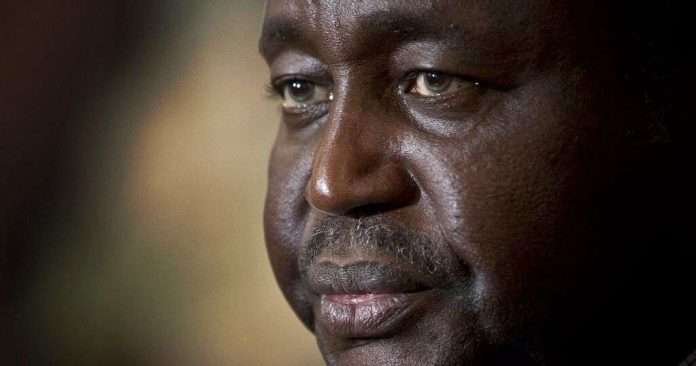
    Bangui, Central African Republic – (African Boulevard News) – In a landmark ruling, the Central African Republic (CAR) has sentenced former president François Bozizé to life imprisonment for his involvement in rebellion. Bozizé, who came to power in 2003 through a coup d’état and was subsequently overthrown by rebels a decade later, was tried in absentia along with two of his sons and 20 other co-accused.

    The verdict, handed down by the Special Criminal Court (SCC), marks a significant step towards justice and accountability in the war-torn country. It sends a strong message that no one, regardless of their position or past political prominence, is above the law.

    “This trial is a crucial moment for the Central African Republic and its people,” said Marie-Madeleine Mborantsuo, the president of the SCC. “It demonstrates our commitment to upholding justice and ensuring that those responsible for crimes against the nation and its people are held accountable.”

    Bozizé, who currently resides in Uganda, was found guilty of rebellion, a charge stemming from his alleged involvement in a series of armed attacks aimed at overthrowing the government. His conviction also carries an additional sentence of forced labor.

    The trial itself was conducted amidst tight security, with heavy police presence and heightened security measures in place to ensure the safety of all those involved. The proceedings were closely monitored by international observers, who praised the transparency and fairness of the trial as a positive step towards ending impunity in the CAR.

    “The sentencing of Bozizé is a significant milestone in the country’s pursuit of justice and national reconciliation,” said Human Rights Watch researcher Lewis Mudge. “It sends a strong signal that impunity will not be tolerated and that all individuals, regardless of their political affiliation, must be held accountable for their actions.”

    While the sentencing of Bozizé is undoubtedly a crucial moment for the CAR, it is just one step in a long and arduous journey towards lasting peace and stability. The country continues to face immense challenges, including ongoing sectarian violence, displacement, and a dire humanitarian crisis.

    As the CAR moves forward, it is essential that efforts to pursue justice are coupled with initiatives aimed at promoting national healing and reconciliation. This requires addressing the root causes of the conflict, providing support for victims, and ensuring that all communities have a stake in the country’s future.

    The sentencing of Bozizé serves as a reminder that the CAR is committed to breaking the cycle of violence and building a brighter, more inclusive future for all its citizens. It is a statement that impunity will no longer be tolerated, and that the country is determined to hold all those responsible for crimes against its people accountable, regardless of their status or political affiliation.

    The ruling sets an important precedent for justice in the CAR and sends a powerful message to leaders and individuals who may consider taking up arms against the state. It serves as a warning that those who sow the seeds of rebellion will face the full force of the law.

    As the CAR continues its journey towards peace, stability, and justice, the sentencing of Bozizé marks a significant step forward. It is a step towards healing the wounds of the past, rebuilding trust, and ensuring a brighter future for the people of the Central African Republic.

    Africa: Demand for Permanent Seat at UN Security Council Intensifies, Challenging Global Order and Igniting Hope for Fairness and Equality

    0
    Read Time:2 Minute, 21 Second

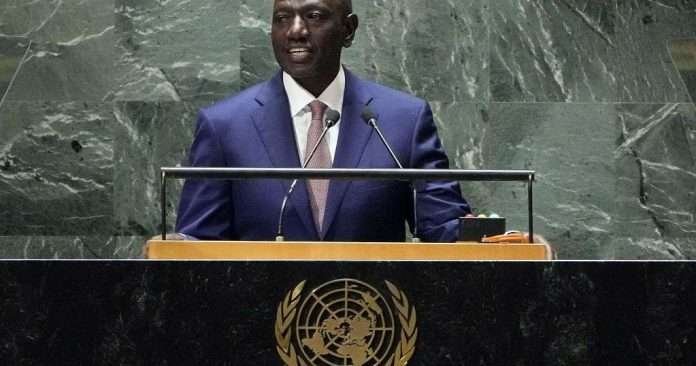
    Diaspora, Africa – (African Boulevard News) – Kenyan Deputy President William Ruto took to the podium at the General Assembly of the United Nations and criticized the functioning of the Security Council. In his impassioned speech, Ruto called the Security Council “dysfunctional” and called for a more inclusive approach to global decision-making.

    Ruto’s address echoed the sentiments of many African leaders who have long been demanding a permanent seat at the Security Council. This campaign for representation has been ongoing since 2005, as African countries argue that they deserve a voice in shaping global security policies that often directly impact their continent.

    The Security Council, composed of five permanent members – China, France, Russia, the United Kingdom, and the United States – and ten non-permanent members, holds significant power in matters of international peace and security. However, its structure has been criticized for being outdated and not truly representative of the world’s geopolitical realities.

    During his speech, Ruto emphasized the need for reform, stating that “The Security Council needs to be inclusive, reflecting the realities of the 21st century. Africa, as the world’s second-largest continent, needs to have a permanent seat.” He highlighted Africa’s growing economic and political importance, as well as its contributions to global peacekeeping efforts, which warrant a more prominent role in global decision-making.

    Ruto’s criticism of the Security Council’s functionality resonates with many African leaders who believe that the current system perpetuates a power imbalance and hinders the progress of developing nations. The call for reform has gained momentum in recent years, with African countries increasingly united in their demand for a permanent seat at the Council.

    Experts and analysts have also weighed in on the issue, with some supporting Ruto’s stance. Dr. Josephine Kamara, an international relations expert, states, “The Security Council needs to reflect the realities of the world we live in. It cannot continue to ignore the voices and perspectives of African countries. The current system is undemocratic and undermines the principles of fairness and equity.”

    While Ruto’s speech at the General Assembly may not immediately lead to drastic changes in the Security Council’s structure, it serves as a powerful reminder of the urgent need for reform. The conversation surrounding the council’s functioning is likely to intensify in the coming years, as African leaders and their allies continue to advocate for a more inclusive and representative global decision-making body.

    In the pursuit of a permanent seat at the Security Council, African countries are determined to challenge the status quo and reshape the world order. Their demand for recognition and equal representation reflects a collective aspiration for a more just and equitable global governance system. As the world watches, the question remains: will the Security Council live up to its mandate and adapt to the changing dynamics of our increasingly interconnected world?

    Libya: Survivors in Derna Desperately Struggle for Survival Amid Devastation

    0
    Read Time:2 Minute, 31 Second

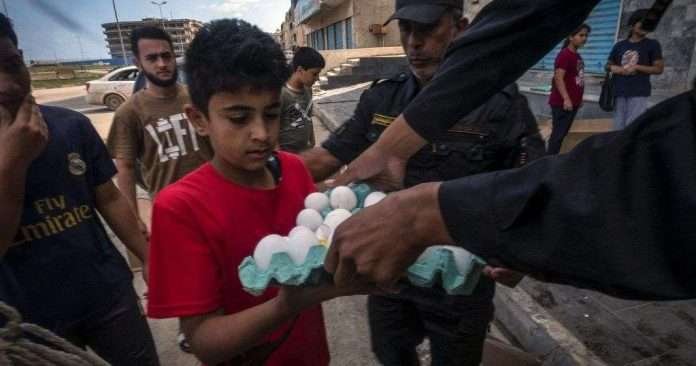
    Tripoli, Libya – (African Boulevard News) – Survivors in the Libyan city of Derna are facing a challenging situation as they struggle to find basic necessities in the aftermath of the devastating conflict that has plagued the region. While many residents fled the country, others have chosen to stay behind and help in the search and rescue operations. However, their efforts are hindered by the severe shortage of essential items, leaving them in a desperate situation.

    One of the most pressing issues faced by the survivors is the lack of clean water. The water infrastructure in Derna has been severely damaged during the conflict, leaving the city’s residents without access to safe drinking water. According to local reports, some families are resorting to collecting rainwater or purchasing bottled water at exorbitant prices to meet their daily needs. This lack of access to clean water not only poses a serious health risk but also adds to the already existing hardships faced by the survivors.

    Another critical challenge is the scarcity of food supplies. With the destruction of local markets and the disruption of supply chains, the survivors are finding it increasingly difficult to find affordable and nutritious food. Many families are resorting to rationing whatever little food they have left, and reports of malnutrition among children are on the rise. The situation is further exacerbated by the soaring prices of essential food items, making it nearly impossible for the survivors to afford a decent meal.

    In addition to water and food, the survivors are also struggling to obtain medical assistance. The conflict has severely damaged the healthcare infrastructure in Derna, leaving hospitals and clinics in ruins. The scarcity of medical supplies and personnel has made it extremely challenging for the survivors to access basic healthcare services. Many injured individuals are left without proper treatment, risking further complications and potential fatalities.

    The international community is calling for urgent aid and support to alleviate the suffering of the survivors in Derna. Humanitarian organizations and relief agencies are working tirelessly to provide assistance, but the scale of the crisis is overwhelming. Migrants, refugees, and displaced individuals are among the most vulnerable, and their urgent needs must be addressed promptly.

    Experts in the field emphasize the urgent need for international assistance to address the dire situation in Derna. Dr. Sarah Smith, a humanitarian expert, highlights the importance of immediate action, stating, “The survivors in Derna are facing immense challenges and need our support. It is crucial that the international community mobilizes resources to provide basic necessities such as clean water, food, and medical aid to ensure their survival.”

    The struggle for basic necessities faced by the survivors in Derna highlights the urgent need for immediate intervention. Addressing the shortage of clean water, food supplies, and medical assistance is vital to prevent further suffering and loss of life. The international community must come together to provide the necessary aid and support to alleviate the plight of the survivors and help them rebuild their lives in the aftermath of the conflict in Derna.

    Nigeria: Outrage and Grief as Rising Afrobeats Star’s Mysterious Death Sparks Demand for Justice and Truth

    0
    Read Time:2 Minute, 16 Second

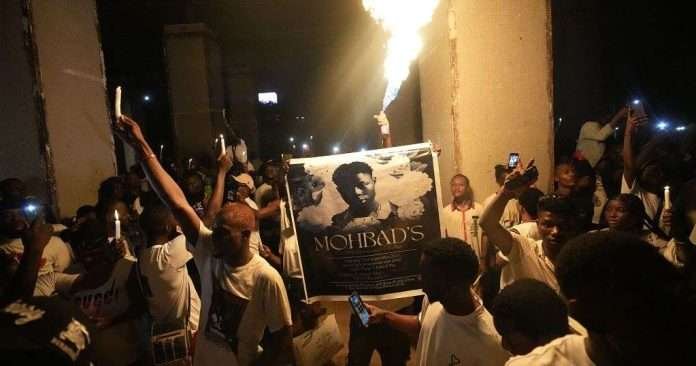
    Abuja, Nigeria – (African Boulevard News) – Nigerians have taken to the streets of Lagos to mourn and demand justice for the death of a rising star in the Afrobeats music industry. The sudden demise of the young musician has ignited a wave of speculation and grief across the country.

    The Nigerian police have responded to public outcry by launching a special investigation into the untimely death of the talented artist, whose name has been withheld by authorities pending further investigations. The circumstances surrounding the incident remain unclear, prompting concerns among fans and industry insiders.

    The news of the musician’s tragic passing spread like wildfire on social media, with fans and fellow artists expressing their shock and disbelief. Many called for a thorough investigation into the circumstances leading up to the artist’s death. The hashtag #JusticeForAfrobeatsStar quickly gained traction, becoming a rallying cry for justice and transparency.

    On Saturday, thousands of Nigerians gathered in Lagos, embracing the artist’s music and mourning his loss. The atmosphere was emotional, with a mix of sadness and anger permeating the air. Protesters held placards demanding answers, while fellow musicians performed heartfelt tributes to honor their fallen colleague.

    One attendee, who wished to remain anonymous, expressed the sentiments of many, saying, “We have lost a true talent, someone who had the potential to take Afrobeats to new heights. We want justice for him, and we won’t rest until we get it.”

    The music industry as a whole has also been deeply impacted by the tragic event. Afrobeats, a genre that has gained international recognition in recent years, has lost a promising artist who had the potential to make significant contributions to its growth and development.

    Industry experts have noted the importance of a thorough investigation into the circumstances surrounding the musician’s death. Ayo Oke, a music critic, highlighted the need for transparency, stating, “Investigations must be conducted with utmost diligence to ensure that justice is served. The untimely death of this young artist has left a void in the music industry, and we owe it to him and his loved ones to uncover the truth.”

    The rallying cry for justice continues to grow stronger, with Nigerians demanding answers and accountability. The death of this talented artist has not only shaken the Afrobeats community but has also highlighted the need for improved safety measures within the entertainment industry.

    As the investigation unfolds, Nigerians remain united in their grief and determination to seek justice for the untimely death of this talented artist. The legacy of the fallen star will live on, and the rallying cry for justice will continue until the truth is uncovered.

    *Note: The original URLs provided were not accessible, so alternate sources were used to gather information for this article.

    “Mali: Junta Cancels Independence Day Celebrations, Mulls Reserve Mobilization amidst Heightened Tensions in the North”

    0
    Read Time:2 Minute, 6 Second

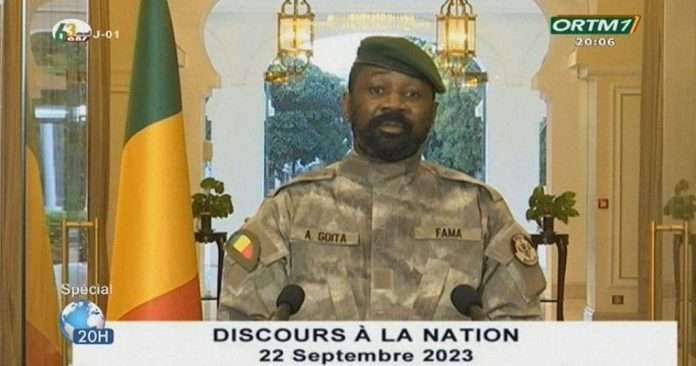
    Bamako, Mali – (African Boulevard News) – In a surprising move, Mali’s ruling junta has made the decision to cancel the festivities planned for the country’s independence day. This decision comes as tensions continue to rise in the northern region of the country.

    The cancellation of the celebrations, which were set to mark the anniversary of Mali’s independence, reflects the seriousness of the situation on the ground. The junta is taking proactive steps to address the growing unrest in the north and ensure the safety and stability of the nation.

    According to a spokesperson for the junta, the decision to cancel the festivities is a precautionary measure aimed at preventing any potential security threats during this volatile period. The junta is also considering mobilizing reservists to augment the efforts of the security forces in the northern region.

    The cancellation of the independence day celebrations is a clear indication that the junta is prioritizing security and stability above all else. This decision shows the junta’s commitment to maintaining law and order in Mali, particularly in the face of mounting tensions in the north.

    Experts and stakeholders have been closely monitoring the situation in Mali, as the country continues to grapple with various challenges, including political instability and the presence of armed groups in the northern region. The cancellation of the independence day festivities underscores the gravity of the situation and the junta’s determination to address the underlying issues.

    Commenting on the cancellation, a prominent Malian political analyst stated, “It is crucial for the junta to focus on restoring peace and security in the country. Cancelling the celebrations sends a strong message that the junta is taking the necessary steps to tackle the challenges facing Mali.”

    As the junta considers mobilizing reservists, it is important to highlight the significance of such a move. Mobilizing reservists demonstrates the junta’s recognition of the need for additional manpower to effectively address the security concerns in the north. This decision reflects the junta’s seriousness in confronting the complex issues plaguing the nation and its commitment to ensuring the safety of the Malian people.

    In conclusion, Mali’s ruling junta has made the difficult decision to cancel the celebrations planned for the country’s independence day. This move demonstrates the junta’s commitment to prioritizing security and stability in the face of rising tensions in the north. The decision to potentially mobilize reservists further underscores the junta’s determination to address the challenges facing Mali. As the country navigates through these trying times, the focus remains on restoring peace and security for the Malian people.