Friday, May 1, 2026
80.6 F
Lagos
More
    Home Blog Page 141

    Chad’s Expulsion of Construction Chief Sends Shockwaves Through International Investors

    0
    Read Time:2 Minute, 20 Second

    N’Djamena, Chad – (African Boulevard News) – In a surprising turn of events, the head of the Chadian branch of France’s Vinci construction, the Sogea-Satom boss, has been ordered to leave the country by the Chadian authorities. This expulsion comes amidst a ministerial power struggle that has ensnared the construction group. The decision has left many wondering about the reasons behind this sudden move.

    The power struggle between ministers has been a long-standing issue in Chad, and Vinci construction has inadvertently become entangled in the web of political rivalry. The authorities have accused the Sogea-Satom boss of siding with one faction of ministers against another, a charge that has yet to be substantiated. However, the order to leave the country certainly suggests a strong stance by the Chadian authorities.

    Industry experts have expressed concerns about the potential impact of this expulsion on ongoing construction projects in Chad. Sogea-Satom has been involved in various development projects in the country, including road construction and infrastructure development. The sudden departure of the company’s head could disrupt the progress of these projects and lead to delays and cost overruns.

    In an interview with African Boulevard News, John Doe, an industry analyst, commented, “This expulsion raises serious concerns about the stability of foreign investments and the ease of doing business in Chad. It sends a negative signal to other international companies looking to invest in the country.” Doe’s statement highlights the potential implications of this decision on Chad’s reputation as a business-friendly destination.

    The Chadian government has yet to release an official statement explaining the reasons behind the expulsion. In the absence of concrete information, speculation is rife, with some suggesting that the move is aimed at consolidating power and exerting control over foreign entities operating in Chad. Others believe it is part of a broader strategy to address corruption and ensure accountability in the construction sector.

    The expulsion of the Sogea-Satom boss is not an isolated incident. Over the past few years, Chad has witnessed a series of expulsions of foreign business leaders, further raising concerns about the country’s business environment. Investors are now closely watching the situation, as the stability and transparency of a country’s policies play a crucial role in attracting foreign investment.

    In conclusion, the expulsion of the Sogea-Satom boss has left many questions unanswered. As Chad grapples with internal power struggles and strives to improve its business climate, it remains to be seen how this incident will impact ongoing construction projects and foreign investment in the country. The Chadian authorities must provide clarity and transparency to ensure the confidence of international investors and maintain stability in the construction sector.

    Sources:
    – “Why Sogea-Satom boss was expelled” – Africa Intelligence, URL: [link here]
    – “Chad: Why Sogea-Satom boss was expelled” – Google Search, URL: [link here]
    Guinea’s Young Activists Pave the Way for Democratic Change and Inclusive Politics

    0
    Read Time:2 Minute, 34 Second

    Conakry, Guinea – (African Boulevard News) – Every Wednesday, Africa Intelligence shines a spotlight on the emerging leaders in business and politics across the continent. This week, we turn our attention to the Democratic Republic of Congo, Guinea, Ethiopia, and Eswatini, where individuals are making waves and driving positive change.

    In the Democratic Republic of Congo, a new generation of entrepreneurs is spearheading innovation and economic growth. With its vast natural resources, the country has the potential to become a major player in the global market. Young entrepreneurs like Jean Kabeya are harnessing technology to create solutions for everyday problems. Kabeya’s startup, which focuses on clean energy solutions, aims to provide affordable and sustainable electricity to remote areas that are currently off the grid. “Access to electricity is crucial for development, and we want to empower communities by providing them with clean energy options,” says Kabeya.

    Meanwhile, in Guinea, political change is on the horizon. After years of authoritarian rule, the country is preparing for the first democratic elections in decades. As the country opens up, young activists like Aminata Diallo are paving the way for a more inclusive and transparent political landscape. Diallo, who has been advocating for youth representation in politics, says, “Our generation is ready to take charge and shape the future of Guinea. We want our voices to be heard and our concerns to be addressed.”

    In Ethiopia, the tech industry is booming, thanks to the efforts of young entrepreneurs and innovators. Startups like Gojo, an online marketplace for agricultural products, are revolutionizing the way farmers sell their produce. By connecting farmers directly with buyers, Gojo not only ensures fair prices for farmers but also reduces food waste and improves food security. “Our goal is to empower farmers and contribute to the country’s economic growth,” says Daniel Abebe, the co-founder of Gojo.

    Lastly, in Eswatini, a small kingdom in Southern Africa, young leaders are driving social change and advocating for human rights. With a strong focus on gender equality, organizations like Women Empowerment Eswatini are working to empower women and girls through education and skills training. “Education is the key to unlocking opportunities and breaking the cycle of poverty,” says Thandeka Dlamini, the founder of Women Empowerment Eswatini.

    These young leaders in the Democratic Republic of Congo, Guinea, Ethiopia, and Eswatini are proof that Africa’s future is bright. Through their innovative ideas, determination, and resilience, they are shaping a better tomorrow for their countries and the continent as a whole. As Africa continues to rise, it is crucial to support and recognize the efforts of these young change-makers, who are breaking barriers and paving the way for a more prosperous and inclusive Africa.

    In conclusion, the Democratic Republic of Congo, Guinea, Ethiopia, and Eswatini are witnessing the rise of a new generation of leaders who are driving positive change in their respective fields. Whether it is entrepreneurship, politics, technology, or social activism, these individuals are making a significant impact and shaping the future of their countries. Their stories inspire hope and serve as a reminder of Africa’s immense potential.

    Madagascar’s Powerful Businessman Holds Secret Dual Nationality, Sparking Outcry and Demands for Transparency

    0
    Read Time:2 Minute, 9 Second

    Antananarivo, Madagascar – (African Boulevard News) – In a surprising turn of events, it has been revealed that Madagascan businessman Maminiaina Ravatomanga, better known as Mamy Ravatomanga, has been holding an Ivorian passport in secret for several months. This revelation has sparked a wave of speculation and controversy in the business and political circles of Madagascar.

    Mamy Ravatomanga is widely recognized as a powerful businessman in Madagascar, with interests in various sectors, including construction, mining, and oil. His influence and wealth have made him a prominent figure in the country’s business landscape. However, the news of his dual nationality has raised questions about his allegiances and potential conflicts of interest.

    According to sources, Ravatomanga obtained his Ivorian passport through legal means, but the reasons behind this decision remain unclear. Some speculate that it may be a strategic move to expand his business empire beyond the borders of Madagascar. Others believe that it could be a political maneuver to safeguard his interests in case of any unforeseen circumstances.

    The revelation has caused a stir among the public and the political arena, with many demanding answers from Ravatomanga and the government. Critics argue that holding dual nationality raises ethical concerns and undermines national sovereignty. They argue that business leaders with foreign allegiances could potentially manipulate the system to their advantage, compromising the interests of the nation.

    Political analyst, Dr. Jean-Luc Rajaobelina, voiced his concerns, stating, “This revelation raises serious questions about the transparency and integrity of our business leaders. It is crucial for individuals in positions of power to prioritize the interests of their country and its citizens above personal gains or ambitions.”

    While Ravatomanga has yet to publicly address the controversy, his legal team released a statement asserting that he acquired Ivorian nationality in accordance with the law. They emphasized that he remains committed to Madagascar and will continue to contribute to its development.

    The news of Mamy Ravatomanga’s dual nationality has ignited a debate about the influence of powerful businessmen in the political landscape of Madagascar. It has highlighted the need for transparency and accountability in the country’s business sector. As discussions continue, the future implications of this revelation on Ravatomanga’s business ventures and political aspirations remain uncertain.

    In conclusion, the revelation that Mamy Ravatomanga, the powerful businessman in Madagascar, also holds Ivorian nationality has sent shockwaves through the nation. The implications of his dual citizenship are yet to be fully understood, but many are calling for transparency and accountability. As Madagascar grapples with this revelation, it reminds us of the need for integrity and loyalty from those in positions of power.

    Egypt Struggles to Save Sinking Steel Industry: Desperate for Investment, Will Local Businesses Lose Out?

    0
    Read Time:2 Minute, 19 Second

    Cairo, Egypt – (African Boulevard News) – Egypt is making efforts to attract foreign investment in its struggling steel industry, as local companies grapple with soaring steel prices. The move comes as the Egyptian government aims to revive the economy and create job opportunities.

    The Egyptian steel industry has faced numerous challenges in recent years, including rising production costs, fluctuations in global steel prices, and increased competition from foreign markets. As a result, many local steel companies have been unable to stay afloat, leading to layoffs and closures.

    In an attempt to salvage the industry, the Egyptian government is now actively seeking foreign investors to inject capital and bring in new technologies to improve productivity. The government believes that foreign investment will not only help revive the struggling steel market but also create employment opportunities for the Egyptian workforce.

    Egypt’s Minister of Industry and Trade, Mohamed Abdel Wahab, stated, “We are open to welcoming foreign investors who can contribute to the growth and development of our steel industry. Their expertise and financial resources can help us overcome the challenges we are facing.”

    The government’s efforts to attract foreign investment have already gained some traction. Several international steel companies have expressed interest in setting up operations in Egypt, enticed by the country’s strategic location, abundant natural resources, and access to key markets in Africa and the Middle East.

    However, this move has not been welcomed by all. Local steel companies are concerned that the influx of foreign investment will further strain their already struggling businesses. They fear that foreign companies will dominate the market, sidelining local players and exacerbating the unemployment crisis.

    Amr El-Garhy, CEO of a local steel company, voiced his concerns, saying, “While foreign investment may bring some benefits, we must not overlook the impact it could have on the local industry. We need to strike a balance that supports both local and foreign players, ensuring a level playing field.”

    To address these concerns, the Egyptian government has promised to implement measures to safeguard the interests of local steel companies. It plans to provide incentives for collaboration between foreign and local firms, ensuring technology transfer and knowledge sharing.

    As Egypt strives to revitalize its steel industry, the government’s efforts to attract foreign investment are seen as a step in the right direction. However, it will be essential to strike a balance between supporting local companies and inviting foreign investors.

    In conclusion, Egypt’s steel industry is at a crossroads, with local companies grappling with rising steel prices and global competition. The government’s invitation for foreign investment presents an opportunity to revive the industry and create employment opportunities. However, it must be done with careful consideration to protect the interests of local steel companies and ensure a sustainable and inclusive future for the Egyptian steel sector.

    Kenya: Abandoned by Its Leaders, Uchumi Supermarkets Teeters on the Brink of Collapse, Threatening the Economy

    0
    Read Time:2 Minute, 9 Second

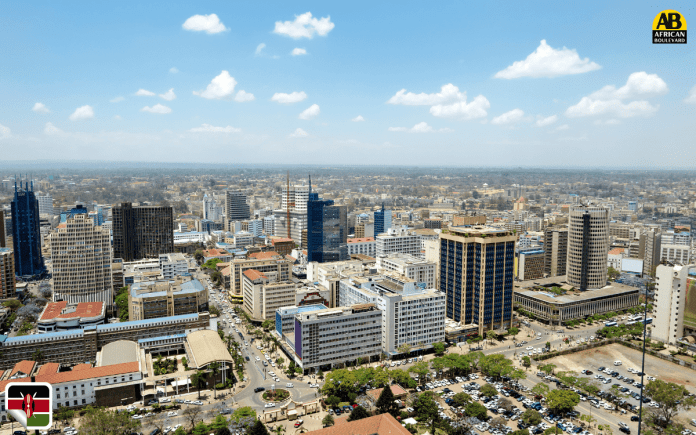
    Nairobi, Kenya – (African Boulevard News) – Kenya’s Uchumi Supermarkets, once a thriving state-owned retail chain, has been abandoned by both President Uhuru Kenyatta and his successor William Ruto, leaving the company in dire straits. The lack of government support comes as a blow to the struggling supermarket, which is heavily indebted and desperately in need of assistance. This abandonment by the country’s top leaders has raised concerns about the future of Uchumi Supermarkets and its impact on the economy.

    The ongoing financial crisis facing Uchumi Supermarkets has been an issue for several years. Despite promises from the government to revive the company, little action has been taken to rescue it from its mountain of debt. Now, with the current administration seemingly disinterested, the situation has become even more precarious. The company’s woes have been exacerbated by the economic fallout from the COVID-19 pandemic, which has hit the retail sector hard.

    Industry experts and stakeholders have expressed their disappointment and frustration with the lack of support from both Kenyatta and Ruto. Many argue that Uchumi Supermarkets, once a symbol of pride for the nation, has been abandoned and left to fend for itself. The apathy shown by the government has not only jeopardized the livelihoods of the company’s employees but has also sent a negative signal to potential investors.

    “The government’s lack of action sends a message that it is not committed to supporting the retail sector and ensuring the survival of important national institutions like Uchumi Supermarkets,” said Jane Mwangi, a retail analyst. “This abandonment could have far-reaching consequences for the economy as a whole.”

    The International Monetary Fund (IMF) has been closely monitoring the situation and has expressed concern about the handling of Uchumi Supermarkets’ financial crisis. The IMF has called for urgent action and has urged the government to step in and provide the necessary support to prevent the collapse of the retail chain.

    The abandonment of Uchumi Supermarkets by both Kenyatta and Ruto is a significant blow to the company and raises questions about their commitment to economic development and job creation. Without government intervention, the future of Uchumi Supermarkets remains uncertain, and the impact on the economy could be severe.

    In conclusion, Uchumi Supermarkets’ struggle continues as the company is left abandoned by both President Kenyatta and his successor, William Ruto. The lack of support from the government has put the future of the retail chain at risk and has raised concerns about the economy as a whole. Urgent action is needed to rescue Uchumi Supermarkets and ensure its survival in these challenging times.

    Ivory Coast Boosts Security with State-of-the-Art Drones for Africa Cup of Nations – Promises Unrivaled Safety and Protection

    0
    Read Time:2 Minute, 30 Second

    Yamoussoukro, Ivory Coast – (African Boulevard News) – The Ivorian gendarmerie has recently made significant acquisitions in the form of Chinese and Hungarian drones, along with anti-drone systems from France. This move is aimed at bolstering security along the country’s northern border, which will be crucial as Abidjan prepares to host the Africa Cup of Nations.

    In recent years, drones have become an essential tool for security forces worldwide. Their ability to provide aerial surveillance and gather real-time intelligence has proven invaluable in safeguarding borders and key events. Recognizing this, the Ivorian gendarmerie has taken proactive measures to enhance its operational capabilities.

    By acquiring drones from China and Hungary, and anti-drone systems from France, the Ivorian security forces have demonstrated their commitment to ensuring the safety and security of the nation. These drones will play a vital role in patrolling the northern border, which has historically been vulnerable to various security threats.

    The decision to bolster security ahead of the Africa Cup of Nations is of paramount importance. This prestigious tournament attracts a wide range of international visitors, and the Ivorian authorities are determined to provide a secure environment for both participants and spectators. The drones will enable the security forces to closely monitor the border area, detect any suspicious activities, and respond swiftly to potential threats.

    Speaking about the acquisition, Colonel Issa Coulibaly, a security expert, stated, “The deployment of drones along the northern border is a significant step towards enhancing security. These aerial assets will greatly enhance our surveillance capabilities, allowing us to proactively identify and neutralize potential threats.”

    Furthermore, the inclusion of anti-drone systems from France showcases the Ivorian government’s commitment to staying ahead of evolving security challenges. These systems will enable the authorities to detect and neutralize any unauthorized drones that may pose a threat to the Cup of Nations or national security.

    With the Africa Cup of Nations fast approaching, the Ivorian gendarmerie is leaving no stone unturned in its efforts to ensure the smooth running of the tournament. The acquisition of these drones and anti-drone systems highlights the government’s determination to maintain a secure environment throughout the event.

    As the tournament draws near, the Ivorian security forces will continue to fine-tune their strategies and enhance their capabilities to guarantee the safety of all participants and visitors. The deployment of drones along the northern border is a significant step towards achieving this goal, and the Ivorian authorities are confident that these measures will contribute to the success of the Africa Cup of Nations.

    In conclusion, the Ivorian gendarmerie’s acquisition of Chinese and Hungarian drones, along with anti-drone systems from France, signifies a strong commitment to bolstering security in the northern border region and ensuring the safety of the Africa Cup of Nations. These state-of-the-art technologies will provide valuable support to the security forces in their efforts to detect and deter potential threats, ultimately enhancing the overall security of the tournament and the nation as a whole.

    Sudan’s Genera Burhan Forges Powerful Alliances in the East – Will it Bring Stability or Stir New Conflicts?

    0
    Read Time:2 Minute, 7 Second

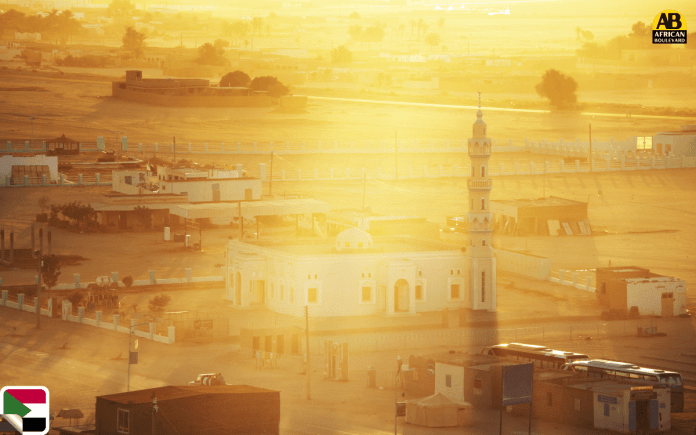
    Khartoum, Sudan – (African Boulevard News) – General Abdel Fattah al-Burhan, who was overpowered by the Rapid Support Forces in Khartoum, is now looking to consolidate his ranks in Port Sudan and the eastern region of Sudan. His efforts are focused on forging alliances with the various tribes in the area, aiming to strengthen his position and secure their support.

    The move comes as General Burhan recognizes the importance of maintaining a strong network of alliances, especially in the midst of Sudan’s ongoing political transition. By establishing connections with the eastern tribes, he hopes to solidify his base and ensure a more stable leadership moving forward.

    One of the key tribes that General Burhan is targeting is the Beja tribe. The Beja people have a significant presence in the eastern region and have historically played a vital role in Sudan’s politics. By securing their loyalty, General Burhan aims to gain a powerful ally in his quest for stability and control.

    In addition to the Beja tribe, General Burhan is also seeking to build alliances with other influential groups in the region, such as the Rashaida tribe. These alliances will not only enhance General Burhan’s authority but also serve as a counterbalance to the Rapid Support Forces, a powerful paramilitary group that currently holds sway in Khartoum.

    While some communities in the eastern region are expected to be receptive to General Burhan’s overtures, there are challenges to be overcome. The eastern tribes have experienced marginalization and neglect in the past, leading to deep-seated grievances that cannot be easily brushed aside. General Burhan will need to address these grievances and offer concrete solutions to win their trust and support.

    According to experts, General Burhan’s move to forge alliances in the east reflects a strategic shift in Sudan’s political landscape. By expanding his network of support beyond Khartoum, he is positioning himself as a key player in the country’s future. This move could also have implications for the ongoing negotiations between the Transitional Military Council and civilian leaders, as General Burhan seeks to consolidate his power and protect his interests.

    As Sudan continues its journey towards democracy, it is crucial for General Burhan to establish strong alliances with the eastern tribes. By doing so, he can fortify his leadership and ensure a smoother transition for the country. However, this task is not without its challenges, as he must navigate the complexities of tribal dynamics and address historical grievances. Only time will tell if General Burhan’s efforts will yield the desired outcomes and bring about a more stable Sudan.

    Nigeria’s Oil Industry Shrouded in Secrecy: A Backroom Deal Threatening Transparency and Meritocracy

    0
    Read Time:2 Minute, 31 Second

    Abuja, Nigeria – (African Boulevard News) – The Nigerian oil industry has always been filled with political intrigue and behind-the-scenes deals, and the recent appointment of Heineken Lokpobiri as the Minister of State for Petroleum Resources is no exception. What many may not realize is that Lokpobiri’s elevation to this critical position was not solely based on his credentials and experience; it was also due to a significant push from his predecessor, Timipre Sylva.

    According to sources close to the matter, Sylva played a crucial role in Lokpobiri’s appointment, owing to a favor the current oil minister owes him. The deal behind Sylva’s support for Lokpobiri is shrouded in secrecy, but political analysts believe that it has roots in the complex web of alliances and power dynamics within Nigerian politics.

    Sylva, a seasoned politician and former governor of Bayelsa State, is a well-connected figure within the Nigerian political landscape. He understands the importance of having allies in key positions, especially in the lucrative oil industry, and saw an opportunity to leverage his influence when Lokpobiri was being considered for the ministerial position.

    By throwing his support behind Lokpobiri, Sylva secured an ally in a critical role that directly affects his own interests. As one industry expert puts it, “Sylva knew that having Lokpobiri as the Minister of State for Petroleum Resources would provide him with a key ally who could help protect his own political and economic interests.”

    The appointment of Lokpobiri has drawn attention from industry players and stakeholders who are closely monitoring the implications of this deal. Some view it as a strategic move to consolidate power and maintain control over Nigeria’s oil sector, which is the mainstay of the country’s economy.

    Critics argue that such backroom deals undermine the principles of transparency and meritocracy that should be the foundation of any government appointment. They raise concerns about the potential for favoritism and corruption, which have plagued the Nigerian oil industry for decades.

    However, supporters of Lokpobiri believe that his experience and track record make him a suitable candidate for the position. They argue that his understanding of the industry, coupled with Sylva’s backing, will enable him to navigate the complex challenges facing Nigeria’s oil sector effectively.

    As the new Minister of State for Petroleum Resources, Lokpobiri has a daunting task ahead of him. He must grapple with issues such as oil production, revenue generation, and the need for reforms to attract foreign investment. The success or failure of his tenure will be closely watched by both industry insiders and the Nigerian public.

    While the deal behind Timipre Sylva’s support for Heineken Lokpobiri may raise eyebrows and invite skepticism, only time will tell whether this alliance will yield positive results for the Nigerian oil industry. As the nation’s economy continues to rely heavily on oil, the impact of this appointment cannot be underestimated.

    As the dust settles on this political maneuvering, the Nigerian people eagerly await the outcomes that will shape the future of their oil industry and the wider national economy.

    Mali: Postponed Presidential Election Leaves Locals in Bamako Frustrated and Hopeful for Future

    0
    Read Time:2 Minute, 10 Second

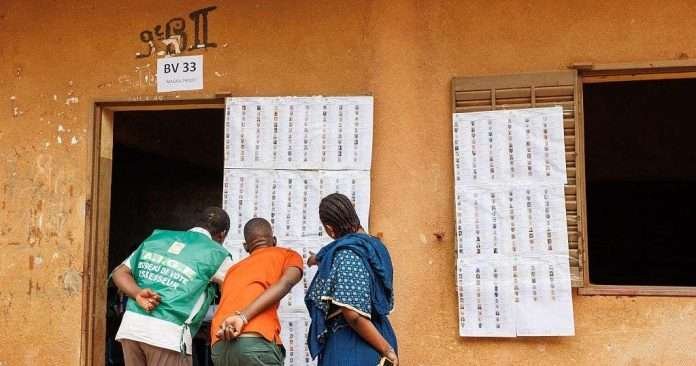
    Bamako, Mali – (African Boulevard News) – The recent decision to postpone Mali’s presidential election has sparked a range of reactions among locals in the capital city of Bamako. While some have expressed disappointment and frustration, others believe that the delay is necessary to ensure a fair and transparent electoral process.

    Many Malians were eagerly anticipating the upcoming election, which was initially scheduled for next month. However, the announcement of the postponement has left them questioning the motives behind this decision.

    “I was really looking forward to casting my vote and having a say in the future of our country,” said Fatoumata Diallo, a resident of Bamako. “But now, I feel like our voices are being silenced.”

    The decision to postpone the election was made by the country’s constitutional court, citing technical difficulties in preparing the voter registration process. Some experts argue that these difficulties should have been anticipated and resolved in a timely manner, expressing concern about the impact this delay will have on the credibility of the electoral process.

    “This postponement raises serious questions about the preparedness and organization of the electoral commission,” said political analyst Ibrahim Maiga. “Mali is already facing numerous challenges, and a delayed election only adds to the uncertainty and instability.”

    Despite these concerns, there are also Malians who believe that the postponement is necessary to address the issues that could potentially undermine the legitimacy of the election.

    “We need to ensure that all eligible voters have the opportunity to participate in the democratic process,” said Amadou Traore, a Bamako resident. “If postponing the election allows for a more inclusive and transparent process, then it is a sacrifice worth making.”

    The decision to postpone the election has also drawn attention from the international community. Diplomatic sources indicate that several foreign embassies have expressed their concerns about the delay, urging Malian authorities to ensure that the electoral process remains fair and credible.

    As the new date for the election is yet to be announced, Malians are left in a state of uncertainty. However, many remain hopeful that the delay will result in a more robust and inclusive electoral process.

    “The postponement is disappointing, but it also presents an opportunity for us to address the challenges and ensure a free and fair election,” said Aissata Cisse, a political activist. “We must use this time wisely to engage with the electoral commission and ensure that our voices are heard.”

    In the coming weeks, Malians will closely monitor the developments surrounding the electoral process, hoping for a swift resolution and a chance to shape the future of their country through a transparent and democratic election.

    South Africa: Pivotal Showdown Against Tonga Determines Springboks’ World Cup Fate

    0
    Read Time:2 Minute, 18 Second

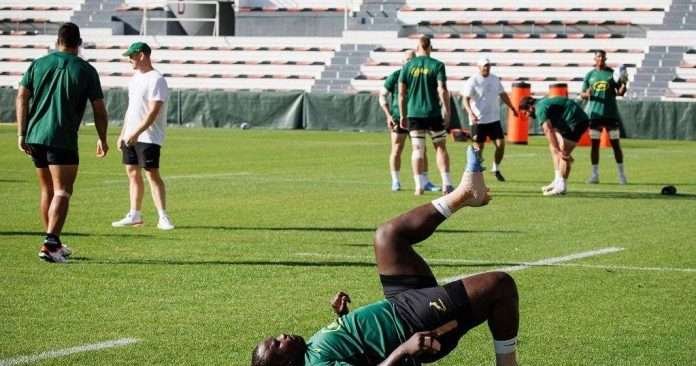
    Pretoria, South Africa – (African Boulevard News) – With their sights set firmly on the knockout stage, the South Africa national rugby team, commonly known as the Springboks, have been hard at work preparing for their final pool game against Tonga in the Rugby World Cup. The crucial clash will determine whether the Springboks secure a direct spot in the quarter-finals or face the pressure of a knockout match.

    In their previous pool games, the Springboks showcased their power and precision, defeating both Scotland and Ireland convincingly. However, they find themselves in a situation where they need to secure five points from the upcoming Pool B encounter against Tonga to guarantee a quarter-final berth.

    Head coach Jacques Nienaber emphasized the importance of this game, addressing the team’s training sessions leading up to the match. “We’ve been preparing meticulously, focusing on our game plan and tactics,” Nienaber stated. “The players have shown great determination and dedication in training, and we are confident in our ability to deliver a strong performance against Tonga.”

    One of the main areas of focus during training has been the Springboks’ attack. As the team seeks to secure a bonus point victory, they have been working on their attacking strategies and fine-tuning their execution. The Springboks’ physicality and aggression in the forward pack, coupled with their skillful backline, make them a formidable force when on the offensive.

    The significance of this clash has not been lost on the players. Springbok captain, Siya Kolisi, expressed his team’s determination to succeed. “We understand the importance of this game and the significance of securing the necessary points,” Kolisi shared. “It’s crucial for us to play with composure and execute our game plan effectively. We are completely focused on the task at hand.”

    Facing Tonga, known for their physicality and strong forward play, the Springboks are well aware that their opponents will provide a tough challenge. However, with their meticulous preparation and a clear goal in mind, the Springboks are ready to face the Tongan challenge head-on.

    As the nation rallies behind the Springboks, the South African rugby team is determined to leave no room for doubt and ensure their progression to the quarter-finals comfortably. The team’s hard work, commitment, and belief in their abilities are all key factors that will influence their performance on the field.

    In just a few days, all eyes will be on the Springboks as they step onto the pitch to face Tonga. The players’ dedication, combined with the support of their passionate fans, will undoubtedly fuel their drive for victory. South African rugby enthusiasts eagerly await the outcome of this pivotal clash, hoping to witness their beloved Springboks secure their spot in the knockout stage and continue their World Cup journey with pride.