Friday, May 1, 2026
81.7 F
Lagos
More
    Home Blog Page 136

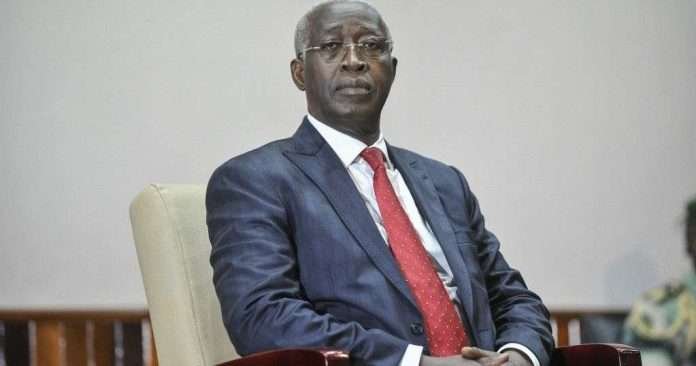
    Gabon: Uniting a Divided Nation – Prime Minister Unveils Plan for National Dialogue to Build a New Constitution

    0
    Read Time:2 Minute, 18 Second

    Libreville, Gabon – (African Boulevard News) – Gabon’s interim prime minister has announced plans for a national dialogue aimed at fostering unity and inclusivity in the country. This move is seen as a crucial step towards the drafting of a new constitution that will address the concerns and aspirations of the Gabonese people.

    In a press conference held earlier this week, Prime Minister Jean Eyeghe Ndong highlighted the importance of engaging all segments of society in the decision-making process. He stressed the need to create a platform where citizens can express their opinions and contribute to the shaping of a new Gabon.

    “The national dialogue will serve as a forum for open and constructive discussions on the future direction of our country,” Prime Minister Ndong said. “Through this dialogue, we hope to bridge the gaps among different groups and foster a sense of national unity.”

    The prime minister’s announcement has been met with positive responses from various quarters. Political analysts and experts have lauded the initiative, seeing it as a significant step towards addressing the long-standing political challenges in Gabon.

    Jean-Baptiste Boutin, a political scientist at the University of Libreville, stated, “The national dialogue offers an opportunity for all stakeholders to come together and find common ground. It is a crucial step towards restoring stability and confidence in Gabon’s political landscape.”

    Civil society organizations, too, have expressed their support for the prime minister’s plans. They see the national dialogue as a chance to address social issues and promote inclusivity in decision-making processes.

    “We believe that a truly participatory national dialogue can help generate sustainable solutions to the challenges facing our society,” said Alice Mboumba, the president of the Gabonese Association for Human Rights. “By involving citizens from all walks of life, we can create a more inclusive and just Gabon.”

    The national dialogue is expected to be an inclusive and transparent process, involving political parties, civil society organizations, youth groups, and ordinary citizens. It will create a platform for open discussions on various topics, such as political reform, economic development, and social justice.

    Through this initiative, Gabon aims to lay the groundwork for a new constitution that addresses the needs and aspirations of its people. It is hoped that this dialogue will foster national unity and create a shared vision for the future of the country.

    In the coming weeks, government officials will be reaching out to various stakeholders to gather input and ensure broad participation in the national dialogue. The process is expected to be rigorous, but the outcomes have the potential to reshape and redefine Gabon’s political landscape for the better.

    As Gabon embarks on this journey of national dialogue, all eyes are on the country, waiting to see how this initiative will shape its future.


    Africa’s Fight Against Corruption: Investigation Launched into Glencore Deal Could Determine the Fate of DRC’s Economy

    0
    Read Time:2 Minute, 30 Second

    Diaspora, Africa – (African Boulevard News) – Justice Minister Mutombo has ordered an investigation into a deal between the Democratic Republic of Congo (DRC) and Swiss trading giant Glencore. The public prosecutor at the court of cassation has summoned the head of the anti-corruption agency to question him about the deal, which has raised concerns about corruption within the country.

    The investigation comes after allegations that the DRC government may have received inadequate compensation for its mineral rights in a partnership with Glencore. The deal in question involves the state-owned mining company, Gécamines, and Glencore’s subsidiary, Katanga Mining Limited. It is alleged that the agreement allowed Glencore to gain control of vast mineral reserves in the DRC at a significantly undervalued price.

    The move by Justice Minister Mutombo to initiate an investigation demonstrates the government’s commitment to tackling corruption and ensuring transparency in its dealings with foreign companies. The DRC is rich in natural resources, including cobalt and copper, and it is crucial that the country receives fair compensation for the exploitation of these resources.

    Experts in the mining industry have voiced their concerns over the potential impact of the Glencore deal on the DRC’s economy. They argue that if the country is not adequately compensated for its mineral resources, it could lead to a loss of revenue that could have been invested in infrastructure development, education, and healthcare.

    Furthermore, the investigation into the Glencore deal is seen as a test of President Tshisekedi’s commitment to fighting corruption. Since taking office in 2019, President Tshisekedi has promised to prioritize the fight against corruption and has taken steps to root out corrupt practices within the government.

    In response to the investigation, Glencore has stated that it will fully cooperate with the authorities and provide any necessary information regarding the deal. The company has also emphasized its commitment to ethical business practices and compliance with local laws and regulations.

    The outcome of the investigation will be closely watched by international investors and stakeholders in the mining industry. It will serve as a litmus test for transparency and accountability in the DRC’s dealings with foreign companies and could have far-reaching implications for future mining agreements.

    As the investigation unfolds, it is important for the DRC government to ensure a fair and thorough process that upholds the rule of law. The findings of the investigation will be pivotal in determining whether there have been any improprieties in the Glencore deal and will shape the future of the country’s mining sector.

    In conclusion, Justice Minister Mutombo’s decision to order an investigation into the Glencore deal shows the DRC government’s commitment to tackling corruption and ensuring transparency in its dealings with foreign companies. The outcome of the investigation will have far-reaching implications for the country’s economy and will be closely watched by investors and stakeholders in the mining industry. It is crucial that the investigation is carried out fairly and thoroughly to uphold the rule of law and determine the truth behind the allegations of impropriety.

    Senegal’s Economic Nightmare: Liquidity Shortage Threatens Country’s Future

    0
    Read Time:2 Minute, 32 Second

    Dakar, Senegal – (African Boulevard News) – As the clock ticks towards the end of his presidency, Senegalese President Macky Sall finds himself grappling with the challenges posed by turbulent financial markets. A major liquidity shortage has forced the state to borrow from the international markets at an alarming rate, leaving the country’s economy in a precarious position.

    The liquidity shortage has put President Sall in a difficult position, as he navigates the complex world of international finance and tries to secure much-needed funds to keep the economy afloat. With only a few months left in office, Sall is under immense pressure to find solutions to the financial crisis that has gripped the nation.

    The Senegalese government has been forced to borrow heavily from the international markets to cover its budget deficit and keep essential services running. This heavy borrowing comes at a time when global financial markets are experiencing heightened volatility, making it even more challenging for Senegal to secure loans on favorable terms.

    Experts have expressed concern about the country’s ability to repay these loans, given its fragile economic situation. “The liquidity shortage in Senegal is a serious concern, and the government must take swift action to address it,” said economic analyst Aminata Diop. “Without a comprehensive plan to stabilize the economy, Senegal risks falling into a cycle of debt and financial instability.”

    The government is facing criticism for its handling of the financial crisis, with some accusing it of mismanagement and lack of foresight. “The liquidity shortage is a direct result of the government’s failure to implement effective financial policies,” said political commentator Babacar Mbengue. “President Sall must take responsibility for this crisis and work towards finding lasting solutions.”

    President Sall has acknowledged the challenges posed by the turbulent financial markets and has vowed to take necessary measures to stabilize the economy. “We are aware of the liquidity shortage and its impact on our country’s economy,” Sall said in a recent press conference. “We are working tirelessly to address this crisis and ensure a stable financial future for Senegal.”

    The government has already taken steps towards addressing the financial crisis by implementing austerity measures and exploring alternative sources of financing. It has also engaged in discussions with international financial institutions to seek assistance in managing the liquidity shortage.

    As President Macky Sall nears the end of his term, the resolution of the liquidity shortage will be a crucial test of his leadership and economic policies. The future of Senegal’s economy hangs in the balance, and the outcomes of the government’s efforts to stabilize the financial markets will have far-reaching implications for the country and its people.

    In conclusion, President Macky Sall’s administration is faced with the daunting task of navigating Senegal’s turbulent financial markets. The liquidity shortage has forced the country to borrow heavily from international markets, raising concerns about its ability to repay these loans. With time running out, President Sall and his government must take swift and decisive action to stabilize the economy and secure a brighter financial future for Senegal.

    Africa’s Fight Against Corruption: Investigation Launched into Glencore Deal Could Determine the Fate of DRC’s Economy

    0
    Read Time:2 Minute, 30 Second

    Diaspora, Africa – (African Boulevard News) – Justice Minister Mutombo has ordered an investigation into a deal between the Democratic Republic of Congo (DRC) and Swiss trading giant Glencore. The public prosecutor at the court of cassation has summoned the head of the anti-corruption agency to question him about the deal, which has raised concerns about corruption within the country.

    The investigation comes after allegations that the DRC government may have received inadequate compensation for its mineral rights in a partnership with Glencore. The deal in question involves the state-owned mining company, Gécamines, and Glencore’s subsidiary, Katanga Mining Limited. It is alleged that the agreement allowed Glencore to gain control of vast mineral reserves in the DRC at a significantly undervalued price.

    The move by Justice Minister Mutombo to initiate an investigation demonstrates the government’s commitment to tackling corruption and ensuring transparency in its dealings with foreign companies. The DRC is rich in natural resources, including cobalt and copper, and it is crucial that the country receives fair compensation for the exploitation of these resources.

    Experts in the mining industry have voiced their concerns over the potential impact of the Glencore deal on the DRC’s economy. They argue that if the country is not adequately compensated for its mineral resources, it could lead to a loss of revenue that could have been invested in infrastructure development, education, and healthcare.

    Furthermore, the investigation into the Glencore deal is seen as a test of President Tshisekedi’s commitment to fighting corruption. Since taking office in 2019, President Tshisekedi has promised to prioritize the fight against corruption and has taken steps to root out corrupt practices within the government.

    In response to the investigation, Glencore has stated that it will fully cooperate with the authorities and provide any necessary information regarding the deal. The company has also emphasized its commitment to ethical business practices and compliance with local laws and regulations.

    The outcome of the investigation will be closely watched by international investors and stakeholders in the mining industry. It will serve as a litmus test for transparency and accountability in the DRC’s dealings with foreign companies and could have far-reaching implications for future mining agreements.

    As the investigation unfolds, it is important for the DRC government to ensure a fair and thorough process that upholds the rule of law. The findings of the investigation will be pivotal in determining whether there have been any improprieties in the Glencore deal and will shape the future of the country’s mining sector.

    In conclusion, Justice Minister Mutombo’s decision to order an investigation into the Glencore deal shows the DRC government’s commitment to tackling corruption and ensuring transparency in its dealings with foreign companies. The outcome of the investigation will have far-reaching implications for the country’s economy and will be closely watched by investors and stakeholders in the mining industry. It is crucial that the investigation is carried out fairly and thoroughly to uphold the rule of law and determine the truth behind the allegations of impropriety.

    Senegal’s Economic Nightmare: Liquidity Shortage Threatens Country’s Future

    0
    Read Time:2 Minute, 32 Second

    Dakar, Senegal – (African Boulevard News) – As the clock ticks towards the end of his presidency, Senegalese President Macky Sall finds himself grappling with the challenges posed by turbulent financial markets. A major liquidity shortage has forced the state to borrow from the international markets at an alarming rate, leaving the country’s economy in a precarious position.

    The liquidity shortage has put President Sall in a difficult position, as he navigates the complex world of international finance and tries to secure much-needed funds to keep the economy afloat. With only a few months left in office, Sall is under immense pressure to find solutions to the financial crisis that has gripped the nation.

    The Senegalese government has been forced to borrow heavily from the international markets to cover its budget deficit and keep essential services running. This heavy borrowing comes at a time when global financial markets are experiencing heightened volatility, making it even more challenging for Senegal to secure loans on favorable terms.

    Experts have expressed concern about the country’s ability to repay these loans, given its fragile economic situation. “The liquidity shortage in Senegal is a serious concern, and the government must take swift action to address it,” said economic analyst Aminata Diop. “Without a comprehensive plan to stabilize the economy, Senegal risks falling into a cycle of debt and financial instability.”

    The government is facing criticism for its handling of the financial crisis, with some accusing it of mismanagement and lack of foresight. “The liquidity shortage is a direct result of the government’s failure to implement effective financial policies,” said political commentator Babacar Mbengue. “President Sall must take responsibility for this crisis and work towards finding lasting solutions.”

    President Sall has acknowledged the challenges posed by the turbulent financial markets and has vowed to take necessary measures to stabilize the economy. “We are aware of the liquidity shortage and its impact on our country’s economy,” Sall said in a recent press conference. “We are working tirelessly to address this crisis and ensure a stable financial future for Senegal.”

    The government has already taken steps towards addressing the financial crisis by implementing austerity measures and exploring alternative sources of financing. It has also engaged in discussions with international financial institutions to seek assistance in managing the liquidity shortage.

    As President Macky Sall nears the end of his term, the resolution of the liquidity shortage will be a crucial test of his leadership and economic policies. The future of Senegal’s economy hangs in the balance, and the outcomes of the government’s efforts to stabilize the financial markets will have far-reaching implications for the country and its people.

    In conclusion, President Macky Sall’s administration is faced with the daunting task of navigating Senegal’s turbulent financial markets. The liquidity shortage has forced the country to borrow heavily from international markets, raising concerns about its ability to repay these loans. With time running out, President Sall and his government must take swift and decisive action to stabilize the economy and secure a brighter financial future for Senegal.

    Africa’s Fight Against Corruption: Investigation Launched into Glencore Deal Could Determine the Fate of DRC’s Economy

    0
    Read Time:2 Minute, 30 Second

    Diaspora, Africa – (African Boulevard News) – Justice Minister Mutombo has ordered an investigation into a deal between the Democratic Republic of Congo (DRC) and Swiss trading giant Glencore. The public prosecutor at the court of cassation has summoned the head of the anti-corruption agency to question him about the deal, which has raised concerns about corruption within the country.

    The investigation comes after allegations that the DRC government may have received inadequate compensation for its mineral rights in a partnership with Glencore. The deal in question involves the state-owned mining company, Gécamines, and Glencore’s subsidiary, Katanga Mining Limited. It is alleged that the agreement allowed Glencore to gain control of vast mineral reserves in the DRC at a significantly undervalued price.

    The move by Justice Minister Mutombo to initiate an investigation demonstrates the government’s commitment to tackling corruption and ensuring transparency in its dealings with foreign companies. The DRC is rich in natural resources, including cobalt and copper, and it is crucial that the country receives fair compensation for the exploitation of these resources.

    Experts in the mining industry have voiced their concerns over the potential impact of the Glencore deal on the DRC’s economy. They argue that if the country is not adequately compensated for its mineral resources, it could lead to a loss of revenue that could have been invested in infrastructure development, education, and healthcare.

    Furthermore, the investigation into the Glencore deal is seen as a test of President Tshisekedi’s commitment to fighting corruption. Since taking office in 2019, President Tshisekedi has promised to prioritize the fight against corruption and has taken steps to root out corrupt practices within the government.

    In response to the investigation, Glencore has stated that it will fully cooperate with the authorities and provide any necessary information regarding the deal. The company has also emphasized its commitment to ethical business practices and compliance with local laws and regulations.

    The outcome of the investigation will be closely watched by international investors and stakeholders in the mining industry. It will serve as a litmus test for transparency and accountability in the DRC’s dealings with foreign companies and could have far-reaching implications for future mining agreements.

    As the investigation unfolds, it is important for the DRC government to ensure a fair and thorough process that upholds the rule of law. The findings of the investigation will be pivotal in determining whether there have been any improprieties in the Glencore deal and will shape the future of the country’s mining sector.

    In conclusion, Justice Minister Mutombo’s decision to order an investigation into the Glencore deal shows the DRC government’s commitment to tackling corruption and ensuring transparency in its dealings with foreign companies. The outcome of the investigation will have far-reaching implications for the country’s economy and will be closely watched by investors and stakeholders in the mining industry. It is crucial that the investigation is carried out fairly and thoroughly to uphold the rule of law and determine the truth behind the allegations of impropriety.

    “Djibouti’s Historic Anti-Graft Review: A Make or Break Moment for its Financial Future”

    0
    Read Time:2 Minute, 14 Second

    Djibouti, Djibouti – (African Boulevard News) – The Central Bank of Djibouti is preparing for its inaugural Financial Action Task Force (FATF) review, as the international financial crime watchdog assesses the country’s efforts to combat money laundering and terrorism financing. This review marks a significant step for Djibouti in its commitment to strengthening its anti-graft measures and enhancing its reputation in the global financial community.

    As Djibouti continues to position itself as a key player in the regional financial landscape, the FATF review serves as a critical evaluation of the country’s legal and regulatory framework, as well as its operational effectiveness in combating financial crimes. The review will assess Djibouti’s compliance with the FATF’s 40 Recommendations, a set of international standards for anti-money laundering and counter-terrorism financing.

    According to industry experts, the FATF review will play a vital role in enhancing Djibouti’s reputation and credibility as a reliable and trustworthy financial hub. It will also provide an opportunity for the Central Bank of Djibouti and other relevant stakeholders to identify any areas of improvement and take necessary measures to address them.

    The Central Bank of Djibouti has been proactively working towards strengthening its anti-graft measures in recent years. It has introduced a series of regulatory reforms, including the establishment of a Financial Intelligence Unit (FIU) to monitor and report suspicious transactions. These initiatives demonstrate Djibouti’s commitment to combatting financial crimes and ensuring the integrity of its financial system.

    In preparation for the FATF review, Djibouti has undertaken a comprehensive self-assessment exercise to evaluate its anti-money laundering and counter-terrorism financing regime. This exercise involved a thorough analysis of the country’s legal and institutional framework, as well as its capacity to combat financial crimes effectively.

    The results of the FATF review will have far-reaching implications for Djibouti’s financial sector. A favorable outcome will boost investor confidence, attract foreign direct investment, and open doors to enhanced international financial cooperation. Conversely, a negative assessment could impact Djibouti’s reputation and hinder its aspirations to become a regional financial hub.

    Industry experts emphasize the importance of sustained efforts in combating financial crimes beyond the FATF review. They stress the need for ongoing vigilance, capacity building, and international cooperation to effectively combat money laundering and terrorism financing.

    In conclusion, Djibouti’s Central Bank’s first FATF anti-graft review holds significant importance for the country’s financial sector. The review will evaluate Djibouti’s anti-money laundering and counter-terrorism financing efforts, providing an opportunity to identify areas of improvement and enhance its reputation as a trusted financial hub. The outcome of the review will play a crucial role in shaping Djibouti’s future as a player in the global financial landscape.

    Ivory Coast Takes Bold Stand Against EU, Fighting for Cocoa Farmers’ Livelihoods

    0
    Read Time:2 Minute, 24 Second

    Yamoussoukro, Ivory Coast – (African Boulevard News) – As the 2023-2024 cocoa season approaches, the Conseil Café-Cacao, the Ivory Coast’s cocoa regulatory body, is intensifying its efforts to put pressure on the European Union (EU). By maintaining its blockade on forward sales of cocoa beans, the organization aims to gain the upper hand in negotiations with Brussels.

    The Conseil Café-Cacao’s decision to halt forward sales is a strategic move designed to ensure they achieve better terms and prices for cocoa exports to the EU. The Ivory Coast is the world’s largest producer of cocoa, with the EU being its primary market. By leveraging their position as a key supplier, the Conseil Café-Cacao hopes to secure more favorable trade conditions.

    This move comes as a response to the EU’s proposed new sustainability standards for cocoa imports. The EU aims to ensure that cocoa entering its market is produced in a sustainable and socially responsible manner. However, the Conseil Café-Cacao argues that these standards are unfair and burdensome for Ivory Coast farmers.

    “The EU’s proposed sustainability standards represent an extra burden for our farmers who are already facing various challenges,” said Alassane Ouattara, a cocoa farmer and member of the Conseil Café-Cacao. “We need the EU to understand the realities on the ground and work with us to find a mutually beneficial solution.”

    Industry experts are closely monitoring these developments. Dr. Angela Gomes, a commodities analyst, believes that the Ivory Coast’s actions are justified given the importance of cocoa to its economy. “The Ivory Coast relies heavily on cocoa exports for its economic stability. It is understandable that they would fight to uphold their interests,” she said.

    However, concerns have been raised about the potential impact of the blockade on cocoa farmers. Some fear that the prolonged suspension of forward sales could harm the livelihoods of those who depend on the cocoa sector for their income.

    The EU has yet to issue an official response to the Conseil Café-Cacao’s stance. European officials have previously stated their commitment to sustainable and responsible trade practices and have emphasized the need for dialogue to resolve any issues.

    As the standoff continues, the Ivory Coast’s cocoa sector remains on tenterhooks. The outcome of negotiations between the Conseil Café-Cacao and the EU will have significant implications not only for cocoa farmers but also for the country’s economy as a whole.

    In conclusion, the Conseil Café-Cacao’s decision to maintain its blockade on forward sales of cocoa beans is a testament to its determination to secure better trade conditions with the EU. While there are valid concerns about the potential impact on cocoa farmers, the Ivory Coast’s stance reflects the importance of the cocoa sector to its economy. As negotiations continue, both parties must find a balanced solution that promotes sustainability and ensures the livelihoods of those involved in the cocoa industry.

    Senegal’s Economic Nightmare: Liquidity Shortage Threatens Country’s Future

    0
    Read Time:2 Minute, 32 Second

    Dakar, Senegal – (African Boulevard News) – As the clock ticks towards the end of his presidency, Senegalese President Macky Sall finds himself grappling with the challenges posed by turbulent financial markets. A major liquidity shortage has forced the state to borrow from the international markets at an alarming rate, leaving the country’s economy in a precarious position.

    The liquidity shortage has put President Sall in a difficult position, as he navigates the complex world of international finance and tries to secure much-needed funds to keep the economy afloat. With only a few months left in office, Sall is under immense pressure to find solutions to the financial crisis that has gripped the nation.

    The Senegalese government has been forced to borrow heavily from the international markets to cover its budget deficit and keep essential services running. This heavy borrowing comes at a time when global financial markets are experiencing heightened volatility, making it even more challenging for Senegal to secure loans on favorable terms.

    Experts have expressed concern about the country’s ability to repay these loans, given its fragile economic situation. “The liquidity shortage in Senegal is a serious concern, and the government must take swift action to address it,” said economic analyst Aminata Diop. “Without a comprehensive plan to stabilize the economy, Senegal risks falling into a cycle of debt and financial instability.”

    The government is facing criticism for its handling of the financial crisis, with some accusing it of mismanagement and lack of foresight. “The liquidity shortage is a direct result of the government’s failure to implement effective financial policies,” said political commentator Babacar Mbengue. “President Sall must take responsibility for this crisis and work towards finding lasting solutions.”

    President Sall has acknowledged the challenges posed by the turbulent financial markets and has vowed to take necessary measures to stabilize the economy. “We are aware of the liquidity shortage and its impact on our country’s economy,” Sall said in a recent press conference. “We are working tirelessly to address this crisis and ensure a stable financial future for Senegal.”

    The government has already taken steps towards addressing the financial crisis by implementing austerity measures and exploring alternative sources of financing. It has also engaged in discussions with international financial institutions to seek assistance in managing the liquidity shortage.

    As President Macky Sall nears the end of his term, the resolution of the liquidity shortage will be a crucial test of his leadership and economic policies. The future of Senegal’s economy hangs in the balance, and the outcomes of the government’s efforts to stabilize the financial markets will have far-reaching implications for the country and its people.

    In conclusion, President Macky Sall’s administration is faced with the daunting task of navigating Senegal’s turbulent financial markets. The liquidity shortage has forced the country to borrow heavily from international markets, raising concerns about its ability to repay these loans. With time running out, President Sall and his government must take swift and decisive action to stabilize the economy and secure a brighter financial future for Senegal.

    Africa’s Fight Against Corruption: Investigation Launched into Glencore Deal Could Determine the Fate of DRC’s Economy

    0
    Read Time:2 Minute, 30 Second

    Diaspora, Africa – (African Boulevard News) – Justice Minister Mutombo has ordered an investigation into a deal between the Democratic Republic of Congo (DRC) and Swiss trading giant Glencore. The public prosecutor at the court of cassation has summoned the head of the anti-corruption agency to question him about the deal, which has raised concerns about corruption within the country.

    The investigation comes after allegations that the DRC government may have received inadequate compensation for its mineral rights in a partnership with Glencore. The deal in question involves the state-owned mining company, Gécamines, and Glencore’s subsidiary, Katanga Mining Limited. It is alleged that the agreement allowed Glencore to gain control of vast mineral reserves in the DRC at a significantly undervalued price.

    The move by Justice Minister Mutombo to initiate an investigation demonstrates the government’s commitment to tackling corruption and ensuring transparency in its dealings with foreign companies. The DRC is rich in natural resources, including cobalt and copper, and it is crucial that the country receives fair compensation for the exploitation of these resources.

    Experts in the mining industry have voiced their concerns over the potential impact of the Glencore deal on the DRC’s economy. They argue that if the country is not adequately compensated for its mineral resources, it could lead to a loss of revenue that could have been invested in infrastructure development, education, and healthcare.

    Furthermore, the investigation into the Glencore deal is seen as a test of President Tshisekedi’s commitment to fighting corruption. Since taking office in 2019, President Tshisekedi has promised to prioritize the fight against corruption and has taken steps to root out corrupt practices within the government.

    In response to the investigation, Glencore has stated that it will fully cooperate with the authorities and provide any necessary information regarding the deal. The company has also emphasized its commitment to ethical business practices and compliance with local laws and regulations.

    The outcome of the investigation will be closely watched by international investors and stakeholders in the mining industry. It will serve as a litmus test for transparency and accountability in the DRC’s dealings with foreign companies and could have far-reaching implications for future mining agreements.

    As the investigation unfolds, it is important for the DRC government to ensure a fair and thorough process that upholds the rule of law. The findings of the investigation will be pivotal in determining whether there have been any improprieties in the Glencore deal and will shape the future of the country’s mining sector.

    In conclusion, Justice Minister Mutombo’s decision to order an investigation into the Glencore deal shows the DRC government’s commitment to tackling corruption and ensuring transparency in its dealings with foreign companies. The outcome of the investigation will have far-reaching implications for the country’s economy and will be closely watched by investors and stakeholders in the mining industry. It is crucial that the investigation is carried out fairly and thoroughly to uphold the rule of law and determine the truth behind the allegations of impropriety.