Thursday, April 30, 2026
79.1 F
Lagos
More
    Home Blog Page 114

    Nigeria: Tragedy Strikes as Boat Capsizes on Niger River, Leaving 40 Passengers Missing and Presumed Dead

    0
    Read Time:2 Minute, 8 Second

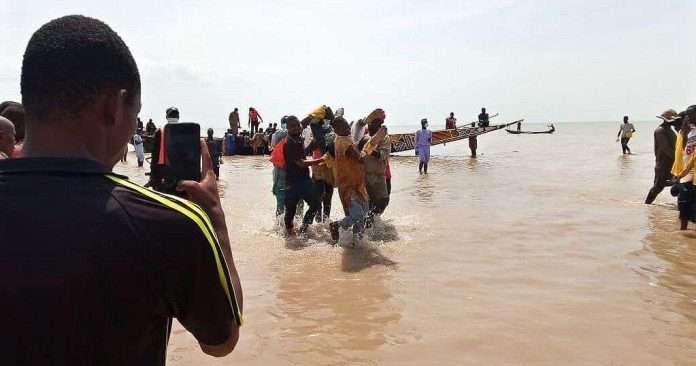
    Abuja, Nigeria – (African Boulevard News) – Tragedy struck on Monday when a boat capsized on the Niger River in northwest Nigeria, leaving at least 40 passengers missing and presumed dead, according to local officials.

    The ill-fated incident occurred on Monday, sending shockwaves of distress throughout the community. Authorities have since launched a search and rescue operation in a desperate attempt to locate any survivors and retrieve the bodies of those lost in the tragedy.

    Eyewitnesses reported that the boat was overcrowded, carrying more passengers than its capacity could safely accommodate. According to Mohammed Sani, a local official, “The boat was carrying both passengers and cargo and it capsized due to overloading.” This highlights the importance of adhering to safety regulations and guidelines to prevent such devastating incidents.

    Local authorities have expressed their deep concern over the rising number of boat accidents in the region. The Niger River, a popular transportation route, has witnessed several tragic incidents in recent years, often due to overloading, poor maintenance, or lack of adherence to safety protocols.

    As the search and rescue operation continues, the affected families anxiously await news of their loved ones. The uncertainty and grief surrounding this tragic event are palpable, as the community comes together to provide support and solace to the affected families.

    Boat accidents remain a pressing issue in Nigeria, a country with a significant river network and a high dependence on water transportation. It is essential for the government and relevant authorities to prioritize safety measures, enforce regulations, and enhance public awareness to prevent further tragedies.

    In the wake of this devastating incident, experts and stakeholders have called for stricter regulations and greater accountability. Oluwole Oyebade, a maritime expert, emphasized the need for improved safety training and licensing for boat operators. He stated, “Our waterways need to be properly regulated, and boat operators should undergo rigorous training to ensure they have the necessary competence to navigate these waters safely.”

    The boat sinking on the Niger River serves as a grim reminder of the urgent need for improved safety measures. It is crucial that the government, in collaboration with relevant stakeholders, takes immediate action to prevent similar incidents in the future and ensure the safety of travelers and cargo on Nigeria’s waterways.

    As the search for the missing passengers continues, the nation mourns the loss of lives and holds onto hope for any survivors. The tragic event serves as a somber reminder of the unpredictable dangers that can arise during everyday activities, emphasizing the need for vigilance and adherence to safety guidelines in all aspects of life.
    Tunisia: Defiant Political Prisoners Boycott “Biased” Judge, Exposing Delicate Democracy

    0
    Read Time:2 Minute, 18 Second

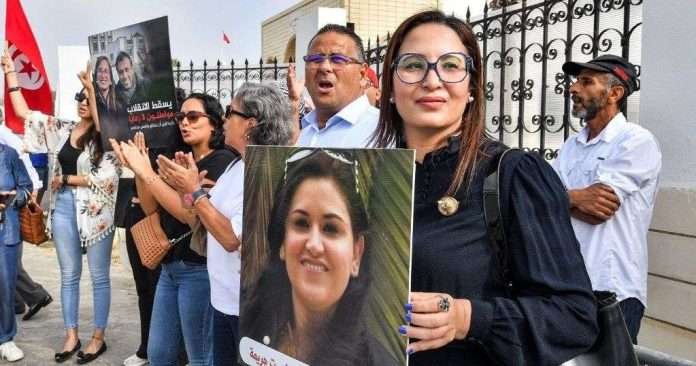
    Tunis, Tunisia – (African Boulevard News) – In a bold move against what they perceive as a biased judicial system, a group of six Tunisian opponents currently in pre-trial detention have decided to boycott the investigating judge assigned to their case. These opponents, who claim to be political prisoners under the Kais Said regime, have been in detention since February this year over an alleged conspiracy against state security.

    The decision to boycott the investigating judge was announced by the group’s lawyer, Mahmoud Ben Brahim, during a press conference held in Tunis. Ben Brahim stated, “Our clients have lost faith in the fairness and impartiality of the investigating judge. They believe that this judicial process is politically motivated and aimed at silencing dissenting voices.”

    The opponents argue that their prolonged pre-trial detention is a violation of their human rights and an attempt to stifle opposition to President Kais Said’s government. They claim that the charges against them are baseless and politically motivated.

    The decision to boycott the investigating judge has received mixed reactions from experts and stakeholders. Dr. Fatima Boulila, a human rights activist, expressed support for the opponents’ decision, stating, “It is a courageous move that highlights the flaws in Tunisia’s judicial system. The opponents’ concerns about bias and political motivations are legitimate, and their boycott sends a strong message to the authorities.”

    However, some legal experts have cautioned against the boycott, arguing that engaging with the judicial process is the best way to ensure a fair trial. They urge the opponents to exhaust all legal avenues available to them and rely on the judiciary to deliver justice.

    The boycott adds to the ongoing debate regarding the state of democracy in Tunisia. Since assuming power through a controversial constitutional maneuver in July 2021, President Kais Said has faced criticism for his handling of political opposition and his consolidation of power.

    The opponents’ decision to boycott the investigating judge is a clear manifestation of discontent with the current government’s approach to dissent. It underscores the urgent need for institutional reforms to ensure the independence and impartiality of the judiciary.

    As the Tunisian government faces mounting pressure from both domestic and international critics, the opponents’ boycott serves as a reminder of the challenges faced by the country on its path to a fully functioning democracy. The outcome of this case will undoubtedly have far-reaching implications for the future of Tunisia’s political landscape.

    It remains to be seen how the authorities will respond to the boycott and whether it will lead to any changes in the treatment of political opponents. As the case unfolds, all eyes will be on Tunisia, waiting to see if justice will prevail and if the opponents’ concerns regarding a biased judicial system will be addressed.

    Sudan: Returning Refugees Face Starvation as Hunger Crisis Grips War-Torn South Sudan

    0
    Read Time:2 Minute, 14 Second

    Khartoum, Sudan – (African Boulevard News) – War in Sudan: Hunger threatens refugees returning to South Sudan.

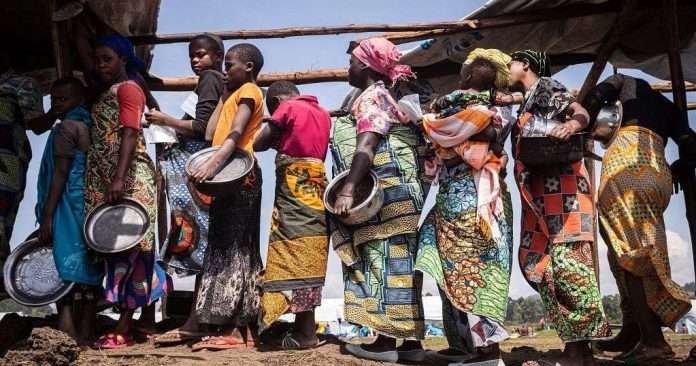
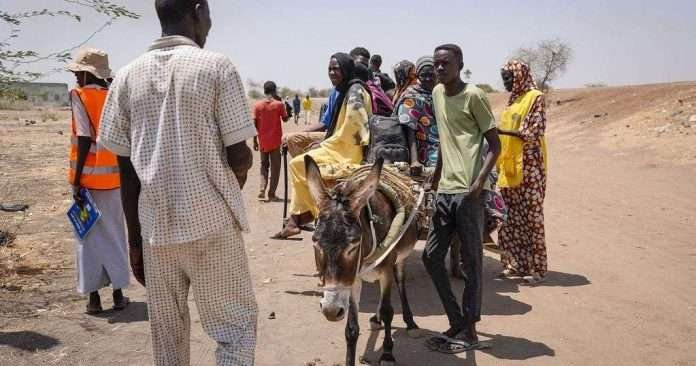
    The ongoing conflict in Sudan has left a devastating impact on the lives of thousands of Sudanese people, forcing them to flee their homes in search of safety. Now, as peace slowly returns to the region, many refugees are attempting to return to their war-torn homes in South Sudan. However, a new crisis looms over them – hunger.

    Years of violence and displacement have crippled South Sudan’s agricultural sector, leaving the country heavily dependent on food imports. With limited resources and infrastructure, providing sufficient food to its own citizens is already a challenge for the South Sudanese government. Now, the influx of returning refugees adds an additional burden to an already fragile system.

    According to the United Nations, an estimated 2.5 million people in South Sudan are facing severe food insecurity, with some regions on the brink of famine. Aid agencies warn that the return of refugees could exacerbate the situation, as the limited resources may not be able to sustain the growing population.

    Elizabeth Gowa, a spokesperson for the UN Refugee Agency, highlights the gravity of the situation, stating, “We are deeply concerned that hunger and malnutrition could become the next tragic crisis in South Sudan if immediate action is not taken.”

    The challenges faced by the returning refugees are compounded by the lack of basic infrastructure such as healthcare facilities and clean water. Without access to these vital services, the risk of disease outbreaks and malnutrition increases significantly.

    Organizations such as the World Food Programme and the International Organization for Migration are working tirelessly to provide assistance to those in need. However, funding remains a major obstacle in their efforts to alleviate hunger in South Sudan. The international community must step up and provide the necessary resources to ensure the well-being of both returning refugees and vulnerable communities.

    In the midst of the crisis, local communities have opened their hearts and homes to those in need. Many Sudanese families have taken in displaced people, sharing whatever resources they have. Their resilience and compassion reflect the spirit of humanity in the face of adversity.

    As the Sudanese people strive to rebuild their lives and communities, it is crucial that the international community continues to support them. Providing sustainable solutions to address the issue of hunger in South Sudan is vital for the successful reintegration of the returning refugees and the long-term stability of the region.

    In this challenging journey towards peace and stability, let us not forget the resilience and strength of the Sudanese people. Together, we can overcome hunger and ensure a brighter future for South Sudan.

    Kenya: Rising Tide of Cyberattacks Threatens Digital Future

    0
    Read Time:2 Minute, 9 Second

    Nairobi, Kenya – (African Boulevard News) – In a shocking revelation, Kenya has experienced an unprecedented rise in cyberattacks, with a staggering 860 million incidents reported in the past year, according to the Communications Authority of Kenya (CA).

    Internet usage and digital dependence have skyrocketed in Kenya, fueling an increase in cybercrime. The CA’s Annual Cybersecurity Report highlights the urgent need for enhanced cybersecurity measures to protect individuals, businesses, and the nation’s digital infrastructure.

    The scale of these attacks is alarming, and experts warn that the numbers could be even higher, as many cybercrimes go unreported or undetected. With the proliferation of internet-enabled devices and the growing sophistication of cybercriminals, Kenya’s vulnerability to these threats has become more pronounced.

    Dr. Diana Karimi, a cybersecurity expert, explains, “The frequency and severity of cyberattacks are on the rise, and as a nation, we must take immediate action to safeguard our digital landscape. These attacks not only jeopardize our personal information but also have severe economic implications.”

    Cybercriminals deploy various techniques to target individuals and organizations, including phishing scams, malware attacks, ransomware, and data breaches. Their motives range from financial gain to political espionage and even social destabilization. As a result, both individuals and businesses are constantly at risk of falling victim to these malicious activities.

    The CA’s report underscores the need for a multi-faceted approach to cybersecurity, including robust legislation, investment in state-of-the-art technology, and awareness campaigns to educate users about best practices in online safety.

    “In an era where cyber threats are increasingly sophisticated, the responsibility rests on each one of us to prioritize our cybersecurity,” said James Mwangi, a cybersecurity consultant. “Employing strong passwords, regularly updating software, and being cautious of suspicious emails and links are essential steps toward protecting ourselves and our businesses.”

    The Kenyan government has also recognized the gravity of the situation and is taking steps to address the issue. The CA, in collaboration with various stakeholders, is working to develop a comprehensive cybersecurity framework that will provide guidelines on preventing, detecting, and responding to cyber threats.

    As Kenya continues to evolve digitally and embrace the opportunities offered by technology, it is crucial that cybersecurity becomes a national priority. Enhancing awareness, investing in cutting-edge solutions, and fostering public-private collaborations are key to mitigating the ever-growing threat of cyberattacks. By doing so, Kenya can safeguard its digital future and protect its citizens from the detrimental effects of cybercrime.

    Kenya must remain vigilant, adapt to the changing landscape of cybercrime, and forge ahead to create a secure digital environment for its people.

    Libya: Devastating Floods Expose Unscrupulous Reconstruction Efforts, Threatening Hope for Recovery

    0
    Read Time:2 Minute, 15 Second

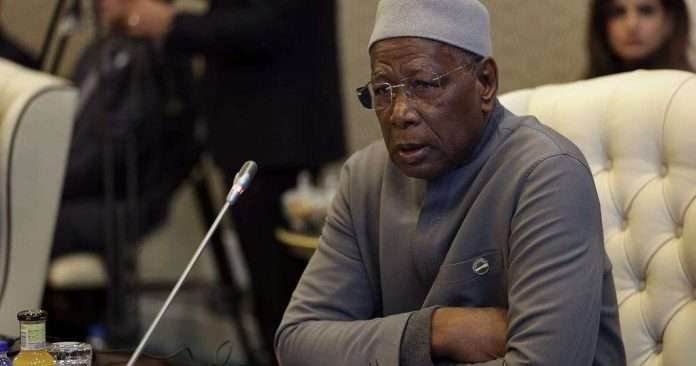
    Tripoli, Libya – (African Boulevard News) – Libya’s ongoing struggle to recover from the devastating floods that recently hit the country has sparked concern among the United Nations (UN) and its envoy. The UN envoy, whose identity has not been disclosed, expressed deep worry over the rival reconstruction initiatives and arbitrary cost estimates that have emerged in the aftermath of the deadly floods.

    The UN official’s statement has resonated with the Libyan people, who have also voiced their concerns about the lack of transparency surrounding these reconstruction initiatives. Citizens are worried about the potential negative impact these initiatives may have on the country’s overall recovery efforts.

    The aftermath of the floods has left many parts of Libya in ruins, with homes destroyed, infrastructure severely damaged, and numerous lives lost. The need for reconstruction is urgent, but it is crucial that the process is carried out in a transparent and inclusive manner to ensure the best possible outcome for the Libyan people.

    The concerns raised by the UN envoy and the Libyan people center around the arbitrary cost estimates that have been put forward by various actors involved in the reconstruction process. This lack of a standardized and transparent approach raises questions about the true intentions and effectiveness of these initiatives.

    Moreover, the presence of rival reconstruction initiatives further compounds the issue. Without a unified approach, valuable resources may be wasted, and efforts may be duplicated or even undermined. The UN envoy emphasized the importance of coordination and collaboration to ensure a cohesive and efficient reconstruction process.

    Industry experts are also alarmed by the lack of transparency surrounding the initiatives. Dr. Ahmed Jibril, a renowned economist, stated, “Transparency is essential for building trust and ensuring that the reconstruction efforts are not plagued by corruption or mismanagement. The Libyan people deserve clarity and accountability in these critical times.”

    To address these concerns, the UN envoy called for increased dialogue and coordination among all stakeholders involved in the reconstruction process. The envoy emphasized the need for a comprehensive and inclusive approach that takes into account the needs and aspirations of the Libyan people.

    As Libya strives to recover from the devastating floods, it is imperative that reconstruction efforts are carried out with transparency, accountability, and inclusivity. The UN envoy’s concerns serve as a reminder that the path to recovery must be paved with collaborative and well-coordinated initiatives, prioritizing the needs of the Libyan people above all else.

    The Libyan government, alongside international partners, must work together to ensure that the reconstruction process is not marred by rivalries or arbitrary cost estimates. By adopting a transparent and inclusive approach, Libya can rebuild stronger and more resilient communities for its people to thrive once again.

    Uganda: Refugees Left to Starve as Aid Dries Up – A Silent Emergency Unfolds!

    0
    Read Time:2 Minute, 8 Second

    Kampala, Uganda – (African Boulevard News) – Uganda’s refugee population is facing an uphill battle for survival as humanitarian aid to the country has been severely cut, warns the UN World Food Programme. The reduction in aid has left thousands of refugees in dire circumstances, struggling to meet their basic needs.

    The humanitarian crisis has been worsened by the economic impact of the COVID-19 pandemic, compounding the challenges faced by refugees. As a result, many of them are now forced to make impossible choices between food, shelter, and healthcare.

    One of the primary causes of the aid cuts is the decline in funding from donor countries, who are facing their own economic challenges. As a result, crucial programs providing food, water, and healthcare services for refugees have been scaled back or even discontinued.

    The implications are devastating. With limited access to food, malnutrition rates among refugee children have spiked. The lack of clean water and proper sanitation facilities has also led to an increase in waterborne diseases, posing a serious threat to the health of the refugee population.

    According to World Food Programme’s spokesperson, Catherine Ntabadde, “The situation is dire. We are witnessing a silent emergency unfold right before our eyes. Without adequate aid, refugees are unable to meet their basic needs, and their resilience is being stretched to the breaking point.”

    The impact of the aid cuts has been felt most acutely in refugee settlements, such as the Bidi Bidi settlement in northern Uganda, which is one of the largest in the world. The settlement, once a beacon of hope for thousands fleeing conflict and persecution, is now grappling with severe food shortages and overcrowded health facilities.

    Humanitarian organizations and advocacy groups are calling for urgent action to address the crisis. Josephine Limu, a refugee rights activist, emphasizes the need for solidarity and support, stating, “It is crucial for the international community to come together and provide the necessary support to ensure the survival of these vulnerable populations.”

    Efforts are underway to mobilize resources and increase funding for refugee assistance programs. However, time is of the essence as lives hang in the balance. Immediate action is needed to prevent further suffering and loss of life among the refugee population.

    As the world grapples with its own challenges, it is important not to forget those who are most vulnerable. Uganda’s refugees, already displaced from their homes and communities, must not be left to bear the brunt of aid cuts and the global economic downturn. It is time for decisive action and solidarity to ensure their survival and well-being.

    Kenya: Government Cracks Down on Frivolous Trips, Empowering Taxpayers and Restoring Trust

    0
    Read Time:2 Minute, 15 Second

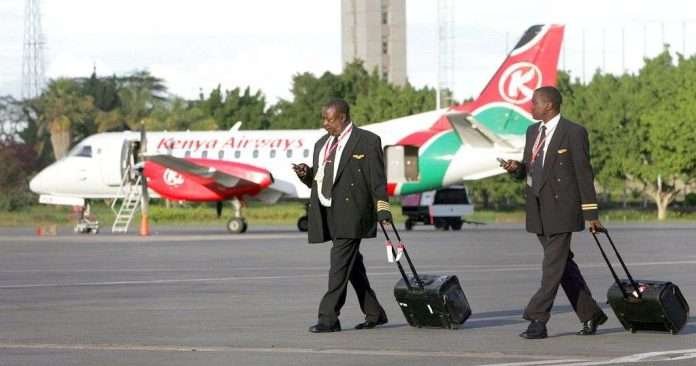
    Nairobi, Kenya – (African Boulevard News) – In an effort to optimize expenses and utilize taxpayer funds responsibly, the Kenyan government has implemented a new directive, suspending all non-essential travel for government officials. This move comes as part of a broader initiative to improve fiscal discipline and streamline operations within the public sector.

    The decision to ban non-essential travel for officials was made in response to the need for prudence and accountability in government spending. By restricting travel to only essential purposes, the government aims to cut down on unnecessary expenses, allowing funds to be channeled towards areas of priority such as infrastructure development and social welfare.

    Speaking about the ban, Finance Minister Jane Kibicho highlighted the importance of responsible financial management. “We have a duty to ensure that every shilling of the taxpayers’ money is put to good use. This directive is a step towards achieving that goal,” she stated. Kibicho believes that by curbing unnecessary travel, the government will be able to allocate resources more effectively, ultimately benefitting the Kenyan people.

    This decision is not without its critics, however, who argue that some travel may be necessary for government officials to fulfill their duties effectively. In response, government spokesperson Joseph Ogutu emphasized that exceptions can be made for critical matters that require immediate attention. “While non-essential travel is discouraged, we recognize that certain functions may necessitate it. In such cases, officials can seek approval from the relevant authorities,” Ogutu explained.

    The ban on non-essential travel aligns with a global trend of governments tightening their belts and cutting down on unnecessary expenditure. It also comes in the wake of the COVID-19 pandemic, which has necessitated stricter travel regulations worldwide. By implementing this ban, the Kenyan government is not only exercising financial prudence but also prioritizing the health and safety of its officials and the wider population.

    As Kenyan officials adapt to the new travel restrictions, the focus now turns to effective implementation and monitoring. Experts suggest that clear guidelines and regular audits will be crucial in ensuring compliance and preventing any misuse of resources. Additionally, there is an opportunity for the government to explore alternative means of conducting official business, such as virtual meetings, which can reduce costs and minimize the carbon footprint.

    The ban on non-essential travel for Kenyan officials represents a significant step towards more responsible financial management. By cutting down on unnecessary expenses and optimizing taxpayer funds, the government aims to create a more efficient and accountable public sector. As the directive takes effect, its success will be measured by both its financial impact and the ability of officials to adapt to new ways of conducting business in a rapidly changing world.

    Africa: Landmark Conviction – Military Colonel Sentenced to Death and 3 Soldiers Convicted in Killings of Protesters

    0
    Read Time:2 Minute, 43 Second

    Diaspora, Africa – (African Boulevard News) – Congolese Military Court Convicts Colonel and 3 Soldiers in Connection with Killings of Protesters

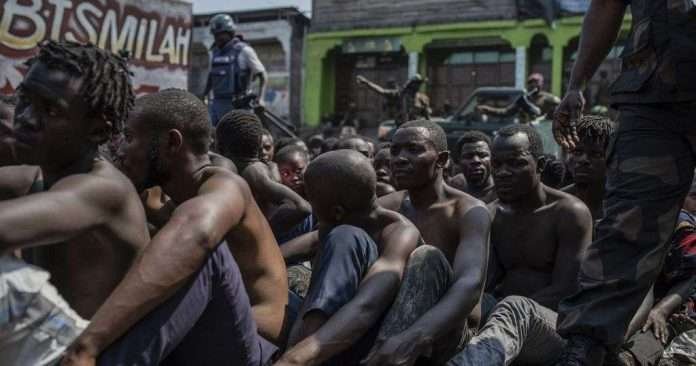
    A military court in the Democratic Republic of Congo (DRC) has handed down a significant ruling in connection with the killings of protesters earlier this year. The court sentenced a high-ranking military colonel to death and convicted three soldiers for their involvement in the deaths of more than 50 people who were demonstrating against the U.N. peacekeeping mission. The verdict comes as a welcome development for those seeking justice and accountability for the excessive use of force by security forces.

    The convicted colonel, whose identity has been withheld due to security concerns, was found guilty of ordering the crackdown on the protesters, resulting in their deaths. The three soldiers were also found guilty of carrying out the orders and directly participating in the violent response. The trial highlighted the responsibility of those in positions of power and emphasized the need for transparency and fair trials in cases of human rights abuses.

    Human rights organizations and activists have long called for justice to be served in the case. The ruling is seen as a step towards addressing the grievances of the victims’ families and providing them with some closure. However, critics argue that more needs to be done to tackle impunity and ensure that all those responsible for the killings are held accountable.

    In a statement, Sarah Jackson, the Deputy Regional Director for Amnesty International in East Africa, praised the court’s decision: “This verdict sends a strong message that the Congolese authorities are committed to upholding the rule of law and ensuring justice for victims of human rights abuses. It is a significant step towards ending the culture of impunity that has plagued the DRC for far too long.”

    The case has drawn international attention and raised concerns about the role of security forces in handling protests in the country. The United Nations has called for an independent investigation into the crackdown and has urged the DRC government to hold those responsible accountable. The ruling is expected to have implications not only in the DRC but also in other countries grappling with similar issues.

    The conviction and sentencing of the colonel and soldiers signal progress towards a more accountable and transparent justice system in the DRC. It serves as a reminder that impunity for human rights abuses will not be tolerated. However, the fight for justice is far from over, and there is a need for continued efforts to ensure that all perpetrators are held accountable.

    As the DRC moves forward, it is crucial for the government to work towards building trust between the security forces and the population. Strengthening the rule of law, protecting human rights, and ensuring accountability should be key priorities to prevent such incidents from happening again. Only through a commitment to justice can the wounds caused by these tragic events begin to heal and pave the way for a more peaceful and prosperous future for the Congolese people.

    Sources:
    – https://www.africanews.com/2023/10/03/congolese-military-court-convicts-colonel-and-3-soldiers-in-connection-with-killings-of-pr/
    – https://www.google.com/search?q=Congolese+military+court+convicts+colonel+and+3+soldiers+in+connection+with+killings+of+protesters

    Tunisia: President Saied’s Bold Rejection of EU Financial Aid Sends Shockwaves, Divides Nation

    0
    Read Time:2 Minute, 15 Second

    Tunis, Tunisia – (African Boulevard News) – President Kais Saied of Tunisia has made a bold move by rejecting financial aid from the European Union (EU) on an immigration deal. The decision has sparked widespread debate and raised questions about the future relationship between Tunisia and the EU.

    In a statement, President Saied explained that his rejection was “not because of the derisory amount (…) but because this proposal goes against” the agreement signed in Tunis and “the spirit that prevailed at the Rome Summit of Heads of State and Government.”

    The immigration deal, which was aimed at addressing the issue of irregular migration, had included provisions for financial assistance from the EU to Tunisia. However, President Saied believes that the deal does not align with the interests and priorities of his country.

    The decision has drawn mixed reactions from experts and stakeholders. Some argue that Tunisia is in desperate need of financial support to tackle the challenges of irregular migration, while others commend President Saied for standing up for Tunisia’s sovereignty and refusing to conform to external pressures.

    Professor Ahmed Sami, an immigration expert from Tunis University, remarked, “President Saied’s rejection of EU financial aid sends a strong message that Tunisia will not compromise its principles for economic assistance. It shows that Tunisia is determined to chart its own course and prioritize its own interests.”

    Critics, on the other hand, argue that Tunisia’s economy and infrastructure are ill-equipped to handle the influx of irregular migrants, and that financial assistance from the EU could provide much-needed resources to address the issue effectively.

    This move by President Saied comes at a time when Tunisia is experiencing a rise in irregular migration, with many migrants attempting to cross the Mediterranean Sea in search of better opportunities in Europe. The rejection of EU financial aid raises questions about the country’s ability to manage this ongoing crisis.

    It remains to be seen how this decision will impact Tunisia’s relations with the EU and the broader international community. The rejection of financial aid on the immigration deal could potentially strain Tunisia’s diplomatic ties, while also highlighting the country’s determination to maintain its independence and sovereignty.

    As Tunisia grapples with the complex issue of irregular migration, President Saied’s rejection of EU financial aid reflects a larger debate on the balance between economic assistance and national interests. It remains to be seen whether this bold move will help Tunisia find alternative solutions to the immigration challenge or whether it will isolate the country further on the international stage.

    For more information on President Saied’s rejection of EU financial aid on the immigration deal, please visit AfricanBoulevard.com or refer to the following sources:
    africanews.com and google.com.

    Niger: Mourning 29 Fallen Soldiers, Desperate for Mediation to End Terrorism

    0
    Read Time:2 Minute, 24 Second

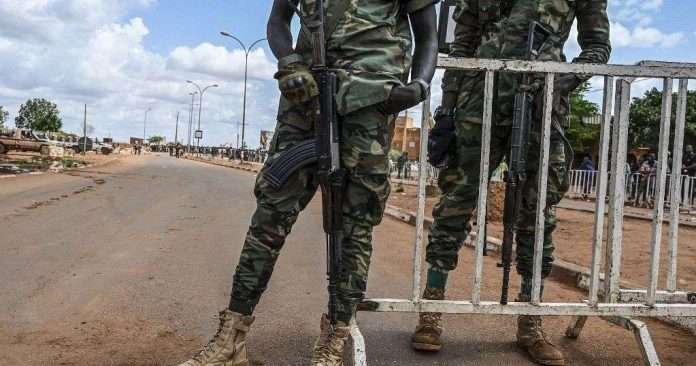
    Niamey, Niger – (African Boulevard News) – Niger is in mourning on Tuesday after the death of 29 soldiers in a jihadist attack, at a time when the military regime agreed to examine an offer of mediation from Algeria for a “political solution”.

    The attack took place in the Tillabéri region, near the border with Mali, an area known for its frequent attacks by Islamist militants. This devastating incident has once again highlighted the ongoing security challenges faced by Niger in its fight against terrorism.

    The soldiers were ambushed by heavily armed militants while on a routine patrol. The assailants, believed to be affiliated with the Islamic State West African Province (ISWAP), outnumbered the soldiers and launched a surprise attack, resulting in the death of 29 soldiers and several others injured. This attack is one of the deadliest in recent months, underscoring the persistent threat posed by jihadist groups in the Sahel region.

    In response to the attack, the government of Niger has declared a three-day national mourning period to honor the fallen soldiers. President Mohamed Bazoum, who cut short his visit to the United States, expressed his deep condolences to the families of the victims and vowed to intensify efforts to combat terrorism in the country.

    Meanwhile, Algeria has offered its mediation services to help find a political solution to the ongoing instability in the region. The Algerian government has long been involved in diplomatic efforts to resolve conflicts in the Sahel, and this latest offer of mediation is seen as a positive step towards finding a peaceful resolution.

    Niger’s military regime has agreed to examine Algeria’s offer, recognizing the need for a comprehensive approach to tackle the security challenges faced by the country. The government has acknowledged that a purely military response is not enough and that a political solution is crucial to address the root causes of instability in the Sahel.

    Experts believe that Algeria’s mediation could potentially help bring the various stakeholders together and facilitate dialogue towards a lasting solution. Algerian diplomacy has previously played a key role in brokering peace agreements in the region, including the Algiers Accord in Mali. The international community has also shown support for Algeria’s role in mediating conflicts in the Sahel.

    While the road to peace remains challenging, the offer of mediation from Algeria provides a glimmer of hope for Niger and the wider Sahel region. The tragic loss of life in this recent attack serves as a stark reminder of the urgent need for coordinated efforts to address the underlying causes of extremism and instability.

    As Niger mourns the loss of its brave soldiers, the country is also looking towards Algeria’s mediation efforts with the hope of achieving a lasting peace and security in the region. The international community stands ready to support these efforts as Niger continues its struggle against terrorism and works towards a brighter and more stable future.