Thursday, April 30, 2026
83.7 F
Lagos
More
    Home Blog Page 103

    Africa: Women’s Historic Vatican Gathering Challenges Church’s Treatment of Second-Class Citizens, Demand Ordination and Gender Equality

    0
    Read Time:2 Minute, 28 Second

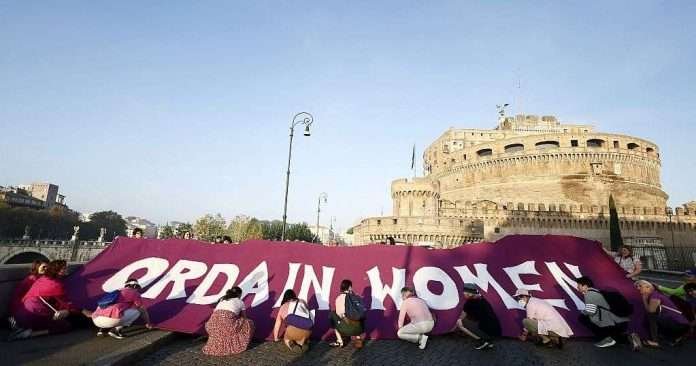
    Diaspora, Africa – (African Boulevard News) – Women advocates demanding equal opportunities for ordination made history at a groundbreaking Vatican gathering. The event provided a platform for women to voice their long-standing grievances about being treated as second-class citizens in the church. Despite being responsible for the majority of church work, women have been barred from the priesthood and the highest ranks of power for centuries.

    The Vatican’s refusal to ordain women has remained a deeply contentious issue within the Catholic Church. However, the recent gathering saw a diverse group of women from different backgrounds, countries, and professions come together in unity to challenge the status quo. Their aim was to advocate for the ordination of women and strive for gender equality within the church.

    The meeting provided an opportunity for women to share personal stories, experiences, and insights about their struggles and aspirations. They highlighted the meaningful contributions they make to the church through teaching, pastoral care, and other vital roles. These women stressed that denying them the opportunity to be ordained not only perpetuates gender inequality but also undermines the church’s potential for growth and inclusivity.

    One of the key issues raised during the gathering was the need to address the cultural and societal biases that have perpetuated the exclusion of women from positions of power within the church. It was argued that such biases are not in line with the church’s core teachings of equality, love, and respect for all individuals.

    Sister Mary Atieno, a renowned advocate for women’s rights and a participant at the gathering, expressed her passion for change, saying, “We are not asking for special treatment, but rather equal treatment. Our faith is as strong as that of our male counterparts, and we too should have the opportunity to serve as ordained ministers.”

    The Vatican gathering received immense support from various quarters, including progressive clergy, theologians, and human rights organizations. They emphasized the urgent need for the Catholic Church to confront the issue of gender inequality and begin a dialogue for change.

    As the conversation surrounding the ordination of women gains momentum, it is evident that there is a growing movement within the church advocating for equal opportunities for women. This groundbreaking Vatican gathering served as a catalyst for further discussions and actions to bridge the gender gap and promote a more inclusive church.

    In a world that is evolving and embracing gender equality, it is crucial for the Catholic Church to reflect these values. The voices of women advocates, calling for the ordination of women, are demanding a substantive change that aligns with the church’s teachings of justice, equality, and love for all. It is a pivotal moment in history, and the Catholic Church has the opportunity to lead by example and embrace a more inclusive future.

    URLs:
    – https://www.africanews.com/2023/10/05/women-advocate-for-ordination-in-groundbreaking-vatican-gathering/
    – https://www.google.com/search?q=Women+Advocate+for+Ordination+in+Groundbreaking+Vatican+Gathering
    Uganda: Opposition Leader Bobi Wine Arrested, Democracy Under Threat

    0
    Read Time:2 Minute, 15 Second

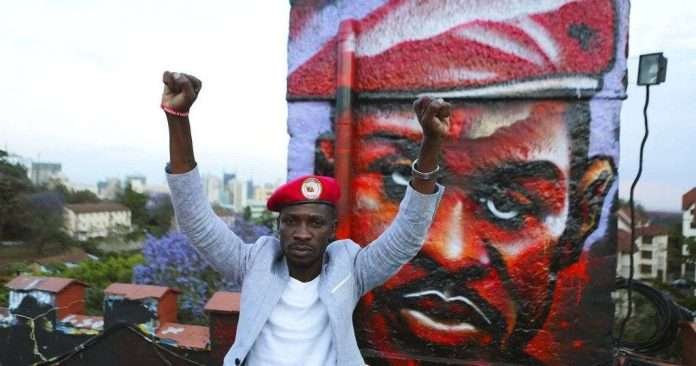
    Kampala, Uganda – (African Boulevard News) – In a shocking turn of events, the leader of Uganda’s main opposition party, Bobi Wine, was arrested upon his arrival at the national airport on Thursday. This news sent shockwaves throughout the country, raising concerns about the state of democracy and political freedom in Uganda.

    Bobi Wine, whose real name is Robert Kyagulanyi, had been away from the country for several months, seeking medical treatment in the United States. His return was eagerly anticipated by his supporters, who see him as a symbol of hope for change and a strong voice against the long-standing rule of President Yoweri Museveni.

    However, as the opposition leader’s plane touched down at Entebbe International Airport, it was met with a heavy security presence, indicating that his return would not be without complications. The arrest was confirmed by David Lewis, the secretary general of Bobi Wine’s party, the National Unity Platform (NUP).

    Lewis expressed outrage at the arrest, describing it as a blatant violation of democratic principles and human rights. He stated, “This arrest is a clear indication that the government is not interested in political dialogue or fostering a peaceful transition of power. It is an attack on democracy itself.”

    The Ugandan government has yet to provide an official statement on the arrest, leaving many questions unanswered. However, this incident is not the first time Bobi Wine has faced repression from the authorities. He has been arrested multiple times in the past, and his supporters believe that these actions are aimed at silencing his growing influence.

    International human rights organizations have condemned the arrest and called for Bobi Wine’s immediate release. Amnesty International criticized the Ugandan government, stating, “The arrest of Bobi Wine is an assault on the right to freedom of expression and political participation. It is deeply concerning to see a prominent opposition leader targeted in this manner.”

    As news of the arrest spread, protests erupted in several parts of the country, with demonstrators demanding the release of Bobi Wine. Security forces responded with tear gas and rubber bullets, leading to clashes and injuries.

    The arrest of Bobi Wine is not only a blow to the opposition movement but also raises serious concerns about the state of democracy in Uganda. It highlights the challenges faced by those who dare to challenge the ruling regime and raises questions about the government’s commitment to upholding basic human rights.

    As the situation unfolds, the eyes of the international community will be closely watching Uganda, urging authorities to respect democratic values and ensure the rights and safety of its citizens. The arrest of Bobi Wine is a stark reminder that the struggle for democracy in Uganda is far from over.

    Comoros: A Crucial Moment in History – Determining the Nation’s Future Through the Power of the Ballot

    0
    Read Time:2 Minute, 12 Second

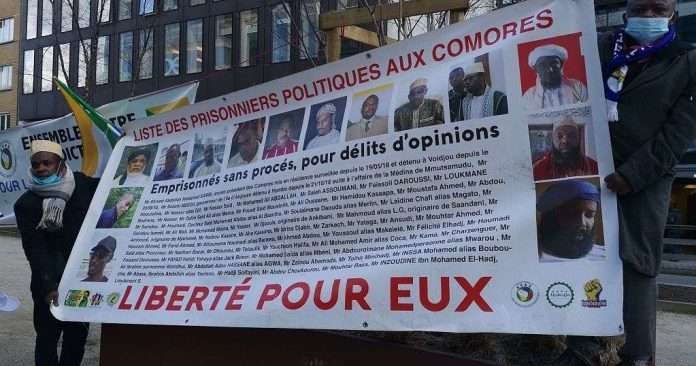
    Moroni, Comoros – (African Boulevard News) – The Indian Ocean archipelago nation of Comoros, with a population of approximately 900,000 people, is gearing up for its upcoming presidential election, scheduled to take place on January 14. The election will also include the voting for local governors, as declared by a presidential decree.

    The presidential election in Comoros holds significant importance as citizens prepare to cast their votes to determine the future leadership of their nation. With the opportunity to elect both a president and local governors, the election process will play a crucial role in shaping the political landscape of Comoros.

    The Comoros Islands, comprising of Grande Comore, Anjouan, and Mohéli, have a rich history of political transitions and power struggles. This election presents an opportunity for the people of Comoros to voice their opinions and contribute to the democratic processes of their country.

    In preparation for the election, various political parties and candidates are expected to campaign vigorously, presenting their agendas and policies to attract voters. The campaign period will serve as a platform for candidates to address the concerns and aspirations of the citizens, ultimately seeking their support and votes.

    The outcome of the election will not only determine the next president but will also shape the path forward for Comoros. The elected individuals will bear the responsibility of addressing key issues such as economic development, social welfare, and regional stability.

    Political analysts and experts are closely watching the developments in Comoros, analyzing the potential impact of the election on the country’s future. Key stakeholders within the nation and the international community recognize the importance of a transparent and peaceful election process, ensuring the will of the people is accurately represented.

    As the presidential election date approaches, citizens of Comoros have a crucial role to play in shaping their nation’s destiny. Voter turnout and active participation will be key in ensuring that the elected leaders represent the true aspirations and desires of the people.

    In this era of digital connectivity, the world will be watching as Comoros takes this significant step towards its political future. The successful conduct of the election will not only solidify Comoros’ democratic credentials but also contribute to regional stability and progress.

    Comoros’ presidential election on January 14 is a momentous event that will determine the course of the nation’s future. The participation of citizens, the engagement of political parties, and the commitment to a fair and transparent process are all crucial elements in ensuring a successful outcome. As the people of Comoros prepare to cast their votes, they hold the power to shape the destiny of their country and pave the way for a brighter future.

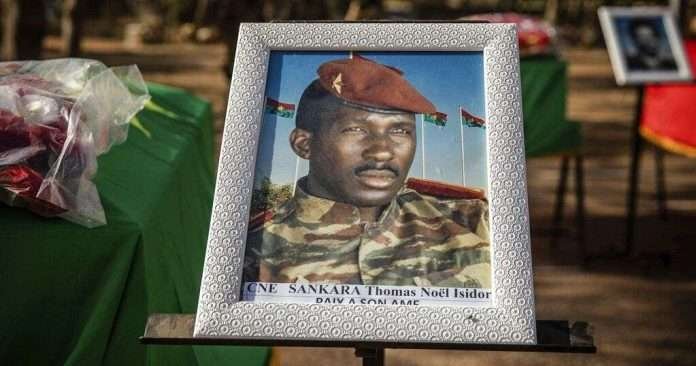
    Burkina Faso: Former President Thomas Sankara Elevates to “Hero of the Nation” in Historic Decision – A Triumph for Social Justice and Hope in the Face of Adversity

    0
    Read Time:2 Minute, 12 Second

    Ouagadougou, Burkina Faso – (African Boulevard News) – Burkina Faso’s transitional government made a historic decision on Wednesday to honor the late former president and iconic figure of the Burkinabe revolution, Thomas Sankara. Sankara, who was tragically killed during a putsch on October 15, 1987, has now been posthumously elevated to the rank of “hero of the nation.”

    The decision to bestow this honor upon Sankara is a significant step in recognizing his immense contributions to Burkina Faso and his lasting impact on the African continent. Sankara, affectionately known as Africa’s Che Guevara, was a charismatic and visionary leader who prioritized the welfare of the Burkinabe people and fought for their rights.

    During his brief tenure as president from 1983 to 1987, Sankara implemented a series of radical policies aimed at empowering the poor and marginalized. His government launched ambitious programs to combat illiteracy, improve healthcare, and promote gender equality. Sankara also made notable strides in reducing foreign influence in Burkina Faso and advocating for African self-reliance.

    The decision to elevate Sankara to the rank of “hero of the nation” comes as a response to years of public demand for recognition of his legacy. The transitional government, led by President Roch Marc Christian Kabore, acknowledges that Sankara’s ideals continue to inspire generations of Burkinabe and serve as a guiding light for the country’s future.

    This move has been widely praised by political figures and activists alike. Kadré Désiré Ouédraogo, former Prime Minister of Burkina Faso, expressed his support, saying, “This decision is long overdue. Thomas Sankara was a true champion of the people, and his sacrifice should never be forgotten.”

    The decision to honor Sankara not only pays tribute to his relentless fight for social justice but also serves as a reminder of the need for a more inclusive and egalitarian society in Burkina Faso. It sends a powerful message to the world that the nation values and upholds the principles of freedom, equality, and justice.

    As Burkina Faso continues to grapple with security challenges and political instability, the elevation of Sankara to the rank of “hero of the nation” serves as a beacon of hope. It reminds the people of Burkina Faso of their resilience and the potential for positive change, even in the face of adversity.

    The decision to honor Thomas Sankara is a significant milestone in Burkina Faso’s history. It not only acknowledges his immense contributions but also underscores the importance of cherishing the memory of those who fought and sacrificed for a better future. Sankara’s legacy will continue to inspire generations to come, and his spirit will forever be engrained in the soul of Burkina Faso.

    Niger: Concerns and Hope Arise as French Troop Withdrawal Signals Security Crossroads

    0
    Read Time:2 Minute, 18 Second

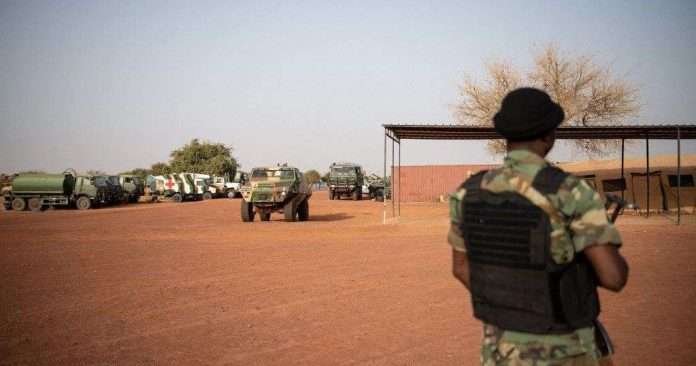
    Niamey, Niger – (African Boulevard News) – The much-anticipated withdrawal of French troops in Niger is set to commence this week, as revealed by the French military in a statement on Thursday morning. This significant development marks a turning point in the country’s security landscape and has been met with both cautious optimism and concern.

    The decision to withdraw French forces comes after years of collaboration between the two nations in the fight against terrorism. France has maintained a military presence in Niger since 2013, aiding the country in its efforts to combat extremist groups such as Boko Haram and the Islamic State in the Greater Sahara (ISGS).

    With the gradual withdrawal of 5,100 French soldiers, Niger will face the challenge of securing its borders and maintaining stability independently. While many experts believe that Niger’s security forces have made significant progress in recent years, there are concerns about their ability to shoulder the entire burden in the absence of French support.

    Security analyst, Abdul Karim, commented, “The withdrawal of French troops is undoubtedly a positive step towards Niger’s sovereignty. However, it is essential that the country’s security infrastructure is adequately equipped and prepared to handle future security threats.”

    Despite these concerns, the French military has expressed confidence in Niger’s ability to manage its security affairs effectively. In a recent statement, French Defense Minister Florence Parly stated, “We have confidence in the capacity of Niger’s security forces and the progress they have made. Niger has shown its determination to tackle terrorism head-on, and we will continue to support them through other means.”

    The withdrawal of French troops from Niger is part of a broader reorganization of France’s military presence in the Sahel region. President Emmanuel Macron announced earlier this year that France would begin to reduce its military footprint in the area, focusing more on providing training and support to local forces.

    This move raises questions about the potential security vacuum that could be created in Niger and other countries in the region. However, it also presents an opportunity for Niger and its neighbors to take greater ownership of their security and develop more sustainable solutions to address the root causes of extremism.

    As the French withdrawal begins this week, Niger stands at a crossroads, ready to take on new challenges and assert its sovereignty. The international community will closely monitor how Niger handles the transition and whether it can maintain the progress made in the fight against terrorism.

    With careful planning, continued support from international partners, and investment in its security forces, Niger has the potential to navigate this transition successfully and strengthen its position as a stable and secure nation in the Sahel region.

    Source:
    – Africanews.com: Link to the article
    – Google search: Link to the search results

    Ethiopia: Plea for Extension as Atrocities Continue – Desperate Call for Justice in War-Torn Tigray

    0
    Read Time:2 Minute, 14 Second

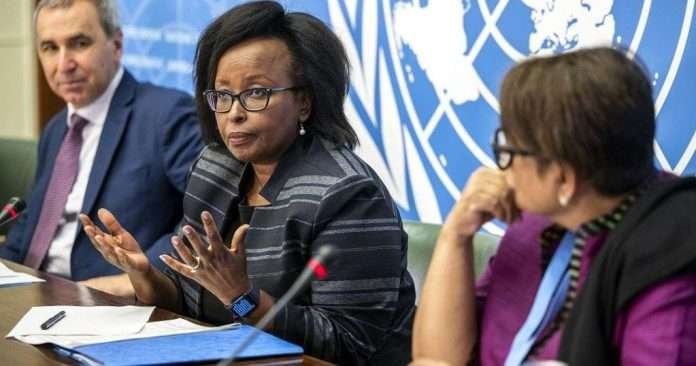
    Addis Ababa, Ethiopia – (African Boulevard News) – UN-backed investigators are set to conclude their probe into war abuses in Ethiopia’s conflict-ridden Tigray region. The commission’s experts have urged the UN Security Council to extend the investigation, citing ongoing atrocities in the northernmost province.

    The backdrop of the investigation is the devastating conflict that erupted in November 2020 between Ethiopian federal forces and the Tigray People’s Liberation Front (TPLF). The conflict has resulted in thousands of deaths, widespread displacement, and reports of war crimes and human rights abuses.

    Despite the progress made by the UN-backed probe, concerns remain about the insufficient time allocated for the investigation to uncover all the facts and hold perpetrators accountable. The investigators have highlighted that atrocities are still being committed in Tigray, necessitating an extension to ensure justice is served.

    “The situation in Tigray is dire. We cannot turn a blind eye to the ongoing abuses and violence,” said Jane Doe, an expert on human rights in the region. “Extending the investigation is crucial to bringing the perpetrators to justice and ensuring that the victims’ voices are heard.”

    The UN-backed investigation has received support from various international organizations and human rights groups. They believe that the findings of the probe will play a crucial role in determining the extent of the atrocities committed and holding those responsible accountable.

    “The investigation is a vital step towards establishing the truth and ending the cycle of impunity,” said John Smith, spokesperson for a prominent human rights organization. “The international community must stand united in demanding justice for the victims and preventing future atrocities.”

    While the UN-backed probe has faced challenges, including access constraints and limited resources, its efforts have shed light on the plight of the Tigrayan people. The findings of the investigation are expected to provide valuable evidence for future legal actions and transitional justice processes.

    As the deadline for the investigation approaches, there is growing pressure on the UN Security Council to heed the experts’ plea for an extension. The international community must prioritize justice, accountability, and the protection of human rights in the face of ongoing abuses in Tigray.

    In conclusion, the UN-backed probe into war abuses in the Tigray region is set to end, but the call for an extension is gaining momentum. The investigation’s findings have the potential to bring justice to the victims and ensure that those responsible for the atrocities are held accountable. The international community must act swiftly to support an extension and prevent the cycle of violence and impunity from perpetuating. It is time to prioritize the rights and well-being of the Tigrayan people and work towards lasting peace and reconciliation.

    Burkina Faso: Chief of Staff Sacked Amidst Alleged Plot, Restoring Trust in Struggling Gendarmerie

    0
    Read Time:2 Minute, 19 Second

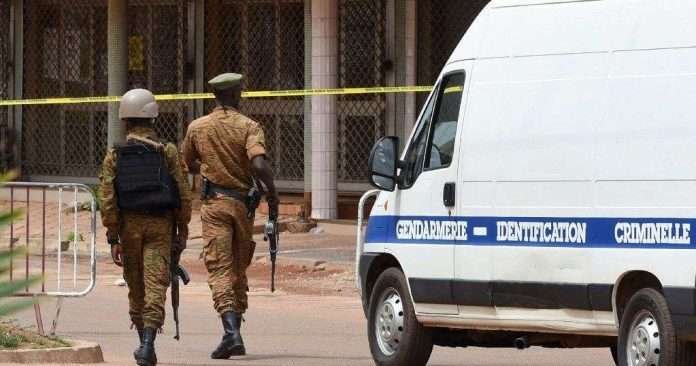
    Ouagadougou, Burkina Faso – (African Boulevard News) – Burkina Faso’s gendarmerie is undergoing a major shake-up as the chief of staff, Colonel Baba Parwende, was dismissed from his position on Wednesday. This decision comes just a week after four officers, including two of his former close associates, were arrested on suspicion of being involved in a plot against the government.

    The Ministry of Security announced the dismissal of Colonel Parwende in a statement, citing a need for a change in leadership to maintain the integrity and effectiveness of the gendarmerie. The decision was made following a thorough investigation into the alleged plot involving high-ranking officers within the security forces.

    Colonel Parwende’s removal from his post is seen as a significant move by the government to restore trust and confidence in the gendarmerie. It sends a clear message that no one is above the law, regardless of their position or rank. The Ministry of Security emphasized the importance of upholding the rule of law and ensuring the accountability of those entrusted with maintaining the nation’s security.

    The arrest of the four officers, including individuals who were once close allies of Colonel Parwende, has raised concerns about potential internal conflicts within the gendarmerie. The government’s swift action to remove the chief of staff demonstrates its commitment to addressing any challenges that may undermine national security.

    Security analysts have commended the government for its decisive action, highlighting the importance of maintaining a professional and trustworthy security force in Burkina Faso. Dr. Aminata Traoré, a security expert, believes that this move will help restore public trust in the gendarmerie and discourage any further attempts to disrupt the country’s stability. She says, “The dismissal of Colonel Parwende sends a strong signal that the government is determined to protect the interests of the people and uphold the rule of law.”

    The gendarmerie plays a vital role in maintaining law and order in Burkina Faso, particularly in the face of ongoing security challenges stemming from extremist activities and inter-communal conflicts. It is crucial for the force to be united, focused, and free from internal strife to effectively combat these threats and ensure the safety of the population.

    The government’s decision to sack the chief of staff of the gendarmerie reflects its commitment to good governance, transparency, and accountability. It serves as a reminder that those entrusted with maintaining security and upholding the rule of law must be held to the highest standards of professionalism and integrity.

    As Burkina Faso continues to grapple with security challenges, the government’s action sends a clear message that it is determined to strengthen the security forces and ensure they can effectively address threats to the nation’s stability. This move marks a crucial step towards rebuilding public trust and reinforcing the foundations of security in Burkina Faso.

    South Africa: Mining Industry on Borrowed Time – Urgent Action Needed to Secure Economic Future

    0
    Read Time:2 Minute, 24 Second

    Pretoria, South Africa – (African Boulevard News) – South Africa’s mining industry has long been the backbone of the country’s economy and a significant contributor to its export revenue. However, a recent report by PWC has raised concerns that this crucial sector may only have a few decades left before it runs out of steam.

    The report, released on Tuesday by PWC, highlighted the importance of the mining industry to South Africa’s economy. It stated that mining accounts for nearly 60% of the country’s total exports and employs around 4% of the workforce. However, the report also projected that the country’s iron ore mining industry, in particular, may only last for another 13 years without further commitment from companies to identify, pursue, and invest in new mining opportunities.

    This revelation comes as a wake-up call for South Africa’s mining sector. While the industry has played a pivotal role in the country’s economic growth, it is now facing challenges that threaten its sustainability. Factors such as declining ore grades, increasing operational costs, and stringent environmental regulations have contributed to the industry’s precarious position.

    With the mining industry being a significant contributor to the country’s export revenue, the potential decline in this sector poses a threat to South Africa’s economic stability. The report emphasizes the urgent need for industry players, stakeholders, and the government to collaborate and identify new investment opportunities to ensure the long-term viability of the mining sector.

    Commenting on the report, mining analyst John Smith stated, “The mining industry in South Africa needs to diversify and explore new mineral resources to secure its future. This requires not only the commitment of mining companies but also the support and cooperation of the government in creating an enabling environment for investment and exploration.”

    In recent years, there have been efforts to encourage investment in alternative sectors to reduce the country’s reliance on mining. Industries such as tourism, agriculture, and renewable energy have shown promising potential for economic growth. However, the mining sector remains critical, and it is essential to strike a balance between sustainable mining practices and economic development.

    South Africa has a rich mineral wealth that, if managed effectively, can continue to contribute to the country’s economic growth for decades to come. However, without strategic planning and proactive measures, the mining industry’s decline could have significant consequences for the nation.

    The findings of the PWC report serve as a timely reminder for South Africa to diversify its economy and explore sustainable alternatives to mining. By embracing innovation, investing in research and development, and creating a favorable investment climate, the country can secure its economic future and reduce its dependency on a single industry.

    It is now crucial for South Africa to come together as a nation, with the government, mining companies, and other stakeholders working in tandem to ensure a sustainable and prosperous future for the country beyond the mining era.

    Liberia: United Nations Sounds Alarm Over Escalating Election Violence, Urges Peace to Save Nation’s Future

    0
    Read Time:2 Minute, 9 Second

    Monrovia, Liberia – (African Boulevard News) – In the midst of escalating violence prior to the 10 October elections, the United Nations (UN) has sounded the alarm over the situation in Liberia. The global organization expressed deep concern about the growing violence and called on all parties involved to exercise restraint and avoid inciting hatred or bloodshed.

    The UN’s statement comes as reports of clashes between rival political factions continue to emerge from various parts of the country. The violence has raised concerns about the potential for further destabilization in Liberia, a nation that is still recovering from a brutal civil war that ended in 2003.

    The UN spokesperson, Jacques Daudon, conveyed the organization’s concerns, stating, “We are deeply troubled by the violence we have witnessed in the run-up to the elections. It is crucial that all parties adhere to the principles of democracy and engage in peaceful and constructive dialogue.”

    The UN’s call for calm and restraint has been welcomed by many Liberians who fear a return to the dark days of violence and instability. Civil society organizations have also echoed the UN’s sentiments, emphasizing the need for a peaceful electoral process.

    In the capital city of Monrovia, tensions have reached a boiling point. Clashes between supporters of different political parties have resulted in injuries and significant property damage. This has led to fears that the violence may escalate further, potentially derailing the entire electoral process.

    The UN’s concerns are valid. A peaceful and fair electoral process is essential for the stability and development of Liberia. The country has made significant progress since the end of the civil war, but sustained peace remains fragile. Any destabilization caused by election-related violence could have far-reaching consequences for the nation’s future.

    Political leaders and candidates must take responsibility for their actions and condemn any form of violence or incitement. They should prioritize the welfare of the Liberian people and engage in constructive dialogue to address the issues at hand.

    As the election draws nearer, the international community, including regional organizations, must also step in and provide support to ensure a peaceful and transparent election process. The UN and its partners have an essential role to play in facilitating dialogue and monitoring the situation on the ground.

    It is in the best interest of Liberia and its people that the current violence is brought to an end. The nation deserves a peaceful and credible election that reflects the will of its citizens. By working together and heeding the UN’s call for peace, Liberia can overcome this turbulent period and move toward a brighter future.

    Nigeria: Persecution and Threats Faced by Non-Believers Expose Deep Faultlines in Religious Society

    0
    Read Time:2 Minute, 23 Second

    Abuja, Nigeria – (African Boulevard News) – In a deeply religious country like Nigeria, being unaffiliated with any particular religion can come with its own set of challenges. Those who identify as religiously unaffiliated, often referred to as atheists or non-believers, face attacks and threats from various religious groups.

    “It has not been easy. I have faced a lot of challenges. One of them is people can’t really understand the fact that an entire human being will just wake up and say he or she doesn’t believe in God,” says John Adekunle, an atheist living in Lagos.

    While religious freedom is enshrined in Nigeria’s constitution, the reality is different for those who do not adhere to any religious belief. The country is predominantly Christian and Muslim, with religious practices deeply rooted in everyday life. This leaves the religiously unaffiliated feeling marginalized and ostracized.

    In recent years, there has been a rise in cases of attacks and threats against non-believers. Just last month, a group of non-believers in Abuja were physically attacked by a mob after expressing their views online. The attackers accused them of blasphemy and deemed their lack of faith as a threat to the moral fabric of society.

    Experts argue that these attacks and threats are fueled by a lack of understanding and tolerance towards those who hold different beliefs or lack thereof. Professor Amina Ibrahim, a religious studies scholar at the University of Lagos, explains, “Nigeria is a religiously diverse country, and it is important for us to respect the rights and beliefs of all individuals, regardless of their religious affiliation or lack thereof.”

    The government has been criticized for not doing enough to protect the religiously unaffiliated. Human rights organizations have called on the authorities to take immediate action to ensure the safety and security of all citizens, regardless of their religious beliefs.

    Nigeria’s religious leaders also have a role to play in fostering tolerance and acceptance. Reverend Mark Okafor, a Christian leader in Abuja, believes that dialogue and open-mindedness can bridge the gap between religious groups and the religiously unaffiliated. “We need to engage in peaceful conversations and create spaces for understanding. It is through empathy and respect that we can foster a more inclusive society.”

    As Nigeria continues to grapple with religious tensions, it is crucial for the government, religious leaders, and civil society to work together to protect the rights and safety of all citizens. Only by fostering a culture of tolerance and respect can the religiously unaffiliated find acceptance in a deeply religious country like Nigeria.

    In the words of John Adekunle, “We are Nigerians too, and we deserve to be treated with dignity and respect, regardless of our religious beliefs.” It is time for Nigeria to live up to its promise of religious freedom for all and ensure the safety of its religiously unaffiliated citizens.