


Rabat, Morocco – (African Boulevard News) – Earthquake in Morocco: France Tries to Hide Diplomatic Tensions
As Morocco grapples with the aftermath of a devastating earthquake, diplomatic tensions between the country and France are coming to the forefront. The head of French diplomacy sought to extinguish the controversy on Monday, addressing the reason behind Morocco’s decision to decline France’s aid offer. This move comes amidst an already strained relationship between the two nations.
Following the earthquake that hit Morocco, France, as a long-standing ally, promptly offered assistance to aid in the relief efforts. However, Morocco chose not to accept the offer, sparking questions and raising eyebrows within the international community.
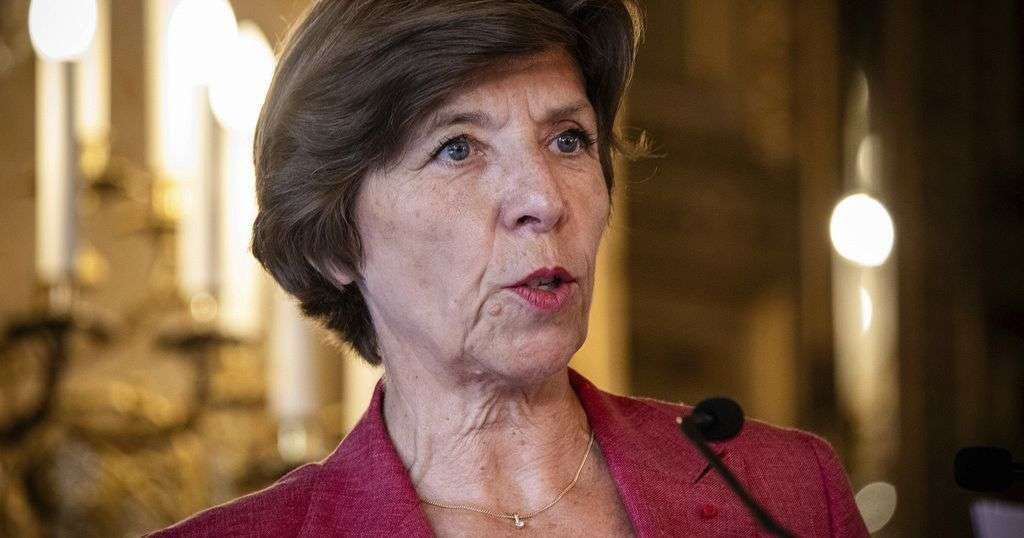
French Foreign Affairs Minister, Jean-Yves Le Drian, attempting to downplay the issue, stated, “Morocco has its own emergency response system, and we respect that decision.” Le Drian’s statement is seen as an attempt to mask the diplomatic tensions that have been brewing between the two countries.
Many experts believe that this refusal of aid from France is a result of the ongoing strain in the diplomatic relations between Morocco and its former colonial power. France’s controversial policies regarding immigration, perceived interference in Moroccan domestic affairs, and differing stances on regional conflicts have all contributed to the current tensions.
As the situation unfolds, it is important to recognize that Morocco, like any sovereign nation, has the right to determine its own response to a natural disaster. The country has an established emergency response system that has proven effective in addressing such situations in the past.
Dr. Fatima Zahra, an international relations expert, explains, “Morocco’s decision should be seen in the context of asserting its independence and autonomy. It is a statement that Morocco can handle its own affairs without external intervention.”
While France may have its own motives for offering assistance, the decision to decline aid does not necessarily reflect a deterioration of relations between the two nations. However, it does highlight the complexities of their diplomatic ties and the need for open dialogue to address any underlying issues.
In the aftermath of the earthquake, Morocco has received aid from various other countries and international organizations. This collective support is a testament to the solidarity and global efforts in times of crisis.
As the recovery process continues in Morocco, it is crucial for all parties involved to focus on providing the necessary aid and support to the affected population rather than letting diplomatic tensions overshadow the humanitarian efforts. The resilience and unity demonstrated by the people of Morocco will undoubtedly help them rebuild and recover from this tragedy.
In times of disaster, it is imperative that humanitarian concerns take precedence over political differences. Ultimately, the earthquake in Morocco serves as a reminder that solidarity and compassion should prevail in times of crisis, regardless of the diplomatic issues between nations.
