

Cameroon & Africa Daily Briefing — August 26, 2026
Today’s strongest African news cycle is led by fresh political pressure in Cameroon after Paul Biya’s return, Nigeria’s massive kidnapping crisis, and the sudden resignation of Tanzania’s vice president. Two major economic stories—Dangote’s planned record IPO and South African miners’ accelerating move away from Eskom—round out today’s five.
1. 🇨🇲 Pressure Builds on Biya After His Return From a 73-Day Absence
Development: August 26, 2026
Political parties and civil-society voices are pressing President Paul Biya to address economic hardship, youth unemployment and governance concerns following his return from an unusually long stay abroad.
Biya, 93, returned to Yaoundé on August 20 after more than ten weeks away. Reporting from AP and Reuters said the prolonged absence renewed concerns about continuity of government and presidential succession, particularly because Cameroon still has no appointed vice president.
Why it matters: Biya’s physical return has not ended the political controversy—it has shifted attention toward what he actually does next. Significant appointments, economic measures or movement on the vacant vice presidency could become signals of how the government intends to address the institutional weaknesses exposed by his absence.
Read more: Channel Africa — Cameroon opposition demands governance reforms after Biya’s return.
2. 🇳🇬 Tinubu Orders Immediate Rescue Operation After Potentially Enormous Mass Kidnapping
Development: August 25–26, 2026
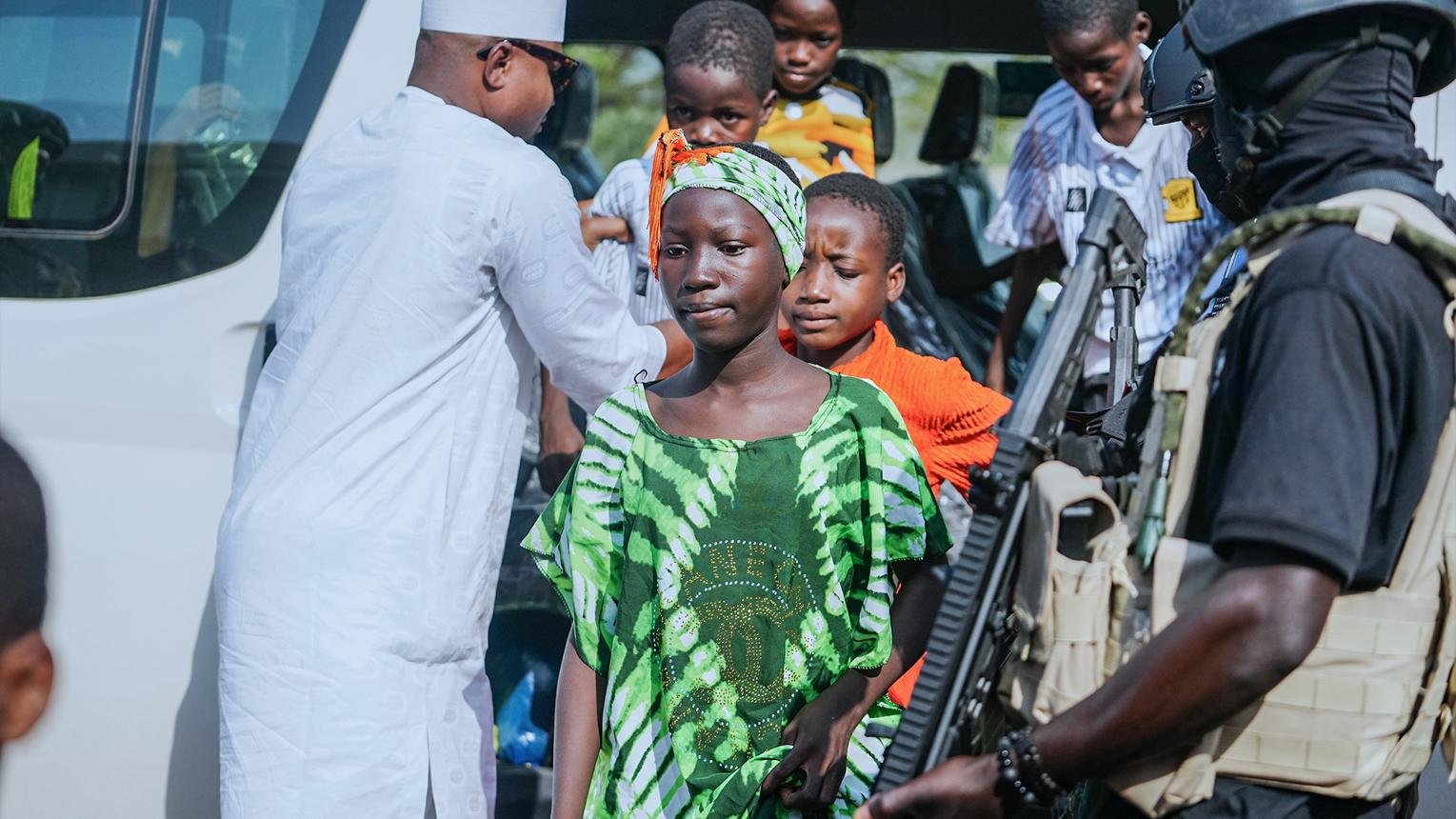
President Bola Tinubu has ordered Nigeria’s military and security agencies to launch an immediate rescue operation after gunmen abducted scores of people in Niger State.
Residents who identified relatives in a video released by the attackers estimate that roughly 600 women, children and older people may have been taken. Reuters reports that the precise number remains unverified.
Why it matters: The presidential intervention confirms that this has escalated into a national security crisis, even though the figure of 600 captives should still be treated as an estimate rather than an established count. If anything close to that number is ultimately verified, the attack would rank among Nigeria’s most consequential mass abductions and expose serious weaknesses in the government’s ability to secure remote communities.
Source: Reuters — Tinubu orders rescue operation.
3. 🇹🇿 Tanzania’s Vice President Abruptly Resigns Less Than a Year Into Office
Development: August 26, 2026
Tanzanian Vice President Emmanuel John Nchimbi has resigned less than a year after taking office.
President Samia Suluhu Hassan accepted the resignation, effective September 4. The government gave no reason for the departure, although Nchimbi had recently attracted attention within the ruling CCM after publicly advocating constitutional reform.
The resignation comes against a sensitive political backdrop. Hassan won re-election last year in a vote from which major opposition candidates were excluded, followed by violence in which a government-appointed inquiry said at least 518 people died. Constitutional procedures will now begin to select a replacement.
Why it matters: An unexplained vice-presidential resignation would be notable anywhere; in Tanzania’s current political environment it immediately raises questions about internal CCM dynamics, constitutional reform and the balance of power around President Hassan.
Source: Reuters — Tanzania vice president resigns.
4. 🇳🇬 Dangote Prepares What Could Become Africa’s Biggest-Ever IPO
Development: August 26, 2026
Dangote Petroleum Refinery is preparing an October stock-market listing that aims to raise roughly $5 billion, potentially making it the largest initial public offering in African history.
The 650,000-barrel-per-day refinery is now operating around its initial full capacity and has tested production as high as 700,000 barrels per day, while management ultimately plans to double capacity.
The principal investor concern is crude supply. Despite being located in Africa’s largest oil-producing country, the refinery currently imports roughly 30%–40% of its crude, partly because Nigerian production is tied up in existing commitments and oil-backed financing arrangements.
Why it matters: Dangote is no longer simply a Nigerian industrial project. Its scale is reshaping African fuel flows—Nigeria’s seaborne petroleum-product exports have risen sevenfold since 2023—and a successful $5 billion listing could become a landmark event for African capital markets.
Source: Reuters — Dangote refinery approaches record IPO.
5. 🇿🇦 South African Mining Giants Accelerate Their Break From Eskom
Development: August 26, 2026
South Africa’s major mining companies are accelerating investments in solar, wind and other renewable power as they reduce their longstanding dependence on state electricity utility Eskom.
Reuters reports that the shift is being driven simultaneously by electricity costs, energy-security concerns and corporate decarbonisation targets.
For an industry that historically depended heavily on Eskom, privately developed generation represents a structural change in how one of Africa’s largest industrial economies powers its mines.
Why it matters: Mining remains central to South Africa’s export economy. Reliable and cheaper electricity can improve mine competitiveness and investment while also reducing pressure on Eskom—and the model could influence other electricity-constrained African economies considering greater private participation in power generation.
Source: Reuters — South African miners accelerate renewable-power shift.
What to Watch Today
Nigeria is the most urgent developing story. The key questions are whether security forces locate the abductees, whether authorities establish a credible number of captives, and whether the attackers issue ransom or political demands.
In Cameroon, the more consequential medium-term signal will be whether Biya’s return is followed by substantive government action rather than simply renewed public appearances.
This briefing distinguishes confirmed reporting from developing claims. Details surrounding the Nigeria mass abduction, particularly the total number of people taken, remain subject to official verification.


