

Africa on Edge: Biya Returns After 73 Days as Hundreds Are Feared Abducted in Nigeria
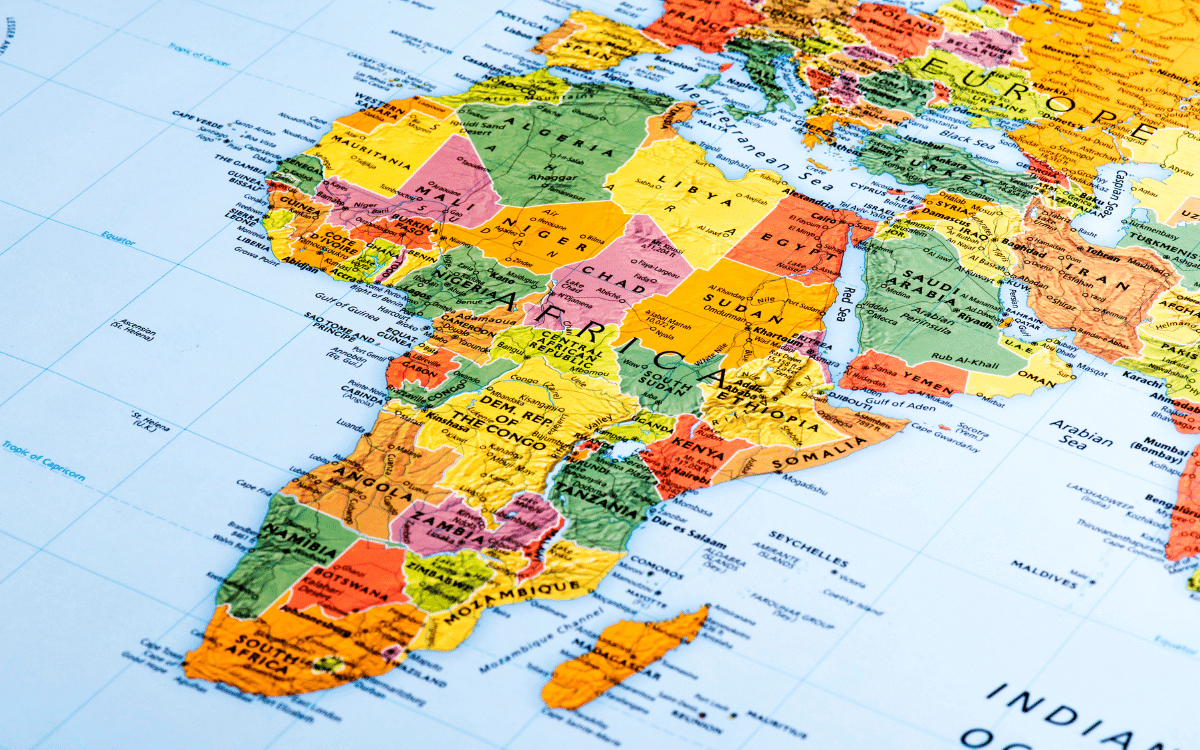
From Yaoundé to Niger State, eastern Congo, Guinea-Bissau and Liberia, a wave of fast-moving developments is exposing some of Africa’s deepest fault lines: political succession, mass insecurity, fragile peace agreements and the growing reach of foreign powers.
Cameroon’s 93-year-old president has returned home after the longest recorded foreign absence of his four-decade rule. In Nigeria, families are scanning a disturbing video for missing relatives after residents said hundreds of people were carried away in coordinated raids. Farther east, ceasefire monitors have entered one of the Democratic Republic of Congo’s most volatile conflict zones.
Meanwhile, Guinea-Bissau is moving toward a fiercely disputed constitutional referendum, while Liberia has become part of an expanding U.S. policy of deporting migrants to countries that are not their homelands.
Here are five major developments shaping Africa right now.
1. Cameroon: Biya Returns After 73 Days — but the Succession Question Is Now Impossible to Ignore


President Paul Biya returned to Cameroon on August 20 after spending more than 10 weeks abroad, ending an absence that had fueled intense speculation about his health, his ability to govern and the machinery of power in one of Central Africa’s most politically centralized states.
Biya left Cameroon on June 7 for what the presidency described as a brief private stay in Europe. He ultimately returned from Geneva, Switzerland, landing at Yaoundé-Nsimalen International Airport before traveling to the presidential palace.
Reuters described the trip as Biya’s longest recorded stay abroad since taking power in 1982.
The president’s return ends the immediate uncertainty over his whereabouts, but it does not resolve the deeper constitutional questions his absence exposed.
Cameroon restored the office of vice president earlier this year, but Biya has not appointed anyone to the position. During his absence, opposition politicians called on the Constitutional Council to consider whether someone should temporarily exercise presidential authority. The council did not act.
The government maintained that state institutions continued functioning normally throughout the president’s absence.
Why it matters: Biya is 93 and has governed Cameroon for more than four decades. His prolonged absence demonstrated how quickly questions surrounding one man’s health can become questions about national continuity. With the vice presidency still vacant, succession remains one of the most consequential unresolved issues in Cameroonian politics.
Source: Reuters, August 20, 2026.
2. Nigeria: A Terrifying Video Raises Fears That Hundreds Were Abducted


A disturbing video posted by an armed group has intensified fears that one of Nigeria’s largest recent mass kidnappings may have taken place in north-central Niger State.
The footage shows large groups of people sitting in a forested area under the watch of armed men. Residents who viewed the recording told Reuters they believed about 600 women, children and elderly people had been taken during attacks around the Dekara area.
Several residents said they recognized relatives among those shown.
But the number must be treated carefully.
Nigerian authorities have not confirmed that 600 people were abducted. Police had previously confirmed an attack on worshippers in the area but said they could not verify the number taken. Reuters also said it could not independently establish the exact location or date on which the video was recorded.
The attack occurred during Friday prayers, with residents describing coordinated raids on several communities around Dekara in Borgu Local Government Area.
Mass kidnapping for ransom has become a persistent security crisis across parts of northern and north-central Nigeria. Armed gangs have attacked villages, schools, highways and religious gatherings, often taking captives into remote terrain and demanding large ransom payments.
Why it matters: Even if the final number proves lower than residents’ estimate, the footage and eyewitness accounts point to an abduction on a potentially extraordinary scale. The incident will intensify pressure on President Bola Tinubu’s government and Nigeria’s security forces to locate and rescue the captives.
Source: Reuters, August 24, 2026.
3. Democratic Republic of Congo: Ceasefire Monitors Enter the Field as a Fragile Peace Faces Its Real Test


After months of negotiations, a mission to monitor a ceasefire in eastern Democratic Republic of Congo began operating on August 24, marking the first field deployment under a mechanism created through a Qatar-mediated peace process.
The monitors are tasked with observing compliance between Congolese forces and the Rwanda-backed AFC/M23 rebellion.
The deployment represents an important shift from diplomatic declarations to an actual verification mechanism on the ground.
That distinction matters because ceasefire agreements in eastern Congo have repeatedly collapsed amid accusations and counter-accusations over which side fired first.
The latest peace effort follows negotiations involving Congo, AFC/M23, Qatar and other international actors seeking to contain a conflict that has displaced huge numbers of civilians and heightened tensions between Congo and neighboring Rwanda.
Why it matters: Eastern Congo remains one of Africa’s most dangerous regional flashpoints. The deployment of monitors creates a mechanism for documenting violations rather than relying solely on claims from the opposing sides. Whether the monitors can actually help restrain fighting will now become a critical test of the peace process.
Source: Reuters, August 24, 2026.
4. Guinea-Bissau: Opposition Calls for Referendum Boycott as Political Fear Deepens
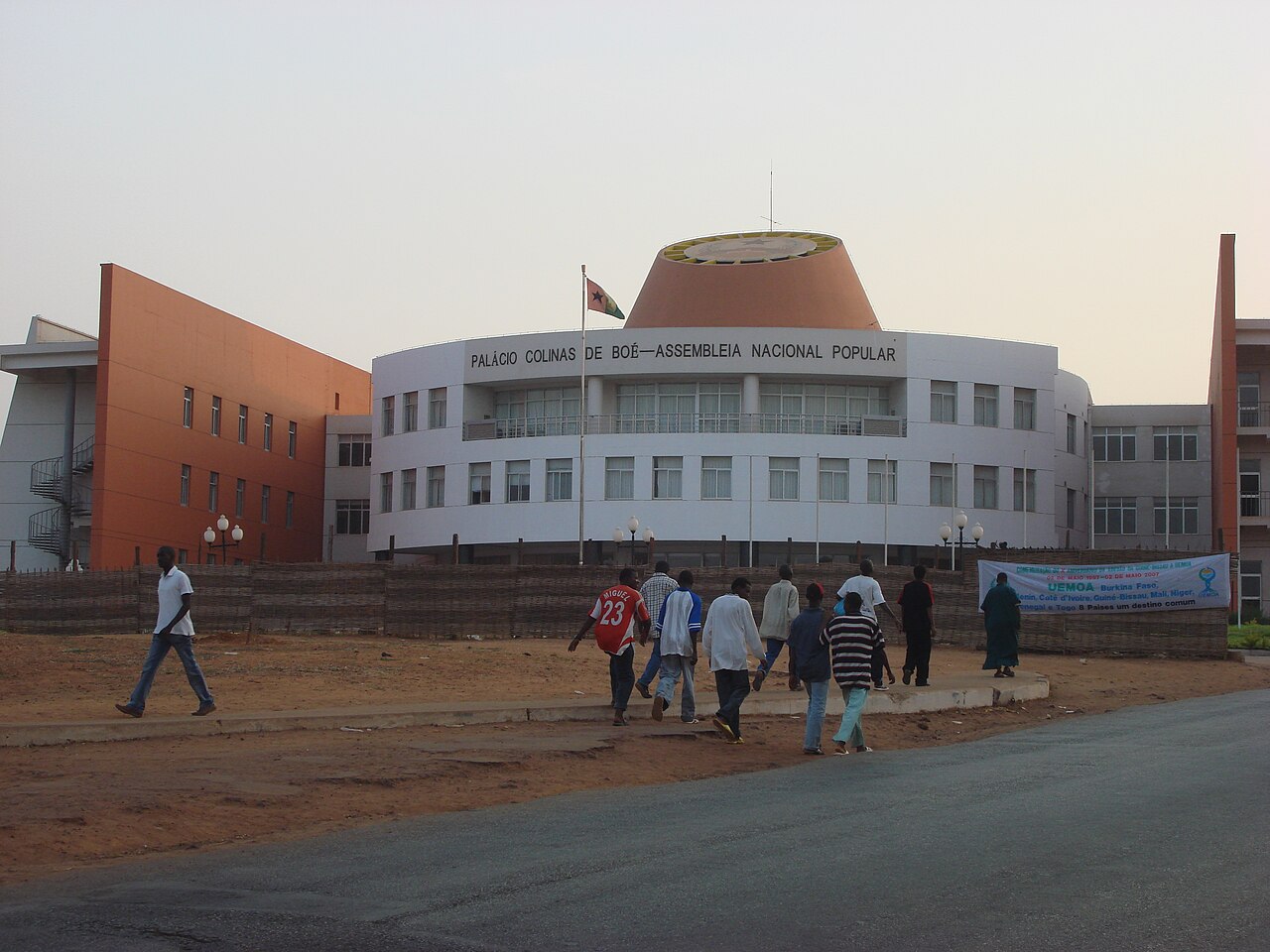
Guinea-Bissau is heading toward an August 30 constitutional referendum under conditions that the country’s principal historic opposition party says lack democratic legitimacy.
The African Party for the Independence of Guinea and Cape Verde, or PAIGC, has called on citizens to boycott the vote.
The referendum will determine whether a new constitution approved by the National Transitional Council enters into force following the military takeover of November 2025, which interrupted the country’s electoral process.
The political environment surrounding the referendum has grown increasingly tense.
Reuters reported on August 21 that the killing of rapper and opposition activist Vigario Luis Balanta has driven some government critics underground. Balanta, a vocal critic of the military authorities, was found beaten to death earlier this year outside the capital.
The government condemned the killing, and the case remains under investigation.
Military authorities say a constitutional referendum will be followed by general elections scheduled for December.
Why it matters: Guinea-Bissau has endured repeated coups, attempted coups and constitutional crises since independence. A new constitution could theoretically create stability, but a referendum rejected by major opposition forces risks deepening rather than resolving the country’s political divisions.
Sources: Africanews, August 21, 2026; Reuters, August 21, 2026.
5. Liberia: U.S. Deportation Deal Expands — and a Cameroonian Woman Is Caught in a Disturbing New Twist

Liberia has begun receiving migrants deported from the United States even when those migrants are not Liberian citizens, placing the West African country at the center of an increasingly controversial U.S. immigration strategy.
Under the agreement, Liberia has said it can receive as many as 1,200 third-country deportees over 12 months. The first U.S. flight arrived at Roberts International Airport on August 20 carrying 20 people.
The arrangement became even more controversial when a group of passengers refused to leave the aircraft.
According to an updated Associated Press report published August 25, six deportees — four Cuban men, one Brazilian man and one Cameroonian woman — refused to disembark in Liberia, saying the country was not their home and that they feared being placed there.
They were subsequently flown to Equatorial Guinea, another African country participating in third-country deportation arrangements with Washington.
The Associated Press reported that the six are being held in Equatorial Guinea alongside other deported migrants. Immigration advocates have raised concerns about detention conditions, access to legal assistance and the treatment of asylum seekers moved through third countries.
U.S. authorities defend the policy as a lawful mechanism for removing people who have no legal right to remain in the United States. Rights groups argue that the practice can place migrants in countries with which they have no meaningful connection.
Why it matters: The policy is becoming a new dimension of U.S.–Africa relations. African governments are no longer dealing with Washington only through traditional questions of aid, trade and security; some are now becoming partners in U.S. immigration enforcement. The presence of a Cameroonian woman among those transferred from Liberia to Equatorial Guinea gives the issue particular resonance in Central Africa.
Sources: Associated Press, August 25, 2026; Reuters, August 18, 2026.
A Continent Confronting Questions of Power, Security and Sovereignty
Across all five stories, one theme stands out: African states are confronting profound questions about who exercises power, who guarantees security and how much influence outside actors should have over domestic and regional affairs.
For Cameroon, Biya’s return may have ended 73 days of uncertainty, but it has not ended the succession debate.
For Nigeria, families are waiting for answers about loved ones whose faces may now be visible in a captors’ video.
For Congo, an international peace effort has finally moved from diplomatic conference rooms into a real conflict zone.
And in Guinea-Bissau and Liberia, decisions being made today could reshape the relationship between sovereignty, democracy and international pressure for years to come.
African Boulevard is following these developing stories. Some details — particularly the estimated number of people abducted in Nigeria — remain subject to official confirmation and may change as new information becomes available.


